Is Wild Ginger Plant Edible
Wild ginger plant is technically edible but requires extreme caution due to toxic compounds and dangerous lookalikes. The roots have a ginger-like flavor but contain aristolochic acid, which can cause kidney damage and cancer with regular consumption. Proper identification is critical before any foraging attempt.
Have you ever spotted those heart-shaped leaves carpeting a shady forest floor and wondered if wild ginger plant is edible? You’re not alone. Many foragers and curious hikers ask this exact question every spring when the distinctive foliage emerges. The short answer might surprise you. Yes, wild ginger plant is technically edible. But there’s a massive “however” attached to that yes. This isn’t like picking wild blackberries where the worst outcome is a scratched arm. We’re talking about a plant that contains compounds linked to kidney failure and cancer. Let’s dig into everything you need to know before you even think about adding this to your foraging basket.
I’ve spent years studying wild edibles, and wild ginger plant remains one of the most controversial plants in the foraging community. Some old-timers swear by it. Modern toxicology says run the other way. The truth sits somewhere in that uncomfortable middle ground. By the end of this article, you’ll understand exactly what wild ginger plant is, why it’s risky, how to identify it if you absolutely must, and most importantly, what safer alternatives can satisfy that same culinary curiosity.
Key Takeaways
- Not true ginger: Wild ginger belongs to a completely different plant family than culinary ginger and has different chemical properties.
- Contains aristolochic acid: This naturally occurring toxin can cause permanent kidney damage and is linked to certain cancers with repeated exposure.
- Dangerous lookalikes exist: Several toxic plants resemble wild ginger, including wild columbine and certain buttercups, making identification critical.
- Traditional use differs from modern safety: Indigenous peoples used wild ginger medicinally in small doses, but modern research reveals serious long-term risks.
- Roots are the primary edible part: The rhizomes have a spicy, ginger-like flavor but concentrate the highest levels of toxic compounds.
- Occasional small use may be lower risk: Very limited culinary use (like flavoring a single dish) carries less risk than regular consumption.
- Better alternatives exist: Culinary ginger, galangal, and turmeric provide similar flavors without the health risks.
Quick Answers to Common Questions
Is wild ginger plant related to store-bought ginger?
No, wild ginger plant belongs to a completely different plant family (Aristolochiaceae) than culinary ginger (Zingiberaceae). They only share a similar scent.
Can eating wild ginger plant once hurt me?
A single small exposure is unlikely to cause immediate harm, but the toxic compounds cause cumulative damage with repeated use over time.
What makes wild ginger plant toxic?
It contains aristolochic acid, which causes kidney damage and cancer, plus beta-asarone and methyl eugenol, which are also carcinogenic.
Are there any safe ways to prepare wild ginger plant?
Traditional preparations involved boiling and discarding water or drying, but modern testing shows these methods don’t reliably remove the harmful compounds.
What should I forage instead of wild ginger plant?
Safe alternatives include spicebush berries, ramps (harvested sustainably), and homegrown culinary ginger, turmeric, or galangal.
📑 Table of Contents
- What Exactly Is Wild Ginger Plant
- Identifying Wild Ginger Plant In The Wild
- The Edibility Question: Breaking Down The Risks
- Traditional Uses vs Modern Understanding
- Dangerous Lookalikes: Why Identification Is Critical
- If You Absolutely Must: Harvesting And Preparation
- Safe And Delicious Alternatives
- Legal And Ethical Considerations
- What To Do If You’ve Eaten Wild Ginger Plant
- Growing Your Own Safe Ginger Alternatives
- The Bottom Line On Wild Ginger Plant
What Exactly Is Wild Ginger Plant
First things first. Wild ginger plant (Asarum canadense in North America, Asarum europaeum in Europe) has zero relation to the ginger root sitting in your produce drawer. That’s culinary ginger (Zingiber officinale), a tropical plant from the Zingiberaceae family. Wild ginger plant belongs to the Aristolochiaceae family. Completely different branch of the plant family tree. The name comes purely from the scent. Crush a leaf or scratch a rhizome, and you’ll get that unmistakable spicy, ginger-like aroma. That’s where the similarity ends.
North American Wild Ginger Plant
Asarum canadense goes by several names. Canada wild ginger. Canadian snakeroot. Broad-leaved asarabacca. It’s native to eastern North America, stretching from Manitoba to Nova Scotia, south to Georgia and Louisiana. You’ll find it in rich, moist deciduous forests. It loves deep shade. The plant forms dense colonies through spreading rhizomes, creating those beautiful ground covers that make forest floors look like someone laid down a green carpet.
European Wild Ginger Plant
Asarum europaeum is the European counterpart. Also called asarabacca or hazelwort. Similar habitat preferences. Similar appearance. Similar chemical makeup. If you’re foraging in Europe, the same warnings apply. Some sources suggest the European species may have higher concentrations of certain toxic compounds, but honestly, neither is a plant you want to mess with regularly.
Other Asarum Species
There are actually over 60 species in the Asarum genus worldwide. Many are native to Asia, particularly China and Japan. Some have been used in traditional Chinese medicine for centuries. But here’s the thing. Traditional use doesn’t equal safe by modern standards. Many traditional remedies involved specific preparations, tiny doses, and short durations. Not tossing a handful into your stir-fry.
Identifying Wild Ginger Plant In The Wild
If you’re determined to learn identification (and you should, even if just to avoid it), here’s what to look for. But I cannot stress this enough. Identification skills require practice with an expert. A blog post is not a field guide. A blog post with photos is not a field guide. Please, for your own safety, take a foraging class or go with an experienced mentor before eating any wild plant.
Leaf Characteristics
Wild ginger plant leaves are the most visible feature. They’re heart-shaped or kidney-shaped. Dark green. Glossy. Usually 3 to 6 inches wide. The leaf stems (petioles) are hairy. This is a key detail. The leaves grow in pairs from the rhizome. Each pair sits on a short stem that rises directly from the ground. In spring, they’re a vibrant fresh green. By late summer, they can look a bit tattered and darker.
The Hidden Flower
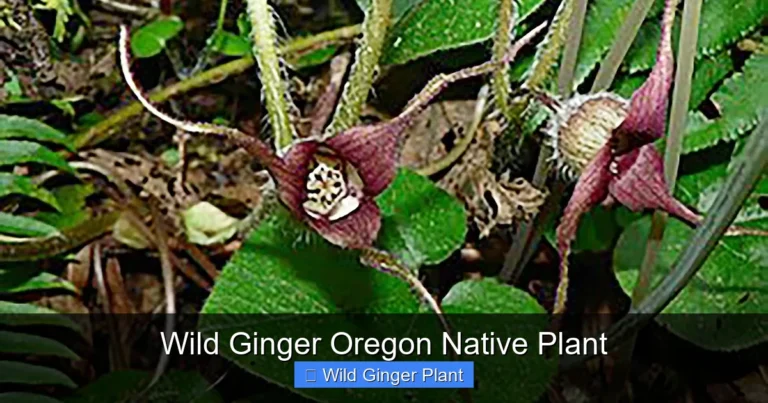
Here’s something cool. Wild ginger plant flowers are easy to miss. They bloom at ground level, hidden beneath the leaf litter. Bell-shaped. Three pointed sepals. Color ranges from brownish-purple to reddish-brown. Almost like a tiny jug lying on its side. They appear in early spring, usually April to May depending on your location. The flowers are pollinated by ants and small flies attracted to the faint carrion-like scent. Yes, really. Nature is weird.
Rhizome Features
The rhizomes creep just below the soil surface. They’re thin, maybe pencil-thickness. Brownish on the outside. White to pale yellow inside. When scratched or broken, they release that characteristic ginger scent. This is the part people harvest. But it’s also where the highest concentration of problematic compounds lives.
Growth Habit And Habitat
Look for wild ginger plant in rich, moist woods. Under maples, beeches, basswoods. Often on north-facing slopes. Near streams but not in standing water. It forms colonies. If you find one plant, you’ll usually find dozens. The dense mats exclude other plants. This colonial habit is actually a good identification clue. But remember. Other plants form colonies too. Don’t rely on just one feature.
The Edibility Question: Breaking Down The Risks
Alright. Let’s talk about the elephant in the room. Is wild ginger plant edible? The answer depends entirely on how you define “edible.” If you mean “can you put it in your mouth, chew, and swallow without immediate death,” then yes. If you mean “is it safe to eat regularly as a food,” then absolutely not. Let’s break down why this distinction matters so much.
Aristolochic Acid: The Hidden Danger
This is the big one. Wild ginger plant contains aristolochic acid. Actually, it contains several aristolochic acids. These are nitrophenanthrene carboxylic acids found in plants of the Aristolochiaceae family. Here’s what the science says. Aristolochic acid is nephrotoxic. That means it damages kidneys. Specifically, it causes aristolochic acid nephropathy. This condition leads to progressive kidney fibrosis. End-stage renal disease. The kidneys essentially scar up and stop working. It’s also carcinogenic. Strongly linked to urothelial cancers. That’s cancers of the urinary tract. Bladder. Ureters. Renal pelvis.
The scary part? The damage is cumulative. You might eat wild ginger plant once and feel fine. Eat it a few times a year for a decade, and you could be looking at dialysis. The latency period can be years. By the time symptoms appear, the damage is done. This isn’t speculation. This is documented in medical literature. There’s a reason the FDA banned all botanical products containing aristolochic acid in 2001.
Other Concerning Compounds
Aristolochic acid isn’t the only issue. Wild ginger plant also contains asarone. Specifically beta-asarone. This compound is also carcinogenic in animal studies. It’s structurally similar to compounds in nutmeg and sassafras that raised similar concerns. The essential oil of wild ginger plant can be 80% or more asarone. That’s a lot. There’s also methyl eugenol. Another potential carcinogen. The combination of these compounds creates a toxicological profile that makes toxicologists very nervous.
Dose Makes The Poison (But We Don’t Know The Safe Dose)
Foragers love to say “the dose makes the poison.” And it’s true. Water can kill you if you drink enough. But here’s the problem with wild ginger plant. We don’t actually know what a safe dose is. Traditional use involved very small amounts. Maybe a pinch of dried root in a tea. Once in a while. Modern culinary use would likely involve much larger quantities. A recipe calling for “a cup of chopped wild ginger rhizomes” could deliver a significant dose of aristolochic acid. The concentration varies by plant, by season, by location, by soil. There’s no standardization. No quality control. You’re essentially guessing.
Acute vs Chronic Toxicity
Acute toxicity from wild ginger plant is rare. You’d have to eat a huge amount to get immediately sick. Nausea, vomiting, stomach pain. That’s not the real danger. The real danger is chronic toxicity. Low doses over time. The kind of exposure that happens when someone decides wild ginger plant is their new favorite foraged spice and uses it weekly. That’s when the kidney damage accumulates. That’s when cancer risk climbs. This delayed effect is exactly what makes it so insidious. You don’t get feedback. You don’t know you’re hurting yourself until it’s too late.
Traditional Uses vs Modern Understanding
It’s worth understanding why people used this plant historically. Indigenous peoples across eastern North America used wild ginger plant medicinally. The Cherokee used it for coughs, colds, and fevers. The Iroquois used it as a contraceptive (which should tell you something about its physiological potency). The Ojibwe used it for stomach issues. Many tribes used it as a seasoning, but sparingly. The key word is sparingly. And medicinally. Not as a daily vegetable.
Traditional Preparation Methods
Traditional preparations often involved drying the root. Or boiling it and discarding the water. Some cultures fermented it. These methods may have reduced the toxic compound load. We don’t actually know. What we do know is that traditional use patterns involved tiny doses for specific purposes over short durations. Not regular culinary use. The shift from “medicine used occasionally” to “food eaten regularly” is where the danger lies.
Traditional Chinese Medicine Context
In traditional Chinese medicine, several Asarum species (known as Xi Xin) are used. But they’re used in formulas. In tiny doses. Usually 1-3 grams per day in a decoction shared among multiple herbs. And practitioners are trained to recognize toxicity signs. Even then, modern Chinese pharmacopoeia has restricted use due to aristolochic acid concerns. Some countries have banned certain Asarum species entirely. This should tell you something about how seriously the medical community takes this.
The Colonial Era Adoption
European settlers learned about wild ginger plant from Indigenous peoples. They adopted it as a ginger substitute when imported ginger was expensive or unavailable. Candied wild ginger root was a thing. Wild ginger beer. Wild ginger tea. But again, this was occasional use. A treat. Not a staple. And they didn’t have the analytical chemistry to detect what we now know is there.
Dangerous Lookalikes: Why Identification Is Critical
Even if you decided to accept the risks of wild ginger plant itself, you have another problem. Several toxic plants grow in the same habitats and can look similar to the untrained eye. This is where foraging becomes genuinely dangerous. Let me introduce you to the plants that could kill you if you mistake them for wild ginger plant.
Wild Columbine (Aquilegia canadensis)
Young wild columbine leaves can resemble wild ginger plant leaves. Both are basal. Both can be somewhat heart-shaped. But wild columbine leaves are more deeply lobed. Almost like a duck’s foot. And the plant contains cyanogenic glycosides. Eating significant amounts can cause cyanide poisoning. Not a risk you want to take.
Early Meadow Rue (Thalictrum dioicum)
Another spring woodland plant. The young foliage has a similar vibe. But meadow rue leaves are more finely divided. Compound. Lacy. Still, in early growth stages, confusion is possible. Some Thalictrum species contain alkaloids that can cause digestive upset and more serious effects in large doses.
Certain Buttercups (Ranunculus species)
Several buttercup species grow in moist woods. Their basal leaves can be somewhat kidney-shaped. But buttercups contain protoanemonin. This causes severe mouth irritation, blistering, and digestive tract inflammation. The acrid taste usually stops people quickly, but if you’re expecting a ginger flavor, you might power through the warning signs.
Golden Ragwort (Packera aurea)
Also called golden groundsel. Basal leaves are heart-shaped. Grows in similar habitats. But this plant contains pyrrolizidine alkaloids. These cause liver damage. Venous occlusive disease. The damage is cumulative and irreversible. Another plant you absolutely do not want to eat by mistake.
Violets (Viola species)
Violet leaves are heart-shaped and basal. Some foragers eat violet leaves. But they’re not wild ginger plant. The flowers are totally different (visible, colorful, not hidden). The scent is different (mild, not gingery). But in early spring before flowering, a beginner could confuse them. Violets are generally safe, but this highlights how leaf shape alone is never enough for identification.
If You Absolutely Must: Harvesting And Preparation
I’m including this section not because I recommend it, but because harm reduction matters. If someone is going to do this anyway, they should have accurate information to minimize risk. But please reread the risk section first. Really. The safest amount of wild ginger plant to eat is zero.
When To Harvest (If You Insist)
Traditional harvest is in fall. After the plant has stored energy in the rhizomes. Or very early spring before new growth. The theory is that aristolochic acid concentration might be lower then. We don’t actually have good data on seasonal variation. But fall harvest is traditional. Only take from large, healthy colonies. Never take more than 10% of a patch. Better yet, take 1%. Leave the rest to reproduce.
How To Harvest
How To Clean And Prepare
Dig carefully. You want the rhizomes, not the roots. Wash thoroughly. Scrub off all soil. Peel the brown outer skin. This removes some surface contaminants and may reduce some compounds. Slice thinly. Traditional preparations often involve boiling and discarding the water multiple times. This leaches out water-soluble compounds. But aristolochic acid isn’t very water-soluble. So this helps less than you’d hope. Drying the rhizomes and grinding to powder was another traditional method. Again, unproven for toxin reduction.
Culinary Uses (Historical Context Only)
Historically, wild ginger plant was used to flavor syrups, candied as a sweetmeat, brewed as tea, added to beer, used in puddings. The flavor is described as spicy, warming, gingery but with earthy, slightly bitter notes. Some say it’s more like a cross between ginger and black pepper. Candying involves boiling in sugar syrup multiple times. This intense processing may reduce some toxins. But we have no data. Modern recipes sometimes suggest using it in ice cream, custards, or savory sauces. I cannot recommend any of these.
Safe And Delicious Alternatives
Here’s the good news. You want that warm, spicy, gingery flavor in your foraged foods? You have options. Better options. Safer options. Options that won’t have you googling “early signs of kidney failure” at 2 AM.
Culinary Ginger (Zingiber officinale)
Obvious, right? But hear me out. You can grow ginger at home. In pots. Even in cold climates. Start with organic ginger from the store. Look for plump pieces with visible “eyes” (growth buds). Plant in rich potting soil. Keep warm and moist. In 8-10 months, you’ll have fresh ginger. It’s not wild foraging, but it’s homegrown. And completely safe. You know exactly what you’re getting.
Galangal (Alpinia galanga and Alpinia officinarum)
Greater and lesser galangal. Related to ginger. Used extensively in Southeast Asian cuisine. Piney, citrusy, spicy. Different from ginger but fills a similar culinary niche. Also growable in pots in warm climates or indoors. Safe. Delicious. Available at Asian markets if you can’t grow it.
Turmeric (Curcuma longa)
Another ginger family member. Earthy, warm, slightly bitter. Incredible anti-inflammatory properties. Easy to grow like ginger. Fresh turmeric is a revelation compared to the dried powder. Grate it into everything. Golden milk. Curries. Smoothies. Zero toxicity concerns at culinary doses.
Spicebush (Lindera benzoin)
Now we’re talking native foraging. Spicebush is a native shrub. The berries (on female plants) have an incredible allspice-meets-citrus-meets-pepper flavor. The twigs and leaves make a lovely tea. Completely safe. Abundant in eastern woodlands. This is a forager’s dream spice. Look for the scratch-and-sniff bark. Lemon-spice scent. Unmistakable.
Ramps (Allium tricoccum)
Wild leeks. Not gingery, but that same spring foraging excitement. Incredible garlic-onion flavor. Sustainable harvest means taking only one leaf per plant, leaving the bulb. Or just harvesting leaves. They’re the best part anyway. Sautéed in butter? Life-changing. But please, practice ethical harvesting. Ramps are slow-growing and overharvested in many areas.
Angelica (Angelica atropurpurea)
Native angelica. The stems are candied traditionally. The roots have a complex, musky, celery-anise flavor. Used in liqueurs. But be extremely careful. Angelica has toxic lookalikes in the carrot family (water hemlock, poison hemlock). Only forage angelica if you’re 100% confident in your Apiaceae identification skills. This is not a beginner plant.
Legal And Ethical Considerations
Before you harvest any wild plant, you need to know the rules. And I don’t just mean the law. I mean the unwritten rules that keep plant populations healthy and foragers welcome.
Legal Status
Wild ginger plant isn’t federally protected in the US. But state laws vary. Some states list it as a species of concern. On public land, foraging rules differ by agency. National parks? Generally no foraging. National forests? Often allowed for personal use with limits. State parks? Varies wildly. Private land? You need permission. Always. No exceptions. Check regulations before you go. Ignorance doesn’t protect you from fines.
Ethical Harvesting
Even where legal, should you? Wild ginger plant is slow-growing. It spreads primarily by rhizome. Seed dispersal is limited (ants move seeds short distances). A colony takes decades to establish. Removing rhizomes kills the plant. Taking leaves weakens it. If you must harvest, take one leaf per plant from large colonies. Better yet, don’t. Photograph it. Admire it. Leave it for the ants and the flies and the next hiker.
Conservation Status
In some regions, wild ginger plant is declining due to habitat loss, invasive species (especially garlic mustard and earthworms), and overharvesting. It’s an indicator species for high-quality woodlands. Its presence tells you the ecosystem is healthy. Removing it degrades that ecosystem. As foragers, we should be stewards, not just consumers.
What To Do If You’ve Eaten Wild Ginger Plant
Okay. You already ate some. Maybe you didn’t read this article first. Maybe you ate it years ago. What now?
Don’t Panic
Seriously. A single exposure is very unlikely to cause harm. The risks are cumulative. Chronic. If you ate a small amount once, the statistical risk is extremely low. Panic causes stress. Stress is bad for your kidneys. So breathe.
Stop Eating It
Obvious, but worth stating. Don’t eat any more. Not “just a little.” Not “properly prepared.” Just stop. The risk-benefit ratio makes no sense for a flavoring agent.
Monitor Your Health
If you ate significant amounts regularly, talk to your doctor. Be honest. “I consumed wild ginger plant regularly for X years.” Ask about kidney function tests. Basic blood work (creatinine, GFR) and urinalysis can catch early changes. Early detection matters. Don’t mention it casually. Schedule an appointment specifically for this.
Hydrate
Good hydration supports kidney function. Water. Not excessive. Just adequate. Your kidneys need water to filter effectively. This is good advice for everyone, not just potential wild ginger plant eaters.
Avoid Other Nephrotoxins
If you’re concerned about kidney health, be gentle on your kidneys. Limit NSAIDs (ibuprofen, naproxen). Avoid excessive alcohol. Manage blood pressure. Control blood sugar if diabetic. Your kidneys do enough work without extra burdens.
Growing Your Own Safe Ginger Alternatives
Since I keep mentioning growing your own, let me give you a quick primer. It’s easier than you think.
Container Growing Basics
Ginger, turmeric, and galangal all grow well in pots. Use wide, shallow containers. They spread horizontally. Rich, well-draining potting mix. Compost-heavy. Plant rhizome pieces 2 inches deep with eyes facing up. Keep soil consistently moist but not soggy. Warmth is key. 70-85°F ideal. They’ll go dormant in cool weather. That’s fine. Reduce watering. Resume when warm.
Indoor Growing Tips
South-facing window. Or grow lights. Humidity helps. Mist occasionally or use a pebble tray. Fertilize monthly during active growth with balanced organic fertilizer. Harvest by gently uncovering soil and snapping off what you need, then recovering. The plant keeps growing. Perpetual ginger supply. From one store-bought piece.
Outdoor Seasonal Growing
In zones 7+, you can grow ginger in ground with heavy mulch. In colder zones, start indoors in late winter. Move out after last frost. Bring in before first frost. Or treat as annual and harvest all at season’s end. Save pieces for next year. It’s incredibly rewarding to pull up a cluster of plump, pink-tinged ginger rhizomes you grew yourself.
The Bottom Line On Wild Ginger Plant
Let me be as clear as I possibly can. Wild ginger plant is not worth the risk. Not for a flavoring. Not for a tea. Not for a “connection to ancestral foodways.” The compounds it contains are genuinely dangerous. The damage is irreversible. The latency period means you won’t know until it’s too late. And for what? A ginger substitute that isn’t as good as actual ginger? That you can grow yourself in a pot on a balcony?
I know the foraging instinct. I feel it too. That thrill of finding food in the forest. The desire to know your landscape deeply. To participate in the oldest human tradition. But wisdom is knowing which traditions to keep and which to leave behind. Indigenous peoples used this plant with deep knowledge, specific preparation, careful dosing, and spiritual context. We have lost most of that knowledge. What remains in foraging books and blogs is a shadow. A dangerous shadow.
Instead, channel that foraging energy into plants that are genuinely safe and abundant. Spicebush. Ramps (ethically). Violets. Wood sorrel. Blackberries. Pawpaws. Hickory nuts. The list is long and delicious. Learn them deeply. Harvest them sustainably. Share them joyfully. That’s the foraging tradition worth preserving.
And if you really, really want that gingery warmth in your wild food repertoire? Grow ginger. Grow turmeric. Grow galangal. Put them in pots. Talk to them. Watch them unfurl. Harvest with gratitude. That’s a relationship with a plant that nourishes instead of harms. That’s the path I choose. I hope you’ll choose it too.
Frequently Asked Questions
Is wild ginger plant edible for everyone?
Wild ginger plant is not considered safe for regular consumption by anyone due to aristolochic acid content. Pregnant women, people with kidney conditions, and children should especially avoid it.
How can I identify wild ginger plant in the woods?
Look for heart-shaped, glossy leaves in pairs on hairy stems, growing in dense colonies in rich, moist shade. The hidden brownish-purple flowers sit at ground level beneath leaf litter in spring.
Did Native Americans eat wild ginger plant safely?
Indigenous peoples used wild ginger plant medicinally in very small doses for specific conditions, not as a regular food. Traditional preparation methods and dosing knowledge has largely been lost.
Can I grow wild ginger plant in my garden safely?
You can grow it as an ornamental groundcover, but label it clearly and don’t harvest it for food. It makes a beautiful native shade garden plant with ecological value for pollinators.
What happens if my pet eats wild ginger plant?
Contact your veterinarian immediately. The same toxic compounds that harm humans can harm pets, potentially causing kidney damage. Bring a plant sample if possible.
Are there any wild ginger plant species that are safer?
All Asarum species contain aristolochic acids to some degree. No species in this genus is considered safe for regular culinary use by modern toxicological standards.