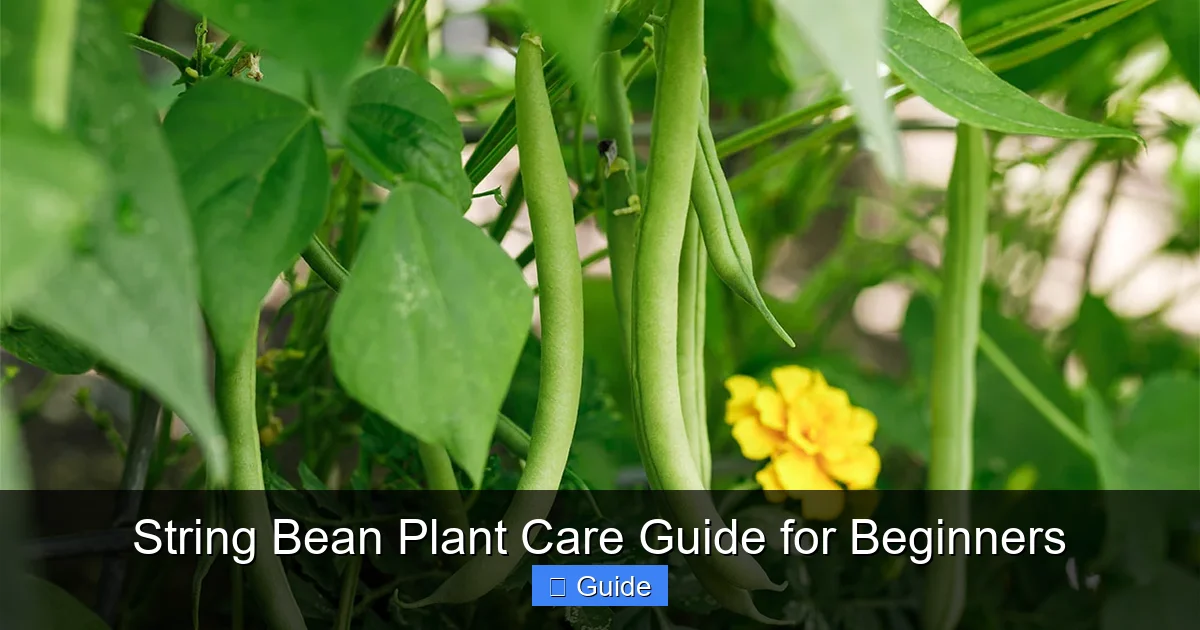
String Bean Plant Care Guide for Beginners
String beans are a rewarding crop for new gardeners. This guide covers everything from seed selection to harvest, so you can enjoy fresh beans all season.
Key Takeaways
- Pick the right variety: Bush beans need less space, pole beans give higher yields.
- Prepare loose, fertile soil: Add compost and ensure good drainage before planting.
- Sow seeds after the last frost: Plant 1 inch deep and 3 inches apart for bush types.
- Water consistently: Keep soil moist but not soggy; mulch helps retain moisture.
- Provide support for pole beans: Use trellises, stakes, or teepees early on.
- Harvest regularly: Pick pods when they are 4–6 inches long for the best flavor.
Quick Answers to Common Questions
How deep should I plant string bean seeds?
Plant seeds about 1 inch deep in the soil.
Do bush beans need a trellis?
No, bush beans grow in a compact mound and do not require support.
When is the best time to water beans?
Water early in the morning at the base of the plant to keep leaves dry.
How often should I harvest string beans?
Pick pods every 2 to 3 days once they reach 4 to 6 inches long.
Can I grow string beans in containers?
Yes, choose a bush variety and use a pot at least 12 inches deep with good drainage.
📑 Table of Contents
Introduction
Welcome to the string bean plant care guide for beginners. If you have ever wanted a fresh, crunchy vegetable straight from your garden, string beans are a perfect start. They grow fast, need little space, and give a big harvest for a small effort.
In this guide you will learn each step from choosing a variety to storing your beans. The advice is written in plain language so you can follow along even if you have never planted a seed before. Let’s get started and turn your garden into a bean‑producing machine.
Choosing the Right Variety
Bush beans versus pole beans
Bush beans grow in a compact mound. They do not need a trellis. They are great for containers or small beds. Pole beans climb. They need a support structure but produce more pods over a longer period.
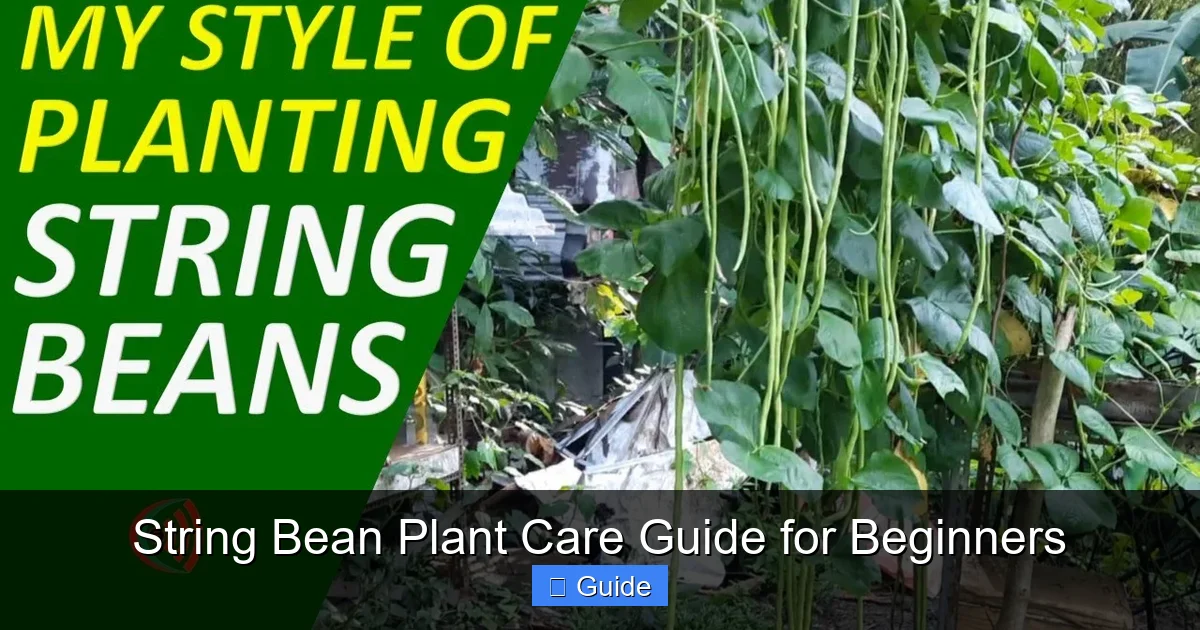
Visual guide about String Bean Plant Care Guide for Beginners
Image source: i.ytimg.com
Popular beginner varieties
- Blue Lake: Classic green bean, reliable and tasty.
- Provider: Early harvest, disease resistant.
- Kentucky Wonder: Pole type, high yield, great flavor.
Pick a variety that matches your space and the length of your growing season. Check the seed packet for days to maturity. A shorter season means you can plant later and still get a crop.
Preparing the Soil
Test and amend
Beans like a slightly acidic to neutral pH, around 6.0 to 6.8. A simple soil test kit tells you where you stand. If the soil is too acidic, add garden lime. If it is too alkaline, work in elemental sulfur.
Add organic matter
Mix in 2 to 3 inches of compost or well‑rotted manure. This improves drainage, adds nutrients, and helps the soil hold moisture. Beans are light feeders, so they do not need heavy fertilizer at planting time.
Loosen the bed
Use a garden fork or tiller to loosen the top 8 to 10 inches. Remove rocks and large clods. A loose bed lets roots spread easily and reduces the chance of root rot.
Planting Seeds
Timing
Sow seeds after the danger of frost has passed and the soil has warmed to at least 60°F. In most regions this is late spring. You can also start seeds indoors 2 weeks early and transplant, but direct sowing works fine for beans.
Spacing and depth
Plant seeds 1 inch deep. For bush beans space them 3 inches apart in rows 18 to 24 inches apart. For pole beans space seeds 4 inches apart along the base of the support. Thin seedlings to the strongest plant per spot if you sow extra.
Succession planting
To extend the harvest, sow a new batch every 2 weeks until midsummer. This gives you a steady supply of fresh pods instead of one big glut.
Watering and Feeding
Consistent moisture
Beans need about 1 inch of water per week. Water at the base of the plant to keep leaves dry. Wet foliage invites fungal diseases. A soaker hose or drip irrigation works best.
Mulch
Apply a 2‑inch layer of straw, shredded leaves, or grass clippings around the plants. Mulch conserves moisture, suppresses weeds, and keeps soil temperature stable.
Light feeding
When the first flowers appear, side‑dress with a balanced organic fertilizer such as a 5‑5‑5 blend. Avoid high nitrogen fertilizers; they promote leaf growth at the expense of pods.
Supporting Growth
Install supports early
For pole beans set up trellises, stakes, or a teepee before the vines start climbing. This prevents root disturbance later. A simple teepee made from three 6‑foot bamboo poles tied at the top works well.
Train the vines
Gently guide young tendrils onto the support. They will latch on naturally. Check weekly and redirect any stray vines.
Prune for airflow
If the foliage becomes dense, pinch off a few lower leaves. Better airflow reduces the risk of powdery mildew and other diseases.
Dealing with Pests and Diseases
Common pests
- Bean beetles: Hand‑pick or spray neem oil early in the morning.
- Aphids: Blast with a strong jet of water or apply insecticidal soap.
- Spider mites: Increase humidity and spray with horticultural oil.
Common diseases
- Powdery mildew: Space plants, water at soil level, and remove infected leaves.
- Root rot: Ensure good drainage; avoid overwatering.
- Bacterial blight: Rotate crops each year and use disease‑free seed.
Preventive habits
Rotate beans with non‑legume crops every 2 to 3 years. Clean up plant debris at season end. Choose resistant varieties when possible.
Harvesting and Storing
When to pick
Harvest pods when they are 4 to 6 inches long, firm, and the seeds inside are just beginning to bulge. Pick every 2 to 3 days. Frequent harvesting encourages more production.
How to harvest
Use two hands. Hold the stem with one hand and snap the pod off with the other. Avoid pulling the plant, which can damage roots.
Short‑term storage
Place fresh beans in a perforated plastic bag in the refrigerator. They stay crisp for up to a week.
Long‑term preservation
- Freezing: Blanch 3 minutes, cool in ice water, drain, pack in freezer bags.
- Canning: Pressure‑can using a tested recipe for low‑acid vegetables.
- Drying: Dehydrate until brittle, then store in airtight jars.
Conclusion
Growing string beans is one of the most satisfying projects for a new gardener. With the right variety, prepared soil, consistent watering, and a little support, you will enjoy a steady stream of sweet, crunchy pods all summer. Remember to harvest often, watch for pests, and rotate your crops each year. Follow this string bean plant care guide for beginners and you will soon be the go‑to person for fresh beans at every family gathering. Happy planting!
Frequently Asked Questions
What soil pH is ideal for string beans?
String beans prefer a slightly acidic to neutral pH between 6.0 and 6.8. Test your soil and amend with lime or sulfur as needed.
How much sunlight do string beans need?
They thrive in full sun, which means at least 6 to 8 hours of direct light each day.
Can I plant string beans next to tomatoes?
Yes, beans and tomatoes are compatible companions. Beans fix nitrogen, which can benefit tomato plants.
Why are my bean leaves turning yellow?
Yellow leaves often indicate overwatering, nutrient deficiency, or a fungal disease. Check soil moisture and consider a light feeding.
How do I prevent bean beetles naturally?
Hand‑pick beetles early, use row covers, and apply neem oil or diatomaceous earth around the base of plants.
Is it necessary to soak bean seeds before planting?
Soaking is optional. It can speed germination but beans germinate well without soaking if the soil is warm and moist.