Picture of Wild Ginger Plant
This article provides a complete picture of wild ginger plant identification, habitat, and uses, featuring high‑quality images and practical tips for foragers and gardeners. You will learn how to spot the plant in the wild, distinguish it from look‑alikes, and safely incorporate it into your kitchen or garden.
Key Takeaways
- Identification: Learn the key visual cues that make a picture of wild ginger plant easy to recognize.
- Habitat: Discover where this plant thrives and how to locate it in the wild.
- Edibility: Understand which parts are safe to eat and how to prepare them.
- Look‑alikes: Avoid confusion with similar species by studying side‑by‑side comparisons.
- Cultivation: Get tips for growing wild ginger in a home garden.
- Conservation: Learn responsible foraging practices to protect native populations.
- Photography: Capture a clear picture of wild ginger plant with simple camera settings.
Quick Answers to Common Questions
What does a picture of wild ginger plant typically show?
A picture of wild ginger plant usually displays heart‑shaped glossy leaves, a low‑growing habit, and a hidden bell‑shaped flower at ground level.
Where can I find wild ginger in the wild?
Look for moist, shaded deciduous forests on north‑facing slopes with rich leaf litter.
Is wild ginger safe to eat?
Yes, the rhizome of Asarum canadense is edible in small amounts, but avoid large doses and do not consume during pregnancy.
How do I grow wild ginger at home?
Plant rhizome pieces in a shady, moist, compost‑rich bed, mulch well, and keep soil consistently damp.
What are common look‑alikes to avoid?
Canadian wild ginger and European wild ginger are the main species that resemble Asarum canadense; compare leaf shape and flower color to tell them apart.
📑 Table of Contents
Introduction
When you first hear the name wild ginger you might picture a spicy kitchen root. The plant that carpets shady woods is a completely different species. A picture of wild ginger plant reveals heart shaped leaves that hug the forest floor. The flowers hide beneath the foliage and are easy to miss. This guide will walk you through identification habitat and uses so you can recognize it on your next hike. You will also learn how to photograph it for future reference. A clear picture of wild ginger plant helps you compare field notes later.
I have spent many weekends wandering forest trails with a camera in hand. Each time I find a new patch I take a fresh picture of wild ginger plant to add to my field notes. The more images you collect the easier it becomes to spot subtle differences between this plant and its look alikes. Let us dive into the details together and build your confidence. A good picture of wild ginger plant can also be shared with local foraging groups for verification. Sharing images encourages community learning and protects native populations.
Botanical Profile & Identification
Scientific Name & Family
The scientific name for the most common North American species is Asarum canadense and it belongs to the birthwort family Aristolochiaceae. Knowing the family helps you understand why the flowers are so unusual. A picture of wild ginger plant taken in early spring often reveals the unique jug shaped bloom that sits at ground level. This taxonomic detail is useful when you consult field guides or online databases. The genus Asarum includes several species that look similar but have distinct ranges. A clear picture of wild ginger plant with the scientific label helps avoid confusion.
Visual guide about Picture of Wild Ginger Plant
Image source: directnativeplants.com
Growth Habit
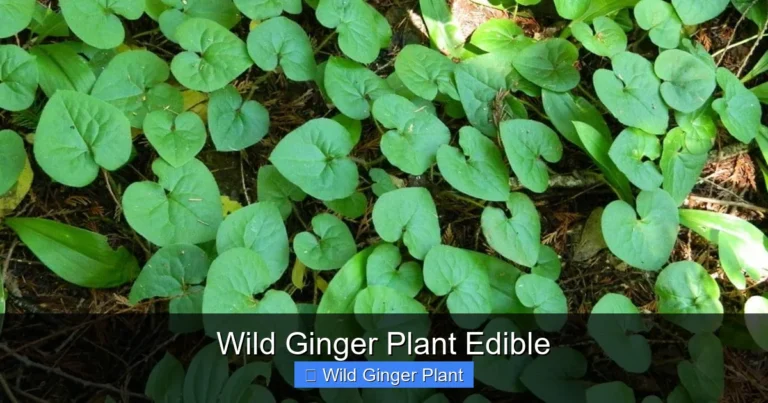
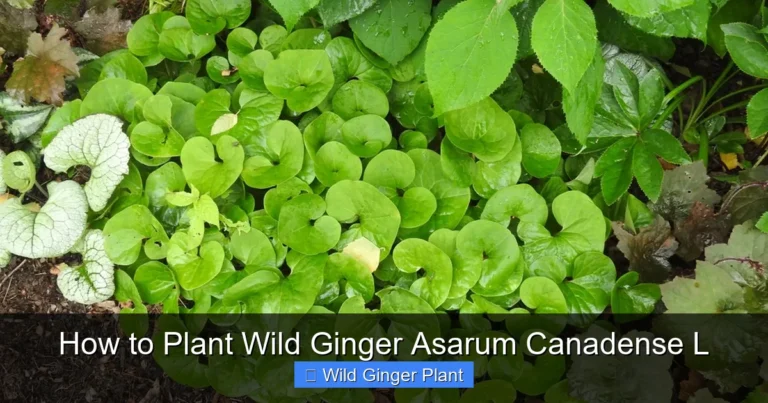
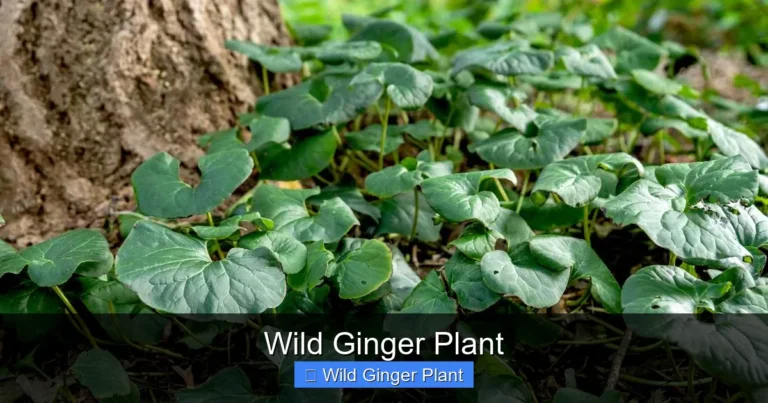
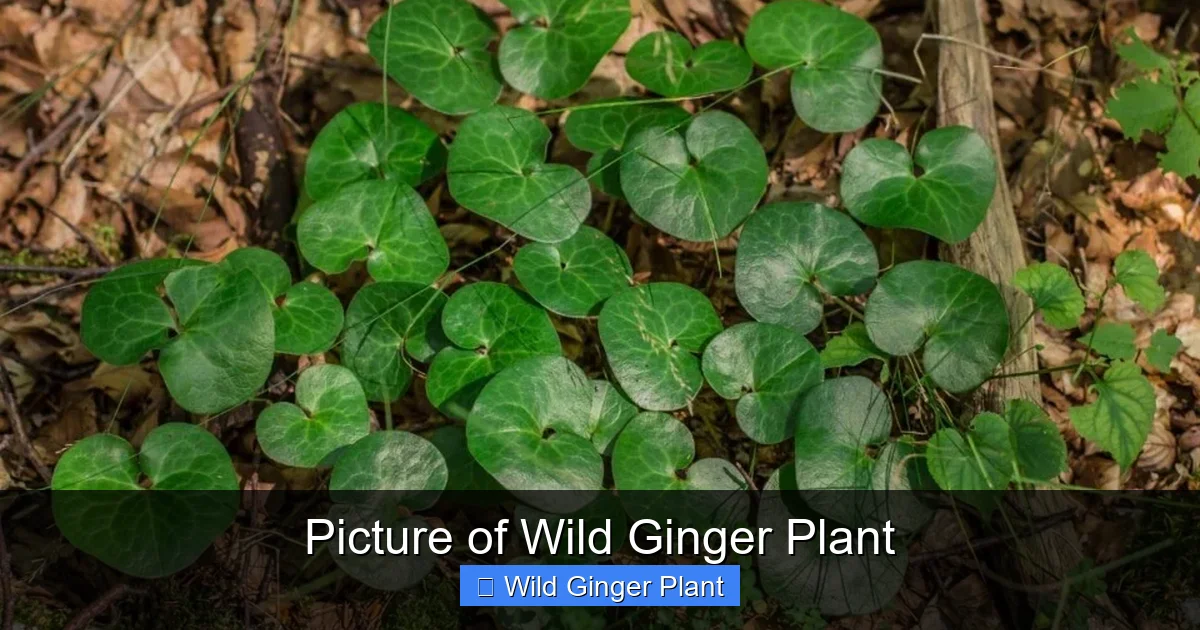
Wild ginger is a low growing perennial that spreads by rhizomes creeping just under the soil surface. The leaves emerge in pairs and form a dense mat that suppresses weeds. In a picture of wild ginger plant you will see the glossy kidney shaped leaves overlapping like shingles. This habit makes it an excellent ground cover for shaded gardens. The rhizome network can extend several feet creating a living carpet. A picture of wild ginger plant taken from above shows the uniform coverage. Gardeners value this trait for erosion control on slopes.
Leaf Characteristics
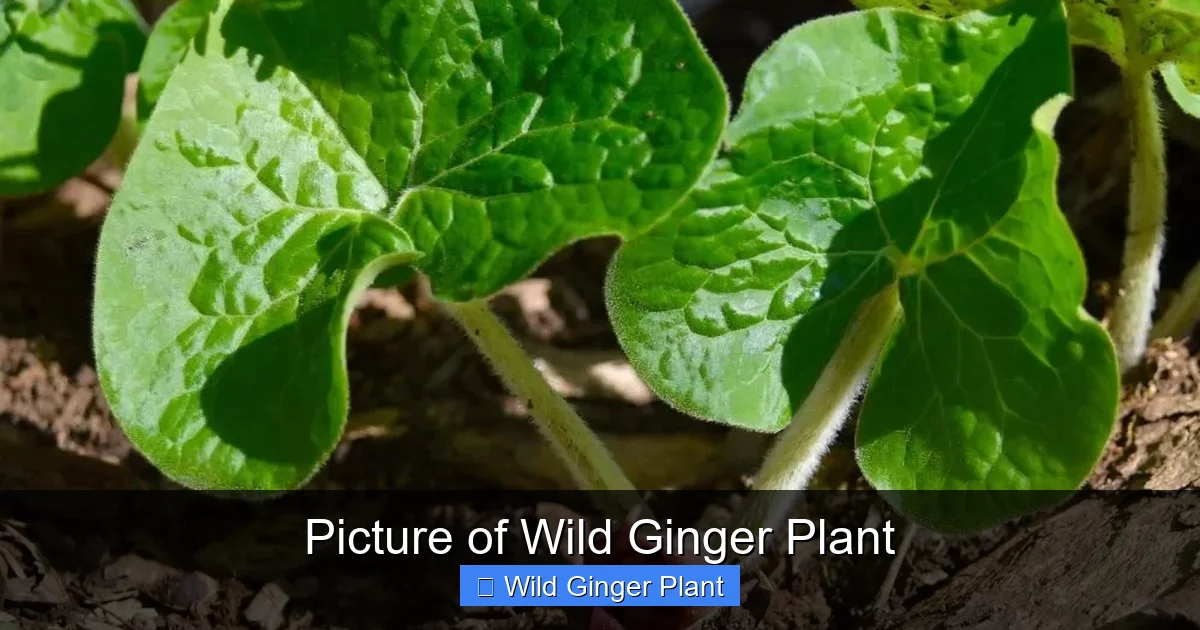
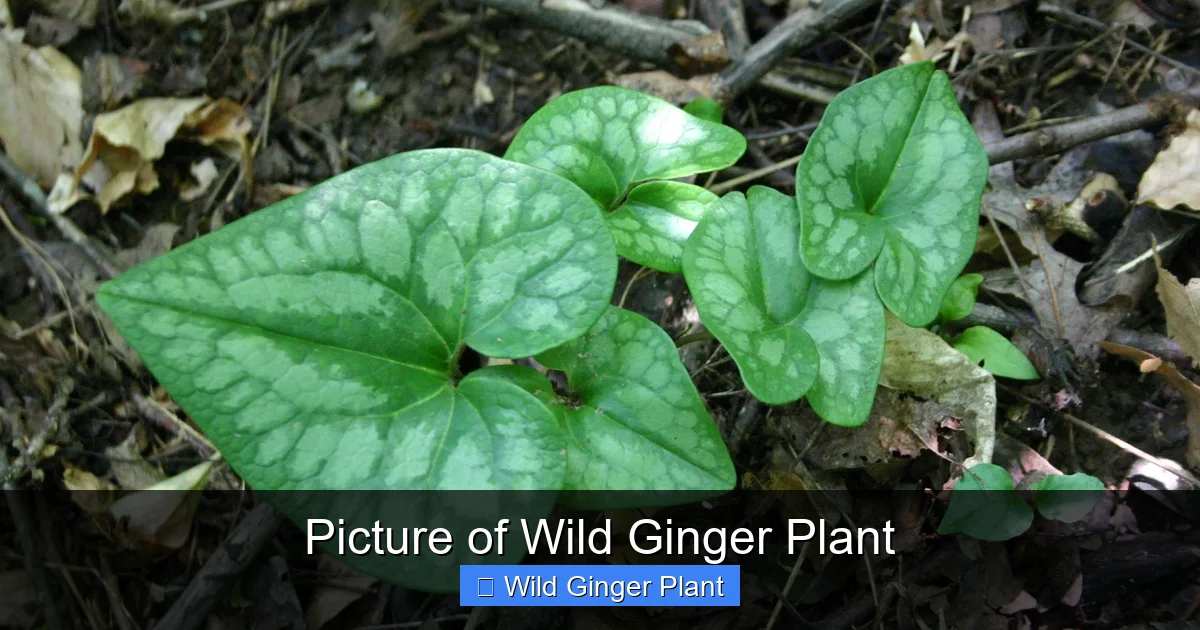
Each leaf is about three to six inches wide with a smooth upper surface and a slightly hairy underside. The veins run parallel to the leaf margin and are easy to see in a picture of wild ginger plant. The leaf base is distinctly heart shaped rather than rounded which helps separate it from similar species. When you flip a leaf you may notice a faint peppery scent. The leaf texture feels thick and leathery to the touch. A close up picture of wild ginger plant leaf shows the fine hairs on the underside.
Flower Details
The flower is solitary bell shaped and usually brownish purple with three fused sepals forming a tube. Because it sits at ground level it is often hidden by leaf litter. A close up picture of wild ginger plant flower can reveal the intricate interior that attracts small beetles for pollination. The bloom appears shortly after the leaves emerge in early spring. The flower lacks petals and relies on scent to draw insects. A picture of wild ginger plant in bloom is a rare treat for photographers. Observing the flower helps confirm species identity.
Key Visual Markers
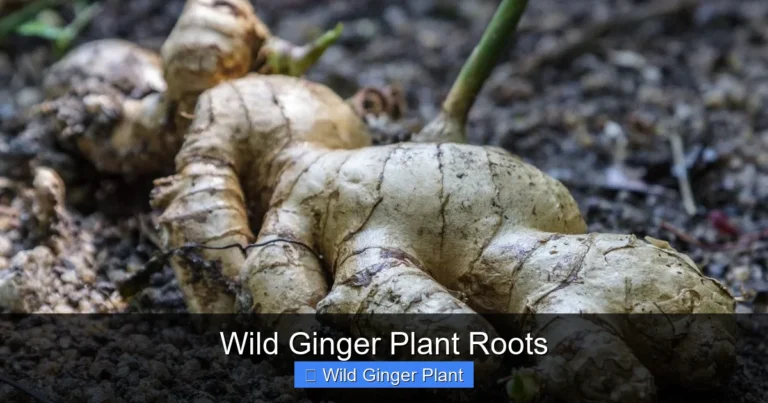
Start with the leaf shape because the heart shaped base and glossy surface are the first clues. Next check the rhizome which is thick aromatic and ginger colored when cut. A picture of wild ginger plant rhizome can confirm the scent and color. Finally look for the hidden flower by gently lifting leaf litter. These three markers together make identification reliable. The leaf arrangement is opposite and forms a tight rosette. A picture of wild ginger plant taken from the side shows the rosette clearly. Using a hand lens enhances detail for beginners.
Distinguishing Look‑alikes
Common look alikes include Canadian wild ginger Asarum caudatum and European wild ginger Asarum europaeum. Canadian wild ginger has longer leaf tails and a more elongated flower. European wild ginger leaves are more rounded and the flower is brighter purple. A side by side picture of wild ginger plant and its relatives makes the differences obvious. Always compare multiple features before harvesting. The rhizome scent differs slightly between species. A picture of wild ginger plant rhizome cross section can highlight these subtle variations. Field guides often include comparison charts for quick reference.
Habitat & Distribution
Preferred Growing Conditions
Wild ginger loves moist rich well drained soil under a canopy of deciduous trees where dappled light reaches the forest floor. The plant prefers a pH range of five point five to seven point zero. If you are scouting for a picture of wild ginger plant in the wild look for north facing slopes with plenty of leaf mulch. Consistent moisture is key for healthy colonies. The soil should stay damp but never waterlogged. A picture of wild ginger plant thriving in such conditions shows vibrant green foliage. Mulching with shredded leaves mimics natural forest litter.
Visual guide about Picture of Wild Ginger Plant
Image source: walterreeves.com
Geographic Range
In the United States the species ranges from the Great Lakes region down to the Appalachian Mountains and into parts of the Midwest. Canadian populations extend from Ontario east to the Maritime provinces. A distribution map paired with a picture of wild ginger plant can help you plan a successful foraging trip. Knowing the range prevents wasted effort in unsuitable areas. The plant also appears in the Pacific Northwest in isolated pockets. A picture of wild ginger plant from each region shows slight morphological variation. Consult local herbarium records for the most accurate range data.
Seasonal Timing
Leaves emerge in early spring often before the trees fully leaf out. Flowers appear shortly after usually in April to May depending on latitude. By midsummer the foliage may die back in dry years. Timing your visit to capture a picture of wild ginger plant at peak growth improves identification success. Mark the calendar for the best window. Early morning light adds a soft glow to the leaves. A picture of wild ginger plant taken in April shows fresh unfurled leaves. Phenology notes help you return to the same patch each year.
Soil & Moisture Needs
The ideal substrate is a loamy mix rich in organic matter with good aeration. Adding compost or leaf mold before planting raises fertility and water retention. A picture of wild ginger plant grown in amended soil displays larger leaves and stronger rhizomes. Regular watering during dry spells keeps the colony vigorous. Mulch with shredded bark to maintain consistent moisture. A picture of wild ginger plant mulched properly shows reduced weed competition. Soil testing every few years guides amendment decisions. Avoid heavy clay that stays soggy after rain. Good drainage prevents root rot and fungal issues.
Microhabitat Indicators
Look for companion species such as trillium bloodroot and ferns which signal suitable conditions. The presence of decaying logs and a thick humus layer also points to prime habitat. A picture of wild ginger plant nestled among these indicators confirms you are in the right spot. Observing the microhabitat saves time and reduces impact. Moss coverage often correlates with high humidity. A picture of wild ginger plant surrounded by moss highlights the moist microclimate. Bird activity can also indicate a healthy understory. Take note of these clues for future visits.
Uses & Safety
Culinary Applications
The rhizome has a mild ginger flavor and can be used fresh dried or powdered in teas syrups and baked goods. When you harvest take only a small portion of the rhizome to allow the plant to regrow. A picture of wild ginger plant rhizome in a kitchen setting inspires creative recipes. Experiment with small amounts to gauge personal tolerance. The flavor is less pungent than true ginger but adds warmth. A picture of wild ginger plant tea shows the golden infusion. Pair it with honey lemon for a soothing drink.
Traditional Medicine
Indigenous peoples used the root for digestive complaints and as a poultice for wounds. Modern herbalists value it for anti inflammatory compounds found in the rhizome. A picture of wild ginger plant in a herbal preparation guide adds visual context. Always consult a healthcare professional before using any wild plant medicinally. The plant contains volatile oils that may soothe stomach upset. A picture of wild ginger plant tincture illustrates the extraction process. Dosage should be low and limited to short periods. Pregnant women should avoid internal use entirely. Safety first ensures continued enjoyment of the herb.
Safety Precautions
Some Asarum species contain aristolochic acid which can be toxic in large doses. Stick to Asarum canadense and limit consumption to a few grams per week. A picture of wild ginger plant label on a product helps consumers identify safe sources. Pregnant women and people with kidney issues should avoid it entirely. Always test a tiny amount first to check for allergic reaction. A picture of wild ginger plant with a warning symbol reminds users of limits. Store dried rhizome in a cool dark jar to preserve potency. Label containers clearly to prevent accidental misuse.
Harvesting Guidelines
Harvest in early spring when the rhizome is most tender and flavorful. Use a small hand trowel to expose a section without uprooting the whole colony. A picture of wild ginger plant harvest shows the minimal disturbance method. Replace the soil and mulch immediately to protect the remaining roots. Take no more than ten percent of the visible rhizome mass. A picture of wild ginger plant after harvest demonstrates quick recovery. Rotate harvest sites each year to allow full regeneration. Record the date and location in your field journal. Respect private property and obtain permission before digging.
Preparation Tips
Wash the rhizome thoroughly and peel the thin outer skin before use. Slice thinly for tea or grate into a paste for sauces. A picture of wild ginger plant preparation shows the clean white interior. Dry slices in a low oven for long term storage and future culinary experiments. The dried powder retains a subtle spice for months. A picture of wild ginger plant powder in a jar looks like fine cinnamon. Rehydrate by soaking in warm water for ten minutes. Add the rehydrated pieces to soups for a gentle heat.
Cultivation & Care
Site Selection
Choose a shady spot with rich moist soil that mimics a forest floor. Amend the area with compost leaf mold and a handful of sand for drainage. A picture of wild ginger plant thriving in a garden bed shows how lush the ground cover can become. Avoid full sun which scorches the delicate leaves. A north facing wall or understory of deciduous trees works well. A picture of wild ginger plant planted near a stone path adds texture. Test soil pH and aim for slightly acidic conditions. Mulch heavily after planting to retain moisture.
Planting Steps
Plant rhizome sections about two inches deep and six inches apart in early spring. Water thoroughly after planting and cover with a two inch layer of shredded leaves. A picture of wild ginger plant after the first growing season demonstrates rapid spread. Keep the soil consistently moist but not soggy during establishment. Space rows twelve inches apart for easy access. A picture of wild ginger plant rows shows uniform emergence. Fertilize lightly with a balanced organic feed in early summer. Monitor for slugs which love the tender foliage. Hand pick pests early to avoid damage.
Maintenance & Propagation
Divide clumps every three to four years in early spring to maintain vigor. Replant divisions at the same depth and water well. A picture of wild ginger plant division process can guide beginners through each step. Regular mulching suppresses weeds and conserves moisture throughout the season. Apply a thin layer of compost each fall to replenish nutrients. A picture of wild ginger plant mulched in autumn shows dark rich soil. Remove any dead foliage to improve air flow. Propagation by seed is possible but slow and unreliable. Most gardeners prefer rhizome division for quick results.
Common Pests & Diseases
Slugs snails and occasional aphids may feed on the tender leaves. Hand picking at dusk reduces populations without chemicals. A picture of wild ginger plant with slug damage shows irregular holes on the leaf margins. Fungal leaf spot appears in overly wet conditions and can be managed by improving air circulation. Copper tape around beds deters slugs effectively. A picture of wild ginger plant protected by copper shows clean foliage. Avoid overhead watering to keep leaves dry. Apply a homemade neem spray if aphids persist. Rotate planting sites every few years to break disease cycles.
Companion Planting
Pair wild ginger with shade tolerant ferns hostlox and trillium for a layered look. The dense foliage suppresses weeds and creates a humid microclimate for neighbors. A picture of wild ginger plant in a mixed border illustrates the harmonious texture. Companion plants also attract beneficial insects that aid pollination. The combination reduces maintenance and enhances biodiversity. A picture of wild ginger plant surrounded by ferns shows a natural forest feel. Choose companions with similar moisture and light needs. Avoid aggressive spreaders that could outcompete the ginger. Regular observation keeps the community balanced.
Conservation, Ethics & Photography
Leave No Trace
When you harvest take only what you need and leave at least two thirds of the rhizome network intact. This practice ensures the colony survives for future generations. A picture of wild ginger plant colony before and after responsible harvest illustrates the minimal impact. Pack out all trash and avoid trampling surrounding vegetation. Use a small knife to cut rather than pull the roots. A picture of wild ginger plant with a clean cut shows proper technique. Mark the spot with a biodegradable flag for future reference. Teach others the same ethic to spread stewardship.
Legal Considerations
Check local regulations before foraging on public land because some parks prohibit plant collection. Private property always requires landowner permission. A picture of wild ginger plant with a sign indicating protected status reminds foragers to respect the law. Violations can result in fines and loss of foraging privileges. Consult the state department of natural resources for current rules. A picture of wild ginger plant posted on a park bulletin board informs visitors. Keep a copy of the permit in your pack while harvesting. Respect seasonal closures that protect breeding wildlife.
Supporting Native Populations
Plant native wild ginger in your garden to create a seed source for local wildlife. Avoid introducing non native Asarum species that could hybridize with wild populations. A picture of wild ginger plant in a restored woodland shows the positive outcome of conservation efforts. Participate in citizen science projects that map distribution and health. Share your observations with regional herbarium databases. A picture of wild ginger plant uploaded to iNaturalist contributes valuable data. Volunteer for habitat restoration days organized by conservation groups. Every small action helps preserve this unique understory herb.
Photography Lighting
Early morning or late afternoon light provides soft shadows that reveal leaf texture. Overcast days are ideal because they reduce harsh contrast on the glossy surface. A picture of wild ginger plant taken in diffused light shows true color and detail. Use a reflector to bounce light into the shaded understory if needed. Avoid midday sun which creates blown out highlights. A picture of wild ginger plant shot at sunrise captures dew droplets. Set white balance to cloudy for warmer tones. Experiment with backlighting to silhouette the leaf veins. Review images on site to adjust exposure quickly.
Composition & Settings
Get low to the ground and include a few surrounding leaves for context. Use the rule of thirds to place the hidden flower off center. A picture of wild ginger plant with a shallow depth of field highlights the bloom while blurring the background. Set aperture to f eight for sufficient depth and keep ISO low to avoid noise. A tripod stabilizes the camera for sharp macro shots. A picture of wild ginger plant taken with a macro lens reveals fine hairs. Shoot in RAW format for maximum editing flexibility. Post process gently to enhance contrast without oversaturation.
By now you should feel confident identifying wild ginger in the field and in your garden. A clear picture of wild ginger plant is more than a pretty photo it is a tool for learning foraging and conservation. Remember to harvest responsibly respect local laws and share your knowledge with fellow plant lovers. Happy exploring and may your next hike reveal a thriving patch. Take a moment to photograph the scene and add it to your personal archive. Your records help scientists track population trends over time. Enjoy the journey and the subtle beauty of this forest gem.
Frequently Asked Questions
Can I use wild ginger as a substitute for culinary ginger?
Wild ginger has a milder flavor and can replace culinary ginger in teas and syrups, but it lacks the strong heat of true ginger.
Does wild ginger have any toxic compounds?
Some Asarum species contain aristolochic acid; stick to Asarum canadense and limit intake to avoid toxicity.
When is the best time to photograph wild ginger?
Early spring when leaves are fresh and flowers are present offers the most striking picture of wild ginger plant.
How do I propagate wild ginger from seed?
Seeds require cold stratification; sow them in a shaded, moist seedbed in fall for spring germination.
Is wild ginger protected by law?
In many states it is not listed as endangered, but collection may be restricted in parks; always verify local rules.
What wildlife benefits from wild ginger?
Small beetles pollinate the hidden flowers, and the dense foliage provides cover for amphibians and insects.