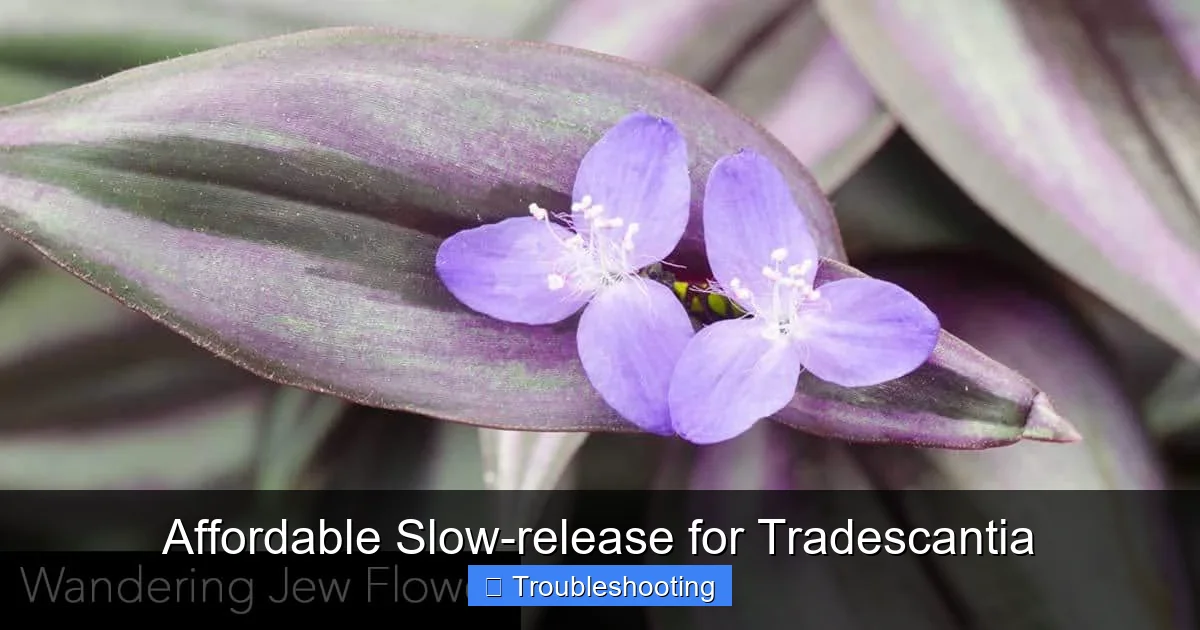
Affordable Slow-release for Tradescantia
Tradescantia thrives with steady, gentle nutrition. This guide reveals the best affordable slow-release for tradescantia options that won’t break the bank. Learn how to choose, apply, and troubleshoot fertilizers for vibrant, trailing growth all season long.
Tradescantia plants bring joy to any space with their colorful trailing stems. These easy-care houseplants, often called wandering jew or inch plants, grow fast and look stunning in hanging baskets. But fast growth means they need steady nutrition. Many plant parents reach for liquid fertilizer every week. That works, but it takes time and money. There is a better way. Affordable slow-release for tradescantia gives you months of feeding with one application. You sprinkle it once. You water as usual. The plant eats when it wants. This guide walks you through everything you need to know. We cover the best budget products. We explain how to use them. We share troubleshooting tips. By the end, you will know exactly how to keep your tradescantia lush and full without spending a fortune.
Slow-release fertilizer sounds technical. It is not. Think of it as a vitamin pill with a time-delay coating. The nutrients sit inside a resin or sulfur shell. Water and soil microbes break that shell down slowly. Nutrients leak out over weeks or months. Your tradescantia gets a tiny meal every time you water. No spikes. No crashes. No burnt root tips. This method mimics nature. In the wild, organic matter breaks down gradually. Roots absorb what they need when they need it. Affordable slow-release for tradescantia brings that same steady supply to your pot. It saves you from the feast-or-famine cycle of liquid feeding. It also saves money. One tub lasts all season. You spend less per feeding than with weekly concentrates. Plus, you reduce plastic waste from all those little bottles. Your plants win. Your wallet wins. The planet wins a little too.
Key Takeaways
- Slow-release fertilizers prevent nutrient burn: They feed tradescantia gradually over months, reducing the risk of root damage common with liquid feeds.
- Budget options exist at garden centers: Osmocote, Miracle-Gro Shake ‘n Feed, and generic coated granules offer affordable slow-release for tradescantia without premium pricing.
- NPK ratio matters for foliage plants: Choose balanced formulas like 14-14-14 or slightly higher nitrogen (20-10-10) for lush leaf growth on wandering jew varieties.
- Application timing affects results: Apply in early spring when active growth resumes, and reapply mid-summer for continuous feeding through fall.
- Soil moisture activates release: Consistent watering ensures steady nutrient delivery; dry soil pauses the release mechanism of coated granules.
- Over-fertilizing causes leggy growth: Too much nitrogen makes tradescantia stretch with weak stems; follow package rates carefully for compact plants.
- DIY alternatives supplement store-bought: Compost tea, worm castings, and banana peel water provide gentle organic nutrition between slow-release applications.
Quick Answers to Common Questions
What is the best affordable slow-release fertilizer for tradescantia?
Osmocote 14-14-14 and Miracle-Gro Shake ‘n Feed 12-4-8 are the top budget picks. Both cost under $20 and feed for 3-6 months per application.
How often should I apply slow-release fertilizer to tradescantia?
Apply once in early spring when active growth resumes. Reapply mid-summer only if your product lasts 3 months or less. Most 4-6 month formulas need just one yearly application.
Can I use slow-release fertilizer on newly propagated tradescantia cuttings?
Wait until cuttings have rooted and show new growth (usually 4-6 weeks). Then use a quarter-strength application. Young roots are sensitive to even slow-release salts.
Why are my tradescantia leaves turning yellow after applying slow-release fertilizer?
Yellowing usually indicates overwatering, pH imbalance, or root issues — not fertilizer deficiency. Check soil moisture and root health before adding more fertilizer.
Is organic or synthetic slow-release better for tradescantia?
Both work well. Synthetic (Osmocote) offers precise, predictable release. Organic (Jobe’s, worm castings) builds soil health. Choose based on your preference and budget.
📑 Table of Contents
- Why Tradescantia Loves Slow-Release Feeding
- Best Budget-Friendly Slow-Release Products
- How To Apply Slow-Release Fertilizer Correctly
- Troubleshooting Common Issues
- Seasonal Adjustments For Year-Round Success
- Combining Slow-Release With Other Feeding Methods
- Special Considerations For Popular Varieties
- Money-Saving Tips And Hacks
- Conclusion
Why Tradescantia Loves Slow-Release Feeding
Steady Growth Without The Surge
Tradescantia grows fast. Really fast. In bright light, stems can add inches per week. That speed demands constant fuel. Liquid fertilizer gives a big meal all at once. The plant surges. Then it starves until the next dose. This cycle creates uneven growth. Stems get thick, then thin. Leaves grow large, then small. Slow-release smooths that curve. Nutrients trickle in daily. The plant grows at a steady pace. Stems stay uniform. Leaves stay consistent. Color stays vibrant. You get a full, bushy plant instead of a leggy mess. This is especially true for variegated types like Tradescantia zebrina or Tricolor. Their color needs stable nutrition. Affordable slow-release for tradescantia delivers that stability without effort.
Root Health And Salt Buildup Prevention
Liquid fertilizers leave salts behind. Every time you feed, minerals accumulate in the potting mix. Over time, those salts burn delicate root tips. Tradescantia has fine, fibrous roots. They suffer first. You see brown leaf edges. You see stunted new growth. You might even see white crust on the soil surface. Slow-release granules release tiny amounts. The plant uses most of it. Very little salt builds up. The soil stays healthy longer. You repot less often. Your roots stay white and crisp. This matters most in small pots where soil volume is low. Salt concentration rises fast in tight quarters. A gentle, coated granule protects that limited root zone. It is insurance for your plant’s foundation.
Perfect For Busy Plant Parents
Life gets hectic. You forget to fertilize. You travel. You get sick. Liquid feeding schedules fall apart. Slow-release forgives you. Apply it in March. It feeds through October. You water when you can. The fertilizer waits. It does not expire in the soil. It does not wash away in one heavy watering. The coating controls the pace. This makes affordable slow-release for tradescantia ideal for beginners. It removes the guesswork. You cannot really overdose if you follow the label. The coating is the safety valve. Even if you apply a little extra, the release rate stays the same. You just get a slightly longer feeding window. Peace of mind comes in a granular form.
Best Budget-Friendly Slow-Release Products
Osmocote Classic 14-14-14
This is the gold standard for a reason. Osmocote uses a resin coating that responds to soil temperature. Warmer soil means faster release. That matches plant metabolism perfectly. The 14-14-14 ratio is balanced. Equal parts nitrogen, phosphorus, potassium. Great for overall health. A 2-pound jug costs around $15. That feeds dozens of pots for four to six months. For tradescantia, use half the labeled rate for houseplants. These plants are light feeders. A teaspoon per 6-inch pot is plenty. Sprinkle on the soil surface. Water it in. Done. Osmocote works in any potting mix. It works indoors and out. It is the most reliable affordable slow-release for tradescantia on the market.
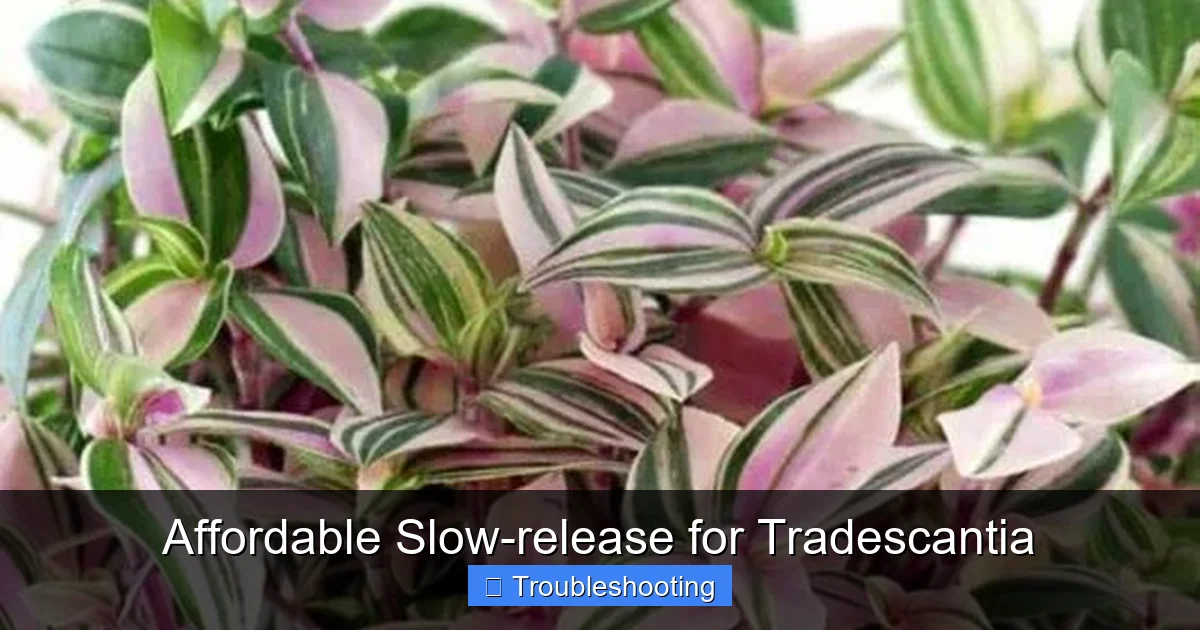
Visual guide about Affordable Slow-release for Tradescantia
Image source: thetutuguru.com.au
Miracle-Gro Shake ‘n Feed All Purpose 12-4-8
You see this at every hardware store. The shaker jug makes application foolproof. The 12-4-8 ratio leans toward nitrogen. That pushes leaf growth. Perfect for foliage plants like tradescantia. The coating is a bit thicker than Osmocote. Release lasts three months. A 4.5-pound jug runs about $18. That is a lot of feeding for the price. Shake a light layer over the soil. Work it into the top inch. Water well. The granules disappear into the mix. You will not see them again. This product also contains micronutrients. Iron, manganese, zinc. These keep variegation bright. They prevent yellowing between veins. For the price and availability, this is a top contender for affordable slow-release for tradescantia.
Jobe’s Organics 4-4-4 Granular
Prefer organic? Jobe’s uses feather meal, bone meal, and sulfate of potash. No synthetic coatings. Microbes break it down naturally. The 4-4-4 is mild. Very safe. You can apply more often without fear. A 4-pound bag costs roughly $12. It feeds for six to eight weeks per application. Reapply every two months during growing season. The smell is earthy, not chemical. Great for indoor use. It also adds beneficial bacteria and fungi. Those microbes improve soil structure over time. Your tradescantia gets food and a better home. This is the best organic affordable slow-release for tradescantia if you avoid synthetics.
Generic Coated Fertilizer 18-6-12
Check your local nursery or farm store. Many sell unbranded coated granules in bulk. Look for “polyon” or “resin-coated” on the label. The 18-6-12 ratio is high nitrogen. Good for leafy growth. Price per pound drops fast in bulk. A 25-pound bag might cost $30. That is pennies per pot. Use a kitchen scale. Weigh 5 grams per 6-inch pot. That is about a teaspoon. Store the rest in a sealed bucket. It keeps for years dry. This is the ultimate cheap option. Quality varies. Buy from a reputable supplier. Test on one plant first. If it works, you have affordable slow-release for tradescantia for years.
DIY Slow-Release: Compost And Worm Castings
Not a product. A method. Top-dress with half an inch of worm castings each spring. Water in. The castings break down over months. They release nitrogen, phosphorus, potassium, and microbes. Cost? Free if you vermicompost. Cheap if you buy a bag. A 15-pound bag of castings runs $15. That tops many pots. Add a handful of slow-release granules underneath for a hybrid approach. The castings improve soil life. The granules guarantee baseline nutrition. Together they create a living, feeding soil. This mimics the forest floor. Tradescantia evolved there. They love it. This is the most natural affordable slow-release for tradescantia possible.
How To Apply Slow-Release Fertilizer Correctly
Timing Your First Application
Spring is the signal. When days lengthen and temps hit 65°F consistently, tradescantia wakes up. New growth appears at stem tips. That is your green light. Do not fertilize dormant plants. Winter feeding causes weak, pale growth. It wastes product. It stresses roots. Wait for active growth. In most zones, that is March or April. Tropical growers can feed year-round. Just watch for slowing growth in cooler months. Apply once at the start of the season. Mark your calendar. Reapply based on product duration. Osmocote lasts four to six months. Miracle-Gro lasts three. Jobe’s lasts two. Set a reminder. Consistency beats intensity every time.
Measuring The Right Amount
More is not better. Overdosing slow-release still burns roots. The coating slows release. It does not stop it. Too many granules mean too much total nutrient. Follow the label for container size. Then cut it in half for tradescantia. These plants are efficient. They evolved in nutrient-poor forest floors. They do not need rich soil. A 6-inch pot needs one teaspoon of Osmocote. A 8-inch hanging basket needs one tablespoon. Use a dedicated measuring spoon. Do not eyeball it. Write the dose on the pot with a paint pen. Next time, you just scoop. Precision prevents problems. Affordable slow-release for tradescantia works best when respected.
Incorporating Vs. Top-Dressing
Two ways to apply. Mix in or sprinkle on. Mixing works best at repotting. Blend granules evenly through fresh potting mix. Roots find nutrients immediately. No waiting for water to carry them down. Top-dressing works for established pots. Scatter granules on the soil surface. Lightly scratch them in with a fork. Water thoroughly. The coating needs moisture to start. Dry granules sit inert. Water activates the process. Both methods work. Mixing gives a head start. Top-dressing disturbs roots less. Choose based on your situation. If repotting anyway, mix. If not, top-dress. Either way, affordable slow-release for tradescantia gets to work fast.
Watering Practices After Application
Water is the trigger. The coating needs consistent moisture. Let the soil dry slightly between waterings. But do not let it go bone dry. Complete dryness pauses release. The plant gets nothing. Soggy soil leaches nutrients out the bottom. The plant gets nothing. Aim for evenly moist. Like a wrung-out sponge. Check with your finger. Top inch dry? Water. Top inch damp? Wait. This rhythm keeps the fertilizer feeding steadily. It also keeps tradescantia happy. They hate wet feet. They hate dust-dry roots. Consistent moisture is the secret sauce. It makes affordable slow-release for tradescantia perform at its peak.
Troubleshooting Common Issues
Yellowing Leaves Despite Feeding
You applied slow-release. Leaves still yellow. Why? Check the pattern. Old leaves yellow first? That is normal aging. Tradescantia sheds lower leaves as stems lengthen. New leaves yellow? That signals a problem. Could be iron deficiency. High pH locks out iron. Slow-release does not fix pH. Test your soil. Peat-based mixes acidify over time. Add a pinch of garden lime if pH drops below 5.5. Could be nitrogen deficiency. Granules exhausted early. Hot weather speeds release. Top-dress with a light sprinkle. Could be root rot. Overwatering mimics deficiency. Roots die. They cannot uptake. Check roots. White and firm? Good. Brown and mushy? Repot. Affordable slow-release for tradescantia cannot fix cultural errors.
Burnt Leaf Tips And Margins
Crispy brown edges. Classic fertilizer burn. Even slow-release can burn if overdosed. Or if the coating fails. Cheap generics sometimes have defective coatings. All nutrients dump at once. Salt spike. Roots fry. Leaves show it fast. Flush the pot immediately. Run water through for five minutes. Let it drain. Repeat next day. Do not fertilize for two months. Let the plant recover. Trim burnt leaves. They will not heal. New growth will be clean. Next time, use half rate. Use a trusted brand. Affordable slow-release for tradescantia should never cost you leaves.
Leggy, Weak Stems With Small Leaves
Stems stretch. Leaves shrink. Internodes lengthen. The plant looks sparse. This screams too much nitrogen. Or too little light. Tradescantia needs bright indirect light. Low light plus high nitrogen equals leggy mess. Move the plant closer to a window. East or west exposure is ideal. South with sheer curtain works. North is too dim. If light is good, check your fertilizer. High-nitrogen formulas like 20-10-10 push stems. Switch to balanced 14-14-14. Or use bloom booster 10-30-20 for a cycle. That ratio thickens stems. It increases leaf size. Affordable slow-release for tradescantia must match your light conditions.
White Crust On Soil Surface
Mineral salts. You see white powder on the soil. Maybe on the pot rim. That is buildup. It happens with any fertilizer. Slow-release minimizes it. Does not eliminate it. Hard water adds more salts. Flush monthly. Heavy watering leaches excess. Do this the day before you fertilize. Clean slate. If crust is thick, scrape off top half-inch of soil. Replace with fresh mix. Do not disturb roots. This resets the salt clock. Your affordable slow-release for tradescantia works better in clean soil.
No Visible Growth Change
You waited a month. Nothing looks different. Patience. Slow-release is slow. It takes two to three weeks to start. Cool soil delays it further. Roots absorb gradually. Leaves expand gradually. Take a photo today. Compare in six weeks. You will see the difference. Also check: is the plant rootbound? Roots circling the pot cannot uptake well. Repot first. Then fertilize. Is the soil hydrophobic? Peat repels water when dry. Water runs down the sides. Granules stay dry. No release. Submerge the pot. Soak ten minutes. Let drain. Now water reaches the coating. Affordable slow-release for tradescantia needs water contact to work.
Seasonal Adjustments For Year-Round Success
Spring Kickstart
March arrives. Days lengthen. Tradescantia wakes up. This is the main feeding. Apply full dose of your chosen product. Mix into fresh soil if repotting. Top-dress if not. Water well. Watch for new growth in two weeks. Stems should thicken. Leaves should enlarge. Color should deepen. Variegation should sharpen. This spring feed carries the plant through summer. Do not skip it. The whole year depends on this start. Affordable slow-release for tradescantia earns its keep in spring.
Summer Maintenance
June heat. Growth explodes. Water needs spike. Nutrient demand peaks. Check your product duration. Three-month feeds need a top-up now. Scratch in a half-dose. Water in. Do not full-dose. Summer heat already stresses plants. Extra salts add stress. Keep soil evenly moist. Mist leaves in dry climates. Humidity helps nutrient uptake. Watch for pests. Aphids love lush new growth. Spray with neem oil if needed. Healthy plants resist bugs better. Your affordable slow-release for tradescantia builds that health.
Fall Taper
September cools. Growth slows. Stop fertilizing. Let the plant use reserves. Do not push new growth before winter. Tender stems freeze or rot. In frost-free zones, continue at quarter strength. In cold zones, let the slow-release finish naturally. The coating will exhaust as temps drop. That is perfect. The plant enters dormancy clean. No salt buildup. No weak growth. Next spring starts fresh. Affordable slow-release for tradescantia self-regulates with the seasons.
Winter Rest
December. Dormancy. No fertilizer. Water sparingly. Let soil dry deeper. Tradescantia rests. Leaves may dull. Stems may drop a few leaves. Normal. Do not panic. Do not feed. Feeding now causes etiolation. Pale, stretched stems in low light. Weak plants attract spider mites. Keep it cool. Keep it bright. Keep it dry. Spring comes fast. Your affordable slow-release for tradescantia waits in the bag for March.
Combining Slow-Release With Other Feeding Methods
Liquid Boost For Blooms
Tradescantia flowers. Small, three-petaled blooms. Pink, white, purple. They appear in summer. A phosphorus boost helps. Use bloom booster liquid once a month. 10-30-20 ratio. Quarter strength. Water on wet soil. This supplements your slow-release base. The granules handle daily needs. The liquid targets flowers. Do not overdo it. Too much phosphorus locks out micronutrients. Once monthly is plenty. Stop in August. Let the plant harden off. This combo gives you foliage and flowers. Affordable slow-release for tradescantia plus targeted liquid equals best of both worlds.
Foliar Feeding For Quick Green-Up
Leaves look pale? Foliar spray works fast. Nutrients absorb through stomata. Bypass roots entirely. Use seaweed extract or fish emulsion. Dilute to half strength. Spray early morning. Leaves dry by noon. No fungal risk. Do this every two weeks if needed. It is a band-aid. Not a replacement. Fix the root cause too. Check soil pH. Check root health. Check light. Foliar feeding buys time. Affordable slow-release for tradescantia handles the long game. Foliar handles the emergency.
Top-Dressing With Compost
Once a year, add compost. Half inch layer. Spring is best. Worm castings work too. Compost feeds microbes. Microbes feed plants. It improves soil structure. It holds water better. It buffers pH. It makes slow-release work better. The coating breaks down more evenly in living soil. Nutrients cycle naturally. This is the pro move. Cheap. Easy. Powerful. Your affordable slow-release for tradescantia performs like premium in compost-enriched soil.
Special Considerations For Popular Varieties
Tradescantia Zebrina (Wandering Jew)
Classic purple and silver stripes. High light keeps color vivid. Low light turns it green. Fertilizer cannot fix low light. But balanced feeding maximizes color potential. Use 14-14-14 slow-release. Avoid high nitrogen. It greens out the purple. Phosphorus and potassium support pigment production. Apply at half rate. This variety grows aggressively. It fills pots fast. Repot annually. Fresh soil plus fresh slow-release keeps it stunning. Affordable slow-release for tradescantia zebrina pays off in color intensity.
Tradescantia Fluminensis ‘Variegata’ (Tricolor)
Pink, white, green leaves. Stunning. Finicky. Reverts to green easily. High nitrogen accelerates reversion. Keep nitrogen low. Use bloom booster ratio 10-30-20 slow-release if you can find it. Or stick with balanced at quarter rate. Light is everything. Bright indirect preserves pink. Direct sun burns white sections. This variety is slower growing. It needs less food. Overfeeding kills the variegation. Affordable slow-release for tradescantia tricolor means restraint. Less is more.
Tradescantia Pallida ‘Purpurea’ (Purple Heart)
Deep purple leaves. Thick stems. Tough as nails. Takes full sun. Handles drought. Loves heat. This one eats more. Use full label rate of 14-14-14. It grows fast and thick. Stems get woody at base. That is normal. Prune hard in spring. Feed after pruning. New growth explodes. This variety responds dramatically to fertilizer. You see the difference in weeks. Affordable slow-release for tradescantia pallida delivers visible ROI.
Tradescantia Sillamontana (White Velvet)
Fuzzy white leaves. Succulent-like. Hates wet feet. Hates high nitrogen. Rot risk is real. Use cactus mix. Add perlite. Fertilize once a year. Spring only. Quarter rate of balanced slow-release. That is it. Too much food causes soft growth. Soft growth rots. This variety stores water in leaves. It does not need push. It needs stability. Affordable slow-release for tradescantia sillamontana means minimal input. Respect its succulent nature.
Money-Saving Tips And Hacks
Buy In Bulk With Friends
Split a 25-pound bag. Four people. Six dollars each. Years of fertilizer. Store in airtight buckets. Gamma seal lids work great. Keep in cool, dry place. Garage shelf is fine. Label with product name and date. Moisture ruins coatings. Humidity starts release in the bag. You get wet cement instead of granules. Dry storage is non-negotiable. Affordable slow-release for tradescantia gets cheaper when shared.
Reuse Granules At Repotting
Repotting? Don’t toss old soil. Sift it. Recover the granules. They still have life. Coatings last longer than one season. Mix recovered granules into new soil. Add fresh granules to top up. You stretch each application. This works best with Osmocote. The resin coating is durable. You can see intact granules. They look like tiny eggs. Squeeze one. Firm? Good. Mushy? Spent. Affordable slow-release for tradescantia goes further with recycling.
Make Your Own Coated Fertilizer
Advanced hack. Buy urea formaldehyde or sulfur-coated urea in bulk. Coat your own blend. Mix NPK ratios custom for tradescantia. 3-1-2 is ideal for foliage. This is for serious hobbyists. Requires equipment. Requires knowledge. Not for beginners. But the cost per pound drops to pennies. If you have fifty pots, it pays off. Affordable slow-release for tradescantia at industrial scale.
Use Household Waste As Supplement
Banana peels. Soak in water 48 hours. Potassium tea. Coffee grounds. Dry them. Sprinkle thin layer. Nitrogen boost. Eggshells. Crush fine. Calcium source. Aquarium water. Nitrogen and phosphorus. These are free. They are mild. They complement slow-release. They do not replace it. Use monthly. Rotate sources. Soil diversity increases. Microbes thrive. Affordable slow-release for tradescantia gets a free assistant team.
Conclusion
You made it to the end. You now know more about feeding tradescantia than most plant shop employees. Affordable slow-release for tradescantia is not magic. It is smart science made simple. One application. Months of nutrition. Healthy roots. Steady growth. Vibrant color. More time enjoying plants. Less time mixing bottles. Start with Osmocote or Miracle-Gro Shake ‘n Feed. They are everywhere. They work. Apply at half rate in spring. Water consistently. Watch your plants thrive. Troubleshoot with the tips above. Adjust for your variety. Save money with bulk buys. Supplement with kitchen scraps. Build living soil. Your tradescantia will reward you with waterfalls of color. Trailing stems that touch the floor. Leaves that catch the light. A plant that looks loved because it is. Not loved with stress. Loved with knowledge. That is the real secret. Now go feed your plants. They are waiting.
Frequently Asked Questions
Can I mix slow-release fertilizer into the potting soil when repotting tradescantia?
Yes, mixing granules evenly throughout fresh potting mix at repotting time is ideal. Roots access nutrients immediately and the fertilizer lasts the full duration without disturbance.
What NPK ratio is best for tradescantia varieties with variegated leaves?
Balanced ratios like 14-14-14 or bloom-boosting 10-30-20 work best. Avoid high-nitrogen formulas (20-10-10) which can cause variegated tradescantia to revert to solid green growth.
How do I know if my slow-release fertilizer is still working?
Check for intact granules on the soil surface — they look like tiny colored beads. If granules are gone or mushy, the coating has exhausted. Most products last 3-6 months depending on temperature and watering frequency.
Can slow-release fertilizer burn tradescantia roots?
Yes, if applied at full outdoor rates. Always use half the labeled container rate for tradescantia. These plants are light feeders and sensitive to salt buildup in small pots.
Should I water tradescantia differently after applying slow-release fertilizer?
Maintain consistent moisture — water when the top inch of soil feels dry. Avoid letting soil dry completely (pauses nutrient release) or staying soggy (leaches nutrients). Even moisture activates the coating steadily.
Can I use affordable slow-release fertilizer for tradescantia in terrariums or closed containers?
Use extreme caution. Closed systems trap salts with no leaching. Apply only 10-25% of normal rate and monitor closely. Organic options like worm castings are safer for enclosed environments.