Wild Ginger Plant Arkansas
Wild ginger plant Arkansas enthusiasts will find two native species: Asarum canadense and the rare Hexastylis arifolia. This guide covers identification, preferred habitats in the Ozarks and Ouachitas, ethical foraging practices, and traditional uses for this shade-loving woodland perennial.
Walking through an Arkansas woodland in early spring, you might catch a whiff of something spicy and familiar rising from the forest floor. That scent is likely wild ginger plant Arkansas natives have known for generations. This unassuming perennial hides its strange flowers beneath heart-shaped leaves, rewarding curious hikers with a sensory surprise. Whether you are a forager, a native plant gardener, or simply someone who loves learning about the Natural State’s botanical treasures, wild ginger offers a fascinating glimpse into Arkansas’s rich plant heritage.
Many people confuse wild ginger with the tropical ginger root found in grocery stores. They are not related at all. True ginger belongs to the Zingiberaceae family. Our native wild ginger belongs to the Aristolochiaceae family, also known as the birthwort family. The similarity ends at the aromatic rhizome. Understanding this distinction is crucial for safety and appreciation. Let us explore everything you need to know about finding, identifying, and responsibly enjoying this remarkable Arkansas native.
Key Takeaways
- Two native species exist: Arkansas hosts Asarum canadense (common wild ginger) and Hexastylis arifolia (little brown jug), both shade-loving perennials.
- Identification is straightforward: Look for heart-shaped leaves, unique jug-shaped flowers at ground level, and a distinct ginger aroma when roots are crushed.
- Prime habitat is rich woodland soil: These plants thrive in moist, well-drained soils of the Ozark and Ouachita Mountains under dense canopy cover.
- Spring is the best viewing season: Flowers appear March through May, while foliage remains attractive through the growing season.
- Ethical harvesting matters: Never dig entire colonies; take only what you need from abundant populations with landowner permission.
- Not true culinary ginger: Despite the name and scent, wild ginger belongs to a different family (Aristolochiaceae) and contains aristolochic acid requiring caution.
- Excellent native groundcover: Wild ginger makes a beautiful, low-maintenance addition to shade gardens and woodland restoration projects.
Quick Answers to Common Questions
What are the two native wild ginger species in Arkansas?
The two native species are Asarum canadense (common wild ginger) and Hexastylis arifolia (little brown jug or heartleaf).
How can I tell wild ginger apart from violets?
Wild ginger has smooth leaf edges and hidden ground-level flowers, while violets have scalloped leaf edges and showy elevated flowers.
Is wild ginger safe to eat like store-bought ginger?
No, wild ginger contains aristolochic acid which can cause kidney damage and cancer with regular use; only tiny occasional culinary use is considered relatively safe.
When is the best time to see wild ginger flowers in Arkansas?
Flowers bloom March through May, with Hexastylis arifolia blooming earlier (sometimes February) and Asarum canadense peaking April to May.
Can I grow wild ginger in my home shade garden?
Yes, both species make excellent native groundcovers for shady, moist, rich soil conditions typical of woodland gardens.
📑 Table of Contents
- Meet the Two Arkansas Wild Ginger Species
- Where to Find Wild Ginger in Arkansas
- Identification Guide: Confident Field Recognition
- Ecological Role and Wildlife Value
- Traditional Uses and Modern Cautions
- Growing Wild Ginger in Your Arkansas Garden
- Conservation Status and Ethical Considerations
- Wild Ginger Through the Seasons
- Common Look-Alikes and Identification Pitfalls
- Frequently Asked Practical Questions
- Conclusion
Meet the Two Arkansas Wild Ginger Species
Arkansas is home to two distinct species of wild ginger. Both share the characteristic heart-shaped leaves and ground-level flowers. Both emit that signature spicy fragrance when bruised. Yet they differ in subtle but important ways. Knowing which species you are looking at deepens your connection to the local ecosystem.
Asarum canadense: The Common Wild Ginger
Asarum canadense is the species most people encounter. It ranges across eastern North America. In Arkansas, it appears primarily in the northern half of the state. The Ozark Mountains provide ideal conditions. You will also find it in the Arkansas River Valley and scattered sites in the Ouachitas. This species is deciduous. Its leaves emerge in early spring. They form a lush carpet that persists until frost. The leaves are softly hairy, especially on the undersides. They measure three to six inches wide. The leaf stalks are also hairy. This pubescence helps distinguish it from its cousin.
The flowers of Asarum canadense are fascinating. They sit directly on the ground, hidden beneath leaf litter. Each flower has three pointed sepals. The color ranges from brownish-purple to greenish-yellow. The flower resembles a tiny jug or bell. Pollination relies on small flies and beetles. These insects crawl inside seeking shelter or decaying matter. The flower traps them temporarily, dusting them with pollen before release. After pollination, a fleshy capsule develops. Ants disperse the seeds, attracted by an oily appendage called an elaiosome. This mutualism ensures the plant spreads slowly but steadily across the forest floor.
Hexastylis arifolia: Little Brown Jug
Hexastylis arifolia goes by several charming names. Little brown jug is the most common. Heartleaf is another. Some call it evergreen wild ginger. This species is more southern in distribution. In Arkansas, it occurs mainly in the southern and eastern regions. The Gulf Coastal Plain and lower Ouachitas mark its stronghold. Unlike Asarum canadense, Hexastylis arifolia is evergreen. Its leathery leaves persist through winter. They are often beautifully mottled with silver or light green patterns. The leaves are generally smaller, two to four inches wide. They have a glossy, almost waxy texture. The leaf stalks lack the dense hairs of Asarum canadense.
The flowers of little brown jug are equally intriguing. They are typically smaller than those of Asarum canadense. The color is a rich, dark purple-brown. The shape is distinctly jug-like, hence the common name. These flowers also hide at ground level. They bloom slightly earlier, often in late winter or very early spring. The evergreen nature of this species makes it a valuable winter interest plant in native gardens. It provides green coverage when most other herbaceous plants have vanished.
Where to Find Wild Ginger in Arkansas
Finding wild ginger plant Arkansas populations requires knowing where to look. These plants are not widespread generalists. They have specific habitat requirements. Understanding these needs turns a random search into a targeted exploration. The reward is discovering colonies that have persisted for decades.
Geographic Distribution Across the State
Asarum canadense favors the Ozark Highlands. Look for it in Benton, Washington, Carroll, Madison, Newton, and Boone counties. It extends into the Arkansas River Valley. Pope, Johnson, and Conway counties host populations. The Ouachita Mountains have scattered occurrences. Polk, Montgomery, and Garland counties report it. Hexastylis arifolia prefers the West Gulf Coastal Plain. Columbia, Union, Ashley, and Drew counties are prime territory. It also appears in the southern Ouachitas. Clark, Dallas, and Cleveland counties have records. The Mississippi Alluvial Plain generally lacks both species due to soil conditions and historical land use.
Ideal Habitat Conditions
Both species demand rich, mesic forests. Mesic means moderately moist. The soil must be well-drained but consistently damp. Deep leaf litter is essential. This layer retains moisture and provides nutrients as it decomposes. The pH tends toward neutral to slightly acidic. Dense canopy cover is non-negotiable. Wild ginger needs deep shade. You will rarely find it in open woods or edges. North-facing slopes are ideal. They stay cooler and moister. Ravines and coves create perfect microclimates. Stream terraces above flood level also work. The key is stability. These plants do not tolerate disturbance well. Logging, grazing, or invasive species often eliminate them.
Associated Plant Communities
When you see certain companion plants, wild ginger may be near. Sugar maple, beech, and basswood indicate rich soils. Spicebush often shares the understory. Spring ephemerals like bloodroot, trillium, and trout lily bloom alongside. Ferns such as Christmas fern and maidenhair fern love the same conditions. Mayapple colonies frequently neighbor wild ginger. The presence of these species signals a healthy, mature forest. If you spot them, slow down and scan the ground. The heart-shaped leaves may be hiding in plain sight.
Identification Guide: Confident Field Recognition
Identifying wild ginger plant Arkansas specimens is satisfying once you know the key features. The plants are low-growing. You must get down to their level. A hand lens helps but is not essential. Focus on leaves, flowers, scent, and growth habit. These four pillars confirm your find.
Leaf Characteristics
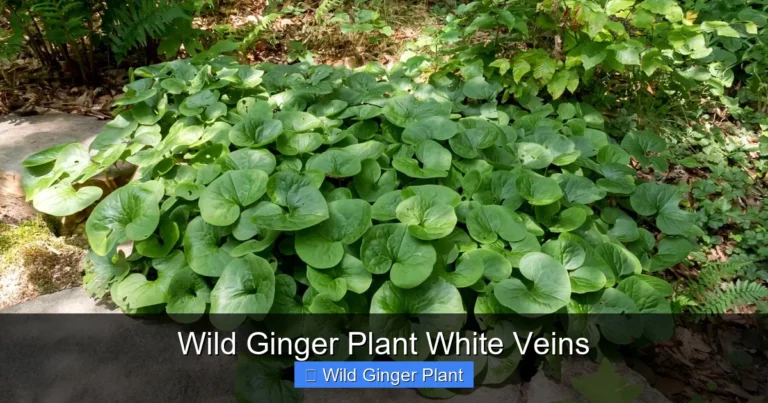
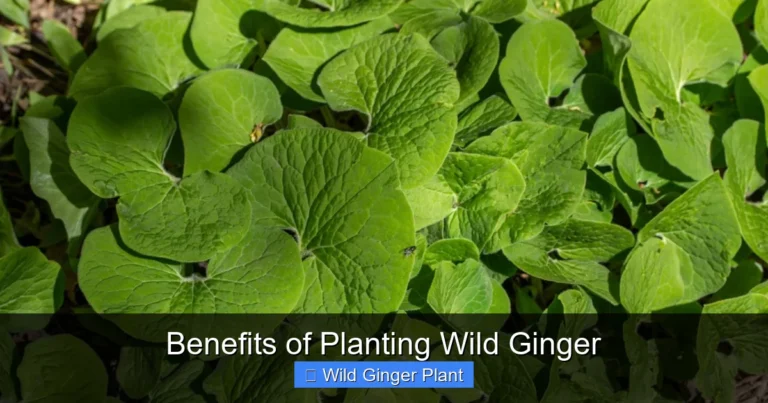
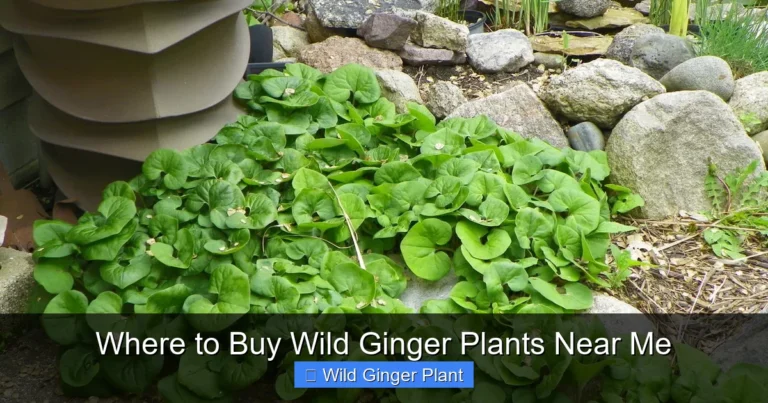
Leaves are the most visible feature. Both species produce heart-shaped (cordate) leaves. The base has a deep notch where the stalk attaches. The tip is pointed. Asarum canadense leaves are thin and soft. They feel like velvet. Fine hairs cover the surface, especially underneath. The color is medium green. Hexastylis arifolia leaves are thick and leathery. They feel stiff and waxy. The upper surface is often mottled. Silvery patches follow the veins. The underside is paler but not hairy. Evergreen versus deciduous is the quickest separator. If you see green heart-leaves in January, it is Hexastylis arifolia.
Flower Details
Flowers require deliberate searching. They sit at the base of the leaf stalks. Often they are buried under leaf litter. Gently pull back the duff layer. Asarum canadense flowers have three long, tapering sepals. They spread outward like a propeller. The color is brownish-purple to greenish. The interior is often lighter. Hexastylis arifolia flowers are more urn-shaped. The sepals are shorter and fused longer. They form a distinct jug with a narrow opening. The color is deep purple-brown, almost black. Both lack petals. The sepals do all the work. Blooming time differs slightly. Asarum canadense peaks April to May. Hexastylis arifolia blooms March to April, sometimes February in south Arkansas.
The Scent Test
Crush a small piece of leaf or rhizome. A strong ginger aroma confirms the genus. The scent is spicy, warm, and unmistakable. It resembles culinary ginger but earthier. This test works year-round for Hexastylis arifolia. For Asarum canadense, only test when leaves are present. The rhizome smells strongest. However, avoid digging roots just for identification. Leaf crush is sufficient. The scent comes from essential oils in the tissues. These compounds likely deter herbivores. Deer rarely browse wild ginger.
Growth Habit and Colony Form
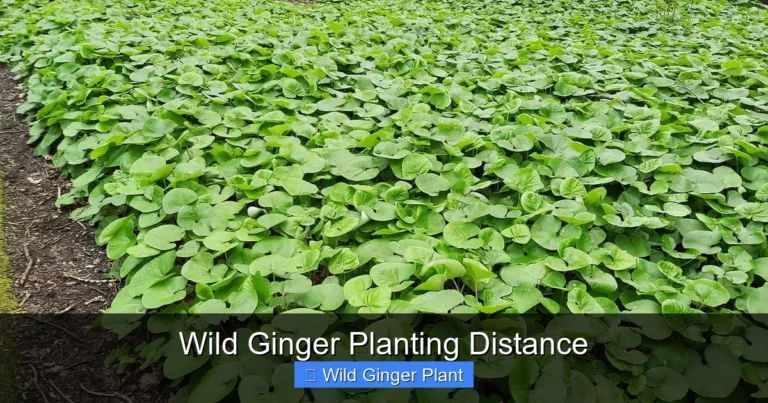
Wild ginger spreads by rhizomes. These underground stems creep horizontally. They send up leaf pairs at intervals. Over time, a single plant forms a colony. Colonies can be several feet across. The density varies. In prime conditions, they create a near-solid mat. In poorer sites, they are scattered. Asarum canadense tends to form larger, looser patches. Hexastylis arifolia often grows in tighter, smaller clumps. Neither species is aggressive. They expand slowly, inches per year. This slow growth makes them vulnerable to displacement.
Ecological Role and Wildlife Value
Wild ginger plant Arkansas populations play quiet but vital roles in forest ecology. They are not showy keystone species. Their contributions are subtle and foundational. Understanding these roles builds the case for conservation.
Soil Stabilization and Nutrient Cycling
The rhizome networks bind soil on slopes. This prevents erosion in steep ravines. The dense leaf cover slows rain impact. Water infiltrates rather than runs off. As leaves decompose, they return nutrients to the upper soil layers. The plants mine minerals from deeper soil via rhizomes. They make these available to the forest community. This nutrient pumping enriches the whole ecosystem. In spring, the rapid leaf emergence captures sunlight before canopy closure. This carbon gain fuels rhizome growth and flower production.
Pollinator Relationships
The ground-level flowers attract specific insects. Small flies (Diptera) are primary visitors. Fungus gnats and scuttle flies enter the flowers. Some beetles also visit. The flowers mimic fungal fruiting bodies. This deception lures insects seeking egg-laying sites. The insects do not get nectar. They get pollen dusted on their bodies. When they visit the next flower, cross-pollination occurs. This specialized system is fragile. Insect declines threaten seed set. Yet the plants persist via vegetative spread. Clonal colonies can live for decades without sexual reproduction.
Seed Dispersal by Ants
Myrmecochory is the technical term. Ants disperse the seeds. Each seed bears an elaiosome. This fleshy appendage is rich in lipids and proteins. Ants carry seeds to their nests. They feed the elaiosome to larvae. The intact seed is discarded in the nest midden. This underground chamber is ideal for germination. It is protected, moist, and nutrient-rich. The seeds escape rodent predation. They also gain a planting depth advantage. This mutualism is ancient. It ties wild ginger to forest ant communities. Disturbance that eliminates ants breaks this cycle.
Wildlife Food and Cover
Deer avoid wild ginger due to aromatic compounds. This makes it a reliable groundcover in high-deer areas. Small mammals may nibble rhizomes occasionally. Chipmunks and mice sometimes dig them. The evergreen Hexastylis arifolia provides winter cover. Insects and amphibians shelter beneath the leaves. The dense mats create humid microhabitats. Salamanders especially appreciate this moisture retention. The plants contribute to the forest floor complexity that supports biodiversity.
Traditional Uses and Modern Cautions
Humans have interacted with wild ginger plant Arkansas for centuries. Indigenous peoples and early settlers found many uses. Modern science has validated some and raised red flags for others. This section balances historical knowledge with current safety understanding.
Indigenous Knowledge and Ethnobotany
Numerous tribes used wild ginger. The Cherokee, Choctaw, Creek, and Osage all utilized it. Applications varied by tribe and region. The rhizome was the primary part used. It was harvested in fall or early spring. Fresh or dried, it served multiple purposes. A tea from the root treated colds, coughs, and fevers. It stimulated sweating to break fevers. Poultices addressed wounds, swellings, and rheumatism. The scent was used to mask human odor during hunting. Some tribes used it as a contraceptive or menstrual regulator. The leaves were sometimes smoked or burned as ceremonial incense. Knowledge was passed orally through generations. European settlers adopted many uses from Indigenous healers.
Colonial and Folk Medicine
Early Arkansas settlers valued wild ginger. It was a substitute for tropical ginger. The rhizome flavored foods and beverages. Ginger beer and ginger cakes used the local root. Medicinally, it was a staple in home remedy kits. Doctors of the Eclectic medical movement prescribed it. They used it for digestive complaints, lung ailments, and nervous conditions. The U.S. Pharmacopeia listed Asarum canadense from 1820 to 1882. It fell out of official use as tropical ginger became cheap and available. Folk use persisted in rural Arkansas into the 20th century. Old-timers still recall “colic root” or “heart snakeroot” teas.
The Aristolochic Acid Concern
Modern research reveals a serious issue. Wild ginger contains aristolochic acid. This compound is nephrotoxic and carcinogenic. It causes kidney failure and urinary tract cancers. The risk is dose-dependent and cumulative. Traditional preparations often used small amounts infrequently. Modern concentrated extracts pose greater danger. The FDA warns against consuming Aristolochia species. Asarum and Hexastylis belong to the same family. They contain lower levels but still present risk. Kidney damage can occur after months of regular use. Cancer risk increases with duration. Pregnant women must avoid it entirely. It causes birth defects and miscarriage.
Safe Culinary Applications
Can you still cook with wild ginger? With extreme caution, yes. The rhizome imparts a lovely flavor. Use tiny amounts as a seasoning, not a vegetable. Candied wild ginger is a traditional treat. Boil rhizome pieces in sugar syrup. Dry and roll in sugar. Eat one or two pieces occasionally. Infuse cream or vodka with a small piece for flavoring. Remove the rhizome after steeping. Never consume large quantities. Never use it daily. Treat it like a potent spice, not a food. If you have kidney issues, avoid completely. When in doubt, admire the plant and buy organic ginger at the store.
Growing Wild Ginger in Your Arkansas Garden
Cultivating wild ginger plant Arkansas natives is rewarding. They make superb shade groundcovers. Once established, they require minimal care. They support native ecology. And they connect your garden to the surrounding landscape. Here is how to succeed with both species.
Site Selection and Preparation
Choose a fully shaded site. Morning sun is tolerable. Afternoon sun will scorch leaves. The north side of a structure works well. Under mature deciduous trees is ideal. Spring sun before leaf-out fuels growth. Summer shade protects foliage. Soil must be rich in organic matter. Amend with composted leaves. Aim for a loose, crumbly texture. Drainage is critical. Wet feet rot rhizomes. Raised beds help in heavy clay. Test soil pH. Target 5.5 to 6.5. Adjust with sulfur or lime if needed. Remove invasive plants first. English ivy, wintercreeper, and Japanese honeysuckle will smother wild ginger.
Planting Techniques
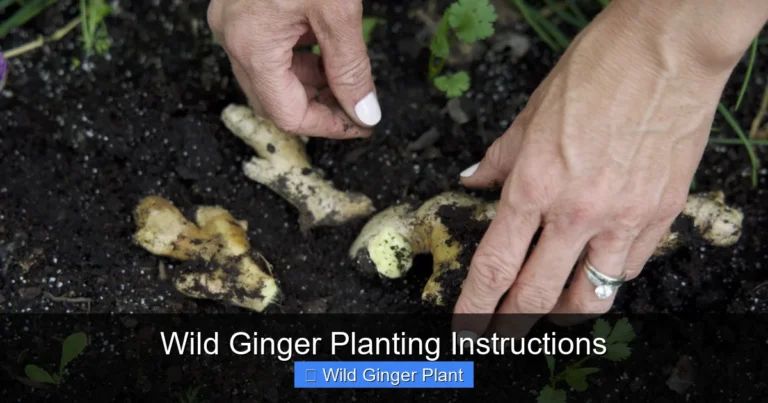
Spring planting is best. The plants emerge early. Plant as soon as soil is workable. Fall planting works too, six weeks before frost. Space plants twelve to eighteen inches apart. They will fill in over several years. Plant rhizomes horizontally, one inch deep. The growing tip should point upward. Cover with soil and firm gently. Water thoroughly. Mulch with shredded leaves. Two to three inches of mulch retains moisture. It also suppresses weeds. Label your plants. They disappear underground in winter (Asarum canadense). Markers prevent accidental disturbance.
Care and Maintenance
Water regularly the first year. Keep soil evenly moist, not soggy. After establishment, they tolerate dry spells. But they look best with consistent moisture. Mulch annually with leaf litter. This mimics natural forest conditions. It feeds the soil as it breaks down. No fertilizer needed. Rich organic soil provides all nutrients. Weed carefully by hand. Rhizomes are shallow. Hoes damage them. Remove invasive seedlings promptly. Divide colonies every five to seven years. Spring division rejuvenates crowded patches. Share divisions with friends. Or expand your own planting.
Companion Planting Ideas
Wild ginger shines in woodland gardens. Pair it with native ferns. Christmas fern and lady fern are excellent. Add spring ephemerals. Virginia bluebells, celandine poppy, and trilliums bloom above the ginger. Later, Solomon’s seal and wild geranium continue the show. For evergreen interest, mix Hexastylis arifolia with partridgeberry and Allegheny spurge. The varying leaf textures create a tapestry. Avoid aggressive spreaders. Mayapple and wood poppy can overwhelm small ginger patches. Give each plant room to express its form.
Propagation Methods
Division is easiest. Dig a clump in early spring. Tease apart rhizome segments. Each piece needs a growing bud and roots. Replant immediately. Seed propagation is slow but rewarding. Collect capsules in summer when they split. Sow fresh seeds in pots. They need cold stratification. Leave pots outdoors over winter. Germination occurs in spring. Seedlings take three to five years to flower. Tissue culture is used by nurseries. It produces large numbers quickly. For home gardeners, division and patience work best.
Conservation Status and Ethical Considerations
Wild ginger plant Arkansas populations face several threats. Neither species is federally listed. But both deserve attention. Habitat loss is the primary concern. Ethical behavior from plant enthusiasts makes a difference.
Current Threats
Urban development destroys habitat outright. The Ozarks and Ouachitas face increasing pressure. Logging opens canopies and compacts soil. Even selective cuts increase light and dryness. Invasive species are insidious. Japanese stiltgrass carpets forest floors. It outcompetes native herbs. Garlic mustard alters soil chemistry. It inhibits mycorrhizal fungi that wild ginger needs. Feral hogs root up rhizomes while foraging. They devastate colonies in hours. Climate change shifts suitable habitat northward. Southern populations of Hexastylis arifolia may become stranded. Drought stress increases mortality.
Legal Protections and Regulations
Arkansas has no specific laws protecting wild ginger. General plant protection statutes apply on public lands. You cannot dig plants from state parks, wildlife management areas, or national forests without a permit. The Arkansas Natural Heritage Commission tracks rare plant occurrences. Hexastylis arifolia is considered a species of concern in some adjacent states. Private landowner permission is mandatory. Always ask before collecting. Many landowners are happy to share if asked respectfully. Some may not know the plant’s value. Education creates allies.
Ethical Foraging Guidelines
If you harvest wild ginger, follow the rule of thirds. Take no more than one-third of a colony. Better yet, take one-tenth. Only harvest from large, healthy populations. Leave small patches alone. They need every plant to persist. Use a sharp knife. Cut rhizome segments cleanly. Do not yank. Replant the growing tip if possible. Fill the hole. Replace leaf litter. Harvest in fall after seed set. Or early spring before growth. Never harvest during flowering. The plant needs energy for reproduction. Consider buying from native nurseries instead. Cultivated plants spare wild populations.
Citizen Science Opportunities
You can contribute to conservation. iNaturalist and the Arkansas Natural Heritage Commission accept observations. Photograph plants in situ. Note location, date, and habitat. Do not post exact coordinates for rare populations. Obscure the location automatically. Your data helps track distribution changes. It informs land management decisions. Join a native plant society. The Arkansas Native Plant Society offers field trips. You will learn from experts. You will meet fellow enthusiasts. Collective action protects what we love.
Wild Ginger Through the Seasons
Observing wild ginger plant Arkansas year-round reveals its subtle beauty. Each season offers a different perspective. This phenological calendar helps you know what to expect when.
Late Winter: The Evergreen Advantage
January and February showcase Hexastylis arifolia. Its leathery leaves persist. They may look weathered but remain green. On warm days, check for early flowers. They hide at the base. Gently lift leaves. The dark jugs may be blooming. Asarum canadense is invisible. Its rhizomes rest underground. Buds form at the tips. They await soil warmth. This is a good time to mark locations. Flag colonies for spring visits. Plan garden divisions.
Early Spring: Emergence and Bloom
March brings dramatic change. Asarum canadense shoots pierce the leaf litter. They unfurl like tiny umbrellas. The soft hairs glisten with dew. Flowers appear simultaneously. Search the ground level. The three-parted blooms are alien and beautiful. Hexastylis arifolia flowers peak now too. New leaves emerge glossy and bright. Pollinators visit on warm days. Watch for flies entering flowers. This is peak identification season. All features are visible.
Late Spring: Lush Growth
April and May see full leaf expansion. Colonies form solid mats. The heart-shaped leaves overlap. Weeds are suppressed. Seed capsules develop. They swell at the base of flower stalks. Ants begin visiting. They harvest the elaiosomes. This is the easiest time to spot colonies. The foliage is vibrant. Garden plants look their best. Enjoy the texture and scent.
Summer: Steady Persistence
June through August is maintenance mode. Leaves photosynthesize steadily. Rhizomes extend slowly. The plants tolerate heat well if shaded. Water during droughts. The evergreen species stays glossy. The deciduous species may show stress if too dry. Leaf edges brown. Mulch helps. This is a quiet season. But the plants are building reserves.
Fall: Preparation and Harvest
September brings cooler nights. Asarum canadense leaves yellow. They collapse by October. The rhizomes store starch. This is traditional harvest time. If you must dig, do it now. Hexastylis arifolia stays green. Its leaves may develop richer colors. Purple undertones appear. Seed dispersal concludes. Ants finish their work. The forest floor receives a new leaf blanket. The cycle prepares to repeat.
Common Look-Alikes and Identification Pitfalls
Several plants resemble wild ginger plant Arkansas beginners might confuse. Learning the differences prevents mistakes. Some look-alikes are toxic. Others are just different. Careful observation sorts them out.
Wild Violet Species
Violets share the heart-shaped leaf. They grow in similar habitats. But violet leaves have scalloped edges. Wild ginger leaves are smooth. Violet flowers are showy and elevated. Wild ginger flowers are hidden. Violet roots lack ginger scent. Some violets are edible. But they are not substitutes. The leaf texture differs. Violet leaves are thinner. They tear easily.
Canadian Wild Ginger vs. European Wild Ginger
Asarum europaeum is sometimes planted in gardens. It escapes rarely. It looks very similar to Asarum canadense. The leaves are shinier. They are evergreen in mild winters. The flowers are nearly identical. The scent is similar. For practical purposes, they are interchangeable. But the European species is not native. Stick to Asarum canadense for ecological value.
Hexastylis Species Confusion
Several Hexastylis species exist in the Southeast. Only Hexastylis arifolia occurs in Arkansas. But near borders, others might appear. Hexastylis virginica has narrower leaves. Hexastylis shuttleworthii has larger flowers. Hexastylis minor is tiny. If you find an odd Hexastylis, document it. It could be a range extension. Contact the Arkansas Natural Heritage Commission.
Birthwort Family Relatives
Aristolochia species are vining relatives. Dutchman’s pipe (Aristolochia macrophylla) has similar flowers. But it climbs trees. The leaves are much larger. Virginia snakeroot (Aristolochia serpentaria) is herbaceous. It has narrow, lance-shaped leaves. Not heart-shaped. Both contain higher aristolochic acid. Avoid medicinal use entirely.
Frequently Asked Practical Questions
People often ask specific questions about wild ginger plant Arkansas encounters. Here are answers to the most common queries. They address real-world situations you might face.
Can I transplant wild ginger from the woods to my yard?
Only with landowner permission and ethical consideration. Take a small division from a large colony. Replant immediately in matching conditions. Water well. Mulch heavily. Expect transplant shock. The plant may not emerge until next spring. Buying nursery-propagated plants is easier and more ethical. It protects wild populations.
Why are my wild ginger leaves disappearing?
Slugs and snails love the tender leaves. They feed at night. Look for slime trails. Diatomaceous earth helps. Beer traps work. Deer rarely eat it. But rabbits may nibble young shoots. Insect damage is usually cosmetic. The plants recover. If entire plants vanish, check for voles. They eat rhizomes. Hardware cloth barriers protect valuable specimens.
How fast does wild ginger spread?
Slowly. A colony expands six to twelve inches per year. From a single plant, a three-foot patch takes a decade. Division accelerates coverage. Plant divisions one foot apart. They will merge in three to five years. Patience is essential. Wild ginger is not a quick fix. It is a long-term investment.
Can wild ginger grow in containers?
Yes, with care. Use a wide, shallow pot. The rhizomes spread horizontally. Deep pots waste soil. Use rich, moisture-retentive mix. Add compost and leaf mold. Keep in full shade. Water consistently. Overwinter in a protected spot. The evergreen species handles containers better. Repot every few years as rhizomes fill the pot.
Is wild ginger deer resistant?
Highly resistant. The aromatic compounds deter browsing. In heavy deer areas, it thrives where hostas disappear. It is one of the few reliable shade groundcovers for deer country. However, starving deer may sample anything. No plant is 100% deer-proof. But wild ginger is as close as it gets.
Can I use wild ginger essential oil?
Commercial wild ginger essential oil exists. It is used in perfumery. The aristolochic acid does not distill over. The oil is considered safe for external use in dilution. But do not attempt home distillation. The equipment and knowledge required are specialized. Internal use of the oil is not recommended. Stick to proven safe essential oils for aromatherapy.
Conclusion
Wild ginger plant Arkansas offers a window into the hidden complexity of our forests. From the Ozark hollows to the Coastal Plain ravines, these unassuming perennials anchor ancient ecological webs. They feed ants, shelter salamanders, stabilize slopes, and perfume the spring air. Their strange flowers remind us that beauty often hides in plain sight. Their aromatic rhizomes connect us to centuries of human-plant relationships.
Whether you encounter Asarum canadense on a spring hike or cultivate Hexastylis arifolia in your shade garden, you participate in a story much larger than yourself. You become a steward of Arkansas’s botanical heritage. The knowledge you carry—the ability to identify, appreciate, and protect these plants—ripples outward. It influences land management decisions. It inspires others to look down at the forest floor. It ensures that future generations will also catch that spicy scent on a April morning.
So next time you walk an Arkansas woodland trail, slow down. Lift a few leaves. Inhale the scent of wild ginger. Feel the connection to Indigenous healers, early settlers, and the countless unseen creatures that depend on this plant. Then replace the leaves gently. Walk on. But carry the awareness with you. The forest is richer than you knew. And you are now part of its conservation.
Frequently Asked Questions
Where exactly in Arkansas can I find wild ginger growing naturally?
Asarum canadense grows primarily in the Ozark Mountains and Arkansas River Valley, while Hexastylis arifolia occurs in the Gulf Coastal Plain and southern Ouachita Mountains. Both prefer rich, moist, well-drained soils in mature deciduous forests with deep shade.
How do I identify wild ginger when it’s not flowering?
Look for heart-shaped leaves with a deep notch at the base, growing in pairs from creeping rhizomes. Crush a leaf to smell the distinctive spicy ginger aroma. Asarum canadense has soft, hairy deciduous leaves, while Hexastylis arifolia has leathery, often mottled evergreen leaves.
Is it legal to dig wild ginger from public land in Arkansas?
No, collecting plants from Arkansas state parks, wildlife management areas, and national forests requires a permit. On private land, you must have landowner permission. Ethical foraging guidelines recommend never taking more than 10% of a colony.
What wildlife benefits from wild ginger in Arkansas forests?
Ants disperse the seeds, small flies and beetles pollinate the flowers, and the dense foliage provides cover for salamanders, insects, and small mammals. Deer avoid it due to aromatic compounds, making it a stable groundcover in high-deer areas.
Can wild ginger be used medicinally like traditional ginger?
While historically used by Indigenous peoples and settlers for colds, fevers, and digestive issues, modern research shows wild ginger contains aristolochic acid, which is nephrotoxic and carcinogenic. Internal use is not recommended, especially for pregnant women or those with kidney issues.
How do I propagate wild ginger for my native plant garden?
The easiest method is spring division of established clumps. Cut rhizome segments with growing buds and roots, replant horizontally one inch deep in rich, moist shade. Seed propagation works but requires fresh seed, cold stratification, and 3-5 years to flowering size.