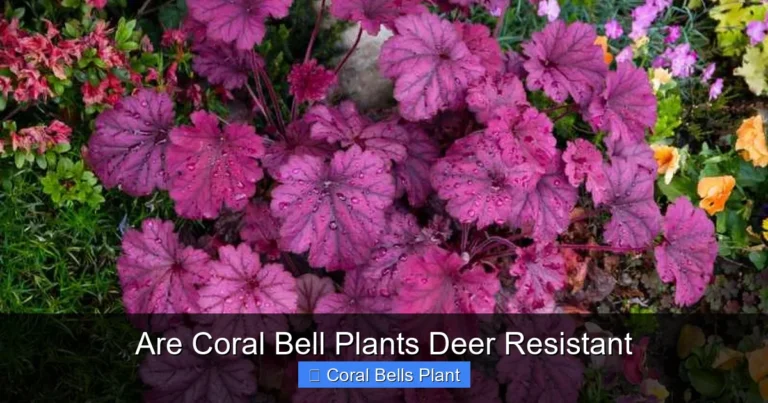
Where Is the Best Place to Plant Coral Bells
Coral bells thrive in partial shade with morning sun and afternoon protection. They need well-draining, rich soil with consistent moisture. Plant them where their colorful foliage shines — borders, containers, or woodland edges.
If you have ever wandered through a garden center in spring, you have likely spotted coral bells. Their ruffled leaves come in shades of caramel, lime, plum, and near-black. They look like jewelry for the shade garden. But here is the thing — where you plant them matters just as much as which variety you choose. I learned this the hard way after losing a few prized plants to the wrong spot. Let me save you that heartache.
Coral bells, or Heuchera, are native to North American woodlands. That tells you everything you need to know about their preferences. They evolved under dappled tree canopies, in soil rich with leaf litter, where moisture stays consistent but never soggy. Recreate those conditions, and they will reward you with months of foliage color and delicate flower spikes that hummingbirds adore. Miss the mark, and you get crispy edges, faded color, or worse — crown rot.
Key Takeaways
- Partial shade is ideal: Morning sun with afternoon shade prevents leaf scorch and keeps colors vibrant.
- Well-draining soil is non-negotiable: Amend heavy clay with compost to prevent crown rot.
- Space plants 12-18 inches apart: Good air circulation reduces fungal disease risk.
- North or east-facing spots work best: These locations provide gentle light without harsh afternoon heat.
- Containers offer flexibility: Move pots to adjust light exposure through seasons.
- Avoid deep shade and full sun: Too little light dulls color; too much burns leaves.
- Mulch lightly around crowns: Keep mulch away from the center to prevent rot.
Quick Answers to Common Questions
Can coral bells grow in full sun?
Only in cool climates with consistent moisture. Most varieties scorch in afternoon sun. Morning sun with afternoon shade is safest.
Do coral bells spread aggressively?
No. They spread slowly by short rhizomes, forming tidy clumps. Divide every 3-4 years to maintain vigor.
What soil pH do coral bells prefer?
Slightly acidic to neutral, pH 6.0-7.0. Test your soil and amend with sulfur or lime if needed.
Can I plant coral bells under pine trees?
Yes, if the canopy is high enough for dappled light. Pine needles make excellent mulch. Avoid dense shade and heavy root competition.
When is the best time to transplant coral bells?
Early spring or early fall. Cool temperatures and reliable moisture help roots establish before stress.
📑 Table of Contents
- Understanding Light Requirements for Coral Bells
- Soil Conditions That Make Coral Bells Thrive
- Best Garden Locations for Coral Bells
- Spacing and Air Circulation Considerations
- Seasonal Adjustments for Year-Round Success
- Common Mistakes and How to Avoid Them
- Design Ideas for Maximum Impact
- Regional Considerations Across Growing Zones
- Troubleshooting Location Problems
- Conclusion
Understanding Light Requirements for Coral Bells
Light is the single biggest factor in coral bells success. Most varieties want partial shade. That means four to six hours of morning sun followed by afternoon shade. Morning light is gentle. It fuels photosynthesis without the intensity that burns tender leaves. Afternoon sun, especially in summer, can scorch foliage in a matter of hours.
Why Morning Sun Works Best
Think about the difference between 9 AM light and 2 PM light. Morning rays are slanted, filtered through more atmosphere, and cooler. They dry dew off leaves gently, which helps prevent fungal issues. Afternoon sun hits straight down with full force. Dark-leaved varieties like ‘Obsidian’ or ‘Black Pearl’ absorb more heat and scorch faster. Lime or yellow varieties like ‘Lime Rickey’ or ‘Citronelle’ can handle a touch more sun but still appreciate afternoon relief.
Signs Your Plant Gets Too Much Sun
Watch for bleached patches on leaves. The edges turn papery and brown. Colors wash out — that deep burgundy turns muddy. The plant may look stunted because it is spending energy on repair instead of growth. If you see this, move it. Coral bells transplant well in early spring or fall.
Signs Your Plant Gets Too Little Light
Deep shade produces leggy growth. Stems stretch toward any light source. Leaves become smaller and lose their intense pigmentation. That stunning purple variety turns greenish. Flower production drops dramatically. You want dappled shade, not cave darkness.
Soil Conditions That Make Coral Bells Thrive
If light is the engine, soil is the fuel. Coral bells hate wet feet. Their crowns — where stems meet roots — rot quickly in heavy, poorly drained soil. I have lost count of how many gardeners tell me they planted in clay and wondered why their plants disappeared over winter. The answer is almost always drainage.
The Ideal Soil Mix
You want rich, humusy soil that holds moisture but drains freely. Think forest floor. If you have sandy soil, add compost to improve water retention. If you have clay, add compost and coarse sand or fine gravel to open pore space. A 50-50 mix of native soil and compost works for most gardens. The compost feeds slowly and improves structure over time.
Testing Your Drainage
Dig a hole 12 inches deep and wide. Fill with water. Let it drain. Fill again. If the second fill drains in under four hours, you are good. If water sits for half a day, you have a drainage problem. Solutions include raised beds, mounding soil, or planting in containers. Do not skip this test. It takes 30 minutes and saves years of frustration.
Soil pH Matters Too
Coral bells prefer slightly acidic to neutral soil, pH 6.0 to 7.0. Most garden soils fall in this range. If you garden in highly alkaline areas (common in the West), add elemental sulfur or peat moss to lower pH. A simple soil test from your extension service tells you exactly where you stand.
Best Garden Locations for Coral Bells
Now that you know light and soil needs, let us talk specific spots in your yard. The best place to plant coral bells depends on your garden layout, but certain locations consistently work well.
North and East-Facing Borders
These exposures receive morning sun and afternoon shade naturally. A border along the north side of a fence or the east side of a house is prime real estate. Plants get light for photosynthesis without the scorch factor. Plus, you see them from your kitchen window while drinking coffee. Win-win.
Under Deciduous Trees
This mimics their native habitat perfectly. In spring, before trees leaf out, coral bells get plenty of light for early growth. In summer, the canopy provides dappled shade. Fall leaf drop adds organic matter. Just avoid dense evergreen shade and aggressive tree roots. Maples and oaks with surface roots make planting difficult. Dogwoods, redbuds, and Japanese maples play nice.
Woodland Garden Edges
The transition zone between woods and lawn offers ideal conditions. Light filters through high branches. Soil is usually rich from years of leaf litter. Plant in drifts of odd numbers — three, five, seven — for natural impact. Mix varieties with contrasting foliage for a tapestry effect.
Rock Gardens and Slopes
Excellent drainage makes slopes and rock gardens coral bells heaven. Water runs past roots instead of pooling. Rocks moderate soil temperature and retain moisture. Tuck plants into pockets between stones. Their mounding habit softens hard edges beautifully.
Container Gardens
Pots give you total control. Use a high-quality potting mix with perlite. Place containers where they get morning sun. Move them if seasons change light patterns. In winter, shift pots to a protected spot or unheated garage in cold zones. Containers also let you grow coral bells on patios, balconies, and decks where in-ground planting is not an option.
Spacing and Air Circulation Considerations
Crowding kills coral bells faster than almost anything except soggy soil. Good air flow keeps foliage dry and prevents fungal diseases like powdery mildew and rust. These diseases love humid, still conditions. Space plants 12 to 18 inches apart, center to center. Larger varieties like ‘Big Top’ series need the wider spacing. Smaller types like ‘Petite Pearl’ can go closer.
Why Spacing Matters Long-Term
Coral bells spread slowly by short rhizomes. A happy plant doubles in width every two to three years. Plan for mature size, not the 4-inch pot you buy. If you plant too close, you will divide sooner than you want. Division is easy but why create extra work?
Companion Planting for Air Flow
Choose neighbors with similar needs but different forms. Ferns, hostas, astilbes, and foamflowers (Tiarella) all love the same conditions. Their varied textures — feathery, bold, spiky — create visual interest without crowding. Avoid aggressive spreaders like lamium or vinca that smother coral bells crowns.
Seasonal Adjustments for Year-Round Success
The best place to plant coral bells might shift slightly through the year. Understanding seasonal changes helps you site them perfectly from day one.
Spring Emergence
New growth is tender. Late frosts can damage emerging leaves. A spot near a stone wall or foundation radiates stored heat, offering a few degrees of protection. But do not plant against south-facing walls — the heat reflection causes premature growth that gets zapped.
Summer Heat Management
In hot climates (zones 8-9), even morning sun can be intense. Aim for bright shade — high canopy or shade cloth. Mulch with shredded leaves or pine fines to keep roots cool. Water deeply early in the day so foliage dries before evening.
Fall Color and Winter Protection
Many varieties intensify in cool weather. ‘Caramel’ turns glowing amber. ‘Midnight Rose’ deepens to near-black. Leave foliage standing through winter. It protects the crown. In zone 4 and colder, add a light evergreen bough cover after ground freezes. Remove in early spring.
Container Overwintering
Potted coral bells need extra insulation. Roots freeze faster above ground. Group pots together against a protected wall. Mulch heavily around and over pots. Or sink pots into a vegetable bed for winter. Bring inside an unheated garage only in extreme cold zones.
Common Mistakes and How to Avoid Them
I have made every mistake in the book. Learn from my failures.
Planting Too Deep
This is the number one killer. The crown must sit at or slightly above soil level. Bury it, and rot follows. When planting, firm soil around roots but leave the crown exposed. Water well to settle soil, then check crown position again.
Overwatering Established Plants
New plants need consistent moisture. Established plants are surprisingly drought-tolerant. Water deeply once a week during dry spells. Stick your finger in soil — if it is moist two inches down, wait. Soggy soil invites root rot pathogens.
Ignoring Variety Differences
Not all coral bells are created equal. Villosa hybrids (like ‘Caramel’, ‘Citronelle’) handle more heat and humidity. Sanguinea types want cooler nights. Micrantha varieties tolerate more sun. Read the tag. Match the plant to your microclimate.
Skipping Division
Every three to four years, the center gets woody and dies out. The plant becomes a ring with a dead middle. Dig in spring, pull apart vigorous outer sections, replant. Discard the woody center. You get free plants and renewed vigor.
Design Ideas for Maximum Impact
Knowing where to plant coral bells is half the battle. Using them well is the fun part.
Foliage Tapestries
Plant three varieties in a triangle — one dark, one light, one bright. ‘Obsidian’, ‘Lime Rickey’, and ‘Peach Flambe’ create a living mosaic. Space 14 inches apart. In two years, they knit together into a weed-suppressing carpet.
Edging Pathways
Line a shady path with a single variety in a repeating rhythm. ‘Palace Purple’ or ‘Berry Smoothie’ guides the eye and softens hard edges. You brush past fragrant foliage (some varieties have scented leaves) as you walk.
Mixed Containers
Use coral bells as the “thriller” in shade pots. Pair with trailing ivy or creeping jenny (spiller) and upright ferns or carex (filler). The mound shape anchors the design. Change annual companions each season while coral bells stay put.
Underplanting Shrubs
Hydrangeas, rhododendrons, and viburnums cast perfect shade. Plant coral bells in a skirt around the base. They hide bare legs and extend seasonal interest. Shrubs provide structure; coral bells provide color.
Regional Considerations Across Growing Zones
Your USDA zone changes the definition of “best place.”
Zones 3-4 (Cold Winters)
Maximize winter protection. South-facing slopes warm early but risk frost heave. North-facing slopes stay frozen longer, preventing heave. Mulch heavily after ground freezes. Choose villosa and sanguinea hybrids for cold hardiness.
Zones 5-6 (Moderate)
The sweet spot. Most varieties thrive. Standard partial shade rules apply. Watch for winter wet in clay soils. Mound planting areas slightly.
Zones 7-8 (Hot Summers)
Prioritize afternoon shade. Bright dappled light all day beats morning sun here. Villosa hybrids shine. Increase organic matter to hold moisture. Irrigate consistently.
Zone 9 (Mild Winters, Hot Summers)
Treat as cool-season plants. Full shade in summer. They may go semi-dormant in heat. Cut back ratty foliage in late summer; fresh growth returns in fall. Choose heat-tolerant varieties like ‘Southern Comfort’.
Troubleshooting Location Problems
Even with perfect planning, issues arise. Here is how to diagnose and fix common location-related problems.
Leaf Scorch in “Perfect” Spot
Reflected heat from walls, pavement, or light-colored mulch can intensify light. Move plant or add temporary shade cloth during heat waves. Dark mulch absorbs heat; light mulch reflects it. Shredded leaves are neutral.
Poor Color in Shade
Some varieties need more light to develop pigment. ‘Electra’ (gold with red veins) fades to green in deep shade. ‘Forever Purple’ holds color better. Research your variety’s light needs for best color.
Crown Rot Despite Good Soil
Check for buried crown. Check for mulch volcanoes. Check for irrigation hitting crown directly. Drip irrigation or soaker hoses keep water off foliage and crowns.
Deer and Rabbit Damage
Coral bells are not deer-proof. In high-pressure areas, plant near the house or in containers on decks. Use repellents early and often. Interplant with deer-resistant companions like ferns and hellebores.
Conclusion
The best place to plant coral bells comes down to three things: gentle light, excellent drainage, and room to breathe. Give them morning sun, rich soil that never stays soggy, and space for air to circulate. Do that, and these woodland natives will paint your shade garden with color from April through November — sometimes longer.
Start with one perfect spot. Watch how the light moves through your yard. Test your drainage. Amend your soil. Plant at the right depth. Mulch carefully. Then step back and let them do what they do best — thrive with minimal fuss. Before you know it, you will be dividing clumps to share with friends, spreading the coral bells love one ruffled-leaf joy. And that, fellow gardener, is the real reward.
Frequently Asked Questions
How much sun do coral bells need?
Coral bells thrive with 4-6 hours of morning sun followed by afternoon shade. Dark-leaved varieties need more shade protection than light-colored ones. Full afternoon sun causes leaf scorch in most climates.
What is the best soil for coral bells?
Well-draining, humus-rich soil with pH 6.0-7.0. Amend clay with compost and coarse sand. Amend sand with compost for moisture retention. The crown must never sit in wet soil.
Can coral bells grow in deep shade?
They survive but become leggy and lose vibrant color. Flower production decreases. Bright dappled shade or morning sun is needed for best foliage color and compact growth.
How far apart should I space coral bells?
Space 12-18 inches apart center-to-center. Larger varieties need 18 inches. Good air circulation prevents fungal diseases. Plan for mature width, not pot size.
Do coral bells come back every year?
Yes, they are hardy perennials in zones 4-9. Foliage is semi-evergreen in mild winters. Cut back tattered leaves in early spring before new growth emerges.
Can coral bells be grown in containers?
Excellent container plants. Use quality potting mix with perlite. Ensure drainage holes. Water when top inch of soil feels dry. Protect pots in winter in zones 5 and colder.