Coral Bells Are They Part Sade Plants
Coral bells (Heuchera) are excellent shade-tolerant perennials that thrive in partial to full shade, making them perfect for low-light gardens. Their vibrant foliage and delicate flowers add color and texture to shady spots where many plants struggle.
If you have ever wandered through a garden center and spotted those gorgeous mounds of ruffled leaves in shades of caramel, lime, or deep plum, you have likely met coral bells. Their botanical name is Heuchera, but most gardeners call them coral bells or alumroot. A common question pops up: coral bells are they part sade plants? The short answer is yes. These perennials are famous for thriving in shady spots where other flowers fade. But there is more to the story. Let us dig into everything you need to know about growing coral bells in shade.
Many gardeners ask coral bells are they part sade plants because they have a tricky corner under a tree or beside a north-facing wall. You want color there. You want texture. Coral bells deliver both. They are native to North America, growing naturally in woodlands, rocky cliffs, and alpine meadows. That heritage tells you a lot. They evolved in dappled light and well-drained soil. Modern breeding has expanded their color range dramatically. Today you can find varieties that handle more sun, but their sweet spot remains shade. Understanding their needs helps you get the best show.
Key Takeaways
- Coral bells are shade-loving plants: They perform best in partial to full shade, though some varieties tolerate more sun.
- Foliage is the main attraction: Leaves come in shades of purple, silver, green, red, and near-black, providing year-round interest.
- Well-drained soil is essential: These plants hate wet feet and need organic-rich, loose soil to prevent root rot.
- Low maintenance once established: They require minimal care beyond occasional watering and dividing every few years.
- Great for containers and borders: Their compact size makes them versatile for edging, rock gardens, and pots.
- Attract pollinators: Tiny bell-shaped flowers on tall stems draw hummingbirds and bees in late spring to summer.
- Deer and rabbit resistant: Their slightly fuzzy leaves and bitter taste deter most browsing animals.
Quick Answers to Common Questions
Are coral bells shade plants?
Yes, coral bells (Heuchera) are classic shade-tolerant perennials that thrive in partial to full shade, making them ideal for low-light garden areas.
How much sun can coral bells tolerate?
Most varieties prefer dappled or morning sun; dark-leaved types handle more sun than light-leaved ones, but all need protection from hot afternoon sun.
Do coral bells come back every year?
Yes, they are hardy perennials that return each spring in zones 4-9, often staying evergreen in milder climates.
Why are my coral bells dying in the center?
This is natural aging; the woody center dies out after 3-4 years. Divide the plant in spring or fall, discarding the dead center and replanting healthy outer sections.
Can coral bells grow in deep shade?
They tolerate deep shade but grow slower with less intense foliage color; silver and chartreuse varieties perform best in very low light.
📑 Table of Contents
- What Are Coral Bells?
- Understanding Shade Requirements
- Best Growing Conditions for Coral Bells
- Popular Varieties for Shade Gardens
- Planting and Care Tips
- Common Problems and Solutions
- Design Ideas with Coral Bells
- Seasonal Care Calendar
- Companion Plants for Coral Bells
- Growing Coral Bells in Containers
- Propagating Coral Bells
- Troubleshooting: Why Are My Coral Bells Struggling?
- Coral Bells in Different Climates
- Buying Tips: Selecting Healthy Plants
- Frequently Asked Questions About Coral Bells and Shade
- Conclusion
What Are Coral Bells?
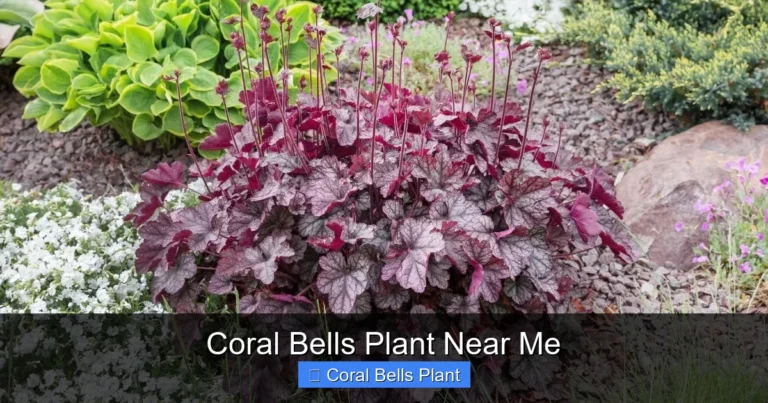
Coral bells belong to the Saxifragaceae family. The genus Heuchera includes about 50 species native to North America and Mexico. They are herbaceous perennials, meaning they die back to the ground in winter in cold climates and re-emerge in spring. In milder zones, they may stay evergreen. The plants form neat clumps, typically 12 to 18 inches tall and wide. Flower spikes can reach 24 inches or more.
The Foliage Show
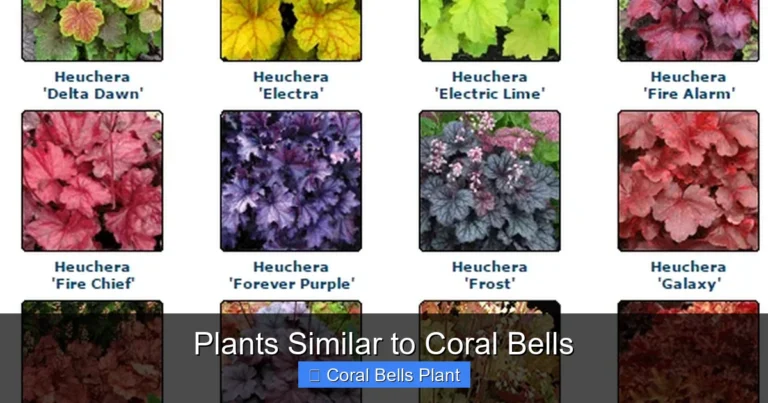
The leaves are the star. They are lobed, often ruffled or veined, and come in an astonishing palette. You will see silver, chartreuse, peach, copper, amber, burgundy, and near-black. Some varieties change color with the seasons. For example, ‘Caramel’ emerges gold in spring, turns peachy in summer, and deepens to amber in fall. This chameleon quality makes them invaluable for shade gardens where flowers are scarce.
The Flower Display
In late spring to early summer, slender stems rise above the foliage. They bear clusters of tiny, bell-shaped flowers. Colors range from white and pink to coral red. The blooms are airy and delicate, lasting several weeks. They make excellent cut flowers for small arrangements. Hummingbirds love them. After flowering, you can cut the stems back to keep the plant tidy.
Understanding Shade Requirements
When people ask coral bells are they part sade plants, they usually mean “Can I grow them in shade?” The answer is a resounding yes. But “shade” is not a single condition. It varies from dappled light under a high canopy to deep shade on the north side of a building. Coral bells are adaptable, but they have preferences.
Types of Shade
Dappled shade is ideal. Think of light filtering through deciduous trees. The plants get bright, indirect light all day. This mimics their native woodland habitat. Partial shade means 3 to 6 hours of direct sun, preferably morning sun. Many coral bells handle this well, especially lighter-colored varieties. Full shade means no direct sun, only reflected or ambient light. Some varieties tolerate this, but growth may be slower and colors less intense.
Sun Tolerance Varies by Color
Generally, darker-leaved varieties (purples, blacks, reds) handle more sun than light-leaved ones (silvers, yellows, chartreuse). The pigments in dark leaves act like sunscreen. However, even sun-tolerant types need ample moisture if grown in brighter spots. In hot climates, afternoon sun can scorch any coral bells. If you are unsure, err on the side of more shade.
Best Growing Conditions for Coral Bells
Success with coral bells comes down to mimicking their natural home. They want loose, humus-rich soil that drains quickly but holds moisture. They dislike heavy clay and standing water. Let us break down the key factors.
Soil Preparation
Before planting, amend your soil with compost, leaf mold, or well-rotted manure. Aim for a light, crumbly texture. If you have clay, consider raised beds or mounding the soil to improve drainage. A soil pH between 6.0 and 7.0 is perfect. Test your soil if you are not sure. Good soil is the foundation of healthy plants.
Watering Needs
Coral bells like consistent moisture. Think “evenly moist,” not soggy. Water deeply when the top inch of soil feels dry. Mulch with shredded leaves or bark to retain moisture and keep roots cool. In containers, they dry out faster. Check pots daily in summer. Reduce watering in winter when plants are dormant.
Fertilizing
They are light feeders. A top-dressing of compost in spring is usually enough. If you want a boost, use a balanced, slow-release fertilizer (like 10-10-10) at half strength. Avoid high-nitrogen fertilizers. They promote lush leaves but weak stems and fewer flowers. Too much fertilizer can also fade leaf colors.
Popular Varieties for Shade Gardens
Breeders have introduced hundreds of cultivars. Choosing can feel overwhelming. Here are some standout performers for shade, grouped by foliage color.
Purple and Black Foliage
‘Palace Purple’ is a classic. It has large, maple-like leaves in deep bronze-purple. It is vigorous and reliable. ‘Obsidian’ offers shiny, near-black leaves that hold color all season. ‘Black Pearl’ forms a dense mound of intensely black foliage with ruffled edges. These dark varieties create dramatic contrast against green ferns or yellow hostas.
Silver and Pewter Foliage
‘Silver Scrolls’ has metallic silver leaves with dark veins. It brightens dark corners. ‘Appletini’ features ruffled, silver-green leaves with a slight pink blush in spring. ‘Steel City’ is a newer introduction with pewter leaves and good heat tolerance. Silver varieties reflect light, making shady areas feel brighter.
Gold, Lime, and Chartreuse Foliage
‘Lime Rickey’ has ruffled, lime-green leaves that glow in shade. ‘Electra’ sports gold leaves with shocking red veins. ‘Citronelle’ is a vigorous chartreuse variety that holds its color well. These light-colored leaves act like spotlights in low light. They pair beautifully with blue hostas or purple heucheras.
Caramel, Peach, and Amber Tones
‘Caramel’ is a superstar. Its leaves shift from gold to peach to amber. It handles heat and humidity better than many. ‘Georgia Peach’ has large, peach-colored leaves with a silver overlay. ‘Marmalade’ offers shiny, undulating leaves in umber and sienna. These warm tones bridge the gap between green and red in a shade palette.
Planting and Care Tips
Planting coral bells correctly sets them up for years of beauty. They are not fussy, but a few tricks make a big difference.
When to Plant
Spring and fall are best. In spring, plant after the last frost. In fall, plant at least 6 weeks before the ground freezes. This gives roots time to establish. Summer planting is okay if you water diligently. Avoid planting in frozen or waterlogged soil.
How to Plant
Dig a hole twice as wide as the root ball and just as deep. Loosen the soil at the bottom. Gently remove the plant from its pot. Tease out circling roots. Place the plant so the crown (where stems meet roots) sits at or slightly above soil level. This is critical. Burying the crown leads to rot. Backfill with amended soil. Firm gently. Water thoroughly.
Spacing
Space plants 12 to 18 inches apart, depending on the variety’s mature width. Good air circulation prevents fungal diseases. If planting in groups, stagger them for a natural look. They spread slowly by rhizomes, eventually forming a ground cover.
Mulching
Apply a 2-inch layer of organic mulch. Keep it away from the crown. Shredded leaves, pine straw, or bark chips work well. Mulch conserves moisture, suppresses weeds, and adds organic matter as it breaks down. Replenish annually.
Dividing
Every 3 to 4 years, the center of the clump may become woody and die out. This signals it is time to divide. Do this in spring or fall. Dig up the whole plant. Pull or cut apart healthy sections with roots attached. Discard the woody center. Replant divisions at the same depth. Water well. Division rejuvenates the plant and gives you free plants.
Common Problems and Solutions
Coral bells are generally trouble-free, but a few issues can arise. Knowing them helps you act fast.
Crown Rot
This is the number one killer. It happens when the crown stays wet. Symptoms include yellowing leaves, mushy stems, and plant collapse. Prevention is key. Plant high. Ensure excellent drainage. Avoid heavy mulch against the crown. If caught early, you can sometimes save the plant by digging it up, cutting away rot, dusting with fungicide, and replanting in a drier spot.
Heuchera Rust
This fungal disease appears as small, rust-colored pustules on the undersides of leaves. Upper surfaces show yellow spots. It thrives in humid, crowded conditions. Remove affected leaves immediately. Improve air circulation. Avoid overhead watering. Fungicides labeled for rust can help if applied early.
Sun Scorch
Brown, crispy leaf edges or bleached patches indicate too much sun. This is common on light-colored varieties in afternoon sun. Move the plant to a shadier spot or provide a shade cloth during the hottest hours. Keep it well-watered during the transition.
Vine Weevils
Adult weevils notch leaf edges at night. Larvae eat roots, causing sudden wilting. Check for C-shaped white grubs in the soil. Nematodes (beneficial microscopic worms) applied as a soil drench in spring or fall control larvae effectively. Sticky traps catch adults.
Deer and Rabbits
Good news: coral bells are rarely browsed. Their leaves have a slightly bitter taste and fuzzy texture that animals dislike. In extreme hunger, they might nibble, but damage is usually minimal.
Design Ideas with Coral Bells
Coral bells are design workhorses. Their low, mounding habit and colorful foliage make them versatile. Here are creative ways to use them.
Shade Border Edging
Plant a row of coral bells along a shaded path or driveway. Choose a single variety for a cohesive look, or mix colors for a tapestry effect. Their evergreen or semi-evergreen nature provides winter structure when other perennials vanish.
Woodland Garden Combinations
Pair them with native woodland plants. Think ferns (like Japanese painted fern), hostas, foamflower (Tiarella), bleeding heart (Dicentra), and wild ginger (Asarum). The texture contrast is stunning. Ferns’ feathery fronds against coral bells’ ruffled leaves create depth.
Container Gardens
They shine in pots. Use a high-quality potting mix with perlite. Choose a pot with drainage holes. Combine with trailing plants like creeping jenny (Lysimachia) or ivy, and a thriller like a small fern or ornamental grass. Containers let you move them to optimal light seasons.
Rock Gardens and Slopes
Their love of drainage makes them perfect for rock gardens. Tuck them between stones on a shady slope. Their roots help stabilize soil. Varieties like ‘Petite Pearl Fairy’ stay extra compact for tight spaces.
Under Trees
Plant them under deciduous trees where they get spring sun before leaves emerge, then summer shade. They compete well with tree roots if you water and mulch. Avoid planting directly against large surface roots; give them a pocket of good soil.
Cut Flower Arrangements
Don’t overlook the flowers. The airy sprays add a delicate touch to bouquets. Cut stems when half the bells are open. They last about a week in a vase. The foliage also works in arrangements, adding unique color and texture.
Seasonal Care Calendar
A little attention each season keeps your coral bells looking their best.
Spring
Clean up any winter-damaged leaves. Apply compost around the base. Divide crowded clumps. Watch for new growth. Water if dry. This is a good time to plant new ones.
Summer
Deadhead spent flower stems to encourage rebloom (some varieties rebloom). Water during dry spells. Mulch to keep roots cool. Scout for pests and diseases. Enjoy the show.
Fall
Plant or divide. Cut back any tattered foliage. Apply a light mulch layer for winter protection in cold zones. Do not fertilize. Let the plant harden off.
Winter
In zones 4-6, coral bells may heave out of the ground during freeze-thaw cycles. Check after hard freezes. Gently press them back down and mulch. In milder zones, they stay evergreen. Brush off heavy snow to prevent breakage.
Companion Plants for Coral Bells
Choosing the right neighbors enhances everyone. Look for plants with similar light, soil, and moisture needs.
Ferns
Ferns are classic partners. Their vertical, feathery texture contrasts with coral bells’ mounded, ruffled form. Japanese painted fern (Athyrium niponicum) with its silver and burgundy fronds echoes heuchera colors. Maidenhair fern (Adiantum) adds delicate grace. Christmas fern (Polystichum) provides evergreen structure.
Hostas
Hostas offer bold, broad leaves. Pair large hostas with small heucheras, or vice versa. Blue hostas make silver heucheras pop. Gold hostas warm up purple heucheras. Just watch for slugs on hostas.
Foamflower (Tiarella)
Tiarella is a close relative. It has similar leaves but more prominent flowers. It spreads gently as a ground cover. The combination creates a seamless woodland tapestry.
Bleeding Heart (Dicentra)
The arching stems of bleeding heart rise above coral bells in spring. Their pink or white hearts dangle beautifully. After bleeding heart goes dormant in summer, coral bells fill the gap.
Lungwort (Pulmonaria)
Lungwort has silver-spotted leaves and early blue-pink flowers. It blooms before coral bells, extending the season. The foliage stays attractive all summer.
Japanese Forest Grass (Hakonechloa)
This graceful grass forms cascading mounds of gold or green. Its movement adds life to static shade plantings. ‘All Gold’ is a stunning partner for dark heucheras.
Growing Coral Bells in Containers
Container growing gives you control. You can provide perfect soil and move plants to ideal light. It is a great option if your garden soil is heavy clay or very alkaline.
Choosing a Pot
Select a pot at least 12 inches wide and deep. Terra cotta, ceramic, or lightweight composite all work. Ensure drainage holes. Cover holes with a piece of screen or a coffee filter to keep soil in.
Potting Mix
Do not use garden soil. It compacts in pots. Use a premium potting mix designed for perennials. Or make your own: 2 parts peat moss or coconut coir, 1 part perlite, 1 part compost. Add a slow-release fertilizer.
Watering Containers
Pots dry out faster than ground soil. Check daily in hot weather. Water until it runs out the bottom. In winter, move pots to a protected spot (unheated garage, against a wall) in cold zones. Water occasionally if soil thaws and is dry.
Overwintering Pots
In zones 5 and colder, roots in pots freeze solid and die. Options: sink the pot in the ground for winter, move to an unheated garage (30-40°F), or transplant into the garden in fall and repot in spring. In zones 6-7, a thick mulch layer on the pot surface may suffice.
Propagating Coral Bells
You can expand your collection for free. Division is easiest. Seed and leaf cuttings are possible but slower.
Division (Easiest)
As described earlier, dig and divide in spring or fall. Each piece needs roots and a growing point. Replant immediately. This maintains the exact variety.
Seed (Variable)
Species coral bells come true from seed. Hybrids do not; seedlings will vary. Collect seed pods when dry. Sow on the surface of moist seed-starting mix. Do not cover; they need light to germinate. Keep at 65-70°F. Germination takes 2-8 weeks. Transplant seedlings when they have true leaves.
Leaf Cuttings (Advanced)
Some gardeners root leaf cuttings. Take a healthy leaf with a short petiole (stem). Dip in rooting hormone. Insert into moist perlite. Cover with a plastic bag. Keep in bright, indirect light. Roots may form in 4-6 weeks. This works best with species types.
Troubleshooting: Why Are My Coral Bells Struggling?
Even with good care, things go wrong. Here is a quick diagnostic guide.
Leaves Turning Yellow
Could be overwatering, poor drainage, or nutrient deficiency. Check soil moisture. If soggy, improve drainage. If dry, water. A soil test reveals nutrient issues. Iron deficiency (yellow leaves with green veins) happens in alkaline soil. Add chelated iron or sulfur to lower pH.
Leaves Turning Brown and Crispy
Usually sun scorch or underwatering. Move to more shade. Increase watering. Mulch heavily. Trim damaged leaves; they will not recover.
Plant Looks Loose and Floppy
Too much shade or too much nitrogen. Move to brighter spot (dappled light). Stop fertilizing. Divide if overcrowded.
Center of Plant Dead
Natural aging. Time to divide. Dig up, discard dead center, replant vigorous outer sections.
No Flowers
Too much shade, too young, or too much nitrogen. Some varieties flower sparsely in deep shade. Be patient; young plants may not bloom until year two.
Coral Bells in Different Climates
Hardiness zones matter. Most coral bells are hardy in USDA zones 4-9. But heat and humidity tolerance varies.
Cold Climates (Zones 3-4)
Choose varieties bred for cold, like the ‘Northern Exposure’ series. Mulch heavily after ground freezes. Plant in spring to establish before winter. Snow cover is excellent insulation.
Hot, Humid Climates (Zones 8-9)
Heat and humidity cause fungal issues and melting out. Select varieties from the ‘Villosa’ species lineage (like ‘Caramel’, ‘Mocha’, ‘Citronelle’). They have hairy leaves that resist humidity. Provide good air circulation. Morning sun only. Excellent drainage is non-negotiable.
Dry Climates
Water deeply and mulch thickly. Choose xeric-tolerant varieties like Heuchera pulchella. Afternoon shade is essential. Group with other low-water plants.
Buying Tips: Selecting Healthy Plants
At the nursery, pick the best specimens for a strong start.
Check the Roots
Gently slide the plant out of the pot. Roots should be white or light tan, firm, and fill the pot but not be a solid mass circling the bottom. Avoid plants with brown, mushy roots or a sour smell.
Inspect the Crown
The crown should be firm, not soft or mushy. No signs of rot at the base. Multiple growing points (eyes) indicate a vigorous plant.
Look at the Leaves
Leaves should be turgid, not wilted. Color should be true to the label (though greenhouse light can alter it slightly). Check undersides for pests (aphids, spider mites) or disease spots.
Read the Label
Note the mature size, sun tolerance, and hardiness zone. Match it to your site. A label saying “full sun to part shade” in a catalog often means “part shade” in a hot climate.
Frequently Asked Questions About Coral Bells and Shade
Let us address the most common queries gardeners have.
Can coral bells grow in full shade?
Yes, many varieties tolerate full shade (no direct sun). Growth may be slower, and colors less vibrant, but they survive. Silver and gold varieties brighten deep shade best. Dark varieties may stretch and become leggy.
Do coral bells spread?
They spread slowly by short rhizomes, forming a clump. They are not aggressive spreaders like mint. Some species (Heuchera villosa) can form a ground cover over time. Division every few years controls size and rejuvenates.
Are coral bells evergreen?
In mild winters (zones 7+), they are often evergreen. In colder zones, they die back to the ground but the crown survives. New growth emerges in spring. Do not cut back foliage in fall; it protects the crown.
Why are my coral bells losing color?
Too much sun fades dark colors (bleaching). Too much shade dulls bright colors (greening). Nutrient imbalance or pH issues can also affect pigment. Move the plant or adjust soil.
Can I grow coral bells indoors?
They are not ideal houseplants. They need a winter dormancy period triggered by cold temperatures. You can overwinter pots in a cold garage, but they will not thrive as permanent indoor plants.
Do coral bells attract bees?
Yes, the flowers attract bees, hummingbirds, and butterflies. They are a valuable nectar source in late spring when shade gardens have few blooms.
Conclusion
So, coral bells are they part sade plants? Absolutely. They are one of the best perennials for bringing year-round color to shady gardens. Their incredible foliage variety means there is a coral bell for almost every shade situation. From the deepest shadow to dappled woodland light, they perform with minimal fuss. Give them well-drained soil, consistent moisture, and a little compost, and they will reward you for years.
Remember the key points: plant the crown high, mulch but not against the stem, divide every few years, and choose varieties suited to your light and climate. Pair them with ferns, hostas, and foamflowers for a lush, layered look. Use them in borders, containers, rock gardens, or under trees. Their flowers feed pollinators; their leaves feed your soul with color.
Next time you stare at that dark corner under the maple tree, imagine a carpet of ‘Obsidian’, ‘Lime Rickey’, and ‘Caramel’ glowing in the gloom. That is the magic of coral bells. Go ahead, plant some this season. Your shade garden will thank you.
Frequently Asked Questions
Are coral bells deer resistant?
Yes, coral bells are generally deer and rabbit resistant due to their slightly fuzzy, bitter-tasting foliage, though hungry animals may occasionally nibble.
When is the best time to plant coral bells?
Spring after the last frost or fall at least 6 weeks before the ground freezes are ideal planting times for coral bells to establish roots.
How often should I water coral bells?
Water deeply when the top inch of soil feels dry, keeping soil evenly moist but not soggy; mulch helps retain moisture and reduce watering frequency.
Do coral bells need fertilizer?
They are light feeders; a spring top-dressing of compost is usually sufficient, or apply a balanced slow-release fertilizer at half strength if needed.
Can coral bells be grown in containers?
Absolutely, they thrive in containers with well-draining potting mix, regular watering, and winter protection in cold climates.
What causes brown edges on coral bells leaves?
Brown crispy edges usually indicate sun scorch or underwatering; move to a shadier spot and ensure consistent moisture to prevent further damage.