Sedum Brown Tips Causes
Sedum brown tips usually signal watering, light, or soil problems. Identifying the exact cause early helps you restore green, firm leaves quickly.
Key Takeaways
- Overwatering leads to root rot and brown leaf tips.
- Underwatering causes dehydration and crispy edges.
- Excessive direct sun can scorch tender sedum foliage.
- Poor drainage or compacted soil traps moisture around roots.
- Nutrient deficiency, especially lack of potassium, shows as tip browning.
- Pests like mealybugs and fungal infections also produce brown tips.
- Consistent care routine with proper watering, light, and soil prevents recurrence.
Quick Answers to Common Questions
Why are the tips of my sedum turning brown?
Brown tips usually mean watering problems, too much sun, poor drainage, or nutrient lack.
Can overwatering cause brown tips on sedum?
Yes, overwatering leads to root rot, which stops water from reaching leaf tips, turning them brown.
How much light does a sedum need to avoid brown tips?
Sedums need at least six hours of bright, indirect light daily; harsh direct afternoon sun can scorch tips.
What soil mix prevents brown tips on sedum?
A gritty mix of cactus soil, perlite, and coarse sand provides fast drainage and stops tip browning.
How do I treat mealybugs that cause brown tips?
Remove mealybugs with alcohol‑soaked swabs, then spray neem oil weekly until the infestation clears.
📑 Table of Contents
Understanding Sedum Brown Tips
Sedum plants are popular because they are tough, drought‑tolerant, and beautiful. Yet even these hardy succulents can develop brown tips on their leaves. When you notice the edges turning brown, it is a clear sign that something in the environment is off. The good news is that most causes are easy to fix once you know what to look for. In this guide we walk through the most common sedum brown tips causes and give you practical steps to bring your plants back to health.
First, remember that sedums store water in their thick leaves. This adaptation makes them sensitive to both too much and too little moisture. Light, temperature, soil composition, and pests all play a role. By observing the pattern of browning — whether it starts at the very tip, spreads inward, or appears on older leaves first — you can narrow down the problem quickly.
Watering Issues: Too Much or Too Little
Overwatering and Root Rot
Overwatering is the number one reason for sedum brown tips causes. When the soil stays soggy, roots cannot breathe. They begin to rot, and the plant cannot transport water to the leaf tips. The result is a soft, mushy brown edge that may feel damp to the touch. If you press a leaf and it feels squishy, you likely have root rot.
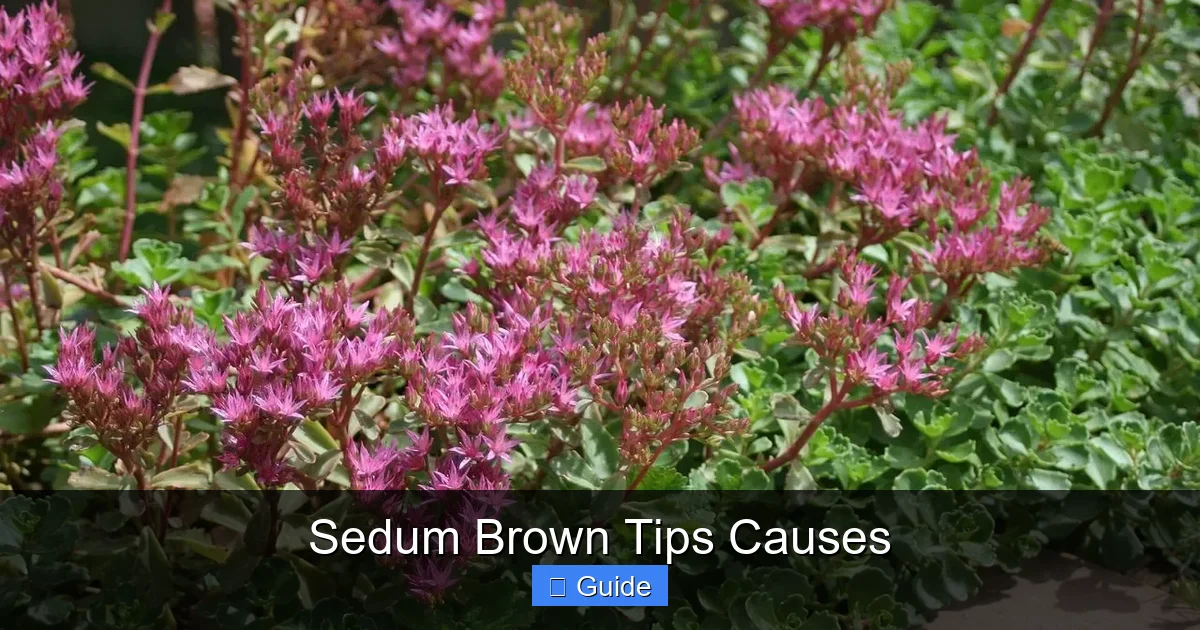
Visual guide about Sedum Brown Tips Causes
Image source: pricklypetals.com
To fix this, remove the plant from its pot, shake off wet soil, and trim any blackened roots. Repot in a well‑draining mix — cactus soil combined with perlite or pumice works well. Water only when the top inch of soil feels dry. A good rule is to water deeply but infrequently, allowing excess water to drain completely.
Underwatering and Dehydration
On the flip side, letting a sedum go too long without water also produces brown tips. The leaf edges become crisp, papery, and may curl upward. This happens because the plant pulls moisture from the oldest tissue first. If the soil is bone dry several inches down, give the plant a thorough soak until water runs out of the drainage holes.
After a deep watering, wait until the soil dries out again before the next drink. Consistent cycles of wet‑then‑dry mimic the natural desert conditions sedums love.
Light and Temperature Stress
Too Much Direct Sun
Sedums enjoy bright light, but intense afternoon sun can scorch their leaves, especially in hot climates. Scorched tips appear as bleached‑white or brown patches that feel dry. If you notice this on the side of the plant facing the window, move it a few feet back or provide a sheer curtain during peak hours.
Insufficient Light
Conversely, too little light makes sedums stretch (etiolation) and weakens leaf tissue. Weak leaves are more prone to tip browning when any stress occurs. Place your sedum where it receives at least six hours of bright, indirect light daily. A south‑facing window with a light filter is ideal.
Temperature Extremes
Sudden cold snaps or heat waves also trigger brown tips. Sedums prefer temperatures between 60 °F and 80 °F (15 °C–27 °C). Frost can damage leaf cells, turning tips brown overnight. In winter, keep indoor plants away from drafty windows. In summer, avoid placing pots on hot concrete that radiates heat.
Soil, Drainage, and Nutrient Balance
Compacted or Heavy Soil
Heavy garden soil holds water too long. Even if you water correctly, the roots stay wet. Use a gritty mix: 50 % cactus soil, 25 % perlite, 25 % coarse sand. This structure lets water flow through quickly while still holding a little moisture for the roots.
Pot Size and Drainage Holes
A pot without drainage holes traps water at the bottom. Always choose containers with multiple holes. If you love a decorative pot without holes, use it as a cachepot — place a plastic nursery pot inside.
Nutrient Deficiency
Sedums are light feeders, but a lack of potassium or magnesium can show as brown leaf tips. Apply a balanced, low‑nitrogen succulent fertilizer once during the growing season (spring to early summer). Dilute to half strength to avoid salt buildup, which itself can cause tip burn.
Pests, Diseases, and Environmental Contaminants
Mealybugs and Aphids
Mealybugs hide in leaf axils and suck sap, weakening the plant. Their feeding creates tiny brown spots that can merge into tip browning. Wipe them off with a cotton swab dipped in isopropyl alcohol, then spray the plant with neem oil weekly until gone.
Fungal Infections
Fungi like Botrytis thrive in humid, stagnant air. They cause brown, mushy tips often surrounded by a fuzzy gray mold. Improve airflow, reduce watering, and remove affected leaves. A copper‑based fungicide can help if the infection spreads.
Salt Buildup from Tap Water
Hard water leaves mineral salts on leaf edges. Over time these salts draw moisture out of the tissue, turning tips brown. Flush the soil monthly with distilled or rainwater to leach excess salts.
Prevention and Ongoing Care Routine
Weekly Checklist
- Feel the top inch of soil — water only when dry.
- Inspect leaves for pests or discoloration.
- Rotate the pot for even light exposure.
Seasonal Adjustments
In spring and summer, sedums grow actively. Increase watering frequency slightly and feed once. In fall, taper watering as growth slows. In winter, keep the plant cool and dry; water maybe once a month.
Repotting Every Two Years
Refresh the soil mix and check root health. This prevents compaction and gives you a chance to trim any dead roots before they cause problems.
Conclusion
Brown tips on sedum are a cry for help, not a death sentence. By systematically checking watering habits, light levels, soil quality, and pest presence, you can pinpoint the exact cause. Most fixes are simple: adjust watering, improve drainage, move the plant to better light, or treat pests. With a consistent care routine, your sedums will stay plump, green, and beautiful for years. Remember, the key is observation — catch the early signs, act fast, and enjoy the resilience of these charming succulents.
Frequently Asked Questions
What are the most common sedum brown tips causes?
The most common causes are overwatering, underwatering, excessive direct sunlight, poor drainage, nutrient deficiency, and pest infestations.
How can I tell if brown tips are from overwatering versus underwatering?
Overwatered tips feel soft and mushy, while underwatered tips are dry, crisp, and may curl upward.
Is it normal for older sedum leaves to brown at the tips?
Some natural aging can cause tip browning on the lowest leaves, but widespread browning signals a care issue.
Can I save a sedum with severe brown tips?
Yes, trim away damaged tissue, correct the underlying problem, and the plant usually recovers with new growth.
How often should I fertilize sedum to prevent brown tips?
Fertilize once in spring with a diluted low‑nitrogen succulent fertilizer; avoid feeding in winter.
Does tap water cause brown tips on sedum?
Hard tap water can leave salt deposits that burn leaf tips; flushing with distilled water monthly helps prevent this.