Best Companion Plants for Pothos
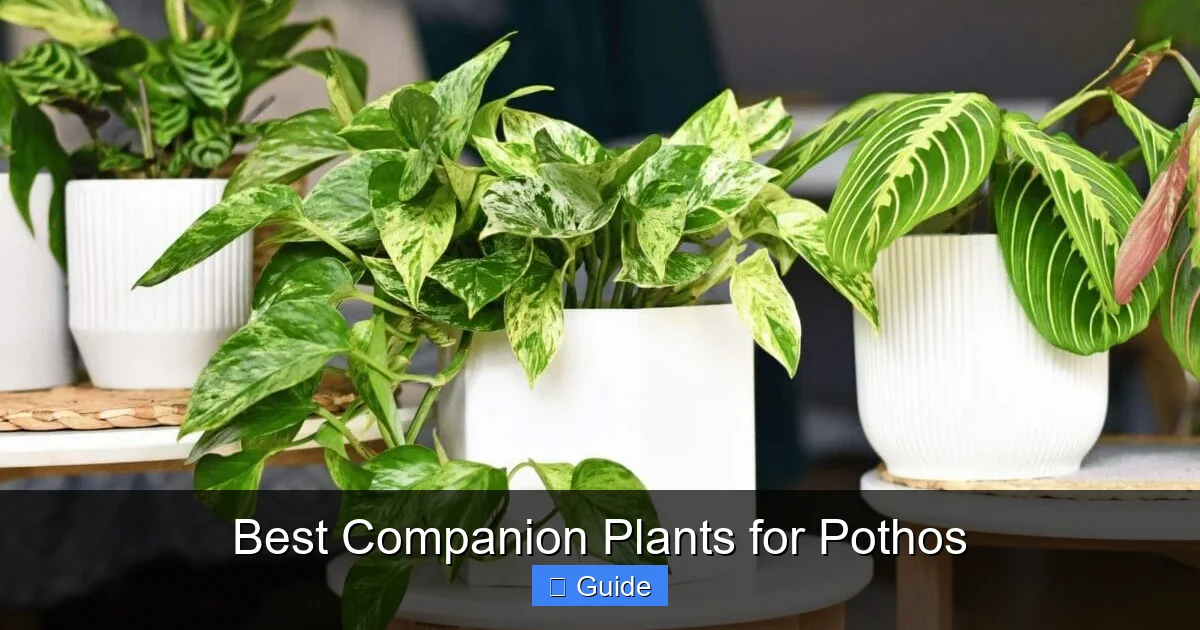
Pothos thrives alongside plants with similar light and water needs like philodendrons, spider plants, and peace lilies. These companions share care routines while adding visual contrast. Avoid pairing pothos with succulents or cacti since their drought preferences clash with pothos moisture needs.
Key Takeaways
- Match care requirements: Choose companions that enjoy bright indirect light and consistent moisture like pothos does.
- Philodendrons are ideal partners: They share nearly identical needs and create lush, layered displays together.
- Spider plants add air-purifying power: Both plants clean indoor air while tolerating similar conditions.
- Peace lilies signal watering needs: Their dramatic droop reminds you when both plants need a drink.
- Avoid succulents and cacti: These need dry soil and bright direct sun which harms pothos.
- Group plants for humidity: Clustering tropical companions creates a beneficial microclimate.
- Watch for pest spread: Inspect all plants regularly since grouped plants share pests quickly.
Quick Answers to Common Questions
Can I plant pothos and snake plant together?
No, snake plants need dry soil and bright light while pothos prefers consistent moisture and indirect light. Their care needs conflict.
What is the easiest companion plant for pothos beginners?
Heartleaf philodendron is the easiest companion since it has nearly identical care requirements and tolerates the same range of conditions.
Do companion plants need the same pot size?
No, each plant should have a pot suited to its root system. Group separate pots together rather than forcing different-sized plants into one container.
How close should companion plants be placed?
Place pots close enough that leaves nearly touch to maximize humidity sharing, but leave enough space for air circulation to prevent fungal issues.
Can I mix variegated and non-variegated pothos varieties together?
Yes, different pothos varieties like golden, marble queen, and jade grow well together since they share identical care needs and growth habits.
📑 Table of Contents
- Why Companion Planting Matters for Your Pothos
- Understanding Pothos Needs First
- Top Tier Companions: Nearly Identical Care
- Excellent Companions: Shared Needs with Bonus Benefits
- Great Companions: Similar Needs with Minor Adjustments
- Plants to Avoid: The Mismatched Crowd
- Designing Your Plant Combinations
- Seasonal Care for Companion Groups
- Troubleshooting Common Companion Issues
- Propagation: Multiplying Your Plant Family
- Creating a Care Routine That Works
- Budget-Friendly Companion Building
- Advanced Companion Strategies
- Final Thoughts on Plant Friendships
Why Companion Planting Matters for Your Pothos
You love your pothos. That trailing vine with heart-shaped leaves brightens any corner. But have you thought about giving it plant friends? The best companion plants for pothos do more than look pretty together. They create a mini ecosystem. They share humidity. They warn you about watering. They even help each other grow stronger.
I learned this the hard way. My first pothos sat alone on a shelf. It survived but never thrived. Then I added a philodendron nearby. Both exploded with new growth. The air felt different. The leaves looked glossier. That is the power of smart plant pairing.
Understanding Pothos Needs First
Before picking companions, know what your pothos wants. This plant comes from tropical forests. It grows under tree canopies. That tells you everything.
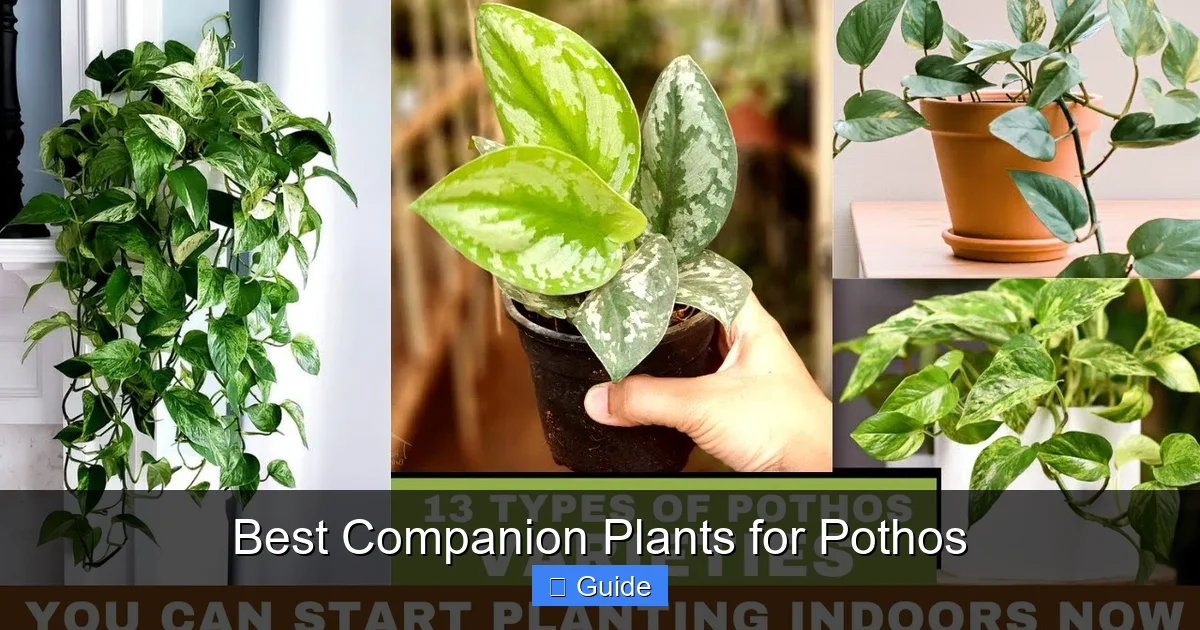
Visual guide about Best Companion Plants for Pothos
Image source: i.ytimg.com
Light Requirements
Pothos loves bright indirect light. Direct sun burns those beautiful leaves. Low light slows growth and fades variegation. Your companions must tolerate this same range. No desert dwellers allowed.
Water Preferences
Let the top inch of soil dry between waterings. Pothos hates soggy roots. But it also hates bone-dry soil. The sweet spot is consistently moist but never wet. Companions need this same rhythm.
Humidity Love
Average home humidity works. But pothos really shines at 50 to 70 percent humidity. Grouping plants raises humidity naturally. Each plant releases moisture through transpiration. Together they create a tropical pocket.
Temperature Range
Keep things between 65 and 85 degrees Fahrenheit. No cold drafts. No hot vents. Most tropical houseplants share this comfort zone. That makes companion selection easier.
Top Tier Companions: Nearly Identical Care
These plants are basically pothos cousins. They want the same things. You water them on the same schedule. They thrive in the same spots. This makes plant care simple.
Heartleaf Philodendron
If pothos had a twin, this would be it. Heartleaf philodendron looks similar but has thinner leaves. The stems are more delicate. Care is identical. Both handle low light. Both forgive missed waterings. Both trail beautifully.
Plant them in the same pot for a fuller look. Or let them trail from separate hanging baskets at different heights. The visual rhythm is stunning. New gardeners often confuse these two. Now you know the difference.
Philodendron Brasil
This variegated beauty adds lime green stripes to the mix. It brightens darker corners. The care stays exactly the same. Pair a golden pothos with Philodendron Brasil for a variegation party. The contrasting patterns play off each other.
Philodendron Micans
Velvet leaves. Iridescent sheen. Micans brings texture no other plant offers. The deep green with bronze undertones looks rich beside glossy pothos. Same care. Same trailing habit. Different vibe entirely.
Excellent Companions: Shared Needs with Bonus Benefits
These plants match pothos care but bring extra perks. Air purification. Humidity boosting. Visual contrast. Pest resistance. They earn their spot in your collection.
Spider Plant
Spider plants are workhorses. NASA studies confirm they remove formaldehyde and xylene from air. Pothos tackles benzene and carbon monoxide. Together they cover more toxins. Both produce babies you can propagate. Both handle neglect. The arching leaves contrast perfectly with trailing vines.
Place a spider plant on a stand beside a hanging pothos. The fountain shape balances the cascade. Water both when the soil surface feels dry. They will reward you with endless offsets.
Peace Lily
Here is a secret weapon. Peace lilies dramatically collapse when thirsty. They are the ultimate watering indicator. Your pothos stays quiet about its needs. The peace lily screams. When you see the droop, water both plants. Problem solved.
Peace lilies also boost humidity significantly. Their broad leaves transpire heavily. They flower in decent light. White blooms pop against green foliage. Just keep them away from pets since they are toxic.
Chinese Evergreen
Aglaonema brings pattern variety. Silver. Red. Pink. Cream. The leaf patterns are mesmerizing. They tolerate lower light than pothos. They grow upright instead of trailing. This adds vertical structure to your display.
Chinese evergreens grow slowly. They won’t outcompete your pothos. They prefer the same warm temperatures. Their thick leaves resist pests well. A sturdy anchor for your plant grouping.
ZZ Plant
Nearly indestructible. ZZ plants store water in rhizomes. They survive weeks without water. But they also thrive on the pothos schedule. The waxy, architectural leaves add modern sculpture. Upright growth contrasts trailing vines.
ZZ plants handle very low light. They clean air efficiently. They rarely get pests. If you travel often, this duo survives your absence. Just do not overwater either plant.
Great Companions: Similar Needs with Minor Adjustments
These plants work well but need slight care tweaks. Nothing major. Just awareness. The visual payoff makes small adjustments worth it.
Monstera Deliciosa
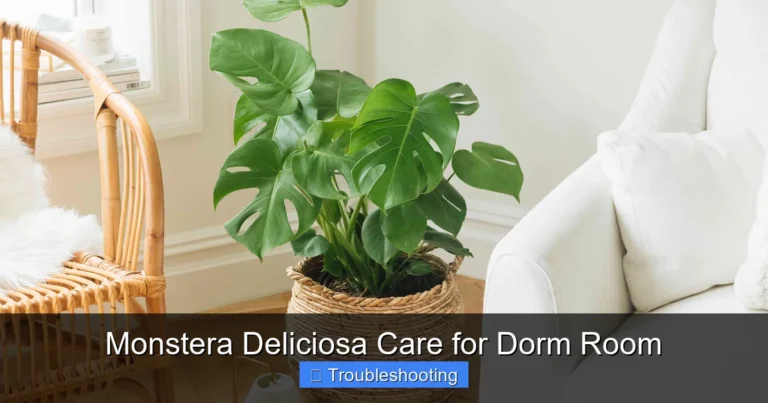
The iconic split-leaf philodendron. Young plants have solid heart leaves like pothos. Mature plants develop fenestrations. They want brighter light for those splits. But they tolerate pothos conditions.
Monstera grows large. Give it floor space. Let pothos trail at its base. The size contrast creates jungle drama. Both climb in nature. Add a moss pole for the monstera. Let pothos trail down the pot.
Arrowhead Plant
Syngonium starts bushy then vines. The arrow-shaped leaves come in pink, white, and green varieties. They want slightly higher humidity. Group them with pothos to achieve this naturally.
Arrowhead plants grow fast. Trim them to maintain shape. Propagate cuttings in water beside pothos cuttings. They root at the same speed. A propagation station for two plants.
Tradescantia Zebrina
Purple and silver striped leaves. Trailing habit. Fast growth. Tradescantia wants more light to keep colors vibrant. But it survives in pothos conditions with greener leaves.
The color contrast is electric. Deep purple against golden pothos variegation. Both root instantly in water. Both fill pots quickly. Trim tradescantia often or it gets leggy.
Hoya Carnosa
Wax plant. Thick succulent-like leaves. Fragrant star flowers. Hoya wants to dry out more between waterings. Let the top two inches dry. Pothos prefers one inch. Compromise at 1.5 inches for both.
Hoya grows slowly. It stays compact for years. The waxy leaves add texture contrast. When it blooms, the scent fills the room. A patient plant for a patient gardener.
Plants to Avoid: The Mismatched Crowd
Knowing what not to pair saves heartache. These popular plants clash with pothos needs. Keep them in separate rooms.
Succulents and Cacti
This is the biggest mistake. Succulents want bone-dry soil. Bright direct sun. Low humidity. Pothos wants the opposite. One will die. Usually the succulent rots first. Then the pothos suffers from underwatering.
Keep desert plants in south windows. Keep tropical plants in east or north windows. Never the same pot. Never the same watering schedule.
Calathea and Maranta
Prayer plants are divas. They demand high humidity. Distilled water. Stable temperatures. No drafts. Pothos is easygoing. The calathea will crisp and curl while pothos thrives. You will frustrate yourself trying to please both.
If you love calatheas, give them their own humid corner. Maybe a terrarium. Let pothos be the relaxed friend elsewhere.
Fiddle Leaf Fig
Trendy but finicky. Fiddle leaf figs want intense light. Consistent moisture but perfect drainage. They drop leaves at the slightest stress. Pothos adapts. The fig will sulk in pothos conditions.
Also, figs grow into trees. Pothos trails. The scale mismatch creates awkward spacing. Give the fig its own bright corner.
Orchids
Epiphytes with totally different roots. Orchids need bark mix. High air flow. Specific watering cycles. Pothos needs soil. The care routines never align. Enjoy them separately.
Designing Your Plant Combinations
Now you know the players. Let’s talk arrangement. Good design makes care easier and displays stunning.
Same Pot Combinations
Plant companions together only if root systems play nice. Pothos and philodendron share pots happily. Their roots intertwine without conflict. Use a pot two inches wider than the combined root balls.
Add a moss pole in center. Let one plant climb. Let the other trail. Water once for both. Fertilize once for both. Maximum impact, minimum effort.
Cluster Arrangements
Group separate pots on a plant stand. Vary heights. Trailing plants on top shelves. Upright plants on bottom. Medium plants in middle. This creates a living wall effect.
Clustering raises humidity for everyone. Place a pebble tray underneath. Add a small humidifier nearby in winter. Your tropical corner becomes a microclimate.
Hanging and Trailing Displays
Hang pothos in macrame. Place spider plant on shelf below. Let tradescantia trail from a wall planter. The vertical layering uses air space efficiently. Water drips from top plants to bottom ones. Place saucers strategically.
Terrarium Integration
Small pothos varieties work in open terrariums. Pair with fittonia, peperomia, and moss. Closed terrariums get too wet for pothos. Keep the lid off. The glass walls boost humidity beautifully.
Seasonal Care for Companion Groups
Seasons change. Your care must adapt. Grouped plants make this easier since they share needs.
Spring Awakening
Days lengthen. Growth accelerates. Increase watering frequency. Start fertilizing monthly with half-strength balanced fertilizer. Repot root-bound plants. Propagate actively. Share cuttings with friends.
Summer Vigor
Peak growth season. Water more often. Watch for pests weekly. Spider mites love hot dry air. Mist plants or run humidifier. Move plants back from intense south windows. Rotate pots for even growth.
Fall Transition
Growth slows. Reduce fertilizing to every six weeks. Water less frequently. Check for pests before bringing outdoor plants in. Clean leaves with damp cloth. Maximize light as days shorten.
Winter Rest
Minimal growth. Water only when soil dries deeper. Stop fertilizing entirely. Combat dry heating air with humidifiers. Group plants tightly for mutual humidity. Keep away from cold windows and hot vents.
Troubleshooting Common Companion Issues
Even perfect pairs hit snags. Here is how to handle them.
One Plant Outgrows Another
Pothos grows fast. It may shade slower companions. Trim pothos regularly. Rotate the pot weekly. Move the slower plant to a brighter spot. Or accept the jungle look.
Pest Spread
Mealybugs love pothos. Spider mites love dry air. Fungus gnats love wet soil. Inspect all plants weekly. Quarantine new plants for two weeks. Treat immediately with neem oil or insecticidal soap. Isolate affected plants.
Uneven Watering Needs
Even matched plants vary. Check each pot individually. Lift pots to feel weight. Use a moisture meter. Water each plant on its own schedule even if grouped. Do not water on a calendar.
Root Competition in Shared Pots
If one plant dominates, separate them. Gently tease roots apart. Repot in fresh soil. Both will recover fast. Lesson learned. Some combinations work better as neighbors than roommates.
Propagation: Multiplying Your Plant Family
Companion plants mean more propagation fun. Most root the same way.
Water Propagation Station
Take cuttings from pothos, philodendron, spider plant, and tradescantia simultaneously. Place in clear jars. Label with painter’s tape. Change water weekly. Roots appear in two to four weeks.
Pot up together in a community pot. Or gift individual rooted cuttings. Friends love plant babies. You become the plant person in your circle.
Soil Propagation
Stick cuttings directly in moist perlite or soil. Cover with a plastic bag for humidity. Place in bright indirect light. Check for roots in three weeks. This works great for ZZ plant leaves and hoya stems.
Division Method
Spider plants, peace lilies, and Chinese evergreens divide easily. Remove from pot. Separate root balls. Pot each section. Instant new plants. Do this during spring repotting.
Creating a Care Routine That Works
Consistency beats intensity. A simple routine keeps everyone happy.
Weekly Check-In
Every Sunday morning. Coffee in hand. Walk the plant line. Feel soil. Check leaves top and bottom. Rotate pots. Remove dead leaves. Mist if air feels dry. Ten minutes. Done.
Monthly Deep Care
First Saturday. Fertilize in growing season. Wipe leaves with damp cloth. Check drainage holes. Top off soil if needed. Inspect for pests thoroughly. Prune for shape.
Quarterly Tasks
Repot root-bound plants. Refresh top soil layer. Clean saucers. Check light levels as seasons shift. Adjust humidifier settings. Take photos to track growth.
Budget-Friendly Companion Building
You do not need a fortune. Start small. Grow big.
Start with Cuttings
Ask friends for cuttings. Join plant swap groups. Check Facebook Marketplace. Many give away spider plant babies free. One pothos cutting becomes a full plant in months.
Shop Smart
Local nurseries often have better prices than big box stores. Check clearance sections. Ugly pots hide healthy roots. Repot at home. End-of-season sales offer deals.
Propagate and Trade
Your pothos produces endless cuttings. Trade for plants you want. Build your collection through community. The plant community is generous.
Advanced Companion Strategies
Ready to level up? These techniques maximize benefits.
Living Wall Systems
Mount pocket planters on a wall. Fill with pothos, philodendron, and ferns. Install drip irrigation. Create a vertical garden indoors. Dramatic impact. Efficient space use.
Hydroponic Groupings
Grow companions in LECA or water culture. Pothos, philodendron, and spider plants adapt well. Shared reservoir means one watering point. Clean, modern, pest-resistant.
Terrarium Ecosystems
Build a bioactive terrarium. Add springtails and isopods. They clean waste. Plants feed them. Self-sustaining. Pothos stays small with regular trimming.
Final Thoughts on Plant Friendships
Plants communicate. They share resources. They warn each other. Science keeps discovering more about plant intelligence. Your pothos knows when its neighbors struggle.
The best companion plants for pothos create resilience. Beauty. Ease. Joy. Start with one friend. A philodendron. A spider plant. Watch what happens. Your green thumb grows with your collection.
Remember the basics. Match light. Match water. Match humidity. Avoid desert plants. Group for humidity. Inspect for pests. Propagate generously. Share the abundance.
Your home becomes a jungle. Your air becomes cleaner. Your mood becomes calmer. All because you gave your pothos a friend. Then another. Then a community.
Frequently Asked Questions
What are the absolute best companion plants for pothos?
Heartleaf philodendron, philodendron Brasil, and spider plants are the top companions because they share identical light, water, and humidity needs while adding visual variety.
Can pothos and peace lily be planted in the same pot?
They can share a pot since both enjoy consistent moisture, but peace lilies need more frequent watering and may outcompete pothos for water in a shared container.
Why should I avoid planting pothos with succulents?
Succulents require dry soil and direct sun which causes root rot and leaf burn in pothos. Their opposing needs make cohabitation impossible without harming one plant.
How does grouping plants increase humidity for pothos?
Plants release water vapor through transpiration. When grouped closely, this collective moisture creates a localized humid microclimate that benefits all tropical plants.
Should I fertilize companion plants on the same schedule?
Yes, most tropical companions like philodendrons, spider plants, and peace lilies thrive on the same monthly half-strength fertilizer schedule during growing season.
What should I do if pests spread between companion plants?
Immediately isolate affected plants, treat all plants in the group with neem oil or insecticidal soap weekly for three weeks, and inspect daily until infestation clears.