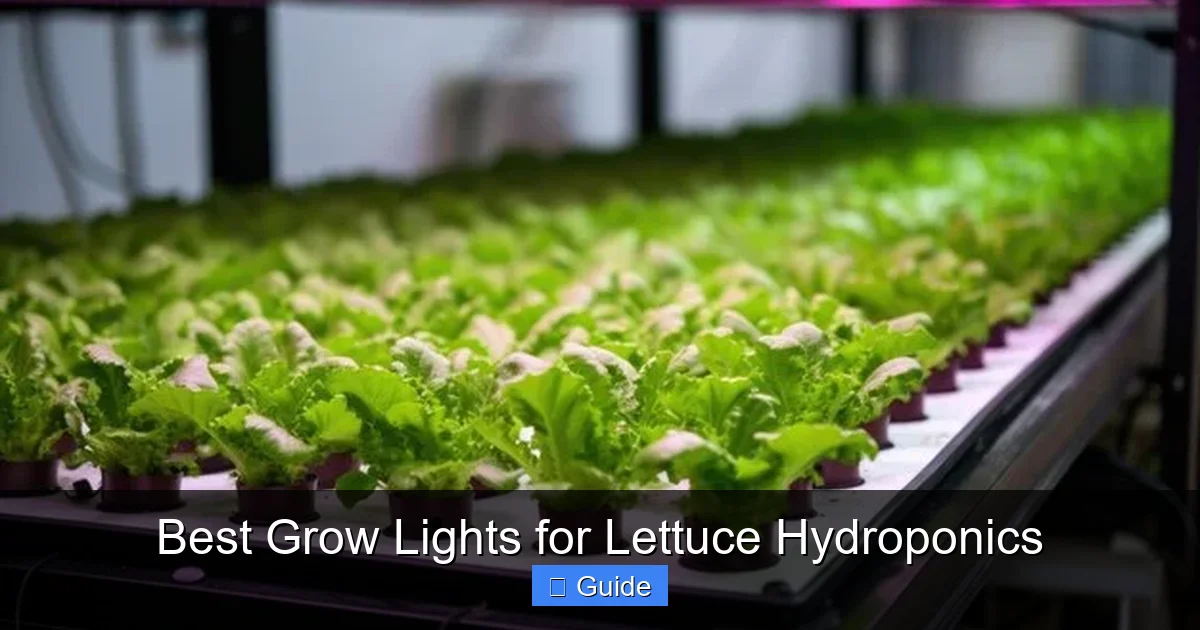
Best Grow Lights for Lettuce Hydroponics
Choosing the right light is the single biggest factor for fast, healthy lettuce in hydroponics. This guide breaks down the best grow lights for lettuce hydroponics so you can pick, set up, and maintain a system that delivers crisp, high‑yield greens all year.
Light drives plant growth. Lettuce needs strong light. Hydroponics makes light even more important. The best grow lights for lettuce hydroponics give the right spectrum. They also run cool. Cool light protects delicate leaves. You get faster harvest. You get higher quality.
Choosing a light can feel hard. There are many types. Each type has pros and cons. This guide makes the choice simple. You will learn the key features. You will see top picks. You will learn setup steps. You will keep your system running smooth.
Read on to find the best grow lights for lettuce hydroponics. The information is clear. The steps are easy. Your lettuce will thrive.
Key Takeaways
- Light spectrum matters: Blue builds structure, red drives size.
- LED efficiency wins: Low heat, high output, long life.
- Coverage matches space: Choose a fixture that covers your tray.
- Adjustable intensity helps: Dimming and timers save energy.
- Cool operation protects leaves: Low heat avoids tip burn.
- Regular maintenance extends life: Clean lenses, track output, update firmware.
Quick Answers to Common Questions
What is the best light spectrum for lettuce?
A balanced mix of blue and red light works best. Blue builds strong leaves, red drives size. The best grow lights for lettuce hydroponics provide both.
How many hours of light does lettuce need?
Lettuce thrives with 16 hours of light and 8 hours of darkness. Seedlings may need up to 18 hours. Adjust as plants mature.
Can I use regular household LEDs for hydroponics?
Household LEDs lack the proper spectrum and intensity. They usually do not deliver enough PAR for healthy lettuce growth.
How do I know when to replace my grow light?
Track output with a PAR meter each month. Replace when output falls about 20‑30 percent from the original rating.
What is the most energy efficient grow light type?
LED panels are the most energy efficient. They give high µmol per watt and run cool, lowering electricity costs.
📑 Table of Contents
Why Light Matters for Lettuce Hydroponics
Photosynthesis Basics
Photosynthesis turns light into energy. Lettuce uses blue and red light. Blue light builds strong leaves. Red light drives flowering. A balanced mix gives best growth. The best grow lights for lettuce hydroponics deliver both colors. They also give a little green. Green light penetrates deeper. Deep light reaches lower leaves.
Light Spectrum Needs
The spectrum must match lettuce needs. Too much blue makes plants compact. Too much red makes them stretch. A full spectrum solves this. The best grow lights for lettuce hydroponics offer adjustable spectrum. You can tune blue for seedlings. You can boost red for mature heads. Tuning saves energy.
Daily Light Integral
Daily Light Integral measures total light per day. Lettuce needs about 12 to 14 moles. A good light hits this target. The best grow lights for lettuce hydroponics run 16 hours on. They rest 8 hours off. This schedule meets the target. Consistent light avoids stress. Stress slows growth.
Light Quality vs Quantity
Light quality matters more than quantity. Blue light builds strong stems. Red light drives leaf expansion. The best grow lights for lettuce hydroponics give a balanced mix. Too much intensity burns leaves. Too little intensity makes plants stretch. Use a PAR meter to check quality. Adjust spectrum before you change height. Balanced quality leads to steady growth. Check daily and write down numbers. Small changes can make a big difference. Consistent quality improves yield and saves energy.
Measuring Light With PAR Meter
A PAR meter measures usable light for plants. Place the sensor at canopy level. Record the reading each week. The best grow lights for lettuce hydroponics should hit 200 to 300 µmol. If reading is low lower the light. If reading is high raise the light. Keep a log of all numbers. Compare logs to see trends. Adjust schedule based on data. Accurate measurement prevents guesswork. Guesswork wastes electricity and reduces yield. Regular checks keep the system optimal.
Adjusting Light For Seasonal Changes
Seasonal changes affect natural light indoors. Winter days are short and dim. Summer days are long and bright. The best grow lights for lettuce hydroponics can compensate. Increase timer hours in winter. Decrease timer hours in summer. Shift spectrum toward blue in cool months. Shift spectrum toward red in warm months. Small adjustments keep growth steady. Monitor temperature along with light. Consistent environment produces uniform heads. Plan adjustments ahead of each season.
Types of Grow Lights for Lettuce
LED Panels
LED panels are popular. They use little power. They produce low heat. They last many years. The best grow lights for lettuce hydroponics often use LED. You can pick a panel with full spectrum. Panels fit small spaces. They are easy to mount.
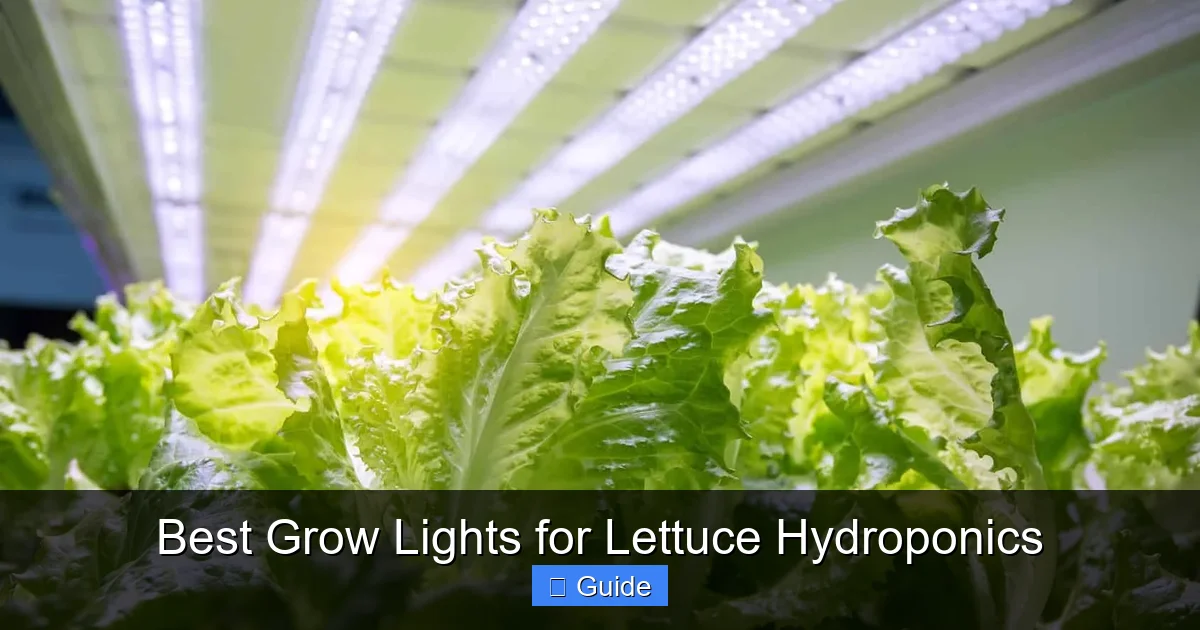
Visual guide about Best Grow Lights for Lettuce Hydroponics
Image source: rurallivingtoday.com
Fluorescent Tubes
Fluorescent tubes are cheap. They give decent light. They run cooler than HID. They need frequent replacement. The best grow lights for lettuce hydroponics can be fluorescent for budget growers. Tubes cover a wide area. They work well for seedling trays. They are simple to install.
High Intensity Discharge
High Intensity Discharge lights are strong. They produce lots of light. They also produce lots of heat. They need good ventilation. The best grow lights for lettuce hydroponics rarely use HID because of heat. HID works for large commercial farms. They have high upfront cost. They need ballasts.
Quick Comparison
Here is a quick comparison of the three types.
- LED: low heat, high efficiency, long life
- Fluorescent: low cost, moderate heat, shorter life
- HID: high output, high heat, high cost
Hybrid LED Fluorescent Fixtures
Hybrid fixtures combine LED and fluorescent tubes. They give the efficiency of LED. They also give the broad spread of fluorescent. The best grow lights for lettuce hydroponics sometimes use hybrids. Hybrids fit medium sized racks. They run cooler than pure HID. They cost less than full LED panels. Installation is simple with standard brackets. You get flexible spectrum options. Hybrid units often have dimming built in. They are a good middle ground for many growers.
Choosing Between Fixed And Adjustable Spectrum
Fixed spectrum lights have one color mix. Adjustable spectrum lights let you change color. The best grow lights for lettuce hydroponics often offer adjustable channels. Fixed lights are cheaper and simpler. Adjustable lights cost more but give control. Choose fixed if you grow one crop type. Choose adjustable if you grow multiple stages. Test both types before large purchase. Read user reviews for real performance. Matching spectrum to stage boosts quality.
Cost Over Time Analysis
Initial price is only part of the cost. Energy use adds up each month. LED uses few watts per µmol. Fluorescent uses more watts per µmol. HID uses the most watts per µmol. The best grow lights for lettuce hydroponics show total cost of ownership. Calculate watts times hours times rate. Add bulb replacement cost for fluorescent. Add ballast replacement for HID. LED often wins over five years. Plan budget with long term view.
Key Features to Look For
Spectrum Control
Spectrum control lets you match plant stage. Seedlings love blue. Mature heads love red. The best grow lights for lettuce hydroponics have dimmable channels. You can shift color with a knob. This flexibility saves electricity. It also improves quality.
Wattage and Efficiency
Wattage tells you power draw. Efficiency tells you light per watt. LED gives most light per watt. The best grow lights for lettuce hydroponics show high efficacy numbers. Look for >2.5 µmol/J. Higher efficacy means lower electric bill. It also means less heat.
Coverage Area
Coverage area matches your grow tray size. A 2×2 foot tray needs a light that covers 2×2. The best grow lights for lettuce hydroponics list coverage in specs. Overlap lights for larger beds. Good coverage avoids dark spots. Dark spots cause uneven growth.
Heat Output
Heat output can damage lettuce. LED stays cool. Fluorescent gets warm. HID gets hot. The best grow lights for lettuce hydroponics keep leaf temperature low. Use fans if needed. Cool lights extend lamp life. Cool lights keep nutrient solution stable.
Dimming and Timer Options
Dimming lets you lower intensity. Timer automates on/off cycles. The best grow lights for lettuce hydroponics often include both. Set 16 hours on for growth. Set 8 hours off for rest. Automation reduces human error. Consistent cycles boost yield.
Waterproof Rating For Humid Environments
Hydroponic rooms are humid. Water can splash on fixtures. Look for IP65 or higher rating. The best grow lights for lettuce hydroponics often carry IP65. Sealed housing protects drivers. It also protects LEDs from corrosion. A waterproof light lasts longer. It reduces risk of short circuits. Check the spec sheet before buying. Install with drip loops for extra safety. Dry environment keeps nutrients stable.
Noise Level Considerations
Fans and drivers can make noise. Quiet operation is nice for home growers. The best grow lights for lettuce hydroponics often use passive cooling. Passive cooling means no fan noise. If a fan is needed choose low decibel model. Place the unit away from living space. Use rubber mounts to damp vibration. Check manufacturer noise rating in dB. Low noise improves comfort. It also reduces stress for nearby plants. Silent lights are a sign of good design.
Warranty And Support
A strong warranty shows confidence. Look for at least three years coverage. The best grow lights for lettuce hydroponics often offer five year warranty. Good support includes phone and email help. Fast replacement parts reduce downtime. Read warranty terms for exclusions. Some brands cover only the driver. Others cover the whole fixture. Choose a brand with a local service center. Good warranty protects your investment. It also gives peace of mind.
Top Picks for Best Grow Lights for Lettuce Hydroponics
Model A – High Efficiency LED
Model A is a top LED panel. It draws 100 watts. It delivers 300 µmol/s. Spectrum is full and tunable. The best grow lights for lettuce hydroponics list Model A as a favorite. It covers a 3×3 foot area. It runs silent. It has a 5 year warranty.
Model B – Budget Friendly Fluorescent
Model B uses T5 fluorescent tubes. It uses 80 watts total. It gives 180 µmol/s. Spectrum is fixed cool white. The best grow lights for lettuce hydroponics include Model B for beginners. It covers 2×4 foot. It costs less than $100. Bulbs last 10,000 hours.
Model C – Full Spectrum HID
Model C is a 400 watt HID. It produces 500 µmol/s. Spectrum includes strong red and blue. The best grow lights for lettuce hydroponics rarely pick HID for small setups. Model C suits large commercial rooms. It needs strong ventilation. It has a 2 year warranty. It costs more upfront.
How to Choose the Right Model
Match light to space and budget. Small tent? Choose LED. Tight budget? Choose fluorescent. Big room? Consider HID. The best grow lights for lettuce hydroponics fit your exact needs. Check coverage, spectrum, and heat. Read user reviews. Test a small area first.
Model D – Compact LED For Small Tents
Model D is a tiny LED panel. It draws only 40 watts. It covers a 1×1 foot area. Spectrum is full and dimmable. The best grow lights for lettuce hydroponics list Model D for micro tents. It runs silent and cool. It fits on a shelf or rack. Price is under $80. Warranty is three years. Ideal for beginners with limited space.
Model E – High Output Fluorescent For Medium Racks
Model E uses four T5 tubes. Total power is 120 watts. It delivers 250 µmol/s. Spectrum is fixed cool white. The best grow lights for lettuce hydroponics recommend Model E for 2×4 foot racks. It runs warmer than LED but cooler than HID. Bulbs last 15,000 hours. Cost is around $150. Good for growers who prefer fluorescent. Easy to replace individual tubes.
Comparing Long Term Cost
Long term cost includes electricity and replacements. LED has highest upfront but lowest running cost. Fluorescent has low upfront but higher bulb cost. HID has high upfront and high energy cost. The best grow lights for lettuce hydroponics show total five year cost. Build a spreadsheet with watts hours rate. Add bulb price times replacement count. Add ballast price for HID. Compare totals side by side. Choose the lowest total cost for your budget.
How to Set Up Your Lights
Mounting Height
Mounting height changes light intensity. Start at 12 inches for seedlings. Raise to 18 inches for mature heads. The best grow lights for lettuce hydroponics include hanging kits. Use a ruler to measure. Adjust weekly as plants grow. Correct height prevents burn. Correct height prevents stretch.
Light Schedule
Set a timer for 16 hours on. Set 8 hours off. This mimics long summer days. The best grow lights for lettuce hydroponics work well with this schedule. Seedlings may need 18 hours on. Reduce to 14 hours near harvest. Consistency is key. Missed cycles slow growth.
Reflectors and Layout
Reflectors bounce light back to plants. White walls work as reflectors. Mylar sheets give 95% reflectivity. The best grow lights for lettuce hydroponics shine brighter with reflectors. Arrange lights in a grid. Overlap edges by 10 percent. Even layout gives uniform growth. Uniform growth means higher yield.
Monitoring Light Levels
Use a PAR meter to check intensity. Target 200–300 µmol/m2/s for lettuce. The best grow lights for lettuce hydroponics often come with a sensor port. Log readings weekly. Adjust height or dimming if needed. Stable light keeps plants happy. Happy plants give crisp leaves.
Using Light Movers For Even Coverage
Light movers slide the fixture back and forth. They spread light over a larger area. The best grow lights for lettuce hydroponics work well with movers. Movers reduce hot spots. They also reduce the number of fixtures needed. Install a rail above the canopy. Attach the light to the motor. Set speed to complete a cycle in 10 minutes. Check coverage with a PAR meter. Adjust rail length if needed. Movers add a small electricity cost. They pay off by higher yield.
Integrating CO2 Enrichment With Light
CO2 enrichment boosts photosynthesis. Light drives the process. The best grow lights for lettuce hydroponics pair well with added CO2. Keep CO2 around 1200 ppm during light hours. Turn off CO2 during dark period. Use a controller to sync CO2 and timer. Monitor leaf temperature to avoid stress. Higher CO2 lets you run lights at lower intensity. Lower intensity saves electricity. Balanced CO2 and light gives thick leaves. Always ventilate to keep safe levels.
Safety Tips For Electrical Setup
Electric safety is vital in wet areas. Use GFCI outlets for all lights. The best grow lights for lettuce hydroponics often have built in protection. Keep cords away from water. Use cable trays to organize wires. Do not overload circuits. Label each breaker for quick shutoff. Inspect plugs monthly for damage. Replace frayed cords immediately. Ground all metal fixtures. Follow local code for indoor gardens. Safe wiring protects plants and people.
Maintenance and Troubleshooting
Cleaning Lenses
Dust blocks light. Clean lenses monthly. Use a soft cloth. Use isopropyl alcohol. The best grow lights for lettuce hydroponics stay bright with clean glass. Dirty lenses cut output by 20 percent. Regular cleaning saves energy. It also extends lamp life.
Replacing Diodes
LED diodes fade over time. Replace when output drops 30 percent. The best grow lights for lettuce hydroponics use modular boards. Swap a board in minutes. Keep spare boards on hand. Timely replacement keeps yield steady. It avoids sudden crop loss.
Common Issues
Flicker means driver problem. Dim spots mean dirty lens. Overheat means fan failure. The best grow lights for lettuce hydroponics show error codes. Check manual for code meaning. Fix fast to avoid stress. Stress shows as tip burn. Tip burn reduces market quality.
Extending Lifespan
Run lights at 80 percent power when possible. Use timers to avoid 24 hour runs. Keep environment cool. The best grow lights for lettuce hydroponics last longer with gentle use. Schedule monthly inspections. Replace worn parts early. Good care adds years to your investment.
Firmware Updates For Smart Lights
Smart lights run on firmware. Updates fix bugs and add features. The best grow lights for lettuce hydroponics with Wi‑Fi need regular updates. Check the app monthly for new versions. Apply updates during dark period. Backup settings before updating. Updated firmware can improve spectrum accuracy. It can also improve dimming smoothness. Ignoring updates may cause flicker. Stay current to get the best performance.
Tracking Light Degradation Over Time
All lights lose output as they age. Track output with a PAR meter each month. The best grow lights for lettuce hydroponics degrade slowly if kept cool. Record the reading in a log. Plot the trend line on paper or spreadsheet. When output drops 20 percent plan replacement. Early planning avoids sudden yield loss. Keep spare boards or bulbs ready. Consistent tracking keeps harvest predictable. It also helps budget for new fixtures.
When To Upgrade Your System
Upgrade when your goals change. Bigger area needs more light. New varieties may need different spectrum. The best grow lights for lettuce hydroponics evolve each year. New LED chips give higher efficacy. New controllers give finer scheduling. If energy cost rises upgrade to more efficient lights. If yield plateaus check light age. Plan upgrades during off season. Budget for one fixture at a time. Incremental upgrades keep production steady.
Congratulations you now have a clear path to pick set up and maintain the best grow lights for lettuce hydroponics. Follow each step carefully. Watch your lettuce grow fast and strong. Enjoy fresh crisp greens every week. Share your success with friends. Keep learning and adjusting. Your hydroponic garden will reward you with high yields. Happy growing. Remember to check light levels each week. Clean lenses monthly. Replace diodes when output drops. Upgrade fixtures when needed. Stay consistent and your harvest will stay steady. Enjoy the process. Celebrate each harvest. Keep notes for future cycles. Your garden will thrive. All the best.
Frequently Asked Questions
What spectrum should I use for lettuce seedlings?
Use a higher blue ratio for seedlings to promote strong stem development. The best grow lights for lettuce hydroponics let you increase blue during early growth.
How far should the light be from the canopy?
Start at 12 inches for seedlings and raise to 18 inches as heads mature. Adjust based on PAR readings to avoid burn or stretch.
Do I need a timer for my grow lights?
Yes, a timer automates the 16‑on/8‑off schedule and prevents human error. Consistent cycles improve yield and quality.
Can fluorescent lights work for full‑cycle lettuce?
Fluorescent tubes can grow lettuce from seed to harvest but they produce less intensity than LED. They are best for small or budget setups.
What maintenance does an LED panel require?
Clean lenses monthly, check fan operation, and update firmware if the unit is smart. Track output with a PAR meter to spot degradation early.
When should I consider upgrading to a newer LED model?
Upgrade when your growing area expands, energy costs rise, or new LED chips offer significantly higher efficacy. Incremental upgrades keep production steady.