Best Led Grow Lights for Bromeliad
Finding the right LED grow light for your bromeliad transforms indoor growing from frustrating to rewarding. This guide breaks down spectrum needs, intensity requirements, and top-rated fixtures so you can match the perfect light to your specific bromeliad variety and space.
Key Takeaways
- Bromeliads need bright, indirect light: Most varieties thrive with 12-14 hours of 200-400 µmol/m²/s PPFD, mimicking their natural dappled forest canopy environment.
- Full spectrum LEDs work best: Look for fixtures with a balanced mix of blue (400-500nm) for vegetative growth and red (600-700nm) for flowering and color development.
- Adjustable intensity prevents burning: Dimmable lights or adjustable hanging heights let you fine-tune output as plants mature or seasons change.
- Heat management matters: Quality LEDs run cool, protecting sensitive bromeliad leaves from scorching while keeping your growing area comfortable.
- Timer automation ensures consistency: Built-in or external timers maintain the strict photoperiod bromeliads need for proper growth cycles and blooming.
- Coverage area matches your collection: Measure your growing space and choose a fixture that evenly illuminates all plants without hot spots or dark corners.
- Invest in quality diodes and drivers: Samsung, Osram, or Cree LEDs with Mean Well drivers deliver longer lifespan, better efficiency, and more consistent output over time.
Quick Answers to Common Questions
How many hours of LED light do bromeliads need daily?
Most bromeliads thrive with 12 to 14 hours of light per day. Use a timer for consistency. Reduce to 10 hours for 6 weeks to encourage blooming on mature plants.
What PPFD level is best for bromeliads under LED lights?
Target 200-400 µmol/m²/s for most varieties. Soft-leaved types like Guzmania prefer 150-250, while stiff-leaved Neoregelia and Aechmea handle 300-450 for best color.
Can I use regular household LED bulbs for bromeliads?
Standard household LEDs lack the intensity and spectral balance bromeliads need. They may keep a plant alive but won’t produce strong growth or vibrant color. Use horticultural LEDs instead.
How close should LED grow lights be to bromeliads?
Start at 18-24 inches for panel lights, 6-8 inches for bar lights. Adjust based on plant response. Use the hand test: if it feels hot on your hand at plant level after 30 seconds, it’s too close.
Do bromeliads need a dark period under grow lights?
Yes, bromeliads require true darkness for respiration and photoperiod regulation. Ensure 10-12 hours of complete darkness. Cover indicator lights on drivers and block room light leaks.
📑 Table of Contents
- Why Light Matters More Than You Think for Bromeliads
- Understanding Bromeliad Light Requirements
- What Makes an LED Grow Light Good for Bromeliads
- Top LED Grow Light Categories for Bromeliad Growers
- Matching Light to Bromeliad Type
- Setting Up Your Bromeliad Light System
- Common Mistakes and How to Avoid Them
- Budget Breakdown What to Spend Where
- Maintenance and Long Term Care
- Conclusion
Why Light Matters More Than You Think for Bromeliads
Walk into any plant shop and you will see bromeliads glowing with color. Those electric pinks, deep reds, and fiery oranges do not happen by accident. They happen because the plant got exactly the right light at exactly the right time. Most people water their bromeliads perfectly. They use the right soil mix. They even remember to flush the central cup. But they park the plant in a dim corner and wonder why the color fades to dull green.
Here is the thing. Bromeliads evolved under the forest canopy in Central and South America. They catch filtered sunlight that shifts through the trees all day. That light is bright but indirect. It is rich in certain wavelengths. When we bring these plants indoors, we have to recreate that exact recipe. A sunny windowsill often burns the leaves. A dark corner starves the plant. The sweet spot lives in the middle, and a good LED grow light hits it every time.
I have tested dozens of fixtures over the years. Some cost fifty dollars. Some cost five hundred. Price does not always predict performance. What matters is the spectrum, the intensity, the coverage, and the control. This guide walks through all of it so you can pick a light that makes your bromeliads look like they just came from the nursery.
Understanding Bromeliad Light Requirements
The Natural Habitat Blueprint
Picture a bromeliad clinging to a tree branch in Costa Rica. Sunlight filters through layers of leaves above. The plant gets bright light but rarely direct beams. The intensity might hit 200 to 400 micromoles per square meter per second on a clear day. Clouds drop it lower. The spectrum leans blue in the morning, shifts red toward evening. The day runs twelve to fourteen hours year round near the equator.
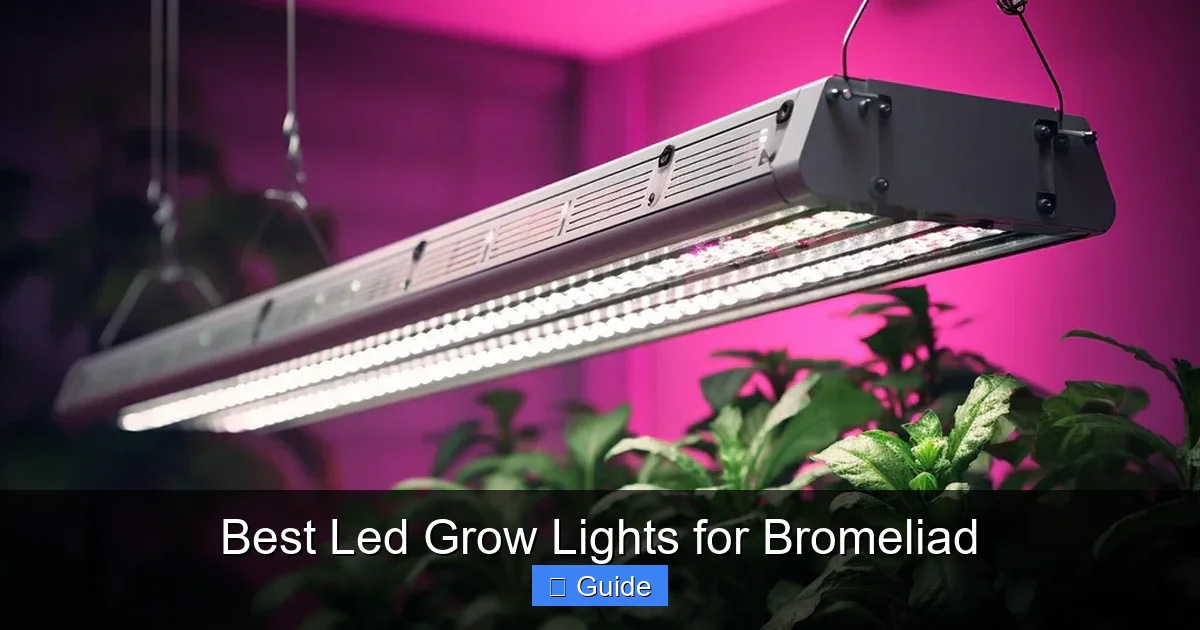
Visual guide about Best Led Grow Lights for Bromeliad
Image source: cdn.shopify.com
Your job indoors is to mimic that pattern. Not perfectly. Close enough. The plant does not know it is in your living room. It only knows what the photons tell it.
Light Intensity Measured in PPFD
Forget lumens. Lumens measure what human eyes see. Plants care about photons in the 400 to 700 nanometer range. That measurement is PPFD, photosynthetic photon flux density. Most bromeliads want 200 to 400 µmol/m²/s. Soft leaved varieties like Guzmania and Vriesea sit at the lower end. Stiff leaved types like Aechmea and Neoregelia handle more.
Too little light gives you leggy growth, pale leaves, and no bloom. Too much bleaches the color, curls the edges, and can kill the plant. A cheap quantum meter costs thirty dollars and saves you months of guessing.
Photoperiod and Seasonal Cues
Bromeliads track day length. Twelve to fourteen hours of light triggers active growth. Shorter days can signal bloom time for some species. Consistency matters more than perfection. A timer on your LED fixture handles this automatically. Set it once and walk away.
Signs Your Bromeliad Wants Different Light
Watch the leaves. They talk. Dark green and stretching toward the window means not enough light. Yellowing, bleached patches, or crispy tips mean too much. A healthy bromeliad holds its color, keeps tight rosette form, and produces pups at the base. If the flower spike emerges but stays stunted, the light was likely too weak during bud formation.
What Makes an LED Grow Light Good for Bromeliads
Full Spectrum vs Targeted Spectrum
You will see lights labeled full spectrum, broad spectrum, or targeted spectrum. Full spectrum means the fixture emits light across the entire photosynthetic range, usually with a peak in blue and a peak in red. That mimics sunlight. Broad spectrum is similar but may have gaps. Targeted spectrum focuses heavily on red and blue only, often looking purple.
For bromeliads, full spectrum wins. The blue drives compact growth and strong leaf structure. The red triggers flowering and enhances pigment. Green and far red penetrate deeper into the rosette, reaching lower leaves. White LEDs mixed in make the light pleasant for you to live with and let you see true plant color.
Color Temperature and CRI
Color temperature in Kelvin describes how warm or cool the light looks. 3000K looks warm like sunset. 4000K looks neutral. 5000K to 6500K looks cool like midday sun. Bromeliads grow well under 4000K to 5000K. That range balances blue and red nicely.
CRI, color rendering index, measures how accurately colors appear under the light. Above 80 is decent. Above 90 is excellent. High CRI lets you spot pests, disease, and nutrient issues early. It also makes your plant shelf look like a display case instead of a science experiment.
Dimming and Height Adjustment
A dimmable driver or a light on a ratchet hanger gives you control. Seedlings and newly separated pups need gentle light. Mature plants pushing a bloom spike want more. Seasonal changes outside affect ambient light inside. Being able to dial intensity up or down without moving the plant prevents shock.
Heat Output and Airflow
LEDs run cooler than HID or fluorescent, but they still make heat. Good fixtures use aluminum heat sinks, passive cooling, or quiet fans. The diode junction temperature determines lifespan. Every ten degrees cooler doubles the life. If the fixture feels hot to the touch after an hour, it will degrade fast. Your bromeliads also prefer air movement. A small clip fan near the light keeps leaves dry and stomata happy.
Coverage Uniformity
Check the PPFD map. Most manufacturers publish one. It shows intensity at different distances and across the footprint. You want a fairly even spread. Hot spots in the center with dark corners mean some plants thrive while others stall. A wider beam angle or secondary lenses help. For a shelf two feet wide, a fixture with a four by four foot coverage at eighteen inches gives you margin.
Top LED Grow Light Categories for Bromeliad Growers
Quantum Board Style Panels
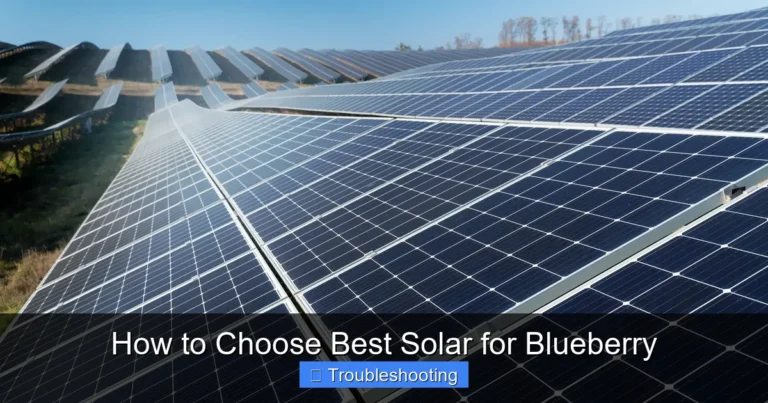
These flat panels pack hundreds of mid power LEDs on an aluminum board. Brands like HLG, Spider Farmer, and Mars Hydro popularized them. They run efficient, spread light wide, and cost less per watt than most fixtures. A 100 watt quantum board at twelve inches delivers 300 to 400 PPFD across a two by two foot area. Perfect for a shelf of bromeliads.
The open design means dust settles on diodes. Wipe them monthly with a dry microfiber. The driver often sits separate, letting you mount it outside the tent or shelf for cooler operation. Dimming usually happens via a knob on the driver or a 0-10V controller.
COB LED Fixtures
Chip on board arrays concentrate many tiny diodes into a single intense source. They penetrate deeper into canopy but create a narrower beam. For bromeliads in taller pots or mounted on wood, a COB at twenty four inches can push light down into the cup. Fixtures like Phlizon COB series or custom builds with Citizen or Cree CXB chips work well.
Watch the heat. COBs run hotter per square inch. Active cooling fans add noise. Make sure the fan is replaceable. A dead fan kills a COB fast.
Bar Style LED Fixtures
Long narrow bars mount under shelves or along the back of a rack. Each bar covers a strip. Two or three bars spaced evenly give uniform light across a four foot shelf. Brands like Fluence, ChilLED, and some DIY kits use this form. They excel in vertical farming setups where you stack shelves eighteen inches apart.
Installation takes more planning. You need mounting points and wire management. But the result is the most even light possible for shelf growing.
Clip On and Gooseneck LEDs
For a single prized bromeliad on a desk or kitchen counter, a quality clip light works. Look for at least twenty true watts, full spectrum, and a flexible neck. Brands like Sansi, GE Grow, and Aspect make decent units. They will not cover a collection but they save a favorite plant in a dark apartment.
Avoid the ten watt purple Amazon specials. They lack intensity and spectrum breadth. Your plant will survive but not thrive.
T5 LED Replacement Tubes
If you already own a T5 fluorescent fixture, LED retrofit tubes swap in without rewiring. They use half the power and last twice as long. Choose 4000K to 5000K, high CRI, and a frosted lens to reduce glare. A four bulb four foot fixture over a three foot shelf gives great coverage.
Ballast compatibility matters. Some tubes need the old ballast removed. Others work plug and play. Read the spec sheet.
Matching Light to Bromeliad Type
Soft Leaved Tank Types Guzmania Vriesea
These hold water in a central cup. Thin leaves burn easily. They want 150 to 250 PPFD. Twelve hours at eighteen inches under a 100 watt quantum board dimmed to sixty percent works beautifully. The light should feel bright to your eye but not harsh. Watch for leaf tip browning. That means back off.
Color development on the bloom spike needs a slight red boost in the final month. Some growers swap in a supplemental red bar or increase the red channel on a programmable light.
Stiff Leaved Rosette Types Aechmea Neoregelia
Thick leathery leaves handle more light. 300 to 450 PPFD keeps them compact and colorful. Neoregelia especially need strong light to hold those wild patterns and red centers. Under low light they revert to plain green. A full power 100 watt panel at twelve to fourteen inches does the job.
These types also tolerate some direct morning sun if you transition them slowly. The LED just makes it consistent year round.
Tillandsia Air Plants
Technically bromeliads. They want bright indirect light and good airflow. 200 to 300 PPFD. A bar light mounted above a hanging wire grid works perfectly. They dry fast under LED heat so mist or soak more often. The light should not raise leaf temperature above eighty five degrees.
Cryptanthus Earth Stars
These grow terrestrial, hugging the ground. They want lower light, 100 to 200 PPFD, and hate drying out. A shelf one level down from the main lights, or a dimmed panel at twenty four inches, keeps them happy. Their wavy leaves show stress fast. Bleaching means too much. Stretching means too little.
Dyckia and Hechtia Xeric Types
Spiny, succulent, sun lovers. They can take 500 PPFD or more. If you grow these under LEDs, give them the top shelf, closest to the light, twelve hours at full power. They will reward you with intense color and heavy pup production. Just watch the heat. Their dense rosettes trap hot air.
Setting Up Your Bromeliad Light System
Shelf and Rack Layouts
Wire shelving units from the hardware store make excellent grow racks. Four feet wide, eighteen inches deep, seventy two inches tall gives you four shelves at eighteen inch spacing. Mount a 100 watt quantum board under each shelf. Plug all drivers into a power strip on a timer. Run a clip fan on each shelf blowing across the plants.
Keep the electrical bits dry. Water splashes up. Use drip loops on cords. Mount drivers on the side of the rack, not under the shelf where condensation drips.
Hanging Height and Adjustment
Start high. Eighteen to twenty four inches for most panels. Run the light at fifty percent for a week. Watch the plants. If they lean in, lower two inches. If tips crisp, raise two inches. Adjust weekly until you hit the sweet spot. Mark the chain or rope with tape so you can return to known positions.
Quantum boards spread wide. You can run them closer than COBs. Bar lights need to stay six to eight inches above the tallest leaf for even coverage.
Timer Programming
Simple mechanical timers work fine. Digital timers with battery backup survive power outages. Smart plugs let you adjust from your phone. Set twelve hours on, twelve off for growth. Fourteen on, ten off if you want faster pup production. Drop to ten on, fourteen off for six weeks to trigger bloom on mature plants, then return to twelve.
Run the fans twenty four seven. Air movement prevents fungal issues and strengthens leaf tissue.
Supplemental Lighting Tricks
Side lighting helps tall bromeliads like Aechmea fasciata. A vertical bar on the rack side fills in the lower leaves. Far red at seventy three nanometers, added for fifteen minutes at lights on and lights off, can accelerate flowering in some species. UV-B for the last two weeks before bloom deepens color on Neoregelia. These are advanced moves. Master the basics first.
Monitoring and Logging
Keep a notebook. Date, light height, dimmer setting, water schedule, observations. Take photos monthly under the same light. You will see patterns. The plant teaches you what it wants. A quantum meter reading every season catches diode degradation early. LEDs lose five to ten percent output per year. Plan to replace or supplement after three to five years.
Common Mistakes and How to Avoid Them
Buying by Wattage Alone
Watts measure electricity consumed, not light delivered. A hundred watt panel with old diodes gives less PPFD than a sixty watt panel with new Samsung LM301H diodes. Look at PPFD maps, efficacy in µmol/J, and diode specs. Efficacy above 2.5 µmol/J is good. Above 3.0 is excellent.
Ignoring the Daily Light Integral
DLI is total photons per day. PPFD times hours times 0.0036. Bromeliads want 8 to 15 moles per day. If your light gives 300 PPFD for twelve hours, that is 13 DLI. Perfect. If you only run eight hours, you get 8.6 DLI. Borderline. Extend the photoperiod before increasing intensity.
Placing Lights Too Close
LED burn looks like bleached white patches that turn papery. It happens fast under high power COBs. The leaf temperature spikes even if the air feels cool. Use the back of your hand test. Hold your hand at plant level for thirty seconds. If it feels hot, the plant feels hotter. Raise the light.
Neglecting the Dark Period
Plants respire at night. They need true darkness. Light leaks from room lamps, streetlights, or indicator LEDs on the driver disrupt the cycle. Cover driver lights with electrical tape. Use blackout curtains if the room stays lit. A disrupted photoperiod delays bloom and weakens growth.
Forgetting to Clean the Optics
Dust, water spots, and mineral deposits on lenses cut output by fifteen to thirty percent. Wipe monthly with a soft cloth and isopropyl alcohol. Unplug first. Let dry before powering on. Clean lights also run cooler because less energy turns into heat at the diode.
Budget Breakdown What to Spend Where
Under One Hundred Dollars Single Plant
A Sansi 36W full spectrum bulb in a clamp reflector or a GE Grow 32W LED tube in a shop light fixture. Covers one medium bromeliad. Good for a desk or kitchen. Expect two to three years before output drops noticeably.
Two Hundred to Four Hundred Dollars Shelf Setup
Two Spider Farmer SF1000 or Mars Hydro TS1000 panels. Covers a four foot shelf two deep. Add a digital timer, two clip fans, and a quantum meter. You now have a professional grade tier for a modest collection.
Five Hundred to One Thousand Dollars Multi Shelf Rack
Four HLG 100 V2 quantum boards or equivalent. Mean Well drivers, Samsung LM301H diodes, passive cooling, dimmable. Mount on a four shelf wire rack. Add environmental monitoring, automated fan control, and a PAR meter. This grows fifty plus bromeliads to show quality.
Above One Thousand Dollars Commercial Grade
Fluence SPYDR or ChilLED Tech fixtures. Programmable spectrum, wireless control, ten year warranty, 3.0+ µmol/J efficacy. Overkill for a hobbyist. Perfect if you sell pups or compete in shows. The resale value holds strong.
Maintenance and Long Term Care
Diode Degradation Reality
All LEDs fade. High quality diodes lose ten percent in five years. Cheap ones lose thirty percent in two. You will notice plants stretching toward the light even though you changed nothing. That is your cue. Either raise the light to compensate, add a supplemental bar, or replace the fixture. Budget for replacement every four to five years.
Driver Failure
The driver is the weak link. Capacitors dry out. Mean Well drivers last ten years. No name drivers last two. If your light flickers, dims unevenly, or won’t turn on, test the driver with a multimeter or swap in a known good one. Keep a spare driver for your fixture model.
Thermal Management
Heat kills LEDs. Vacuum dust off heat sinks twice a year. Ensure fans spin freely. Replace noisy fans before they seize. A seized fan kills the board in hours. Mount fixtures with an inch of air gap above the heat sink. Never insulate the top.
Spectrum Shift Over Time
Blue diodes degrade faster than red. The spectrum slowly warms. This actually helps flowering but hurts vegetative structure. After three years, consider adding a supplemental blue bar or replacing the board. Some programmable fixtures let you boost the blue channel to compensate.
Conclusion
Bromeliads reward attention to light with color that stops visitors mid sentence. The right LED grow light turns a guess into a guarantee. You do not need the most expensive fixture. You need the right spectrum at the right intensity for the right hours, delivered evenly across your plants, with the control to adjust as they grow.
Start with a quantum board panel, a timer, and a quantum meter. Learn your plants’ language. Watch the leaves. Adjust weekly. In six months you will know your collection better than any guide can teach. The light is just the tool. Your observation is the skill.
Pick a fixture from the categories above that matches your space and budget. Set it up this weekend. Next bloom season, your bromeliads will show you what perfect light looks like.
Frequently Asked Questions
What color temperature LED is best for bromeliads?
4000K to 5000K provides the ideal balance of blue and red wavelengths for bromeliad growth and color development. This neutral to cool white range mimics natural forest canopy light while keeping plants compact and colorful.
Can LED grow lights burn bromeliad leaves?
Yes, high-intensity LEDs placed too close can cause leaf burn, appearing as bleached white or brown papery patches. Start lights higher than recommended, dim to 50%, and gradually lower while monitoring for stress signs.
How do I know if my bromeliad is getting enough light?
Healthy bromeliads maintain vibrant color, tight rosette form, and produce pups. Stretching, pale green leaves, and failure to bloom indicate insufficient light. Crispy tips and bleached spots mean too much light.
Should I use full spectrum or red/blue only LEDs for bromeliads?
Full spectrum LEDs with white diodes are superior. They provide blue for structure, red for flowering, plus green and far-red for deeper canopy penetration. Purple-only lights work but make pest detection difficult and lack penetrating wavelengths.
How long do LED grow lights last for bromeliad growing?
Quality LEDs with Samsung or Osram diodes and Mean Well drivers maintain usable output for 50,000+ hours (5-7 years at 14 hours daily). Budget fixtures may degrade significantly in 2-3 years. Plan replacement around year 4-5 for consistent results.
Can I grow bromeliads under LED lights year-round without natural light?
Absolutely. Many growers successfully cultivate bromeliads entirely under LEDs in basements, windowless rooms, or grow tents. Consistent 12-14 hour photoperiods, proper intensity, and good airflow replicate natural conditions perfectly.