Plant Shelf Ideas for Master Bedroom
Create a peaceful bedroom oasis with our complete guide to plant shelf ideas for master bedroom spaces. From floating shelves to ladder displays, learn which plants thrive in low light and how to style them beautifully.
There is something magical about waking up to greenery. A plant shelf in your master bedroom brings life, color, and calm to your personal retreat. It turns a plain wall into a living piece of art. The best part? You do not need a green thumb or a huge budget to make it work.
This guide walks you through everything you need to know about plant shelf ideas for master bedroom spaces. We cover shelf types, plant picks, styling tricks, and care tips. Whether you have a sunny corner or a dim nook, there is a setup that fits. Let us dive in and green up your sleep space.
Key Takeaways
- Location matters: Place shelves near windows but avoid direct afternoon sun that can scorch leaves
- Choose low-light plants: Snake plants, pothos, and ZZ plants thrive in typical bedroom conditions
- Match your decor style: Floating shelves suit modern rooms while ladder shelves fit boho aesthetics
- Group plants by care needs: Keep humidity-loving plants together and drought-tolerant ones separate
- Use varying heights: Mix trailing, upright, and bushy plants for visual interest and depth
- Add proper drainage: Always use pots with drainage holes and saucers to protect shelves
- Rotate regularly: Turn plants weekly for even growth and dust leaves monthly for health
Quick Answers to Common Questions
What is the best plant for a low-light bedroom shelf?
Snake plant is the top choice for low-light bedroom shelves. It converts CO2 to oxygen at night, tolerates neglect, and comes in many sizes.
How deep should a bedroom plant shelf be?
Aim for at least eight inches deep for standard four to six inch pots. Ten to twelve inches allows larger planters and better stability.
Can I put plants above my bed?
Avoid mounting shelves directly above the bed. Falling pots or water drips pose safety risks. Place shelves on side walls or corners instead.
How often should I water bedroom shelf plants?
Check soil weekly but water only when the top one to two inches feel dry. Most bedroom plants need water every seven to fourteen days depending on species and season.
Do bedroom plants attract bugs?
Healthy plants rarely attract pests. Overwatering and poor airflow cause fungus gnats. Inspect new plants, quarantine two weeks, and avoid soggy soil to prevent issues.
📑 Table of Contents
- Why Add a Plant Shelf to Your Master Bedroom
- Choosing the Right Location for Your Plant Shelf
- Types of Plant Shelves for Bedrooms
- Best Plants for Bedroom Shelves
- Styling Your Plant Shelf Like a Pro
- Maintenance Tips for Healthy Bedroom Plants
- Common Mistakes to Avoid
- Budget-Friendly Plant Shelf Ideas
- Creating a Plant Care Station
- Plant Shelf Safety Considerations
- Conclusion
Why Add a Plant Shelf to Your Master Bedroom
Plants do more than look pretty. They change how a room feels. A plant shelf in the master bedroom offers real benefits for sleep, mood, and air quality. Let us look at why this trend keeps growing.
Better Air Quality While You Sleep
Many bedroom plants filter toxins from the air. Snake plants and peace lilies remove formaldehyde and benzene. These chemicals off-gas from furniture, paint, and carpets. Cleaner air means deeper rest. NASA studies confirm certain plants scrub indoor air effectively. A shelf with three to five plants makes a measurable difference in a standard bedroom.
Natural Humidity Boost
Heating and cooling systems dry out bedroom air. Dry air irritates sinuses and skin. Plants release moisture through transpiration. A grouped plant shelf acts like a gentle humidifier. Ferns, calatheas, and peace lilies add the most moisture. This helps prevent dry throat and itchy skin in winter months.
Stress Reduction and Mood Lift
Green is the most restful color for human eyes. Studies show viewing plants lowers cortisol levels. Blood pressure drops. Heart rate slows. A plant shelf creates a focal point that grounds the room. It gives your mind a soft place to land before sleep. Many people report falling asleep faster with plants nearby.
Design Impact Without Renovation
A plant shelf transforms a blank wall instantly. No paint, no construction, no major cost. It adds texture, height, and organic shape. The shelf itself becomes a design element. Wood, metal, glass, or rope shelves each bring a different vibe. You can swap plants seasonally for a fresh look. It is the ultimate low-commitment makeover.
Choosing the Right Location for Your Plant Shelf
Location determines which plants will thrive. Light, temperature, and airflow vary across a bedroom. Picking the right spot saves you from struggling plants later. Here is how to evaluate your space.
Assess Natural Light Patterns
Watch your bedroom for a full day. Note where sun hits and for how long. South-facing windows give bright, direct light. East-facing offers gentle morning sun. North-facing provides consistent indirect light. West-facing delivers harsh afternoon rays. Most bedroom plants prefer bright indirect light. Direct afternoon sun burns many tropical leaves. Place shelves a few feet back from west windows.
Consider Temperature Fluctuations
Bedrooms often cool at night. Drafty windows chill nearby plants. Heating vents blast hot, dry air. Avoid mounting shelves directly above radiators or below AC units. Tropical plants hate sudden temperature swings. Ideal range is 65 to 75 degrees Fahrenheit. If your room runs cold, choose hardy plants like ZZ plant or cast iron plant.
Check Wall Strength and Studs
Plant shelves get heavy. Wet soil adds weight. A three-foot shelf with six plants can exceed fifty pounds. Use a stud finder. Mount into studs whenever possible. For drywall-only mounts, use heavy-duty anchors rated for the load. Floating shelves need solid brackets. Ladder shelves should have anti-tip hardware if you have pets or kids.
Plan for Water Access and Drainage
You will water these plants weekly. Hauling a watering can across the room gets old. Place shelves near a bathroom or kitchen if possible. Otherwise, keep a decorative watering can on the shelf. Always use saucers or cache pots. Water damage ruins drywall and hardwood floors. A waterproof mat under the shelf adds extra protection.
Think About Visual Balance
The shelf should feel intentional, not cluttered. Center it over a dresser or nightstand. Flank a window symmetrically. Fill an awkward corner. Avoid blocking light switches or outlets. Step back and view from the bed. The shelf should draw the eye without overwhelming the space. Negative space around the shelf lets plants breathe visually.
Types of Plant Shelves for Bedrooms
The shelf style sets the tone. It should match your bedroom aesthetic. From minimal to maximal, there is a shelf type for every vibe. Here are the most popular options for plant shelf ideas for master bedroom designs.
Floating Wood Shelves
Clean lines. Hidden brackets. Floating shelves disappear into the wall. They let plants take center stage. Light woods like maple or birch suit Scandi and modern rooms. Dark walnut or stained oak fits mid-century and moody spaces. Choose shelves at least eight inches deep for standard pots. Ten to twelve inches allows larger planters. Space shelves twelve to eighteen inches apart vertically for plant height.
Metal and Glass Shelves
Industrial chic. Glass shelves feel light and airy. They work well in small bedrooms where visual weight matters. Metal frames in black, brass, or brushed nickel add contrast. Glass shows the wall behind, keeping the room open. These hold less weight than wood. Best for small pots and lightweight plants like air plants or small succulents.
Ladder Shelves
Leaning ladder shelves need no wall mounting. Perfect for renters. They add casual, bohemian energy. Wood ladders warm up a room. Metal ladders feel modern. Rungs hold pots at varying heights. This creates natural tiering. Trailing plants on top rungs. Upright plants on bottom. Move it anytime. Just ensure it is stable on your flooring.
Corner Shelves
Dead corners become prime real estate. Triangular floating shelves fit snugly. Tiered corner units stack three to five levels. They maximize vertical space in tight rooms. Corner shelves draw the eye upward, making ceilings feel higher. Great for trailing plants like pothos or string of hearts that cascade down the walls.
Macrame and Rope Shelves
Bohemian texture. Rope shelves hang from ceiling hooks. They sway gently, adding movement. Macrame plant hangers with integrated shelves hold multiple pots. These work best with lightweight plants. They add softness to hard surfaces. Pair with woven baskets and linen bedding for a cohesive look.
Built-In and Alcove Shelves
If you are renovating, consider built-ins. Recessed shelves between studs save floor space. Floor-to-ceiling units create a plant wall. Alcoves near windows become mini greenhouses. Add grow lights under each shelf for consistent light. Built-ins add home value and look custom. They cost more upfront but integrate seamlessly.
Repurposed Furniture as Shelves
Vintage finds add character. An old bookshelf becomes a plant display. A wall-mounted cabinet with glass doors creates a terrarium vibe. Spice racks hold tiny pots. Picture ledges display small plants in a row. A wooden crate mounted on its side makes a rustic shelf. Thrift stores and flea markets yield unique pieces for fraction of retail cost.
Best Plants for Bedroom Shelves
Not every plant belongs on a bedroom shelf. Light, humidity, and toxicity matter. Bedrooms often have lower light. Some plants are toxic to pets. Here are the top performers for plant shelf ideas for master bedroom setups, grouped by light needs.
Low Light Champions
Snake Plant (Sansevieria): The ultimate bedroom plant. Converts CO2 to oxygen at night. Tolerates neglect. Upright sword leaves add architecture. Varieties range from six inches to four feet tall. Water monthly.
ZZ Plant (Zamioculcas zamiifolia): Waxy, dark green leaves reflect light. Stores water in rhizomes. Survives weeks without water. Slow grower. Stays compact for years. Toxic to pets if chewed.
Cast Iron Plant (Aspidistra): As tough as the name suggests. Handles dark corners, temperature swings, and irregular watering. Broad, deep green leaves. Grows slowly to two feet tall. Non-toxic to pets.
Chinese Evergreen (Aglaonema): Patterned leaves in silver, pink, red, or green. Tolerates low light better than most variegated plants. Likes humidity. Water when top inch dries. Toxic to pets.
Medium Light Favorites
Pothos (Epipremnum aureum): Trailing vine. Heart-shaped leaves in green, gold, or white variegation. Grows fast. Easy to propagate. Looks stunning cascading from top shelves. Water when leaves soften slightly.
Philodendron Heartleaf: Similar to pothos but with matte leaves. Climbs or trails. Very forgiving. New growth emerges bronze then greens. Great for filling gaps between larger plants.
Spider Plant (Chlorophytum): Arching leaves with white stripes. Produces baby plantlets on long stems. Hang from shelf edge or let drape. Non-toxic. Likes humidity. Brown tips mean dry air or fluoride sensitivity.
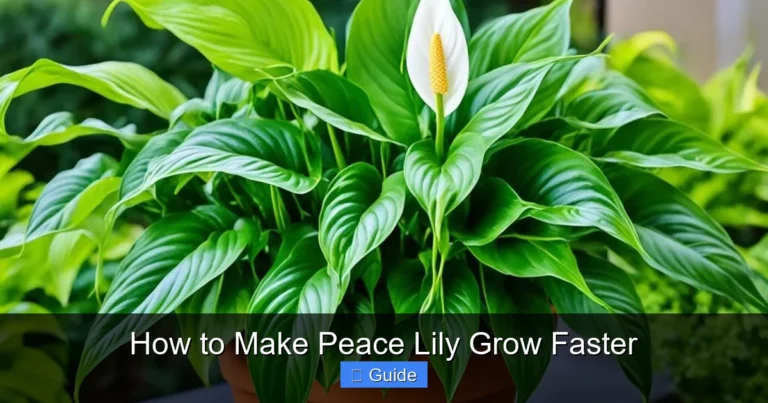
Peace Lily (Spathiphyllum): Glossy leaves and white flowers. Droops dramatically when thirsty. Perks up fast after watering. Excellent air purifier. Prefers consistent moisture. Toxic to pets.
Bright Indirect Light Stars
Monstera Deliciosa: Iconic split leaves. Needs space to spread. Young plants stay compact. Fenestrations develop with age and light. Statement piece for a large shelf. Water when top two inches dry.
Fiddle Leaf Fig: Large, violin-shaped leaves. Fussy but rewarding. Hates drafts and changes. Needs consistent bright light. Rotate weekly for even growth. Can grow tall. Prune to control height.
Rubber Plant (Ficus elastica): Thick, glossy leaves in burgundy, green, or variegated. More tolerant than fiddle leaf. Upright growth. Wipe leaves monthly. Toxic to pets.
Bird of Paradise: Large paddle leaves. Tropical drama. Needs high light to bloom indoors. Leaves split naturally with age. Adds height and movement. Non-toxic.
Pet-Safe Options
If cats or dogs share your room, stick to non-toxic varieties. Safe choices include spider plant, calathea, peperomia, haworthia, echeveria, parlor palm, and prayer plant. Always double-check ASPCA database before buying. Keep toxic plants on highest shelves or in hanging planters out of reach.
Small Space Specialists
Tight shelf? Choose compact growers. Peperomia varieties stay under twelve inches. Haworthia and gasteria succulents fit in teacups. Air plants need no soil. Mount them on wood or set in tiny dishes. Mini ferns like button fern stay dainty. African violets bloom in low light.
Styling Your Plant Shelf Like a Pro
A styled shelf looks curated, not cluttered. Design principles apply to plants too. Balance, rhythm, contrast, and proportion create a cohesive display. Here is how to arrange your plant shelf ideas for master bedroom perfection.
Apply the Rule of Three
Group plants in odd numbers. Three, five, or seven items feel natural. Even numbers look static. Create small vignettes of three plants with varying heights. One tall, one medium, one trailing. Repeat the pattern across the shelf. This rhythm guides the eye smoothly.
Vary Height and Form
Mix upright, mounding, and trailing forms. Upright: snake plant, ZZ plant, rubber plant. Mounding: peperomia, pilea, calathea. Trailing: pothos, string of pearls, heartleaf philodendron. Use plant stands or books to elevate shorter pots. This creates layers at different eye levels.
Coordinate Pot Styles
Pots unify the look. Choose a color palette: all terracotta, all white ceramic, all matte black, or all woven baskets. Or mix materials within one color family. Consistent pots make different plants look like a collection. Mismatched pots work if plants are similar. Pick one variable to control.
Add Non-Plant Elements
Break up greenery with objects. A ceramic vase. A framed photo. A small sculpture. A candle. A woven box for plant tools. A book turned horizontally as a riser. These objects add personality and negative space. They reflect your style beyond plants. Keep scale appropriate to shelf size.
Create Depth with Layering
Place larger plants at back. Medium in middle. Trailing at front edges. This creates a dense, lush look. Stagger plants so none hides completely behind another. Let leaves overlap slightly. This mimics natural growth. Avoid a straight line of pots. Offset them for organic flow.
Use Color Theory
Plant leaves offer more than green. Chartreuse, burgundy, silver, cream, pink. Echo accent colors from bedding or art. A pink-variegated tradescantia picks up a throw pillow. Silver pothos mirrors a lamp base. Deep green snake plant grounds a bright room. Repeat colors for cohesion.
Lighting as Decor
Add small grow lights if natural light is low. Clip-on LED bars disappear under shelves. Warm white (3000K) looks natural. Cool white (5000K) boosts growth but feels clinical. Timer plugs automate schedules. String lights woven through plants add evening ambiance. A small spotlight on a feature plant creates drama.
Seasonal Rotations
Swap plants with seasons. Spring: flowering bulbs, fresh herbs. Summer: tropicals, succulents outdoors. Fall: crotons, mums, ornamental peppers. Winter: poinsettias, cyclamen, paperwhites. Keep permanent anchor plants. Rotate accents. This keeps the shelf fresh year-round.
Maintenance Tips for Healthy Bedroom Plants
A beautiful shelf needs care. Consistent habits prevent problems. Bedroom conditions are stable, which helps. But low light and dry air need management. Follow these routines for thriving plants.
Watering Wisdom
Overwatering kills more plants than underwatering. Check soil before watering. Finger test: insert two inches deep. Dry? Water. Moist? Wait. Lift pot: light means dry. Heavy means wet. Use room temperature water. Water thoroughly until it drains. Empty saucers after thirty minutes. Never let plants sit in water.
Humidity Hacks
Bedroom air runs dry. Group plants to create a humidity pocket. Place a pebble tray under shelves. Fill tray with pebbles and water. Pots sit on pebbles, not in water. Mist tropical plants morning only. Wet leaves at night invite fungus. A small humidifier nearby benefits plants and skin.
Dusting and Cleaning
Dust blocks light. Wipe leaves monthly with damp cloth. Support leaf from underneath. Clean top and bottom. For fuzzy leaves (African violet), use soft brush. Shower sturdy plants quarterly. Lukewarm water. Gentle spray. Drain well after. Clean pots and shelves too. Dust attracts spider mites.
Fertilizing Schedule
Bedroom plants grow slower. Fertilize less. Spring and summer: half-strength liquid fertilizer monthly. Fall: quarter strength every six weeks. Winter: stop entirely. Use balanced formula (10-10-10) or foliage-specific (higher nitrogen). Flush soil quarterly to prevent salt buildup. Water heavily, let drain, repeat.
Pruning and Grooming
Remove yellow or brown leaves promptly. They drain energy. Cut at base with clean scissors. Pinch back leggy growth to encourage bushiness. Trim trailing plants to maintain shape. Propagate cuttings in water. Share with friends or fill shelf gaps. Prune in active growth season for fastest recovery.
Pest Prevention
Inspect weekly. Check leaf undersides, stem joints, soil surface. Common pests: spider mites (fine webbing), mealybugs (white cotton), scale (brown bumps), fungus gnats (tiny flies). Isolate new plants two weeks. Treat early with neem oil or insecticidal soap. Spray evening only. Repeat weekly until clear.
Repotting Timeline
Most bedroom plants need repotting every two to three years. Signs: roots circling bottom, water runs straight through, plant dries daily, growth stalls. Spring is best time. Go up one pot size only. Use fresh potting mix. Water well after. Skip fertilizer for month.
Rotation for Even Growth
Plants lean toward light. Rotate quarter-turn weekly. This keeps growth symmetrical. Prevents lopsided shapes. Especially important for fiddle leaf figs, rubber plants, and monsteras. Mark pot bottom with arrow to track rotation. Consistent rotation = fuller, balanced plants.
Common Mistakes to Avoid
Even plant lovers slip up. Knowing pitfalls saves time, money, and heartache. Here are the top mistakes with plant shelf ideas for master bedroom projects and how to dodge them.
Cramming Too Many Plants
Enthusiasm leads to overcrowding. Plants need air circulation. Tight packing breeds fungus and pests. Leaves touching spread disease. Leave space between pots. Air should move freely. A sparse shelf looks better than a crowded jungle. You can always add later.
Ignoring Weight Limits
Wet soil is heavy. A ten-inch ceramic pot with wet soil weighs five to eight pounds. Multiply by six pots. Shelves bow. Anchors pull out. Test shelf stability before loading. Reinforce if needed. Better to use lighter pots (fiberglass, plastic) on questionable shelves.
Choosing Wrong Plants for Light
Hope is not a strategy. A fiddle leaf fig in a north-facing bedroom will decline. Match plant to reality. Use a light meter app. Measure foot-candles at shelf level. Low light: under 100 FC. Medium: 100-500 FC. Bright indirect: 500-1000 FC. Buy plants rated for your numbers.
Watering on a Schedule
“Water every Sunday” fails. Plants drink based on light, heat, humidity, pot size, soil type. Check each plant individually. Some need weekly. Others monthly. Learn each plant’s signals. Droopy leaves, light pot, dry soil. Respond to the plant, not the calendar.
Skipping Drainage
Pots without holes are death traps. Water pools at bottom. Roots rot. Always use drainage holes. Cache pots (decorative outer pots) hide ugly nursery pots. Remove inner pot to water. Drain fully. Return to cache pot. Or drill holes in decorative pots. Diamond bit works on ceramic.
Placing Near Drafts or Heat
Bedroom vents blast hot dry air. Windows leak cold. Both stress plants. Leaves crisp, drop, or yellow. Keep shelves three feet from vents. Use vent deflectors. Seal drafty windows. Monitor with thermometer. Consistency equals health.
Forgetting to Quarantine New Plants
New plants bring hitchhikers. Pests, diseases, eggs in soil. Two-week quarantine saves your collection. Keep new plant in separate room. Inspect daily. Treat preventatively with neem oil. Then introduce to shelf. One infested plant can take down the whole display.
Budget-Friendly Plant Shelf Ideas
Green style does not require green bills. Creativity beats cash. Here are wallet-friendly ways to build your plant shelf ideas for master bedroom dreams.
DIY Floating Shelves
Pine boards from hardware store. Cut to length. Sand. Stain or paint. Heavy-duty brackets. Total cost under thirty dollars per shelf. Custom lengths fit your wall perfectly. Add a coat of polyurethane for water resistance. Simple, sturdy, satisfying.
Repurposed Crates and Boxes
Wooden wine crates. Apple crates. Vintage tool boxes. Mount directly to wall. Or stack freestanding. Sand rough edges. Leave patina or paint. Line with plastic for water protection. Rustic charm for near zero cost. Check marketplace apps for freebies.
Picture Ledge Hack
Inexpensive picture ledges hold small pots perfectly. Shallow depth suits four-inch nursery pots. Install in a row. Three ledges vertical. Mix plant heights. Clean, modern look. Ledges cost five to ten dollars each. Easy to move or add later.
Cinder Block and Board Shelves
Industrial aesthetic. Cinder blocks (two dollars each). Wood boards across top. No tools needed. Adjustable height. Paint blocks for color. Stain boards for warmth. Very sturdy. Holds heavy pots easily. Great for floor-to-ceiling builds.
Thrift Store Finds
Old bookshelves. Spice racks. Plate racks. Magazine holders. Wall-mounted cabinets. Baskets. All become plant shelves with creativity. Look past current state. Envision painted, stained, or natural. Hardware stores sell mounting hardware cheap. Hunt weekly for best scores.
Propagate Your Collection
Buy one, get many free. Pothos, spider plant, succulents, tradescantia root in water. Swap cuttings with friends. Join local plant groups. Library plant swaps. Facebook marketplace. A single mother plant fills a shelf in months. Cost: time and patience.
Grow from Seed or Bulbs
Seed packets cost dollars. Grow herbs, flowers, tropicals. Bulbs (amaryllis, paperwhites) bloom indoors. Avocado pits. Citrus seeds. Mango pits. Fun projects. Kids love watching. Not instant but rewarding. Great for lower shelves where kids can observe.
Creating a Plant Care Station
Make maintenance easy. A dedicated care station keeps tools handy. No hunting for the watering can. No soil on the carpet. Set up near your plant shelf or in an adjacent closet.
Essential Tools
Watering can with long spout. Moisture meter. Pruning shears. Spray bottle. Neem oil spray. Fertilizer. Extra pots. Sauceers. Potting soil in sealed bin. Gloves. Small trowel. Brush for dusting. Soft cloths. Timer for grow lights. Label maker for plant tags.
Storage Solutions
Rolling cart fits in closet. Caddy on shelf bottom. Wall-mounted organizer. Repurposed toolbox. Basket on floor. Keep it tidy. Restock monthly. A functional station means you actually do the care. Friction causes neglect.
Water Station
If bedroom lacks water access, create a water station. Large glass dispenser with spigot. Pretty and practical. Fill weekly. Room temperature water ready always. Add a funnel for narrow-necked watering cans. Label “Plant Water Only” to prevent mix-ups.
Plant Shelf Safety Considerations
Safety first. Especially with kids, pets, or rentals. A few precautions prevent accidents and damage.
Secure Mounting
Use proper anchors. Toggle bolts for heavy loads. Studs whenever possible. Test before loading. Wiggle test: pull firmly. No movement means secure. Anti-tip straps for freestanding units. Earthquake putty for pots on shelves in seismic zones.
Non-Toxic Plant Choices
Research every plant. ASPCA database is gold standard. Common toxic: pothos, philodendron, ZZ plant, snake plant, peace lily, monstera, ficus. Safe: spider plant, calathea, peperomia, palms, succulents (most), ferns (most), orchids. When unsure, place high or skip.
Pot Stability
Top-heavy pots tip. Wide base pots resist tipping. Add weight to bottom: rocks, sand in cache pot. Museum putty under pots on shelves. Keeps them from sliding. Especially important for trailing plants that get pulled by curious paws or hands.
Electrical Safety
Grow lights need outlets. Use surge protectors. No daisy-chaining extension cords. Route cords neatly. Cord covers hide and protect. Keep cords away from water. Unplug before watering. GFCI outlets ideal near plants.
Waterproofing
Protect walls and floors. Waterproof paint on wall behind shelf. Plastic sheeting behind shelf back. Large tray under entire shelf unit. Individual saucers under every pot. Check for leaks weekly. Catch problems before damage spreads.
Conclusion
A plant shelf in your master bedroom is more than decor. It is a daily dose of nature. It cleans your air. It calms your mind. It makes the room yours. Start small. One shelf. Three plants. Learn their rhythms. Watch them grow. Add more when ready.
Remember the basics. Match plants to your light. Use pots with drainage. Water when dry, not on schedule. Dust leaves. Rotate for even growth. Style with intention. Group in threes. Vary heights. Add personal touches. Keep tools handy.
Your plant shelf will evolve. Seasons change. Plants grow. Tastes shift. That is the beauty. It is never finished. It is a living part of your home. Enjoy the process. Enjoy the green. Sleep well among the leaves.
Frequently Asked Questions
What are the easiest plants for a beginner bedroom plant shelf?
Snake plant, ZZ plant, pothos, and spider plant are the most forgiving for beginners. They tolerate irregular watering, low light, and temperature fluctuations common in bedrooms.
How many plants should I put on a bedroom shelf?
Start with three to five plants on a standard four-foot shelf. Group in odd numbers for visual appeal. Leave space between pots for air circulation and growth. You can always add more later.
Will plants on a bedroom shelf make the room too humid?
Three to five plants add gentle humidity that benefits sleep and skin. They will not create excessive moisture unless you have dozens of large tropical plants in a tiny, unventilated room.
Can I use grow lights on a bedroom plant shelf?
Yes, clip-on LED grow lights work well on bedroom shelves. Choose warm white (3000K) for a cozy feel. Run them on a timer for twelve to fourteen hours daily. Turn off before bedtime if light disturbs sleep.
How do I style a plant shelf without it looking cluttered?
Use the rule of three: group plants in odd numbers. Vary heights with stands or books. Choose matching pots for cohesion. Add one or two non-plant objects. Leave negative space. Step back often to assess balance.
What if my master bedroom has no natural light?
Use grow lights or choose ultra-low-light plants like ZZ plant, cast iron plant, or snake plant. Artificial light twelve hours daily supports most foliage plants. Rotate plants to brighter rooms monthly if possible.