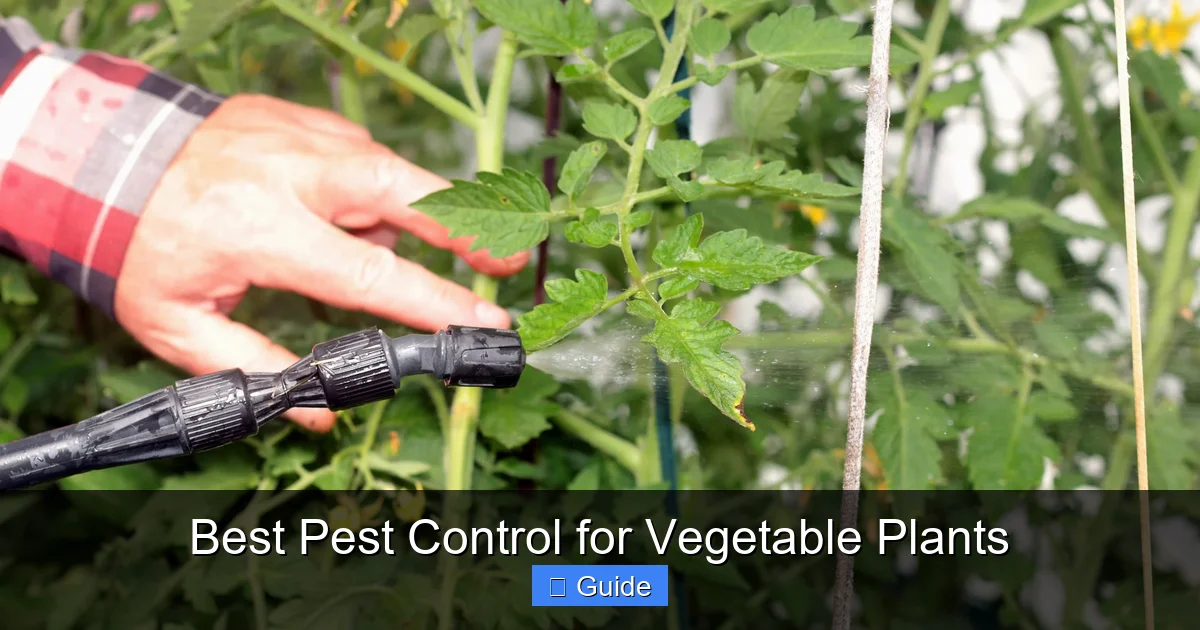
Best Pest Control for Vegetable Plants
Finding the best pest control for vegetable plants means balancing effectiveness with safety for your food and family. This guide covers organic sprays, beneficial insects, companion planting, and physical barriers that work together to keep your garden thriving without harsh chemicals.
Growing vegetables brings so much joy. You plant seeds. You watch them sprout. You wait for that first ripe tomato. Then you walk outside one morning and find holes in your kale. Aphids cluster on your pepper plants. Slugs have turned your lettuce into lace. It feels personal. It feels like failure. But pest problems happen to every gardener. The difference between giving up and getting a great harvest comes down to knowing your options. You want the best pest control for vegetable plants that keeps your food safe and your garden healthy. This guide walks you through every method that works. You will learn to identify pests. You will learn prevention. You will learn organic sprays. You will learn how to bring in helpful bugs. You will learn physical barriers. By the end you will have a complete toolkit for a thriving vegetable garden.
Let us start with a truth. There is no single magic spray. The best pest control for vegetable plants is always a combination of strategies. Think of it like your immune system. You eat well. You sleep. You wash your hands. You get vaccines. No single thing keeps you healthy. It is the same for your garden. Healthy soil grows strong plants. Strong plants resist pests better. Diverse planting confuses pests. Beneficial insects eat the bad bugs. Barriers stop them from reaching crops. Sprays handle outbreaks. When you layer these methods you create a resilient garden. You spend less time fighting bugs. You spend more time harvesting food. That is the goal.
Key Takeaways
- Identify pests first: Know exactly what bugs you are fighting before you choose a treatment method.
- Start with prevention: Healthy soil, crop rotation, and companion planting stop many problems before they start.
- Use organic sprays wisely: Neem oil, insecticidal soap, and homemade garlic spray target pests without hurting beneficial insects.
- Invite beneficial insects: Ladybugs, lacewings, and parasitic wasps eat common garden pests naturally.
- Physical barriers work: Row covers, copper tape, and sticky traps block pests without any sprays at all.
- Rotate your methods: Pests adapt quickly so switch between different controls for the best long-term results.
- Monitor daily: Catch infestations early when they are small and easy to manage with gentle methods.
Quick Answers to Common Questions
What is the single most effective organic pest control method?
There is no single method. The best pest control for vegetable plants combines prevention, barriers, beneficial insects, and targeted organic sprays used only when needed.
When should I apply row covers for maximum protection?
Install row covers at planting time before pests arrive. Secure edges completely. Remove only for pollination when plants flower.
Are homemade pest sprays as effective as commercial organic products?
Homemade sprays like garlic pepper spray work well for minor issues and repelling pests. Commercial products like neem oil and Bt are more reliable for active infestations.
How do I attract beneficial insects to my vegetable garden?
Plant small-flowered herbs like dill, fennel, cilantro, and alyssum. Provide water sources. Avoid broad-spectrum sprays. Leave some wild areas for shelter.
Can I use diatomaceous earth on flowering plants?
No. Diatomaceous earth harms bees and other pollinators. Apply only to soil surfaces and non-flowering foliage. Reapply after rain.
📑 Table of Contents
- Know Your Enemy: Identify Common Vegetable Garden Pests
- Build a Fortress: Prevention First
- Organic Sprays and Treatments: Targeted Control
- Recruit an Army: Beneficial Insects and Wildlife
- Physical Barriers: Block Them Out
- Integrated Pest Management: The Complete System
- Seasonal Pest Calendar: What to Expect When
- Common Mistakes to Avoid
- Building Your Pest Control Toolkit
- Conclusion: Your Garden Your Balance
Know Your Enemy: Identify Common Vegetable Garden Pests
You cannot fix a problem you cannot name. Different pests need different solutions. Aphids need different treatment than tomato hornworms. Slugs need different treatment than cabbage worms. Spend ten minutes each morning walking your beds. Look under leaves. Check stems. Check soil surface. Bring a magnifying glass. Take photos of unknown bugs. Use a phone app or garden book to identify them. Keep a simple notebook. Write the date. Write the plant. Write the pest. Write the damage level. This record becomes gold over seasons. You will see patterns. You will know when pests typically arrive. You will be ready.
Aphids: Tiny but Mighty Destructive
Aphids are small soft bodied insects. They come in green black pink gray. They cluster on new growth and leaf undersides. They suck plant sap. Leaves curl. Growth stunts. They excrete sticky honeydew. That honeydew grows sooty mold. Ants farm aphids for that honeydew. So ants protect aphids. A strong blast of water knocks them off. Insecticidal soap kills them on contact. Ladybug larvae eat hundreds per day. Check plants weekly. Catch colonies early.
Tomato Hornworms: The Giant Green Caterpillars
These caterpillars grow four inches long. They are bright green with white stripes. A horn sticks up from their rear. They blend perfectly with tomato stems. They eat leaves fast. They eat green fruit. Look for black droppings on leaves below. Look for stripped stems. Handpick them at dusk. Drop them in soapy water. Braconid wasps lay eggs on them. If you see white rice like cocoons on a hornworm leave it. Those wasps will hatch and protect your garden.
Cabbage Worms and Loopers: Brassica Destroyers
Imported cabbage worms are velvety green. Cabbage loopers inch along looping their bodies. Both eat broccoli kale cabbage cauliflower. They chew ragged holes. They leave dark green droppings. Floating row covers stop butterflies from laying eggs. Bacillus thuringiensis (Bt) spray kills caterpillars only. It is safe for bees and humans. Apply in evening. Reapply after rain.
Slugs and Snails: Nighttime Raiders
Slugs and snails love moisture. They come out at night. They eat seedlings. They rasp holes in leaves. They leave shiny slime trails. Beer traps work. Bury a cup. Fill with beer. They crawl in and drown. Copper tape around beds gives them a mild shock. Diatomaceous earth cuts their bodies. Apply in dry weather. Handpick at night with a flashlight. Drop in soapy water.
Squash Bugs and Vine Borers: Squash Family Enemies
Squash bugs are flat brown gray bugs. They cluster on leaf undersides. They suck sap. Leaves wilt and turn black. Vine borers are moth larvae. They bore into stems. Plants suddenly wilt and die. Check leaf undersides daily for copper eggs. Squish eggs. Trap adults under boards at night. Wrap stem bases with foil or nylon. Rotate cucurbit crops yearly. Clean up all vines in fall.
Flea Beetles: Tiny Jumpers Big Damage
Flea beetles are tiny black beetles. They jump like fleas. They chew shot holes in leaves. They love eggplant radish arugula mustard. Young plants can die. Row covers work best. Put covers on at planting. Remove at flowering for pollination. Kaolin clay spray coats leaves. Beetles hate the texture. Trap crops of radish draw them away from main crops.
Build a Fortress: Prevention First
Prevention is the foundation of the best pest control for vegetable plants. It is cheaper. It is easier. It uses zero sprays. A healthy garden resists pests naturally. Weak plants send stress signals. Pests detect those signals. They target weak plants. So your job is to grow vigorous plants. Start with soil. Feed soil not plants. Compost adds microbes. Microbes make nutrients available. Mulch keeps soil moist and cool. Earthworms aerate. Mycorrhizal fungi extend roots. This living soil grows resilient vegetables.
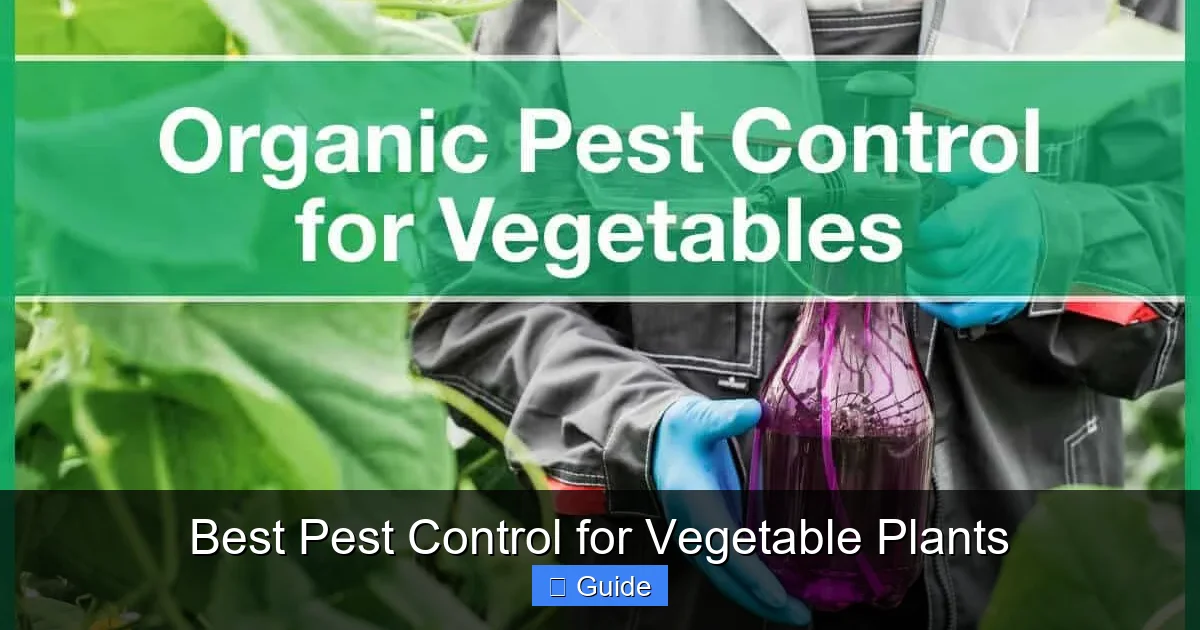
Visual guide about Best Pest Control for Vegetable Plants
Image source: smartgardenhome.com
Crop Rotation: Break Pest Cycles
Pests specialize. Tomato pests overwinter in tomato bed soil. Plant tomatoes there next year and they wake up to a feast. Move tomato family crops (tomato pepper eggplant potato) to a new bed. Follow with bean family (pea bean). They fix nitrogen. Follow with leaf crops (lettuce spinach kale). They need nitrogen. Follow with root crops (carrot beet onion). They break up soil. Four year rotation is ideal. Three years minimum. Draw a map each year. Keep records. Your future self will thank you.
Companion Planting: Confuse and Repel
Plants talk chemically. Some smells mask crop smells. Some attract beneficial insects. Some repel pests directly. Basil near tomatoes improves flavor and repels thrips. Marigolds repel nematodes and beetles. Nasturtiums attract aphids away from beans. They are a trap crop. Dill and fennel attract parasitic wasps. Plant them at bed edges. Onions and garlic repel many pests. Interplant them everywhere. Radishes draw flea beetles from eggplant. Let some radishes flower. They feed beneficial insects.
Timing Plantings: Avoid Peak Pest Pressure
Pests have schedules. Squash vine borers peak in early summer. Plant squash early under row covers. Or plant late for fall harvest after borers decline. Cabbage worms peak in spring and fall. Grow quick cabbage in spring. Grow storage cabbage for fall. Flea beetles love hot dry weather. Plant eggplant early before beetles explode. Or use row covers until plants are large. Know your local pest calendar. Ask extension office. Ask experienced neighbors. Adjust planting dates accordingly.
Sanitation: Remove Pest Hideouts
Dead leaves harbor pests. Fallen fruit hosts larvae. Weeds host viruses and insects. Clean beds weekly. Remove yellow leaves. Pick up dropped fruit. Pull weeds before they seed. At season end remove all crop debris. Do not compost diseased plants. Burn or bag them. Turn soil to expose overwintering pupae. Birds eat them. Chickens love them. Clean tools between beds. A clean garden is a resistant garden.
Water Wisely: Reduce Disease and Pest Habitat
Wet leaves invite fungal diseases. Stressed plants invite insects. Water at soil level. Drip irrigation is best. Soaker hoses work. Water early morning. Leaves dry fast. Deep watering encourages deep roots. Shallow watering makes weak roots. Mulch holds moisture. Straw woodchips leaves grass clippings all work. Two to three inches deep. Keep mulch off stems. Wet stems rot. Dry mulch discourages slugs.
Organic Sprays and Treatments: Targeted Control
Sometimes prevention is not enough. Pests explode. You need intervention. The best pest control for vegetable plants uses organic sprays as a targeted tool not a blanket solution. Spray only affected plants. Spray in evening. Bees are home. Spray burns less. Always test a leaf first. Wait twenty four hours. Check for damage. Follow label rates exactly. More is not better. Rotate spray types. Pests develop resistance. Keep a spray log. Note date product target pest weather. This builds your knowledge.
Neem Oil: The Versatile Standard
Neem oil comes from neem tree seeds. It works three ways. It repels insects. It disrupts feeding. It disrupts growth and reproduction. It controls aphids whiteflies spider mites caterpillars beetles. It also fights powdery mildew. Mix one to two tablespoons per gallon water. Add few drops dish soap as emulsifier. Shake well. Spray all leaf surfaces. Repeat every seven to fourteen days. Do not spray in hot sun. Do not spray flowering plants bees visit. Neem breaks down fast in sunlight.
Insecticidal Soap: Contact Killer for Soft Bodies
Potassium salts of fatty acids. That is insecticidal soap. It penetrates insect cuticles. Cells leak. Insect dies. It kills aphids mealybugs spider mites whiteflies thrips. It does not kill hard beetles or caterpillars well. It must hit the insect directly. No residual effect. Once dry it is harmless. Spray early morning or evening. Cover undersides thoroughly. Repeat every five to seven days. Do not use on hairy leaves or stressed plants. Test first.
Bacillus thuringiensis (Bt): Caterpillar Specific
Bt is a soil bacterium. It produces crystal proteins. Caterpillars eat treated leaves. Crystals dissolve in alkaline gut. Gut paralyzes. Caterpillar stops eating. Dies in days. Different strains target different groups. Kurstaki kills cabbage worms loopers hornworms. Israelensis kills mosquito larvae. San diego kills Colorado potato beetle larvae. Bt is safe for bees birds mammals. Sunlight degrades it fast. Spray evening. Reapply after rain. Only works on actively feeding caterpillars.
Spinosad: Broad Spectrum from Soil Bacteria
Spinosad comes from Saccharopolyspora spinosa. It affects insect nervous system. It kills caterpillars thrips leafminers fruit flies spider mites beetles. It is organic approved. But it is toxic to bees for three hours after spraying. Spray late evening only. Do not spray blooming plants. Limit use. Rotate with other methods. Resistance develops fast. Follow label strictly. Maximum applications per season vary by crop.
Homemade Sprays: Kitchen Remedies That Work
Garlic pepper spray repels many insects. Blend two bulbs garlic six hot peppers two cups water. Strain. Add one tablespoon dish soap. Dilute one cup concentrate per gallon water. Spray weekly. Onion spray works similarly. Tomato leaf spray controls aphids. Soak two cups chopped tomato leaves in two cups water overnight. Strain. Add two cups water. Spray. Baking soda spray fights fungal diseases. One tablespoon baking soda one teaspoon oil one gallon water. Spray weekly. These are gentle. Good for minor issues.
Diatomaceous Earth: Mechanical Not Chemical
DE is fossilized algae. Tiny sharp edges. Insects crawl over it. Edges cut waxy coating. Insect dehydrates and dies. Works on slugs beetles ants flea beetles earwigs. Use food grade only. Pool grade is dangerous. Apply dry powder. Dust plants lightly. Reapply after rain or dew. Wear mask. Do not breathe dust. Do not apply on flowers. Bees can be harmed. Apply soil surface around plants. Create barrier rings.
Kaolin Clay: Particle Film Barrier
Kaolin clay is fine white clay. Mix with water. Spray on plants. Dries to white powder film. Insects hate the texture. They cannot grip. They cannot lay eggs. It reflects heat. Reduces sunburn. Works on cucumber beetles flea beetles Japanese beetles stink bugs. Reapply after rain. Wash off at harvest. Safe for beneficials once dry. Good for fruit trees too. Messy to apply. Wear old clothes.
Recruit an Army: Beneficial Insects and Wildlife
Nature has pest control built in. Predators eat pests. Parasitoids lay eggs in pests. Pollinators increase yields. The best pest control for vegetable plants welcomes these allies. You attract them with food water shelter. You avoid killing them with broad sprays. You learn to recognize their eggs larvae adults. A garden with biodiversity balances itself. Outbreaks become rare. You become a wildlife gardener too.
Ladybugs: Aphid Eating Machines
Adult ladybugs eat fifty aphids daily. Larvae eat four hundred. Larvae look like tiny black alligators with orange spots. Do not kill them. They are your best friends. Buy ladybugs if needed. Release at dusk. Mist plants first. Release at base of plants. They climb up. Provide pollen plants. Dill fennel yarrow alyssum. Ladybugs eat pollen when aphids are scarce. They stay in your garden.
Green Lacewings: Aphid Lions
Lacewing larvae are called aphid lions. They eat two hundred pests weekly. Aphids mealybugs thrips spider mites caterpillar eggs. Adults feed on nectar pollen honeydew. Attract them with cosmos coreopsis sunflowers. Buy lacewing eggs on cards. Hang cards in shade near pests. Larvae hatch and hunt. They are nocturnal. You rarely see them. But you see results.
Parasitic Wasps: Tiny but Deadly
These wasps do not sting people. They are tiny. Some smaller than a period. They lay eggs in or on pests. Larvae eat host from inside. Braconid wasps target hornworms. Trichogramma wasps target moth eggs. Ichneumon wasps target borers. Attract with small flowers. Sweet alyssum buckwheat cilantro dill. Let some herbs flower. Provide water. Shallow dish with pebbles. They drink safely.
Ground Beetles: Night Patrol
Large dark beetles. Fast runners. They hunt at night. Eat slugs cutworms root maggots Colorado potato beetle larvae. They live in mulch leaf litter. Provide permanent mulch paths. Do not till deeply. Tilling kills them. Leave some wild areas. Log piles rock piles. They overwinter there. They are your soil guardians.
Hoverflies: Double Duty
Adults look like bees. They hover. They pollinate. Larvae look like green slugs. They eat aphids. Hundreds per larva. Attract adults with flat topped flowers. Yarrow dill fennel cilantro. Let bolted vegetables flower. Broccoli kale mustard flowers feed them. They lay eggs near aphid colonies. Larvae hatch and feast.
Birds: Feathered Pest Control
Birds eat massive insects. Chickadees eat aphids. Wrens eat caterpillars. Robins eat grubs. Bluebirds eat beetles. Install birdhouses. Provide water. Birdbath with dripper. Plant native shrubs. Serviceberry dogwood viburnum. They provide berries and nesting. Keep cats indoors. Cats kill billions of birds yearly. Your garden birds are allies.
Toads and Frogs: Slug Specialists
One toad eats ten thousand pests per season. Slugs beetles cutworms earwigs. They need moisture. Shallow water dish. Broken pot for shelter. Leaf litter. No pesticides. Amphibians absorb chemicals through skin. They die. A toad house is easy. Turn a clay pot on side. Bury half. Place in shade. They will find it.
Physical Barriers: Block Them Out
Barriers are the most reliable best pest control for vegetable plants method. No chemicals. No timing. No resistance. If pests cannot reach plants they cannot damage them. Barriers work best applied early. At planting or before pests arrive. They require maintenance. Check for tears. Check for gaps. Secure edges well. Remove for pollination when needed. Store carefully for reuse.
Floating Row Covers: The Gold Standard
Lightweight spun fabric. Sunlight water air pass through. Insects do not. Drape over hoops. Secure edges with soil pins bricks boards. Use for cabbage family onions carrots beans. Remove when flowering for pollination. Or hand pollinate. Covers also protect from frost. Extend season two weeks each end. Different weights exist. Light for insects. Heavy for frost. Store dry folded. Lasts several seasons.
Insect Netting: Fine Mesh Protection
Finer than row cover. Stops thrips aphids flea beetles. Good for high value crops. Peppers eggplant strawberries. Support with hoops or frames. Ventilation is better than fabric. Less heat buildup. Secure edges completely. Thrips crawl through tiny gaps. Check daily. Repair tears with tape. Clean and store dry.
Collars and Barriers: Stop Stem Pests
Cutworms chew seedlings at soil line. Make collars. Toilet paper tubes. Paper cups bottom cut out. Push inch into soil. Remove when stem thickens. Cabbage root fly lays eggs at stem base. Use cabbage collars. Felt or cardboard circles. Slit to fit stem. Female fly cannot lay eggs. Carrot fly flies low. Erect eighteen inch vertical barrier. Fine mesh or plastic. Around carrot bed. Fly hits barrier falls down.
Sticky Traps: Monitor and Reduce
Yellow cards attract whiteflies aphids fungus gnats thrips. Blue cards attract thrips. Hang at plant height. One per four by four feet. Replace when covered. They monitor populations. They reduce breeding adults. Do not use outdoors broadly. They catch beneficials too. Use in greenhouse. Use for specific hotspots. Remove when beneficials active.
Copper Tape and Barriers: Slug Defense
Copper gives slugs mild electric shock. They will not cross. Tape on raised bed edges. Tape on pot rims. Clean tape occasionally. Oxidation reduces effect. Copper mesh around plant bases. Copper rings for individual plants. Expensive but permanent. Works in wet dry conditions. Combine with beer traps for heavy pressure.
Mulch Barriers: Discourage Soil Pests
Straw mulch confuses beetles. They cannot find host plants. Plastic mulch warms soil. Reflects light. Confuses aphids whiteflies. Silver reflective mulch best. Red mulch increases tomato yield. Black mulch warms soil for peppers. Landscape fabric long term. Cut planting holes. Cover edges. Mulch also conserves water. Reduces weeds. Win win win.
Integrated Pest Management: The Complete System
Integrated Pest Management (IPM) is the professional framework. It is the best pest control for vegetable plants approach used by farmers worldwide. IPM combines all methods. It uses thresholds. It monitors. It chooses least toxic effective option. It evaluates results. You can use IPM in your backyard. It saves money. It reduces work. It protects health. It protects environment. Here is your backyard IPM plan.
Step One: Set Action Thresholds
Not every bug needs action. One aphid is not a problem. One hundred aphids on one plant is. Define your threshold. For aphids maybe ten per leaf. For hornworms one per plant. For slugs any seedling damage. Write thresholds down. Stick to them. Emotional spraying wastes time money. Calm decisions win.
Step Two: Monitor and Identify
Scout weekly minimum. Daily during peak season. Use hand lens. Check leaf undersides. Check soil. Check new growth. Use yellow sticky cards. Use pheromone traps for moths. Keep records. Photos help. Note weather. Note beneficials seen. Knowledge replaces fear.
Step Three: Prevent First
Use all prevention methods. Healthy soil. Rotation. Companions. Timing. Sanitation. Watering. Barriers at planting. Beneficial habitat. This is ninety percent of IPM. If you do this well you rarely reach thresholds.
Step Four: Control with Least Toxic First
Threshold reached. Start gentle. Water blast. Handpick. Vacuum. Sticky traps. Row cover. Then biological. Bt. Beneficial release. Then botanical. Neem. Soap. Pyrethrin last resort. Never broad spectrum synthetic. Never preventive calendar spraying. Target only. Spot treat only.
Step Five: Evaluate and Record
Check results in three days. Better? Same? Worse? Record. Adjust. Learn. Each season you get smarter. Each season gets easier. You build a garden that manages itself. That is the IPM promise.
Sample IPM Plan for Tomatoes
Prevention: Rotate. Mulch. Stake. Space well. Water at base. Companion basil marigold. Monitor: Check twice weekly. Look for hornworms aphids whiteflies spider mites early blight. Threshold: One hornworm per plant. Five aphids per leaf. Ten whiteflies per card. Control: Handpick hornworms. Blast aphids water. Soap spray if needed. Bt for hornworms if many. Neem for whiteflies mites. Remove blight leaves immediately. Evaluate: Recheck in three days. Record in notebook.
Sample IPM Plan for Brassicas
Prevention: Row cover at planting. Rotate. Companion onions dill. Mulch. Monitor: Check weekly under cover. Look for cabbage worms aphids flea beetles root maggots. Threshold: One worm per plant. Ten aphids per leaf. Five shot holes per plant. Control: Remove cover briefly handpick worms. Bt spray. Soap for aphids. Kaolin clay for flea beetles. Beneficial nematodes for root maggots. Evaluate: Recheck. Record.
Sample IPM Plan for Cucurbits
Prevention: Rotate. Row cover until flowering. Mulch. Companion radish nasturtium. Monitor: Daily check. Squash bugs vine borers cucumber beetles powdery mildew. Threshold: One egg cluster per plant. One borer hole. Five beetles per plant. Control: Squish eggs. Remove borers surgically. Kaolin clay for beetles. Neem for nymphs. Milk spray for mildew. Evaluate: Recheck. Record.
Seasonal Pest Calendar: What to Expect When
Pests follow seasons. Knowing the calendar lets you prepare. The best pest control for vegetable plants is proactive not reactive. This calendar is for temperate northern hemisphere. Adjust for your zone. Ask local extension. Keep your own records. They become your best calendar.
Early Spring (March April)
Soil warms. Overwintering pests emerge. Cutworms attack seedlings. Flea beetles on radish mustard arugula. Slugs love cool wet. Aphids on early kale spinach. Cabbage root fly lays eggs. Action: Row covers on brassicas. Collars on transplants. Beer traps for slugs. Kaolin clay for flea beetles. Beneficial nematodes for root maggots.
Late Spring (May June)
Rapid growth. Pest explosion. Cabbage worms loopers active. Colorado potato beetles on potato eggplant. Cucumber beetles on squash melons. Spider mites in hot dry spells. Thrips on onions peppers. Action: Bt for caterpillars. Handpick beetles. Neem for cucumber beetles. Water blast mites thrips. Row covers off for pollination.
Summer (July August)
Peak pressure. Tomato hornworms. Squash bugs vine borers. Japanese beetles. Corn earworms. Stink bugs. Whiteflies. Aphids ongoing. Spider mites love heat. Action: Daily scouting. Handpick large pests. Bt for hornworms earworms. Kaolin clay for Japanese beetles. Neem for squash bugs whiteflies. Soap for mites. Remove badly infested plants.
Fall (September October)
Second cabbage worm generation. Aphids on fall crops. Slugs return with rain. Rodents eat roots fruit. Action: Row covers on fall brassicas. Bt as needed. Beer traps slugs. Harvest promptly. Clean beds thoroughly. Turn soil expose pupae. Plant cover crop.
Winter (November February)
Planning time. Order seeds. Plan rotation. Build structures. Clean tools. Read learn. Dream. Action: Soil test. Add compost. Plan companion layouts. Order beneficial insects for spring. Build birdhouses toad houses. Repair row covers. Sharpen tools.
Common Mistakes to Avoid
Even experienced gardeners make mistakes. Learning from others saves you pain. The best pest control for vegetable plants avoids these pitfalls. Read them. Remember them. Check yourself.
Spraying Without Identifying
You see damage. You grab spray. You kill beneficials. You miss the real pest. You waste money. Always identify first. Take time. It pays off.
Using Broad Spectrum Insecticides
Pyrethroids organophosphates carbamates kill everything. Bees ladybugs lacewings earthworms. You create a vacuum. Pests return faster. No predators left. Resistance builds fast. Never use them on food.
Spraying During Bloom
Bees pollinate your vegetables. Spraying bloom kills bees. No bees no fruit. No seeds. Spray evening after bees return. Better yet do not spray blooming plants. Use barriers instead.
Ignoring Beneficial Insects
You spray aphids. You kill ladybug larvae. Next week aphids explode. No predators left. Learn beneficial IDs. Protect them. They work free twenty four seven.
Waiting Too Long
Small problem becomes big fast. Aphids double in days. One hornworm becomes ten. Scout often. Act at threshold. Early gentle action beats late heavy action.
Not Rotating Crops
Same family same spot year after year. Soil pests build up. Diseases build up. Nutrients deplete. Rotation is free insurance. Do it.
Overfertilizing Nitrogen
Lush soft growth attracts aphids whiteflies spider mites. Slow steady growth resists pests. Compost not chemical fertilizer. Balanced nutrition.
Monoculture Planting
Single crop rows are pest buffets. Mixed planting confuses pests. Interplant. Companion plant. Diversity is defense.
Giving Up
Bad year happens. Pests win sometimes. Learn. Adjust. Next year better. Gardeners are optimists. We plant seeds. We believe in tomorrow.
Building Your Pest Control Toolkit
You do not need everything at once. Build gradually. The best pest control for vegetable plants toolkit grows with you. Start with basics. Add as needed. Quality over quantity. Store properly. Label everything. Keep away from children pets.
Essential Basics (Year One)
Hand lens ten power. Notebook pen. Row cover lightweight. Hoops or PVC. Soil pins. Insecticidal soap concentrate. Neem oil concentrate. Sprayer one gallon pump. Gloves nitrile. Bucket soapy water. Flashlight headlamp. Garden scissors. Trowel. That is it. Under fifty dollars. Handles eighty percent of issues.
Intermediate Additions (Year Two)
Bt kurstaki. Diatomaceous earth food grade. Kaolin clay. Sticky traps yellow blue. Copper tape. Beer trap cups. Beneficial nematodes. Ladybugs lacewings (seasonal). Pheromone traps (specific pests). Better sprayer two gallon backpack. Soil thermometer. pH meter. Compost thermometer.
Advanced Tools (Year Three Plus)
Microscope for pest ID. Refractometer for brix testing. High brix plants resist pests. Soil test kit professional. Cover crop seeds. Insect netting fine mesh. Cold frame. Low tunnel system. Drip irrigation timer. Rain gauge. Weather station. Garden planning software. The learning never stops.
Storage and Safety
Cool dark dry place. Original containers. Labels legible. Away from food. Away from heat. Away from kids pets. Mix only what you use. Dispose properly. Never pour down drain. Check local hazardous waste days. Wear gloves mask eye protection. Wash after. Launder clothes separate.
Conclusion: Your Garden Your Balance
You now have a complete picture. The best pest control for vegetable plants is not a product. It is a practice. It is observation. It is prevention. It is patience. It is working with nature not against it. You will have pest problems. Every gardener does. But you now have tools. You have knowledge. You have a system. Start small. Pick one bed. Apply IPM. Keep records. Celebrate successes. Learn from failures. Share with neighbors. Build community. A resilient garden feeds body and soul. It connects you to seasons. It connects you to life. Your vegetables will taste better because you grew them with care. Your confidence will grow with each harvest. Welcome to the journey. It is a good one.
Remember the core principles. Healthy soil first. Diversity always. Monitor daily. Act gently. Escalate slowly. Protect beneficials. Rotate everything. Record diligently. Enjoy thoroughly. Your garden is unique. Your path is unique. Trust your observations. Trust your instincts. You are becoming a master gardener one season at a time. Happy growing.
Frequently Asked Questions
What is the best pest control for vegetable plants that is safe for pets and children?
Physical barriers like row covers and insect netting are completely safe. For sprays, insecticidal soap and neem oil are low-toxicity options when used as directed. Always store them securely and apply when pets and children are not in the garden.
How often should I spray neem oil on my vegetables?
Apply neem oil every 7 to 14 days for prevention. For active infestations, spray every 7 days until pests are controlled. Always spray in the evening to avoid leaf burn and protect pollinators. Stop spraying one week before harvest.
Will companion planting alone keep pests away?
Companion planting helps reduce pest pressure but rarely eliminates it completely. Use it as one layer in your defense alongside barriers, monitoring, and targeted treatments for the best pest control for vegetable plants.
What should I do if I find tomato hornworms with white cocoons on them?
Leave those hornworms alone. The white cocoons are braconid wasp larvae that have parasitized the hornworm. These beneficial wasps will emerge and protect your garden from future hornworms.
Is it too late to use row covers if my plants are already flowering?
Row covers must be removed during flowering for insect pollination. If pests are a problem during bloom, hand-pollinate in the morning or use targeted sprays like Bt for caterpillars that are safe for bees when applied at dusk.
How can I tell if pest damage is from insects or disease?
Insect damage shows chewing holes, stippling, skeletonized leaves, or visible insects. Disease shows spots with halos, fuzzy mold, wilting despite water, or sudden collapse. Many problems have both. Treat the primary cause first.