Parlor Palm Soil Mix Recipe
Create the ideal parlor palm soil mix recipe at home with simple ingredients like peat moss, perlite, and compost. This well-draining blend prevents root rot while retaining enough moisture for lush, green fronds. Follow our step-by-step guide for a thriving parlor palm that adds tropical beauty to any indoor space.
If you love houseplants, you probably know the parlor palm. This graceful plant has been a favorite since Victorian times. It brings a touch of the tropics to any room. But here is the secret. A happy parlor palm starts with the right soil. The wrong mix leads to yellow leaves, root rot, and slow growth. The right mix? It gives you lush green fronds for years.
Today, we are diving deep into the perfect parlor palm soil mix recipe. You will learn exactly what to buy, how to mix it, and why each ingredient matters. We will cover common mistakes, pro tips, and answers to your burning questions. Whether you are repotting a new plant or refreshing an old friend, this guide has you covered. Let us get our hands dirty.
Key Takeaways
- Well-draining soil is essential: Parlor palms hate wet feet and need a mix that drains fast but holds some moisture.
- Use a 2:1:1 ratio: Combine two parts peat moss or coco coir, one part perlite, and one part compost for the perfect balance.
- Avoid heavy garden soil: Regular dirt compacts over time and suffocates delicate palm roots.
- Repot every two to three years: Fresh soil replenishes nutrients and prevents salt buildup from fertilizer.
- Watch for yellowing leaves: This often signals poor drainage or nutrient deficiency in your soil mix.
- Add charcoal for freshness: A handful of horticultural charcoal keeps the mix sweet and prevents fungal issues.
- Test moisture before watering: Stick your finger two inches deep. Water only when the top layer feels dry.
Quick Answers to Common Questions
What is the best parlor palm soil mix recipe for beginners?
The best beginner recipe is two parts coco coir, one part perlite, one part compost, and one part orchid bark. It drains well, holds moisture, and feeds slowly.
Can I use regular potting soil for my parlor palm?
Regular potting soil is too dense and holds too much water. Amend it with extra perlite and bark, or use a soilless mix instead.
How often should I replace the soil in my parlor palm pot?
Repot with fresh parlor palm soil mix recipe every two to three years, or sooner if the soil compacts or drains poorly.
Why does my parlor palm have brown tips even with good soil?
Brown tips usually mean low humidity, underwatering, or salt buildup. Flush the soil monthly and increase humidity around the plant.
Is coco coir better than peat moss for parlor palms?
Coco coir is more sustainable, rewets easier, and lasts longer. Peat moss works fine but is acidic and hydrophobic when dry.
📑 Table of Contents
- Why Soil Matters More Than You Think
- The Perfect Parlor Palm Soil Mix Recipe
- Variations for Special Situations
- Repotting Your Parlor Palm Like a Pro
- Common Mistakes and How to Fix Them
- Maintaining Soil Health Long Term
- Troubleshooting Soil-Related Issues
- DIY vs. Buying Pre-Mixed
- Seasonal Soil Care Calendar
- Advanced Tips for Palm Enthusiasts
- Conclusion
Why Soil Matters More Than You Think
Soil is not just dirt. It is the foundation of plant health. For a parlor palm, the soil does three big jobs. It holds water. It holds air. It delivers nutrients. Get the balance wrong, and the plant suffers.
Parlor palms come from the rainforest floor. They grow in loose, rich leaf litter. Rain passes through fast. Roots breathe easy. Nutrients recycle constantly. Your pot must mimic this. Heavy soil holds too much water. Roots drown. Fungus moves in. The plant declines fast.
A good parlor palm soil mix recipe solves this. It drains in seconds. It stays moist for days. It feeds the plant slowly. It resists compaction. That is a tall order for one blend. But the right recipe does it all. Let us break down the science first.
The Root Zone Environment
Roots need oxygen. Yes, roots breathe. They take in oxygen and release carbon dioxide. In nature, soil has air pockets. Worms and bugs make tunnels. Rain creates spaces. In a pot, you must build those spaces yourself.
Water fills pores after watering. Gravity pulls excess water down. Air rushes back in. This cycle is gas exchange. Compacted soil breaks the cycle. Water sits. Air stays out. Roots suffocate. Rot begins.
Your parlor palm soil mix recipe must maintain pore space. It must resist settling. It must stay structured for years. That is why ingredient choice matters so much.
Signs Your Current Soil Is Failing
How do you know the soil is the problem? Watch for these clues. Water runs straight through the pot without wetting the center. The pot feels light minutes after watering. Leaves turn yellow from the bottom up. Brown crispy tips appear. Growth stops in spring. A sour smell comes from the pot. White crust forms on the soil surface.
Any of these sound familiar? Your mix is likely compacted, hydrophobic, or nutrient-poor. Time for a fresh parlor palm soil mix recipe.
The Perfect Parlor Palm Soil Mix Recipe
Here is the gold standard. This ratio works for almost every indoor parlor palm. It balances drainage, moisture retention, and nutrition. It uses easy-to-find ingredients. It costs pennies per pot.
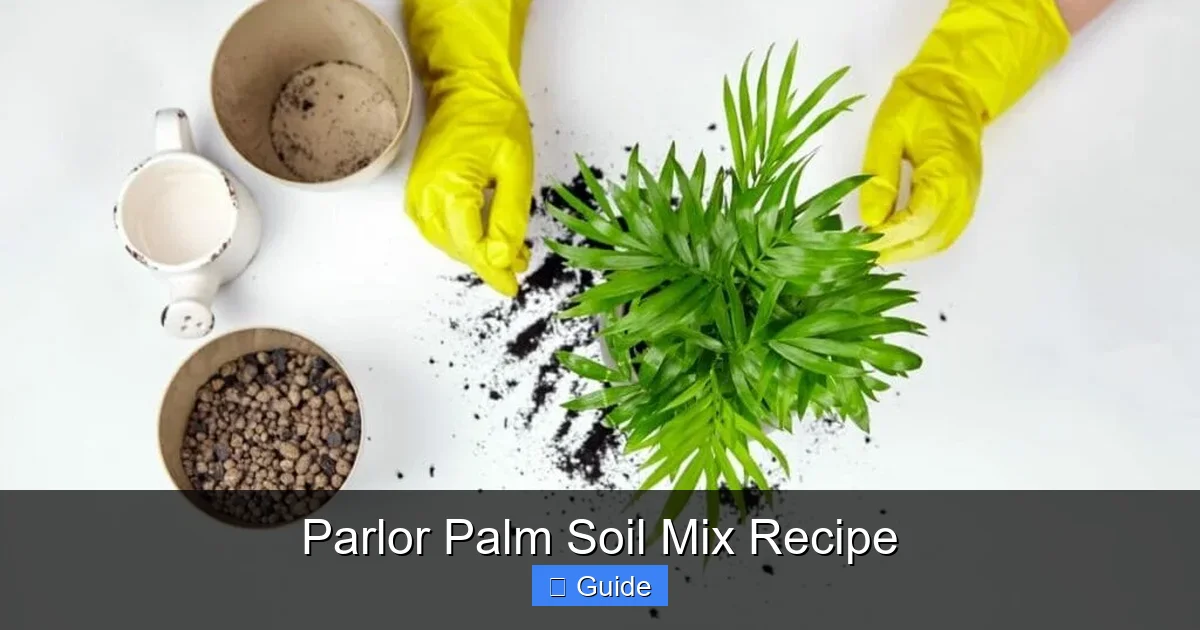
Visual guide about Parlor Palm Soil Mix Recipe
Image source: petalrepublic.com
The Master Formula
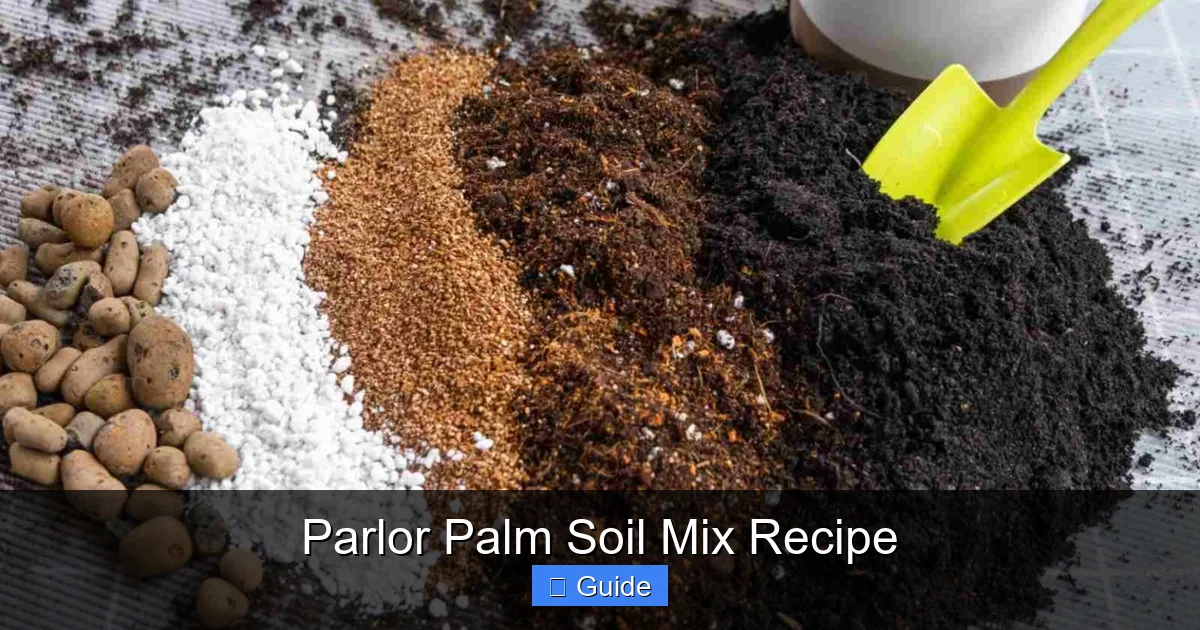
Two parts peat moss or coco coir. One part perlite. One part quality compost or worm castings. One part coarse sand or fine orchid bark. Optional: one half part horticultural charcoal.
That is it. Four or five ingredients. Mixed in a wheelbarrow or large tub. Let us look at each one.
Peat Moss or Coco Coir: The Base
This is your moisture holder. Peat moss is classic. It holds ten times its weight in water. It is acidic, which palms like. But peat is not renewable. Harvest damages bogs.
Coco coir is the green alternative. Made from coconut husks. It holds water well. It is pH neutral. It rewets easier than dry peat. It lasts longer. I prefer coir for sustainability. Either works in your parlor palm soil mix recipe.
Buy compressed bricks. Soak in water. Fluff up. Measure after expanding. One brick makes gallons of mix.
Perlite: The Air Maker
Those white specks in potting soil? That is perlite. Volcanic glass heated until it pops like popcorn. Tiny air tunnels inside each piece. It creates drainage pathways. It prevents compaction. It is sterile and pH neutral.
Use coarse or medium grade. Fine perlite floats to the top. Dust irritates lungs. Wear a mask when mixing. Perlite is cheap. A big bag lasts forever.
Compost or Worm Castings: The Food
This feeds your palm slowly. Good compost teems with microbes. Worm castings are even better. They contain growth hormones. They suppress disease. They hold moisture beautifully.
Buy bagged, screened compost. Avoid hot, fresh manure. It burns roots. Smell it. It should smell like forest floor. Not ammonia. Not garbage. This ingredient makes your parlor palm soil mix recipe alive.
Coarse Sand or Orchid Bark: The Structure
Sand adds weight and drainage. Use horticultural sand. Not play sand. Not beach sand. Those have salts and round grains that pack tight. Sharp, angular grains create stable pores.
Orchid bark is a great alternative. Fir or pine bark nuggets. Quarter inch size. They break down slowly. They mimic the forest floor. They host beneficial fungi. Either works. Bark is lighter for hanging pots.
Horticultural Charcoal: The Sweetener
This is optional but recommended. Charcoal absorbs toxins. It filters impurities. It prevents sour soil. It hosts good bacteria. A handful per gallon of mix. Do not use BBQ briquettes. Those have chemicals. Buy horticultural or activated charcoal.
Mixing Step by Step
Gather a large container. A wheelbarrow, storage tote, or tarp. Wear gloves. Wear a mask for perlite dust. Measure ingredients by volume. Use a bucket or large cup. Dump in peat or coir. Add perlite. Mix thoroughly. Add compost. Mix again. Add sand or bark. Mix. Sprinkle charcoal. Final mix. It should feel light, fluffy, slightly damp. Not soggy. Not dusty. Clump in hand, then crumble easily. That is the perfect texture.
Variations for Special Situations
One recipe does not fit all. Your climate, pot type, and watering habits matter. Here are smart tweaks.
For Heavy Waterers
Do you love to water? Increase drainage. Use three parts perlite. Add extra bark. Skip the compost. Use slow-release fertilizer instead. This mix dries fast. You can water often without guilt.
For Forgetful Waterers
Do you forget for weeks? Increase water hold. Use three parts coir. Add vermiculite instead of some perlite. Vermiculite holds more water. Top dress with moss. This buys you extra days.
For Terracotta Pots
Terracotta breathes. Soil dries faster. Add extra coir. Maybe a splash of vermiculite. Mulch the top with bark. Check moisture more often.
For Plastic or Glazed Pots
These hold water. Use standard recipe. Ensure drainage holes are clear. Add a layer of pebbles at bottom. Do not let pot sit in water.
For Semi-Hydro or Self-Watering Pots
These need different media. Use LECA clay pebbles. Or a mix of coir and perlite only. No compost. No sand. Fertilize in water. This is a different growing style.
Repotting Your Parlor Palm Like a Pro
You have your parlor palm soil mix recipe ready. Now what? Repotting is stressful for plants. Done right, they bounce back fast. Done wrong, they sulk for months.
When to Repot
Spring is best. The plant wakes up. Roots grow fast. Signs it is time: roots circle the bottom. Water runs straight through. Plant dries in one day. Pot cracks. Soil looks tired. Every two to three years for mature palms. Yearly for young, fast growers.
Pot Selection
Go up one size only. Two inches wider max. Too big means wet soil. Wet soil means rot. Ensure drainage holes. More holes are better. Terracotta is great for beginners. Plastic works if you watch watering.
The Repotting Process
Water the plant one day before. Moist root ball slides out easier. Prepare new pot. Add a shallow layer of fresh mix. Do not add gravel. It creates a perched water table. Science says no.
Turn plant sideways. Tap pot. Slide root ball out. If stuck, run knife around edge. Squeeze plastic pot. Loosen the root ball gently. Tease circling roots. Trim any black, mushy roots. Healthy roots are white or tan. Firm.
Place in new pot. Crown at same level. Not deeper. Fill sides with your parlor palm soil mix recipe. Tap pot to settle. Do not pack tight. Roots need air. Water thoroughly. Let drain. Place in bright indirect light. No fertilizer for four weeks.
Aftercare
Expect some shock. A few yellow leaves are normal. Keep humidity high. Mist daily. Or use a pebble tray. No direct sun for two weeks. Resume normal care when new growth appears.
Common Mistakes and How to Fix Them
Even with the best parlor palm soil mix recipe, things go wrong. Here are the top errors and fixes.
Using Garden Soil
Never use dirt from outside. It compacts into concrete. It brings pests. It brings weeds. It has unpredictable pH. It lacks drainage. Always use a soilless mix.
Overpacking the Pot
Pressing soil down removes air. Roots suffocate. Tap the pot instead. Let gravity settle. Water to settle more. Top off if needed.
Planting Too Deep
Buried crown rots. Keep the soil line where it was. The transition zone at soil level must breathe.
Skipping Drainage Holes
No holes equals swamp. Drill holes. Or use a nursery pot inside a decorative cache pot. Empty cache pot after watering.
Using the Wrong Sand
Play sand packs like cement. Beach sand has salt. Only sharp horticultural sand. Or skip sand, use bark.
Letting Soil Go Hydrophobic
Peat repels water when bone dry. Water runs down sides. Root ball stays dry. Fix: bottom water. Sit pot in tray. Let soak up. Or add wetting agent. Or repot with fresh mix.
Fertilizing Into Dry Soil
Burns roots. Always water first. Then fertilize. Use half strength. Monthly in growing season. None in winter.
Maintaining Soil Health Long Term
Your parlor palm soil mix recipe is not a one-and-done deal. Soil degrades. Nutrients deplete. Structure collapses. Salts build up. Here is how to keep it great.
Top Dressing
Once a year, scrape off top inch. Replace with fresh compost or worm castings. Water in. This refreshes nutrients without disturbing roots.
Flushing Salts
Fertilizer leaves salts. Tap water leaves minerals. Monthly, water heavily. Let water run through for minutes. Drains out salts. Do this in sink or shower.
Aerating
Monthly, poke holes with chopstick. Go deep. Wiggle gently. Opens air channels. Do not stab roots. Work around the edge.
Checking pH
Palms like slightly acidic. 6.0 to 6.5. Test yearly. Cheap meter works. If too high, add sulfur. If too low, add lime. Compost buffers naturally.
Full Refresh
Every two to three years, repot fully. New parlor palm soil mix recipe. Inspect roots. Trim dead. Clean pot. Fresh start.
Troubleshooting Soil-Related Issues
Leaves tell you what soil does. Learn to read them.
Yellow Lower Leaves
Usually overwatering. Soil stays wet. Roots rot. Check drainage. Repot if mushy roots. Cut watering frequency.
Brown Crispy Tips
Underwatering or low humidity. Or salt burn. Check soil moisture. Flush salts. Increase humidity.
Pale New Growth
Nutrient deficiency. Usually nitrogen or iron. Top dress with castings. Use foliar feed. Check pH.
Stunted Growth
Root bound or exhausted soil. Repot. Fresh mix. Bigger pot.
Fungus Gnats
They love wet, organic soil. Let top inch dry. Add sand. Yellow sticky traps. Mosquito bits in water.
Mold on Surface
Too wet, low air flow. Scrape off. Increase air. Decrease water. Add charcoal next time.
DIY vs. Buying Pre-Mixed
Should you mix or buy? Let us weigh it.
Buying Pre-Mixed
Pros: Convenient. Consistent. No storage. Good for one plant. Cons: Expensive. Often peat-heavy. May lack perlite. Unknown freshness. Generic “palm mix” often holds too much water.
Mixing Your Own
Pros: Control quality. Adjust ratios. Cheaper per pot. Fresh ingredients. Satisfaction. Cons: Need storage. Buy in bulk. Dust mask needed. Initial effort.
My Take
Mix your own if you have three plus palms. Buy a quality cactus mix and amend with coir and compost if you have one. Look for “palm and citrus” mixes with added perlite. Read labels. Avoid moisture control gels.
Seasonal Soil Care Calendar
Your parlor palm soil mix recipe needs different care each season.
Spring
Repot if needed. Top dress. Start fertilizing. Increase watering. Watch for growth.
Summer
Water frequently. Flush monthly. Monitor for pests. Mulch top. Enjoy peak beauty.
Fall
Reduce fertilizing. Slow watering. Check drainage before winter. Clean leaves.
Winter
Water sparingly. No fertilizer. Keep from cold drafts. Humidity tray. Bright light. Plan spring repot.
Advanced Tips for Palm Enthusiasts
Ready to level up? These pro moves make a difference.
Inoculate with Mycorrhizae
Buy mycorrhizal fungi powder. Sprinkle on roots at repotting. Fungi partner with roots. They extend reach. They unlock phosphorus. They protect from pathogens. One treatment lasts years.
Use Compost Tea
Brew aerated compost tea. Monthly soil drench. Supercharges microbes. Feeds plant naturally. Prevents disease. Smells earthy, not rotten.
Layer for Drainage
Bottom inch: coarse bark. Middle: standard mix. Top inch: fine compost. Creates gradient. Water moves down. Air moves up. Roots follow.
Test with a Moisture Meter
Cheap probe. Stick deep. Read number. Water at 3. Stop at 7. Removes guesswork. Saves plants.
Rotate the Pot
Quarter turn weekly. Even light. Even root growth. Even soil drying. Prevents lean.
Conclusion
There you have it. The complete guide to the perfect parlor palm soil mix recipe. You now know the why, the what, and the how. You understand drainage, aeration, nutrition, and structure. You can mix, repot, maintain, and troubleshoot like a pro.
Remember the core ratio. Two parts coir. One part perlite. One part compost. One part bark or sand. Adjust for your habits. Observe your plant. It will tell you what it needs.
A parlor palm in great soil is a joy for decades. It filters your air. It softens your space. It connects you to nature. All it asks is a good foundation. You just built it.
Happy planting. May your fronds stay green and your roots stay white. Your parlor palm thanks you.
Frequently Asked Questions
What happens if I use garden soil for my parlor palm?
Garden soil compacts in pots, suffocating roots and causing root rot. It also brings pests, weed seeds, and unpredictable pH. Always use a soilless parlor palm soil mix recipe instead.
Can I make parlor palm soil mix without perlite?
Yes, substitute pumice, coarse sand, or rice hulls for perlite. These materials create air pockets and drainage just like perlite does in the mix.
How do I know when my parlor palm needs repotting?
Roots growing from drainage holes, water running straight through, soil drying in one day, or the plant becoming top-heavy all signal it is time for fresh soil.
Should I add fertilizer to my parlor palm soil mix recipe?
Skip fertilizer in the initial mix. Compost provides slow nutrition. Wait four weeks after repotting, then fertilize monthly at half strength during growing season.
Can I reuse old parlor palm soil for other plants?
Only if the palm was healthy. Sterilize by baking at 180°F for 30 minutes. Refresh with new compost and perlite. Discard if the palm had pests or disease.
What size pot should I use when repotting with fresh soil mix?
Choose a pot only one to two inches wider than the current root ball. Too large a pot holds excess moisture, leading to root rot even with perfect soil.