Parlor Palm Brown Tips Causes
Parlor palm brown tips are a common sign that something is off with your plant. This guide explains the main reasons—like low humidity, uneven watering, and nutrient gaps—and gives you clear steps to fix each problem fast.
Parlor palms are loved for their graceful fronds and low‑light tolerance. Yet many owners notice brown tips creeping up the leaves. Those brown tips are a cry for help. Understanding the parlor palm brown tips causes lets you act quickly and keep your plant looking fresh.
In this guide we walk through each major cause. We keep the language simple. You will find practical tips you can apply today. Let’s dive in.
Key Takeaways
- Low humidity dries leaf edges and creates brown tips.
- Inconsistent watering – both too much and too little – stresses the palm.
- Salt buildup from fertilizer or tap water harms leaf tissue.
- Nutrient deficits especially magnesium and potassium show as tip burn.
- Pests like spider mites suck sap and leave brown, crispy edges.
- Physical damage from handling or drafts can also cause tip browning.
- Regular care routine with proper humidity, watering, and feeding prevents most issues.
Quick Answers to Common Questions
Why are the tips of my parlor palm turning brown?
The most common reasons are low humidity, irregular watering, salt buildup, nutrient shortages, or pest activity.
How often should I water a parlor palm?
Water when the top inch of soil feels dry. Usually once a week in summer and every two weeks in winter.
Can I cut off the brown tips?
Yes. Trim the brown portion with sterile scissors. Cut just above the healthy tissue to prevent further dieback.
What fertilizer works best for parlor palms?
A balanced water‑soluble fertilizer with micronutrients, applied monthly during the growing season, works well.
How do I raise humidity for my palm?
Use a humidifier, place a pebble tray with water under the pot, or group plants together to create a microclimate.
📑 Table of Contents
Understanding Parlor Palm Brown Tips
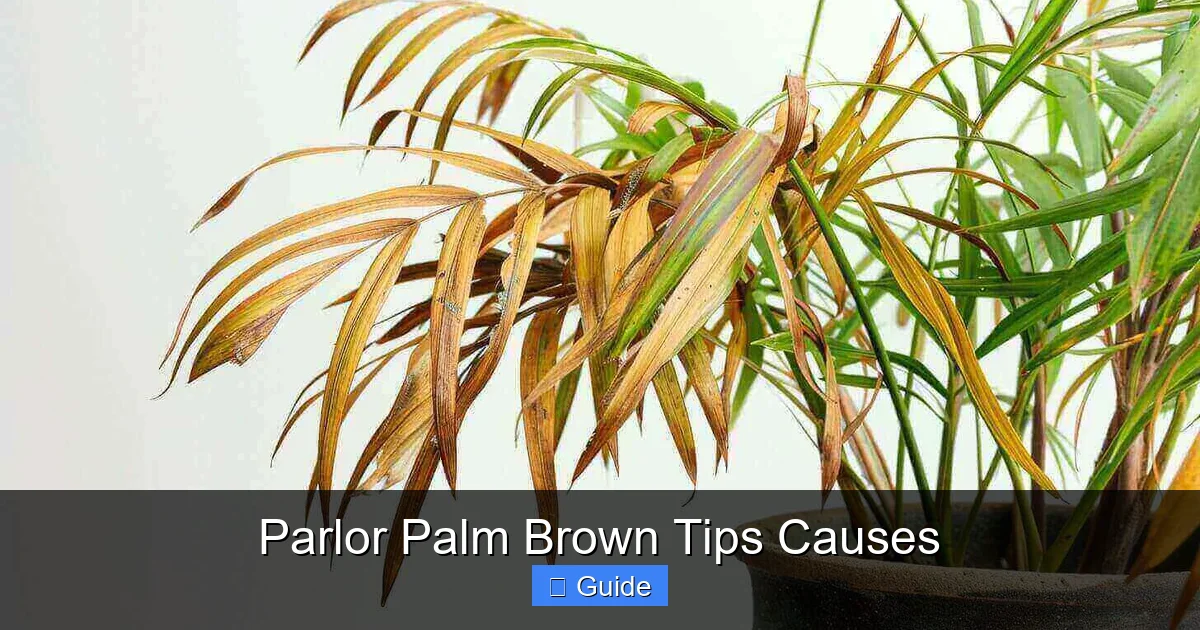
Brown tips appear when leaf cells lose water faster than they can replace it. The tissue dies and turns crisp. This symptom is not a disease itself. It signals an underlying stress. The most common triggers are environmental, cultural, or pest related.
Why the Tips Turn Brown First
The leaf tip is the farthest point from the root system. Water and nutrients travel a long path. Any interruption shows up at the tip first. That is why tip burn is an early warning sign.
Normal Aging vs. Problem Browning
Older lower fronds naturally yellow and brown as they age. If only the very tip of a healthy green frond turns brown, suspect a care issue. Check the pattern before you act.
How to Spot the Difference
Look at the whole plant. Uniform tip browning on many fronds points to a systemic problem. Single‑frond browning often means physical damage. Use a magnifying glass to check for tiny pests.
Common Environmental Causes
Environment plays a huge role in leaf health. Small changes can make a big difference.
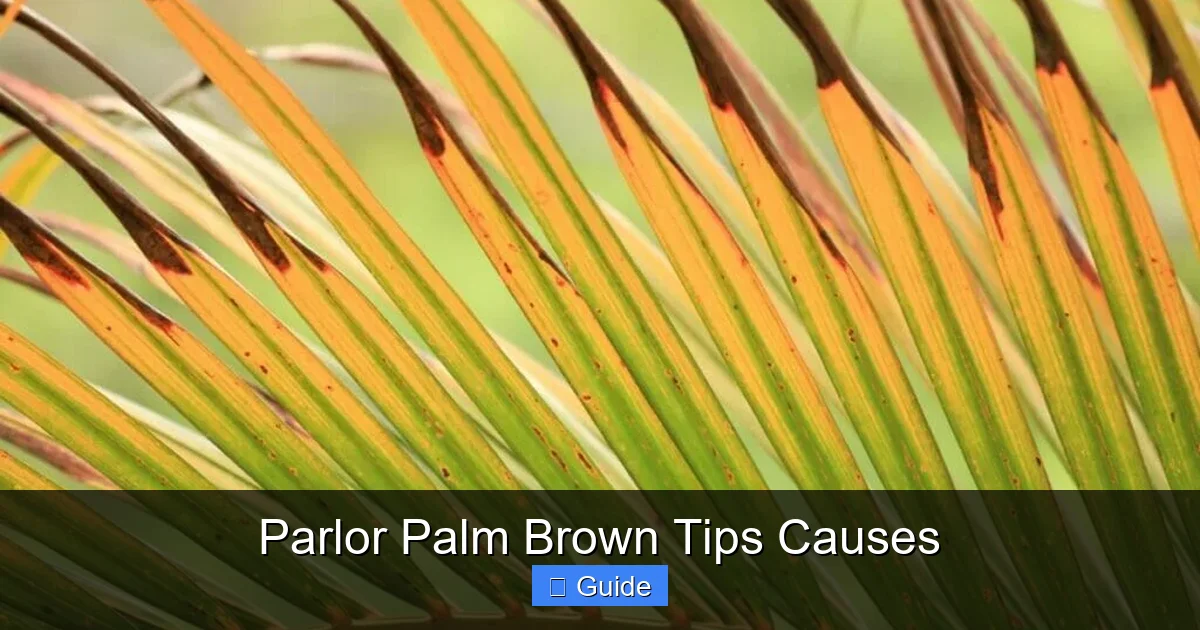
Visual guide about Parlor Palm Brown Tips Causes
Image source: petalrepublic.com
Low Humidity
Parlor palms prefer 40‑60 % relative humidity. Indoor air, especially in winter, often drops below 30 %. Dry air pulls moisture from leaf edges. The result is brown, crispy tips.
Use a hygrometer to monitor humidity. If it stays low, group plants together. A pebble tray with water raises local moisture. A small room humidifier works well for larger collections.
Temperature Swings
Sudden cold drafts or hot radiators shock the plant. Keep the palm away from doors, windows, and heating vents. A stable temperature between 65‑80 °F (18‑27 °C) is ideal.
Nighttime temperature drops below 55 °F can also cause tip burn. Move the plant to a warmer spot during cold snaps. Avoid placing it near air‑conditioning vents.
Insufficient Light
While they tolerate low light, too little light slows photosynthesis. The plant cannot move water efficiently. Weak growth leads to tip browning. Bright, indirect light works best.
Rotate the pot weekly so all sides receive light. If natural light is scarce, supplement with a full‑spectrum LED grow light for 12‑14 hours a day.
Airflow Issues
Stagnant air encourages fungal spores. Excessive wind from fans dries leaves fast. Aim for gentle, consistent airflow.
A small oscillating fan on low speed placed a few feet away provides good circulation without desiccating foliage.
Watering Mistakes That Lead to Brown Tips
Watering is the number one reason for parlor palm brown tips. Both overwatering and underwatering cause stress.
Overwatering
Soggy soil suffocates roots. Root rot stops water uptake. Leaves then lose turgor and tips turn brown. Use a pot with drainage holes. Let the top inch of soil dry before watering again.
Check the saucer after watering. Empty any standing water within 30 minutes. A moisture meter can confirm when the root zone is ready for more water.
Underwatering
When the soil stays bone dry, roots cannot supply moisture. The plant pulls water from leaf tips first. Brown tips appear quickly. Check soil moisture with your finger or a meter.
Water thoroughly until it drains from the bottom. This ensures the entire root ball gets hydrated. Do not let the pot sit in a dry saucer for days.
Inconsistent Schedule
Alternating between wet and dry cycles confuses the plant. Set a regular check‑up day. Water thoroughly until it drains, then wait for the top layer to dry.
A simple calendar reminder works well. Adjust frequency seasonally – more often in summer, less in winter.
Water Quality
Tap water high in chlorine, fluoride, or salts can accumulate in the soil. These chemicals burn leaf tissue. Use filtered, rain, or distilled water when possible.
If you must use tap water, let it sit overnight to allow chlorine to dissipate. A carbon filter pitcher is an inexpensive upgrade.
Nutrient Deficiencies and Soil Issues
Even with perfect water and light, a lack of key nutrients shows up as brown tips.
Magnesium Deficiency
Magnesium is central to chlorophyll. Without it, leaf edges yellow then brown. Apply a balanced houseplant fertilizer that includes magnesium. Epsom salt (magnesium sulfate) can be used sparingly.
Mix one teaspoon of Epsom salt per gallon of water. Apply once a month during the growing season. Avoid over‑application which can cause salt buildup.
Potassium Deficiency
Potassium regulates water movement. Low potassium leads to tip burn and weak stems. Look for a fertilizer with a higher potassium ratio (e.g., 10‑10‑20).
Apply according to label directions. A slow‑release granule worked into the top soil provides steady nutrition.
Salt Buildup
Frequent fertilizing without flushing leaves salts in the potting mix. Salts draw water out of roots. Flush the soil monthly by running water through the pot for several minutes.
Use lukewarm water for flushing. Allow the pot to drain completely before returning it to its saucer.
pH Imbalance
Soil pH outside 6.0‑6.5 limits nutrient uptake. Test with a simple kit. Adjust with lime (raise pH) or sulfur (lower pH) as needed.
Re‑test after two weeks to confirm the correction. Consistent pH keeps nutrients available.
Pests, Diseases, and Physical Damage
Living organisms and mechanical injury also create brown tips.
Spider Mites
These tiny arachnids suck sap from the underside of leaves. Fine webbing appears. Leaves develop stippling and brown tips. Increase humidity and spray neem oil or insecticidal soap weekly.
Inspect leaf undersides with a magnifying glass. Early detection prevents a full‑blown infestation.
Mealybugs and Scale
White cottony masses or hard shells attach to stems and leaf bases. They drain nutrients. Remove with alcohol‑dipped cotton swabs. Follow with systemic insecticide if infestation is heavy.
Quarantine new plants for two weeks before introducing them to your collection.
Fungal Leaf Spot
Brown lesions with yellow halos indicate fungal infection. Improve airflow, avoid overhead watering, and apply a copper‑based fungicide.
Remove severely affected fronds to stop spore spread. Sterilize pruning tools between cuts.
Physical Damage
Brushing against the palm, rough handling, or pets chewing leaves cause immediate tip browning. Trim damaged tips with clean scissors. Keep the plant in a low‑traffic area.
Use a soft cloth to dust leaves instead of shaking the plant. This reduces accidental breakage.
Prevention and Long‑Term Care Tips
Consistent care stops brown tips before they start.
Create a Humidity Routine
Group plants together. Use a pebble tray with water. Run a humidifier in dry months. Mist leaves lightly in the morning.
Aim for a stable 50 % humidity year‑round. A digital hygrometer makes monitoring easy.
Water Smart
Adopt the “soak and dry” method. Water until it drains, then wait for the top inch to dry. Use room‑temperature water.
Set a weekly reminder. Adjust for seasonal growth rates.
Feed Wisely
Fertilize monthly during the growing season (spring‑summer). Use a balanced, water‑soluble formula. Skip feeding in fall and winter.
Flush the pot after every third feeding to prevent salt accumulation.
Repot When Needed
Roots circling the pot signal it’s time to repot. Choose a pot 1‑2 inches larger. Refresh the potting mix with a well‑draining blend (peat, perlite, pine bark).
Repot in early spring for fastest recovery.
Monitor Light and Temperature
Rotate the plant monthly for even growth. Keep it away from cold drafts and direct afternoon sun.
Use sheer curtains to diffuse harsh midday light.
Inspect Regularly
Check leaves, stems, and soil each week. Early detection of pests or salt buildup saves you time and keeps the palm healthy.
Keep a simple log of watering, feeding, and any observations. Patterns become clear over weeks.
Conclusion
Brown tips on a parlor palm are a clear signal that something needs adjusting. By tackling humidity, watering, nutrition, pests, and physical care you can restore vibrant green fronds. Remember, small consistent habits beat occasional big fixes. Your palm will thank you with lush, healthy growth.
Frequently Asked Questions
What causes brown tips on a parlor palm?
Brown tips are usually caused by low humidity, inconsistent watering, excess salts, nutrient deficiencies, or pests like spider mites.
Is it normal for older fronds to brown at the tips?
Yes. Older lower fronds naturally age and brown. If only the newest growth shows tip burn, investigate care issues.
Can tap water cause brown tips?
Tap water high in chlorine, fluoride, or minerals can accumulate in the soil and burn leaf tissue. Filtered or rain water is safer.
How do I fix magnesium deficiency in my parlor palm?
Apply a fertilizer containing magnesium or dissolve a teaspoon of Epsom salt in a gallon of water and use it once a month.
Should I mist my parlor palm daily?
Light misting in the morning helps raise humidity, but avoid keeping leaves wet for long periods to prevent fungal spots.
When is the best time to repot a parlor palm?
Repot in spring when the plant shows active growth. Choose a slightly larger pot with fresh, well‑draining mix.