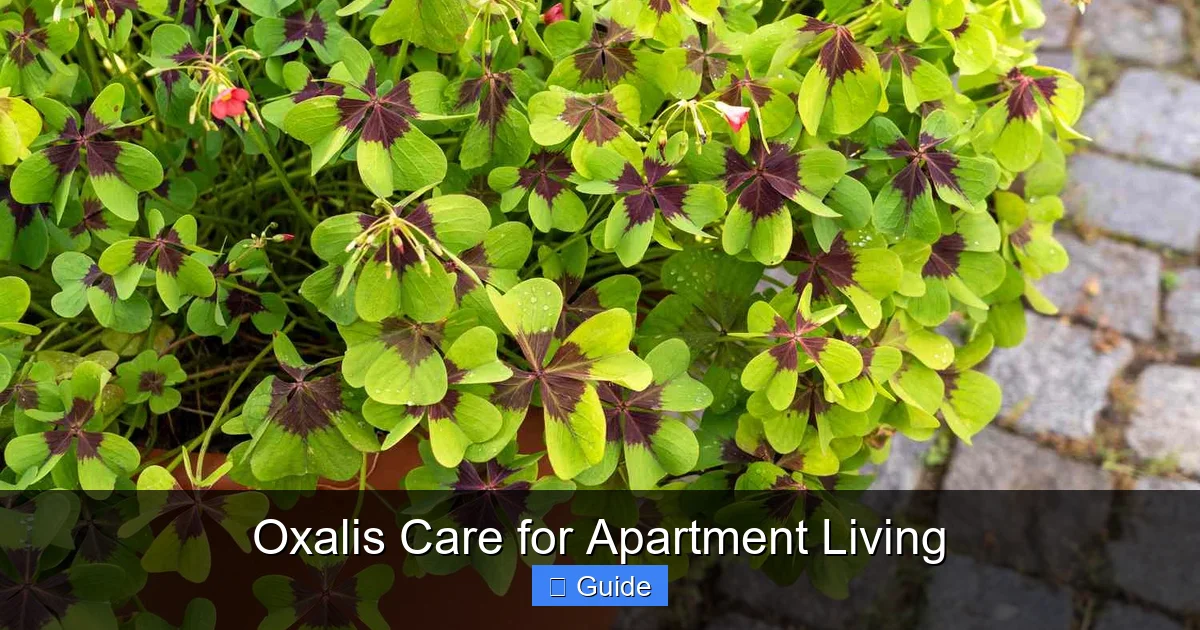
Oxalis Care for Apartment Living
Oxalis care for apartment living is easier than you think when you understand this plant’s unique rhythms. These charming shamrock plants thrive in bright indirect light, need well-draining soil, and require a seasonal dormancy period to stay healthy long-term. With the right routine, your oxalis will reward you with delicate blooms and playful leaves that dance with the light.
Key Takeaways
- Bright indirect light is essential: Place your oxalis near an east or north-facing window for optimal growth without leaf scorch.
- Water only when the top inch of soil feels dry: Overwatering is the number one killer of apartment oxalis plants.
- Respect the dormancy period: Oxalis naturally goes dormant after blooming — reduce water and let it rest for 2-3 months.
- Use well-draining soil and pots with drainage holes: Soggy roots lead to rot quickly in container growing.
- Fertilize lightly during active growth: A balanced liquid fertilizer at half strength once a month keeps foliage lush.
- Watch for spider mites and aphids: These pests love dry indoor air — inspect leaves weekly and treat early.
- Propagate easily by division: Separate bulbs during repotting to expand your collection or share with friends.
Quick Answers to Common Questions
How often should I water my oxalis in an apartment?
Water when the top inch of soil feels dry — typically every 5-7 days during active growth, much less during dormancy. Always check with your finger first rather than following a schedule.
Why is my oxalis dying after flowering?
It’s not dying — it’s going dormant. This is a natural cycle where the plant rests for 2-3 months. Stop watering, remove yellowed foliage, and place the pot in a cool, dark spot until autumn.
Can oxalis grow in low light apartments?
Oxalis needs bright indirect light to thrive. In low light, it becomes leggy and weak. Use a full-spectrum LED grow light for 12-14 hours daily if natural light is insufficient.
How do I propagate my oxalis plant?
Divide the bulbs during autumn repotting. Each firm bulb with a growing point can be planted separately. They establish quickly and make great gifts.
What causes brown crispy edges on oxalis leaves?
Low humidity, salt buildup from fertilizer or tap water, direct sun scorch, or fluoride sensitivity. Increase humidity, flush soil monthly, use filtered water, and protect from harsh afternoon sun.
📑 Table of Contents
- Why Oxalis Is the Perfect Apartment Plant
- Understanding the Oxalis Personality
- Light Requirements for Indoor Oxalis
- Watering Wisdom: The Goldilocks Approach
- Soil, Pots, and Repotting Essentials
- Feeding and Fertilizing for Lush Growth
- Managing Pests and Problems in Apartment Settings
- The Dormancy Cycle: Embracing the Rest
- Propagation: Growing Your Collection
- Styling Oxalis in Small Spaces
- Troubleshooting Common Apartment Oxalis Issues
- Seasonal Care Calendar
- Conclusion: Your Oxalis Journey Starts Now
Why Oxalis Is the Perfect Apartment Plant
If you live in an apartment and want a plant that brings personality without demanding a jungle-sized footprint, oxalis might just be your new best friend. These compact charmers — often called false shamrocks or wood sorrels — pack a surprising amount of visual interest into a tiny package. Their clover-like leaves fold up at night like tiny umbrellas closing for the evening, then reopen with the morning light. It is a daily performance that never gets old.
I first brought home an oxalis triangularis, the deep purple variety, during a particularly gray February. My apartment gets decent morning light but nothing dramatic. Within weeks, those triangular leaves were stretching toward the window, and delicate pink flowers began appearing on slender stems. The plant felt alive in a way that static greenery never does. It responds. It moves. It has rhythm.
But here is the thing about oxalis care for apartment living — it is not quite like caring for a pothos or a snake plant. Oxaris has opinions. It has seasons. It will throw a full-on tantrum if you ignore its need for rest. The good news? Once you understand its cycle, it becomes one of the most rewarding and long-lived plants you can grow indoors. This guide walks you through everything I have learned — sometimes the hard way — so your oxalis can thrive in your space, no matter how small.
Understanding the Oxalis Personality
What Makes Oxalis Different
Most houseplants come from tropical regions where growth happens year-round. Oxalis is different. Many popular varieties — especially oxalis triangularis and oxalis regnellii — originate in South America and parts of Africa where distinct wet and dry seasons dictate their life cycle. They grow from small bulbs or rhizomes underground, storing energy for the next push of growth.
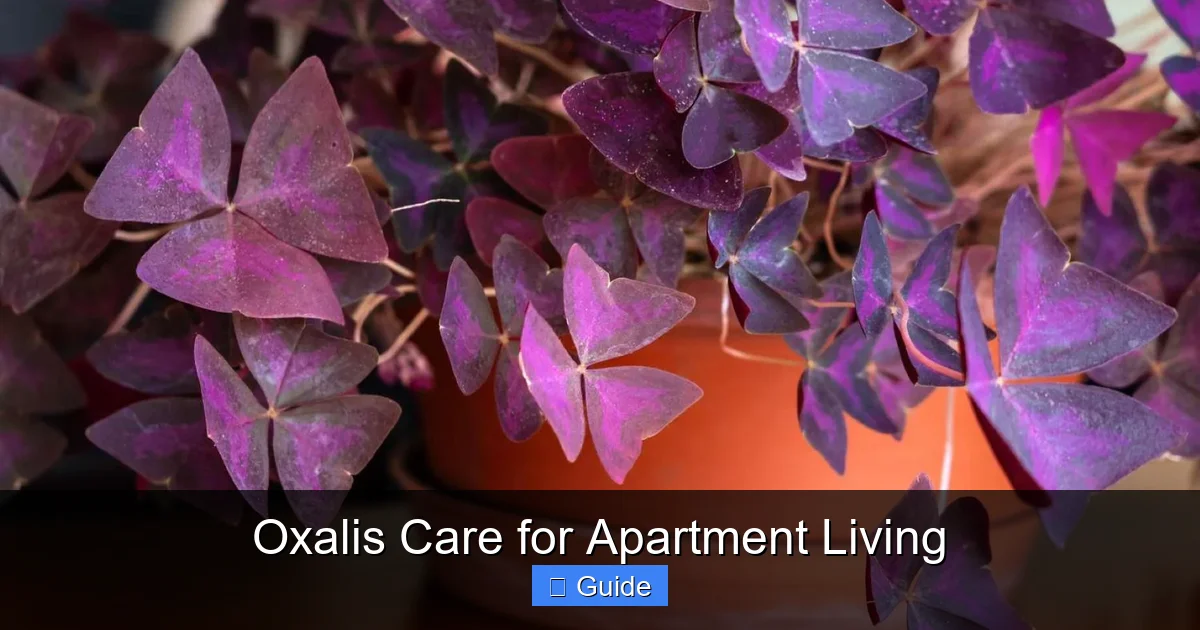
Visual guide about Oxalis Care for Apartment Living
Image source: storables.com
This bulbous nature changes everything about how you care for them. They are not just leaves on stems. They are storage organs with a built-in calendar. When conditions are right, they explode with growth. When the season shifts, they pull back, drop leaves, and wait. Fighting this rhythm is the fastest way to kill an oxalis. Working with it? That is where the magic happens.
Common Varieties for Apartment Growing
You will mostly encounter three types in garden centers and online shops. Oxalis triangularis is the showstopper with deep purple, almost black, triangular leaves and pale pink flowers. It is dramatic, architectural, and surprisingly tough. Oxalis regnellii, the green shamrock plant, has classic bright green leaves and white flowers — it looks like a lucky charm come to life. Then there is oxalis versicolor, the candy cane sorrel, with white flowers edged in red that twist like peppermint sticks before opening.
All three adapt well to container life. They stay compact — usually under twelve inches tall — making them perfect for windowsills, shelves, or desks. Their root systems are shallow, so they do not need deep pots. A six-inch container is plenty for a mature plant. This small footprint is a huge win for apartment dwellers juggling limited surface space.
The Dormancy Factor
Here is the part that catches everyone off guard. Your oxalis will look amazing for months. Then, usually in late spring or early summer after a heavy bloom cycle, the leaves will start to yellow. Stems will weaken. The whole plant will look like it is dying. Panic sets in. You water more. You fertilize. You move it to brighter light. And it gets worse.
Stop. Your plant is not dying. It is going dormant.
This is the single most important thing to understand about oxalis care for apartment living. Dormancy is not a problem to solve. It is a phase to respect. The bulbs underground are recharging. They need darkness, dryness, and cool temperatures for eight to twelve weeks. If you keep watering and feeding, the bulbs rot. If you toss the plant, you throw away a perfectly healthy perennial that would have come back stronger in autumn.
Mark your calendar. When the foliage starts fading naturally, cut back watering dramatically. Let the soil go nearly bone dry. Move the pot to a cool, dark spot — a closet, a basement corner, an unheated room. Ignore it for two to three months. Then, in late summer or early fall, bring it back into the light, give it a drink, and watch the miracle happen.
Light Requirements for Indoor Oxalis
Finding the Sweet Spot
Light is where most apartment gardeners struggle, and oxalis is pickier than it lets on. Too little light, and the stems stretch long and weak — a condition called etiolation. The leaves become smaller, the color washes out, and the plant flops over like a tired toddler. Too much direct sun, especially harsh afternoon rays through a south or west window, and the delicate leaves scorch. Brown crispy edges appear. The purple varieties bleach to a sad greenish-bronze.
The sweet spot? Bright indirect light. An east-facing window is ideal — gentle morning sun followed by bright ambient light all day. North-facing works too, though growth may be slower and flowering reduced. If you only have south or west exposure, pull the plant back a few feet from the glass or hang a sheer curtain. That diffusion makes all the difference.
I keep my oxalis triangularis on a bookshelf three feet from an east window. It gets an hour of direct morning light, then bright shade. The color stays deep, the stems stay sturdy, and it flowers reliably. Experiment with your space. Rotate the pot weekly so all sides get equal exposure. The leaves literally track the light — you will see them reorient within hours.
Supplemental Lighting Options
If your apartment is genuinely dark — think basement unit or north-facing with buildings blocking the sky — a grow light changes everything. You do not need a fancy setup. A simple full-spectrum LED clip light on a timer works beautifully. Aim for twelve to fourteen hours of light daily during active growth. Position the light six to twelve inches above the foliage.
I use a twenty-watt full-spectrum panel on a twelve-hour timer for my winter oxalis. It cost thirty dollars and plugs into a smart outlet. The plant never missed a beat. Come spring, it was the first to wake up and the most vigorous. If you invest in one thing for oxalis care for apartment living, make it a decent grow light. It solves the single biggest variable.
Seasonal Light Adjustments
Remember that light changes with the seasons even in the same window. Summer sun is higher and more intense. Winter sun is lower and weaker. An east window that is perfect in April might scorch leaves in July. A north window that sustains growth in June might be too dim in January. Pay attention. Move the plant as needed. It is not fussy — it is responsive.
During dormancy, light does not matter. The plant is underground. But when new shoots appear, light becomes critical again. Those first leaves are setting the tone for the whole growth cycle. Give them the best spot you have.
Watering Wisdom: The Goldilocks Approach
How to Tell When Your Oxalis Needs Water
Oxalis hates wet feet. Its bulbs are designed to store moisture, not sit in it. The number one cause of death in apartment settings is overwatering — usually from a well-meaning schedule rather than actual need. Forget the calendar. Use your finger.
Stick your index finger into the soil up to the first knuckle. If it feels dry at that depth, water thoroughly. If it feels even slightly damp, wait. Check again tomorrow. In active growth, this usually means watering every five to seven days. In cooler or dimmer conditions, it might be ten to fourteen days. During dormancy? Maybe once a month, just enough to keep the bulbs from shriveling completely.
The leaves give you clues too. Well-hydrated oxalis leaves stand horizontal or slightly angled up. Thirsty leaves droop, fold inward more than usual at night, and lose their sheen. But here is the trick — they also droop when overwatered because the roots are rotting and cannot take up water. The finger test tells you which is which.
Water Quality Matters
Tap water varies wildly. If yours is heavily chlorinated, let it sit out overnight before using. If you have a water softener, do not use that water on plants — the sodium builds up in soil and damages roots. Rainwater or distilled water is ideal, but filtered tap water works fine for most people.
I keep a gallon jug by the sink. I fill it after doing dishes, let it sit, and use it for all my plants. It is a tiny habit that prevents mineral buildup and chlorine stress. Oxalis is sensitive to salts. You will see brown leaf tips if they accumulate. Flushing the pot monthly — running water through until it drains freely for a minute — helps reset the soil.
The Right Way to Water
When you water, do it properly. Place the pot in the sink or a basin. Pour water slowly over the soil surface until it runs freely from the drainage holes. Let it drain completely — ten minutes at least. Never let the pot sit in a saucer of water. That is a one-way ticket to bulb rot.
Bottom watering works too. Set the pot in a few inches of water and let the soil wick moisture up from below. This encourages deeper root growth and keeps the crown dry. Just do not forget it. Set a timer. I have absolutely left plants soaking for hours. They survived, but they were not happy.
Soil, Pots, and Repotting Essentials
The Perfect Potting Mix
Standard potting soil is too heavy for oxalis. It holds too much water, compacts over time, and suffocates the shallow bulbs. You need a mix that drains fast but retains enough moisture for the plant to drink between waterings. My go-to recipe: two parts high-quality potting soil, one part perlite, one part orchid bark or coarse sand. This creates air pockets, prevents compaction, and mimics the gritty, well-drained soils oxalis prefers in nature.
If mixing feels like too much, buy a cactus or succulent mix and add extra perlite — about twenty percent by volume. Avoid mixes with moisture-control crystals or water-retentive polymers. They defeat the purpose. Oxalis bulbs rot in constantly damp conditions.
Choosing the Right Container
Drainage holes are non-negotiable. No exceptions. No “I’ll be careful.” No layer of gravel at the bottom — that creates a perched water table and makes things worse. The pot must have holes. Terra cotta is excellent because it wicks moisture and breathes. Plastic works fine if you are diligent about checking soil moisture. Glazed ceramic is okay but holds water longer.
Size matters too. Oxalis likes to be slightly root-bound. A pot that is too large holds excess soil that stays wet too long. When repotting, go up only one size — from four inches to six, six to eight. The bulbs multiply underground, so width matters more than depth. A wide, shallow bowl-style pot is actually ideal.
When and How to Repot
Repot in early autumn, just as the plant wakes from dormancy and before vigorous growth begins. You will see new shoots emerging — that is your signal. Gently remove the plant. Shake off old soil. Inspect the bulbs. They should be firm, plump, and free of mushy spots. Discard any that are soft or smell bad.
Separate the bulbs if you want more plants. Each bulb with a visible growing point can become a new plant. Plant them about an inch deep, pointed end up, spaced an inch apart. Water lightly. Place in bright light. New growth appears within weeks.
I repot my oxalis every two years. Not because it outgrows the pot — the bulbs just get crowded and the soil breaks down. Fresh mix reinvigorates the plant. It is also the perfect time to share divisions with friends. A little pot of oxalis makes a thoughtful, living gift that keeps giving for years.
Feeding and Fertilizing for Lush Growth
Less Is More
Oxalis is not a heavy feeder. In its native habitat, it grows in lean soils. Too much fertilizer produces weak, leggy growth and fewer flowers. It also builds up salts in the soil, which damages the sensitive bulbs. The rule: fertilize at half the recommended strength, and only during active growth.
I use a balanced liquid fertilizer — 10-10-10 or 20-20-20 — diluted to half strength. Once a month from autumn through spring. That is it. No fertilizer during summer dormancy. No fertilizer for the first month after repotting — fresh soil has nutrients. No fertilizer if the plant looks stressed, diseased, or pest-ridden. Fix the problem first.
Organic Options
If you prefer organic, worm castings tea or fish emulsion diluted to quarter strength works beautifully. Apply monthly during the growing season. The smell of fish emulsion indoors is… notable. Worm tea is odorless and gentle. I alternate — worm tea one month, synthetic half-strength the next. The plant does not care. It just wants a steady, mild supply.
Signs of Nutrient Issues
Pale leaves with dark veins? Could be iron deficiency from high pH soil. Yellowing older leaves? Might need nitrogen. Brown leaf tips with no other symptoms? Usually salt buildup from over-fertilizing or tap water minerals. Flush the soil. Hold off on feeding. Observe.
Oxalis is communicative. It shows you what it needs if you pay attention. The purple varieties are especially expressive — the color deepens with good nutrition and fades when something is off. Use that as your gauge.
Managing Pests and Problems in Apartment Settings
Common Indoor Pests
Spider mites love oxalis. They thrive in the dry, warm air of heated apartments. You will see fine webbing on leaf undersides, tiny moving dots, and stippled, dusty-looking foliage. Aphids cluster on new growth and flower stems, sucking sap and leaving sticky honeydew. Fungus gnats breed in overly moist soil — another reason to nail your watering.
Mealybugs hide in leaf axils and bulb crevices, looking like tiny cotton balls. Scale insects attach to stems like small brown bumps. Thrips cause silvery patches and distorted growth. All of these spread fast in close quarters. Inspect your plant weekly. Flip leaves. Check stems. Look at the soil surface. Early detection saves plants.
Prevention and Treatment
Healthy plants resist pests better. Proper light, water, and airflow are your first defense. Group plants to increase humidity — spider mites hate humidity. Run a humidifier in winter. Wipe leaves monthly with a damp cloth. It removes dust, discourages mites, and lets you inspect closely.
If you find pests, isolate the plant immediately. Blast leaves with lukewarm water in the shower — this dislodges most soft-bodied insects. Follow with insecticidal soap or neem oil, covering all surfaces including leaf undersides. Repeat weekly for three weeks to catch hatchlings. For fungus gnats, let the top inch of soil dry completely, add a layer of sand or diatomaceous earth, and use yellow sticky traps.
Systemic granules work for persistent infestations but use them as a last resort. They make the plant toxic to insects — and potentially to pets. Read labels. Follow instructions. Ventilate well.
Disease Issues
Root and bulb rot from overwatering is the big one. Symptoms: yellowing leaves, mushy stems, foul smell from soil, plant collapsing at base. If caught early, you can unpot, trim rotted parts, dust with cinnamon or sulfur powder, and repot in fresh dry mix. But prevention is infinitely better.
Fungal leaf spots appear in humid, stagnant air with wet foliage. Improve airflow. Water at soil level, not overhead. Remove affected leaves. A copper fungicide helps severe cases.
Viruses cause mottled, distorted growth and cannot be cured. Destroy infected plants to protect others. This is rare in home collections but possible if you buy from unreliable sources.
The Dormancy Cycle: Embracing the Rest
Recognizing the Signs
Dormancy usually begins in late spring or early summer, triggered by longer days, warmer temperatures, and the natural end of the bloom cycle. The plant slows down. Fewer new leaves appear. Existing leaves yellow from the bottom up. Flowering stops. The whole plant looks tired. This is normal. This is good.
Do not panic. Do not water more. Do not fertilize. Do not move it to a darker spot hoping to “save” it. The plant is doing exactly what it evolved to do. The energy is moving underground, into the bulbs, preparing for the next cycle.
Managing the Dormant Period
Once most foliage has yellowed, cut it off at soil level. Stop watering almost entirely. Give a tablespoon of water every three to four weeks — just enough to keep bulbs from desiccating. Move the pot to a cool, dark place. Ideal temperature: fifty to sixty degrees Fahrenheit. A basement, garage, or unheated closet works. No light needed. The bulbs are sleeping.
Set a calendar reminder for eight to twelve weeks out. When the time comes, bring the pot back to its growing spot. Water thoroughly. Place in bright light. Wait. Within two to three weeks, new shoots will emerge. The cycle begins again.
What If It Doesn’t Go Dormant?
Some oxalis plants, especially in consistent indoor conditions, skip dormancy or have a weak one. They just keep growing slowly year-round. This is okay. The plant may get a bit leggy over time. You can force dormancy by withholding water and moving to a cool dark spot for six weeks in summer. Or you can let it be and just cut back leggy growth in autumn. Either works.
I have had both experiences. My first oxalis triangularis went fully dormant every year like clockwork. My current one, under grow lights in a temperature-controlled room, barely pauses. It flowers less prolifically but never looks bad. Adapt to your plant. It will tell you what it needs.
Propagation: Growing Your Collection
Division During Repotting
The easiest way to propagate oxalis is division. When you repot in autumn, you will see multiple bulbs clustered together. Each bulb with a growing point — a tiny nub or emerging shoot — can become an independent plant. Gently pull them apart. Plant each in its own small pot or group three to five in a larger container for a fuller look.
Water lightly. Keep in bright light. They establish quickly. Within a month, you have new plants. This is how I turned one four-inch pot into six gifts for friends and a backup for myself. Oxalis bulbs multiply steadily. A happy plant doubles its bulb count annually.
Growing from Seed
Oxalis produces seed pods after flowering — tiny explosive capsules that fling seeds several feet. If you want to try seeds, collect pods as they turn brown but before they pop. Sow on moist seed-starting mix. Press lightly — do not cover. Keep warm and bright. Germination takes two to four weeks. Seedlings are tiny and delicate. They take a year or two to reach flowering size. Division is faster and preserves the parent’s traits. Seeds may vary.
Leaf Cuttings? Not Really.
You cannot propagate oxalis from leaf cuttings. The leaves have no meristematic tissue to generate roots or bulbs. Some people try floating leaves in water. They may root, but they rarely form a viable bulb. Stick with division. It works every time.
Styling Oxalis in Small Spaces
Windowsill Displays
A row of oxalis in matching pots along a windowsill creates a living sculpture. The uniform height, the synchronized leaf movements, the coordinated flowering — it is mesmerizing. Mix purple and green varieties for contrast. Use simple terra cotta or matte white pots. Let the plants be the art.
I have three oxalis triangularis in six-inch terra cotta pots on my kitchen windowsill. They catch the morning light. Steam from cooking gives them humidity. I see them every day. They are the first thing I check in the morning — are the leaves open? Any new flowers? It is a small ritual that grounds me.
Shelf and Desk Arrangements
Oxalis works beautifully on shelves because it stays low and does not trail or sprawl. Pair it with upright plants like snake plants or ZZ plants for height contrast. Add a trailing pothos or string of hearts above for vertical interest. The clover-like leaves add texture that complements both bold and fine foliage.
On a desk, a single oxalis in a pretty cachepot brings life without clutter. It does not shed much. It does not need constant attention. It just sits there, opening and closing with the day, flowering quietly. A living paperweight that improves air quality and mood.
Terrariums and Dish Gardens
Because oxalis likes humidity and stays small, it works in open terrariums and dish gardens. Combine with fittonia, peperomia, and moss for a woodland scene. Ensure the container has drainage or a deep false bottom with charcoal. Do not seal it — oxalis needs airflow. Open-top glass vessels work perfectly.
I made a dish garden with oxalis regnellii, a miniature fern, and some reindeer moss in a shallow ceramic bowl. It sits on my bathroom counter. The shower humidity keeps it happy. It looks like a tiny forest floor. Guests always ask about it.
Troubleshooting Common Apartment Oxalis Issues
Leggy, Floppy Growth
Cause: insufficient light. The plant stretches toward the source. Fix: move to brighter location or add grow light. Cut back leggy stems — they will not recover. New growth will be compact.
Leaves Closing During Day
Cause: too much direct sun, extreme heat, or severe underwatering. The plant is protecting itself. Fix: diffuse light, cool the area, check soil moisture.
No Flowers
Cause: too little light, too much nitrogen fertilizer, immature plant, or skipped dormancy. Fix: increase light, reduce fertilizer, ensure dormancy cycle, be patient with young plants.
Yellow Leaves
Cause: overwatering (most common), underwatering, nutrient deficiency, natural aging, or dormancy onset. Fix: check soil moisture first. Adjust watering. If widespread and plant is otherwise healthy in late spring, it is likely dormancy.
Brown Crispy Edges
Cause: low humidity, salt buildup, sun scorch, or fluoride sensitivity. Fix: increase humidity, flush soil, filter water, move from direct sun.
Sudden Collapse
Cause: bulb rot from overwatering. Fix: unpot immediately. Inspect bulbs. Save firm ones. Discard mushy ones. Repot survivors in fresh dry mix. Water sparingly.
Seasonal Care Calendar
Autumn (September – November): Wake Up and Grow
Bring dormant plants back to light. Water thoroughly. Begin monthly fertilizing. Repot if needed. Divide and share bulbs. Watch for new shoots. This is the start of the active season.
Winter (December – February): Steady Growth
Maintain bright light — supplement if needed. Water when top inch dry. Fertilize monthly. Monitor for pests (spider mites love dry heated air). Enjoy flowers. Rotate pots weekly.
Spring (March – May): Peak Performance
Heaviest flowering. Most vigorous growth. Continue care routine. Increase watering frequency as temperatures rise and days lengthen. Watch for aphids on flower stems. This is the show.
Summer (June – August): The Great Rest
Foliage yellows. Growth stops. Flowering ends. Cut back yellowed leaves. Drastically reduce water. Move to cool dark spot. Ignore for eight to twelve weeks. Resist the urge to “help.” This rest ensures next year’s show.
Conclusion: Your Oxalis Journey Starts Now
Oxalis care for apartment living is not about perfection. It is about partnership. You provide the light, the water, the rest. The plant provides the daily dance, the seasonal surprise, the quiet companionship of a living thing that notices the world and responds to it. There is something deeply satisfying about a plant that folds its leaves at night like it is tucking itself in.
Start with one. A four-inch pot of oxalis triangularis or regnellii. Place it in your best window. Water when the soil says so. Feed lightly. Watch. Learn its rhythm. When it goes dormant, trust the process. When it returns, celebrate. Share divisions with friends. Build a collection. Before you know it, you will be the person who says, “Oh, that? That’s just my oxalis. It’s been with me for years.”
The shamrock plant brings luck, they say. But I think it brings something better — attention. It makes you pause. It makes you notice the light changing. It makes you care for something small and alive in a world that often feels too big and too fast. That is not luck. That is grace. And it fits on a windowsill.
Frequently Asked Questions
Is oxalis toxic to cats and dogs?
Yes, oxalis contains oxalic acid which is toxic to pets if ingested in large quantities. It can cause drooling, vomiting, and kidney issues. Keep plants out of reach of curious animals or choose pet-safe alternatives.
How long does oxalis dormancy last?
Dormancy typically lasts 8-12 weeks, usually from early summer to early autumn. The plant needs this rest period to rebuild energy in its bulbs for the next growing season.
Can I keep my oxalis outdoors in summer?
Yes, oxalis enjoys a summer vacation outdoors in bright shade. Move it after frost danger passes, acclimate gradually over a week, and bring it back inside before temperatures drop below 50°F.
Why are my oxalis leaves folding up during the day?
Daytime leaf folding usually indicates stress — too much direct sun, extreme heat, or severe underwatering. The plant is conserving moisture. Check conditions and adjust care accordingly.
What’s the best fertilizer for oxalis?
Use a balanced liquid fertilizer (10-10-10 or 20-20-20) diluted to half strength, applied monthly during active growth only. Organic options like worm casting tea at quarter strength also work well.
How do I know if my oxalis bulbs are healthy?
Healthy bulbs are firm, plump, and light-colored with no mushy spots or foul odor. During repotting, discard any soft, dark, or smelly bulbs. Each viable bulb should have a visible growing point or nub.