Fern Soil Mix Recipe
Creating the ideal fern soil mix recipe is easy when you know the right components and proportions. This guide walks you through a proven blend that balances drainage, moisture retention, and nutrients for lush, green fronds.
Ferns bring a touch of ancient forest into any home, but they can be finicky about their growing medium. A well‑crafted fern soil mix recipe makes the difference between vibrant, arching fronds and brown, crispy tips. In this guide you will learn exactly what goes into a premium blend, why each ingredient matters, and how to tweak the formula for different fern varieties.
Many gardeners start with a generic potting soil and wonder why their ferns struggle. The secret lies in mimicking the forest floor: a light, airy substrate that holds moisture yet drains excess water quickly. By following the steps below you can create a custom mix that costs less than store‑bought specialty blends and performs better.
Key Takeaways
- Balance moisture and drainage: Use peat moss or coco coir with perlite and bark to keep roots moist but not soggy.
- Add organic matter: Compost or worm castings supply slow‑release nutrients that ferns love.
- Adjust pH slightly acidic: Aim for a pH between 5.5 and 6.5 for optimal nutrient uptake.
- Sterilize components: Heat‑treat soil ingredients to prevent pests and diseases.
- Test before planting: Moisten a handful; it should hold shape but crumble easily.
- Refresh annually: Replace the top inch of mix each spring to maintain structure and fertility.
- Customize for species: Tropical ferns prefer more organic matter; temperate ferns tolerate a grittier blend.
Quick Answers to Common Questions
What is the basic ratio for a fern soil mix recipe?
A simple starting ratio is 2 parts peat moss or coco coir, 1 part perlite, 1 part fine pine bark, and 0.5 part compost.
Can I use regular potting soil for ferns?
Regular potting soil is too dense and often alkaline; a dedicated fern soil mix recipe provides the aeration and acidity ferns prefer.
How often should I replace the soil mix?
Refresh the top inch each spring and do a full repot with fresh fern soil mix recipe every 12 to 18 months.
Do ferns need fertilizer in the soil mix?
A small amount of compost or worm castings supplies slow‑release nutrients; supplement with diluted liquid fertilizer monthly during growth.
What pH should the fern soil mix recipe be?
Target a pH between 5.5 and 6.5 for optimal nutrient availability.
📑 Table of Contents
Understanding Fern Root Needs
Moisture Retention Versus Drainage
Fern roots are shallow and spread horizontally. They need constant access to water but cannot sit in stagnant pools. A fern soil mix recipe that leans too heavily on peat will stay soggy, while one loaded with sand will dry out too fast. The sweet spot is a 1:1:1 ratio of moisture‑holding material, aeration material, and organic nutrition.
pH Preferences
Most ferns thrive in slightly acidic conditions. A pH between 5.5 and 6.5 keeps essential nutrients like iron and manganese available. You can test your finished blend with an inexpensive soil pH meter. If the reading is high, add a handful of elemental sulfur or pine bark fines to lower it gently.
Nutrient Requirements
Ferns are not heavy feeders, but they appreciate a steady supply of micronutrients. Incorporating compost or worm castings into the fern soil mix recipe provides a slow‑release source that mimics the natural leaf litter decomposition on the forest floor.
Core Ingredients for a Balanced Blend
Peat Moss or Coco Coir
Peat moss is the classic choice for moisture retention. It holds up to 20 times its weight in water. Coco coir is a sustainable alternative with similar water‑holding capacity and a more neutral pH. Use whichever is locally available; both work well in a fern soil mix recipe.

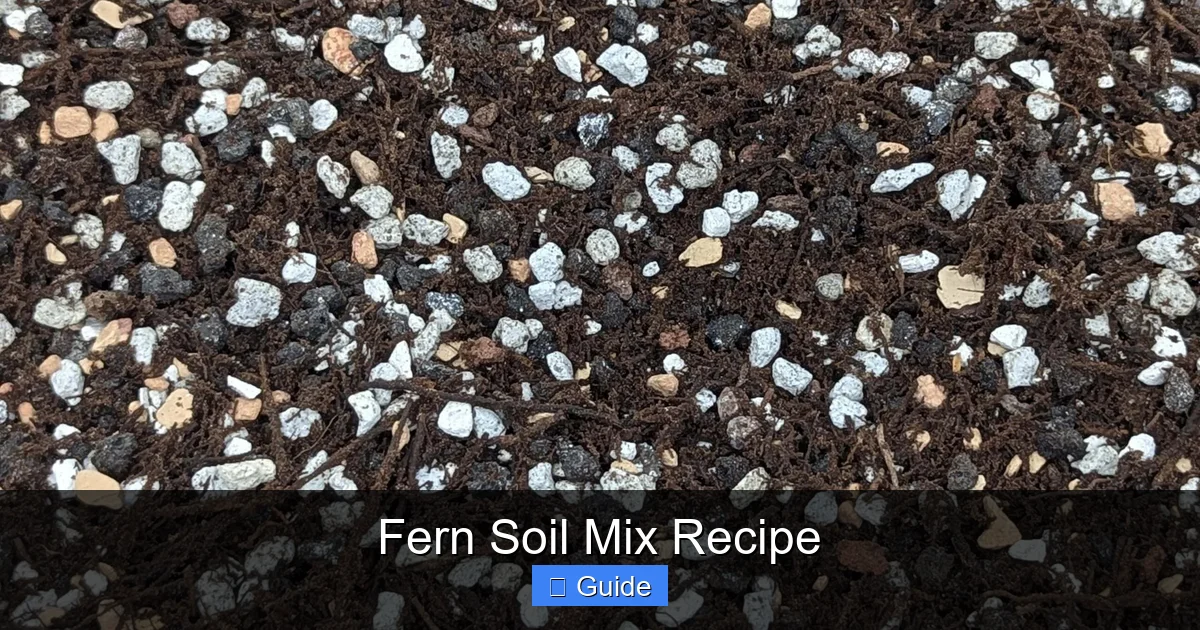
Visual guide about Fern Soil Mix Recipe
Image source: i.pinimg.com
Perlite or Pumice
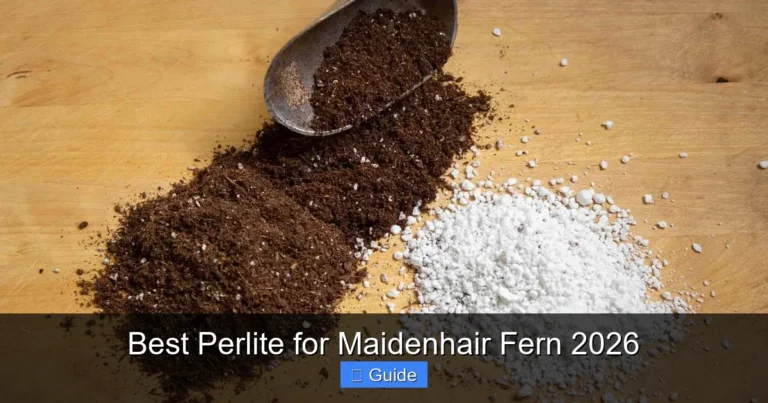
These volcanic minerals create air pockets that prevent compaction. Perlite is lightweight and inexpensive. Pumice is heavier, which helps keep larger pots stable. Aim for roughly one part perlite or pumice to two parts peat or coir.
Orchid Bark or Fine Pine Bark
Bark adds structure and slow‑decomposing organic matter. Fine pine bark (¼‑inch) blends smoothly and improves drainage without creating large gaps. Orchid bark works equally well and is often sold in smaller bags for indoor growers.
Compost or Worm Castings
A modest addition of well‑aged compost (about 10 % of total volume) injects beneficial microbes and nutrients. Worm castings are richer in nitrogen and can be used at 5 % for a stronger boost. Both improve the biological health of the fern soil mix recipe.
Optional Additives
- Charcoal: A tablespoon per gallon helps absorb impurities and keeps the mix fresh.
- Leaf Mold: If you have access, leaf mold mimics the natural forest floor and adds fungal diversity.
- Slow‑Release Fertilizer: A pinch of balanced 10‑10‑10 granules can be mixed in for the first few months.
Step‑by‑Step Mixing Instructions
Gather Your Tools
You will need a clean wheelbarrow or large tote, a garden fork or sturdy trowel, a measuring container (a 1‑gallon bucket works well), and gloves. Sterilize the container with a 10 % bleach solution if you reuse it for multiple batches.
Measure the Base Ratio
For a standard batch, combine 2 gallons peat moss (or coco coir), 1 gallon perlite, 1 gallon fine pine bark, and 0.5 gallon compost. This yields roughly 4.5 gallons of finished fern soil mix recipe, enough for several 6‑inch pots.
Blend Thoroughly
Dump the peat or coir into the tote first. Add perlite and bark, then sprinkle compost over the top. Use the garden fork to turn the mixture until the color is uniform and no large clumps remain. The texture should feel light and springy.
Moisten and Test
Lightly spray water while mixing until the blend holds together when squeezed but crumbles when poked. This “field capacity” test ensures the fern soil mix recipe will retain moisture without becoming waterlogged.
Adjust pH if Needed
Take a small sample, let it settle, and test with a pH meter. If the reading is above 6.5, sprinkle a teaspoon of elemental sulfur per gallon and remix. Re‑test after 24 hours.
Store or Use Immediately
If you are not planting right away, keep the mix in a sealed container in a cool, dry place. It stays viable for up to six months. Before each use, give it a quick fluff to restore aeration.
Customizing the Recipe for Specific Fern Types
Tropical Ferns (e.g., Boston, Maidenhair)
These ferns crave high humidity and richer organic matter. Increase compost to 15 % and add a handful of leaf mold per gallon. You can also replace half the perlite with vermiculite for extra water holding.
Temperate Ferns (e.g., Lady Fern, Ostrich Fern)
Hardier ferns tolerate a grittier mix. Reduce peat to 1.5 gallons, raise perlite to 1.5 gallons, and keep bark at 1 gallon. This version drains faster, mimicking rocky woodland soils.
Epiphytic Ferns (e.g., Staghorn, Bird’s Nest)
Epiphytes grow on trees, so they need maximum aeration. Use a 1:1:1 ratio of orchid bark, perlite, and coco coir. Skip compost entirely; instead, mist with a diluted liquid fertilizer monthly.
Container Size Considerations
Small pots (4‑inch) dry out quickly. Add an extra 10 % peat or coir to the fern soil mix recipe for those containers. Large tubs (12‑inch plus) benefit from a bit more bark to prevent settling over time.
Common Mistakes and How to Avoid Them
Over‑Compacting the Mix
Pressing the soil down when potting removes essential air pockets. Fill the pot loosely, tap the sides gently, and let the plant settle naturally after watering.
Using Garden Soil
Garden soil is too dense, may harbor pathogens, and often has a high pH. Always start with a sterile, soilless base for any fern soil mix recipe.
Neglecting to Refresh
Over a year the organic components break down, leading to compaction and nutrient depletion. Top‑dress with fresh compost each spring and replace the top inch of mix annually.
Ignoring Water Quality
Hard water raises substrate pH over time. If your tap water is alkaline, use rainwater or distilled water for watering ferns, or add a few drops of vinegar per gallon to neutralize.
Skipping the pH Test
Even a well‑balanced blend can drift. A quick pH check every three months catches problems before fronds yellow.
Maintaining Healthy Ferns After Planting
Watering Routine
Water when the top half‑inch of the fern soil mix recipe feels dry. Use a narrow‑spout watering can to avoid splashing fronds, which can encourage fungal spots.
Humidity Boosts
Place pots on a tray of pebbles with water, or run a humidifier nearby. Grouping ferns together creates a microclimate that mimics their native habitat.
Feeding Schedule
Apply a half‑strength liquid fertilizer (20‑20‑20) once a month during the growing season. Stop feeding in late fall when growth slows.
Repotting Timing
Repot every 12‑18 months, ideally in early spring. Gently tease out old mix, trim any circling roots, and place the fern in fresh fern soil mix recipe.
Pest Monitoring
Check undersides of fronds weekly for scale, mealybugs, or spider mites. Early detection allows treatment with insecticidal soap before infestations spread.
Conclusion
Crafting your own fern soil mix recipe puts you in control of the exact conditions your ferns need to flourish. By balancing moisture‑holding peat or coir, airy perlite, structural bark, and a touch of rich compost, you recreate the forest floor in a pot. Adjust the ratios for tropical, temperate, or epiphytic species, test pH, and refresh annually. With a little attention to watering, humidity, and feeding, your ferns will reward you with lush, arching fronds that bring a calm, green elegance to any space.
Frequently Asked Questions
Can I substitute peat moss with coco coir in the fern soil mix recipe?
Yes, coco coir is an excellent sustainable alternative that holds moisture similarly and has a more neutral pH.
Is perlite or pumice better for aeration?
Both work well; perlite is lighter and cheaper, while pumice adds weight and stability for larger containers.
How do I sterilize the bark before mixing?
Bake fine pine bark at 180 °F (82 °C) for 30 minutes to kill pathogens without destroying beneficial structure.
What if my fern fronds turn brown at the tips?
Brown tips usually indicate low humidity or inconsistent watering; increase humidity and ensure the fern soil mix recipe stays evenly moist.
Can I add sand to improve drainage?
Coarse horticultural sand can be added up to 10 % of the mix, but too much sand reduces moisture retention needed by ferns.
How do I know when to repot my fern?
When roots circle the pot bottom, growth slows, or the mix breaks down and compacts, it’s time for fresh fern soil mix recipe.