String of Hearts Care Tips and Tricks
The string of hearts is a stunning trailing succulent that thrives with bright indirect light and minimal watering. This guide covers everything you need to know about string of hearts care tips and tricks, from perfect lighting conditions to propagation methods that actually work.
Key Takeaways
- Bright indirect light is essential: Place your string of hearts near a south or west-facing window for the best growth and variegation.
- Water deeply but infrequently: Allow the soil to dry completely between waterings to prevent root rot, the number one killer of this plant.
- Well-draining soil is non-negotiable: Use a cactus or succulent mix with added perlite or pumice for optimal drainage.
- Propagate easily from tubers or cuttings: The string of hearts produces aerial tubers that make propagation nearly foolproof.
- Watch for mealybugs and spider mites: Inspect the undersides of leaves regularly and treat infestations early with neem oil.
- Cooler winter temperatures encourage blooming: A slight temperature drop in winter can trigger the unique lantern-shaped flowers.
- Repot only when necessary: This plant prefers being slightly root-bound and only needs repotting every 2-3 years.
Quick Answers to Common Questions
How often should I water my string of hearts?
Water only when the soil is completely dry. In summer this may be every 7-10 days. In winter, once every 3-4 weeks. Always check the soil before watering.
Can string of hearts grow in low light?
No, string of hearts needs bright indirect light. Low light causes leggy growth, loss of variegation, and weak plants. Use a grow light if natural light is insufficient.
Why are my string of hearts leaves shriveling?
Shriveling leaves usually mean the plant is thirsty. Water thoroughly. If leaves stay shriveled despite wet soil, check for root rot which prevents water uptake.
How do I make my string of hearts fuller?
Prune long vines to encourage branching at the base. Loop vines back onto the soil and pin them down to root. Use the butterfly method with many cuttings in one pot.
When should I repot my string of hearts?
Repot every 2-3 years in spring. Signs include roots circling the pot, soil breaking down, or water running straight through. Only go up one pot size.
📑 Table of Contents
- Getting Started with Your String of Hearts
- Understanding the String of Hearts Plant
- Light Requirements for Optimal Growth
- Mastering the Art of Watering
- Soil and Potting Essentials
- Temperature and Humidity Preferences
- Propagation: Multiply Your Collection
- Fertilizing for Lush Growth
- Common Problems and Solutions
- Pruning and Maintenance
- Seasonal Care Calendar
- Design and Display Ideas
- Troubleshooting FAQ Quick Reference
- Advanced Tips for Enthusiasts
- Conclusion
Getting Started with Your String of Hearts
The string of hearts has stolen the hearts of plant lovers everywhere. Its delicate heart-shaped leaves trail gracefully from hanging baskets and high shelves. The scientific name is Ceropegia woodii. Native to South Africa, this semi-succulent vine brings a touch of whimsy to any space. If you are new to this plant, you are in for a treat. It is relatively forgiving once you understand its basic needs.
Many plant parents struggle at first. They overwater. They place it in low light. They wonder why the leaves shrivel or the vines stay sparse. The good news? Mastering string of hearts care tips and tricks is simpler than it seems. This plant communicates clearly. You just need to learn its language. In this comprehensive guide, we will walk through every aspect of care. From light and water to propagation and pest control, you will gain the confidence to grow a lush, full specimen.
Understanding the String of Hearts Plant
What Makes This Plant Unique
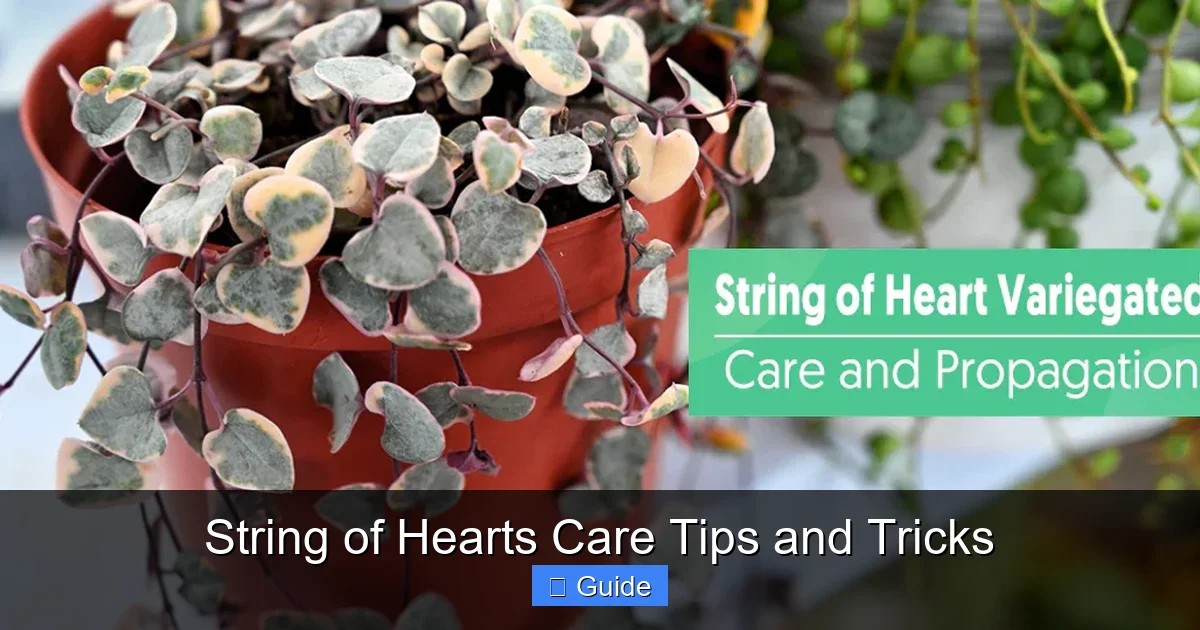
The string of hearts belongs to the Apocynaceae family. It is a caudiciform plant, meaning it stores water in a swollen base called a caudex. The vines can reach impressive lengths. In ideal conditions, they grow several feet long. The leaves are small, fleshy, and shaped like perfect hearts. They display a beautiful marbled pattern of green and silver. The undersides often show a lovely purple hue.
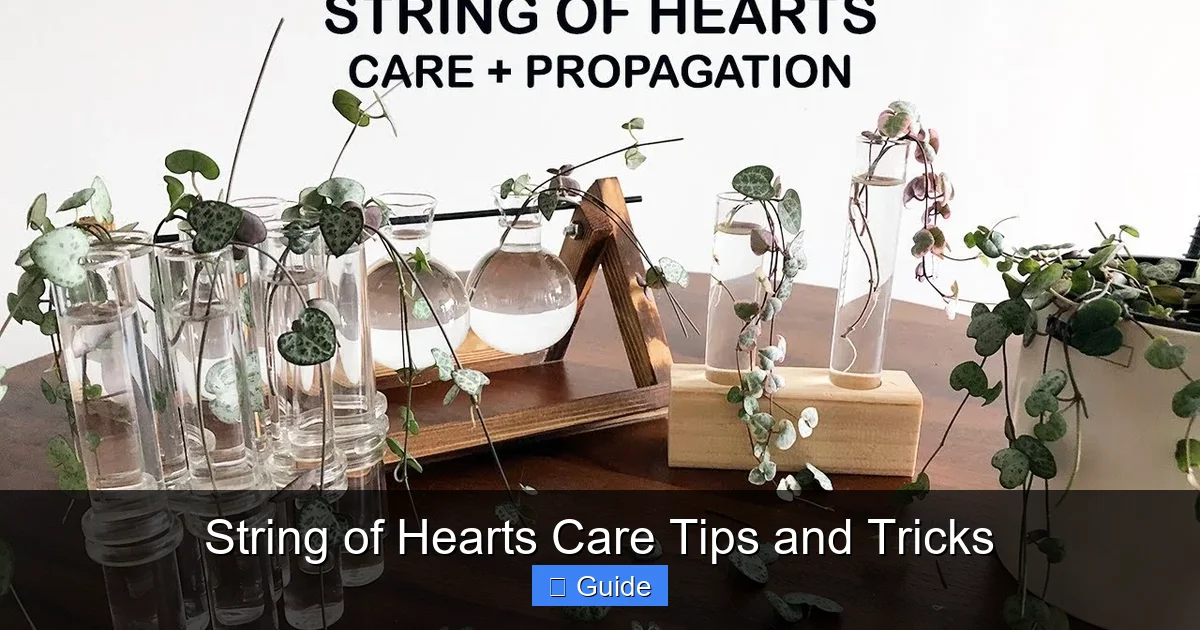
Visual guide about String of Hearts Care Tips and Tricks
Image source: i.ytimg.com
One fascinating feature is the aerial tubers. These look like small beads along the vines. They are actually miniature caudexes. Each one can grow into a new plant. This makes propagation incredibly easy. The flowers are unusual too. They resemble tiny lanterns or parachutes. They appear in late summer to fall. The blooms are pale pink to magenta with a bulbous base.
Varieties You Might Encounter
The standard Ceropegia woodii is the most common. However, several cultivars exist. The ‘Variegata’ variety shows cream and pink variegation on the leaves. It needs brighter light to maintain those colors. The ‘Silver Glory’ has larger leaves with more pronounced silver markings. There is also a ‘Orange River’ variety with orange-tinted leaves. All varieties share the same basic care requirements. The variegated types just demand a bit more light.
Growth Habits and Expectations
This plant grows actively in spring and summer. Growth slows significantly in fall and winter. Do not panic if your plant seems dormant during cold months. That is normal. The vines grow from the crown outward. New growth emerges from the soil line. Over time, the base can become woody. This is natural. A mature plant develops a thick, gnarled caudex above the soil. It adds character and shows age.
Light Requirements for Optimal Growth
Finding the Sweet Spot
Light is the single most important factor. The string of hearts craves bright, indirect light. Think of the dappled shade under a tree in its native habitat. A south-facing window with a sheer curtain is perfect. West-facing windows work well too. East-facing windows can suffice if the plant sits right against the glass. North-facing windows generally do not provide enough intensity.
Insufficient light causes several problems. The vines become leggy and stretched. The space between leaves increases. This is called etiolation. The beautiful silver marbling fades. The leaves turn a solid, dull green. Variegated varieties lose their cream and pink coloring. The plant becomes weak and prone to pests. If you only have low light, consider a grow light. A full-spectrum LED positioned 12-18 inches above the plant works wonders.
Can It Handle Direct Sun?
Morning sun is generally safe. A few hours of gentle early light can actually boost growth. However, harsh afternoon sun will scorch the leaves. You will see brown, crispy patches. The delicate hearts are not built for intense UV exposure. If you move your plant outdoors for summer, acclimate it slowly. Start in full shade. Gradually introduce dappled light over two weeks. Never place it in direct midday sun.
Signs Your Light Is Right
Happy string of hearts shows compact growth. The leaves are close together on the vine. The silver marbling is vivid and distinct. Variegated types maintain their colorful edges. The vines grow vigorously during the growing season. You might even see those quirky lantern flowers. If your plant looks like this, congratulations. You have nailed the lighting.
Mastering the Art of Watering
The Golden Rule: Dry Before Wet
Overwatering kills more string of hearts than anything else. This plant stores water in its leaves, stems, and caudex. It is drought-tolerant by nature. The soil must dry out completely between waterings. Not just the top inch. The entire pot should be dry. Stick your finger deep into the drainage hole. If you feel any moisture, wait. A moisture meter can help if you are unsure.
When you do water, water thoroughly. Pour water until it runs freely from the drainage holes. This ensures the entire root ball gets hydrated. It also flushes out accumulated salts. Never let the pot sit in standing water. Empty the saucer immediately. Bottom watering works well too. Place the pot in a bowl of water for 15-20 minutes. The soil will wick up moisture from below. This method prevents water from sitting on the leaves.
Seasonal Watering Adjustments
Your watering schedule must change with the seasons. In spring and summer, the plant grows actively. It uses water faster. You might water every 7-10 days. In fall, reduce frequency. In winter, water sparingly. Once every 3-4 weeks may be enough. The plant is essentially dormant. Cold, wet soil is a recipe for root rot. Always check the soil rather than following a rigid calendar.
Water Quality Matters
Tap water is usually fine. However, very hard water can leave mineral deposits on leaves. If you see white crust on the soil or leaf tips, switch to filtered or rainwater. Room temperature water is best. Cold water shocks the roots. Let your watering can sit overnight. This also allows chlorine to dissipate. Some enthusiasts swear by distilled water. It is not strictly necessary but certainly won’t hurt.
Reading the Leaves
The leaves are your best watering indicator. Plump, firm leaves mean the plant is well-hydrated. Soft, pliable leaves that fold easily signal thirst. Shriveled, wrinkled leaves mean severe dehydration. Yellow, mushy leaves indicate overwatering. Black spots on leaves or stems suggest rot. Learn to read these signs. They are more reliable than any schedule.
Soil and Potting Essentials
The Perfect Soil Mix
Drainage is everything. Standard potting soil retains too much moisture. You need a gritty, fast-draining mix. A commercial cactus or succulent mix works as a base. But it often needs amendment. Add perlite, pumice, or coarse sand. Aim for a 1:1 ratio of organic to inorganic material. Some growers use 50% succulent mix, 25% perlite, 25% orchid bark. This creates air pockets around the roots. Oxygen is just as important as water.
You can make your own blend. Mix two parts potting soil, one part perlite, one part pumice. Add a handful of horticultural charcoal. It helps prevent fungal issues. Worm castings provide gentle nutrition. Avoid peat-heavy mixes. Peat becomes hydrophobic when dry. It repels water instead of absorbing it. Coconut coir is a better organic component. It rewets easily and drains well.
Choosing the Right Pot
Terracotta is the gold standard. The porous clay wicks moisture away from the roots. It breathes. This dramatically reduces rot risk. Plastic pots work too, but you must be extra careful with watering. Ensure any pot has ample drainage holes. One hole is not enough. Look for multiple holes or a mesh bottom. Shallow pots are better than deep ones. The root system is relatively shallow. A deep pot holds excess wet soil at the bottom.
When and How to Repot
Repot every 2-3 years in spring. Signs it is time: roots circling the bottom, soil breaking down, water running straight through without absorbing. Choose a pot only one size larger. Too much extra soil stays wet too long. Gently remove the plant. Shake off old soil. Inspect roots. Trim any black, mushy ones. Place in fresh mix. Do not water for 5-7 days after repotting. This lets damaged roots callous over.
Top Dressing for Health and Looks
A layer of small pebbles or crushed granite on the soil surface helps. It prevents perlite from floating when watering. It keeps the caudex dry. It looks attractive. It also deters fungus gnats. They cannot lay eggs in the inorganic layer. Just ensure the top dressing does not stay soggy. It should dry quickly after watering.
Temperature and Humidity Preferences
Ideal Temperature Range
The string of hearts prefers temperatures between 65-80°F (18-27°C). It tolerates brief dips to 50°F (10°C). Frost will kill it. In summer, it enjoys being outdoors in a shaded spot. Bring it in before night temperatures drop below 55°F (13°C). Avoid placing it near heating vents, radiators, or drafty windows. Sudden temperature fluctuations stress the plant. Consistent warmth promotes steady growth.
Winter Cooling for Flowers
Here is a pro tip. A cool, dry winter rest encourages blooming. Aim for 55-60°F (13-15°C) for 6-8 weeks in winter. Reduce watering drastically during this period. The plant needs this rest period to set flower buds. Many indoor plants never bloom because they stay warm year-round. If you have a cool, bright room, use it. An unheated sunroom or spare bedroom works perfectly.
Humidity: Not a Major Concern
Average household humidity (30-50%) is fine. This plant does not need high humidity. In fact, high humidity with poor airflow invites fungal problems. Good air circulation is more important. A gentle fan on low setting helps. It strengthens stems and prevents stagnant air. Do not mist the leaves. Water sitting in the leaf crevices causes rot. If your air is extremely dry, a humidifier nearby is okay. But it is rarely necessary.
Propagation: Multiply Your Collection
Water Propagation from Cuttings
This is the most popular method. Take 4-6 inch cuttings. Use clean, sharp scissors. Cut just below a node. Remove the bottom 2-3 leaves. Place the cuttings in a jar of water. Nodes must be submerged. Leaves stay above water. Change the water weekly. Roots appear in 2-4 weeks. Once roots are an inch long, pot them up. Use the same soil mix as the mother plant. Keep slightly moist for the first two weeks.
Soil Propagation Direct
Skip the water step entirely. Take cuttings as described. Let the cut ends callous for 24 hours. This prevents rot. Lay the cuttings on moist soil. Pin them down with floral pins or bent paperclips. Nodes must contact the soil. Cover with a clear plastic bag or dome. This creates a mini greenhouse. Vent daily. Roots form in 3-5 weeks. This method produces stronger roots adapted to soil immediately.
The Magic of Aerial Tubers
Those bead-like structures on the vines are propagation gold. Each tuber can become a new plant. In nature, they drop and root where they land. You can mimic this. Gently press a tuber into moist soil while still attached to the mother plant. Pin it down. Keep the soil lightly moist. Roots will emerge from the tuber. Once established, snip the connecting vine. You now have a clone with a head start. It already has energy storage.
Butterfly Method for Fuller Pots
Want a bushy plant fast? Use the butterfly method. Take a long vine. Cut it into 2-inch segments. Each segment needs one node and one pair of leaves. Lay them flat on soil like butterflies. Pin each segment down. The node roots. The leaves photosynthesize. Every segment becomes a new vine. Plant many in one pot. You get instant fullness. This works best in spring during active growth.
Seed Propagation: The Patient Approach
If your plant flowers and produces seed pods, you can grow from seed. The pods look like long horns. They split open when ripe. Seeds have silky parachutes. Sow fresh seeds on moist succulent mix. Do not cover them. They need light to germinate. Keep warm (75°F/24°C) and humid. Germination takes 2-8 weeks. Seedlings grow slowly at first. This method yields genetic variation. Fun for experimenters.
Fertilizing for Lush Growth
Less Is More
The string of hearts is a light feeder. Too much fertilizer burns the roots. It causes weak, leggy growth. Use a balanced, water-soluble fertilizer. Dilute to half or quarter strength. A 10-10-10 or 20-20-20 formula works. Fertilize only during active growth. Once a month in spring and summer. Stop completely in fall and winter. The plant cannot use nutrients while dormant. Excess salts accumulate and damage roots.
Organic Options
Worm castings are excellent. Mix a tablespoon into the top inch of soil in spring. It releases nutrients slowly. Fish emulsion works too. Dilute heavily. It smells strong but plants love it. Seaweed extract provides micronutrients and growth hormones. Apply as a foliar spray monthly. Avoid slow-release fertilizer pellets. They can release nutrients at the wrong time. You lose control.
Signs of Nutrient Issues
Pale, small leaves suggest nitrogen deficiency. Purple leaf undersides can indicate phosphorus need (or just genetics). Yellowing between leaf veins points to magnesium or iron. But check light and water first. Most “deficiencies” are actually cultural issues. Flush the soil occasionally. Run water through for several minutes. This prevents salt buildup from fertilizer and tap water.
Common Problems and Solutions
Root Rot: The Silent Killer
Root rot is the number one cause of death. It starts at the roots and moves up. By the time you see symptoms above ground, it is advanced. Signs: yellowing leaves, mushy stems, black spots, foul smell from soil. The caudex may feel soft. If caught early, you can save it. Unpot the plant. Wash all soil off roots. Cut away all black, mushy roots with sterilized scissors. Let the plant air dry for 24 hours. Repot in fresh, dry mix. Do not water for a week.
Mealybugs: Cottony Invaders
Mealybugs love the nooks of this plant. They hide where leaves meet stems. They look like tiny bits of white cotton. They suck sap and weaken the plant. Honeydew excretion leads to sooty mold. Isolate infected plants immediately. Dip a cotton swab in 70% isopropyl alcohol. Touch each bug. It dissolves their coating. Repeat weekly until gone. For heavy infestations, spray neem oil or insecticidal soap. Cover all surfaces. Treat every 7 days for 3 weeks.
Spider Mites: Microscopic Menace
Spider mites thrive in dry, warm conditions. They are barely visible. Look for fine webbing on leaf undersides. Leaves develop tiny yellow stippling. Eventually they bronze and drop. Increase humidity slightly. Spray the plant with a strong jet of water. This dislodges many mites. Follow with neem oil or horticultural oil. Repeat weekly. Predatory mites are a biological option for large collections.
Aphids on New Growth
Aphids target tender new shoots. They cluster on stems and leaf undersides. They come in green, black, orange. They reproduce rapidly. Blast them off with water. Spray with insecticidal soap. Ladybugs eat them voraciously. Check nearby plants. Aphids spread fast. Ants farm aphids for honeydew. Control ants too.
Leaf Drop and Legginess
Sudden leaf drop usually means shock. Recent move? Temperature change? Overwatering? Underwatering? Identify the trigger. Leggy growth with wide leaf spacing means insufficient light. Move to a brighter spot. Prune leggy vines. This encourages branching from the base. The cuttings can be propagated. Nothing goes to waste.
Shriveling Despite Watering
If leaves shrivel but soil is wet, roots are likely dead. The plant cannot uptake water. Check roots immediately. If roots are gone, propagate healthy vine sections. The caudex might resprout if the top is removed. But do not count on it. Prevention through proper watering is far easier than rescue.
Edema: Corky Bumps on Leaves
Small, corky bumps on leaf undersides are edema. It happens when roots absorb water faster than leaves transpire. Cells burst. It is cosmetic, not fatal. Reduce watering frequency. Increase airflow. Ensure the plant is not sitting in a saucer of water. New growth will be clean.
Pruning and Maintenance
Why Prune?
Pruning keeps the plant full and shapely. It removes dead or damaged growth. It encourages branching. A single vine becomes two at the cut point. This creates density. Prune in spring at the start of the growing season. Use clean, sharp scissors. Cut just above a node. The plant will bleed a white sap. This is normal. It seals quickly.
Managing Long Vines
Vines can reach 6-10 feet. That is a lot of trailing. If they get too long, chop them back. You can loop long vines back onto the soil surface. Pin them down. They will root and fill in the pot. This is a great way to thicken a sparse plant. Or let them cascade dramatically from a high shelf. The choice is aesthetic.
Cleaning the Leaves
Dust blocks light. Gently wipe leaves with a damp, soft cloth. Support each leaf from underneath. Do not use leaf shine products. They clog pores. A soft makeup brush works for dusting. Compressed air (canned air for electronics) blows dust off delicately. Clean leaves photosynthesize better. They also look more vibrant.
Seasonal Care Calendar
Spring: Wake Up and Grow
March through May is prime time. Increase watering as growth resumes. Start fertilizing monthly. Repot if needed. Take cuttings for propagation. Move to brighter light if winter was dim. Check for pests that may have overwintered. This is the best time for any major interventions.
Summer: Maintain and Enjoy
June through August brings vigorous growth. Water when dry. Fertilize monthly. Watch for pests. Outdoor plants need shade protection. Indoor plants may need more frequent watering due to AC drying the air. Enjoy the flowers if they appear. They are a sign of excellent care.
Fall: Prepare for Rest
September through November signals slowing down. Reduce watering frequency. Stop fertilizing by October. Bring outdoor plants inside before nights drop below 55°F. Inspect thoroughly for hitchhiking pests. Quarantine for two weeks. This prevents infestations spreading to other houseplants.
Winter: Rest and Recharge
December through February is dormancy. Water sparingly. Once a month may suffice. No fertilizer. Provide bright light. Cool temperatures (55-60°F) encourage future blooms. Do not repot. Do not propagate. Just let it be. Resist the urge to fuss. The plant is storing energy for spring.
Design and Display Ideas
Hanging Baskets: Classic Elegance
A hanging basket shows off the trailing habit beautifully. Choose a lightweight pot. The vines get heavy when mature. Macramé hangers add boho charm. Ensure the hook is secure. Rotate the basket weekly for even light exposure. This prevents all growth on one side.
High Shelves and Ledges
Place the pot on a high shelf. Let vines cascade down a wall. This creates a living curtain. Use clear command hooks to guide vines if desired. They stick without damage. The effect is dramatic. Just ensure you can reach it for watering. A watering can with a long spout helps.
Terrariums and Glass Containers
Open terrariums work well. Closed terrariums are too humid. Use a wide-mouth glass vessel. Layer gravel, charcoal, then soil mix. Plant near the front so vines spill over the edge. The glass magnifies the delicate hearts. It is a stunning centerpiece.
Mixed Planters
Combine with other succulents. Haworthia, Gasteria, and small Echeveria share similar needs. The string of hearts acts as a “spiller” in the thriller-filler-spiller design. Ensure all plants have the same water requirements. Do not mix with moisture-loving tropicals.
Training on a Trellis
Train vines up a small trellis or hoop. This creates a vertical element. Gently weave vines through the structure. Use soft plant ties if needed. The hearts display beautifully against a geometric frame. It saves horizontal space too.
Troubleshooting FAQ Quick Reference
Why Are My Leaves Turning Yellow?
Yellow leaves usually mean overwatering. Check the soil. If wet, stop watering. Let it dry completely. If the soil is dry, it could be underwatering or nutrient deficiency. Yellow leaves at the base are often natural aging. The plant sheds old leaves. A few yellow leaves are normal. Many yellow leaves signal a problem.
Why Are the Leaves Curling?
Curling leaves typically indicate thirst. The plant conserves moisture by reducing leaf surface area. Water thoroughly. They should plump up in 24 hours. If they do not, check roots. Root damage prevents water uptake. Curling can also happen from extreme heat or cold drafts.
Why Is My Plant Not Growing?
No growth in spring/summer means something is off. Check light first. Is it bright enough? Check roots. Is it root-bound? Check soil. Has it broken down? Check temperature. Is it too cold? Fertilize if you have not. Sometimes a small pot refresh jumpstarts growth.
Why Are the Vines Bare at the Top?
This is common. The plant puts energy into the tips. The base becomes woody and leafless. Prune the long vines. This forces branching at the crown. Loop vines back onto soil to fill gaps. Accept that a mature plant has a woody base. It is character, not a flaw.
Can I Grow String of Hearts Outdoors?
Yes, in zones 10-11 it grows year-round outdoors. In cooler zones, summer outdoors is great. Acclimate slowly. Morning sun only. Bring in before frost. Outdoor plants often grow faster and flower better. Just watch for pests. Slugs and snails love the tender leaves.
Advanced Tips for Enthusiasts
Encouraging Caudex Development
The caudex is the swollen base. It stores water and nutrients. A large caudex is a badge of honor. To encourage it, do not bury the caudex when repotting. Keep it above the soil line. Slightly under-pot the plant. Root restriction stimulates caudex growth. Be patient. It takes years.
Creating a Mother Plant
Designate one plant as your mother plant. Keep it in optimal conditions. Use it solely for cuttings. Do not let it get pot-bound. Fertilize regularly. Prune to encourage many vines. A healthy mother plant yields endless babies. Share with friends. Trade for other plants. Build your community.
Hydroponic and Semi-Hydro Culture
Some growers use LECA (clay pebbles) or pon. The roots grow in the inorganic medium. A nutrient solution provides food. A water reservoir maintains moisture. This eliminates soil pests. It makes watering foolproof. The water level indicator shows exactly when to refill. Transition carefully. Soil roots must be completely removed. New water roots will form.
Grow Light Setups
If natural light is limited, invest in grow lights. Full-spectrum white LEDs are best. Look for 4000K-6500K color temperature. 20-30 watts per square foot. Run lights 12-14 hours daily. Use a timer. Position lights 12-18 inches above the plant. Adjust as the plant grows. A simple shelf setup with strip lights works perfectly.
Conclusion
Caring for a string of hearts is a journey of observation and adjustment. This resilient plant rewards attention with breathtaking trails of hearts. Remember the core principles: bright indirect light, thorough but infrequent watering, fast-draining soil, and good airflow. Everything else builds on this foundation.
Do not be afraid to experiment. Try different propagation methods. Move the plant until it looks happy. Prune boldly. The string of hearts is forgiving. It wants to grow. It wants to cascade. It wants to fill your space with living hearts. With these string of hearts care tips and tricks in your toolkit, you are well-equipped for success. Your vines will grow long. Your caudex will swell. Your flowers will bloom. And your heart will swell with pride every time you walk past those delicate trailing strands.
Happy growing. May your string of hearts thrive and multiply.
Frequently Asked Questions
Is string of hearts toxic to cats and dogs?
String of hearts is generally considered non-toxic to cats and dogs. However, ingestion of any plant material may cause mild gastrointestinal upset. It is best to keep plants out of reach of curious pets.
Why is my string of hearts flowering?
Flowering is a sign of a mature, happy plant. Cool winter temperatures (55-60°F) and bright light trigger bloom. The lantern-shaped flowers appear in late summer to fall. Enjoy them—they are a reward for good care.
Can I grow string of hearts in water permanently?
String of hearts can root and survive in water for months, but it will not thrive long-term. It needs nutrients and oxygen that soil provides. Transfer rooted cuttings to soil for a healthy, permanent plant.
What causes the leaves to lose their silver pattern?
Loss of the silver marbling indicates insufficient light. The plant produces more chlorophyll (green pigment) to capture more light. Move to a brighter location to restore the beautiful variegation.
How fast does string of hearts grow?
In ideal conditions, vines can grow several inches per month during the active growing season (spring through summer). Growth slows or stops in winter. A mature plant can have vines 6-10 feet long.
Should I mist my string of hearts?
No, do not mist string of hearts. Water sitting in the leaf crevices and on the caudex promotes rot and fungal issues. This plant prefers dry air and good airflow over humidity.