Can Coral Bells Be Planted in the Fall
Yes, coral bells can be planted in the fall and often establish better than spring plantings. Fall planting gives roots time to settle before winter, leading to vigorous growth when spring arrives.
If you’ve been eyeing those gorgeous coral bells at the garden center but wonder if you missed the planting window, I have great news. The answer to can coral bells be planted in the fall is a resounding yes. In fact, many experienced gardeners prefer fall planting for these shade-loving perennials. Let me walk you through everything you need to know to get your Heuchera off to the best possible start.
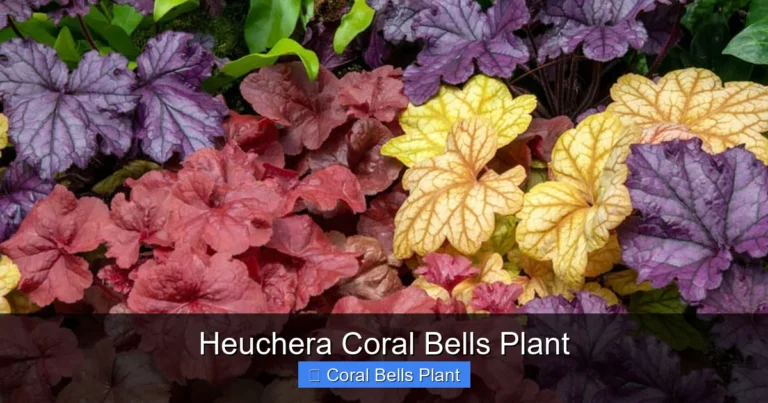
Coral bells, botanically known as Heuchera, have exploded in popularity over the last couple of decades. Plant breeders have given us an incredible rainbow of foliage colors from deep purple and caramel to lime green and silver. But beneath all that showy foliage lies a tough, adaptable plant that handles fall planting beautifully. The cooler temperatures and reliable rainfall of autumn create near-perfect conditions for root establishment.
Key Takeaways
- Fall is ideal: Cool temperatures and consistent moisture help coral bells establish strong root systems before winter dormancy.
- Timing matters: Plant 6-8 weeks before your first hard frost date for best results.
- Soil preparation is key: Amend soil with compost for drainage and nutrients that Heuchera loves.
- Mulch for protection: Apply 2-3 inches of mulch after planting to insulate roots through winter.
- Water consistently: Keep soil evenly moist until the ground freezes, even after foliage dies back.
- Choose the right variety: Select cold-hardy cultivars suited to your USDA zone for winter survival.
- Spring reward: Fall-planted coral bells emerge earlier and bloom more prolifically in their first full season.
Quick Answers to Common Questions
Can coral bells be planted in the fall in zone 5?
Yes, plant in zone 5 by mid-September to allow 6-8 weeks before hard frost for root establishment.
How late in fall can you plant coral bells?
Plant at least 6 weeks before your average first hard frost date (28°F), typically late October in most regions.
Do coral bells need winter protection after fall planting?
Apply 2-3 inches of mulch after the ground freezes to prevent frost heave and insulate roots through winter.
Should I fertilize coral bells when planting in fall?
No, avoid fertilizing fall-planted coral bells. The compost in the planting hole provides sufficient nutrients for root establishment.
Will fall-planted coral bells bloom the first spring?
Yes, fall-planted coral bells typically bloom in their first spring since they establish roots over winter.
📑 Table of Contents
- Why Fall Planting Works So Well for Coral Bells
- When Exactly Should You Plant Coral Bells in Fall?
- Preparing the Perfect Planting Site
- Step-by-Step Fall Planting Guide
- Fall Care After Planting
- Choosing the Best Varieties for Fall Planting
- Common Fall Planting Mistakes to Avoid
- What to Expect Next Spring
- Companion Planting for Fall-Planted Coral Bells
- Troubleshooting Fall-Planted Coral Bells
- Conclusion
Why Fall Planting Works So Well for Coral Bells
The Root Establishment Advantage
When you plant coral bells in fall, the plant puts its energy into root growth rather than top growth. The soil stays warm long after air temperatures drop, encouraging roots to expand into the surrounding earth. This head start means your plants hit the ground running when spring arrives. They don’t waste precious growing season establishing roots — they’re ready to push out fresh foliage and flower spikes as soon as temperatures climb.
Spring-planted coral bells often struggle with the sudden transition from nursery pot to garden bed right before summer heat hits. Fall planting avoids this stress entirely. The plant goes dormant naturally, rests through winter, and wakes up in its permanent home ready to perform.
Natural Moisture and Cooler Temperatures
Autumn typically brings more consistent rainfall than spring or summer in most regions. This natural irrigation keeps the soil evenly moist — exactly what coral bells need during establishment. You’ll spend less time dragging hoses around and more time enjoying your garden. The cooler air temperatures also reduce transplant shock. The plant loses less water through its leaves while its root system is still limited.
Less Pest and Disease Pressure
Many common garden pests and fungal diseases wind down their activity in fall. Planting coral bells now means they face fewer challenges during their vulnerable establishment period. By the time pests become active again in spring, your plants will be well-established and better able to withstand minor damage.
When Exactly Should You Plant Coral Bells in Fall?
The Golden Rule: 6-8 Weeks Before Hard Frost
The most common question after can coral bells be planted in the fall is “when exactly?” The answer depends entirely on your local climate. You want to plant early enough that roots establish before the ground freezes solid, but late enough that you avoid late summer heat waves. Six to eight weeks before your average first hard frost date (28°F or colder) is the sweet spot.
In northern zones (3-5), this often means late August through September. Gardeners in zones 6-7 typically plant in September through October. Those in warmer zones 8-9 can often plant well into November. Check with your local extension office for precise frost dates in your area.
Reading Nature’s Signals
If you’re not sure about frost dates, watch for natural indicators. When deciduous trees start showing fall color but haven’t dropped all their leaves yet, soil temperatures are usually still perfect for root growth. When you see neighbors planting spring bulbs like tulips and daffodils, that’s your cue — coral bells can go in at the same time.
Regional Planting Windows
Let me break this down by general regions. In the Northeast and Midwest, aim for Labor Day through mid-October. The Pacific Northwest has a long fall planting window — September through November works well. Southern gardeners can plant October through December in many areas. The Southwest varies wildly by elevation, but generally October through November is safe. Always adjust for your specific microclimate.
Preparing the Perfect Planting Site
Light Requirements: Not All Shade Is Equal
Coral bells are famous shade plants, but they need some light to develop their best foliage color. Morning sun with afternoon shade is ideal for most varieties. Deep, dense shade often leads to leggy growth and dull colors. Full sun in hot climates scorches the leaves. In cooler northern zones, many varieties tolerate more sun — even full sun — if moisture is consistent.
Observe your proposed planting spot throughout the day. How many hours of direct sun does it get? When does it hit? This matters more than the generic “shade” label on plant tags. A spot with four hours of gentle morning light outperforms one with two hours of harsh afternoon blast every time.
Soil Preparation: The Foundation of Success
Heuchera hates wet feet. They need well-draining soil rich in organic matter. Before planting, work 2-3 inches of compost into the top 8-10 inches of soil. This improves drainage in clay and moisture retention in sand — a win-win. If your soil is heavy clay, consider creating a slightly raised bed or mound for each plant to ensure water moves away from the crown.
Test your soil pH if you can. Coral bells prefer slightly acidic to neutral soil (6.0-7.0). Most garden soils fall in this range naturally, but it’s worth checking if you’ve had issues with other perennials. Amend with sulfur to lower pH or lime to raise it based on test results.
Spacing for Air Flow and Future Growth
Space plants 12-18 inches apart depending on the mature size of your variety. Check the plant tag — some newer cultivars stay compact at 8-10 inches while others spread to 24 inches. Proper spacing prevents fungal issues by promoting air circulation. It also saves you from dividing crowded clumps in just a couple of years.
Step-by-Step Fall Planting Guide
Before You Plant: Hydrate and Inspect
Water your potted coral bells thoroughly a few hours before planting. This reduces transplant shock and makes the root ball easier to work with. Gently remove the plant from its pot and inspect the roots. If they’re circling the bottom, tease them apart with your fingers. This encourages outward growth into the surrounding soil rather than continuing the circular pattern.
Look for healthy white or light tan roots. Dark, mushy, or foul-smelling roots indicate rot — avoid planting those. If the plant is severely root-bound, make 3-4 vertical cuts 1/2 inch deep around the root ball with a clean knife. This sounds harsh but stimulates new root growth.
Planting Depth Is Critical
This is where many gardeners go wrong. Coral bells must be planted with the crown (where stems meet roots) at or slightly above soil level. Planting too deep leads to crown rot — the number one killer of Heuchera. Planting too high exposes roots to drying air. The top of the root ball should sit level with the surrounding soil, maybe a hair higher to account for settling.
Dig a hole twice as wide as the root ball but no deeper. Place the plant in the hole, check the depth, and adjust by adding or removing soil from the bottom. Backfill with your amended soil, firming gently around the roots to eliminate air pockets. Don’t stomp — just firm with your hands.
Water In Thoroughly
After planting, water slowly and deeply until the soil is saturated around the root zone. This settles the soil and ensures good root-to-soil contact. If the soil settles and exposes the crown, add a bit more soil and water again. Create a shallow basin around the plant to direct water to the roots during future watering.
Mulch for Winter Protection
Apply 2-3 inches of shredded leaves, pine straw, or bark mulch around the plant, keeping it pulled back an inch from the crown. This insulates the soil, moderates temperature swings, and conserves moisture. In very cold zones, you can increase this to 4 inches after the ground freezes. Remove excess mulch from the crown in early spring to prevent rot.
Fall Care After Planting
Watering Schedule Until Freeze-Up
This is crucial. Even after foliage dies back, roots continue growing until soil temperatures drop below 40°F. Water deeply once a week if rainfall is less than an inch. Check soil moisture by sticking your finger 2 inches deep — it should feel cool and damp, not soggy or bone dry. Stop watering only when the ground freezes solid.
Many gardeners make the mistake of stopping watering when the leaves die back. Don’t do this. The roots are still alive and working. A deep soaking before a hard freeze actually helps protect roots — moist soil holds heat better than dry soil.
Fertilizing: Just Say No
Do not fertilize fall-planted coral bells. You want the plant to focus on root growth, not tender new foliage that will just get killed by frost. The compost you worked into the planting hole provides all the nutrients needed for establishment. Wait until spring when new growth emerges to apply a light feeding of balanced, slow-release fertilizer.
Dealing with Frost Heave
In areas with freeze-thaw cycles, newly planted coral bells can get pushed out of the ground by frost heave. Check plants periodically through winter, especially after thaw periods. If you see the crown exposed, gently press the plant back into the soil and add more mulch. Don’t force it — if the ground is frozen solid, wait for a thaw.
Choosing the Best Varieties for Fall Planting
Cold-Hardy Champions for Northern Gardens
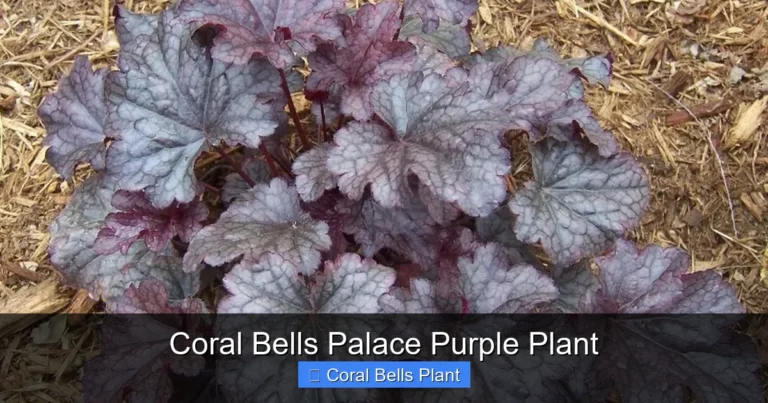
If you garden in zones 3-5, stick with varieties proven to handle serious cold. The ‘Palace Purple’ and ‘Dale’s Strain’ selections of Heuchera micrantha are bulletproof. ‘Berry Smoothie’, ‘Caramel’, and ‘Citronelle’ from the villosa species also show excellent cold tolerance. The ‘Forever’ series (Forever Purple, Forever Red) were bred specifically for vigor and hardiness.
Native species like Heuchera americana and Heuchera richardsonii are naturally adapted to harsh winters. Their cultivars retain this toughness while offering improved foliage colors. When in doubt, choose varieties with H. villosa or H. americana parentage — they’re the toughest of the bunch.
Heat-Tolerant Picks for Southern Gardens
Gardeners in zones 8-9 face different challenges — heat and humidity. Look for varieties with Heuchera villosa ‘Autumn Bride’ or ‘Brownies’ in their lineage. ‘Southern Comfort’, ‘Georgia Peach’, and ‘Peach Flambe’ handle southern summers beautifully. The ‘Carnival’ series was bred for heat and humidity tolerance.
In hot climates, fall planting is even more critical. It gives plants maximum time to establish before the stress of summer. Spring-planted coral bells in the Deep South often fail before they ever get established.
Container-Friendly Varieties
If you’re planting in pots for fall color, choose compact varieties like ‘Petite Pearl Fairy’, ‘Little Cutie’ series, or ‘Kassandra’. These stay under 10 inches tall and wide. Remember that containers freeze harder than ground soil — choose varieties rated at least one zone hardier than your area, or plan to move pots to a protected spot for winter.
Common Fall Planting Mistakes to Avoid
Planting Too Late
The biggest mistake is waiting too long. If you plant after the soil cools below 50°F consistently, roots won’t grow enough to anchor the plant before winter. This leads to frost heave, winter desiccation, and spring disappointment. When in doubt, plant earlier rather than later. It’s better to have a month of root growth than to gamble on a mild winter.
Ignoring Drainage
Fall often brings more rain. If your planting site doesn’t drain well, coral bells will rot. Test drainage by digging a 12-inch hole, filling with water, and timing how long it takes to drain. If it’s more than a few hours, you have a drainage problem. Fix it with raised beds, soil amendment, or choose a different spot. No amount of care compensates for wet feet.
Over-Mulching the Crown
Mulch is great. Mulch touching the crown is deadly. Crown rot develops quickly in the moist, dark environment under mulch. Always leave a 1-inch gap around the base of the plant. Check this gap periodically through winter — mulch shifts with wind and rain.
Skipping Water Before Freeze
I mentioned this earlier but it bears repeating. Dry roots freeze harder and die easier than hydrated roots. Water deeply before the first hard freeze forecast. This simple step dramatically improves winter survival, especially for newly planted specimens with limited root systems.
What to Expect Next Spring
Emergence Timeline
Fall-planted coral bells typically emerge 2-3 weeks earlier than spring-planted ones. You’ll see fresh leaves pushing through the mulch as soon as soil temperatures reach the mid-40s. Don’t panic if they look a bit ragged at first — winter wind can damage evergreen foliage. The plant will quickly push out pristine new growth.
First Season Performance
Your fall-planted coral bells should bloom in their first spring/summer. Flower spikes appear in late spring to early summer depending on variety. The foliage clump will be noticeably larger than a spring-planted counterpart. By season’s end, you’ll have a well-established plant ready to shine for years.
Division Timeline
Because they got a head start, fall-planted coral bells may need dividing a year sooner than spring-planted ones — typically year 3 instead of year 4. This is a good problem to have! Division rejuvenates the plant and gives you free plants for elsewhere in the garden or to share with friends.
Companion Planting for Fall-Planted Coral Bells
Spring Bulb Partners
Since you’re planting in fall anyway, tuck some spring bulbs around your coral bells. Snowdrops, crocus, and species tulips bloom before coral bells leaf out fully, then their foliage ripens as the Heuchera fills in. The coral bells hide the dying bulb foliage perfectly. It’s a classic combination for a reason.
Shade Garden Companions
Hostas, ferns, astilbe, and brunnera all share coral bells’ love of shade and moist, rich soil. Plant them together for a tapestry of texture and color. The fine texture of ferns contrasts beautifully with the bold, rounded leaves of Heuchera. Astilbe’s feathery plumes rise above the coral bells’ mounded form.
Ground Cover Combinations
Low creepers like ajuga, lamium, or sweet woodruff fill in around coral bells, suppressing weeds and keeping soil cool. Just ensure the ground cover isn’t so aggressive it smothers the Heuchera crown. Ajuga ‘Chocolate Chip’ and lamium ‘White Nancy’ are well-behaved choices.
Troubleshooting Fall-Planted Coral Bells
Leaves Turning Brown After Planting
Some leaf scorch or browning is normal after transplanting, especially if you planted during a warm spell. The roots can’t keep up with water demand yet. Keep soil consistently moist and provide temporary shade with a shade cloth or board on the south side if temperatures spike. New growth will be fine.
Plants Heaved Out of Ground
If frost heave exposes roots, don’t panic. Wait for a thaw, then gently replant at the correct depth. Add extra mulch. Consider a temporary windbreak of evergreen boughs stuck in the ground around the plant — this reduces freeze-thaw cycles at the soil surface.
No Sign of Life in Spring
Give them time. Coral bells can be slow to emerge, especially after a harsh winter. Wait until late spring before declaring them dead. Scratch the crown gently with a fingernail — green tissue underneath means it’s alive. If it’s brown and mushy, the plant didn’t make it. Learn from it and try again with a hardier variety or better drainage.
Conclusion
So, can coral bells be planted in the fall? Absolutely, and you should absolutely do it. Fall planting gives these wonderful perennials the best possible start in your garden. The combination of warm soil, cool air, natural moisture, and reduced pest pressure creates ideal establishment conditions that spring simply can’t match.
Remember the key points: plant 6-8 weeks before hard frost, prepare well-draining soil rich in organic matter, plant at the correct depth with the crown slightly high, water consistently until the ground freezes, and mulch properly without burying the crown. Choose varieties suited to your climate zone, and you’ll be rewarded with vigorous, colorful plants that emerge early and bloom beautifully in their very first season.
Don’t let those end-of-season garden center sales go to waste. Grab some coral bells, get them in the ground this fall, and next spring you’ll wonder why you ever waited for spring planting. Your shade garden will thank you with a tapestry of color that starts earlier and lasts longer than you thought possible.
Frequently Asked Questions
Can coral bells be planted in the fall in containers?
Yes, coral bells can be fall-planted in containers. Choose a pot with drainage holes, use high-quality potting mix, and select varieties rated at least one zone hardier than your area. Move containers to a protected spot like an unheated garage in zones 5 and colder.
What is the latest month to plant coral bells in fall?
The latest planting month depends on your zone. Zones 3-4: September. Zones 5-6: October. Zones 7-8: November. Zones 9+: December. Always count back 6-8 weeks from your first hard frost date rather than relying on calendar months.
Do coral bells stay evergreen through winter after fall planting?
In mild climates (zones 7+), coral bells often remain evergreen. In colder zones, foliage typically dies back to the crown after hard freezes. This is normal — the roots stay alive and push new growth in spring. Don’t remove dead foliage until spring as it provides some winter protection.
How often should I water fall-planted coral bells?
Water deeply once a week if rainfall is less than 1 inch, continuing until the ground freezes solid. Check soil moisture 2 inches deep — it should feel consistently damp. Reduce frequency in cooler, rainy periods but never let the root ball dry out completely before freeze-up.
Can I divide coral bells in the fall instead of planting new ones?
Fall division works well for established coral bells (3+ years old). Divide 6-8 weeks before frost, ensuring each division has healthy roots and 3-5 shoots. Replant immediately at the same depth. Fall-divided plants establish similarly to new nursery plants.
What soil amendments do coral bells need for fall planting?
Work 2-3 inches of compost into the top 8-10 inches of soil. This improves drainage in clay and moisture retention in sand. Avoid fresh manure or high-nitrogen fertilizers. If soil is very acidic (below 6.0), add lime. If very alkaline (above 7.0), add sulfur or peat moss.