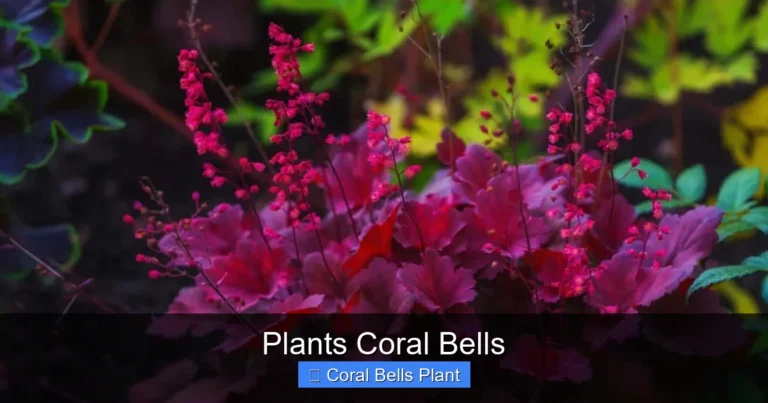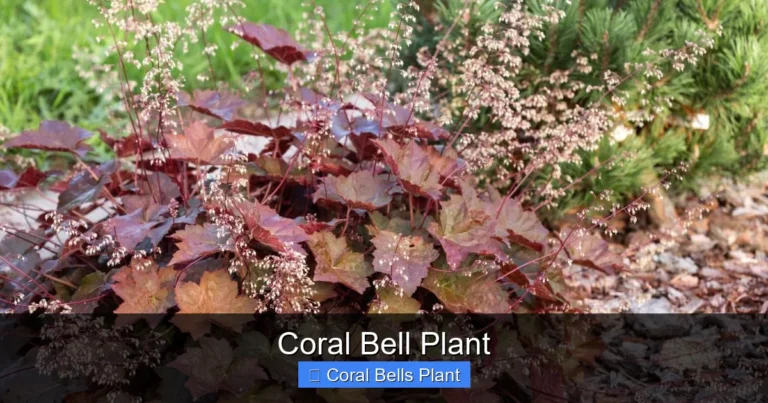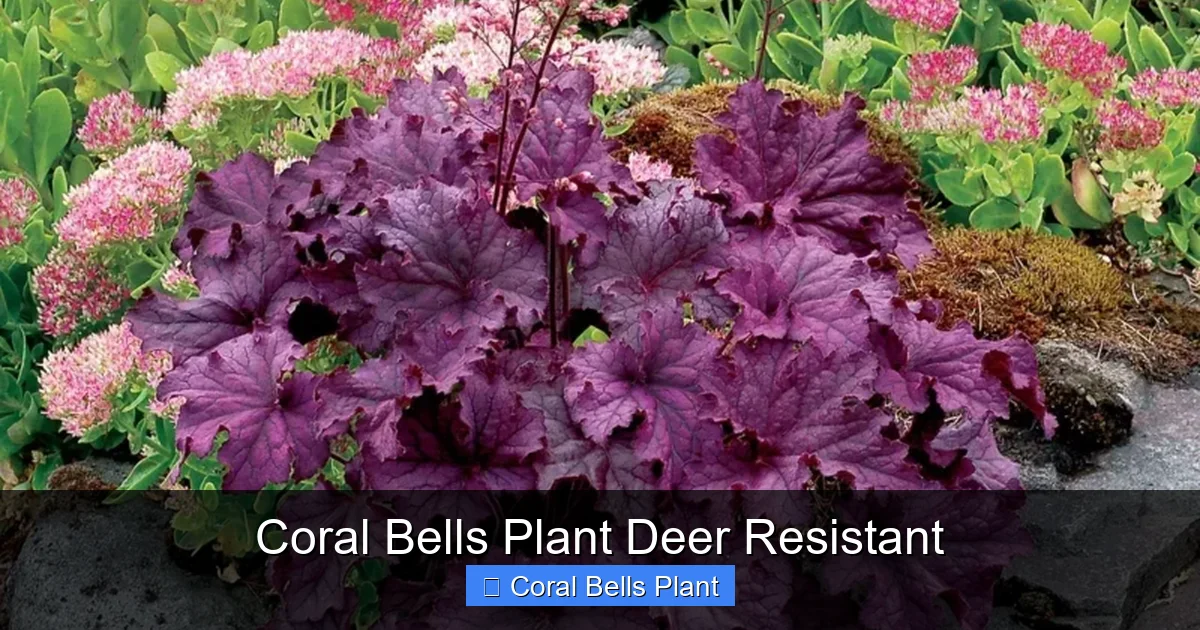
Coral Bells Plant Deer Resistant
Coral bells are a top choice for gardeners seeking a coral bells plant deer resistant perennial that adds color and texture. These hardy plants deter deer with bitter foliage and thrive in shade to part sun.
Welcome to the guide on coral bells plant deer resistant gardening. This article shares simple tips for a beautiful garden that deer ignore.
Coral bells plant deer resistant perennials add color and texture. They are easy to grow and need little care.
Read on to learn why deer avoid these plants and how to use them in your yard.
Key Takeaways
- Deer avoid coral bells: The foliage contains bitter compounds that deer dislike.
- Many varieties are highly resistant: Look for cultivars like ‘Palace Purple’, ‘Caramel’, and ‘Obsidian’.
- Proper planting boosts resistance: Well‑drained soil, adequate spacing, and mulch reduce stress.
- Companion plants increase protection: Pair with lavender, sage, or ornamental grasses.
- Low maintenance once established: Minimal watering and pruning keep the plant healthy.
- Versatile design element: Works in borders, containers, and shade gardens.
- Watch for pests and disease: Early detection prevents damage.
Quick Answers to Common Questions
What makes coral bells deer resistant?
Coral bells contain bitter alkaloids and have a rough leaf texture that deer dislike.
Which coral bells variety is most deer resistant?
‘Palace Purple’, ‘Caramel’, and ‘Obsidian’ are top performers in deer‑heavy areas.
Can coral bells grow in full sun?
Most prefer partial shade, but ‘Caramel’ tolerates more sun if kept moist.
How often should I water established coral bells?
Water deeply once a week during dry spells; they are drought tolerant once established.
Do I need to fertilize coral bells every year?
A light application of balanced slow‑release fertilizer in spring is sufficient.
📑 Table of Contents
Why Deer Avoid Coral Bells
Chemical Defenses
Coral bells plant deer resistant leaves contain bitter alkaloids. Deer taste the bitterness and move on. The chemicals stay in the foliage all season.
Research shows deer reject plants with high alkaloid levels. This makes coral bells plant deer resistant a smart choice.
Physical Leaf Traits
The leaves are ruffled and sometimes hairy. Deer find the texture unpleasant. They prefer smooth tender leaves.
This physical barrier adds to the chemical defense. Together they keep deer away.
Seasonal Palatability
In spring new growth is soft but still bitter. In summer leaves toughen. In fall the plant stores energy in roots. Deer learn to avoid it year round.
Seasonal changes do not reduce the deer resistance of coral bells plant deer resistant varieties.
Research Evidence
University trials rank coral bells plant deer resistant among the top ten deer proof perennials. Gardeners report few bites even in high pressure areas.
These studies give confidence for planting in deer heavy zones.
Top Deer‑Resistant Varieties
Heuchera ‘Palace Purple’
‘Palace Purple’ shows deep burgundy foliage. It forms a neat mound about twelve inches tall. This coral bells plant deer resistant cultivar holds color all season.
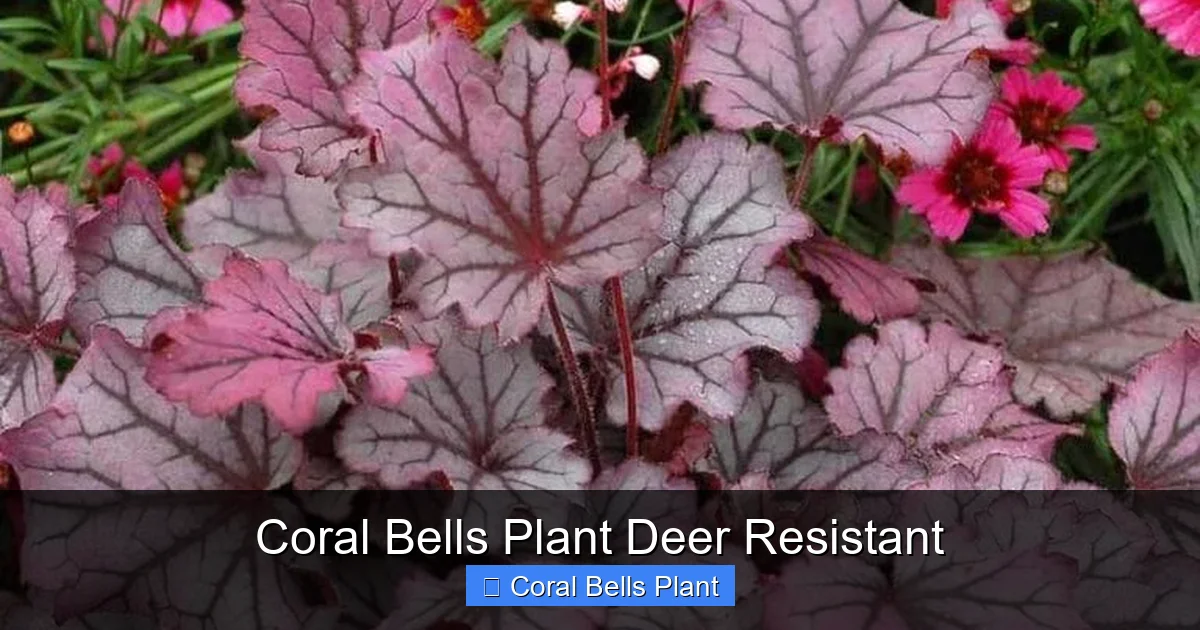
Visual guide about Coral Bells Plant Deer Resistant
Image source: thegardeningdad.com
It thrives in partial shade and well drained soil. Deer rarely touch it.
Heuchera ‘Caramel’
‘Caramel’ offers warm amber leaves with a silver sheen. It tolerates more sun than many others. This coral bells plant deer resistant variety stays compact.
Gardeners in sunny spots love its heat tolerance.
Heuchera ‘Obsidian’
‘Obsidian’ features near black leaves that create drama. It produces airy white flowers in late spring. This coral bells plant deer resistant selection is a favorite for contrast.
Its strong chemical profile makes it highly deer resistant.
Heuchera ‘Lime Rickey’
‘Lime Rickey’ brightens shade with lime green foliage. It grows about ten inches tall. This coral bells plant deer resistant plant adds a pop of light color.
Deer avoid it because of its bitter taste.
Heuchera ‘Peach Flambe’
‘Peach Flambe’ shows peach orange leaves that deepen in fall. It forms a tidy clump. This coral bells plant deer resistant cultivar works well in mixed borders.
Its color change adds seasonal interest.
Choosing the Right Mix
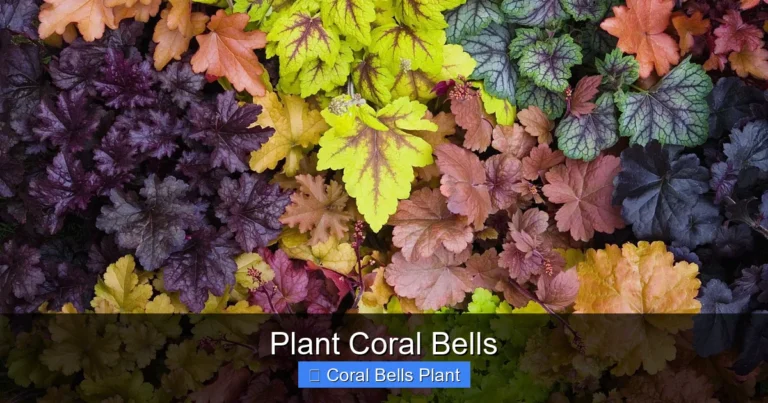
Mix three or more varieties for a tapestry of color. A diverse planting confuses deer and reduces browsing pressure. Each coral bells plant deer resistant type brings a unique hue.
Plan for bloom time overlap to keep the garden lively.
Planting and Care for Maximum Resistance
Site Selection and Light
Pick a spot with morning sun and afternoon shade. Too much shade makes stems leggy. Too much sun can scorch leaves. This balance helps coral bells plant deer resistant plants stay strong.
Observe the site for a few days before planting.
Soil Preparation and Testing
Test soil pH. Aim for 6.0 to 7.0. Amend heavy clay with compost and coarse sand. Good drainage prevents root rot. Healthy roots support the chemical defenses of coral bells plant deer resistant foliage.
Add organic matter each year to maintain fertility.
Planting Depth and Spacing
Dig a hole twice the width of the root ball. Set the crown at soil level. Space plants twelve to eighteen inches apart. Proper spacing improves air flow and reduces disease risk for coral bells plant deer resistant clumps.
Water thoroughly after planting to settle soil.
Watering Regime
Water deeply twice a week during the first growing season. After establishment, water only during prolonged dry spells. Overwatering weakens the bitter compounds in coral bells plant deer resistant leaves.
Use a soaker hose to keep foliage dry.
Mulching Options
Apply two inches of shredded bark or leaf mulch. Mulch conserves moisture and suppresses weeds. It also keeps soil temperature stable for coral bells plant deer resistant roots.
Replenish mulch each spring.
Fertilizer Strategy
Use a balanced slow release fertilizer in early spring. Avoid high nitrogen formulas. Excess nitrogen produces soft growth that deer may find more palatable. A light feed keeps coral bells plant deer resistant plants vigorous.
Top dress with compost in fall for extra nutrients.
Companion Planting for Extra Deterrence
Plant lavender, sage, or rosemary nearby. Their strong scent masks the coral bells plant deer resistant aroma. Deer dislike the combined fragrance and tend to avoid the area.
Ornamental grasses also add texture and movement.
Seasonal Maintenance Calendar
In early spring remove dead foliage. In summer deadhead spent flowers. In fall apply mulch and cut back any damaged leaves. Winter care includes checking mulch depth. A simple calendar keeps coral bells plant deer resistant plants healthy year round.
Mark tasks on a garden planner for consistency.
Design Ideas for a Deer‑Proof Garden
Border and Edging Plantings
Line pathways with alternating ‘Palace Purple’ and ‘Caramel’. The color contrast guides the eye. This coral bells plant deer resistant border stays low and tidy.
Edge beds with a single row for a clean look.
Container and Patio Displays
Use large pots on decks. Combine ‘Obsidian’ with trailing ivy and blue fescue. Containers can be moved if deer pressure spikes. This coral bells plant deer resistant arrangement adds height and drama.
Choose frost proof containers for year round use.
Shade Garden Layering
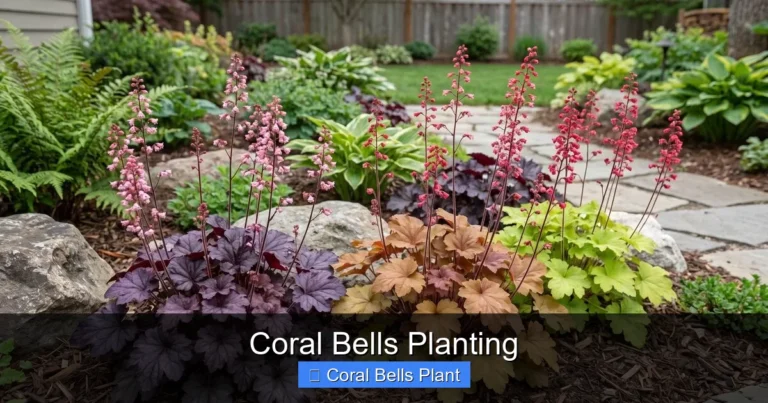
Plant coral bells plant deer resistant under hostas and ferns. The lower layer hides from browsing deer. The varied leaf shapes create depth.
Add a ground cover like ajuga for extra coverage.
Rock Garden and Alpine Settings
Tuck small clumps into rock crevices. Excellent drainage mimics native habitat. The rugged setting makes it hard for deer to reach the coral bells plant deer resistant crowns.
Mix with sedums and thyme for a tapestry.
Mass Planting for Impact
Plant a drift of twenty or more ‘Lime Rickey’ for a bright carpet. Mass planting amplifies the deer deterrent effect. The sheer number of bitter leaves overwhelms deer curiosity.
Space evenly for a uniform look.
Seasonal Color Sequencing
Select varieties that peak at different times. ‘Peach Flambe’ shines in fall. ‘Caramel’ glows in summer. This coral bells plant deer resistant sequence keeps the garden colorful all year.
Plan the sequence on paper before planting.
Troubleshooting Common Issues
Insect Pests
Aphids and spider mites may appear in hot weather. Spray with a strong jet of water. Insecticidal soap works for severe cases. Healthy coral bells plant deer resistant plants bounce back quickly.
Inspect leaves weekly for early signs.
Fungal Diseases
Powdery mildew shows as white dust on leaves. Improve air flow by thinning neighbors. Remove infected leaves. Apply a copper fungicide if needed. Good culture keeps coral bells plant deer resistant foliage clean.
Avoid overhead watering to reduce humidity.
Winter Damage
In cold zones mulch heavily after ground freezes. This protects crowns from heaving. Remove excess mulch in early spring to prevent rot. Proper winter care ensures coral bells plant deer resistant return strong.
Check for crown exposure after thaw.
Persistent Deer Pressure
If deer still browse, install a low fence or netting. Rotate repellent sprays with different active ingredients. Combine physical and scent barriers for best results. Even the toughest coral bells plant deer resistant may need extra help.
Monitor deer tracks to gauge pressure.
Nutrient Deficiencies
Yellow leaves may indicate nitrogen lack. Apply a light feed of balanced fertilizer. Purple tinged leaves can signal phosphorus shortage. Soil test guides precise amendments for coral bells plant deer resistant health.
Correct deficiencies early to avoid stress.
Propagation Problems
Division in early fall yields new plants. Keep divisions moist until rooted. Seed propagation is slow and variable. Division is the reliable method for coral bells plant deer resistant clones.
Label each division for future reference.
In closing, coral bells plant deer resistant perennials give you vibrant foliage, easy care, and peace of mind. Choose the right varieties, plant them well, and pair them with aromatic companions. Your garden will stay beautiful and deer free. Happy planting!
Remember to observe your garden each season and adjust care as needed. Small tweaks keep the deer away and the colors bright.
Frequently Asked Questions
Are coral bells truly deer proof?
No plant is completely deer proof, but coral bells are highly resistant due to bitter compounds and texture.
What soil pH do coral bells prefer?
They thrive in slightly acidic to neutral soil, pH 6.0 to 7.0.
Can I divide coral bells in the fall?
Yes, division in early fall allows roots to establish before winter.
Do coral bells attract pollinators?
Their airy flower spikes attract bees and hummingbirds in late spring.
How tall do coral bells grow?
Most varieties reach 12 to 18 inches tall with a similar spread.
What companion plants work well with coral bells?
Lavender, sage, ornamental grasses, and ferns complement coral bells and enhance deer resistance.