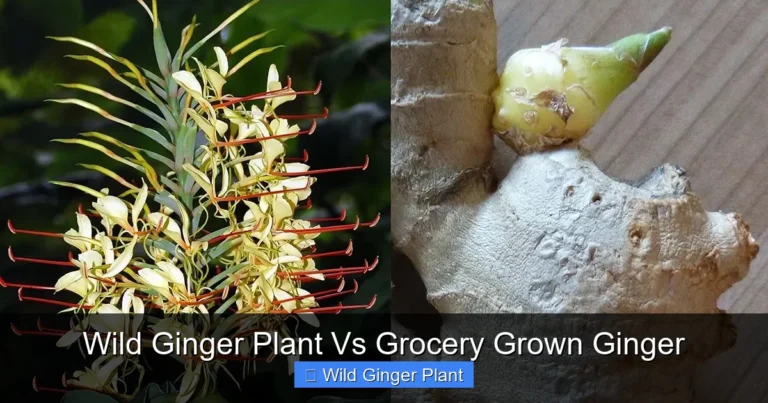
Wild Ginger Usda Plants
Wild ginger (Asarum canadense) is a low‑growing native perennial that thrives in shady, moist woodlands across North America. The USDA plant database provides reliable maps, hardiness zones, and ecological notes to help you locate and cultivate this aromatic groundcover responsibly.
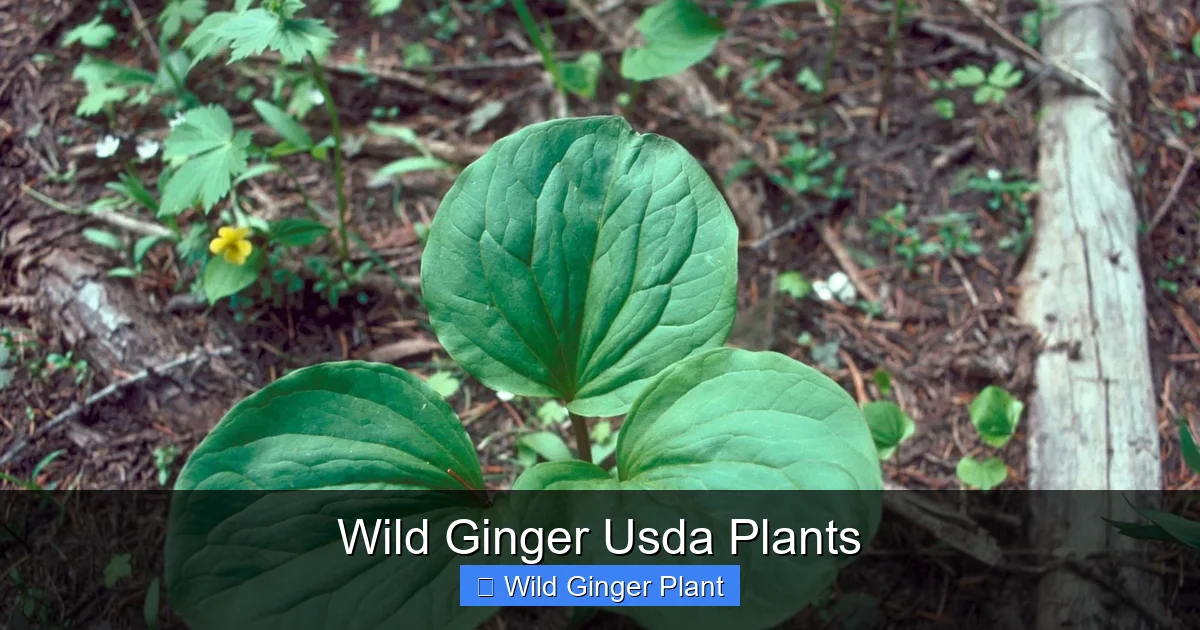
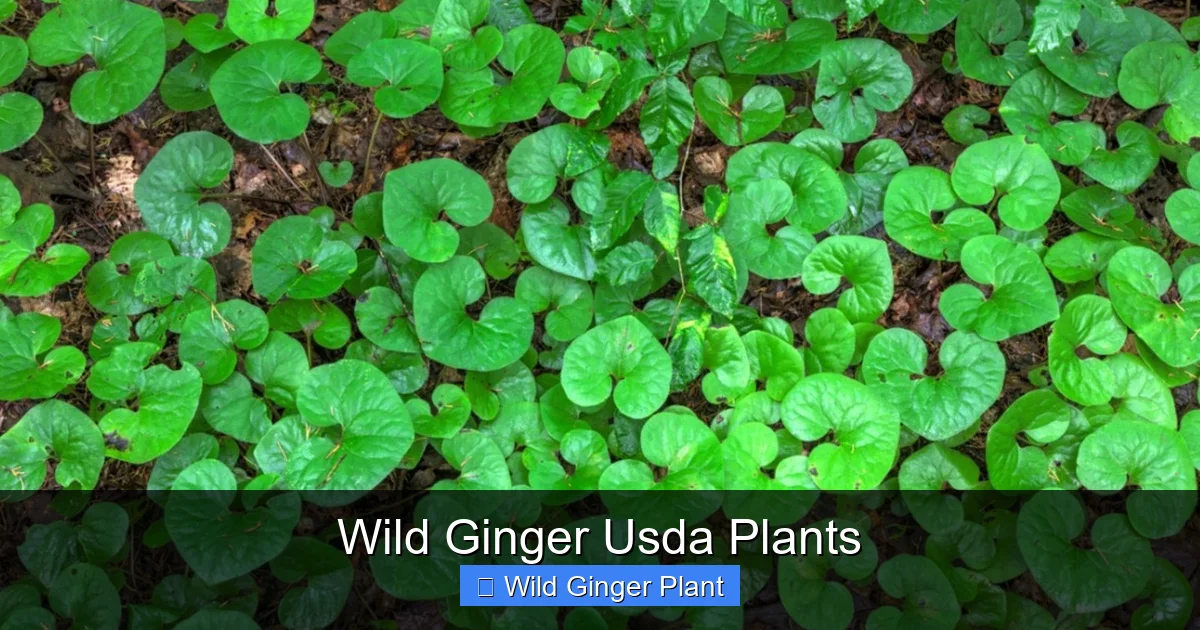
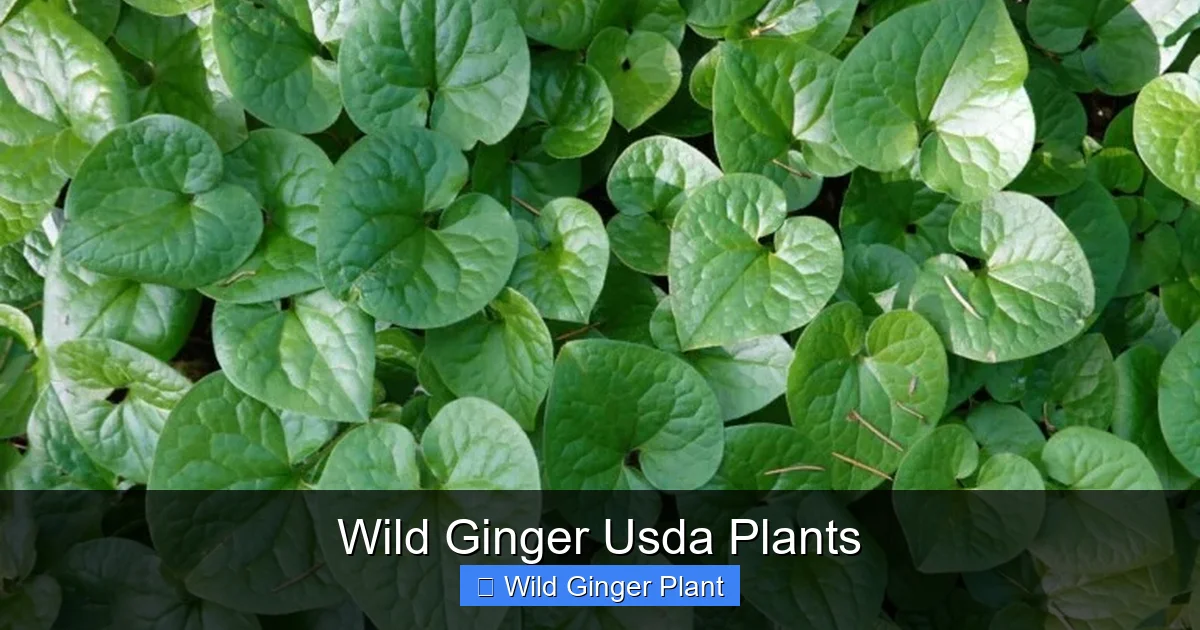
If you have ever walked through a damp, shaded forest in early spring, you may have noticed a carpet of heart‑shaped leaves hugging the ground. That plant is wild ginger, a quiet native that many gardeners overlook. The USDA plant database calls it Asarum canadense and provides a wealth of information that can turn a casual curiosity into a thriving garden feature.
In this guide we will walk through everything you need to know about wild ginger usda plants. We will cover identification, how to read the USDA data, planting tips, sustainable harvest, and common problems. By the end you will feel confident adding this lovely groundcover to your shade garden.
Key Takeaways
- Native range: Wild ginger grows naturally in eastern and central U.S. forests.
- USDA data: The USDA plant database offers distribution maps, zone info, and habitat notes.
- Shade lover: It prefers deep shade, rich humus soil, and consistent moisture.
- Propagation: Division of rhizomes in early spring works best for gardeners.
- Edible rhizome: The root has a mild ginger flavor and can be used sparingly in cooking.
- Conservation: Harvest only from abundant populations and follow local guidelines.
Quick Answers to Common Questions
What is the scientific name for wild ginger?
The scientific name is Asarum canadense.
Which USDA hardiness zones support wild ginger?
Wild ginger grows in USDA zones 3 through 8.
How do I propagate wild ginger in my garden?
Divide rhizomes in early spring and replant them 12 inches apart.
Can I eat wild ginger rhizomes?
Yes, the rhizomes have a mild ginger flavor and can be used sparingly in cooking.
What are the main pests of wild ginger?
Slugs and snails are the most common pests.
📑 Table of Contents
What Is Wild Ginger?
Botanical Overview
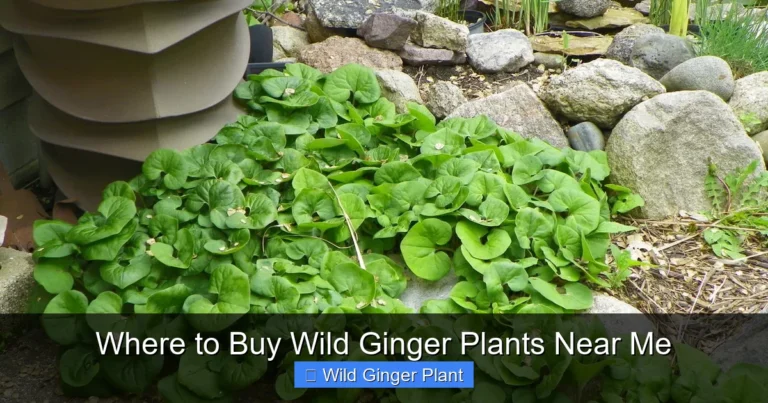
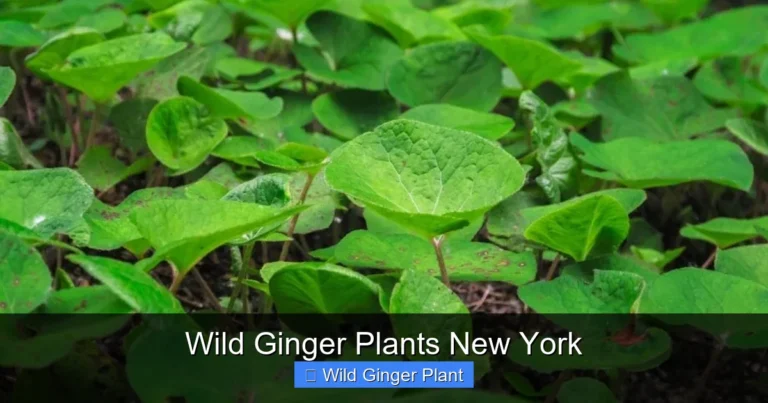
Wild ginger belongs to the birthwort family, Aristolochiaceae. It is a perennial herb that spreads by thick, creeping rhizomes. The leaves are kidney‑shaped, dark green, and appear in pairs. Flowers are small, bell‑shaped, and hide beneath the foliage. They are usually maroon or brown and bloom in early spring.
Common Names
You may hear it called Canada wild ginger, snakeroot, or colic root. These names reflect its historic medicinal uses. The scientific name Asarum canadense is the one used in the USDA plant database.
Range and Habitat
Wild ginger usda plants are native to the eastern United States, from Minnesota south to Georgia and west to Missouri. They thrive in deciduous forests with rich, moist, well‑drained soils. The USDA distribution map shows them most often in USDA hardiness zones 3 through 8.
USDA Plant Database Insights
Accessing the Database
The USDA Natural Resources Conservation Service (NRCS) hosts an online plant database. You can search by scientific name, common name, or state. Typing “wild ginger usda plants” into the search bar brings up the official profile page for Asarum canadense.
Visual guide about Wild Ginger Usda Plants
Image source: gardeningknowhow.com
Interpreting Distribution Maps
The map uses green shading to indicate counties where the species has been documented. Darker shades mean more frequent observations. This helps you verify if wild ginger grows naturally in your county before you plant.
Hardiness Zones and Climate Data
The profile lists the USDA hardiness zones, average minimum temperatures, and precipitation ranges. Wild ginger usda plants are rated for zones 3 to 8. This tells you the plant can survive winter lows down to -40 °F in zone 3.
Ecological Notes
The database also notes associated plant communities, such as sugar maple‑beech forests. It mentions that wild ginger provides early nectar for native bees and serves as a host plant for certain butterfly larvae.
Growing Wild Ginger in Your Garden
Site Selection
Choose a spot that receives dappled to full shade. Under mature trees or on the north side of a building works well. Avoid areas with intense afternoon sun, which can scorch the leaves.
Visual guide about Wild Ginger Usda Plants
Image source: epicgardening.com
Soil Preparation
Wild ginger usda plants love humus‑rich, slightly acidic soil (pH 5.5 to 6.5). Amend the planting area with compost or leaf mold to a depth of 6 inches. Good drainage is essential; standing water leads to rhizome rot.
Planting Methods
You can start wild ginger from divisions, rhizome cuttings, or seed. Divisions are the quickest. In early spring, dig up a clump, separate the rhizomes, and replant each piece 12 inches apart. Cover the rhizome with 1 inch of soil and water thoroughly.
Care and Maintenance
Keep the soil consistently moist during the first growing season. Mulch with shredded leaves to retain moisture and suppress weeds. Once established, wild ginger requires little care. Remove any dead foliage in late fall to reduce disease pressure.
Companion Planting
Pair wild ginger with other shade‑tolerant natives such as foamflower, trillium, and jack‑in‑the‑pulpit. These companions share similar moisture and light needs, creating a resilient woodland garden.
Sustainable Harvest and Uses
When to Harvest
The best time to harvest rhizomes is in late fall after the foliage dies back. At this stage the plant has stored energy for winter, making the rhizomes most flavorful.
Culinary Uses
The rhizome has a mild, sweet ginger aroma. Use it sparingly in teas, syrups, or baked goods. A small piece (about a teaspoon) flavors a cup of tea without overwhelming other ingredients.
Medicinal Traditions
Indigenous peoples used wild ginger for digestive complaints, colds, and as a poultice for wounds. Modern herbalists sometimes include it in formulas for nausea. Always consult a healthcare professional before using any wild plant medicinally.
Conservation Tips
Never harvest from a population that appears sparse. Take no more than 10 % of the rhizomes in a given area. Replant a portion of each harvested rhizome to encourage regrowth. Check local regulations; some states protect wild ginger usda plants.
Common Problems and Solutions
Pests
Slugs and snails love the tender leaves. Hand‑pick them at night or use diatomaceous earth around the plants. Beer traps also work well in shady beds.
Diseases
Root rot caused by Phytophthora species appears in overly wet soils. Improve drainage and avoid overhead watering. If rot appears, remove affected rhizomes and treat the area with a copper‑based fungicide.
Environmental Stress
Leaf scorch occurs when plants receive too much direct sun. Relocate to deeper shade or add a shade cloth. Drought stress shows as wilting leaves; water deeply and mulch heavily.
Invasive Competition
Aggressive groundcovers like English ivy can outcompete wild ginger. Remove invasives manually and monitor regularly. Planting a dense native matrix helps suppress invaders.
Adding wild ginger usda plants to your shade garden brings a touch of native woodland beauty and a subtle culinary perk. With the reliable data from the USDA plant database, you can site, plant, and care for this perennial confidently. Remember to harvest responsibly, respect local guidelines, and enjoy the quiet charm of a plant that has thrived in North American forests for centuries.
Frequently Asked Questions
Where can I find the official USDA plant profile for wild ginger?
Visit the USDA NRCS Plants Database and search for “Asarum canadense” or “wild ginger usda plants” to access the official profile with maps and zone information.
Does wild ginger spread aggressively?
Wild ginger spreads slowly by rhizomes and forms a dense mat over several years, but it is not considered invasive in its native range.
What soil pH does wild ginger prefer?
It thrives in slightly acidic soil with a pH between 5.5 and 6.5.
Is wild ginger deer resistant?
Yes, deer generally avoid wild ginger because of its aromatic foliage.
Can wild ginger be grown in containers?
It can be grown in deep, shaded containers with rich, moist potting mix, but it performs best in the ground where rhizomes can expand.
How do I protect wild ginger from winter cold in zone 3?
Apply a thick layer of leaf mulch in late fall to insulate the rhizomes; the plant is hardy to zone 3 without extra protection.