Wild Ginger Plant Seeds
Wild ginger plant seeds require patience and specific conditions to germinate, including cold stratification and ant-assisted dispersal in nature. This guide covers everything from seed collection to successful cultivation in your shade garden.
If you have ever walked through a rich eastern woodland in spring, you might have noticed a low carpet of heart-shaped leaves hugging the forest floor. That plant is likely wild ginger, a native treasure that makes one of the best groundcovers for deep shade. Many gardeners fall in love with its velvety foliage and hidden jug-shaped flowers, then decide they want more of it. The natural next step is learning about wild ginger plant seeds and how to grow new plants from them.
Growing wild ginger from seed is not difficult, but it is slow. It asks for patience and a willingness to work with nature’s timeline rather than against it. The seeds have a built-in dormancy that prevents them from sprouting at the wrong time of year. Understanding this dormancy, and how to satisfy it, is the key to success. In this guide, we will walk through the entire process together, from identifying the plant and collecting ripe seeds to stratifying, sowing, and caring for your tiny seedlings until they become the lush groundcover you envision.
Key Takeaways
- Wild ginger is not culinary ginger: Asarum canadense is a native North American woodland perennial, completely unrelated to the ginger root used in cooking.
- Seeds need cold stratification: Wild ginger plant seeds require 60 to 90 days of cold, moist conditions to break dormancy before they will germinate.
- Ants disperse the seeds naturally: Each seed has an elaiosome, a fleshy attachment that attracts ants who carry seeds to their nests, effectively planting them.
- Collect seeds in early summer: Seed pods mature in June to July and split open quickly, so timing your harvest is critical for success.
- Expect slow germination: Even with perfect conditions, seeds may take one to two years to sprout, and plants need three to four years to reach flowering size.
- Division is faster than seeds: While growing from seed is rewarding, dividing established clumps in early spring gives you mature plants much more quickly.
- Ideal for shade gardens: Wild ginger thrives in full to partial shade with rich, moist, well-drained soil, making it perfect for woodland gardens and shaded borders.
Quick Answers to Common Questions
How long does it take for wild ginger plant seeds to germinate?
Germination is irregular and can take anywhere from a few weeks to two years after cold stratification. Most seedlings appear in the first or second spring after sowing.
Do wild ginger plant seeds need light to germinate?
No, they do not require light. In nature, ants bury them shallowly in dark nest chambers. Cover seeds with a thin layer of grit or sand, about an eighth of an inch deep.
Can I direct sow wild ginger plant seeds in the garden?
Yes, you can direct sow in late fall or early winter. This provides natural cold stratification. Mark the spot well and protect from mice. Germination rates may be lower than controlled methods.
Are wild ginger plant seeds poisonous?
The seeds are not considered highly toxic, but the plant contains aristolochic acid which can be harmful in large quantities. Handle seeds with gloves and wash hands after. Do not ingest.
Why are my wild ginger seedlings growing so slowly?
Slow growth is normal. Seedlings focus on root development the first year or two. They typically produce only one or two leaves annually. Patience is essential; they accelerate once established.
📑 Table of Contents
- What Is Wild Ginger? Understanding the Plant Before You Sow
- The Unique Nature of Wild Ginger Plant Seeds
- How to Collect Wild Ginger Plant Seeds
- Growing Wild Ginger from Seed: A Step-by-Step Guide
- Common Challenges and How to Overcome Them
- Transplanting and Establishing Your Plants
- Alternative Propagation: Division for Faster Results
- Using Wild Ginger in Your Garden Design
- Harvesting Seeds from Your Own Plants
- Conclusion
What Is Wild Ginger? Understanding the Plant Before You Sow
Not the Ginger in Your Spice Rack
First things first. Wild ginger (Asarum canadense) is not related to the culinary ginger (Zingiber officinale) you buy at the grocery store. They belong to completely different plant families. Culinary ginger is a tropical plant in the Zingiberaceae family. Wild ginger is a temperate woodland perennial in the Aristolochiaceae family, commonly called the birthwort family. The common name comes from the fact that the rhizomes smell and taste somewhat like ginger when crushed. Indigenous peoples and early settlers used the root as a flavoring and for medicinal purposes. However, modern research has identified compounds in the plant that can be toxic in large quantities, so it is best enjoyed as an ornamental today.
A Native Groundcover for Shade
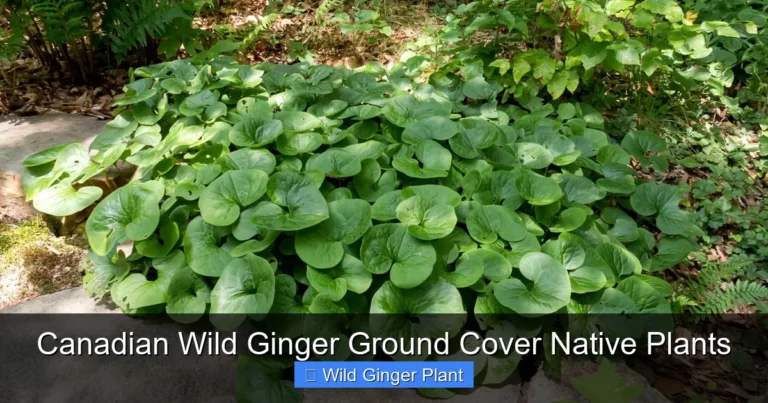
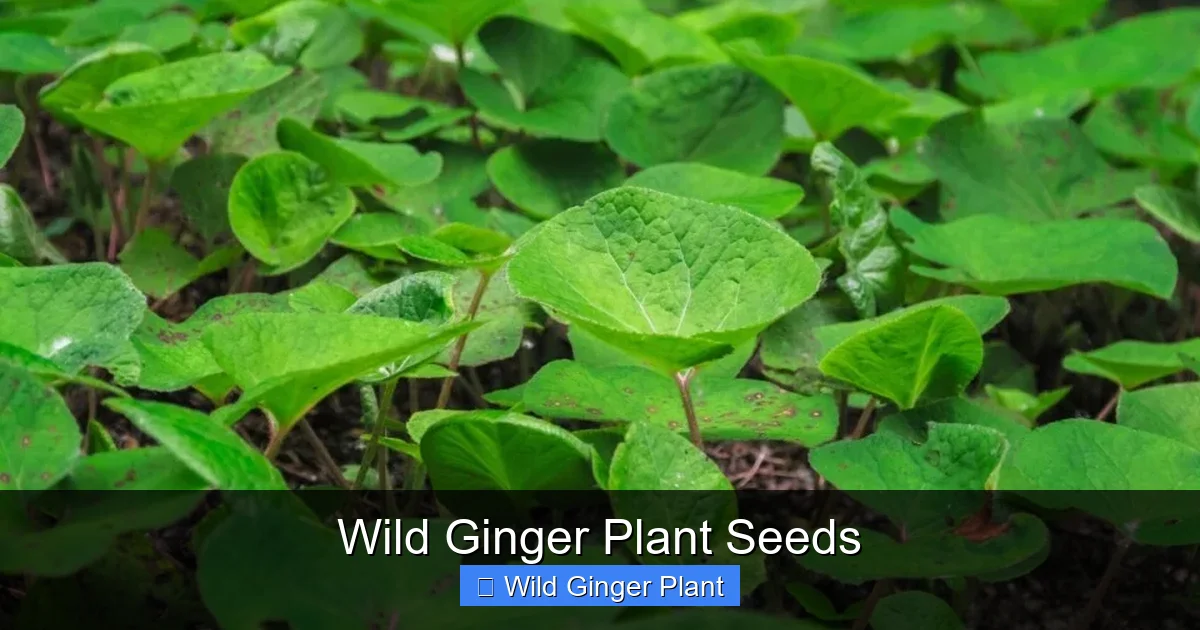
Wild ginger is native to eastern North America, ranging from Manitoba and Quebec south to Georgia and west to the Great Plains. It grows in rich, moist deciduous forests, often on slopes near streams. It forms dense colonies that spread slowly by underground rhizomes. Each plant produces a pair of large, kidney-shaped or heart-shaped leaves that can reach six inches across. The leaves are soft, slightly hairy, and a deep, luxurious green. In spring, usually April to May, a single flower appears at ground level, hidden beneath the leaf litter. The flower is bell-shaped, brownish-purple, and has three long, pointed tips. It is pollinated by small flies and beetles that crawl into the flower seeking shelter.
Why Gardeners Love It
Gardeners prize wild ginger for its ability to thrive in deep shade where few other plants survive. It creates a weed-suppressing carpet that looks tidy all season. The foliage remains attractive from spring emergence until fall frost. It is deer resistant, low maintenance once established, and provides habitat for beneficial insects. It pairs beautifully with ferns, foamflower, trillium, and other woodland natives. If you have a shady spot under trees where grass refuses to grow, wild ginger is often the answer.
The Unique Nature of Wild Ginger Plant Seeds
How the Seeds Form
After the strange little flowers are pollinated, they develop into a fleshy capsule about half an inch long. The capsule starts green and ripens to a brownish color. Inside are numerous small seeds, each roughly the size of a pinhead. What makes these seeds fascinating is a specialized structure called an elaiosome. This is a fleshy, lipid-rich attachment on the seed that looks like a tiny white cap or collar. The elaiosome is not part of the seed embryo itself. It is a food packet designed for a specific purpose: to attract ants.
Ants as Gardeners: Myrmecochory
The relationship between wild ginger and ants is a classic example of myrmecochory, or ant-mediated seed dispersal. Ants are drawn to the elaiosome because it is rich in fats and proteins. Worker ants pick up the seeds and carry them back to their underground nests. They feed the elaiosome to their larvae. Once the elaiosome is consumed, the ants discard the intact seed in their midden piles or waste chambers. These underground chambers are perfect germination sites. They are protected from seed predators, have stable moisture and temperature, and contain nutrient-rich waste. The seed effectively gets planted by the ants. This mutualism benefits both parties. The ants get food. The plant gets its seeds dispersed and planted in favorable microsites.
What This Means for You
Understanding this natural history helps you in two ways. First, it explains why you rarely see wild ginger seedlings far from the parent plant unless ants have moved them. The seeds do not blow in the wind or float on water. They move by ant power. Second, it tells you that the seeds are adapted to being buried shallowly in moist, rich soil. When you sow them, you are mimicking what the ants do. You are the ant. Keep this image in mind. It will guide your planting depth and soil preparation.
How to Collect Wild Ginger Plant Seeds
Timing Is Everything
The seed capsules mature in early summer, typically June through July depending on your latitude and elevation. This is the trickiest part of the whole process. The window for collection is narrow. The capsules split open when ripe and the seeds fall out or are quickly carried away by ants. If you wait too long, you will find empty capsules. If you go too early, the seeds will not be viable. You need to watch your plants closely starting in late May or early June.
Identifying Ripe Capsules
Look for capsules that have turned from green to a tan or light brown color. They will feel slightly soft, not hard and green. The capsule will often be split at the top, revealing the seeds inside. The seeds themselves should be dark brown to black and hard. If you gently squeeze a ripe capsule, the seeds may pop out. This is your cue. Have a paper envelope or small cloth bag ready. Do not use plastic bags, as they trap moisture and can cause the seeds to mold.
Collection Technique
Crouch down and gently part the leaves to find the capsules at ground level. They are often hidden under leaf litter. Use your fingers to carefully pluck the whole capsule or shake the seeds directly into your envelope. Work slowly. The seeds are tiny and easy to lose. Collect from multiple plants if possible to ensure genetic diversity. A good rule of thumb is to take no more than ten percent of the seeds from any wild population. If you are collecting from your own garden plants, you can be more generous, but leave some for the ants and for natural reseeding.
Cleaning and Short-Term Storage
Once home, spread the seeds on a paper towel in a single layer. Let them air dry for a day or two in a cool, shaded spot. Do not use heat. Remove any bits of capsule debris. The elaiosomes may still be attached. That is fine. You can leave them on. They will not hurt the stratification process. If you are not ready to stratify immediately, store the dry seeds in a paper envelope inside a sealed jar in the refrigerator. They will remain viable for a year or sometimes two, but fresher is always better. Do not let them dry out completely or get warm.
Growing Wild Ginger from Seed: A Step-by-Step Guide
Understanding Cold Stratification
This is the non-negotiable step. Wild ginger plant seeds have physiological dormancy. They contain chemical inhibitors that prevent germination until they have experienced a prolonged period of cold, moist conditions. This mimics winter. Without it, the seeds will simply sit in the soil and rot, or they will wait years until they randomly get the right conditions. You must provide 60 to 90 days of cold stratification. The ideal temperature range is 33 to 40 degrees Fahrenheit (1 to 4 degrees Celsius). Your refrigerator is perfect for this.
The Baggie Method: Simple and Reliable
This is the most popular method for home gardeners. You will need a zip-top plastic bag, some moist stratification medium, and a label. The medium can be slightly damp sand, vermiculite, peat moss, or a mix of these. Squeeze a handful. It should hold together but not drip water. If water drips, it is too wet. Add your seeds to the medium. Mix them in gently. Seal the bag, leaving a tiny bit of air inside. Label it with the plant name and date. Place it in the back of your refrigerator where the temperature is most stable. Not the freezer. Not the door. Check the bag every two weeks. Make sure the medium has not dried out. Mist lightly if needed. Watch for mold. If you see fuzzy growth, remove the affected seeds, rinse the rest in a ten percent bleach solution, rinse well with clean water, and put them back in fresh medium.
Outdoor Stratification: Letting Nature Do the Work
If you have a cold frame, an unheated garage, or a protected spot outdoors, you can stratify naturally. Sow the seeds in pots or flats filled with a good seed-starting mix. Cover them very lightly with fine grit or coarse sand. Water gently. Cover the pots with hardware cloth or fine mesh to keep out mice and birds. Sink the pots into the ground up to their rims in a shaded spot, or place them in the cold frame. Mulch over the top with leaves or straw. Let winter happen. The fluctuating temperatures and natural moisture often give better, more even germination than the refrigerator. Just remember to check them in early spring and move them to a brighter spot once they sprout.
Sowing After Stratification
After 60 to 90 days of cold, your seeds are ready to grow. If you used the baggie method, carefully pick the seeds out of the medium. Tweezers help. Sow them in deep pots or cell packs. Wild ginger makes a surprisingly long initial root. A depth of four to six inches is ideal. Use a high-quality seed-starting mix amended with compost or leaf mold. The soil should be rich and moisture-retentive but well-drained. Sow the seeds on the surface and cover them with a very thin layer of fine grit, coarse sand, or screened compost. No more than an eighth of an inch deep. Remember, the ants plant them shallow. Water gently with a fine rose or mist sprayer. Keep the soil consistently moist but not soggy.
Germination Timeline and What to Expect
Here is where patience becomes a virtue. Wild ginger seeds are notorious for irregular and delayed germination. Some may sprout in a few weeks at 65 to 70 degrees Fahrenheit. Others may wait until the following spring. Some may take two years. Do not throw out the pots. Keep them shaded, moist, and protected. Label them clearly so you do not accidentally discard them during a cleanup. Once a seedling emerges, it will produce a single small leaf the first year. It looks like a tiny version of the adult leaf. The root system is developing underground. The second year, it may produce two leaves. It typically takes three to four years for a seedling to reach flowering size and produce its own rhizomes.
Common Challenges and How to Overcome Them
Low Germination Rates
Even under ideal conditions, germination rates for wild ginger plant seeds can be low, often twenty to fifty percent. This is normal for many woodland perennials. They hedge their bets by spreading germination over several years. To improve your odds, start with the freshest seeds possible. Sow more seeds than you need plants. Use the outdoor stratification method if you can, as the natural freeze-thaw cycles seem to break dormancy more effectively than a constant refrigerator temperature. Ensure your stratification medium never dries out completely.
Damping Off and Fungal Issues
Seedlings are vulnerable to damping off, a fungal disease that causes stems to rot at the soil line. Prevention is your best tool. Use sterile seed-starting mix. Do not reuse old potting soil. Provide good air circulation. A small fan on low, set on a timer for a few hours a day, helps immensely. Water from the bottom by setting pots in a tray of water until the surface feels damp, then remove them. Avoid overhead watering once seedlings are up. If you see signs of fungus, remove affected seedlings immediately and increase airflow.
Slugs and Snails
Wild ginger leaves are tender and slugs love them. This is true for mature plants and especially for seedlings. Check your pots at night with a flashlight. Hand-pick slugs. Use copper tape around the rims of pots. Diatomaceous earth around the base helps but must be reapplied after rain. Iron phosphate baits are safe for pets and wildlife and effective. Keeping the area clean and free of debris reduces hiding spots.
Drying Out
The number one killer of wild ginger seedlings is drought. They have tiny root systems and the large leaves transpire a lot of water. The soil must stay evenly moist at all times. Mulch the surface of the pots with fine leaf mold or compost to reduce evaporation. Check daily in warm weather. A self-watering capillary mat system can be a lifesaver if you travel or have many pots.
Transplanting and Establishing Your Plants
When to Transplant
Do not rush to move seedlings into the garden. Let them grow in their deep pots for at least one full growing season, preferably two. They need to develop a robust root system. The best time to transplant is early spring, just as the new leaves are emerging, or early fall, at least six weeks before the ground freezes. Spring is generally safer in colder zones. Fall works well in milder climates.
Preparing the Planting Site
Choose a site in full to partial shade. Morning sun is okay. Afternoon sun will scorch the leaves. The soil should be rich, humusy, and well-drained but moisture-retentive. If your soil is heavy clay or sandy, amend it generously with compost, leaf mold, or well-rotted manure. Work the amendments in deeply, at least twelve inches. Wild ginger roots go deep. Remove all weeds and grass. They are hard to remove once the ginger forms a mat.
Planting Technique
Water the seedlings well in their pots before transplanting. Dig a hole slightly larger than the root ball. Gently slide the plant out. Try not to disturb the roots. Set it in the hole at the same depth it was growing in the pot. The crown, where the leaves emerge, should be at soil level. Backfill with amended soil. Firm gently. Water deeply to settle the soil. Apply a two-inch layer of shredded leaves or fine bark mulch around the plant, keeping it off the crown. Space plants twelve to eighteen inches apart. They will fill in over time.
First Year Care
Water regularly during the first growing season. Do not let the soil dry out. A soaker hose or drip irrigation is ideal. Do not fertilize the first year. The amended soil provides enough nutrients. In subsequent years, a light top-dressing of compost in spring is all they need. Remove any weeds that appear. Once the plants knit together, they will suppress most weeds on their own.
Alternative Propagation: Division for Faster Results
Why Divide?
If you want a mature groundcover quickly, division is the way to go. A single established clump can yield many divisions. Each division is a clone of the parent, so you know exactly what you are getting. Divisions establish in one season and often flower the next year. It is much faster than the three-to-four-year timeline for seedlings.
How to Divide
The best time is early spring, just as the new leaves are poking up. Dig up the whole clump with a garden fork. Go wide and deep to get the rhizomes. Shake off excess soil. You will see the rhizomes creeping horizontally just below the surface. Each segment with a leaf bud or active growing tip can become a new plant. Use a sharp knife or your hands to separate the rhizomes into pieces three to six inches long, each with roots and a bud. Replant immediately at the same depth. Water well. Mulch. Keep moist. That is it.
Combining Methods
Many gardeners do both. They divide existing plants to get quick coverage in key spots, and they sow seeds to expand the population genetically and fill in larger areas over time. Seed-grown plants add genetic diversity, which makes the colony more resilient to disease and environmental changes. Division gives you instant gratification. There is no rule saying you must choose one.
Using Wild Ginger in Your Garden Design
The Woodland Floor
This is its native habitat and where it looks most at home. Plant it under deciduous trees, along shaded paths, or on the north side of buildings. Let it mingle with native ferns like Christmas fern or lady fern. Add spring ephemerals like Virginia bluebells, trillium, and bloodroot. The ginger leaves emerge later and cover the dying foliage of the ephemerals perfectly. It creates a seamless, naturalistic tapestry.
Shade Garden Edging
Wild ginger makes a beautiful, tidy edging for a shaded border. Its uniform height and dense habit define the edge without looking stiff. Plant it in a single row along a path or the front of a bed. It stays put and does not flop onto the walkway. The leaves are large enough to make a visual impact but low enough to see over.
Companion Plants
Good companions share the same cultural needs: shade, moisture, rich soil. Consider foamflower (Tiarella), coral bells (Heuchera), wild geranium (Geranium maculatum), Solomon’s seal (Polygonatum), and hostas (though hostas are not native). Avoid aggressive spreaders like English ivy, periwinkle, or goutweed. They will smother the ginger.
Erosion Control on Shady Slopes
The rhizomatous roots of wild ginger hold soil effectively on gentle slopes. If you have a shaded bank that is eroding, plant ginger in a grid pattern twelve inches apart. Mulch heavily between plants until they fill in. It is a slow but permanent fix. Combine it with deeper-rooted shrubs like spicebush or witch hazel for slope stabilization.
Harvesting Seeds from Your Own Plants
Closing the Loop
Once your plants are mature and flowering, usually in year three or four from seed, they will produce their own seeds. This is a wonderful milestone. You can now collect and share seeds with friends, expand your own plantings, or contribute to seed exchanges. The process is exactly the same as described earlier. Watch for ripe capsules in early summer. Collect promptly. Stratify. Sow. The cycle continues.
Selecting for Vigor
Over time, you may notice some plants are more vigorous, have larger leaves, or flower more heavily. You can selectively collect seeds from your best plants. This is the beginning of landrace development, adapting the plant to your specific garden conditions. It is a slow form of plant breeding, but it connects you deeply to the life in your garden.
Sharing the Wealth
Wild ginger seeds make great gifts for gardening friends. Package them in small paper envelopes with a handwritten label including the collection date and basic stratification instructions. Include a note about the ant dispersal story. It makes the gift memorable. You are not just giving seeds. You are giving a piece of native ecology.
Conclusion
Growing wild ginger from seed is a practice in patience and trust. You plant a tiny seed, you wait through a winter in the refrigerator, you wait through a spring and maybe another winter, and finally a small heart-shaped leaf pushes up. It feels like a small miracle every time. But the reward is a plant that will live for decades, spreading slowly to form a lush, weed-suppressing carpet in the shadiest corner of your garden. It asks for little. It gives much. It supports native insects. It connects your garden to the wider woodland ecosystem.
Whether you choose to start with wild ginger plant seeds or divisions, you are adding a plant of quiet beauty and great ecological value. Take your time. Enjoy the process. The ants have been doing this for millennia. Now you get to join them. Happy planting.
Frequently Asked Questions
What is the difference between wild ginger and culinary ginger?
Wild ginger (Asarum canadense) is a native North American woodland perennial in the birthwort family, while culinary ginger (Zingiber officinale) is a tropical plant in the ginger family. They are unrelated botanically, though wild ginger rhizomes have a similar scent.
When is the best time to collect wild ginger plant seeds?
Collect seeds in early summer, typically June to July, when the seed capsules turn tan and split open. The seeds inside should be dark brown and hard. Timing is critical as ants disperse them quickly once ripe.
How do I cold stratify wild ginger plant seeds in the refrigerator?
Mix seeds with slightly damp sand or vermiculite in a zip-top bag. Seal and place in the refrigerator at 33 to 40 degrees Fahrenheit for 60 to 90 days. Check periodically for moisture and mold.
Can wild ginger grow in full sun?
No, wild ginger requires full to partial shade. Afternoon sun will scorch the leaves and stress the plant. It thrives in dappled light under deciduous trees or on the north side of structures.
How far apart should I space wild ginger plants?
Space plants twelve to eighteen inches apart. They spread slowly by rhizomes and will fill in to form a continuous groundcover over several years.
Is wild ginger deer resistant?
Yes, wild ginger is generally considered deer resistant. The foliage contains compounds that deer find unpalatable, making it a good choice for gardens with deer pressure.