Wild Ginger Plant Medicinal Uses
Wild ginger (Asarum canadense) has a long history of medicinal use by Native American tribes for digestive issues, colds, and pain relief. However, modern research reveals it contains aristolochic acid, a compound linked to kidney damage and cancer, making internal use potentially dangerous.
If you’ve ever hiked through the rich, moist woodlands of eastern North America in early spring, you might have spotted a low-growing plant with heart-shaped leaves hiding a strange, jug-shaped flower at ground level. That’s wild ginger. It smells like ginger when you crush the root. It tastes like ginger. But here’s the thing — it’s not ginger at all. And that difference matters more than most people realize.
For centuries, Indigenous healers across the continent knew this plant well. They used it for stomach troubles, fevers, coughs, and women’s health. Early European settlers adopted many of these uses. You’ll still find wild ginger listed in older herbal books and even some modern foraging guides. But science has caught up. We now know something those early healers couldn’t have known: this plant contains a compound that can silently destroy kidneys and cause cancer. The story of wild ginger is a story about tradition, chemistry, and why “natural” doesn’t always mean “safe.”
Key Takeaways
- Not true ginger: Wild ginger belongs to the birthwort family (Aristolochiaceae), not the ginger family (Zingiberaceae), and has a completely different chemical profile.
- Traditional remedy: Indigenous peoples used root teas for stomach aches, colds, fevers, and as a contraceptive, but preparation methods mattered greatly.
- Toxic compound: The plant contains aristolochic acid, which causes aristolochic acid nephropathy (kidney failure) and is a known carcinogen.
- External vs internal: Topical poultices for wounds and inflammation carry lower risk than internal consumption, though skin absorption is still possible.
- Identification critical: Wild ginger grows in eastern North American woodlands; confusing it with toxic lookalikes like wild columbine or young poison ivy can be dangerous.
- Modern alternatives: Safer herbs like true ginger, peppermint, and chamomile provide similar digestive benefits without the toxicity risks.
- Legal restrictions: Several countries ban aristolochic acid-containing herbs in supplements; the FDA warns against products containing wild ginger for internal use.
Quick Answers to Common Questions
Is wild ginger the same as regular ginger from the grocery store?
No. Wild ginger (Asarum canadense) belongs to the birthwort family, while culinary ginger (Zingiber officinale) belongs to the ginger family. They are botanically unrelated despite similar aroma.
Can I safely drink wild ginger tea occasionally?
Even occasional consumption carries risk because aristolochic acid causes cumulative DNA damage. No safe threshold has been established. Most modern herbalists and regulatory agencies advise against any internal use.
Is it safe to use wild ginger as a topical poultice for wounds?
Topical use on intact skin for short periods carries much lower risk than internal use, but absorption through broken skin can occur. Avoid during pregnancy and on open wounds. Occasional external use is considered lower risk by some herbalists.
How can I identify wild ginger in the wild?
Look for paired heart-shaped hairy leaves, a single ground-level three-lobed brownish-purple flower (April-June), colonial growth in rich moist deciduous woods, and a strong ginger scent when the rhizome is scratched.
What are safe alternatives for wild ginger’s traditional uses?
For digestion: true ginger, peppermint, chamomile. For colds: yarrow, elderflower. For menstrual cramps: cramp bark, cinnamon. For wounds: plantain, calendula. All provide similar benefits without aristolochic acid toxicity.
📑 Table of Contents
- What Is Wild Ginger? Understanding the Plant
- Traditional Medicinal Uses Across Cultures
- The Chemistry Behind the Medicine — and the Danger
- Documented Health Effects: What Research Shows
- Safety Profile: Why Modern Herbalists Urge Caution
- Practical Guidelines: If You Encounter This Plant
- Wild Ginger in the Garden: Ornamental Value Without Risk
- Historical Case Studies: Lessons from the Past
- Modern Research Directions: Can We Separate Benefit from Harm?
- Conclusion: Respect the Plant, Protect Yourself
What Is Wild Ginger? Understanding the Plant
Botanical Identity and Classification
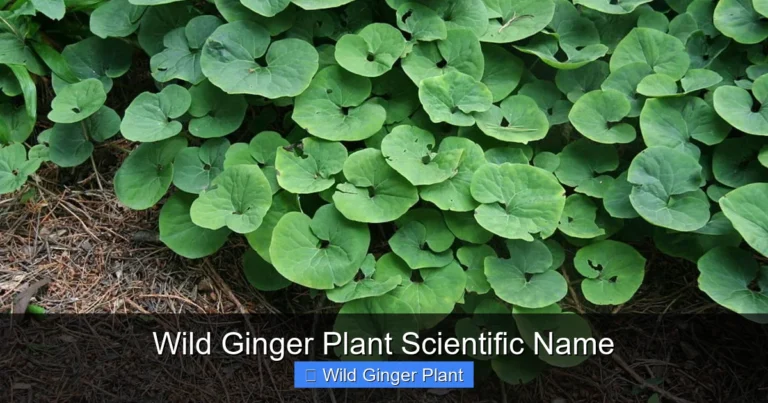
Wild ginger’s scientific name is Asarum canadense. It belongs to the Aristolochiaceae family — the birthwort family. True ginger (Zingiber officinale) belongs to the Zingiberaceae family. They’re not even distant cousins. The similarity ends at the aromatic rhizome. Wild ginger is a perennial herb native to deciduous forests from Manitoba to North Carolina, west to Kansas. It forms dense colonies through creeping rhizomes just below the soil surface.
Physical Characteristics for Identification
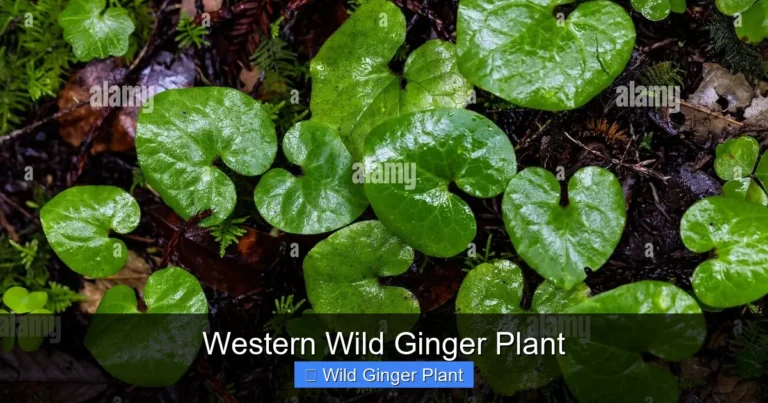
Each plant produces two kidney- or heart-shaped leaves, soft and hairy, rising on long petioles from the rhizome. The flower is the giveaway — solitary, bell-shaped, brownish-purple to greenish, with three flaring lobes. It sits at ground level, often hidden under leaf litter. Flies and beetles pollinate it, attracted by the faint carrion scent. The rhizome is thin, branching, and aromatic. Crush it and you get that unmistakable ginger-spice fragrance from compounds like asarone and methyl eugenol.
Habitat and Growth Patterns
Wild ginger thrives in deep shade, rich humus, and consistent moisture. You’ll find it on north-facing slopes, along stream banks, in maple-beech-hemlock forests. It’s a spring ephemeral in spirit — leaves emerge early, flowers bloom April through June, then the plant persists through summer. Ants disperse the seeds, attracted by a fleshy appendage called an elaiosome. This mutualism means wild ginger often appears in patches near ant colonies.
Common Names and Regional Variations
People call it Canada wild ginger, Canadian snakeroot, colic root, namepin, and Indian ginger. In French Canada: gingembre sauvage or asaret du Canada. Several other Asarum species exist — Asarum caudatum (long-tailed wild ginger) in the Pacific Northwest, Asarum europaeum (European wild ginger) introduced in gardens. All share similar chemistry. All share similar risks.
Traditional Medicinal Uses Across Cultures
Native American Ethnobotany
The list of tribes who used wild ginger reads like a map of the eastern woodlands: Cherokee, Iroquois, Ojibwe, Menominee, Meskwaki, Potawatomi, Lenape, Micmac, Malecite. The Cherokee made a root tea for colds, coughs, and “chest ailments.” They also used it as a contraceptive — women drank a cup daily for a week after menstruation. The Iroquois treated scarlet fever, typhus, and “female complaints” with it. The Menominee applied a root poultice to wounds and boils. The Meskwaki combined it with other herbs for “stomach trouble” and as a general tonic.
Preparation varied. Some tribes boiled the root briefly. Others steeped it cold. Some dried and powdered it. The Cherokee specifically noted that the root must be gathered in fall, after frost, when “the medicine is strongest.” This seasonal timing likely affected aristolochic acid concentration — though they couldn’t have known the chemistry, empirical observation guided safer practice.
Early European Adoption
French and English colonists learned from Indigenous healers. By the 1700s, wild ginger appeared in European pharmacopeias. William Barton’s Vegetable Materia Medica (1818) listed it as a stimulant, carminative, and diaphoretic. The Eclectic physicians — 19th-century American doctors who used botanical medicines — prescribed it for “atonic dyspepsia,” flatulent colic, and suppressed menstruation. They considered it milder than true ginger, better for “delicate constitutions.”
Folk Medicine Persistence
In Appalachia and the Ozarks, wild ginger remained a home remedy into the mid-20th century. Grandmothers kept dried root in jars for “spring tonic” tea — a blood purifier after winter. It flavored homemade root beer and medicinal wines. Some midwives used it to “bring on” delayed labor, a use that terrifies modern obstetricians given the teratogenic potential of aristolochic acid. The persistence of these uses reflects genuine observed effects — the plant does stimulate digestion, induce sweating, and affect uterine tone. But the cost was invisible.
The Chemistry Behind the Medicine — and the Danger
Volatile Oils: The Ginger-Like Aroma
The characteristic scent comes from a volatile oil containing asarone (alpha and beta), methyl eugenol, bornyl acetate, and camphor. Asarone has tranquilizing, antimicrobial, and insecticidal properties. Methyl eugenol is a known rodent carcinogen. These compounds explain the carminative, antispasmodic, and mild sedative effects traditional users valued. They’re also why the root flavors food and beverages pleasantly.
Aristolochic Acids: The Hidden Toxin
Here’s where the story darkens. All Asarum species contain aristolochic acids (AAs) — nitrophenanthrene carboxylic acids. Asarum canadense contains primarily aristolochic acid I and II, though in lower concentrations than tropical Aristolochia species. AAs are metabolized in the body to reactive intermediates that bind DNA, forming adducts. This causes mutations in the TP53 tumor suppressor gene. The result: urothelial cancers (upper urinary tract, bladder) and progressive interstitial fibrosis of the kidneys — aristolochic acid nephropathy (AAN).
Dose, Duration, and Individual Susceptibility
Toxicity is dose-dependent and cumulative. A single cup of tea likely won’t kill you. But regular use over months or years — the pattern of traditional “tonic” consumption — builds DNA adducts silently. Kidney function declines gradually. Cancer may appear decades later. Genetic polymorphisms in detoxification enzymes (like GSTM1 null genotype) increase susceptibility. Some people metabolize AAs more safely. Others don’t. There’s no way to know which you are.
Comparison with Tropical Aristolochia Species
The worst outbreaks of AAN came from Chinese herbal weight-loss formulas containing Aristolochia fangchi (misidentified as Stephania tetrandra). Thousands developed kidney failure in Belgium in the 1990s. Balkan endemic nephropathy, a mystery for decades, was traced to wheat flour contaminated with Aristolochia clematitis seeds. Asarum canadense has lower AA content than these species — but it’s not zero. And “lower” doesn’t mean “safe” for chronic use.
Documented Health Effects: What Research Shows
Antimicrobial and Antifungal Properties
Lab studies confirm wild ginger extracts inhibit Staphylococcus aureus, E. coli, Candida albicans, and several dermatophytes. The volatile oil fraction is most active. This supports traditional wound poultice use. A 2011 study in Journal of Ethnopharmacology showed Asarum canadense root extract had MIC values of 125-250 µg/mL against oral pathogens — promising for natural dental products, if toxicity allows.
Anti-Inflammatory and Analgesic Potential
Asarone and other constituents demonstrate COX inhibition and reduced prostaglandin synthesis in animal models. A 2015 Korean study on Asarum heterotropoides (a related species) showed significant reduction in carrageenan-induced paw edema. Traditional use for rheumatism, headaches, and muscle pain has pharmacological basis. But again — the therapeutic window is narrow because of AA co-occurrence.
Smooth Muscle Effects and Uterine Activity
Wild ginger extracts stimulate uterine contractions in vitro. This explains both the traditional use for delayed menstruation and labor induction — and the danger during pregnancy. Aristolochic acid is teratogenic in animals, causing limb defects and neural tube abnormalities. The FDA classifies aristolochic acid-containing plants as unsafe during pregnancy. Any use for “female complaints” carries reproductive risk.
Gastrointestinal Motility and Secretions
The volatile oils act as carminatives — reducing gas, stimulating bile, increasing gastric motility. This is the most benign and well-supported effect. True ginger does this too, via gingerols and shogaols, without the AA baggage. Wild ginger’s digestive benefits are real but replaceable.
Safety Profile: Why Modern Herbalists Urge Caution
Aristolochic Acid Nephropathy: The Silent Destroyer
AAN progresses through stages. Early: mild proteinuria, microhematuria, normal creatinine. Intermediate: tubulointerstitial fibrosis, anemia, rising creatinine. End-stage: shrunken kidneys, dialysis dependence. The latency period can be years. By the time symptoms appear, damage is irreversible. No treatment reverses AA-DNA adducts. Prevention is the only cure.
Carcinogenicity: The Long Shadow
The International Agency for Research on Cancer (IARC) classifies aristolochic acids as Group 1 carcinogens — proven human carcinogens. The mutational signature (A:T to T:A transversions in TP53) is distinctive. Upper urothelial carcinoma risk increases 12-fold in exposed populations. Bladder cancer risk also rises. These cancers are aggressive and difficult to treat.
Regulatory Status Worldwide
The FDA issued a consumer advisory in 2001 warning against botanical products containing aristolochic acid. Canada bans Asarum species in natural health products. The EU prohibits them in herbal medicines. Australia lists them as Schedule 10 (prohibited) substances. Germany’s Commission E monograph (1990) — once positive — was withdrawn. Any supplement listing “wild ginger,” “asarum,” or “snakeroot” without AA-free certification should be avoided.
Topical Use: Lower Risk, Not Zero Risk
Skin absorption of AAs occurs but is significantly lower than oral. Traditional poultices for wounds, boils, and rheumatic joints probably delivered minimal systemic dose — especially if applied to intact skin for short periods. However, broken skin increases absorption. Chronic topical use (daily compresses for months) could theoretically accumulate adducts. No epidemiological data exists for topical-only exposure. Most modern herbalists consider occasional external use acceptable with informed consent — but avoid during pregnancy and on open wounds.
Practical Guidelines: If You Encounter This Plant
Identification Checklist for Foragers
Before you even think about harvesting, confirm every point:
- Two heart-shaped, softly hairy leaves per stem
- Single ground-level flower, three-lobed, brownish-purple
- Rhizome smells strongly of ginger when scratched
- Growing in rich, moist, deciduous woods
- Spring flowering (April-June in most range)
- Colonial growth pattern, not solitary
If any feature is missing, walk away. Young poison ivy can have three leaflets but sometimes appears as two-lobed leaves. Wild columbine leaves are similar but more deeply lobed. Violet leaves are similar but flowers are completely different. When in doubt, don’t harvest.
Sustainable Harvesting Practices
Wild ginger grows slowly. Colonies take decades to establish. If you must harvest (for external use only, with full risk awareness):
- Take only from large, healthy colonies (50+ plants)
- Harvest in fall after seed set, as tradition suggests
- Dig carefully, taking only outer rhizome segments
- Leave the central crown and at least 2/3 of the colony
- Replant any disturbed soil and leaf litter
- Consider growing your own from ethically sourced divisions
Better yet: photograph it, appreciate it, leave it be.
Safer Alternatives for Every Traditional Use
This is the practical table of substitutes:
- Digestive upset, nausea: True ginger (Zingiber officinale), peppermint (Mentha x piperita), chamomile (Matricaria chamomilla)
- Cold/flu diaphoretic: Yarrow (Achillea millefolium), elderflower (Sambucus nigra), boneset (Eupatorium perfoliatum)
- Menstrual cramps: Cramp bark (Viburnum opulus), ginger, cinnamon
- Wound poultice: Plantain (Plantago major), yarrow, calendula (Calendula officinalis)
- Rheumatic pain: Turmeric (Curcuma longa), devil’s claw (Harpagophytum procumbens), willow bark (Salix alba)
- Flavoring: True ginger, galangal, spicebush (Lindera benzoin) twigs
Every traditional indication has multiple safer options. The only thing wild ginger offers uniquely is its specific aroma — and that’s not worth kidney failure.
What to Do If You’ve Consumed It
Don’t panic. A single exposure carries very low risk. But:
- Stop all use immediately
- Tell your healthcare provider — note it in your medical record
- Request baseline kidney function tests (creatinine, eGFR, urinalysis)
- Monitor annually for proteinuria and renal function
- Avoid all other AA-containing herbs (Aristolochia, Asarum species)
- Stay hydrated, maintain healthy blood pressure
Early detection of kidney changes allows intervention to slow progression. Most people with minimal exposure will never develop problems. But knowledge enables vigilance.
Wild Ginger in the Garden: Ornamental Value Without Risk
Shade Garden Superstar
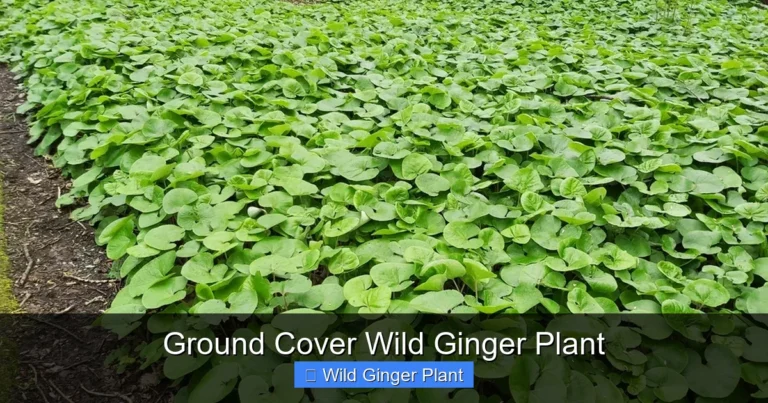
This is where wild ginger shines — as a groundcover. It forms a dense, weed-suppressing carpet 6-12 inches tall. The glossy green leaves look fresh all season. It thrives where grass fails: deep shade, tree roots, acidic soil. Deer and rabbits avoid it (smart animals). It’s hardy zones 3-8. Native plant nurseries sell divisions. Once established, it spreads slowly but steadily. Perfect under oaks, maples, in woodland gardens, along shaded paths.
Ecological Benefits
Wild ginger supports specialized pollinators — small flies (Mycetophilidae, Sciaridae) and beetles. Ants disperse seeds, creating micro-habitats. It provides cover for salamanders, toads, invertebrates. As a native alternative to invasive periwinkle (Vinca minor), English ivy (Hedera helix), or pachysandra (Pachysandra terminalis), it’s ecologically superior. Plant it for the ecosystem, not the medicine cabinet.
Cultivation Tips
- Plant divisions in early spring or fall
- Space 12-18 inches apart; they’ll fill in
- Amend soil with leaf compost, mimic forest duff
- Mulch with shredded leaves annually
- Water during first season establishment
- No fertilizer needed — adapted to low nutrients
- Divide every 5-7 years to rejuvenate
Companion plants: ferns (maidenhair, Christmas), foamflower (Tiarella), wild geranium (Geranium maculatum), bloodroot (Sanguinaria canadensis), trilliums.
Historical Case Studies: Lessons from the Past
The Belgian Aristolochia Tragedy (1990s)
A weight-loss clinic in Belgium prescribed a Chinese herbal formula. One ingredient was supposed to be Stephania tetrandra (han fang ji). The supplier substituted Aristolochia fangchi (guang fang ji) — similar name, different plant. Over 100 women developed rapidly progressive interstitial fibrosis. Half required dialysis or transplant. Many developed urothelial carcinomas. This catastrophe forced global regulatory action and taught the world that “traditional” doesn’t guarantee safe — especially when supply chains fail.
Balkan Endemic Nephropathy: A 50-Year Mystery Solved
Since the 1950s, rural villages along the Danube tributaries in Bulgaria, Romania, Serbia, Bosnia, and Croatia suffered inexplicable kidney failure and upper urinary tract cancers. Families clustered. Wells were tested. Viruses hunted. Nothing fit. Then in the 1990s, researchers noticed Aristolochia clematitis (birthwort) growing in wheat fields. Seeds contaminated flour. Chronic low-dose exposure over decades caused the epidemic. The mutational signature matched the Belgian cases. This proved environmental AA exposure causes human disease — not just herbal medicine misuse.
Implications for Wild Ginger
These cases involved tropical Aristolochia with high AA content. Asarum canadense has less. But the mechanism is identical. The DNA adducts are identical. The cancers are identical. The difference is quantitative, not qualitative. No human epidemiological study exists specifically for wild ginger — because no population uses it heavily enough, long enough, in modern times to generate data. Absence of evidence is not evidence of absence. The precautionary principle applies.
Modern Research Directions: Can We Separate Benefit from Harm?
Aristolochic Acid-Free Extracts
Researchers have explored fractionating Asarum extracts to remove AAs while retaining volatile oils. Supercritical CO2 extraction yields an oil rich in asarone and methyl eugenol but low in AAs (which are polar). However, methyl eugenol itself is carcinogenic. Beta-asarone is less toxic than alpha-asarone but still concerning at high doses. The European Medicines Agency sets limits for asarone in food flavorings. Any commercial product would need rigorous batch testing. Currently, no AA-free wild ginger supplement exists on the market.
Synthetic Analogs and Drug Development
Pharmaceutical companies have studied asarone derivatives for neuroprotection, anticonvulsant, and antidepressant activity. Some show promise in animal models of Alzheimer’s and Parkinson’s. But the therapeutic index is narrow. Development focuses on synthetic analogs with improved safety profiles — not the whole plant. This is how modern medicine uses traditional leads: isolate, modify, test, discard the toxic parent compound.
Ecological and Conservation Research
Current wild ginger research focuses more on ecology than medicine: seed dispersal mutualisms, climate change responses, genetic diversity in fragmented forests, restoration ecology. The plant is a model for understory herb conservation. Its medicinal past informs its cultural significance — but its future lies in intact forest ecosystems, not pill bottles.
Conclusion: Respect the Plant, Protect Yourself
Wild ginger is a beautiful, ecologically valuable, culturally significant native plant. Its history tells a story of human ingenuity — people observing, experimenting, and finding relief in the forest floor. That knowledge deserves respect. But respect also means acknowledging what we now know: the very compounds that make it medicine also make it poison. The line between remedy and toxin was invisible to generations of healers. It’s visible to us.
If you’re a forager, herbalist, or curious nature lover, let wild ginger teach you this lesson: tradition is a starting point, not a destination. Science doesn’t invalidate ancestral wisdom — it refines it. The Cherokee who gathered roots after frost were practicing empirical dose reduction. The Eclectic physicians who preferred it for “delicate constitutions” were observing lower adverse effects. They did their best with the tools they had. We have better tools now. Use them.
Enjoy wild ginger in the woods. Grow it in your shade garden. Photograph its weird little flower. Tell its story. But leave the root in the ground. Your kidneys will thank you. And the ants will still plant its seeds.
Frequently Asked Questions
What is aristolochic acid and why is it dangerous?
Aristolochic acid is a natural toxin found in wild ginger and related plants. It damages DNA, causing kidney failure (aristolochic acid nephropathy) and upper urinary tract cancers. Effects are cumulative and irreversible, often appearing years after exposure.
Did Native Americans know wild ginger was toxic?
Traditional healers likely observed adverse effects with heavy or long-term use, which may explain practices like fall-only harvesting and specific preparation methods. However, they could not identify the molecular mechanism or long-latency carcinogenicity.
Are there any commercial supplements containing wild ginger?
The FDA warns against supplements containing aristolochic acid. Reputable manufacturers avoid Asarum species. Any product listing “wild ginger,” “asarum,” “snakeroot,” or “birthwort” without third-party AA-free certification should be considered unsafe.
Can wild ginger essential oil be used safely?
Essential oils concentrate volatile compounds like asarone and methyl eugenol but may still contain trace aristolochic acids. Methyl eugenol is itself a rodent carcinogen. Internal use of wild ginger essential oil is not recommended. External use requires dilution and caution.
Is European wild ginger (Asarum europaeum) safer than the North American species?
No. Asarum europaeum also contains aristolochic acids and has similar toxicity. It was used in European folk medicine for emetic and cathartic purposes — indications that reflect its irritant toxicity rather than therapeutic benefit.
What should I do if I find wild ginger growing in my yard?
Consider it a lucky native groundcover! It suppresses weeds, supports pollinators, and requires no maintenance in shade. Leave it be, or expand the patch by dividing rhizomes in spring. Just don’t harvest it for medicine.