Wild Ginger Plant in the Pacific Northwest
The wild ginger plant in the pacific northwest is a low‑growing, shade‑loving perennial with heart‑shaped leaves and hidden maroon flowers. It thrives in moist, forested soils and plays a vital role in forest ecology while offering a history of traditional medicinal use.
Key Takeaways
- Distinctive foliage: Heart‑shaped, glossy leaves make the wild ginger plant in the pacific northwest easy to spot on the forest floor.
- Hidden flowers: Small, bell‑shaped blooms sit beneath the leaves, often missed by casual hikers.
- Preferred habitat: Moist, rich, shaded soils of coniferous and mixed forests from coastal ranges to the Cascades.
- Ecological value: Provides ground cover, stabilizes soil, and supports pollinators like beetles and flies.
- Traditional uses: Indigenous peoples used rhizomes for flavoring, poultices, and teas.
- Conservation concerns: Habitat loss and over‑harvesting threaten local populations; responsible foraging is essential.
- Garden potential: Can be cultivated in shade gardens with consistent moisture and organic mulch.
Quick Answers to Common Questions
What does the wild ginger plant in the pacific northwest look like?
It has pairs of glossy, heart‑shaped leaves and a single hidden maroon bell‑shaped flower at ground level.
Where can I find the wild ginger plant in the pacific northwest?
Look in moist, shaded forests from coastal California to southern British Columbia, especially on north‑facing slopes and near streams.
Is the wild ginger plant in the pacific northwest edible?
The rhizomes smell like ginger but contain aristolochic acids; they can be toxic in large amounts, so culinary use should be minimal and well‑cooked.
How does the wild ginger plant in the pacific northwest reproduce?
It spreads mainly by rhizomes, but also produces seeds dispersed by ants after spring flowering.
Can I grow the wild ginger plant in the pacific northwest in my garden?
Yes, it thrives in shade gardens with rich, consistently moist soil and a mulch layer of leaf litter.
📑 Table of Contents
Introduction
When you wander through the damp, moss‑draped woods of the Pacific Northwest, you may notice a low carpet of glossy, heart‑shaped leaves hugging the ground. That carpet is often the wild ginger plant in the pacific northwest, a modest yet fascinating native herb. Unlike the tropical ginger you find in grocery stores, this plant belongs to the genus Asarum and has a completely different flavor profile and ecological story. In this article we’ll explore what makes the wild ginger plant in the pacific northwest unique, where it lives, how to identify it, its role in the forest, how people have used it, and what we can do to protect it.
Whether you are a hiker, a native‑plant gardener, or simply curious about the flora under your feet, understanding the wild ginger plant in the pacific northwest adds depth to every forest walk. The following sections break down the essential facts, practical tips, and conservation actions you can take today.
What Is the Wild Ginger Plant?
Botanical background
The wild ginger plant in the pacific northwest belongs to the family Aristolochiaceae and the genus Asarum. Two species are most common in the region: Asarum caudatum (long‑tailed wild ginger) and Asarum hartwegii (Hartweg’s wild ginger). Both are herbaceous perennials that spread slowly by rhizomes, forming dense mats over time. The genus name Asarum comes from the Greek word for “wild ginger,” reflecting the aromatic rhizomes that early explorers noted.
Growth habit and appearance
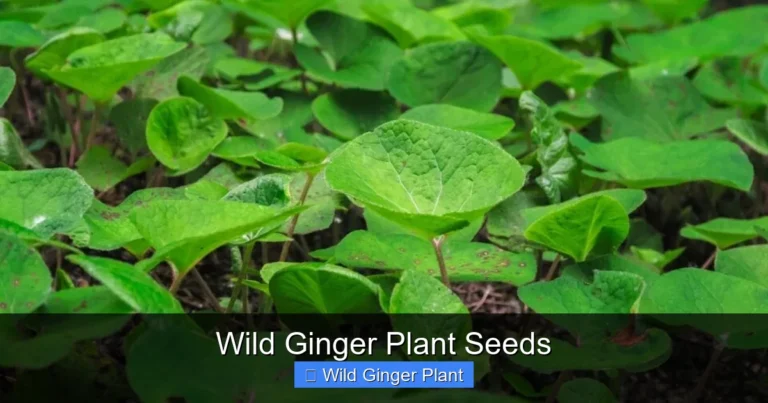
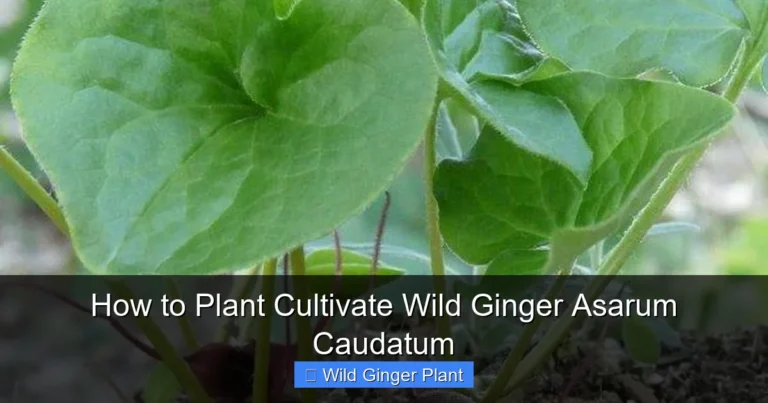
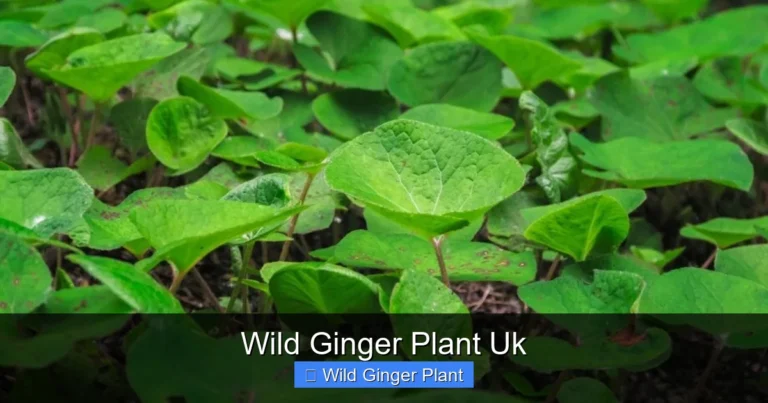
Each plant produces a pair of kidney‑shaped to heart‑shaped leaves that rise on short petioles. The leaves are dark green, glossy, and often have a slightly leathery texture. In spring, a single, solitary flower emerges from the base of the leaf pair, hidden beneath the foliage. The flower is typically maroon to brownish‑purple, bell‑shaped, and about 1–2 centimeters long. Because the bloom stays low, many hikers never see it unless they gently lift the leaves.
Why the name “wild ginger”?
Early settlers and Indigenous peoples noticed that the rhizomes emit a spicy, ginger‑like aroma when crushed. However, the chemistry differs from true ginger (Zingiber officinale). The wild ginger plant in the pacific northwest contains aristolochic acids, which can be toxic in large doses, so culinary use must be approached with caution. The name persists because of the scent, not because the plant is a direct substitute for culinary ginger.
Habitat and Range in the Pacific Northwest
Geographic distribution
The wild ginger plant in the pacific northwest ranges from the coastal rainforests of northern California through western Oregon and Washington, extending into the western slopes of the Cascade Mountains and into southern British Columbia. It prefers elevations from sea level up to about 1,500 meters (≈5,000 feet). In the Olympic Peninsula, the plant carpets the understory of old‑growth Douglas‑fir and western hemlock stands. In the Columbia River Gorge, it thrives in the moist, shaded ravines that stay damp year‑round.
Soil and moisture preferences
Rich, humus‑laden soils with consistent moisture are ideal. The wild ginger plant in the pacific northwest often grows on north‑facing slopes, along stream banks, and in depressions where organic matter accumulates. It tolerates a pH range from slightly acidic (5.5) to neutral (7.0). While it can survive brief dry spells, prolonged drought causes leaf wilting and rhizome dieback.
Associated plant communities
Typical companions include sword fern (Polystichum munitum), Oregon grape (Mahonia aquifolium), salal (Gaultheria shallon), and various mosses and liverworts. The dense shade created by the overstory canopy keeps the forest floor cool and moist, exactly what the wild ginger plant in the pacific northwest needs to flourish.
Identification Tips for the Wild Ginger Plant
Leaf characteristics
Look for a pair of leaves per stem, each 5–12 centimeters wide, with a smooth margin and a prominent central vein. The leaf surface feels slightly waxy. When you turn a leaf over, you may notice a fine, velvety pubescence on the underside, especially on younger foliage.
Flower details
In early spring (March to May, depending on elevation), gently lift the leaf pair to reveal the solitary flower. The flower has three fused sepals forming a tubular bell, often with a slightly flared mouth. The color ranges from deep maroon to brownish‑purple. There are no petals; the sepals perform the visual function. The flower emits a faint, musty odor that attracts its primary pollinators—small flies and beetles.
Rhizome and scent test
If you carefully expose a small section of the rhizome (the underground stem), you’ll notice a thin, brownish‑tan rootstock with a strong, spicy ginger scent when crushed. Remember that harvesting rhizomes removes the plant’s ability to spread, so only do this for scientific study or with proper permits.
Common look‑alikes
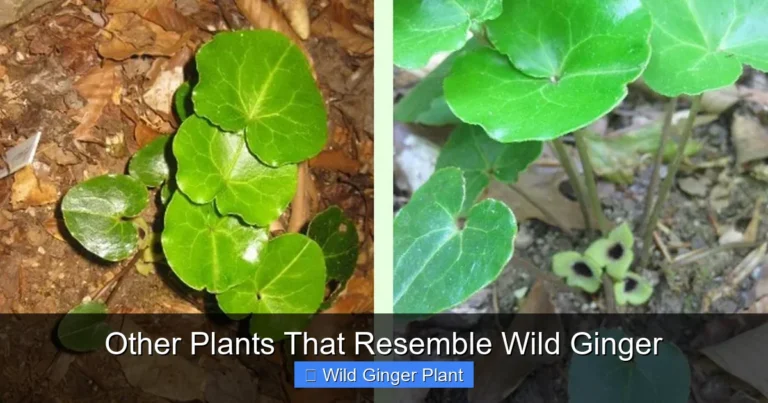
Young seedlings of Trillium species can resemble wild ginger leaves, but trilliums have three leaves in a whorl and a single showy flower above the foliage. Another potential confusion is with Hexastylis (little‑heartleaf), which has similar leaves but distinctively different flowers. The hidden, ground‑level bloom is the key field mark for the wild ginger plant in the pacific northwest.
Ecological Role and Wildlife Interactions
Ground‑cover and soil stabilization
The dense mats formed by the wild ginger plant in the pacific northwest reduce soil erosion on steep, moist slopes. The rhizome network binds the topsoil, while the leaf litter adds organic matter, improving soil structure over time. This ground cover also moderates soil temperature, creating a microhabitat for invertebrates and amphibians.
Pollinator relationships
Because the flowers sit at ground level, they are primarily visited by small Diptera (flies) and Coleoptera (beetles) that crawl among the leaf litter. These insects are attracted by the flower’s faint odor and the shelter the foliage provides. In return, the plant receives cross‑pollination, though self‑pollination can also occur.
Herbivory and seed dispersal
Deer and elk occasionally browse the leaves, but the plant’s low stature and aromatic compounds deter heavy grazing. Small mammals such as voles may nibble rhizomes, inadvertently aiding vegetative spread by fragmenting the rhizome network. Seeds are dispersed by ants (myrmecochory) attracted to an elaiosome attached to each seed, a common strategy among forest understory herbs.
Indicator species
Because the wild ginger plant in the pacific northwest requires intact, moist, shaded habitats, its presence often signals a healthy, undisturbed forest floor. Land managers use it as a bioindicator when assessing the impacts of logging, road building, or invasive species encroachment.
Traditional Uses and Modern Applications
Indigenous knowledge
Coast Salish, Chinook, and other Pacific Northwest tribes harvested the rhizomes of the wild ginger plant in the pacific northwest for a variety of purposes. The rhizomes were chewed or boiled to make a tea believed to relieve colds, stomach aches, and respiratory congestion. Poultices made from mashed rhizomes were applied to wounds and skin irritations. The leaves were sometimes used as a flavoring wrapper for steaming fish.
Early settler adoption
European settlers learned of the plant’s aromatic qualities and used the rhizomes as a substitute for tropical ginger in baking and brewing. However, they quickly discovered the bitter aftertaste and potential toxicity, limiting widespread culinary adoption.
Contemporary herbalism
Modern herbalists sometimes incorporate small amounts of wild ginger rhizome into tinctures for digestive support, citing its carminative properties. Because of the aristolochic acid content, professional guidance is essential, and many practitioners avoid internal use altogether, preferring external applications such as salves for minor muscle aches.
Ornamental and garden use
Shade gardeners value the wild ginger plant in the pacific northwest for its attractive foliage and low maintenance. It works well under deciduous trees, in woodland gardens, and along shaded pathways. When planting, amend the soil with compost, keep the area mulched with leaf litter, and water regularly during the first two growing seasons to establish a robust rhizome network.
Culinary experimentation
Adventurous cooks have tried candied rhizomes, ginger‑infused syrups, and even wild ginger ice cream. The flavor is earthier and less sweet than true ginger, with a lingering peppery note. Because of toxicity concerns, any culinary use should involve very small quantities and thorough cooking to reduce aristolochic acid levels.
Conservation Status and How to Help
Current threats
Habitat loss from clear‑cut logging, urban expansion, and road construction fragments the moist, shaded environments the wild ginger plant in the pacific northwest depends on. Invasive species such as English ivy (Hedera helix) and Himalayan blackberry (Rubus armeniacus) outcompete the low‑growing herb for light and nutrients. Over‑harvesting for herbal markets, though less common than for other natives, can locally deplete populations.
Legal protections
In Washington and Oregon, the wild ginger plant in the pacific northwest is not listed as threatened or endangered at the state level, but many public lands require a permit for any plant collection. British Columbia lists Asarum caudatum as a species of special concern in certain regional districts. Always check local regulations before harvesting.
Restoration practices
Restoration ecologists often include wild ginger in native understory seed mixes for re‑vegetating logged sites. Successful establishment requires planting rhizome fragments or nursery‑grown plugs in prepared, shaded microsites with adequate moisture. Monitoring for at least three years ensures the plants have formed self‑sustaining colonies.
Citizen science opportunities
Programs like iNaturalist and the Pacific Northwest Plant Atlas encourage hikers to photograph and record sightings of the wild ginger plant in the pacific northwest. These data help researchers track distribution changes over time and identify priority conservation areas.
Responsible foraging guidelines
If you choose to harvest a small amount for personal study, follow these rules: take no more than 5 % of a visible patch, leave the majority of rhizomes intact, harvest only from abundant populations on private land with owner permission, and never collect from protected parks or reserves. Consider cultivating your own patch from ethically sourced nursery stock instead.
Garden stewardship
Home gardeners can contribute by planting wild ginger in suitable shaded spots, providing a refuge for the species and a living classroom for visitors. Share divisions with neighbors, local native‑plant societies, or school gardens to expand the genetic diversity of cultivated populations.
Conclusion
The wild ginger plant in the pacific northwest is more than a pretty ground cover; it is a keystone of the forest floor, a cultural touchstone for Indigenous peoples, and a subtle reminder of the intricate relationships that sustain temperate rainforests. By learning to recognize its heart‑shaped leaves, hidden maroon flowers, and spicy rhizomes, you deepen your connection to the landscape each time you step onto a mossy trail. Protecting this plant means protecting the cool, moist, shaded habitats that countless other species call home. Whether you photograph it for a citizen‑science project, cultivate a patch in your shade garden, or simply pause to admire its quiet beauty, every action helps ensure that future generations will also discover the wild ginger plant in the pacific northwest thriving beneath the towering conifers.
Frequently Asked Questions
What is the scientific name of the wild ginger plant in the pacific northwest?
The two most common species are Asarum caudatum (long‑tailed wild ginger) and Asarum hartwegii (Hartweg’s wild ginger).
When does the wild ginger plant in the pacific northwest bloom?
Blooming typically occurs from March through May, depending on elevation and local climate.
Are there any look‑alike plants I should be aware of?
Young Trillium seedlings and Hexastylis (little‑heartleaf) can resemble the leaves, but their flowers are above ground and structurally different.
Is the wild ginger plant in the pacific northwest protected by law?
It is not federally listed, but many state and provincial lands require permits for collection; always verify local regulations.
What wildlife depends on the wild ginger plant in the pacific northwest?
Small flies and beetles pollinate the flowers; ants disperse seeds; deer may browse leaves lightly; voles sometimes eat rhizomes.
How can I help conserve the wild ginger plant in the pacific northwest?
Support habitat protection, avoid over‑harvesting, participate in citizen‑science mapping, and consider planting native rhizomes in appropriate shaded garden sites.