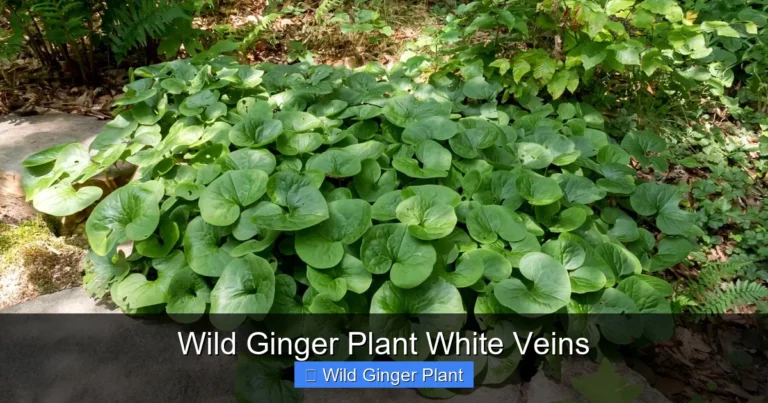
Wild Ginger Plant Hawaii
The wild ginger plant Hawaii hosts includes both native species like ‘awapuhi kuahiwi and invasive varieties such as kahili ginger. Understanding the difference is crucial for protecting fragile island ecosystems. This guide covers identification, traditional uses, and responsible management practices.
Walking through a Hawaiian rainforest, you might catch a sweet, spicy scent drifting on the humid air. That fragrance often comes from the wild ginger plant Hawaii residents and visitors encounter along trails and in gardens. But not all ginger here belongs. Some species arrived with Polynesian voyagers. Others came later as ornamentals and escaped into the wild. Knowing which is which changes how we care for these islands.
This guide explores everything about the wild ginger plant Hawaii landscapes contain. We will look at native species with deep cultural roots. We will examine invasive types that threaten native forests. You will learn identification tips, traditional uses, and how to be a good steward. Whether you hike, garden, or simply love plants, this information matters.
Key Takeaways
- Native vs. invasive: Hawaii has native wild ginger species and several invasive ones that threaten local ecosystems.
- Cultural significance: Native Hawaiians used ‘awapuhi for medicine, ceremony, and everyday life for centuries.
- Identification matters: Learning to distinguish species helps prevent accidental spread of invasive plants.
- Shampoo ginger popularity: The fragrant cones of awapuhi kuahiwi are famous worldwide for natural hair care.
- Conservation efforts: Active management programs work to control invasive ginger while protecting native populations.
- Growing responsibly: Gardeners should choose native species and avoid planting invasive ornamental gingers.
- Ecological impact: Invasive ginger forms dense thickets that crowd out native understory plants and alter forest hydrology.
Quick Answers to Common Questions
What is the native wild ginger plant Hawaii calls awapuhi kuahiwi?
Awapuhi kuahiwi (Zingiber zerumbet) is a Polynesian-introduced ginger with fragrant red cones that produce a natural shampoo liquid. It grows in wet forests and has deep cultural significance for medicine, ceremony, and daily use.
Which wild ginger species are invasive in Hawaii?
Kahili ginger (Hedychium gardnerianum), white ginger (Hedychium coronarium), yellow ginger (Hedychium flavescens), and shell ginger (Alpinia zerumbet) are the main invasive species threatening native forests.
How can I tell native awapuhi from invasive kahili ginger?
Awapuhi has a separate ground-level flower cone and alternate leaf arrangement. Kahili ginger flowers at the top of leafy stems with opposite leaves. Awapuhi smells strongly of ginger-pine; kahili ginger has a faint dusty scent.
Can I grow wild ginger in my Hawaii garden?
Yes, grow native awapuhi kuahiwi or olena (turmeric). Avoid all invasive ornamental gingers. Container growing prevents any risk of escape. Choose nurseries that specialize in native plants.
What should I do if I find invasive ginger on my property?
Remove small patches manually, digging all rhizomes. For large infestations, use cut-stump herbicide treatment. Report new sightings to 643-PEST. Never dump ginger green waste in natural areas.
📑 Table of Contents
- Native Wild Ginger Species of Hawaii
- Invasive Wild Ginger Species in Hawaii
- How to Identify Wild Ginger Plant Hawaii Species
- Cultural Significance and Traditional Uses
- Ecological Impacts of Invasive Ginger
- Management and Control Strategies
- Growing Ginger Responsibly in Hawaii Gardens
- Conservation Efforts and Community Action
- Conclusion
Native Wild Ginger Species of Hawaii
Awapuhi Kuahiwi: The Mountain Ginger
The most famous native ginger is awapuhi kuahiwi. Its scientific name is Zingiber zerumbet. Polynesian voyagers brought it to Hawaii centuries ago. They valued it for medicine, ceremony, and practical uses. The plant grows in wet forests at middle elevations. You will find it on all main islands.
Awapuhi kuahiwi reaches four to seven feet tall. Its leaves are long, narrow, and arranged alternately on the stem. The flower spike emerges separately from the leaf stalks. It starts green and turns bright red at maturity. Inside the mature red cone, a clear, fragrant liquid fills the bracts. This liquid is the famous natural shampoo and conditioner.
Hawaiians call this liquid “awapuhi juice.” They used it to wash hair and body. It leaves hair soft, shiny, and scented. Today, commercial hair products feature awapuhi extract. But the wild plant remains a cultural treasure. Gathering from wild populations requires respect and permission. Many families tend their own patches.
Other Native and Polynesian-Introduced Gingers
Hawaii hosts a few other ginger relatives. The native orchid ginger, or Haplostachys haplostachya, is extremely rare. It belongs to the mint family, not true ginger. True gingers in the Zingiberaceae family include only the Polynesian introductions. These are considered “canoe plants.” They arrived with the first human settlers.
Another canoe plant is olena, or turmeric (Curcuma longa). While not a wild ginger plant Hawaii forests harbor naturally, it grows in old garden sites. Olena has bright orange rhizomes. Hawaiians used it for dye, medicine, and cooking. Its broad leaves and pale yellow flowers differ from awapuhi. You might spot it near ancient village sites.
Habitat and Growth Patterns of Native Ginger
Native wild ginger plant Hawaii populations prefer specific conditions. They thrive in mesic to wet forests. Elevation ranges from 1,000 to 4,000 feet. They need rich, well-drained soil and dappled shade. The plants go dormant in dry seasons. Leafy stalks die back. Rhizomes wait underground for rain.
Reproduction happens two ways. The plants spread vegetatively through rhizomes. They also produce seeds in the cone bracts. Birds and water disperse seeds. But vegetative spread dominates. A single planting can form a large colony over decades. This makes established patches resilient but slow to colonize new areas.
Invasive Wild Ginger Species in Hawaii
Kahili Ginger: The Showy Invader
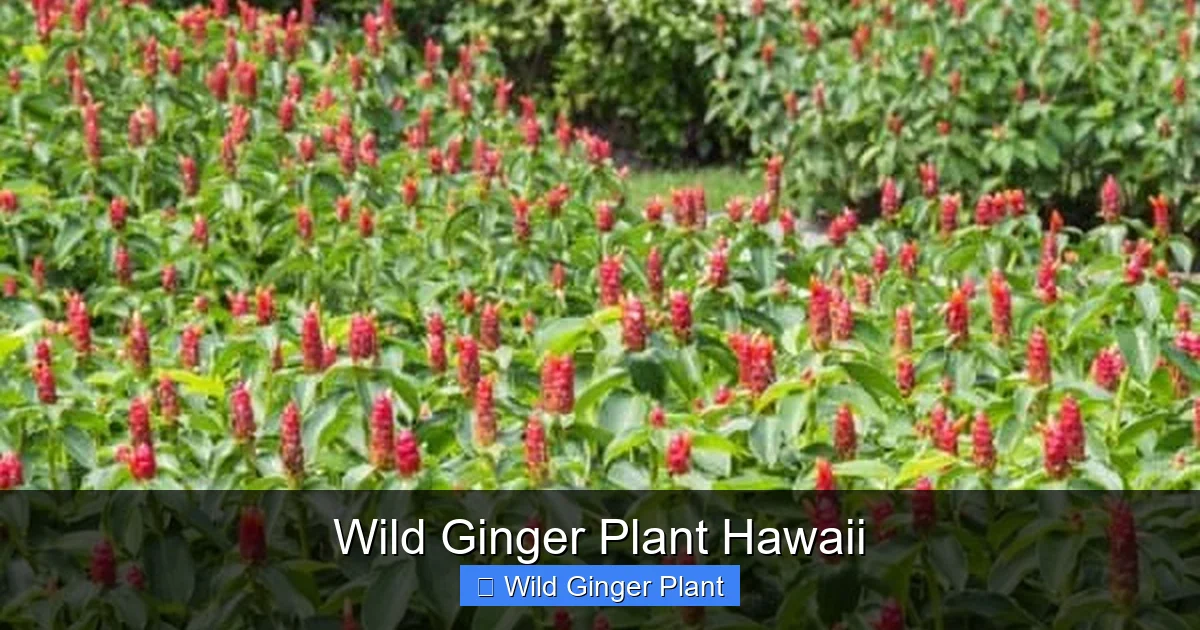
Kahili ginger (Hedychium gardnerianum) tops the invasive list. Native to the Himalayas, it arrived as an ornamental in the 1800s. Its large, fragrant yellow flower spikes with red stamens look spectacular. Gardeners loved it. Birds loved its seeds. By the mid-1900s, it escaped into rainforests.
Visual guide about Wild Ginger Plant Hawaii
Image source: thumbs.dreamstime.com
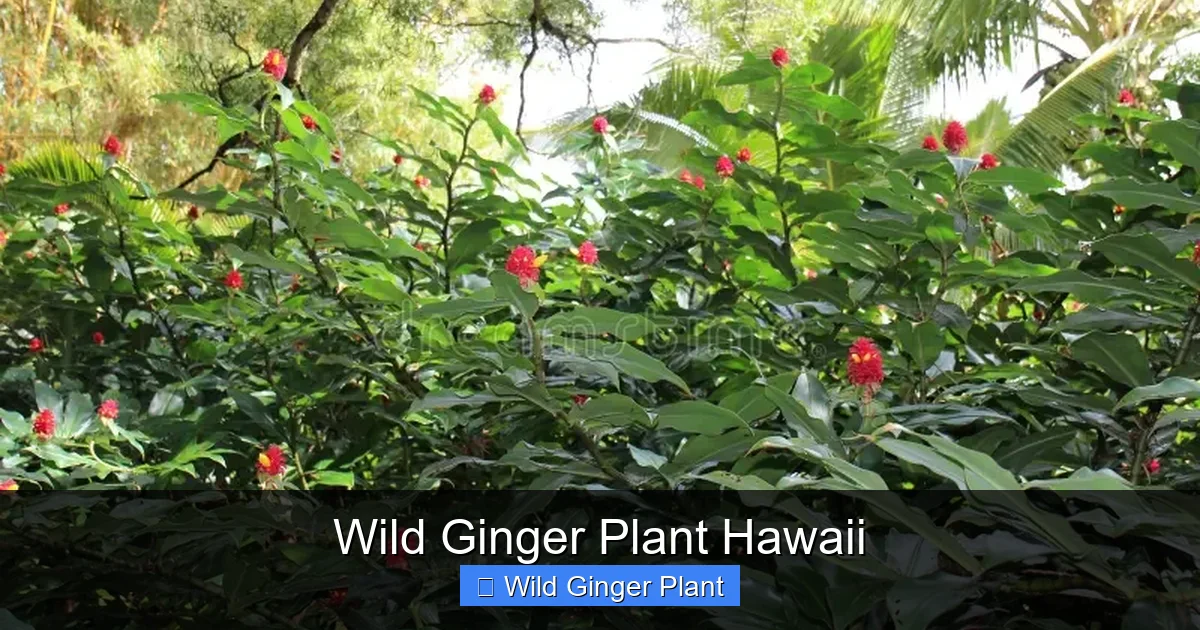
Today, kahili ginger dominates thousands of acres. It forms dense stands six to eight feet tall. The thick rhizome mats prevent native seedling establishment. It alters soil chemistry and nutrient cycling. In Hawaii Volcanoes National Park, it threatens rare plant habitat. Control costs millions annually.
Identification is straightforward. Look for the terminal flower spike. It resembles a feather duster or kahili, the royal standard. Leaves are broad, up to two feet long. The rhizomes are thick, fleshy, and shallow. Crushed leaves smell faintly spicy, not strongly fragrant like awapuhi.
White Ginger and Yellow Ginger: More Escapees
White ginger (Hedychium coronarium) and yellow ginger (Hedychium flavescens) also invaded. White ginger has pure white, intensely fragrant flowers. It favors wetter areas. Yellow ginger has pale yellow blooms with a darker throat. Both form similar dense thickets. Both spread by rhizomes and bird-dispersed seeds.
These species often grow together. They create “ginger monocultures” in valleys and gullies. Native ferns, shrubs, and tree seedlings cannot compete. The forest understory disappears. This changes habitat for native birds and insects. Stream hydrology shifts as ginger roots alter water flow.
Shell Ginger and Other Ornamental Escapees
Shell ginger (Alpinia zerumbet) adds to the problem. Its pink and white striped flowers look like seashells. Variegated cultivars are popular landscaping plants. But the green form spreads aggressively in wet forests. It tolerates deeper shade than Hedychium species. This lets it invade intact forest interiors.
Other gingers like red ginger (Alpinia purpurata) and torch ginger (Etlingera elatior) occasionally naturalize. They pose less widespread threat but still displace natives locally. The pattern repeats: ornamental introduction, bird dispersal, forest invasion. Early detection and rapid response remain the best strategy.
How to Identify Wild Ginger Plant Hawaii Species
Key Differences: Native vs. Invasive
Distinguishing native from invasive wild ginger plant Hawaii types saves time and effort. Focus on three features: flower structure, leaf arrangement, and growth habit. Awapuhi kuahiwi has a separate flower stalk. The cone emerges at ground level. Invasive Hedychium species flower at the top of leafy stems.
Leaf arrangement differs too. Awapuhi leaves spiral up the stem alternately. Invasive gingers have leaves in two ranks, opposite each other. Growth habit tells another story. Native ginger forms loose colonies. Invasive species create impenetrable walls. Rhizome depth varies. Awapuhi rhizomes grow deeper. Invasive rhizomes mat near the surface.
Seasonal Identification Tips
Flowering season helps identification. Awapuhi kuahiwi blooms summer through fall. Cones appear July to November. Kahili ginger flowers late summer to winter. White ginger blooms spring through fall. Yellow ginger peaks in summer. Shell ginger flowers spring to summer.
When flowers are absent, look at leaves and stems. Awapuhi stems are smooth, slightly zigzag. Invasive ginger stems are more robust, sometimes hairy. Crush a leaf. Awapuhi smells strongly of ginger and pine. Kahili ginger has a faint, dusty scent. White ginger smells sweetly floral when flowering, but leaves lack strong odor.
Using Technology for Identification
Modern tools help confirm identifications. The iNaturalist app works well in Hawaii. Take clear photos of leaves, flowers, and whole plant. Include habitat context. The community verifies observations. The Hawaii Invasive Species Council website has excellent photo guides. The University of Hawaii CTAHR extension publications offer detailed keys.
When in doubt, do not pull. Misidentification leads to removing native plants. Report suspected invasives to 643-PEST or the online reporting system. Note location, take photos, and describe abundance. Land managers prioritize new infestations. Your report could protect acres of native forest.
Cultural Significance and Traditional Uses
Awapuhi in Hawaiian Medicine
The wild ginger plant Hawaii ancestors knew best was awapuhi kuahiwi. Kahuna lapaau (healers) used every part. Rhizomes treated stomach aches, headaches, and toothaches. They pounded fresh rhizome into paste for sprains and bruises. The cone liquid soothed skin irritations and insect bites.
For respiratory issues, they steamed rhizome slices. The aromatic vapor cleared congestion. Postpartum women drank awapuhi tea for recovery. The mildly spicy rhizome stimulated digestion. Modern research confirms anti-inflammatory and antimicrobial compounds. Traditional knowledge aligns with science.
Ceremonial and Practical Applications
Beyond medicine, awapuhi played ceremonial roles. The fragrant cones adorned kuahu (altars) during Makahiki season. Dancers wore leis of awapuhi leaves and flowers. The scent honored Lono, god of agriculture and peace. Chiefs received awapuhi as tribute from mountain districts.
Practically, the large leaves wrapped food for imu (underground oven) cooking. They lined carrying baskets. The fibrous stems made temporary cordage. Rhizomes yielded a yellow dye for kapa (bark cloth). Nothing went to waste. This holistic use reflects the Hawaiian value of malama aina (caring for the land).
Contemporary Cultural Practice
Today, cultural practitioners maintain awapuhi traditions. Families tend patches passed down generations. They harvest sustainably, taking only what they need. Some cultivate awapuhi in agroforestry systems. Others protect wild populations from feral pigs and invasive plants.
Commercial awapuhi products benefit from this heritage. But ethical sourcing matters. Wild harvesting for mass market threatens populations. The best products come from cultivated sources. Look for companies that partner with Hawaiian growers. Support those who respect cultural protocols and share benefits.
Ecological Impacts of Invasive Ginger
Forest Structure Transformation
Invasive wild ginger plant Hawaii invasions rewrite forest architecture. Native Hawaiian forests have open understories. Light filters to the forest floor. Ferns, shrubs, and tree seedlings grow in patches. Invasive ginger creates a continuous canopy at six feet. Light drops to near zero beneath.
This shade eliminates native ground cover. Tree seedlings cannot establish. The forest loses its regeneration capacity. Over decades, the canopy ages without replacement. When old trees fall, ginger expands into the gap. The forest converts to ginger monoculture. Recovery becomes nearly impossible without intervention.
Hydrology and Soil Changes
Ginger rhizomes form dense mats just below the surface. These mats intercept rainfall. Water runs off instead of infiltrating. Stream flow becomes flashier. Floods increase. Dry season flows decrease. Native forests act as sponges. Ginger forests act as roofs.
Soil chemistry shifts too. Ginger litter decomposes differently. Nutrient cycling accelerates then stalls. Native microbes decline. Invasive earthworms thrive in ginger soils. They further alter soil structure. The changes favor more invasives. A feedback loop entrenches the invasion.
Wildlife Habitat Degradation
Native birds suffer. Insectivores lose foraging substrate. Nectarivores lose native flowering plants. Ground-nesting birds lose cover. The endangered akikiki and akekee lose habitat in Kauai’s Alakai. On Hawaii Island, palila habitat degrades at mid-elevations.
Invertebrates face similar losses. Native Drosophila flies need specific host plants. Ginger eliminates those plants. Snails lose moist microhabitats. The entire food web simplifies. Invasive species like coqui frogs and strawberry guava often follow ginger. The invasion meltdown accelerates.
Management and Control Strategies
Manual and Mechanical Control
Controlling wild ginger plant Hawaii invasions requires persistence. Small patches succumb to manual removal. Dig out entire rhizome systems. Screen soil to catch fragments. Any piece left behind resprouts. Bag and dispose of rhizomes in green waste. Do not compost. Flowers and seeds need careful bagging before removal.
Larger infestations need mechanical help. Brush cutters clear top growth. But rhizomes remain. Follow-up is essential. Some teams use mini-excavators to scrape rhizome mats. This disturbs soil heavily. Replanting natives immediately prevents re-invasion. Erosion control matters on slopes.
Herbicide Applications
Herbicides play a role in large-scale control. Glyphosate and triclopyr formulations work. Cut-stump treatment minimizes non-target effects. Cut stems, apply herbicide immediately to cut surface. Foliar spray works on resprouts. Drizzle application reduces drift. Always follow label and state regulations.
Timing matters. Treat after flowering but before seed set. Plants translocate herbicide to rhizomes then. Multiple treatments span years. Seed banks persist. Monitoring continues indefinitely. Integration with native restoration improves outcomes. The goal: shift competitive balance to natives.
Biological Control Research
Scientists explore biological control for kahili ginger. The ginger weevil (Elytroteinus subtruncatus) attacks rhizomes in native range. Host specificity testing takes years. Hawaii’s unique flora demands extreme caution. Past biocontrol successes (like for prickly pear) give hope. But failures (like mongoose) teach caution.
Current research examines fungal pathogens. A species-specific rust or wilt could suppress ginger. Laboratory trials precede field release. The process takes a decade or more. Meanwhile, manual and chemical control hold the line. Public support for biocontrol varies. Education builds understanding.
Growing Ginger Responsibly in Hawaii Gardens
Choosing the Right Species
Gardeners love ginger flowers. But choice matters enormously. Plant only native or non-invasive species. Awapuhi kuahiwi thrives in home gardens with shade and moisture. It rewards you with shampoo cones. Olena grows easily in sunny spots. Both connect you to Hawaiian heritage.
Avoid all Hedychium species. Do not plant kahili, white, or yellow ginger. Avoid shell ginger (Alpinia zerumbet). Skip red ginger and torch ginger too. Many nurseries still sell these. Ask for native alternatives. If they do not carry them, request them. Consumer demand drives supply.
Cultivation Tips for Native Ginger
Awapuhi kuahiwi likes rich, moist soil. Amend with compost. Mulch heavily. Plant rhizome pieces with buds facing up. Space two feet apart. Water regularly until established. Then water during dry spells. Fertilize lightly with organic matter.
Harvest cones when bright red and plump. Squeeze liquid into a jar. Refrigerate for weeks. Freeze for months. Use as shampoo, conditioner, or body wash. Leave some cones to seed. Divide clumps every few years. Share with friends. Spread the native plant, not the invasive ones.
Container Growing Options
No yard? Grow ginger in pots. Large containers (15+ gallons) work. Use quality potting mix with compost. Ensure drainage. Place in morning sun, afternoon shade. Water daily in heat. Fertilize monthly with fish emulsion. Move indoors if cold threatens.
Container growing prevents escape entirely. No rhizomes reach soil. No seeds reach birds. You enjoy beauty and utility risk-free. Many apartment dwellers grow awapuhi on lanais. Schools use pots for cultural education. It’s a perfect solution for urban Hawaii.
Conservation Efforts and Community Action
Protected Area Management
Hawaii’s conservation lands actively manage invasive ginger. Hawaii Volcanoes National Park runs extensive control programs. The Nature Conservancy protects key watersheds. State Natural Area Reserves prioritize intact forests. Watershed partnerships coordinate across boundaries.
These efforts use integrated strategies. Crews survey by helicopter and on foot. They map infestations in GIS. Priority areas get treatment first. Rare plant habitat receives special attention. Monitoring tracks progress. Adaptive management adjusts tactics. It’s a long-term commitment.
Volunteer and Citizen Science Opportunities
You can help. Volunteer groups pull ginger monthly. The Sierra Club, Malama Hawaii, and local groups organize workdays. No experience needed. Tools and training provided. It’s great exercise and community. You see beautiful places most miss.
Citizen science adds value. Report ginger sightings on iNaturalist. Join the Hawaii Invasive Species Council’s “Spot the Ant, Stop the Ant” style campaigns for ginger. Photograph, geotag, upload. Researchers use your data. Early detection saves money and ecosystems.
Policy and Prevention
Prevention beats cure. Hawaii restricts many ginger imports. The Department of Agriculture inspects nurseries. The Noxious Weed List prohibits sale of key species. But enforcement gaps exist. Online plant sales bypass regulations. Interstate shipping brings risks.
Support stronger biosecurity. Fund inspection programs. Back native plant ordinances. Encourage “Plant Pono” practices. Choose certified nurseries. Every action ripples. The wild ginger plant Hawaii future depends on today’s choices.
Conclusion
The story of wild ginger plant Hawaii holds is a tale of two gingers. One arrived with the first people, woven into culture and ecology. The others came later as ornaments, then escaped to threaten what the first sustained. This contrast teaches us about belonging, impact, and responsibility.
When you smell ginger on a Hawaiian trail, pause. Look closely. Is it the ground-level cone of awapuhi kuahiwi? Or the towering spike of kahili ginger? Your recognition matters. Your report matters. Your garden choices matter. Together, we tip the balance toward the native, the sustainable, the pono.
Hawaii’s forests evolved in isolation for millions of years. They have no defenses against aggressive invaders. But they have us. We can learn. We can act. We can plant awapuhi and pull kahili. We can teach children the difference. We can honor the past by protecting the future. The wild ginger plant Hawaii deserves is the one that belongs.
Frequently Asked Questions
Is wild ginger plant Hawaii native to the islands?
True gingers (Zingiberaceae) are not native to Hawaii. Awapuhi kuahiwi and olena are Polynesian introductions (canoe plants) brought by early settlers. They have been here for centuries and are culturally native. All other wild gingers are recent ornamental escapes.
Can I harvest awapuhi from the wild for personal use?
Harvesting from wild populations requires permission from landowners or managers. Many areas prohibit collection. It is best to grow your own or purchase from cultivated sources. Sustainable harvest from tended family patches follows cultural protocols.
Why is kahili ginger so destructive to Hawaiian forests?
Kahili ginger forms dense thickets that block all light from reaching the forest floor. Its shallow rhizome mats prevent native seedling establishment, alter soil hydrology, and change nutrient cycling. It creates monocultures that eliminate habitat for native plants and animals.
Does awapuhi shampoo really work for hair care?
Yes, the clear liquid from mature awapuhi cones contains saponins and conditioning compounds that cleanse and soften hair. It has been used for centuries by Hawaiians. Commercial products use cultivated awapuhi extract for the same benefits.
How long does it take to control an invasive ginger infestation?
Control typically requires 3-5 years of repeated treatment followed by indefinite monitoring. Rhizome fragments resprout easily. Seed banks persist. Native restoration must accompany removal to prevent re-invasion. Persistence is essential.
Are there any biological controls for invasive ginger in Hawaii?
Research is ongoing but no biological control agents have been released yet. Scientists are testing insects and pathogens from the gingers’ native ranges for host specificity. The process takes many years to ensure safety for native and crop plants.