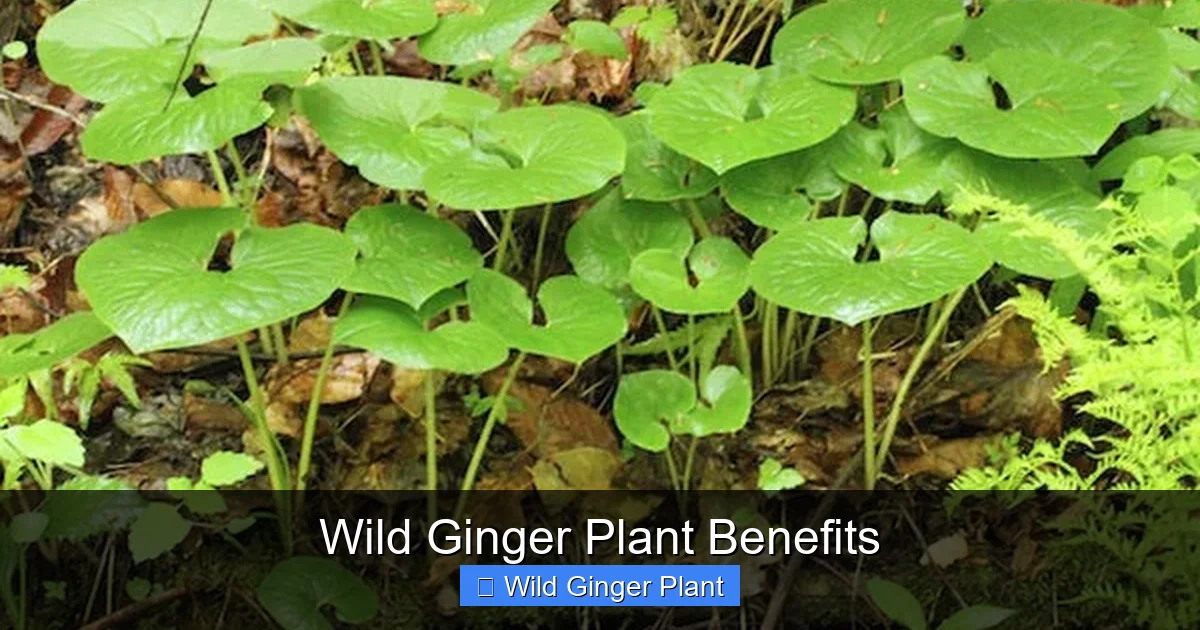
Wild Ginger Plant Benefits
Wild ginger (Asarum canadense) is a native North American woodland plant with a long history of traditional use by Indigenous peoples for digestive and respiratory support. While it offers potential antimicrobial and anti-inflammatory properties, it contains aristolochic acid, which poses serious health risks including kidney damage and cancer. Modern herbalists generally recommend safer alternatives for medicinal use.
Key Takeaways
- Not true ginger: Wild ginger belongs to the birthwort family (Aristolochiaceae) and is unrelated to culinary ginger (Zingiber officinale).
- Traditional digestive aid: Indigenous peoples used root tea for stomach aches, gas, and indigestion.
- Respiratory support: Historical use includes treating colds, coughs, and bronchial complaints.
- Antimicrobial properties: Lab studies show activity against certain bacteria and fungi.
- Serious safety concerns: Contains aristolochic acid, linked to kidney failure and urothelial cancer.
- External use preferred: Modern herbalists limit use to topical applications like poultices for wounds.
- Safer alternatives exist: Culinary ginger, peppermint, and chamomile offer similar benefits without the risks.
Quick Answers to Common Questions
Is wild ginger related to the ginger I cook with?
No. Wild ginger (Asarum canadense) belongs to the birthwort family (Aristolochiaceae), while culinary ginger (Zingiber officinale) is in the Zingiberaceae family. They are completely unrelated plants that happen to share a similar aroma.
Can I safely drink wild ginger tea?
No. Wild ginger contains aristolochic acids, which are known human carcinogens and kidney toxins. Internal use in any form — tea, tincture, capsule, or food — is not recommended by modern herbalists or health authorities.
What are the traditional uses of wild ginger?
Indigenous peoples and early American physicians used wild ginger for digestive issues, colds, coughs, fevers, menstrual cramps, and as a topical wound treatment. However, traditional preparations and safety knowledge have largely been lost.
Are there any safe ways to use wild ginger?
Most modern herbalists limit wild ginger to short-term external use only — such as a leaf poultice applied to intact skin for 15-20 minutes. Even this should be done cautiously and avoided during pregnancy or with kidney conditions.
What should I use instead of wild ginger for digestion?
Safer alternatives include culinary ginger, peppermint, chamomile, and fennel. These herbs have similar carminative and digestive benefits without the carcinogenic and nephrotoxic risks of wild ginger.
📑 Table of Contents
- Getting to Know Wild Ginger
- What Exactly Is Wild Ginger?
- Traditional and Historical Uses
- Potential Health Benefits: What Science Says
- The Elephant in the Room: Safety Concerns
- Modern Herbalist Perspectives
- Ecological and Ethical Considerations
- Practical Guidelines If You Choose to Use It
- Wild Ginger in the Broader Context of Herbal Safety
- Conclusion
Getting to Know Wild Ginger
If you’ve ever wandered through a shady deciduous forest in eastern North America, you might have spotted wild ginger growing in dense colonies along the forest floor. This low-growing perennial with its heart-shaped leaves and unusual jug-shaped flowers hiding beneath the foliage has a fascinating story to tell. Despite its common name, wild ginger isn’t related to the spicy root in your kitchen spice rack at all. It belongs to an entirely different plant family and carries a very different safety profile.
Native American tribes across the plant’s range — from the Cherokee to the Iroquois to the Algonquin — held this plant in high regard. They used it for everything from settling upset stomachs to treating colds and fevers. European settlers quickly adopted many of these uses after learning from Indigenous healers. But here’s the thing: traditional knowledge often came with specific preparation methods and dosage guidelines that modern users might not know about. And modern science has uncovered some serious red flags that change how we should think about this plant entirely.
What Exactly Is Wild Ginger?
Botanical Identity and Classification
Let’s clear up the confusion right away. The plant most commonly called wild ginger in North America is Asarum canadense, also known as Canadian wild ginger or broad-leaved wild ginger. It’s a member of the Aristolochiaceae family — the birthwort family. This is completely different from Zingiber officinale, the tropical plant that gives us culinary ginger, which belongs to the Zingiberaceae family.
There are actually several Asarum species native to North America, including Asarum caudatum (western wild ginger) found in the Pacific Northwest, and Asarum virginicum (Virginia wild ginger) in the southeastern states. They share similar characteristics and chemical profiles. In Europe and Asia, other Asarum species like Asarum europaeum (European wild ginger) have their own traditional uses.
How to Identify It in the Wild
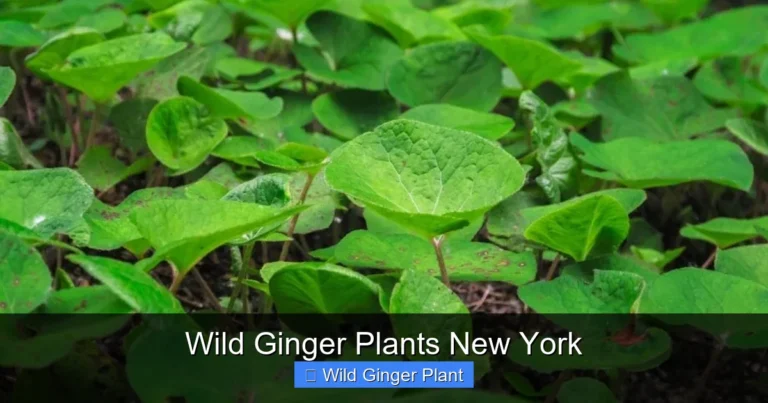
Wild ginger grows as a ground cover in rich, moist woodland soils. Each plant produces a pair of large, heart-shaped or kidney-shaped leaves that can reach 6 inches across. The leaves are soft and slightly hairy, with a deep green color. In spring — typically April through May depending on your location — a single flower emerges at ground level, hidden beneath the leaf litter.
The flower is unusual: it has no petals, just three pointed sepals fused into a bell or jug shape, usually purplish-brown to reddish-brown. It sits right on the soil surface, which makes sense when you learn it’s pollinated by ground-dwelling insects like beetles and flies attracted to its faint carrion-like scent. The rhizomes (underground stems) creep horizontally just below the surface, forming dense mats over time. When scratched or bruised, the roots release a distinct ginger-like aroma — hence the common name.
Where It Grows
You’ll find wild ginger in rich, mesic deciduous forests across eastern North America, from Manitoba and Quebec south to Georgia and west to Missouri and Oklahoma. It prefers deep shade, consistent moisture, and soil rich in organic matter. In the western states, Asarum caudatum occupies similar niches in coniferous and mixed forests from British Columbia to California and east to Montana.
Because it spreads slowly by rhizome and seed dispersal by ants (a process called myrmecochory), wild ginger colonies can indicate undisturbed, mature forest ecosystems. If you see a thick carpet of it, you’re likely in a pretty special piece of woods.
Traditional and Historical Uses
Indigenous Knowledge and Practices
The depth of Indigenous knowledge about wild ginger is remarkable. The Cherokee used a root decoction for colds, coughs, and fevers, and also as a contraceptive tea. The Iroquois treated digestive disorders, including stomach cramps and “cholera morbus” (a historical term for severe gastroenteritis). The Menominee used it for menstrual pain and to induce delayed menstruation. The Ojibwe applied a poultice of fresh leaves to wounds and skin infections.
What’s important to understand is that these uses were embedded in sophisticated medical systems. Healers knew which part of the plant to harvest, when to harvest it, how to prepare it, what dosage to give, and what conditions it was appropriate for. They also knew contraindications — for example, many tribes avoided giving it to pregnant women because of its reputation for stimulating menstruation. This contextual knowledge is largely lost in modern casual use.
Early American and Eclectic Medicine
European settlers and later Eclectic physicians (a branch of 19th-century American medicine that relied heavily on botanical remedies) adopted wild ginger enthusiastically. The Eclectics used it as a stimulant, carminative (gas-relieving), diaphoretic (sweat-inducing), and expectorant. It appeared in the United States Pharmacopeia from 1820 to 1882. King’s American Dispensatory, a seminal Eclectic text, recommended it for “atonic dyspepsia” (weak digestion), flatulent colic, and chronic bronchial conditions.
Interestingly, Eclectic physicians often combined wild ginger with other herbs to moderate its intensity. They also noted that the dried root was less irritating than the fresh root — a preparation detail that matters for safety.
Culinary Uses
Beyond medicine, wild ginger has a culinary history. Indigenous peoples and early settlers used the rhizomes as a ginger substitute in cooking. The roots can be candied, made into syrup, or dried and powdered as a spice. The leaves were sometimes used to wrap foods for cooking, imparting a subtle flavor. However, culinary use declined as true ginger became widely available and affordable — and for good reason, as we’ll discuss.
Potential Health Benefits: What Science Says
Antimicrobial and Antifungal Activity
Laboratory studies have confirmed that wild ginger extracts show antimicrobial properties. Essential oil from Asarum canadense rhizomes has demonstrated activity against several bacteria, including Staphylococcus aureus, Escherichia coli, and Pseudomonas aeruginosa. It also shows antifungal activity against Candida albicans and other fungal species. These findings align with traditional use for wound care and respiratory infections.
However, it’s crucial to note that these are in vitro (test tube) studies. What happens in a petri dish doesn’t always translate to what happens in the human body. The concentrations needed for antimicrobial effects might not be achievable safely in vivo.
Anti-Inflammatory Potential
Some research suggests wild ginger compounds may have anti-inflammatory effects. A study on Asarum heterotropoides (a related Asian species used in traditional Chinese medicine as “xixin”) found that certain lignans and volatile oil components inhibited inflammatory mediators like nitric oxide and prostaglandin E2 in macrophage cells. Another study identified asarinin, a lignan from Asarum species, as having potential anti-inflammatory and antioxidant properties.
Again, these are preliminary findings mostly from cell studies or animal models. Human clinical trials are lacking.
Digestive Effects
The traditional use as a digestive aid makes pharmacological sense. The volatile oils in wild ginger — primarily asarones, methyl eugenol, and other aromatic compounds — can stimulate digestive secretions and relax smooth muscle, which would help with gas, bloating, and cramping. This carminative effect is similar to what you see with culinary ginger, peppermint, and fennel.
But here’s the catch: the same compounds that provide these benefits are also the ones raising safety concerns. The dose that helps might be uncomfortably close to the dose that harms.
Respiratory Support
As an expectorant and diaphoretic, wild ginger was traditionally used to “break” a fever and clear congestion. The volatile oils can irritate mucous membranes slightly, which reflexively increases respiratory secretions and helps thin mucus. The diaphoretic action promotes sweating, which can help reduce fever. These are plausible mechanisms, but again — no modern clinical trials confirm efficacy or safety for these uses.
The Elephant in the Room: Safety Concerns
Aristolochic Acid: The Hidden Danger
This is the most critical thing you need to know about wild ginger. Plants in the Aristolochiaceae family, including Asarum species, contain aristolochic acids (AAs) — a group of nitrophenanthrene carboxylic acid derivatives. These compounds are potent nephrotoxins (kidney toxins) and carcinogens.
The evidence is overwhelming and terrifying. Aristolochic acid exposure causes a specific type of kidney damage called aristolochic acid nephropathy (AAN), characterized by extensive fibrosis of the renal cortex. It’s also strongly linked to urothelial carcinomas — cancers of the urinary tract, including the ureter, bladder, and renal pelvis. The International Agency for Research on Cancer (IARC) classifies aristolochic acids as Group 1 carcinogens — known human carcinogens.
This isn’t theoretical. The “Chinese herbs nephropathy” epidemic in Belgium in the 1990s, where over 100 women developed rapid kidney failure and many developed urothelial cancer after taking a weight-loss supplement contaminated with Aristolochia fangchi, brought this to global attention. Balkan endemic nephropathy, a mysterious kidney disease affecting rural populations in the Balkans for decades, was eventually traced to aristolochic acid contamination of wheat flour from Aristolochia clematitis seeds.
How Much Is in Wild Ginger?
Here’s where it gets complicated. Asarum species generally contain lower levels of aristolochic acids than Aristolochia species (the birthworts proper). But they do contain them. Studies have detected aristolochic acid I and II in Asarum canadense, Asarum europaeum, Asarum heterotropoides, and other species. Levels vary by species, plant part, season, and growing conditions.
The rhizomes (roots) — the part traditionally used — tend to have higher concentrations than the leaves. Drying and aging may reduce levels somewhat, but not eliminate them. There’s no established “safe dose” because the damage is cumulative and can have a long latency period — cancer may appear 10-20 years after exposure.
Other Toxic Constituents
Aristolochic acid isn’t the only concern. Wild ginger also contains asarone (specifically beta-asarone), which has shown carcinogenic potential in animal studies. The European Union restricts beta-asarone in food and beverages. Methyl eugenol, another volatile component, is also considered potentially carcinogenic. The essential oil can be irritating to skin and mucous membranes in concentrated form.
Regulatory Status
Because of these concerns, several countries have restricted or banned Asarum species in herbal products. Germany’s Commission E (the gold standard for herbal medicine regulation) did not approve wild ginger for any therapeutic use. The FDA has issued warnings about aristolochic acid in botanical products. In the US, wild ginger supplements are not common in mainstream markets, but they can be found through some online retailers and specialty herb shops — often without adequate warning labels.
Modern Herbalist Perspectives
External Use Only
Most contemporary clinical herbalists in North America take a conservative stance: wild ginger should be limited to external use only, and even then with caution. A poultice or compress of fresh leaves applied to a wound, sprain, or skin infection for a short period is generally considered acceptable by many practitioners. The skin provides a barrier that limits systemic absorption of aristolochic acids.
Some herbalists will use a very dilute tincture topically for fungal infections like athlete’s foot. But internal use — teas, tinctures, capsules, or culinary amounts — is widely discouraged in the modern professional herbal community. The risk-benefit ratio simply doesn’t justify it when safer alternatives exist.
Safer Alternatives for Traditional Indications
For every traditional use of wild ginger, there’s a safer herb that does the job:
- Digestive upset, gas, nausea: Culinary ginger (Zingiber officinale), peppermint (Mentha x piperita), chamomile (Matricaria chamomilla), fennel (Foeniculum vulgare)
- Colds, coughs, congestion: Elderberry (Sambucus nigra), thyme (Thymus vulgaris), mullein (Verbascum thapsus), elecampane (Inula helenium)
- Menstrual cramps: Cramp bark (Viburnum opulus), ginger, chamomile, magnesium
- Wound care: Yarrow (Achillea millefolium), plantain (Plantago spp.), calendula (Calendula officinalis)
These alternatives have long safety track records, extensive modern research, and no known carcinogenic constituents.
What About Traditional Preparation Methods?
Some argue that traditional preparation methods — like long boiling (decoction) which may volatilize some toxic compounds, or combining with other herbs — mitigated the risks. There’s some pharmacological basis for this: aristolochic acids are somewhat heat-labile, and certain compounds in other herbs might offer protective effects. But “somewhat reduced” is not the same as “safe.” And we’ve lost the precise traditional knowledge of exactly how to prepare it safely.
Modern herbalists generally feel that reviving internal use of wild ginger without the full traditional knowledge system intact is irresponsible. The stakes are too high.
Ecological and Ethical Considerations
Slow Growth and Vulnerability
Wild ginger is not a plant that bounces back quickly from harvest. It spreads slowly by rhizome — a colony may expand only a few inches per year. Seed dispersal depends on ants, which carry seeds only short distances. A plant harvested for its rhizome is killed. A colony decimated by overharvesting may take decades to recover, if it ever does.
In many areas, wild ginger populations are already stressed by habitat loss, deer browse (deer love it), invasive species like garlic mustard, and climate change. Ethical wildcrafters follow the “one in twenty” rule — only harvest if there are at least 20 plants, and take only one. Better yet, don’t harvest wild populations at all.
Cultivation as an Alternative
Wild ginger is surprisingly easy to cultivate in a shade garden with rich, moist soil. It makes a beautiful ground cover and supports native pollinators. If you want a personal supply for external use or simply to enjoy the plant, growing your own is the ethical choice. Many native plant nurseries carry it. Just remember: even cultivated wild ginger contains aristolochic acids. The safety concerns don’t disappear in cultivation.
Look-Alikes and Identification Risks
For foragers, there’s an additional risk: misidentification. Wild ginger’s heart-shaped leaves can be confused with several other plants, some of which are toxic. Young wild ginger leaves might be mistaken for:
- Garlic mustard (Alliaria petiolata): Invasive, edible but different leaf texture and garlic smell when crushed
- Violets (Viola spp.): Edible, but leaves are more distinctly toothed and flowers are different
- Coltsfoot (Tussilago farfara): Contains pyrrolizidine alkaloids (liver toxins)
- Bloodroot (Sanguinaria canadensis): Toxic, single leaf per plant, red-orange sap
Always use multiple identification features — leaf shape, flower structure, root smell, growth habit — and ideally learn from an experienced forager or botanist.
Practical Guidelines If You Choose to Use It
For External Use Only
If you work with an experienced herbalist who recommends wild ginger for a specific topical application, here are harm-reduction guidelines:
- Use only the leaves, not the rhizomes (lower aristolochic acid content)
- Apply to intact or minimally broken skin only — not deep wounds or large areas
- Limit application time: 15-20 minutes for a poultice, then rinse thoroughly
- Do not use daily for extended periods — maximum a few days at a time
- Do not use during pregnancy, breastfeeding, or on children
- Do not use if you have kidney disease or urinary tract issues
- Wear gloves when preparing fresh plant material
- Wash hands thoroughly after handling
What to Avoid Entirely
- Internal consumption in any form (tea, tincture, capsule, powder, food)
- Essential oil internally or undiluted on skin
- Use during pregnancy — historical use as an emmenagogue and potential teratogen
- Use with pre-existing kidney conditions
- Long-term or frequent use of any kind
- Products that don’t specify plant part used and aristolochic acid testing
Finding Reliable Information
If you’re researching wild ginger, prioritize sources that:
- Acknowledge the aristolochic acid issue upfront
- Cite peer-reviewed toxicology studies
- Distinguish between Asarum and Aristolochia but don’t minimize risks
- Recommend safer alternatives
- Are written by credentialed herbalists, toxicologists, or pharmacognosists
Be wary of blogs, forums, or product sites that promote wild ginger as a safe culinary ginger substitute or “natural remedy” without prominent safety warnings. The internet is full of outdated or dangerous information about this plant.
Wild Ginger in the Broader Context of Herbal Safety
Lessons from the Aristolochia Tragedy
The aristolochic acid story is one of the most important cautionary tales in modern herbal medicine. It reminds us that “natural” does not mean “safe.” It shows that traditional use doesn’t guarantee safety — the Balkan endemic nephropathy and Chinese herbs nephropathy cases involved plants used traditionally for centuries. The toxicity was only recognized when modern epidemiology and molecular biology connected the dots.
It also highlights the importance of botanical identity and quality control. The Belgian tragedy happened because Aristolochia fangchi was substituted for Stephania tetrandra — two different plants with similar Chinese names. Adulteration, misidentification, and lack of testing can have devastating consequences.
The Precautionary Principle in Herbalism
Modern evidence-based herbalism operates on the precautionary principle: when there’s credible evidence of serious harm and safer alternatives exist, we avoid the risky option. This doesn’t mean rejecting traditional knowledge — it means integrating it with modern science. We honor the Indigenous healers who discovered wild ginger’s uses by taking their knowledge seriously enough to investigate it thoroughly — and by respecting the plant enough to understand its dangers.
Other Plants with Aristolochic Acid Concerns
Wild ginger isn’t the only garden or wild plant in this chemical family. Other Asarum species (European wild ginger, various Asian species used in TCM) share the concern. The genus Aristolochia (birthworts, pipevines, Dutchman’s pipe) is even more toxic and should never be used internally. Some Aristolochia species are grown as ornamental vines — beautiful but not for consumption.
Conclusion
Wild ginger is a plant of contradictions. It’s a beautiful native wildflower that carpets forest floors with heart-shaped leaves. It has a rich history of use by Indigenous healers and early American physicians for very real ailments. It smells wonderfully of ginger when you scratch its roots. And it contains compounds that can destroy your kidneys and cause cancer.
The traditional knowledge surrounding this plant is valuable cultural heritage. The pharmacological research on its antimicrobial and anti-inflammatory compounds is scientifically interesting. But for the average person seeking natural health support, wild ginger simply isn’t a good choice. The risks are too severe, too well-documented, and too unpredictable. The latency period for aristolochic acid damage means you might not know you’ve been harmed until years later.
Fortunately, we live in a time of unprecedented access to safe, effective herbal remedies. Culinary ginger, peppermint, chamomile, yarrow, elderberry, and dozens of other herbs offer overlapping benefits with excellent safety profiles. We can appreciate wild ginger in its ecological context — as a native ground cover, a pollinator supporter, a piece of forest history — without putting it in our teacups.
If you encounter wild ginger in the woods, take a moment to admire it. Crush a leaf and smell that spicy aroma. Thank the plant for its role in the forest and its place in human history. Then leave it where it grows, and reach for a safer herb when you need one. That’s the wisest way to honor both the plant and your own health.
Frequently Asked Questions
Does wild ginger contain aristolochic acid?
Yes, wild ginger (Asarum species) contains aristolochic acids, though typically at lower levels than Aristolochia species. These compounds are classified as Group 1 human carcinogens by the IARC and cause irreversible kidney damage.
Can I grow wild ginger in my garden safely?
Yes, wild ginger makes an excellent native shade ground cover and supports pollinators. Growing it is ecologically beneficial. Just remember that cultivated plants still contain aristolochic acids, so the same safety precautions apply — avoid internal use.
How can I identify wild ginger in the woods?
Look for paired heart-shaped leaves on short stems in rich deciduous forests. In spring, a single purplish-brown jug-shaped flower hides at ground level beneath the leaves. The rhizomes smell distinctly of ginger when scratched.
Is wild ginger endangered or protected?
Wild ginger is not federally endangered, but it’s slow-growing and sensitive to habitat disturbance. Some states list it as a species of concern. Ethical foragers avoid harvesting wild populations and instead cultivate their own.
What happens if someone consumes wild ginger regularly?
Regular consumption can lead to aristolochic acid nephropathy — progressive kidney fibrosis that may require dialysis or transplant. It also significantly increases risk of urothelial cancers (ureter, bladder, renal pelvis), which may appear 10-20 years after exposure.
Are there any drug interactions with wild ginger?
Wild ginger may interact with medications metabolized by the liver, and its potential kidney toxicity makes it dangerous with nephrotoxic drugs (NSAIDs, certain antibiotics, lithium). However, since internal use is contraindicated, interaction data is limited.