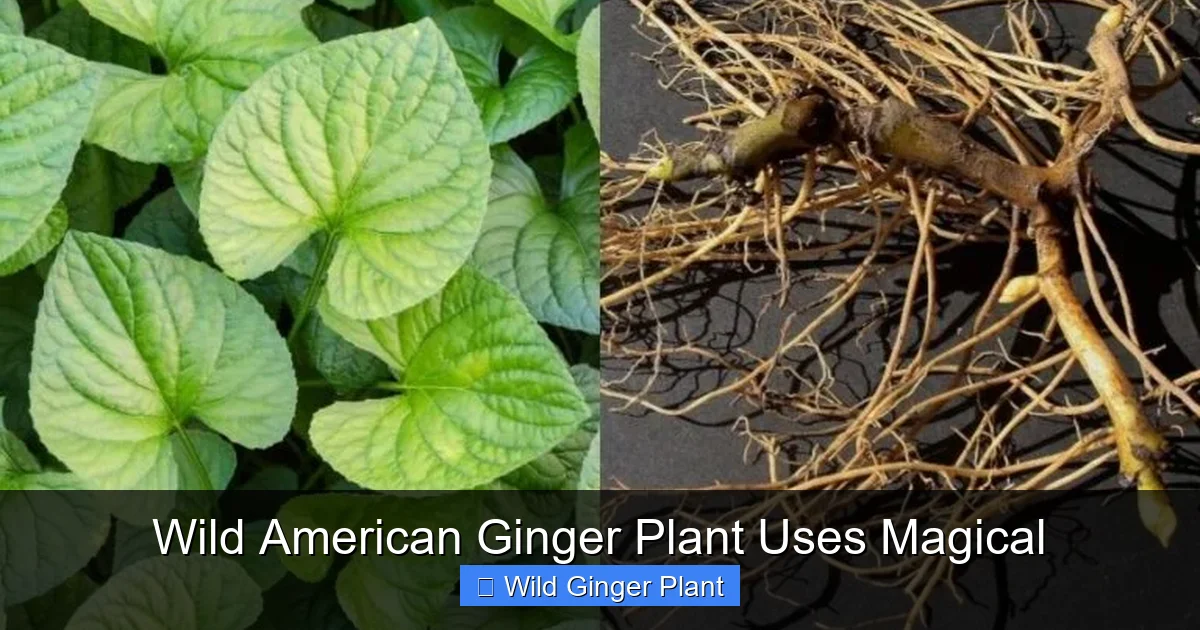
Wild American Ginger Plant Uses Magical
Wild American ginger is a native woodland herb prized for its aromatic rhizomes, medicinal properties, and rich folklore. This guide covers its uses, magical traditions, and practical tips for safe identification and cultivation.
Key Takeaways
- Botanical identity: Wild American ginger (Asarum canadense) is a low‑growing perennial with heart‑shaped leaves and a distinctive spicy scent.
- Medicinal value: Traditionally used for digestive relief, colds, and as a mild stimulant.
- Culinary versatility: The rhizome adds a warm, ginger‑like flavor to teas, soups, and baked goods.
- Magical lore: Indigenous and folk traditions attribute protection, love, and prosperity powers to the plant.
- Safe harvesting: Only take a small portion of the rhizome, leave the root crown intact, and harvest in early spring or fall.
- Garden cultivation: Prefers moist, shaded, humus‑rich soil; spreads slowly via rhizomes.
- Legal note: Check local regulations before wild‑crafting; some areas protect native populations.
Quick Answers to Common Questions
What does wild American ginger taste like?
It has a warm, peppery flavor similar to true ginger but milder and more earthy.
Can I eat the leaves of wild American ginger?
The leaves are edible but have little flavor; they are mainly used as a wrap for steaming.
Is wild American ginger safe for pregnant women?
No. Due to aristolochic acid, pregnant or nursing women should avoid internal use.
How do I tell wild American ginger from look‑alikes?
Check for paired heart‑shaped leaves, a hidden low flower, and a strong ginger scent when the rhizome is crushed.
Where can I buy wild American ginger plants?
Native plant nurseries, specialty herb farms, and online native‑plant retailers often carry rhizome divisions.
📑 Table of Contents
Introduction
When you wander through a damp, deciduous forest in early spring, you might notice a carpet of glossy, heart‑shaped leaves hugging the ground. Those leaves belong to wild American ginger, a modest herb that has quietly supported human health and imagination for centuries. Its rhizomes release a warm, peppery aroma that instantly reminds you of the kitchen spice ginger, yet the plant is a completely different species. People have used it for medicine, food, and even ritual, weaving a tapestry of practical and mystical knowledge around its hidden roots.
In this article we explore the many facets of this forest dweller. You will learn what the plant looks like, how indigenous peoples and early settlers employed it, and why modern herbalists still value it. We also dive into the magical side of the herb, showing how folklore assigns it protective and love‑drawing powers. Finally, you will get practical advice on identifying, harvesting, and even growing your own patch. Whether you are a forager, a herbal enthusiast, or simply curious about plant lore, there is something here for you.
What Is Wild American Ginger?
Botanical Profile
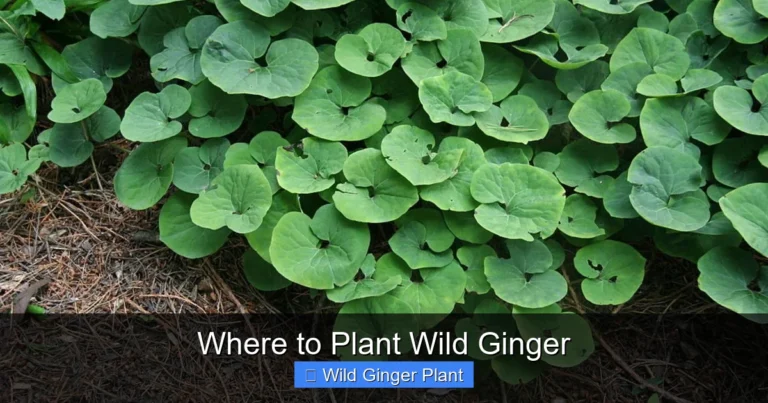
Asarum canadense belongs to the birthwort family (Aristolochiaceae). It is a perennial herb that forms dense mats on the forest floor. Each plant produces a pair of broad, kidney‑shaped leaves that arise directly from a short, creeping rhizome. The leaves are dark green, slightly hairy, and can reach up to six inches across. In late spring a single, inconspicuous flower appears at ground level. The flower is bell‑shaped, purplish‑brown, and often hidden beneath the leaf litter, which is why many walkers never notice it.
Range and Habitat
Wild American ginger thrives in the eastern United States and parts of Canada, from the Great Lakes region down to the Gulf Coast. It prefers rich, moist, well‑drained soils under a canopy of hardwoods such as maple, oak, and beech. You will often find it on north‑facing slopes, near streams, or in ravines where humidity stays high. The plant spreads slowly by rhizomes, creating colonies that can persist for decades if undisturbed.
Distinguishing Features
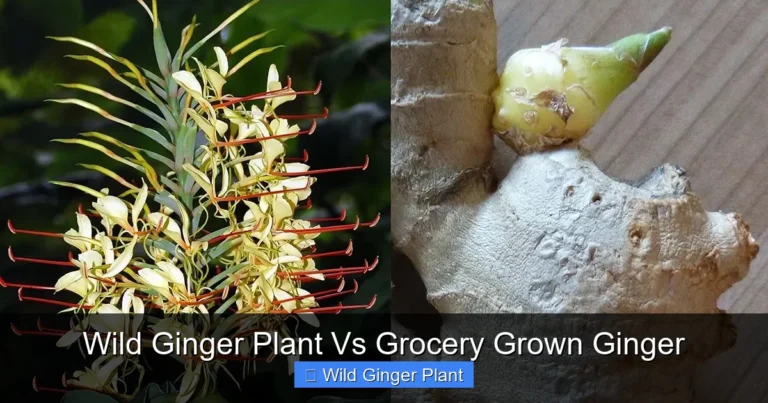
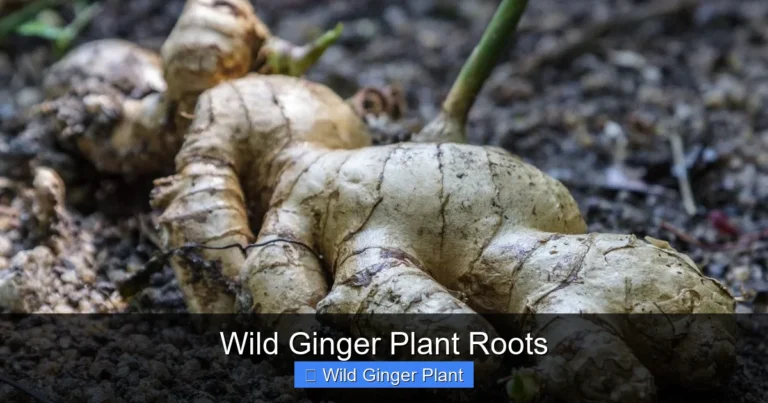
Key identification points include the paired leaves, the low‑lying flower, and the unmistakable ginger‑like scent when the rhizome is crushed. Unlike true ginger (Zingiber officinale), wild American ginger has no tall stems or showy flowers. Its rhizome is thin, brownish, and segmented, with a sharp, spicy taste that is milder than commercial ginger. When in doubt, a quick sniff of a broken root piece confirms the identity.
Historical and Cultural Significance
Indigenous Uses
Many Native American tribes, including the Cherokee, Iroquois, and Ojibwe, regarded the plant as a valuable medicine. They prepared decoctions from the rhizome to treat colds, fevers, and digestive upset. The root was also chewed to relieve toothache and sore throat. Some tribes used the leaves as a poultice for skin irritations and wounds. The plant’s aromatic qualities made it a favored ingredient in ceremonial smudges, believed to purify the air and invite positive spirits.
Early European Settlers
When European colonists arrived, they quickly adopted the native knowledge. Herbal manuals from the 1700s list “Canadian snakeroot” as a substitute for true ginger, which was expensive and hard to import. Settlers brewed the rhizome into a tea for nausea, motion sickness, and menstrual cramps. The plant also found its way into early American cookbooks, where it flavored pies, puddings, and even homemade ginger beer.
Folklore and Symbolism
Beyond medicine, the herb entered folk magic. In Appalachian tradition, carrying a small piece of the rhizome in a pocket was thought to ward off evil spirits and bring good luck in hunting. Some love spells called for a pinch of powdered root mixed with honey, placed under a lover’s pillow. The plant’s hidden flower, blooming out of sight, became a symbol of secret knowledge and inner strength. These stories illustrate how a modest forest herb can acquire a larger-than-life reputation.
Medicinal and Culinary Uses
Digestive Aid
The most common modern use mirrors historic practice: a gentle digestive tonic. A tea made from a teaspoon of dried, powdered rhizome steeped in hot water for ten minutes can ease indigestion, bloating, and mild nausea. The active compounds include aristolochic acid derivatives, which stimulate gastric secretions. However, because aristolochic acid can be toxic in large doses, moderation is essential. Most herbalists recommend no more than one cup per day for short periods.
Respiratory Support
Wild American ginger exhibits mild expectorant properties. A warm infusion sweetened with honey helps soothe coughs and loosen mucus. Some practitioners combine it with mullein or licorice root for a more potent bronchial blend. The warming nature of the rhizome also promotes circulation, which can be comforting during chills.
Culinary Applications
In the kitchen, the rhizome can replace or complement true ginger. Freshly grated root adds a bright, peppery note to stir‑fries, marinades, and baked goods. A popular preparation is wild ginger simple syrup: simmer equal parts water and sugar with a handful of sliced rhizome, then strain. The syrup flavors cocktails, iced tea, and desserts. The leaves, though less aromatic, can be used as a wrap for steaming fish or vegetables, imparting a subtle herbal essence.
Safety and Contraindications
Because of the aristolochic acid content, pregnant or nursing women, people with kidney disease, and those on blood‑thinning medication should avoid internal use. Long‑term or high‑dose consumption has been linked to nephrotoxicity and carcinogenic risk. Always consult a qualified healthcare provider before adding any new herb to your regimen, especially if you have existing health conditions.
Magical and Folklore Applications
Protection Charms
Folklore across the Appalachians and the Great Lakes region describes the rhizome as a powerful protective talisman. A small piece wrapped in red cloth and hung above a doorway is said to keep negative energies at bay. Some practitioners bury a root at the four corners of a property to create a protective boundary. The belief stems from the plant’s ability to thrive in dark, hidden places, symbolizing resilience against unseen threats.
Love and Attraction Spells
Love magic often incorporates the herb’s warm, spicy energy. A common recipe calls for a pinch of powdered rhizome mixed with rose petals, cinnamon, and a drop of vanilla essential oil. The blend is placed in a sachet and carried or tucked under a pillow to draw romantic interest. The underlying idea is that the plant’s “fire” ignites passion while its earthy nature grounds the intention.
Prosperity and Luck
In some folk traditions, the rhizome is added to money‑drawing jars. A glass jar filled with coins, a few grains of rice, a bay leaf, and a sliver of wild ginger root is sealed and kept on a windowsill during the waxing moon. Practitioners claim the combination attracts financial opportunities. While these practices are not scientifically validated, they reflect the cultural importance of the plant as a symbol of hidden wealth.
Ritual Cleansing
Because the plant grows in moist, shaded environments, it is associated with water energy. Burning dried leaves or rhizome shavings as incense during a full‑moon ritual is believed to cleanse a space of stagnant emotions. The smoke carries a sweet, spicy aroma that many find calming and centering. This use aligns with the broader herbal tradition of employing aromatic plants for spiritual purification.
How to Identify and Harvest Safely
Field Identification Checklist
- Paired, heart‑shaped leaves emerging directly from the ground.
- Leaves up to six inches wide, dark green, slightly hairy.
- Single, low‑lying, purplish‑brown flower hidden under leaf litter (April‑May).
- Rhizome thin, segmented, brown, with a strong ginger scent when broken.
- Grows in moist, shaded, humus‑rich deciduous forest.
Best Harvest Times
The optimal window is early spring before the leaves fully expand, or late fall after the foliage dies back. During these periods the rhizome’s essential oil concentration peaks, giving the strongest flavor and medicinal potency. Avoid harvesting in mid‑summer when the plant directs energy to seed production.
Sustainable Harvest Techniques
Use a small hand trowel or a hori‑hori knife to gently loosen soil around a clump. Cut only a portion of the rhizome, leaving at least two‑thirds of the root mass and the crown intact. This allows the plant to regenerate. Re‑cover the disturbed soil with leaf litter to protect the remaining roots. Never uproot an entire colony; take only what you need for personal use.
Post‑Harvest Processing
Rinse the harvested pieces in cold water, pat dry, and slice thinly. For drying, spread slices on a screen in a well‑ventilated, shaded area for several days until brittle. Store dried rhizome in an airtight jar away from light. Fresh pieces can be refrigerated for up to two weeks or frozen for longer storage.
Growing Wild American Ginger in Your Garden
Site Selection
Choose a location that mimics the plant’s native habitat: dappled shade, consistent moisture, and rich organic soil. Under mature trees, along a north‑facing fence, or in a woodland garden bed are ideal. Avoid full sun, which scorches the leaves and dries the rhizomes.
Soil Preparation
Amend the planting area with generous amounts of leaf mold, compost, and well‑rotted pine bark. The goal is a loose, humus‑rich medium that retains moisture but drains excess water. A pH between 5.5 and 6.5 is optimal. Test the soil and adjust with elemental sulfur or lime if needed.
Planting Methods
You can start from rhizome divisions, nursery‑grown plugs, or seed. Divisions are the fastest: plant a 2‑inch piece horizontally, just below the soil surface, spacing plants 12‑18 inches apart. Water thoroughly after planting and mulch with shredded leaves. Seeds require cold stratification; sow in fall and expect germination the following spring.
Care and Maintenance
Keep the soil evenly moist, especially during the first two years. Mulch annually to conserve moisture and suppress weeds. The plant spreads slowly, forming a dense ground cover over time. No fertilizer is necessary if the soil is rich; a light top‑dressing of compost in early spring can boost vigor. Watch for slugs and snails, which love the tender leaves.
Harvest from Cultivated Patches
Once a colony is established (usually after three to four years), you can begin sustainable harvests using the same guidelines as wild foraging. Cultivated plants often produce larger rhizomes, making them more rewarding for culinary use. Rotate harvest areas each year to maintain colony health.
Conclusion
Wild American ginger is a quiet powerhouse of the forest floor. Its spicy rhizome has fed bodies, healed ailments, and fueled imaginations for generations. Whether you sip a soothing tea, sprinkle a pinch into a love sachet, or simply admire its glossy leaves on a woodland walk, you are participating in a living tradition that bridges practical herbalism and cultural storytelling. By learning to identify, harvest responsibly, and even cultivate this native gem, you help preserve both the plant and the knowledge that surrounds it. Next time you step into a shaded grove, pause and look down—you might just find a piece of magic waiting at your feet.
Frequently Asked Questions
What are the primary medicinal benefits of wild American ginger?
It is traditionally used as a digestive aid, mild expectorant, and circulatory stimulant. Modern herbalists value it for nausea relief and cold symptoms, but caution is needed due to aristolochic acid.
Can wild American ginger be used in cooking like regular ginger?
Yes. The rhizome can be grated, sliced, or powdered to flavor teas, syrups, baked goods, and savory dishes, offering a milder, earthier ginger note.
What magical properties are attributed to wild American ginger?
Folklore assigns it protection, love attraction, prosperity, and cleansing powers. It is often carried as a charm, added to sachets, or burned as incense.
How do I sustainably harvest wild American ginger in the wild?
Harvest in early spring or late fall, take only a portion of the rhizome, leave the crown and most roots intact, and replace leaf litter to protect the colony.
What growing conditions does wild American ginger prefer?
It thrives in moist, shaded, humus‑rich soil with a pH of 5.5‑6.5, typically under deciduous trees or in woodland garden settings.
Are there any legal restrictions on foraging wild American ginger?
Some states and provinces list it as a species of concern. Always check local regulations and obtain permission before harvesting on public or private land.