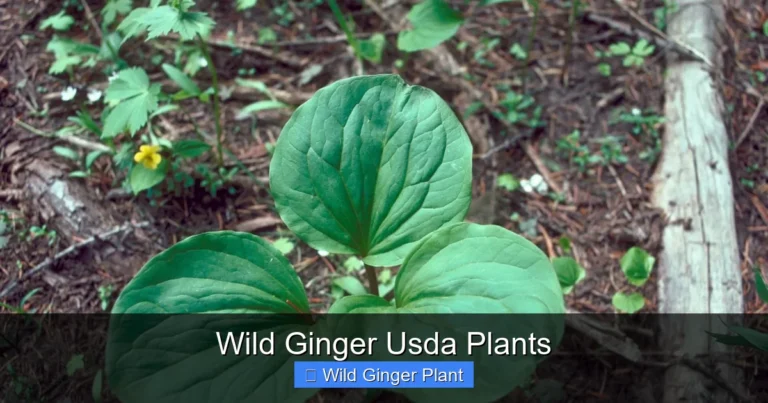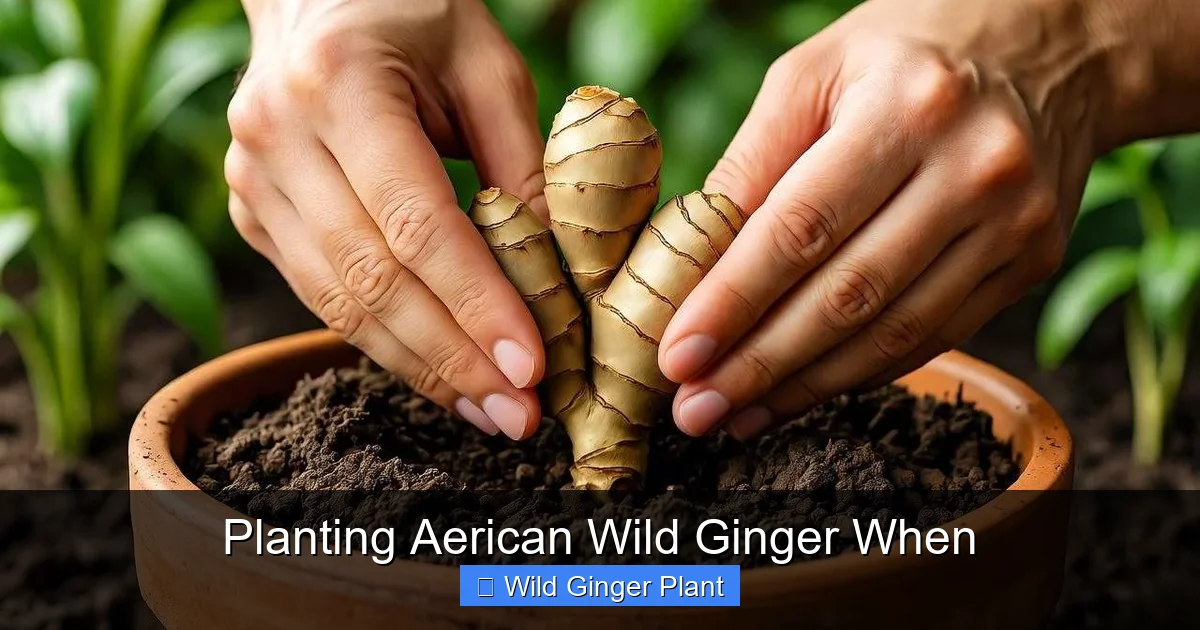
Planting Aerican Wild Ginger When
Plant American wild ginger in early spring or fall for optimal root establishment before extreme temperatures. This native groundcover thrives in shady, moist woodland conditions and spreads slowly to form a beautiful carpet of heart-shaped leaves.
If you’ve ever wandered through a rich eastern woodland in spring, you’ve likely encountered American wild ginger hugging the forest floor. Those velvety, heart-shaped leaves create a living carpet that feels almost magical underfoot. Maybe you’ve thought about bringing that same quiet beauty to your own shade garden. Good news: you absolutely can. But timing matters. Knowing planting American wild ginger when to get the best results makes all the difference between a thriving patch and a struggling one.
This native perennial, known botanically as Asarum canadense, isn’t the culinary ginger you find at the grocery store. It’s a completely different plant with its own charm. The roots do have a gingery scent when crushed, and indigenous peoples used them medicinally and as a flavoring. But today, most gardeners grow it for its gorgeous foliage and ability to solve that tough “dry shade” problem. Let’s walk through everything you need to know about when and how to plant this woodland treasure.
Key Takeaways
- Best planting times: Early spring after frost or early fall 6-8 weeks before first freeze
- Ideal conditions: Full to partial shade with rich, moist, well-draining soil
- Spacing matters: Plant rhizomes 12-18 inches apart for proper spread
- Water consistently: Keep soil evenly moist during first growing season
- Mulch benefits: Apply leaf mulch to retain moisture and mimic forest floor
- Slow establishment: Expect minimal top growth first year as roots develop
- Deer resistant: Naturally unpalatable to deer and most garden pests
Quick Answers to Common Questions
When is the absolute best month to plant American wild ginger?
September is ideal in most regions — soil is warm, air is cool, fall rains help, and roots establish before winter.
Can I plant wild ginger in summer?
Only if you can provide constant shade and daily watering. Summer planting stresses the plant and often fails. Spring or fall is much better.
How deep do I plant the rhizomes?
Plant horizontally 1-2 inches deep with any buds pointing up. Too deep prevents emergence; too shallow exposes rhizomes to drying.
Will wild ginger bloom the first year after planting?
Unlikely. It focuses on root establishment first. Flowers usually appear in year 2-3, and they’re hidden under leaves anyway.
Is wild ginger invasive?
No. It spreads slowly via rhizomes (6-12 inches per year) and is easily contained. It’s a well-behaved native groundcover.
📑 Table of Contents
- Understanding American Wild Ginger’s Natural Rhythm
- Regional Timing Guide for Planting American Wild Ginger
- Preparing the Perfect Planting Site
- Step-by-Step Planting Process
- First-Year Care: The Critical Establishment Period
- Common Problems and Solutions
- Designing with American Wild Ginger
- Propagation: Expanding Your Patch for Free
- Companion Plants That Love the Same Conditions
- Wild Ginger vs. Lookalikes: Know What You’re Planting
- Ethical Sourcing: Don’t Dig from the Wild
- Conclusion: Patience Rewarded
Understanding American Wild Ginger’s Natural Rhythm
Before we talk calendar dates, it helps to understand how this plant thinks. American wild ginger evolved on the forest floor of eastern North America. It wakes up early in spring, often before the tree canopy fully leafs out. It flowers in April or May — weird little jug-shaped blooms that hide beneath the leaves, pollinated by ants and beetles. Then it spends summer slowly spreading via underground rhizomes. Come fall, the leaves die back and the plant goes dormant until next spring.
This lifecycle tells us exactly when the plant wants to be moved. It wants to settle in during cool, moist periods when it’s not stressed by heat or drought. That means two sweet spots: early spring and early fall. Both work well. Your choice depends on your climate, your schedule, and what plants you can find at the nursery.
Why Spring Planting Works Beautifully
Spring feels like the natural time to plant anything. The soil is warming, rains are reliable, and the whole garden is waking up. For wild ginger, early spring — just after your last hard frost — is ideal. The plant emerges from dormancy ready to grow. If you get it in the ground then, it has the whole growing season to establish roots before winter.
There’s a catch, though. Nurseries often sell wild ginger as dormant bare-root divisions in early spring. These look like little knobby rhizomes with maybe a nub of a leaf bud. Don’t panic if they look dead. They’re just sleeping. Plant them promptly, water well, and they’ll wake up when conditions are right. If you’re buying potted plants later in spring, they’ll have leaves already. Just be extra gentle with the roots and keep them consistently moist.
Why Fall Planting Has Its Own Advantages
Many experienced gardeners actually prefer fall for planting American wild ginger when the summer heat breaks. In most regions, September through early October is perfect. The soil is still warm from summer, which encourages root growth. The air is cooler, so there’s less transplant shock. Fall rains often handle watering for you. And the plant gets a head start — by spring, it’s already settled in and ready to go.
The key with fall planting: don’t wait too long. You need at least 6-8 weeks before your ground freezes solid. This gives roots time to anchor. If you’re in a hurry and it’s late October in zone 5, wait for spring. But if it’s early September in zone 7? Go for it. Mulch heavily after planting to protect those new roots through winter.
Regional Timing Guide for Planting American Wild Ginger
Your USDA hardiness zone shifts the calendar. Let’s break it down by region so you can pinpoint your perfect window.
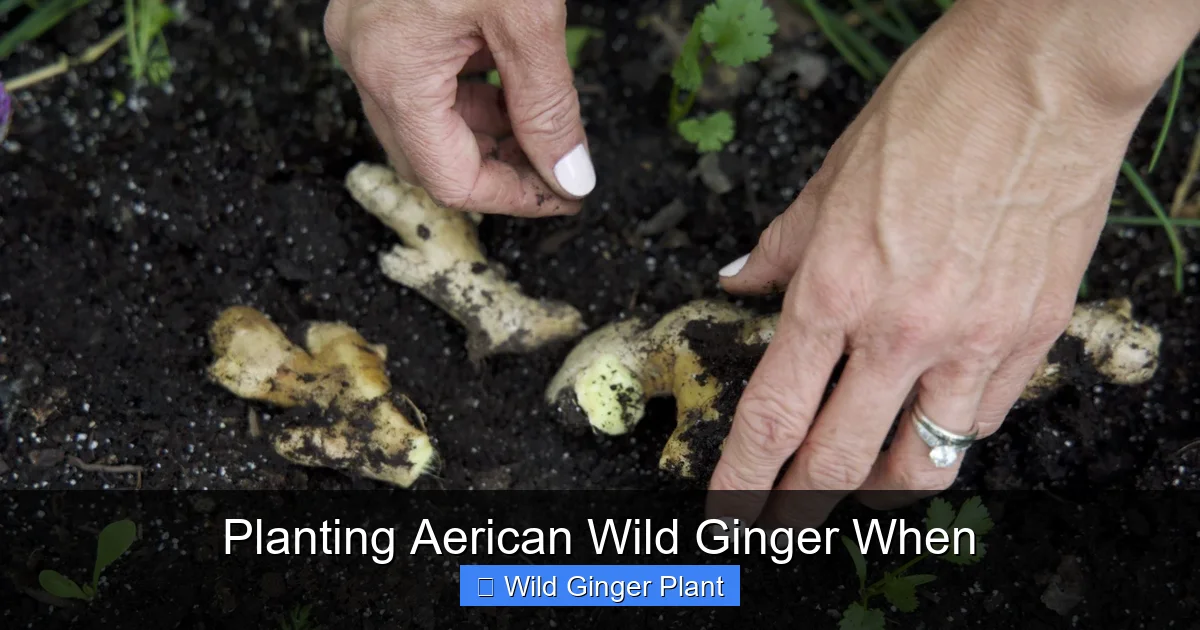
Visual guide about Planting Aerican Wild Ginger When
Image source: gardenary-data.s3.amazonaws.com
Northern Zones 3-4: Short Season Strategy
In Minnesota, Maine, Montana — places where winter lingers — spring planting is your best bet. Wait until the soil is workable and nighttime temperatures stay reliably above freezing. That’s usually late April to mid-May. Fall planting is risky here because the ground freezes early and hard. If you do plant in fall, aim for late August to early September at the latest. Mulch with 3-4 inches of shredded leaves after the ground freezes to prevent frost heaving.
Midwest and Northeast Zones 5-6: Two Good Windows
This is the sweet spot where both spring and fall work beautifully. Think Ohio, Pennsylvania, Illinois, lower Michigan. Spring window: mid-April to late May. Fall window: early September to mid-October. I’ve had great success with early October planting in zone 6. The plants go dormant looking a bit rough, but explode with growth in April. Just don’t plant after Halloween in these zones.
Mid-Atlantic and Pacific Northwest Zones 7-8: Fall Favorite
In Virginia, Tennessee, Oregon, Washington — fall is often better than spring. Why? Because spring can swing from cold to hot fast, stressing new plants. Fall brings months of cool, moist weather. Plant September through November. In zone 8, you can even plant into December if the ground isn’t frozen. Spring works too, but aim for March to early April before temperatures climb.
Southern Zones 8-9: Careful with Heat
American wild ginger is at the southern edge of its range here. It needs consistent moisture and deep shade. Plant in fall — November is ideal. Spring planting risks the plant frying before roots establish. If you must plant spring, do it in February or early March. Provide irrigation through the first summer. Consider Asarum arifolium (evergreen wild ginger) instead — it handles southern heat better.
Preparing the Perfect Planting Site
Timing gets the plant in the ground at the right moment. Site prep determines whether it stays there happily. Wild ginger isn’t fussy, but it has non-negotiables.
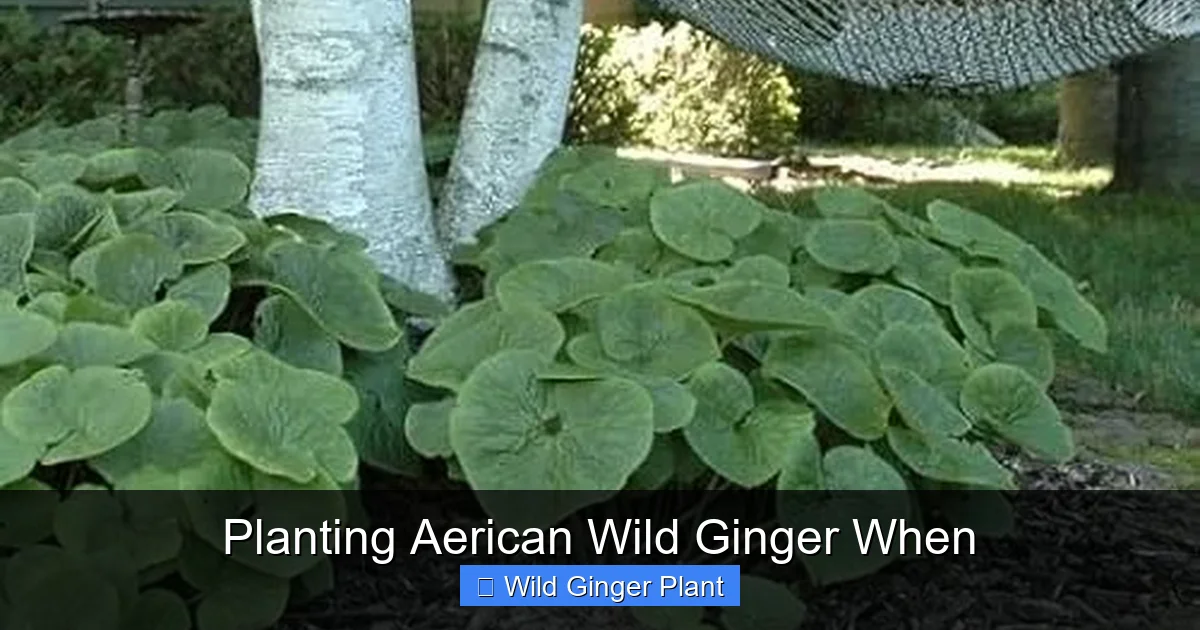
Visual guide about Planting Aerican Wild Ginger When
Image source: cdn.mos.cms.futurecdn.net
Shade Requirements: Not Optional
This plant evolved under deciduous trees. It wants dappled spring sun, deep summer shade. Full sun scorches the leaves. Full deep shade (north side of a building, under evergreens) slows growth to a crawl. Ideal: under oak, maple, or hickory trees. Morning sun with afternoon shade works. Edge of a woodland garden works. If you’re planting where grass won’t grow because it’s too shady — that’s your spot.
Soil: Rich, Moist, Well-Drained
Forest floor soil is the model: loose, humus-rich, moisture-retentive but not soggy. Heavy clay? Amend heavily with compost and leaf mold. Sandy soil? Add compost and peat moss to hold water. Target pH 5.5-6.5, slightly acidic. A soil test helps, but if azaleas and ferns grow well, wild ginger will too.
Pro tip: create a planting bed, not just individual holes. Loosen soil 8-10 inches deep over the whole area. Mix in 2-3 inches of compost. This lets rhizomes spread easily. Individual holes in compacted soil create “bathtubs” that either drown or parch the plant.
Dealing with Tree Roots
Planting under trees means dealing with tree roots. Don’t chop big roots — you’ll hurt the tree. Instead, plant in pockets between roots. Use a hand trowel, not a shovel. If the soil is solid root mass, build up: add 4-6 inches of good soil/compost mix on top, plant into that. The ginger rhizomes will stay in the upper layer. Tree roots won’t mind.
Step-by-Step Planting Process
You’ve picked your date. You’ve prepped your site. Now let’s plant.
Handling Bare-Root Divisions
Most mail-order and early nursery wild ginger comes bare-root. Open the package immediately. If you can’t plant within 24 hours, heel them in: dig a shallow trench in shade, lay rhizomes in it, cover with moist soil. Don’t let them dry out.
When planting: soak rhizomes in water for 30 minutes first. Dig a shallow trench 2-3 inches deep. Lay the rhizome horizontally — yes, sideways — with any leaf buds pointing up. Space 12-18 inches apart. Cover with 1-2 inches of soil. Water gently but thoroughly. Mark the spot — you won’t see growth for weeks.
Planting Potted Specimens
Potted plants are easier but cost more. Water the pot well an hour before planting. Gently remove the plant. Loosen circling roots with your fingers. Dig a hole twice as wide as the pot, same depth. Place plant so the crown (where leaves meet roots) sits at soil level. Backfill with amended soil. Firm gently. Water deeply. Mulch 2 inches with shredded leaves, keeping mulch off the crown.
Spacing for the Long Game
Wild ginger spreads slowly — 6-12 inches per year via rhizomes. At 12-inch spacing, you’ll get a solid mat in 3-4 years. At 18 inches, maybe 5-6 years. Closer spacing (8-10 inches) fills faster but costs more. For a large area, I recommend 15-inch spacing and patience. It’s not a groundcover for instant gratification. It’s a legacy planting.
First-Year Care: The Critical Establishment Period
The first growing season determines long-term success. Here’s what matters.
Water: Consistent Moisture is Non-Negotiable
Wild ginger has shallow roots. It cannot tolerate drought, especially year one. Water deeply 2-3 times per week if no rain. Check soil with your finger — it should feel moist 2 inches down. A soaker hose on a timer makes this effortless. Don’t rely on sprinklers; they wet leaves, not roots, and encourage fungal issues.
Mulch: Mimic the Forest Floor
Apply 2-3 inches of shredded leaves, pine needles, or fine bark. Not wood chips — they’re too coarse and tie up nitrogen. Leaf mulch breaks down into the humus wild ginger loves. Replenish annually in fall. This also suppresses weeds, which you cannot pull easily without disturbing shallow ginger rhizomes.
Fertilizer: Less is More
Skip synthetic fertilizer. It burns delicate roots and pushes weak, floppy growth. Instead, top-dress with 1 inch of compost each spring. Or sprinkle a handful of organic slow-release fertilizer (like 4-4-4) around plants in early spring. That’s it. Rich soil from your initial prep carries them far.
Weed Management: Gentle Only
Weeds will appear. Pull them by hand, gently, when soil is moist. Never use a hoe or cultivator — you’ll slice rhizomes. For persistent weeds, smother with cardboard topped with mulch. The ginger will eventually shade out most weeds anyway.
Common Problems and Solutions
Even with perfect timing and care, issues arise. Here’s what to watch for.
Slugs and Snails: The #1 Pest
Those lush leaves are slug candy. Beer traps work. Diatomaceous earth helps. Copper tape around beds deters them. Iron phosphate baits (Sluggo) are safe for pets. Patrol at night with a flashlight and bucket of soapy water — oddly satisfying. Healthy plants in good conditions outgrow moderate damage.
Leaf Scorch: Too Much Sun
Brown, crispy leaf edges = too much light. If this happens, you have two choices: move the plant (fall only) or create more shade. A shade cloth panel, a strategically placed shrub, or even tall annuals like impatiens can provide relief. Don’t just water more — the problem is light, not moisture.
Root Rot: Too Much Water
Yellowing leaves, mushy rhizomes, foul smell = rot. Usually from heavy clay soil that doesn’t drain. Fix by improving drainage or moving to a raised bed. Once rot sets in, affected plants rarely recover. Prevention through soil prep is everything.
Slow Growth: Usually Normal
“My wild ginger isn’t spreading!” Year one: expect almost zero spread. Year two: maybe a few inches. Year three: now it starts. This is normal. If it’s year four and nothing’s happening, check soil moisture, light, and competition from tree roots. But usually, it’s just doing its slow, steady thing.
Designing with American Wild Ginger
Once you’ve mastered planting American wild ginger when and how, the fun begins: using it in your garden design.
Woodland Garden Foundation
Use it as the base layer under native trees. Pair with spring ephemerals (trillium, bloodroot, Virginia bluebells) that bloom before ginger leafs out fully. Add ferns (maidenhair, Christmas fern) for texture contrast. The ginger covers the ground when ephemerals go dormant. It’s a perfect succession.
Shade Border Edging
Plant a ribbon of wild ginger along a shaded path or border edge. The heart-shaped leaves create a soft, inviting line. It stays low (6-8 inches), so it never blocks views. Plus, brushing against it releases that subtle ginger scent — a sensory bonus.
Erosion Control on Shady Slopes
Those rhizomes knit soil together beautifully. On a gentle shady slope where grass fails, wild ginger stabilizes while looking gorgeous. Plant in a staggered grid, mulch heavily, and let it colonize. It’s far prettier than landscape fabric and actually improves soil over time.
Container Culture: Yes, It Works
No ground space? Wild ginger thrives in wide, shallow pots. Use rich potting mix with extra compost. Keep in full shade. Water daily in summer. Overwinter in an unheated garage (zones 5-6) or bury pot in ground. It makes a unique, conversation-starting container plant.
Propagation: Expanding Your Patch for Free
Once established (year 3+), you can divide and multiply.
Division Timing: Same as Planting
Early spring or early fall. Dig up a clump with a fork (not shovel — fewer sliced rhizomes). Gently pull apart rhizome sections, each with roots and a leaf bud. Replant immediately at same spacing. Water well. The mother plant barely notices.
Seed: For the Patient Gardener
Wild ginger seeds need cold stratification and take 2 years to germinate. Then 3-4 years to reach planting size. It’s a cool project but not practical for garden expansion. Ants disperse seeds naturally — you might find volunteers popping up nearby. Treasure them.
Companion Plants That Love the Same Conditions
Build a community around your wild ginger.
Spring Bloomers
- Trillium species — bloom early, go dormant, ginger covers the gap
- Bloodroot (Sanguinaria canadensis) — stunning white flowers, similar spread habit
- Virginia bluebells (Mertensia virginica) — pink-to-blue bells, summer dormant
- Mayapple (Podophyllum peltatum) — umbrella leaves, colonizes nicely
Ferns for Texture
- Maidenhair fern (Adiantum pedatum) — delicate, airy contrast
- Christmas fern (Polystichum acrostichoides) — evergreen, structural
- Lady fern (Athyrium filix-femina) — vigorous, fills space
Late-Season Interest
- White wood aster (Eurybia divaricata) — fall flowers for pollinators
- Blue-stemmed goldenrod (Solidago caesia) — shade-tolerant goldenrod
- Wild geranium (Geranium maculatum) — spring flowers, nice foliage
Wild Ginger vs. Lookalikes: Know What You’re Planting
Several plants get called “wild ginger.” Make sure you have the right one.
American Wild Ginger (Asarum canadense)
Deciduous, heart-shaped leaves, 6-8 inches tall, zones 3-8, native to eastern North America. This is the one we’ve been discussing.
European Wild Ginger (Asarum europaeum)
Evergreen, glossier leaves, slower spreading, zones 4-7. Beautiful but not native. Choose this if you want winter foliage in milder zones.
Evergreen Wild Ginger (Asarum arifolium / Hexastylis arifolia)
Evergreen, mottled leaves, slower, zones 6-9. Better for southern gardens. Sometimes called “little brown jug.”
Canadian Wild Ginger
Same as American wild ginger. Asarum canadense ranges into Canada. The names are interchangeable.
Culinary Ginger (Zingiber officinale)
Tropical, edible rhizome, not hardy below zone 9. Completely different plant family. Don’t eat Asarum roots in quantity — they contain aristolochic acid, which can damage kidneys.
Ethical Sourcing: Don’t Dig from the Wild
This matters. Wild ginger populations face pressure from habitat loss and over-collection. Never dig plants from public land or private property without permission. It’s often illegal and always harmful.
Buy from reputable native plant nurseries that propagate their own stock. Look for “nursery propagated” not “nursery grown” (which can mean dug from wild then potted). Good sources: Prairie Moon Nursery, Prairie Nursery, Izel Plants, local native plant societies. Yes, it costs more than free. But you’re getting healthy, ethically sourced plants — and supporting conservation.
Conclusion: Patience Rewarded
Planting American wild ginger when the time is right — early spring or early fall — sets the stage for decades of quiet beauty. This isn’t a plant for gardeners who want instant impact. It’s for those who understand that the best gardens grow on nature’s timeline.
I planted my first patch twelve years ago under a mature sugar maple. Three bare-root divisions, planted in a rainy October. They sat there all winter looking like nothing. Spring brought three tentative leaves each. Year two: a few more. Year four: they touched. Year eight: a solid carpet twenty feet across. Now I divide it to start new patches, give divisions to friends, watch it spread on its own.
The heart-shaped leaves catch morning dew. The hidden flowers feed early insects. The rhizomes knit the soil. Deer walk right past it. It asks for so little — shade, moisture, time — and gives back a piece of the original forest.
So pick your week. Prep your soil. Order your plants. And plant American wild ginger when the season says go. Your future self, pushing aside those velvety leaves to find the strange little flowers beneath, will thank you.
Frequently Asked Questions
What is the difference between American wild ginger and culinary ginger?
American wild ginger (Asarum canadense) is a native woodland perennial grown for ornamental foliage. Culinary ginger (Zingiber officinale) is a tropical plant grown for its edible rhizome. They are unrelated botanically.
Can I grow American wild ginger in a container?
Yes, use a wide shallow pot with rich potting mix, keep in full shade, and water daily during hot weather. Overwinter in an unheated garage or bury the pot in the ground.
Does wild ginger need fertilizer?
No synthetic fertilizer needed. Top-dress with 1 inch of compost each spring or use a light handful of organic slow-release fertilizer. Rich soil from initial preparation is usually sufficient.
Why are my wild ginger leaves turning brown at the edges?
Brown crispy edges indicate too much sun (leaf scorch) or insufficient water. Move to deeper shade or increase watering. Mulch heavily to retain soil moisture.
How fast does American wild ginger spread?
It spreads slowly, about 6-12 inches per year via underground rhizomes. A solid groundcover mat takes 3-5 years to form depending on spacing and conditions.
Is American wild ginger deer resistant?
Yes, it’s highly deer resistant. The aromatic foliage contains compounds that deer avoid. It’s an excellent choice for shade gardens in deer-prone areas.