How to Plant Canada Wild Ginger
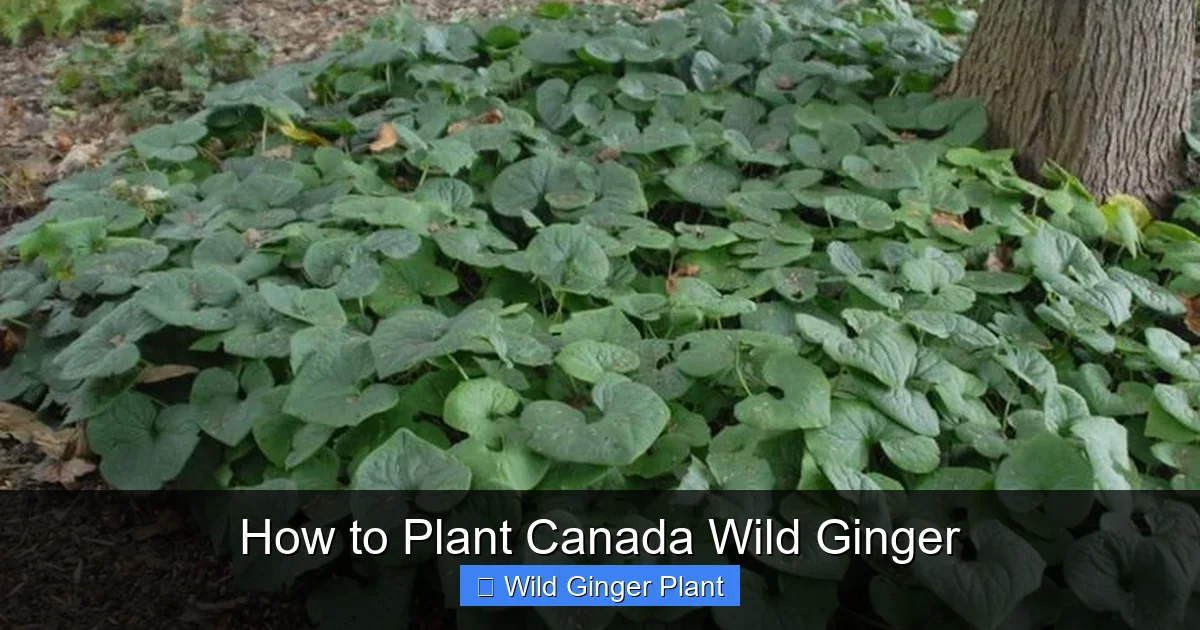
Canada wild ginger (Asarum canadense) is a stunning native groundcover that thrives in shady woodland gardens. This low-maintenance perennial spreads slowly to form a lush carpet of heart-shaped leaves, making it perfect for naturalizing under trees.
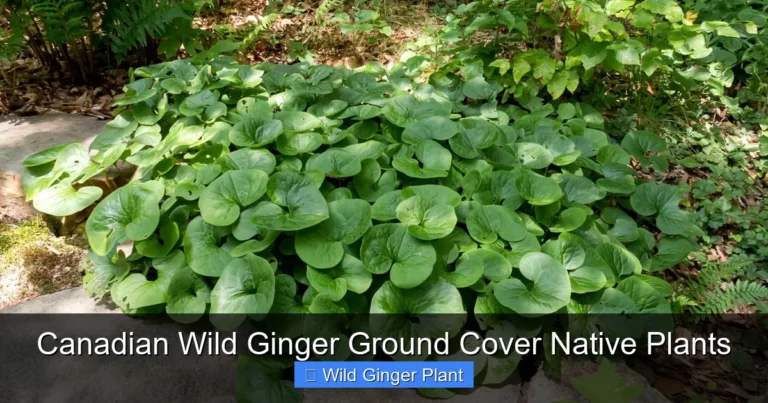
If you have ever walked through a mature eastern forest in spring, you have likely seen Canada wild ginger carpeting the forest floor. Those broad, velvety heart-shaped leaves catch the dappled sunlight like green lanterns. The plant hugs the ground, spreading slowly by underground rhizomes to form colonies that can persist for decades. It is one of those native plants that feels like a secret treasure when you find it in the wild.
Bringing that same magic into your own garden is entirely possible. Canada wild ginger (Asarum canadense) is one of the most rewarding native groundcovers for shade gardens. It asks for very little — just shade, decent soil, and a bit of patience. In return, it gives you a lush, weed-suppressing carpet of foliage that stays attractive from spring through fall. The flowers are curious little things, hidden at ground level, pollinated by beetles and flies rather than bees. But the real show is the foliage. Those leaves stay clean and fresh-looking all season, unlike many spring ephemerals that vanish by July.
Key Takeaways
- Plant in full to partial shade: Canada wild ginger needs dappled light or deep shade to thrive, mimicking its natural woodland habitat.
- Rich, moist, well-draining soil is essential: Amend planting areas with plenty of organic matter like leaf mold or compost for best results.
- Space plants 12-18 inches apart: This allows room for the rhizomes to spread and form a dense groundcover over time.
- Plant in spring or early fall: Cool, moist conditions help roots establish before summer heat or winter cold sets in.
- Water consistently during the first season: Regular moisture is critical for establishment, after which plants become more drought-tolerant.
- Mulch with shredded leaves: A 2-3 inch layer of leaf mulch retains moisture, suppresses weeds, and mimics forest floor conditions.
- Be patient with growth: This slow spreader takes 2-3 years to form a solid mat but rewards patience with decades of beauty.
Quick Answers to Common Questions
How fast does Canada wild ginger spread?
Canada wild ginger spreads slowly, typically 6-12 inches per year under ideal conditions. It forms a dense colony over 3-5 years but is never aggressive or invasive.
Can Canada wild ginger grow in full sun?
No, Canada wild ginger cannot tolerate full sun. It requires full to partial shade. Afternoon sun will scorch the leaves and cause the plant to decline.
Is Canada wild ginger edible like culinary ginger?
While the rhizomes have a ginger-like scent and were historically used as a substitute, modern research shows they contain compounds that can be toxic in large quantities. It is best grown as an ornamental.
When is the best time to divide Canada wild ginger?
The best times to divide are early spring as new growth emerges or early fall (6-8 weeks before first frost). Divisions should include at least one growing point and some roots.
Does Canada wild ginger stay green all winter?
In mild climates (zones 6-7), the foliage often persists semi-evergreen through winter. In colder zones (3-5), leaves typically die back after hard freezes and re-emerge in spring.
📑 Table of Contents
Understanding Canada Wild Ginger
What Is Canada Wild Ginger?
Canada wild ginger is a herbaceous perennial native to eastern North America. Its range stretches from Manitoba east to the Maritime provinces, south through New England, the Great Lakes region, and down the Appalachians into Georgia and Alabama. It grows in rich, moist deciduous forests, often on slopes or along streams where the soil stays cool and damp.
Despite the common name, it is not related to culinary ginger (Zingiber officinale). The name comes from the spicy, ginger-like scent of the rhizomes when crushed. Indigenous peoples used the roots as a flavoring and for medicinal purposes. Early European settlers adopted it as a ginger substitute. However, modern research has identified compounds in the plant that can be toxic in large quantities, so it is best appreciated as an ornamental today.
Botanical Characteristics
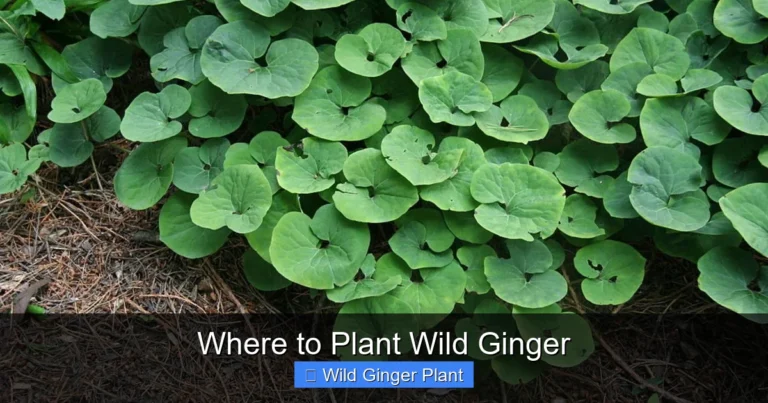
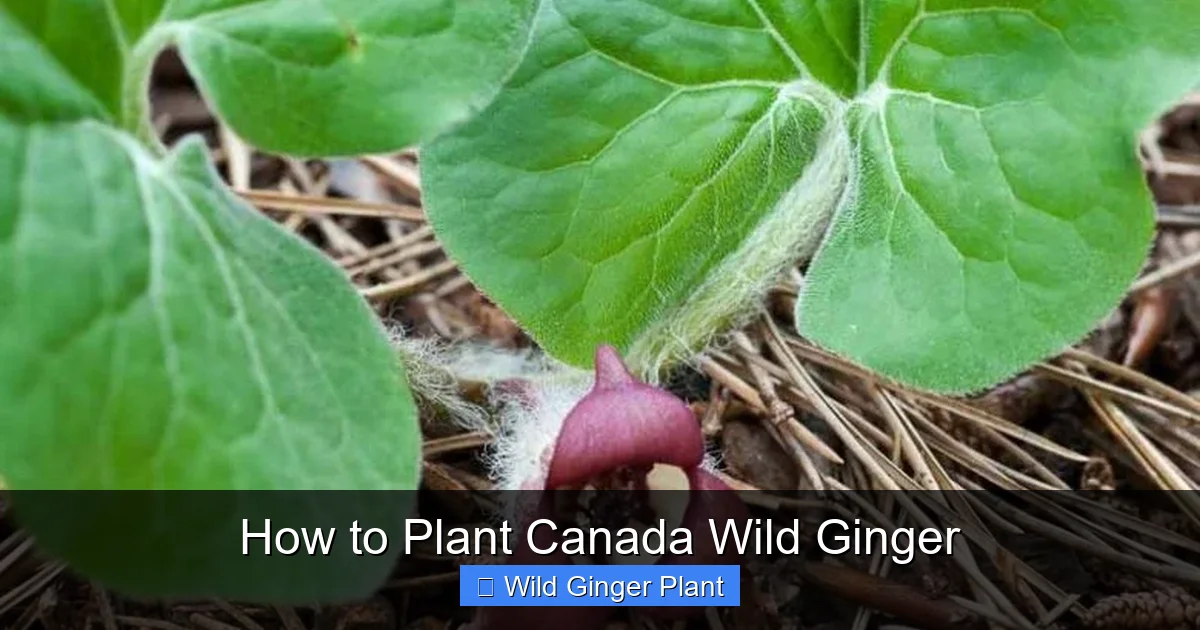
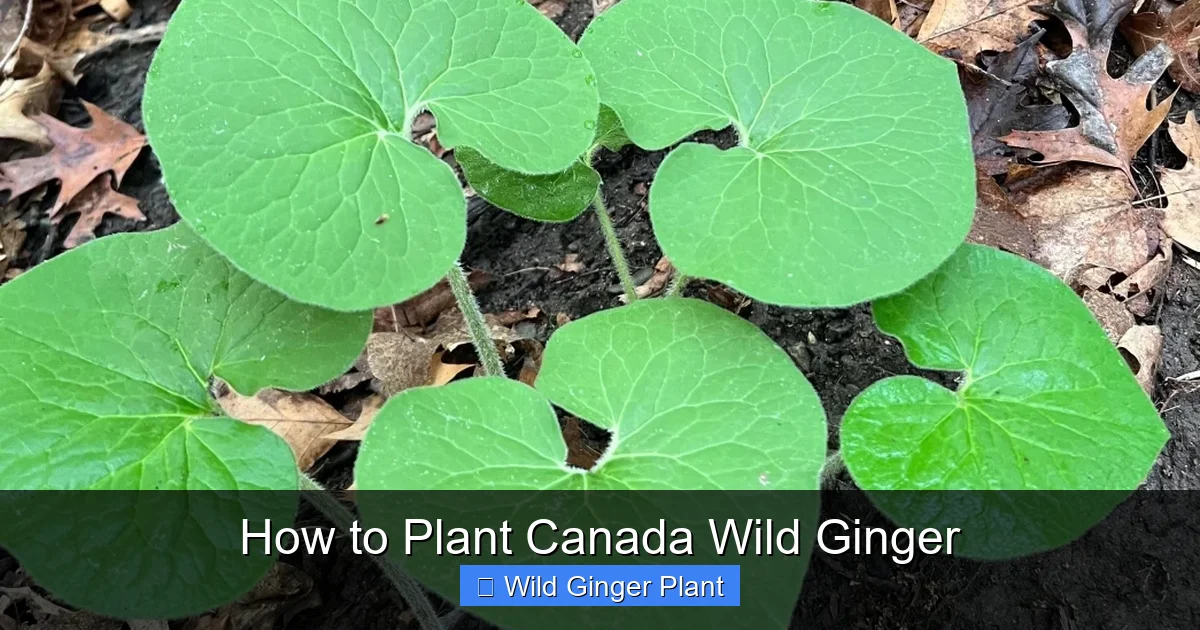
Each plant produces a pair of large, kidney-shaped to heart-shaped leaves that emerge on hairy petioles (leaf stems) directly from the rhizome. The leaves can reach 6-8 inches across at maturity. They are soft to the touch, with fine hairs that give them a velvety texture. The color is a rich, deep green that holds well through summer.
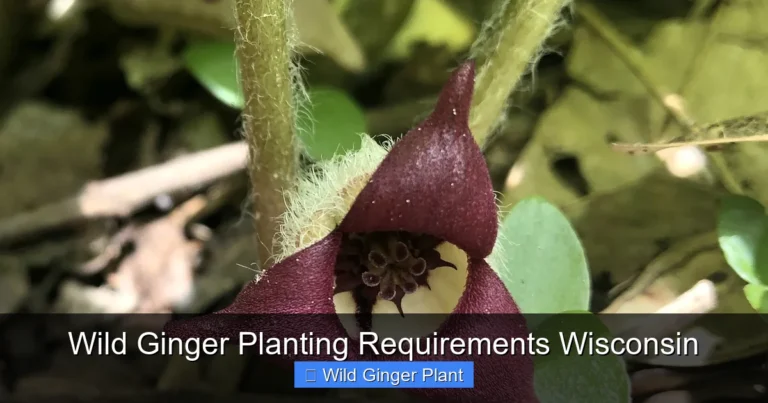
The flowers appear in April or May, depending on your location. They are unusual — bell-shaped, with three pointed sepals that curve backward. The color is a muted brownish-purple to reddish-brown. You have to get down on your knees and move the leaves aside to see them. They sit right at soil level, often partially buried in leaf litter. This ground-level positioning attracts their primary pollinators: small flies, beetles, and ants.
After pollination, the plant produces a fleshy capsule that splits open to reveal seeds with elaiosomes — fatty appendages that attract ants. The ants carry the seeds to their nests, eat the elaiosomes, and discard the seeds in their nutrient-rich midden piles. This ant dispersal (myrmecochory) is how the plant spreads to new locations in nature.
Why Choose This Native Groundcover?
There are so many reasons to plant Canada wild ginger. First, it solves the difficult problem of dry shade under mature trees. Once established, it tolerates root competition remarkably well. Second, it suppresses weeds effectively. The dense leaf canopy shades out most weed seedlings. Third, it provides high-quality habitat. The flowers support early-season pollinators. The foliage shelters amphibians and beneficial insects. The seeds feed ants.
Fourth, it is deer resistant. The aromatic compounds that give the roots their ginger scent also deter browsing. In areas with heavy deer pressure, this is a huge advantage. Fifth, it is long-lived. Individual plants can persist for decades, slowly expanding their colonies. You plant it once and enjoy it for a lifetime.
Choosing the Right Location
Light Requirements
Light is the single most important factor for success with Canada wild ginger. In nature, it grows under a closed canopy of deciduous trees. It receives bright dappled light in spring before the trees leaf out, then deep shade for the rest of the growing season. This is the ideal condition to replicate.
Visual guide about How to Plant Canada Wild Ginger
Image source: i.pinimg.com
Full shade to partial shade works best. Morning sun with afternoon shade is acceptable in cooler climates. Avoid hot afternoon sun, especially in zones 7 and warmer. The leaves will scorch and bleach out in too much light. If you only have deep, dense shade — like the north side of a building or under evergreens — the plant will survive but grow more slowly and may not flower well.
Observe your planting area through the seasons. A spot that gets full sun in April might be fully shaded by June. That is actually perfect. The spring sun fuels strong leaf growth and flowering. The summer shade protects the foliage from heat stress.
Soil Conditions
Canada wild ginger wants what forest floors provide: soil rich in organic matter, consistently moist but well-draining, with a slightly acidic to neutral pH (5.5-7.0). The ideal texture is loose and crumbly — think of the duff layer in an old woods.
If your soil is heavy clay, you will need to amend it generously. Mix in 3-4 inches of compost, leaf mold, or well-rotted manure to a depth of 8-10 inches. This improves drainage while increasing moisture retention. Sandy soils also benefit from organic matter additions to help hold water and nutrients.
Do not assume that because a spot is shady, the soil is good. Many shaded areas, especially under mature trees, have dry, depleted soil full of tree roots. You may need to create a planting pocket by removing some of the existing soil (avoiding large tree roots) and replacing it with a rich mix of native soil and compost.
Moisture Considerations
Consistent moisture is key, especially during establishment. The natural habitat includes moist slopes, stream banks, and bottomland forests. The soil should feel damp a few inches down, not soggy and not bone dry.
If your site tends to dry out in summer, plan for supplemental watering. A soaker hose or drip irrigation line laid under the mulch works beautifully. This delivers water directly to the root zone without wetting the foliage, which can encourage fungal issues in humid conditions.
Companion Planting Ideas
Canada wild ginger plays well with many other woodland natives. Consider pairing it with:
- Ferns: Christmas fern, maidenhair fern, lady fern — their vertical fronds contrast beautifully with the horizontal ginger leaves.
- Spring ephemerals: Virginia bluebells, trilliums, bloodroot, trout lily. These bloom and fade before the ginger reaches full size.
- Woodland sedges: Carex plantaginea (plantain-leaved sedge) or Carex platyphylla (broad-leaved sedge) add texture and stay evergreen.
- Foamflower (Tiarella cordifolia): Similar habit, lovely foamy flower spikes in spring.
- Wild geranium (Geranium maculatum): Pink flowers in late spring, then attractive foliage.
Avoid aggressive spreaders like English ivy, periwinkle (Vinca minor), or goutweed (Aegopodium podagraria). They will overwhelm the slower ginger.
When to Plant
Spring Planting Advantages
Spring is an excellent time to plant Canada wild ginger. The soil is naturally moist, temperatures are cool, and the plants have a full growing season to establish roots before winter. Aim to plant after the danger of hard frost has passed but before the heat of summer arrives. In most regions, this means April through early June.
Visual guide about How to Plant Canada Wild Ginger
Image source: bwsr.state.mn.us
Spring-planted ginger often flowers the following year. The plants use the first season to develop strong root systems and rhizome networks. You will see noticeable spread by year two.
Fall Planting Benefits
Early fall is equally good, and some gardeners prefer it. The soil is still warm from summer, encouraging root growth. Cooler air temperatures reduce transplant shock. Fall rains often provide consistent moisture. Plant at least 6-8 weeks before your average first hard frost date. This gives roots time to anchor before the ground freezes.
Fall-planted ginger may emerge earlier and stronger the following spring. Mulch heavily after planting to protect against frost heaving — the freeze-thaw cycles that can push shallow-rooted plants out of the ground.
What to Avoid
Avoid planting in the heat of summer (July-August in most areas). The combination of heat stress and transplant shock is hard on these cool-woodland plants. If you must plant in summer, provide temporary shade cloth, water daily, and expect a higher failure rate.
Also avoid planting in late fall when the ground is already cold. Roots will not grow in cold soil, and the plants will be vulnerable to heaving.
Step-by-Step Planting Guide
Preparing the Planting Area
Start by clearing the area of existing vegetation. Remove grass, weeds, and invasive plants. If you are planting under trees, be careful not to damage tree roots. Do not till deeply under trees — this severs feeder roots and can harm the tree. Instead, work by hand, loosening the top 4-6 inches of soil between major roots.
Spread 3-4 inches of compost or leaf mold over the area. Work it into the loosened soil with a garden fork or cultivator. Rake smooth. The goal is a planting bed that feels light and spongy, not compacted.
If the soil is very poor or full of tree roots, consider building up rather than digging down. Create a raised planting mound 6-8 inches high using a 50-50 mix of native soil and compost. This gives the ginger a good root zone above the competitive tree roots.
Spacing and Layout
Space plants 12-18 inches apart on center. For faster coverage, use 12-inch spacing. For a more budget-friendly approach, 18-inch spacing works fine — it will just take an extra year or two to fill in.
Lay out your plants in a staggered grid pattern (like bricks) rather than straight rows. This creates a more natural look and better coverage. If planting on a slope, arrange plants in horizontal bands across the slope to slow water runoff and capture leaf litter.
Planting Depth and Technique
Canada wild ginger grows from shallow, horizontal rhizomes. The planting depth is critical. The rhizome should sit just below the soil surface — about 1/2 to 1 inch deep. The growing points (where leaves emerge) should be at or slightly above soil level. Planting too deep can cause rot. Planting too shallow exposes rhizomes to drying out.
Dig a shallow trench or individual holes wide enough to accommodate the rhizome horizontally. Lay the rhizome in the hole with the growing points facing up. If the plant has existing leaves, they should sit upright. Backfill gently, firming soil around the rhizome with your fingers. Do not pack heavily — you want good soil contact but not compaction.
Water thoroughly after planting. This settles the soil and eliminates air pockets around the rhizome. Apply a 2-3 inch layer of shredded leaf mulch, keeping it pulled back slightly from the crown of the plant.
Handling Bare Root vs. Potted Plants
You may encounter Canada wild ginger sold as bare root divisions or as potted plants. Bare root divisions are typically available in early spring or fall. They are less expensive but require more careful handling. Keep the rhizomes moist and cool until planting. Soak them in water for an hour before planting if they seem dry.
Potted plants can be planted any time the ground is not frozen. They establish faster because their root systems are intact. Gently loosen any circling roots before planting. Plant at the same depth they were growing in the pot.
First Season Care
Watering Regimen
The first growing season is all about root establishment. Water deeply and consistently. Check soil moisture 2-3 inches down — it should feel cool and damp, not wet. In the absence of rain, provide about 1 inch of water per week. During hot, dry spells, you may need to water every 2-3 days.
Water at the base of plants, not overhead. Wet foliage in shade can lead to fungal issues. A soaker hose on a timer makes this easy. As the season progresses and roots expand, you can gradually reduce frequency but increase depth of watering.
Mulching Strategy
Mulch is not optional for Canada wild ginger — it is essential. In nature, these plants grow in a constant layer of decomposing leaves. Replicate this with shredded hardwood leaves, leaf mold, or pine straw. Avoid bark nuggets or wood chips — they break down too slowly and can tie up nitrogen.
Apply 2-3 inches of mulch after planting. Replenish annually in fall after leaves drop. The mulch serves multiple purposes: retains moisture, suppresses weeds, moderates soil temperature, and slowly feeds the soil as it decomposes. It also provides the slightly acidic conditions ginger prefers.
Weed Management
Weed carefully by hand, especially in the first year. The ginger rhizomes are shallow and easily damaged by hoes or cultivators. Pull weeds when the soil is moist — they come out more easily with roots intact. The dense mulch layer will prevent most weed seeds from germinating.
As the ginger colony expands, it will increasingly shade out its own weeds. By year three, weed pressure should be minimal within the planting.
Fertilization Needs
Canada wild ginger generally does not need fertilizer if planted in organically rich soil with annual leaf mulch. The decomposing mulch provides a steady, slow-release nutrient supply. If growth seems weak or leaves are pale, a light application of balanced organic fertilizer in early spring is fine. Use half the recommended rate. Avoid high-nitrogen fertilizers — they promote soft, lush growth that is more susceptible to pests and disease.
Long-Term Maintenance
Seasonal Care Calendar
Early Spring (March-April): Remove any heavy leaf mats that could smother emerging leaves. A light layer is fine. Check for winter damage. Apply fresh mulch if the layer has thinned.
Late Spring (May-June): Enjoy the flowers! Get down low to spot them. Monitor soil moisture as temperatures rise. Remove any flower stalks from nearby aggressive plants that might shade the ginger.
Summer (July-August): Water during dry spells. The foliage should stay lush and green. If leaves start to look tired or develop brown edges, increase watering. This is also a good time to expand your planting by dividing established clumps (see propagation section).
Fall (September-November): This is the best time to plant new divisions. Apply a generous layer of shredded leaves as mulch. The falling leaves from your trees are perfect — just run them through a shredder or mow over them first.
Winter (December-February): No care needed. The plants are dormant. The leaves may persist semi-evergreen in mild winters or die back in cold ones. Either is normal.
Dividing and Propagating
Division is the easiest way to propagate Canada wild ginger and expand your planting. The best time is early spring as new growth emerges, or early fall. Dig up a section of the colony with a garden fork. Gently tease apart the rhizomes. Each division should have at least one growing point (a bud or emerging leaf) and a few inches of rhizome with roots attached.
Replant divisions immediately at the same depth. Water well and mulch. Divisions taken in spring often establish well enough to show new growth the same season. Fall divisions will root over winter and emerge strong in spring.
You can also grow from seed, but it requires patience. Seeds need cold stratification (a period of cold, moist conditions) to germinate. Sow fresh seeds in pots in fall, leave them outside over winter, and they will germinate in spring. Seedlings take 3-4 years to reach flowering size. Most gardeners stick with division.
Managing Spread
Canada wild ginger spreads slowly — typically 6-12 inches per year under good conditions. It is not aggressive. If it spreads into an area where you do not want it, simply dig out the unwanted rhizomes. They are shallow and easy to remove. You can replant them elsewhere or share with friends.
If you want to contain it, install a shallow barrier (6-8 inches deep) of plastic or metal edging. But honestly, the slow spread is rarely a problem. Most gardeners wish it would spread faster!
Pest and Disease Issues
This plant is remarkably trouble-free. Slugs and snails occasionally nibble the leaves, especially in wet springs. Hand-pick at night or use organic slug bait (iron phosphate based) if damage is significant. Deer and rabbits avoid it due to the aromatic compounds.
Fungal leaf spots can occur in very humid conditions with poor air circulation. Improve airflow by thinning nearby plants. Remove and destroy affected leaves. Avoid overhead watering. Root rot is only a problem in poorly draining soil — another reason to prepare the site well.
Design Ideas for Your Shade Garden
Woodland Garden Naturalizing
The most beautiful use of Canada wild ginger is in a naturalistic woodland garden. Plant it in sweeping drifts under deciduous trees, intermingled with native ferns, sedges, and spring ephemerals. Let it follow the contours of the land. Allow fallen leaves to accumulate naturally — they become the mulch.
Create paths through the planting with stepping stones or mulch. The ginger will soften the edges. Add a bench where you can sit and appreciate the ground-level details — the hidden flowers, the ant activity, the texture of the leaves.
Shade Border Edging
Use Canada wild ginger as a living edging along a shaded border or pathway. Its neat, mounding habit stays tidy without trimming. The foliage creates a clean line that defines the bed. Plant a single row 12 inches apart for a quick fill, or double-row staggered for a wider border.
Pair it with taller shade perennials behind it — hostas, astilbes, Japanese forest grass, or native Heuchera species. The ginger hides the bare legs of taller plants and suppresses weeds at their base.
Rain Garden and Slope Stabilization
The fibrous, spreading root system makes Canada wild ginger useful for stabilizing shady slopes and rain garden edges. On slopes, plant in horizontal bands. The rhizomes knit the soil together. In rain gardens, plant on the upper edges where conditions are moist but not permanently saturated. It tolerates periodic inundation but not standing water.
Container Culture
You can grow Canada wild ginger in containers, which is great for shaded patios or decks. Use a wide, shallow pot — the rhizomes spread horizontally. A 14-16 inch diameter pot works well. Use a high-quality potting mix amended with compost and coarse sand or fine bark for drainage.
Keep consistently moist. Containers dry out faster than ground soil. Fertilize lightly with a slow-release organic fertilizer in spring. Repot or divide every 3-4 years as the rhizomes fill the container. In cold climates (zones 4-5), protect containers over winter by moving to an unheated garage or burying the pot in the ground.
Common Mistakes to Avoid
Planting in Too Much Sun
This is the number one reason Canada wild ginger fails. Gardeners see “shade plant” and think a few hours of afternoon sun is fine. It is not. The leaves will scorch, turn yellow, and the plant will decline. If you only have part-sun locations, choose a different plant. There are many beautiful part-shade perennials. Save the ginger for your shadiest spots.
Inadequate Soil Preparation
Planting into unimproved clay or sandy soil, especially under trees, sets the plant up for struggle. The roots cannot penetrate heavy clay. Sandy soil dries too fast. Tree roots outcompete the ginger for water and nutrients. Take the time to amend properly. It pays off for decades.
Planting Too Deep or Too Shallow
The rhizome depth is specific. Too deep = rot. Too shallow = desiccation. Follow the 1/2 to 1 inch guideline. When in doubt, err slightly shallow and mulch well. The mulch will protect the rhizome.
Impatience with Establishment
Canada wild ginger is slow. The first year, it may not spread visibly at all. It is building roots. The second year, you see some expansion. The third year, it starts to form a mat. Do not give up on it. Do not dig it up to “check on it.” Trust the process.
Using the Wrong Mulch
Dyed mulch, rubber mulch, large bark nuggets, and stone mulch are all wrong for this plant. They do not break down to feed the soil. They can alter soil pH. They do not replicate the forest duff layer. Use shredded leaves, leaf mold, pine straw, or fine shredded bark. Your trees provide the perfect mulch for free every fall.
Ecological Benefits and Wildlife Value
Pollinator Support
The unusual ground-level flowers of Canada wild ginger are specialized for early-season pollinators. Small flies (especially fungus gnats and dance flies), beetles (rove beetles, sap beetles), and ants are the primary visitors. These insects are often overlooked but play crucial roles in ecosystem function. By planting ginger, you support this entire community of tiny pollinators when few other flowers are available.
Ant Mutualism
The seed dispersal relationship with ants is a classic example of mutualism. The plant produces seeds with nutritious elaiosomes. Ants harvest the seeds, carry them to their nests, feed the elaiosomes to their larvae, and discard the intact seeds in their waste piles — perfect planting sites, rich in nutrients, protected from seed predators. This dispersal moves seeds up to several meters from the parent plant, colonizing new suitable microsites.
Habitat Structure
The dense, low foliage creates a microhabitat at ground level. It retains moisture, moderates temperature, and provides cover for:
- Amphibians: salamanders, frogs, toads
- Reptiles: small snakes, skinks
- Invertebrates: ground beetles, spiders, centipedes, millipedes
- Small mammals: shrews, voles, mice
This ground-layer habitat is often missing in manicured landscapes. Restoring it supports entire food webs.
Deer Resistance in a Deer-Dominated Landscape
In many regions, deer overbrowse has eliminated native woodland understory plants. Canada wild ginger is one of the few native groundcovers that consistently resists deer browsing. The aromatic compounds (including asarones and other volatile oils) that give the roots their scent are unpalatable to deer. Planting it helps maintain green cover and ecological function in deer-impacted woods.
Sourcing Plants Responsibly
Never Dig from the Wild
This cannot be emphasized enough: never dig Canada wild ginger from natural areas. Wild populations are often slow to recover from collection. In many states and provinces, it is illegal to dig plants from public land without a permit. On private land, you need landowner permission. Even with permission, removing plants degrades the source population.
Wild ginger colonies can be decades or centuries old. The rhizome network represents a huge investment of time and energy by the plant. Removing a chunk leaves a gap that may not fill in for many years. Meanwhile, the disturbance invites invasive species.
Buy from Reputable Native Plant Nurseries
Purchase nursery-propagated plants from reputable sources. Look for nurseries that specialize in native plants and propagate their own stock from seed or division. Ask about their propagation methods. Good nurseries will be transparent.
Native plant societies often hold sales in spring and fall. These are excellent sources for locally adapted genotypes. Botanical gardens, arboreta, and university extension programs sometimes offer plants as well.
Local Ecotype Matters
Whenever possible, choose plants propagated from local wild populations (local ecotype). These plants are adapted to your specific climate, soil, and pest pressures. They will perform better and support local genetics. Ask the nursery about the seed source. “Seed source: Pennsylvania” is better than “seed source: unknown” or “seed source: Midwest” if you are gardening in Pennsylvania.
What to Look for When Buying
Healthy Canada wild ginger plants should have:
- Firm, plump rhizomes (not shriveled or mushy)
- Active growing points (buds or emerging leaves)
- Clean, green foliage without spots or yellowing
- White or light tan roots visible at the pot edges (for potted plants)
- No signs of pests (check undersides of leaves)
Avoid plants that are root-bound, have circling roots, or show signs of stress. A smaller, vigorous plant will outperform a larger, stressed one.
Conclusion
Planting Canada wild ginger is an act of patience and faith in natural processes. You tuck those rhizomes into the cool, rich soil of your shade garden, water them in, cover them with a blanket of shredded leaves, and wait. The first year, not much seems to happen above ground. But below the surface, roots are exploring, rhizomes are extending, connections are forming.
By year two, you notice the colony has widened. New leaf pairs emerge from the expanding edges. By year three, a continuous carpet forms. Weeds disappear. The soil stays moist and cool. You find a salamander sheltering under a leaf. You get down on your knees in April and discover the strange, beautiful flowers hidden at ground level. You realize you have not just planted a groundcover — you have restored a piece of the forest floor.
That is the real reward of growing native plants like Canada wild ginger. It is not just about aesthetics, though the velvety green carpet is undeniably beautiful. It is about participation. You become part of the ecological web of your place. You support the flies and beetles and ants. You create habitat for the salamanders. You stabilize the soil. You honor the evolutionary history of this plant, which has been doing its quiet work on this continent for millennia.
So find that shady spot. Prepare the soil with care. Plant the rhizomes at just the right depth. Mulch with the leaves your trees give you. Water when the rain does not come. And then — this is the hard part — wait. Trust the ginger. It knows what it is doing. It has been doing it a very long time.
In a few years, you will walk through your garden in May, push aside a leaf, and find that hidden flower. And you will know: this was worth the wait.
Frequently Asked Questions
How deep should I plant Canada wild ginger rhizomes?
Plant rhizomes horizontally just 1/2 to 1 inch below the soil surface. The growing points should be at or slightly above soil level. Planting too deep causes rot; too shallow exposes rhizomes to drying out.
What type of mulch is best for Canada wild ginger?
Shredded leaves, leaf mold, or pine straw are ideal. They replicate the forest duff layer, retain moisture, and slowly enrich the soil. Avoid bark nuggets, dyed mulch, rubber mulch, or stone.
Can I grow Canada wild ginger in a container?
Yes, use a wide, shallow pot (14-16 inches) with rich, well-draining potting mix. Keep consistently moist and fertilize lightly in spring. Repot or divide every 3-4 years. Protect containers in winter in cold climates.
Why is my Canada wild ginger not spreading?
Slow establishment is normal — it often takes 2-3 years to visibly spread. Ensure adequate shade, consistent moisture, rich soil, and proper planting depth. Avoid fertilizer, which can inhibit rhizome growth.
Is Canada wild ginger deer resistant?
Yes, it is highly deer resistant. The aromatic compounds in the foliage and rhizomes deter browsing. It is one of the few native groundcovers that reliably survives heavy deer pressure.
Where can I buy nursery-propagated Canada wild ginger?
Purchase from native plant nurseries, native plant society sales, botanical garden sales, or reputable online native plant retailers. Never dig from the wild. Ask about seed source for local ecotype plants.