How Much Do Wild Ginger Plants Cost
Wild ginger plants typically cost between $5 and $50 depending on size, variety, and source. Bare root divisions are the most affordable option at $5-$15, while established potted plants range from $12-$35. Rare cultivars and large specimens can exceed $50 from specialty nurseries.
Key Takeaways
- Bare root divisions cost $5-$15: Most economical option for starting a wild ginger patch, typically sold in spring and fall
- Potted plants range $12-$35: Ready-to-plant containers offer instant impact but cost 2-3 times more than bare root
- Native Asarum canadense is cheapest: North American wild ginger costs less than European Asarum europaeum or fancy cultivars
- Seeds cost $3-$8 per packet: Lowest upfront cost but requires 2-3 years to reach planting size and needs cold stratification
- Local native plant sales offer best value: Conservation district sales and native plant society events often price 20-30% below retail nurseries
- Buying in bulk saves money: Flats of 32-50 plugs cost $1.50-$3 per plant versus $12+ for individual pots
- Shipping adds $10-$25: Online orders incur significant shipping fees for live plants, making local pickup more economical
Quick Answers to Common Questions
What is the cheapest way to get wild ginger plants?
Seeds cost $3-$8 per packet but take 2-3 years to reach planting size. For live plants, bare root divisions at conservation district sales ($4-$6 each) or plug flats ($1.50-$3 per plant) offer the lowest per-plant cost.
How much does a mature wild ginger plant in a pot cost?
A one-gallon potted wild ginger plant typically costs $18-$28 at native plant nurseries. Two-gallon specimen clumps run $30-$50. Big-box stores may charge $25-$35 for the same size.
When is the best time to buy wild ginger for the lowest price?
Fall (September-October) often brings 20-30% discounts on potted plants as nurseries clear inventory. Pre-ordering in winter (January-March) can secure 5-10% early-bird discounts on spring shipments.
How many wild ginger plants do I need for 100 square feet?
At 10-inch spacing (recommended for groundcover within 3 years), you need approximately 75 plants. At 12-inch spacing for a drift look, you need about 50 plants. At 8-inch spacing for fastest fill, you need 100 plants.
Does wild ginger come back every year?
Yes, wild ginger (Asarum canadense and Asarum europaeum) is a long-lived perennial hardy in zones 3-8. Once established, clumps persist for decades and slowly expand by rhizomes, returning reliably each spring.
📑 Table of Contents
- Understanding Wild Ginger Plant Pricing
- Wild Ginger Basics: What Are You Actually Buying?
- Current Market Prices by Plant Stage
- Where to Buy: Source Matters as Much as Stage
- Hidden Costs That Catch Gardeners Off Guard
- How Many Plants Do You Need?
- Seasonal Timing Affects Price and Success
- Wild Ginger vs. Lookalikes: Don’t Overpay for the Wrong Plant
- Money-Saving Strategies That Work
- Quality Indicators: What to Look For When Buying
- Regional Price Variations Across the US
- Long-Term Value: Why Wild Ginger Pays For Itself
- Common Buying Mistakes to Avoid
- Building a Wild Ginger Budget: Sample Scenarios
- Conclusion: Smart Buying Gets You Growing
Understanding Wild Ginger Plant Pricing
If you are shopping for wild ginger plants, you have probably noticed prices all over the map. One nursery sells a bare root division for six dollars. Another wants twenty-eight dollars for a one-gallon pot. A seed packet costs three dollars but takes years to mature. What gives?
The truth is wild ginger pricing depends on a handful of straightforward factors. Once you understand those factors, you can spot a fair deal, avoid overpaying, and choose the right starting point for your garden goals and budget. This guide breaks down every cost layer so you can buy with confidence.
Wild Ginger Basics: What Are You Actually Buying?
Two Main Species, Different Price Points
Most gardeners encounter two species. Asarum canadense is native to eastern North America. Asarum europaeum hails from Europe. The North American species usually costs less because local nurseries propagate it in volume. The European species often carries a small premium for its glossier leaves and slightly tighter habit.
You will also see cultivars like Asarum canadense ‘Eco Choice’ or Asarum europaeum ‘Album’ with white flowers. Named cultivars cost more because they are cloned vegetatively to preserve specific traits. That extra labor shows up in the price tag.
Plant Stage Determines Price More Than Anything
A wild ginger plant moves through three commercial stages. Each stage jumps in price.
- Seeds: Freshly collected, cleaned, and packaged. You do the germination work.
- Bare root divisions: One- to two-year-old rhizome pieces with buds and roots, shipped dormant without soil.
- Containerized plants: Actively growing in pots from quart to two-gallon sizes. Instant garden presence.
Seeds are cheapest per unit but cost the most in time. Bare root hits the sweet spot for most gardeners. Containers cost the most but deliver immediate results.
Current Market Prices by Plant Stage
Seed Packets: $3 to $8
A typical packet contains twenty to fifty seeds. Expect to pay three to five dollars from mainstream seed houses like Prairie Moon or Everwilde. Specialty collectors on Etsy or small native seed firms may charge six to eight dollars for hand-harvested, regionally sourced seed.
Remember that wild ginger seeds require cold stratification. You either sow outdoors in fall or simulate winter in a refrigerator for sixty to ninety days. Germination rates vary. Plan on two to three years before seedlings reach transplant size.
Bare Root Divisions: $5 to $15 Each
This is the workhorse category. A standard division includes a rhizome segment two to four inches long with at least one growth bud and a few fibrous roots.
- Budget end ($5-$8): Small divisions from high-volume growers, often sold in bundles of five or ten.
- Mid range ($9-$12): Robust divisions with multiple buds from reputable native plant nurseries.
- Premium end ($13-$15): Large, multi-bud divisions from specialty growers or named cultivars.
Bare root ships in early spring or fall. You plant immediately upon arrival. Establishment is fast. Most divisions flower by their second spring.
Potted Plants: $12 to $50+
Container prices scale with pot size and plant maturity.
- Quart pots (4-6 inch): $12-$18 – One-year-old plants, good root systems, ready to pop in the ground.
- One-gallon pots: $18-$28 – Two-year-old plants, often flowering size, instant groundcover effect.
- Two-gallon pots: $30-$50 – Specimen clumps, multiple crowns, immediate visual impact.
European wild ginger in one-gallon pots typically runs two to five dollars more than the native species at the same nursery.
Plug Flats: $1.50 to $3 Per Plant (Wholesale)
If you need dozens of plants, look for plug flats. These are tray-grown seedlings or small divisions in cells about two inches wide and four inches deep. A flat of thirty-two to fifty plugs costs fifty to one hundred fifty dollars total.
Many native plant nurseries sell plugs retail if you call ahead. Some conservation districts offer them at spring plant sales. This is by far the lowest per-plant cost for live material.
Where to Buy: Source Matters as Much as Stage
Local Native Plant Nurseries
Independent native plant nurseries are the gold standard. Plants are adapted to your region. Staff know the species. Prices are fair because overhead is lower than big-box stores. Expect bare root at eight to twelve dollars and quarts at fourteen to twenty dollars.
Many offer discounts for members of local native plant societies. Join the society, save ten percent, support conservation. Win-win.
Conservation District and Master Gardener Sales
County conservation districts and university extension master gardener programs hold annual spring plant sales. These are fundraising events, not retail businesses. Prices are often twenty to thirty percent below commercial nurseries.
Bare root wild ginger divisions frequently sell for four to six dollars each. Quart pots for ten to fourteen dollars. Arrive early. Popular natives sell out in the first hour.
Online Native Plant Retailers
Reputable online specialists like Prairie Moon Nursery, Izel Plants, and Gardens of the Blue Ridge ship bare root and potted plants nationwide. Their prices are transparent and competitive.
The catch is shipping. A bare root order under fifty dollars often incurs a fifteen to twenty-five dollar shipping fee. Potted plants cost more to ship due to weight and box size. Consolidate orders with gardening friends to split shipping.
Big-Box Garden Centers
Home Depot, Lowe’s, and local chain nurseries occasionally carry wild ginger in spring. Prices run high. A one-gallon pot may be twenty-five to thirty-five dollars. Plants are often the European species or generic “wild ginger” without provenance data.
Staff rarely know cultural requirements. You pay a convenience premium. Only buy here if you need a plant today and have no local native nursery.
Etsy, eBay, and Facebook Marketplace
Small hobby growers sell divisions and seeds here. Prices vary wildly. Some sellers offer amazing deals. Others charge retail-plus for common material. Read reviews. Ask for photos of the actual divisions. Verify they ship at the right time for your zone.
Risk is higher. No guarantee of correct identification, disease-free status, or survival. Can be worth it for rare cultivars unavailable elsewhere.
Hidden Costs That Catch Gardeners Off Guard
Shipping and Handling
We mentioned shipping. Let’s quantify it. Bare root orders: ten to twenty dollars for the first plant, two to five dollars each additional. Potted plants: fifteen to thirty dollars for the first pot, five to ten dollars each additional. Overnight or cold-pack shipping for summer orders adds another ten to twenty dollars.
Always calculate total delivered cost per plant before comparing sources.
Soil Amendment and Mulch
Wild ginger wants rich, moist, well-drained soil with abundant organic matter. If your soil is heavy clay or pure sand, budget for compost, leaf mold, or peat-free potting mix. A cubic yard of quality compost runs thirty to fifty dollars delivered. Mulch adds another three to five dollars per bag. For a ten-by-ten-foot patch, expect fifty to one hundred dollars in soil prep.
Watering During Establishment
New plantings need consistent moisture for the first full growing season. If you lack a soaker hose or drip system, add twenty to forty dollars for basic irrigation supplies. Your water bill may tick up slightly. Not a huge cost, but real.
Deer and Rabbit Protection
Wild ginger is not a favorite browse plant, but hungry deer and rabbits will sample anything in early spring. A roll of chicken wire and stakes costs fifteen to twenty-five dollars. Repellent sprays run ten to fifteen dollars per application. Factor this in if browsing pressure is high.
How Many Plants Do You Need?
Spacing Guidelines
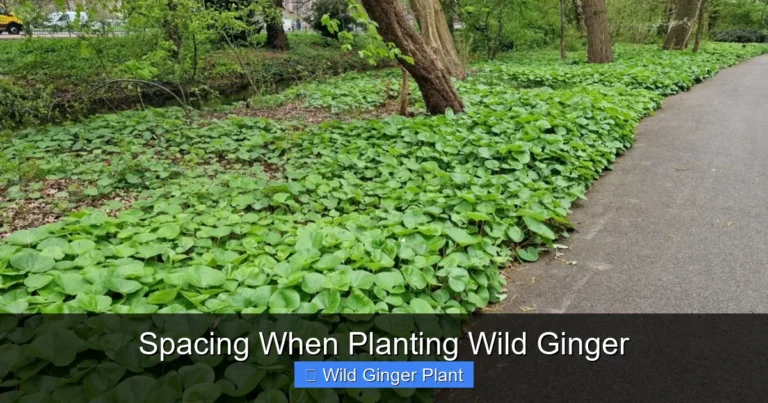
Wild ginger spreads slowly by rhizomes. Mature plants form clumps six to twelve inches wide. For solid groundcover within three years, space plants eight to ten inches apart on center. For a drift look with visible soil between clumps, space twelve to eighteen inches.
Quick Calculation
Measure your planting area in square feet. Divide by 0.5 for eight-inch spacing (two plants per square foot). Divide by 0.75 for ten-inch spacing. Divide by 1.5 for twelve-inch spacing.
Example: A one-hundred-square-foot bed at ten-inch spacing needs about seventy-five plants. At bare root pricing of ten dollars each, that is seven hundred fifty dollars. At plug pricing of two dollars each, one hundred fifty dollars. The plug flat savings are massive for large projects.
Start Small, Expand Later
Wild ginger divides easily after three to four years. Buy half the plants you ultimately want. In year four, dig and divide your established clumps. Free plants. This approach stretches your budget and yields genetically identical material adapted to your exact site.
Seasonal Timing Affects Price and Success
Spring: Peak Availability, Peak Price
April through June sees the widest selection. Nurseries are fully stocked. Prices are at their seasonal high. Bare root ships early spring (March-April in most zones). Potted plants appear mid-spring. If you want choice cultivars or large specimens, buy spring.
Fall: Discounts on Potted Plants
September through October, nurseries clear inventory. Potted wild ginger often drops twenty to thirty percent. Bare root divisions become available again for fall planting. Fall planting gives roots a head start before winter. Excellent value if selection meets your needs.
Summer: Limited Availability, Risky Planting
Most nurseries stop shipping bare root in summer. Potted plants remain but planting in heat requires diligent watering. Prices hold steady. Only buy summer if you can provide consistent moisture and shade during establishment.
Winter: Planning and Pre-Ordering
January through March is pre-order season. Many nurseries offer early-bird discounts of five to ten percent for orders placed by March first. You lock in price and reserve hard-to-find cultivars. Payment is usually due at order time. Ships at proper planting time for your zone.
Wild Ginger vs. Lookalikes: Don’t Overpay for the Wrong Plant
Common Confusions
Several plants share the “wild ginger” common name but belong to different genera. Hexastylis species (little brown jugs, heartleaf) are evergreen, slower, and often pricier. Asarum caudatum (western wild ginger) is larger, faster, and native to the Pacific Northwest. Saruma henryi (upright wild ginger) is a Chinese relative with yellow flowers, clump-forming, not a groundcover.
Prices for these relatives range from fifteen to forty dollars for quart pots. They are lovely plants but not the classic eastern North American wild ginger. Know the botanical name before you buy.
Verifying Identity
Reputable nurseries list the full botanical name: Asarum canadense or Asarum europaeum. If a label just says “wild ginger,” ask. Check leaf shape. A. canadense has matte, softly hairy, kidney-shaped leaves. A. europaeum has glossy, leathery, more rounded leaves. Flowers differ too but are hidden at ground level.
Money-Saving Strategies That Work
Join Your Local Native Plant Society
Annual membership runs fifteen to thirty dollars. Benefits include plant sale discounts, member-only sales, plant swaps, and propagation workshops. One ten-percent discount on a two-hundred-dollar order pays for membership. The knowledge network is priceless.
Attend Plant Swaps and Seed Exchanges
Garden clubs, master gardener groups, and native plant societies host swaps. Bring extra divisions from your garden. Trade for what you need. Wild ginger divides readily. A single mature clump yields five to ten divisions. Your cost: zero dollars plus a little labor.
Propagate Your Own From Seed
If you have a mature patch, collect seeds in July when capsules split. Sow immediately in pots outdoors. Nature handles stratification. Transplant seedlings to individual cells in spring. In two years, you have hundreds of plants for the cost of potting soil and labels.
Buy Plugs, Grow On
Purchase a flat of plugs in spring. Pot them up to quarts. Grow them in a shaded nursery bed for one season. By fall, you have retail-quality quart pots at wholesale plug prices. Requires space and patience but saves fifty to seventy percent.
Split Shipping With Friends
Coordinate a group order with three to five gardening friends. Meet the free-shipping threshold (often two hundred to three hundred dollars). Split the box. Everyone saves fifteen to twenty-five dollars in shipping. Social gardening at its finest.
Quality Indicators: What to Look For When Buying
Bare Root Divisions
- Rhizome firm, not mushy or shriveled
- At least one plump, visible growth bud (eye)
- Fibrous roots attached, not stripped clean
- No mold, rot, or foul odor
- Packed in barely damp peat or paper, not soaking wet
Potted Plants
- Roots visible at drainage holes but not circling excessively
- Multiple stems emerging from soil surface
- Leaves clean, no significant spotting or yellowing
- Pot feels appropriately heavy for size (good soil volume)
- Label shows botanical name and nursery origin
Seeds
- Fresh harvest year indicated (wild ginger seed loses viability fast)
- Clean, no chaff or capsule fragments
- Stored refrigerated by seller
- Source location noted (provenance matters for adaptation)
Regional Price Variations Across the US
Northeast and Midwest (Native Range Core)
Lowest prices, highest availability. Dozens of native nurseries propagate Asarum canadense. Bare root: six to ten dollars. Quarts: fourteen to twenty dollars. Conservation district sales abundant.
Southeast
Good availability. Prices similar to Northeast. Watch for Hexastylis species sold as wild ginger. They are beautiful but different plants at different price points.
Pacific Northwest
Asarum caudatum is the local native. A. canadense is less common, slightly pricier (add two to five dollars). European species widely available.
Mountain West and Southwest
Wild ginger is not regionally native. Few local growers. Most plants shipped in. Expect premium pricing: bare root twelve to eighteen dollars, quarts twenty to thirty dollars. Consider Asarum caudatum or Saruma henryi as better-adapted alternatives.
Urban vs. Rural
Urban garden centers charge more. Rural nurseries and farm-stand sellers charge less. Drive thirty minutes outside the metro area. Save twenty percent.
Long-Term Value: Why Wild Ginger Pays For Itself
Perennial Groundcover Economics
Compare wild ginger to annual mulch. A cubic yard of mulch covers one hundred square feet two inches deep. Cost: forty dollars delivered. Reapply annually. Ten-year cost: four hundred dollars. Wild ginger planting (seventy-five bare root at ten dollars): seven hundred fifty dollars upfront. But after year three, zero annual cost. The plants suppress weeds, retain moisture, and build soil. Break-even around year seven. After that, pure savings.
Ecosystem Services
Wild ginger supports native pollinators (small flies, beetles), provides cover for amphibians, and stabilizes soil on slopes. These services have real value. A slope stabilization project using erosion control fabric and plantings costs five to fifteen dollars per square foot. Wild ginger does it for the cost of plants.
Propagation Asset
Every mature clump is a future inventory. Divide every three to four years. Each division is a plant you don’t buy. A single ten-dollar bare root plant becomes ten free plants in a decade. That is a one-thousand-percent return on investment. Few garden plants offer that math.
Common Buying Mistakes to Avoid
Buying Too Few Plants
Wild ginger spreads slowly. Five plants in a ten-by-ten bed will look sparse for five years. Buy for the look you want in year three, not the look at planting. Use the spacing calculator. Err on the side of closer spacing.
Ignoring Provenance
A Asarum canadense from Georgia may struggle in Minnesota. A Minnesota ecotype thrives. Ask the nursery for seed source location. Match provenance to your region for best survival and vigor.
Planting in Wrong Conditions
Wild ginger demands shade and moisture. Planting in dry sun wastes every dollar spent. No amount of money fixes wrong site. Assess light and soil honestly before buying.
Confusing Species
Buying Hexastylis when you want Asarum canadense leads to disappointment. Different growth rate, different leaf habit, different flower. Know the botanical name.
Skipping Soil Prep
Planting into compacted clay or bone-dry sand guarantees failure. Invest in compost and mulch first. The plants will reward you.
Building a Wild Ginger Budget: Sample Scenarios
Scenario 1: Small Urban Shade Garden (50 sq ft)
- Goal: Groundcover under mature maple
- Spacing: 10 inches (72 plants)
- Choice: Bare root divisions at $10 each
- Plants: $720
- Compost (1.5 cu yd): $60
- Mulch (6 bags): $30
- Shipping (consolidated): $20
- Total: $830
Scenario 2: Woodland Restoration (500 sq ft)
- Goal: Native understory reestablishment
- Spacing: 12 inches (333 plants)
- Choice: Plug flats at $2 each
- Plants: $666 (7 flats of 50)
- Compost (10 cu yd): $350
- Mulch (30 bags): $150
- Shipping (freight): $150
- Total: $1,316
Scenario 3: Patient Gardener on a Budget (100 sq ft)
- Goal: Eventual groundcover, minimal cash
- Year 1: Seed packet $5 + potting soil $15 = $20 (grow 50 seedlings)
- Year 2: Pot up, grow on (labor only)
- Year 3: Plant 50 seedlings at 12-inch spacing
- Year 4: Divide original 50, fill gaps
- Total cash: $20 + compost/mulch
Conclusion: Smart Buying Gets You Growing
Wild ginger plant costs range from three dollars for seeds to fifty-plus dollars for specimen pots. Most gardeners find the sweet spot at ten to fifteen dollars per bare root division or fourteen to twenty dollars per quart pot. Your total project cost depends on area, spacing, source, and soil prep.
The smartest approach? Define your site and goals. Calculate plant count. Shop local native nurseries and conservation sales first. Buy bare root or plugs for large areas. Buy quarts for instant impact in small spaces. Prep soil thoroughly. Mulch well. Water faithfully the first year.
In three years, you will have a self-sustaining carpet of kidney-shaped leaves hiding curious jug-shaped flowers. In five years, you will be digging divisions to share. The initial investment pays dividends in beauty, ecology, and free plants for decades.
Start with a realistic budget. Buy the best plants you can afford from a trusted source. Then enjoy watching your wild ginger patch grow into a legacy planting that outlives the receipt.
Frequently Asked Questions
Why is wild ginger more expensive at big-box stores than native nurseries?
Big-box stores have higher overhead costs and typically source from large wholesale growers who charge premium prices. Native plant nurseries propagate locally, have lower overhead, and specialize in volume production of regionally adapted plants, allowing them to offer better prices on native species like wild ginger.
Can I grow wild ginger from root cuttings from a friend’s garden?
Yes, wild ginger divides easily. In early spring or fall, dig a mature clump and separate rhizome segments with at least one growth bud and some roots. Replant immediately at the same depth. This is free and produces plants genetically identical to the parent.
What is the difference in cost between native and European wild ginger?
European wild ginger (Asarum europaeum) typically costs $2-$5 more per plant than native Asarum canadense at the same nursery. The premium reflects slightly slower propagation and lower production volume. Both make excellent shade groundcovers.
Are there additional costs after buying wild ginger plants?
Yes, budget for soil amendments (compost $30-$50 per cubic yard), mulch ($3-$5 per bag), and possible irrigation supplies ($20-$40). If deer or rabbit pressure is high, add $15-$25 for fencing or repellent. These establishment costs ensure long-term success.
How long until wild ginger plants fill in and cover the ground?
Bare root divisions spaced 10 inches apart typically achieve 80% ground coverage in 3 years. Quart pots fill in 1-2 years faster. Seeds take 4-5 years from sowing. Closer spacing (8 inches) speeds fill by about one year but requires more plants upfront.
Is wild ginger worth the cost compared to other shade groundcovers?
Wild ginger costs more initially than aggressive spreaders like periwinkle or English ivy, but it is non-invasive, supports native wildlife, requires no mowing or edging, and lives for decades. Over 10 years, wild ginger costs less than annual mulch replacement and provides superior ecological value.