Buy Awapuhi Wild Ginger Plant
Awapuhi wild ginger is a fragrant tropical plant prized for its lush foliage and sweet scent. Buying a healthy specimen ensures fast growth and vibrant blooms. This guide shows you where to find quality plants and how to care for them.
Awapuhi wild ginger is a stunning tropical plant that brings a sweet fragrance to any garden. Its botanical name is Hedychium coronarium. Many people call it butterfly ginger because of its showy flowers. If you want to buy awapuhi wild ginger plant, you will find it easy to grow in warm climates.
This plant loves humidity and bright indirect light. It can reach three to four feet tall when happy. The leaves are large, glossy, and deep green. The flowers appear in late summer and smell like a blend of jasmine and citrus.
In this guide we walk you through everything you need to know. You will learn how to pick a healthy specimen, where to buy awapuhi wild ginger plant, and how to care for it year round. Let’s get started.
Key Takeaways
- Choose a reputable source: Buy from nurseries with good reviews to get disease‑free plants.
- Inspect leaves and roots: Look for bright green leaves and firm white roots before purchase.
- Match your climate: Awapuhi thrives in warm, humid zones; consider a greenhouse if you live in cooler areas.
- Use well‑draining soil: A mix of peat, perlite, and compost prevents root rot.
- Water consistently: Keep soil evenly moist but never soggy for best growth.
- Fertilize monthly: A balanced liquid fertilizer supports lush foliage and strong fragrance.
Quick Answers to Common Questions
What is the best time to plant awapuhi wild ginger?
Plant in spring after the last frost when soil has warmed.
Can awapuhi wild ginger grow indoors?
Yes, it thrives in bright indirect light with high humidity.
How often should I fertilize?
Feed monthly with a balanced liquid fertilizer during the growing season.
What pests are most common?
Mealybugs and spider mites are the typical pests.
How do I propagate awapuhi wild ginger?
Divide rhizomes in late fall and replant each section.
📑 Table of Contents
What Is Awapuhi Wild Ginger?
Awapuhi wild ginger belongs to the Zingiberaceae family and thrives in tropical regions. It produces tall stems topped with fragrant white blooms. The rhizomes spread slowly, forming a clump over time. Gardeners who buy awapuhi wild ginger plant enjoy a low‑maintenance beauty that returns each year.
Origins and History
This species originates from the islands of the Pacific and Southeast Asia. Indigenous cultures used the flowers for leis and traditional ceremonies. Early explorers brought the plant to botanical gardens worldwide. Today you can buy awapuhi wild ginger plant from many specialty nurseries.
Botanical Profile
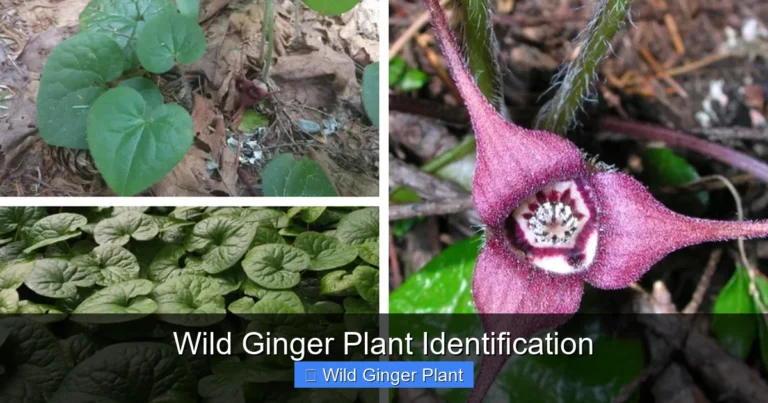
The plant features lance‑shaped leaves that grow up to twelve inches long. Its rhizomes are thick, fleshy, and aromatic when crushed. Flowers emerge on a spike that can reach eighteen inches. The bloom period lasts several weeks in late summer.
Benefits of Growing Awapuhi Wild Ginger
Growing this ginger adds a tropical feel to any landscape. The scent drifts on warm evenings and attracts pollinators. The foliage provides a lush backdrop for smaller plants. When you buy awapuhi wild ginger plant, you invest in a multi‑season showpiece.
Aromatic Qualities
The fragrance is sweet, citrusy, and slightly spicy. It intensifies after rain or in the early morning. Many people cut the flowers for indoor arrangements. The aroma can fill a room for days.
Medicinal Uses
Traditional healers use the rhizome for digestive relief and anti‑inflammatory purposes. Modern research explores its antioxidant compounds. Always consult a professional before using any plant medicinally. The plant you buy awapuhi wild ginger plant can be a source of natural wellness.
Landscape Value
Its bold leaves create a dramatic texture in shade gardens. The plant works well near water features or in large containers. It pairs nicely with ferns, hostas, and caladiums. A single clump can become a focal point in a mixed border.
How to Choose a Healthy Plant
Selecting a vigorous specimen sets you up for success. Look for firm, unblemished rhizomes and bright green foliage. Avoid plants with yellowing tips or mushy bases. If you plan to buy awapuhi wild ginger plant, ask the seller about recent growth.
Leaf Color and Texture
Healthy leaves are deep emerald and feel smooth to the touch. Any brown spots may indicate fungal issues. Slight curling is normal in very hot weather. Consistent color signals a well‑cared‑for plant.
Root System Check
Gently lift the pot to inspect the roots. White, fibrous roots mean the plant is actively growing. Dark or slimy roots suggest rot. A strong root ball will establish quickly after planting.
Pest Free Guarantee
Ask the nursery if the plant has been treated for common pests. Mealybugs and spider mites are the usual suspects. A clean plant reduces future headaches. Reputable sellers often provide a pest‑free guarantee when you buy awapuhi wild ginger plant.
Where to Buy Awapuhi Wild Ginger Plant
Finding a reliable source is the first step to a thriving garden. Local garden centers often carry seasonal stock. Online shops offer a wider selection and detailed descriptions. Compare prices and shipping policies before you buy awapuhi wild ginger plant.
Local Nurseries
Visit nearby nurseries in spring when new growth arrives. Staff can show you the exact plant you will take home. You can inspect leaves and roots in person. Supporting local businesses also helps your community.
Online Retailers
Major plant marketplaces list multiple vendors with customer reviews. Look for sellers with high ratings and clear photos. Check the return policy in case the plant arrives damaged. Many sites let you buy awapuhi wild ginger plant with a few clicks.
Specialty Growers
Specialty growers focus on rare and heirloom varieties. They often provide detailed care sheets and lineage information. Prices may be higher but quality is usually superior. Contact them directly if you have specific questions before you buy awapuhi wild ginger plant.
Planting and Care Tips
Proper planting ensures a strong start for your ginger. Choose a site with filtered sunlight and rich, moist soil. Space plants about two feet apart to allow clump expansion. When you buy awapuhi wild ginger plant, follow these steps for best results.
Soil Preparation
Mix equal parts peat moss, perlite, and compost for a light, well‑draining medium. Add a handful of slow‑release fertilizer to the blend. Test the pH; aim for slightly acidic around 6.0. Good soil prevents waterlogging and root disease.
Watering Schedule
Water deeply after planting to settle the soil. Keep the top inch of soil consistently moist during the growing season. Reduce watering in winter when growth slows. Overwatering is the most common cause of failure.
Fertilizing Routine
Apply a balanced liquid fertilizer every four weeks from spring to early fall. Dilute to half strength to avoid salt buildup. Stop feeding in late autumn to let the plant rest. Regular feeding promotes larger blooms and stronger fragrance.
Pruning and Harvesting
Remove spent flower spikes to encourage new growth. Cut back any yellowing leaves at the base. Harvest rhizomes in late fall if you wish to propagate. Clean tools between cuts to prevent disease spread.
Common Problems and Solutions
Even healthy plants can face issues. Early detection makes treatment easier. Keep a garden journal to track symptoms and actions. If you buy awapuhi wild ginger plant, you will be ready for these challenges.
Yellow Leaves
Yellowing often signals nutrient deficiency or overwatering. Test soil moisture and adjust watering first. Apply a nitrogen‑rich fertilizer if leaves stay pale. Ensure good drainage to stop further stress.
Root Rot
Soft, brown roots indicate rot caused by soggy conditions. Remove the plant, trim away damaged roots, and repot in fresh dry mix. Reduce watering and improve air circulation. A fungicide drench can help in severe cases.
Pest Infestations
Mealybugs appear as white cottony masses on stems. Spider mites cause fine webbing and stippled leaves. Spray with insecticidal soap or neem oil weekly until cleared. Quarantine new plants before adding them to your collection.
With the right knowledge and a quality source, your awapuhi wild ginger will flourish for years. Enjoy the sweet scent, lush foliage, and tropical vibe it brings to your space. Happy gardening!
Frequently Asked Questions
Is awapuhi wild ginger cold hardy?
It is not frost tolerant and needs protection below 50°F.
What soil pH does it prefer?
It prefers slightly acidic soil around pH 6.0.
How tall does the plant get?
Mature clumps reach three to four feet in height.
Can I grow it in a container?
Yes, a large pot with good drainage works well.
Does it need full sun?
It prefers filtered light or partial shade.
When do the flowers bloom?
Flowers appear in late summer and last several weeks.