Wild Ginger Plant Australia
Wild ginger plant Australia species offer unique flavors and ornamental value for home gardens. Learn to identify native varieties, grow them successfully, and use them safely in your kitchen.
Key Takeaways
- Multiple species exist: Australia hosts several native and introduced wild ginger varieties with distinct characteristics.
- Identification matters: Proper ID prevents confusion with toxic lookalikes in the wild.
- Shade lovers: Most wild ginger plants thrive in dappled light and moist, rich soil conditions.
- Culinary potential: Rhizomes and leaves add unique flavor to dishes when prepared correctly.
- Conservation awareness: Some native species are protected; never harvest from national parks.
- Easy propagation: Division and seed methods work well for home garden cultivation.
- Medicinal history: Traditional uses exist but require modern safety research before application.
Quick Answers to Common Questions
What is the main native wild ginger species in Australia?
The main native species is Alpinia caerulea, commonly called native ginger or wild ginger. It grows in rainforests along the east coast from northern NSW to Cape York.
Can you eat the blue fruit of native ginger?
Yes, the white fleshy aril surrounding the black seed is edible. It has a sharp, sour, lemony flavor. The blue skin is edible but tasteless, and the hard seed should be spat out.
How do you tell native ginger apart from toxic cunjevoi?
Native ginger leaves attach at the base with clear sap and a gingery smell. Cunjevoi leaves are peltate (stem attaches to center), have milky sap, and cause severe burning if eaten. Never guess – always verify.
Does wild ginger need full sun to grow?
No, wild ginger prefers dappled shade or morning sun with afternoon shade. Full sun can scorch the leaves unless humidity is very high. It thrives as an understory plant.
When is the best time to harvest wild ginger rhizomes?
Late autumn to winter is best when the plant has stored energy in the rhizomes. Harvest from the outer edges of the clump, leaving the center to regrow.
📑 Table of Contents
- Getting to Know Wild Ginger in Australia
- Native Australian Ginger Species
- Introduced and Naturalized Gingers
- Identifying Wild Ginger Safely
- Growing Wild Ginger in Your Garden
- Propagation Methods
- Harvesting and Culinary Uses
- Traditional and Modern Uses
- Conservation and Ethics
- Wild Ginger in Permaculture and Food Forests
- Common Problems and Solutions
- Seasonal Calendar
- Comparing Wild Ginger to Common Ginger
- Buying Guide
- Frequently Asked Questions
- Conclusion
Getting to Know Wild Ginger in Australia
When people hear the word ginger, they usually picture the knobby beige root from the supermarket. That is common ginger, Zingiber officinale. But Australia has its own fascinating story with wild ginger plant Australia species. These plants belong to different families entirely. They offer unique flavors, beautiful foliage, and a connection to the continent’s ancient botanical heritage.
I first stumbled across native ginger on a bushwalk in Queensland. The lush green leaves caught my eye. The aromatic rhizome scent confirmed what my guidebook suggested. That moment sparked a deep dive into this topic. I want to share what I have learned. Whether you are a gardener, a forager, or just curious, this guide covers identification, cultivation, and safe use.
Native Australian Ginger Species
Australia is home to several native ginger species. They mostly belong to the genus Alpinia. These are true members of the Zingiberaceae family. That makes them relatives of common ginger, turmeric, and cardamom. They grow naturally in rainforest understories along the east coast.
Alpinia caerulea – Native Ginger
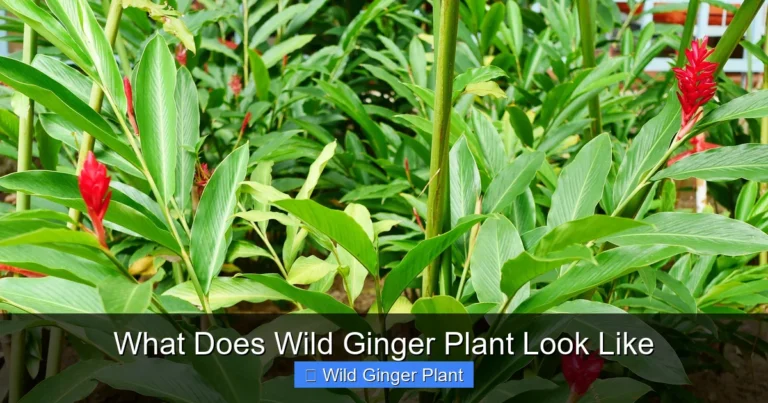
This is the most famous wild ginger plant Australia species. It grows from northern New South Wales up through Queensland. You will find it in subtropical and tropical rainforests. It forms large clumps up to three meters tall. The leaves are broad, glossy, and arranged in two ranks. The flowers are white or pale pink. They appear in terminal spikes. The real showstopper is the fruit. Bright blue capsules split open to reveal black seeds with a white aril. That blue color is rare in the plant world. It comes from anthocyanins and structural coloration.
The rhizomes are aromatic. They smell like a mix of ginger and citrus. The young root tips are the most tender. The blue fruit pulp has a pleasant, sour lemony taste. Aboriginal people have used this plant for thousands of years. They ate the rhizomes and fruit. They used the large leaves for wrapping food and making shelters.
Alpinia argyrophylla – Silver Leaf Ginger
This species is less common. It grows in far north Queensland rainforests. The underside of the leaves has a distinct silvery sheen. That gives it the common name. The flowers are similar to A. caerulea. The fruit is also blue. It is smaller in stature, usually under two meters. It prefers very wet, humid conditions.
Alpinia modesta – Slender Ginger
As the name suggests, this is a more delicate plant. It grows in northeastern Queensland. The stems are thinner. The leaves are narrower. It often grows as an epiphyte on rocks or fallen logs in damp gullies. The rhizomes are very slender. It is rarely cultivated but beautiful in its niche.
Introduced and Naturalized Gingers
Not every wild ginger plant Australia enthusiast encounters is native. Several introduced species have naturalized. Some are garden escapees. Others were brought for agriculture or ornament. Knowing the difference matters for ecology and safety.
Hedychium gardnerianum – Kahili Ginger
This is a major environmental weed. It comes from the Himalayas. It was introduced as an ornamental. It has showy yellow flowers with red stamens. The scent is powerful and sweet. It forms dense thickets in rainforest margins. It smothers native seedlings. It spreads by rhizomes and seeds. Birds eat the fleshy orange arils on the seeds. If you see this, do not plant it. Report it to your local council weeds officer. Removal is difficult but necessary.
Hedychium coronarium – White Ginger Lily
Also called butterfly ginger. White, highly fragrant flowers. It naturalizes in wet areas. It is less aggressive than kahili ginger but still a potential weed. The rhizomes are edible but fibrous. It is often grown for cut flowers.
Zingiber zerumbet – Shampoo Ginger
This is a Polynesian introduction. The cone-shaped flower heads produce a clear, slippery liquid. That liquid works as a natural shampoo. Hence the name. The rhizomes are used in traditional medicine. It can spread in favorable conditions. It dies back in winter in cooler zones.
Curcuma australasica – Native Turmeric
Technically a turmeric, not a ginger. But closely related. It grows in northern Australia. It has beautiful pink or white flower spikes. The rhizomes are orange inside. They have a mild turmeric flavor. It goes dormant in the dry season. The leaves die back completely. This is a great native alternative to common turmeric.
Identifying Wild Ginger Safely
Identification is the most critical skill. Some plants look similar but are toxic. The rainforest floor hosts many lookalikes. Never eat a plant unless you are one hundred percent certain.
Key Features of True Gingers (Zingiberaceae)
All true gingers share a basic body plan. They are herbaceous perennials. They grow from rhizomes. The rhizomes are usually aromatic when crushed. The stems are actually pseudostems. They are formed by tightly wrapped leaf sheaths. True stems only appear when flowering. Leaves are alternate, distichous (in two ranks), and entire. They have a distinct midrib. Flowers are irregular, often showy, with one fertile stamen. The fruit is usually a capsule or berry.
Dangerous Lookalikes
Cunjevoi (Alocasia brisbanensis): Also called elephant ear. Large, arrow-shaped leaves. Grows in similar wet habitats. Contains needle-sharp calcium oxalate crystals. Causes intense burning and swelling if eaten. The rhizome looks knobby like ginger. Never confuse the two. Cunjevoi leaves are peltate (stem attaches to center of leaf). Ginger leaves attach at the base. Cunjevoi sap is milky. Ginger sap is clear.
Arum Lily (Zantedeschia aethiopica): White spathe flower. Arrow-shaped leaves. Toxic. Grows in wet areas.
Wild Taro (Colocasia esculenta): Similar to cunjevoi. Edible only after extensive cooking to remove toxins. Not for beginners.
Identification Checklist for Alpinia caerulea
- Clumping herb to 3 meters.
- Leaves broad, lanceolate, glossy green, two-ranked.
- Leaf sheaths form pseudostem.
- Crushed leaf or rhizome smells gingery-citrus.
- Flowers in terminal spikes, white/pink.
- Fruit: bright blue capsules, fleshy white aril on black seed.
- Habitat: rainforest understory, moist gullies.
If it matches all these, you likely have native ginger. If anything is off, walk away. Take photos. Consult local experts. Join a native plant society. Use apps like iNaturalist for verification.
Growing Wild Ginger in Your Garden
Cultivating wild ginger plant Australia species is rewarding. They bring lush, tropical texture to shaded gardens. They support wildlife. And they give you a sustainable harvest.
Climate and Microclimate
Most native gingers are subtropical to tropical. Alpinia caerulea handles light frost once established. It grows well in warm temperate zones like Sydney and Perth if protected. In cooler areas like Melbourne or Tasmania, grow in pots. Move indoors or to a greenhouse in winter. They need humidity. Dry heat scorches leaves. A sheltered courtyard or fernery works well.
Soil Requirements
Think rainforest floor. Rich, deep, well-drained but moisture-retentive. High organic matter. Slightly acidic pH (5.5 to 6.5). Heavy clay needs compost and gypsum. Sandy soil needs lots of compost and mulch. They hate waterlogging but hate drying out more. Consistent moisture is key.
Light Conditions
Dappled shade is ideal. Morning sun, afternoon shade. Deep shade reduces flowering and fruiting. Full sun burns leaves unless humidity is very high. Under established trees is perfect. Shade cloth (50-70%) works for open areas.
Planting Steps
- Prepare a hole twice the pot width.
- Mix in compost and well-rotted manure.
- Plant at same depth as in pot.
- Water in with seaweed solution.
- Mulch thickly (10cm) with leaf litter or wood chips.
- Keep mulch away from stem base to prevent rot.
Ongoing Care
Water regularly. Daily in summer heat. Less in winter. Feed in spring and summer with organic fertilizer. Blood and bone, pelletized chicken manure, or liquid fish emulsion. Remove dead leaves. Divide clumps every 3-4 years in spring. This rejuvenates the plant and gives you new plants.
Pests and Diseases
Generally tough. Grasshoppers may chew leaves. Scale insects on stems. Treat with horticultural oil. Root rot in wet, cold soil. Ensure drainage. Fungal leaf spots in humid, still air. Improve airflow. Remove affected leaves.
Container Growing
Use a large pot (40cm+). Premium potting mix with added compost. Water crystals help. Saucer with pebbles for humidity. Repot every 2 years. Fertilize more often but weaker.
Propagation Methods
Expanding your patch is easy. Two main methods work well.
Division
Best done in early spring. Dig up the clump. Wash soil off rhizomes. Look for active growing tips (pink/white buds). Cut sections with a clean knife. Each piece needs at least one growing tip and some roots. Dust cuts with cinnamon or sulfur. Pot up or replant immediately. Water well. Keep shaded for two weeks.
Seed
Fresh seed only. Viability drops fast. Clean the blue fruit pulp off. Sow immediately in seed raising mix. Cover lightly. Keep warm (25°C) and moist. Germination takes 4-12 weeks. Prick out when two true leaves appear. Slow initial growth. Worth it for genetic diversity.
Rhizome Cuttings
Cut 5cm sections of mature rhizome. Lay horizontally in potting mix. Cover with 2cm mix. Keep warm and moist. Shoots appear in 4-8 weeks. Good for species that don’t seed readily.
Harvesting and Culinary Uses
This is the fun part. Using your homegrown wild ginger plant Australia harvest.
When and How to Harvest
Rhizomes: Best in late autumn to winter. Plant energy is stored. Dig around the clump edge. Take outer rhizomes. Leave the center to regrow. Wash thoroughly. Young tips are most tender. Older parts are fibrous.
Leaves: Harvest anytime. Take only a few per plant. Use for wrapping.
Fruit: Late summer to autumn. Pick when bright blue. Squeeze out seeds. Eat the white aril. Spit out the hard black seed.
Flavor Profile
Alpinia caerulea rhizome: Mild ginger heat. Strong citrus, almost lemongrass notes. Less peppery than common ginger. Sweet aromatic finish. The blue fruit aril: Sharp, sour, lemony. Refreshing.
Preparation Tips
Peel rhizomes with a spoon edge. Slice thin across fibers. Mince or grate. The fibers are tough. Cooking softens them. For raw use, mince very fine.
Recipe Ideas
Native Ginger Tea: Steep sliced rhizome in hot water. Add lemon myrtle and honey. Soothing and aromatic.
Ginger Leaf Wrapped Fish: Place fish fillet on leaf. Top with sliced ginger, native herbs, macadamia oil. Wrap tight. Steam or bake. Leaf imparts subtle flavor.
Blue Ginger Sorbet: Blend fruit arils with sugar syrup. Freeze. Churn. Intense natural color and flavor.
Pickled Ginger Tips: Young rhizome tips in rice vinegar, sugar, salt. Beautiful pink color from natural pigments. Great with seafood.
Stir-fry Base: Use minced rhizome with garlic, chili. Milder than common ginger. Good for delicate proteins.
Preservation
Freeze: Peel, slice, freeze on tray. Bag up. Grate frozen. Keeps 12 months.
Dry: Slice thin. Dehydrator at 45°C. Powder for spice blends.
Ferment: Lacto-ferment slices in brine. Probiotic condiment.
Traditional and Modern Uses
The story of wild ginger plant Australia species goes deep.
Aboriginal Uses
First Nations people across the range used Alpinia caerulea extensively. The rhizomes were roasted in earth ovens. The fruit was eaten raw. The large leaves were multipurpose tools. Food wrapping. Rain capes. Shelter thatching. Bandages. The blue fruit pigment may have been used for body decoration. Knowledge varies by language group. Always respect cultural protocols. Seek permission before harvesting on Country.
Early Colonial Use
Settlers quickly adopted native ginger. It was a welcome flavor. “Wild ginger beer” was a common home brew. Rhizomes substituted for imported ginger. Leaves wrapped damper. It was a bush food staple.
Modern Research
Scientists are studying Alpinia compounds. Lab studies show antimicrobial, antioxidant, anti-inflammatory activity. Compounds like flavonoids, terpenoids, diarylheptanoids. The blue fruit pigment is a unique anthocyanin. Potential food coloring. No clinical trials yet. Do not self-medicate. Culinary amounts are safe for most.
Essential Oil
Rhizomes yield a small amount of oil. Citrus, floral, spicy notes. Used in niche perfumery. Expensive due to low yield. Not commercially viable yet.
Conservation and Ethics
With growing interest comes responsibility.
Legal Protection
Alpinia caerulea is not nationally threatened. But local populations face pressure. Habitat loss. Weed invasion. Overharvesting. In national parks and reserves: zero harvesting allowed. Fines apply. On private land: owner permission required. Some councils have tree/vegetation preservation orders covering understory plants. Check local laws.
Sustainable Foraging Guidelines
If foraging legally on private land with permission:
- Take less than 10% of a clump.
- Only harvest rhizomes from the expanding edge.
- Leave the mother plant intact.
- Replant any disturbed sections.
- Spread seeds from fruit you eat.
- Never dig up whole plants.
- Avoid rare or isolated populations.
Grow Your Own
The best ethical choice. Buy from native nurseries. Propagate. Share divisions. This reduces wild pressure. It connects you to the plant cycle. Nurseries like Sydney Wildflower Nursery, IndigiGrow, or local council nurseries often stock it.
Wild Ginger in Permaculture and Food Forests
These plants shine in regenerative designs.
Layer Role
Herbaceous/groundcover layer. In subtropical systems, they can be a tall herb layer. They fill the niche under fruit trees. They tolerate root competition once established.
Guild Partners
Plant with: Davidson’s plum, finger lime, native raspberry, midyim berry, lemon myrtle, cinnamon myrtle. All share similar needs. They create a native edible understory.
Functions
- Food production (rhizome, leaf, fruit).
- Biomass/mulch (large leaves chop and drop).
- Habitat (frogs, lizards, insects shelter in clumps).
- Soil building (rhizomes penetrate clay).
- Microclimate (cool, humidify air).
- Aesthetic (tropical beauty).
Design Tips
Plant on contour swales. They slow water. Use as border for paths. Fragrant when brushed. Group in odd numbers (3, 5, 7). Allow space for clump expansion (1m diameter).
Common Problems and Solutions
Even easy plants have issues.
Leaf Scorch
Brown, crispy edges. Cause: too much sun, wind, or dry air. Fix: move to shade, increase humidity, mulch deeper, windbreak.
No Flowers or Fruit
Cause: too much shade, immaturity, nutrient imbalance (too much nitrogen), dry stress. Fix: more light, patience (3-4 years from division), balanced feed, consistent water.
Yellowing Leaves
Old leaves yellow naturally. Widespread yellow: nitrogen deficiency, waterlogging, root rot, pH issue. Test soil. Adjust. Feed. Check drainage.
Clump Dieback
Center dies, ring of growth outside. Cause: congestion, depleted soil. Fix: divide in spring. Replant divisions with compost.
Weedy Spread
Some introduced gingers run. Install root barriers. 60cm deep HDPE. Or grow in bottomless pots sunk in ground. Monitor edges. Remove runners promptly.
Seasonal Calendar
A year with your wild ginger plant Australia patch.
Spring (Sep-Nov)
New shoots emerge. Divide and replant. Apply compost and mulch. Start regular watering. Watch for grasshoppers.
Summer (Dec-Feb)
Peak growth. Flowering occurs. Water daily in heat. Harvest leaves for wrapping. Enjoy flowers. Collect seed if fruit forms.
Autumn (Mar-May)
Fruit ripens blue. Harvest fruit arils. Reduce watering as growth slows. Prepare new planting areas.
Winter (Jun-Aug)
Dormant or slow in cool zones. Best rhizome harvest time. Mulch heavily for frost protection. Plan next season. Order plants.
Comparing Wild Ginger to Common Ginger
Know the differences for cooking and growing.
| Feature | Wild Ginger (Alpinia caerulea) | Common Ginger (Zingiber officinale) |
|---|---|---|
| Family | Zingiberaceae | Zingiberaceae |
| Origin | Australia, PNG | Southeast Asia |
| Rhizome Flavor | Mild, citrus, floral | Strong, peppery, hot |
| Rhizome Texture | Fibrous, less juice | Juicy, less fiber (young) |
| Height | 2-3 meters | 0.5-1 meter |
| Cold Tolerance | Light frost | Frost tender |
| Dormancy | Evergreen (subtropical) | Deciduous (cool winters) |
| Fruit | Blue capsules, edible aril | Rarely fruits in cultivation |
| Leaves Edible | Yes, for wrapping | Yes, but tough |
| Growth Rate | Moderate | Fast |
Both have a place. Common ginger for intense flavor. Wild ginger for subtle citrus notes and perennial ease.
Buying Guide
Where to get started.
Nurseries
Search “native plant nursery” + your region. Specialist native nurseries carry Alpinia caerulea. Ask for “native ginger” or “wild ginger”. Avoid big box hardware stores. They often mislabel or sell weedy species.
What to Look For
- Healthy green leaves, no spots.
- White, firm roots visible at pot bottom.
- Multiple shoots emerging.
- Label with botanical name.
- Pot size 140mm or larger for faster establishment.
Online
Reputable mail-order native nurseries ship tubestock. Order in spring. Avoid winter shipping to cold areas.
Price Range
Tubestock: $4-8. 140mm pot: $12-20. 200mm pot: $25-40. Divisions from friends: free (best).
Frequently Asked Questions
Answers to common queries.
Is wild ginger the same as common ginger?
No. They are different species in the same family. Wild ginger (Alpinia caerulea) is native to Australia. Common ginger (Zingiber officinale) is from Asia. Flavors differ significantly.
Can I eat wild ginger raw?
Yes, in small amounts. Young rhizome tips and fruit arils are eaten raw. Mature rhizome is fibrous and better cooked. Always identify with certainty first.
Does wild ginger grow in Victoria or Tasmania?
It can, in protected microclimates. Frost-free coastal gardens. Greenhouses. Pots moved indoors. It will not survive hard frosts in ground.
Why is my wild ginger not flowering?
Usually insufficient light or immaturity. Needs dappled sun, not deep shade. Plants flower at 3-4 years old. High nitrogen fertilizer promotes leaves over flowers.
Is the blue fruit poisonous?
No. The white fleshy aril around the seed is edible and tasty. The hard black seed is not eaten. The blue skin is edible but tasteless.
Can I grow wild ginger indoors?
Yes, with bright indirect light and high humidity. Bathroom or kitchen window. Use a pebble tray. Mist regularly. It makes a striking foliage plant.
Conclusion
Exploring the world of wild ginger plant Australia species has been a journey of flavor, ecology, and connection. These plants are more than just a native substitute for supermarket ginger. They are a living link to ancient rainforests. They feed wildlife. They create beauty in shaded gardens. They offer unique tastes you cannot buy.
Whether you plant one clump in a pot or design a whole native food forest, you participate in a story thousands of years old. You support biodiversity. You gain a resilient, productive plant. And you get to taste that incredible citrus-ginger sparkle that exists nowhere else on Earth.
Start small. Learn the plant. Respect its origins. Share divisions with neighbors. Cook with the harvest. Watch the blue fruits appear. Listen to frogs sheltering in the leaves at night. This is gardening at its best. Practical, ecological, delicious, and deeply satisfying.
Your wild ginger adventure begins with a single rhizome. Happy growing.
Frequently Asked Questions
Is wild ginger plant Australia the same as supermarket ginger?
No, they are different species. Supermarket ginger is Zingiber officinale from Asia. Australian wild ginger is usually Alpinia caerulea, a native rainforest plant with a milder, citrusy flavor.
Can I grow wild ginger in a pot on my balcony?
Yes, wild ginger grows well in large pots (40cm+). Use premium potting mix with compost, keep moist, provide dappled shade, and maintain humidity with a pebble tray. It makes an excellent foliage plant.
Are all wild ginger plants in Australia native?
No, several introduced species like kahili ginger (Hedychium gardnerianum) and white ginger lily have naturalized. Some are serious environmental weeds. Always identify before planting or harvesting.
How fast does native ginger spread?
Native ginger forms slow-expanding clumps via rhizomes. It is not invasive. Expect a clump to reach 1 meter diameter in 3-5 years. Division every few years controls size and rejuvenates the plant.
What does wild ginger taste like compared to regular ginger?
Wild ginger has a mild ginger heat with strong citrus and floral notes, similar to lemongrass. It lacks the sharp peppery bite of common ginger. The blue fruit aril tastes like sour lemon candy.
Is it legal to pick wild ginger in national parks?
No, harvesting any plant material in Australian national parks and reserves is prohibited without a permit. Fines apply. Only harvest on private land with owner permission, or grow your own.