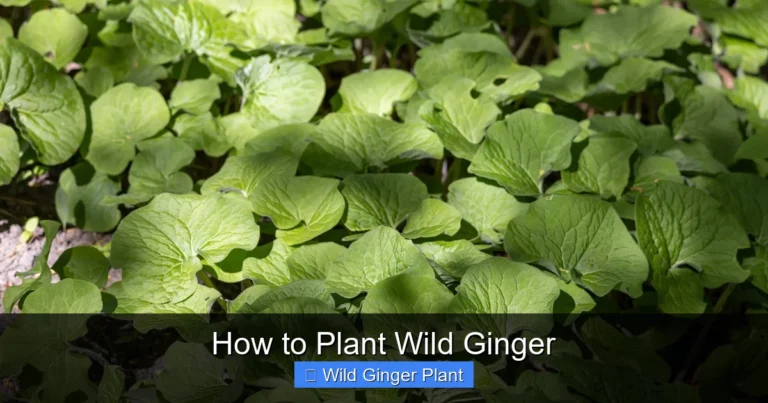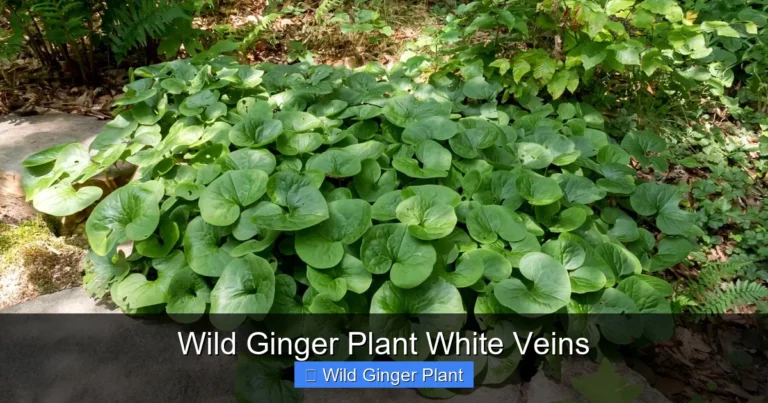
When to Plant Wild Ginger
Wild ginger thrives when planted in early spring or early fall during cool, moist conditions. This native woodland perennial establishes best when soil temperatures reach 50-65°F, giving roots time to anchor before summer heat or winter freeze.
If you have ever walked through a rich eastern woodland in April, you have likely brushed past wild ginger without noticing. The heart-shaped leaves hug the ground. The strange jug-shaped flowers hide beneath the foliage. This plant is a master of subtlety. But once you know it, you want it in your own shade garden. The question every gardener asks is simple. When do you put it in the ground?
The answer depends on your climate and your source material. Are you planting bare-root divisions? Potted nursery starts? Fresh seed? Each has a slightly different sweet spot. But the core principle remains the same. You want cool soil. You want consistent moisture. You want the plant to focus on roots before it worries about leaves. Get the timing right and wild ginger rewards you with a lush, weed-suppressing carpet that lasts for decades. Get it wrong and you watch expensive plants wither in July heat or rot in winter muck.
Key Takeaways
- Best planting windows: Early spring (March-April) and early fall (September-October) offer ideal soil temperatures and moisture for root establishment.
- Soil temperature matters: Aim for 50-65°F soil temps; use a soil thermometer to confirm conditions are right before planting.
- Shade is non-negotiable: Wild ginger requires dappled to full shade; direct sun scorches leaves and stresses plants.
- Moisture retention is key: Rich, humusy soil that holds moisture without sogginess mimics the plant’s native forest floor habitat.
- Divide in early spring: Established clumps divide best just as new growth emerges, giving divisions a full season to establish.
- Mulch heavily after planting: Two to three inches of leaf mold or shredded bark conserves moisture and suppresses weeds.
- Patience pays off: Wild ginger spreads slowly by rhizomes; expect a few years for a dense colony to form.
Quick Answers to Common Questions
Can I plant wild ginger in summer?
Summer planting is not recommended because heat stress prevents root establishment; if unavoidable, provide shade cloth and water twice daily.
How deep should I plant wild ginger rhizomes?
Plant rhizomes horizontally with the growing tip covered by exactly one inch of soil; deeper planting delays emergence, shallower risks desiccation.
Does wild ginger need fertilizer when planted?
No, wild ginger thrives in low-nutrient woodland soils; fertilizer encourages weak growth and increases disease susceptibility.
How far apart should I space wild ginger plants?
Space plants 12-18 inches apart for groundcover; closer spacing fills faster but costs more, wider spacing takes years to knit together.
When should I divide an established wild ginger patch?
Divide in early spring just as leaf buds swell but before they unfurl, giving divisions a full season to establish before winter.
📑 Table of Contents
- Understanding Wild Ginger Growth Habits
- Spring Planting: The Classic Window
- Fall Planting: The Underrated Option
- Planting from Seed: The Patient Approach
- Site Preparation: The Foundation of Success
- Planting Technique Step by Step
- Dividing Established Patches
- Regional Timing Adjustments
- Companion Planting Considerations
- Common Timing Mistakes to Avoid
- Long-Term Establishment Timeline
- Conclusion
Understanding Wild Ginger Growth Habits
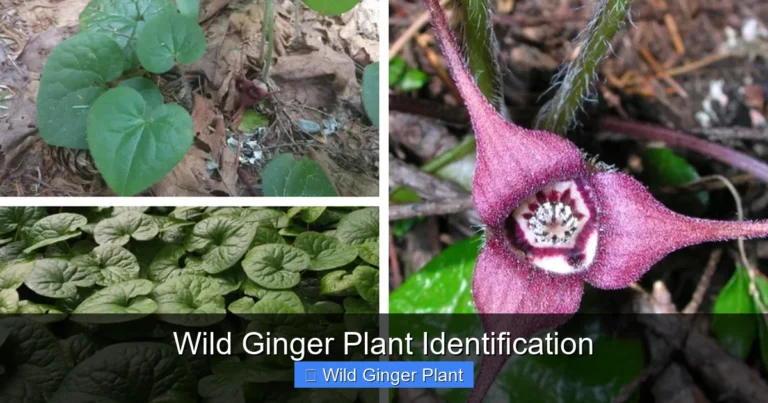
Before you pick a date on the calendar, you need to know what this plant actually does underground. Wild ginger (Asarum canadense) is not the tropical spice ginger you buy at the grocery store. It is a native North American perennial hardy in zones 3 through 8. It spreads by shallow, fleshy rhizomes that creep just below the soil surface. Each year the rhizome extends a few inches. New leaf pairs unfurl from the tip. The old portion of the rhizome slowly dies back.
Spring Emergence Patterns
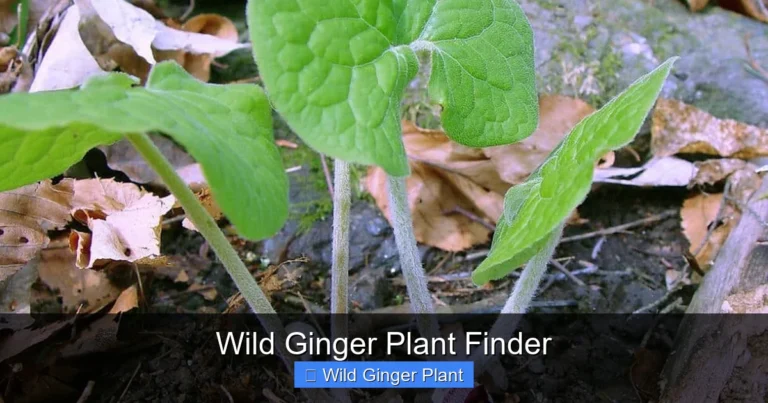
In early spring, often before the tree canopy fully leafs out, wild ginger pushes up tight, fuzzy leaf buds. They look like little clenched fists. These unfurl into the classic kidney-shaped leaves. The flowers appear almost simultaneously, tucked at ground level. They are pollinated by early flies and beetles attracted to their faint, yeasty scent. By early summer the flowering is done. The seeds develop in a fleshy capsule that splits open. Ants carry the seeds away, attracted to an oily appendage called an elaiosome. This is how the plant moves through the woods.
Summer Dormancy Risks
Here is the critical detail for planting timing. Wild ginger is a spring ephemeral in spirit if not in strict definition. It does its most vigorous growth in the cool, moist window between snowmelt and canopy closure. Once summer heat arrives and the soil dries, growth slows dramatically. The plant essentially idles. If you plant during this idle period, the roots cannot chase moisture fast enough. The plant stresses. Stressed wild ginger is susceptible to slug damage, fungal issues, and simple desiccation.
Fall Root Growth
Many gardeners overlook the fall root flush. As soil temperatures drop back into the 50s and 60s Fahrenheit, and autumn rains return, wild ginger rhizomes often put on a secondary push of root growth. They are storing energy for next spring. This makes early fall an excellent planting window. The roots establish in cool soil. The plant goes into winter anchored. Come spring, it is ready to grow immediately.
Spring Planting: The Classic Window
Ask ten native plant nurseries when to plant wild ginger and nine will say early spring. This is the traditional time. The soil is naturally moist from snowmelt and spring rains. Air temperatures are cool. The plant is biologically programmed to grow now. If you plant in March or April (adjust for your zone), you align with the plant’s internal clock.
Timing by Hardiness Zone
In zones 3 and 4, the ground may not be workable until late April or even early May. Wait until the soil crumbles in your hand rather than forming a mud ball. Planting in wet clay destroys soil structure. In zones 5 and 6, late March through April is prime time. In zones 7 and 8, you can plant as early as late February or early March. The key indicator is soil temperature. Stick a thermometer two inches down. You want 50 to 65 degrees Fahrenheit.
Bare-Root vs. Potted Plants in Spring
Bare-root divisions shipped from specialty nurseries usually arrive in early spring. They look dead. They are not. They are dormant. Plant them immediately upon arrival. Soak the roots in water for an hour first. Spread the rhizome horizontally just below the surface. The growing tip should point in the direction you want the colony to expand. Cover with an inch of soil. Water well.
Potted plants from a local nursery offer more flexibility. They have active root systems. You can plant them a bit later into May if you keep them watered. But earlier is still better. A potted plant put in the ground in April will outperform one planted in June every time.
Spring Planting Advantages
The advantages of spring planting are numerous. Natural rainfall reduces your watering duty. Cool temperatures reduce transplant shock. The plant has a full growing season to establish before winter. You can see exactly where you planted it because the leaves emerge quickly. And if you are dividing existing patches, early spring is when you can see the rhizome structure clearly before the leaves fully expand.
Spring Planting Pitfalls
There are risks. A late hard freeze can damage emerging foliage on newly planted divisions. The plant usually recovers, but it sets it back. Spring can also swing suddenly into hot, dry weather in some regions. If May turns into July, you must be ready to water deeply and consistently. Mulch becomes critical. Two to three inches of shredded leaves or pine fines keeps the root zone cool and moist.
Fall Planting: The Underrated Option
Fall planting is often better than spring planting for wild ginger, yet fewer gardeners do it. The soil is warm from summer, encouraging rapid root growth. The air is cool, reducing transpiration stress. Autumn rains are often more reliable than spring rains in many regions. And the plant gets a head start on spring.
The Fall Planting Window
The window opens when nighttime temperatures consistently drop into the 50s. This usually means September in the north, October in the mid-Atlantic and Midwest, and November in the South. You need at least six weeks before the ground freezes hard. This gives roots time to anchor. In zone 3, that means planting by mid-September. In zone 6, late October works. In zone 8, you can plant into November.
Fall Planting Technique
Plant fall divisions or potted plants at the same depth as spring. Water deeply at planting. Then water weekly if rain fails. The critical step is mulching. Apply three to four inches of shredded leaves after the ground freezes. This prevents frost heave. Frost heave pushes shallow rhizomes out of the soil. Exposed rhizomes desiccate and die over winter. The heavy mulch keeps the soil temperature stable.
Why Fall Can Be Better
Plants installed in fall often show stronger growth the following spring. They have already broken dormancy underground. They do not sit sulking in cold wet spring soil. They also avoid the spring rush when nurseries sell out of stock. And you can often find discounted plants at fall nursery sales. Just verify the plants are healthy, not leftover stressed stock from summer.
Fall Planting Risks
The main risk is planting too late. If the ground freezes before roots anchor, the plant heaves out. Another risk is dry fall weather. You must monitor soil moisture. A third risk is rodent damage. Voles and mice love the fleshy rhizomes. Heavy mulch can sometimes provide cover for them. Some gardeners use hardware cloth circles around new fall plantings.
Planting from Seed: The Patient Approach
Growing wild ginger from seed is an exercise in patience. The seeds have a double dormancy. They need a warm moist period followed by a cold moist period. In nature, seeds ripen in early summer. They sit in warm soil. Winter provides the cold. They germinate the following spring. Sometimes they wait a second year.
Direct Sowing in Summer
If you collect fresh seed in June or July, sow it immediately in a prepared seed bed. Press seeds into the soil surface. Do not bury them deeply. They need light to break dormancy. Keep the area moist. Mark the spot well. You will see nothing until the following April. Or the April after that.
Stratification for Controlled Germination
For more control, mix fresh seeds with moist sand or vermiculite in a plastic bag. Keep at room temperature (70-75°F) for 60 days. Then move to refrigerator (35-40°F) for 60-90 days. Check periodically for mold. Sow in pots after stratification. Keep in a shaded cold frame. Germination is erratic. Some sprout in weeks. Others take months.
When to Transplant Seedlings
Seedlings develop a single leaf the first year. It looks like a tiny version of the adult leaf. Do not transplant yet. Let them grow in their pot or seed bed for a full season. The second spring, when they have two or three leaves, you can transplant to their permanent location. Treat them like bare-root divisions. Plant in early spring or early fall.
Site Preparation: The Foundation of Success
Timing matters, but site preparation matters more. Wild ginger evolved on the forest floor. It expects deep shade, rich organic soil, and consistent moisture. If you plant at the perfect time but in the wrong conditions, the plant will decline.
Light Requirements
Wild ginger needs shade. Not part sun. Not dappled light that becomes full sun at 2 PM. It needs shade. Morning sun is tolerated in northern zones if soil moisture is constant. Afternoon sun burns the leaves. The leaves turn yellow, then brown and crispy. The plant survives but looks terrible. Choose a site under mature deciduous trees. Or on the north side of a structure. Or beneath dense evergreens where nothing else grows.
Soil Composition
The ideal soil is a loose, crumbly loam rich in decomposed leaves. Think of the duff layer in an old forest. If your soil is heavy clay, amend heavily with compost and leaf mold. If it is sandy, amend with compost and peat moss to hold moisture. The target pH is slightly acidic, 5.5 to 6.5. Wild ginger tolerates neutral soil but thrives in acidity.
Drainage Test
Dig a hole twelve inches deep and twelve inches wide. Fill with water. Let it drain. Fill again. Time how long it takes to drain. Ideal is two to four hours. If it takes eight hours or more, you have a drainage problem. Wild ginger rhizomes rot in standing water. If drainage is poor, build a raised bed or mound the planting area six to eight inches above grade.
Weed Elimination
Before planting, eliminate all perennial weeds. Grasses, ground ivy, and creeping charlie will outcompete slow-spreading wild ginger. Smother the area with cardboard and mulch for a season. Or carefully apply herbicide if you use chemicals. Do not plant into existing weed pressure. You will never win that battle.
Planting Technique Step by Step
Whether spring or fall, bare-root or potted, the planting method is consistent. Attention to detail here pays dividends for years.
Spacing for Colonies
Space plants twelve to eighteen inches apart for a groundcover effect. Closer spacing (ten inches) fills faster but costs more. Wider spacing (two feet) saves money but takes years to knit together. For a naturalistic drift, plant in staggered rows, not a grid. Odd numbers (3, 5, 7) look more natural than even numbers.
Planting Depth
This is where most people err. The rhizome should lie horizontally, covered by one inch of soil. No deeper. No shallower. If planted too deep, the growing tip struggles to reach the surface. If planted too shallow, the rhizome dries out or freezes. The roots should drape downward from the rhizome. Spread them gently in the planting hole.
Watering In
Water each plant thoroughly after planting. Use a gentle stream. You want to settle soil around roots without washing away the shallow covering. A gallon per plant is a good rule. Then apply mulch immediately. Do not wait. Mulch prevents the soil crust that repels water.
First Season Care
The first growing season is critical. Water deeply once a week if rain does not provide an inch. Check soil moisture with your finger. It should be damp two inches down. Do not fertilize. Wild ginger is adapted to low nutrient conditions. Fertilizer encourages weak, floppy growth susceptible to disease. Pull weeds by hand. Do not cultivate. The rhizomes are too shallow.
Dividing Established Patches
After three to five years, your wild ginger may form a dense mat. The center may thin out. This is the time to divide. Division rejuvenates the colony and gives you free plants.
When to Divide
Early spring is the absolute best time. Just as the leaf buds swell but before they fully unfurl. You can see the rhizome structure. The soil is moist. The plant has the whole season to recover. Fall division works but carries more risk. The divisions have less time to root before freezing.
How to Divide
Use a garden fork, not a shovel. Insert the fork at the colony edge. Lever up a section. Shake off excess soil. You will see the rhizome network. Look for vigorous tips with healthy roots. Cut sections three to four inches long with at least one growing tip. Discard old, woody, leafless centers. Replant immediately at the same depth. Water and mulch.
Post-Division Care
Divisions may look rough for a few weeks. Leaves may yellowing tips are normal. Keep them watered. Do not panic. By mid-summer they should look fresh. The following spring they will emerge strong.
Regional Timing Adjustments
The general guidelines shift based on your specific climate. Microclimates within your garden matter too.
Northern Gardens (Zones 3-4)
Spring planting window is narrow. Late April to mid-May. Fall window is early. Late August to mid-September. Mulch heavily for winter. Snow cover is your friend. If snow is unreliable, use evergreen boughs over the mulch.
Midwestern Gardens (Zones 5-6)
Classic timing applies. Spring: April. Fall: late September to October. Watch for spring temperature swings. A warm March followed by April freeze damages tender new growth on fall-planted divisions. Spring-planted divisions handle this better.
Southern Gardens (Zones 7-8)
Heat is the enemy. Spring planting must happen early. February to March. Fall planting is often superior. Late October through November. Summer dormancy is pronounced. Plants may disappear entirely in July. Mark locations so you do not accidentally dig them up.
Pacific Northwest
Mild winters allow almost year-round planting. But summer dry season requires irrigation. Best windows are March-April and October-November. Slugs are a major pest. Use beer traps or iron phosphate bait at planting time.
Companion Planting Considerations
Wild ginger plays well with others. But timing of companion planting matters.
Spring Ephemerals
Plant wild ginger alongside Virginia bluebells, trillium, bloodroot, and Dutchman’s breeches. These bloom and fade before wild ginger hits its stride. The ginger covers the dying foliage of the ephemerals. Plant all at the same time in early spring.
Ferns and Sedges
Christmas fern, maidenhair fern, and Pennsylvania sedge are ideal companions. They share the same conditions. Plant ferns in spring. Sedges can go in spring or fall. The ginger fills the ground layer. The ferns and sedges provide vertical structure.
Shrub Understory
Plant wild ginger under deciduous shrubs like spicebush, witch hazel, or hydrangea. The shrubs provide summer shade. The ginger suppresses weeds at their base. Plant ginger when you plant the shrub, or add it later in early spring.
Common Timing Mistakes to Avoid
Learning from others’ mistakes saves you money and heartache.
Planting in Summer Heat
This is the number one killer. July and August planting in most zones leads to failure. The plant cannot absorb water fast enough to replace transpiration. Even with daily watering, the rhizomes cook. If you must plant in summer, provide temporary shade cloth and water twice daily. Expect losses.
Planting in Frozen or Soggy Soil
Working wet soil destroys structure. Planting in frozen ground prevents root contact. Wait for workable soil. The calendar matters less than the conditions.
Buying Plants at the Wrong Time
Nurseries sell wild ginger in full leaf in June. It looks beautiful. You buy it. You plant it. It dies. Buy in early spring or fall. If you buy in summer, heel it in a shady, moist holding bed until fall. Do not plant it in its permanent spot until conditions are right.
Ignoring Soil Temperature
Air temperature lies. A warm April day does not mean warm soil. Use a soil thermometer. It costs ten dollars. It saves fifty-dollar plants.
Long-Term Establishment Timeline
Set realistic expectations. Wild ginger is not a quick groundcover.
Year One: Survival
The plant focuses on roots. You may see little top growth. A few new leaves. Maybe a flower. This is normal. Do not fertilize to push growth. Let it establish.
Year Two: Expansion
Rhizomes extend. The clump widens. Leaf count increases. You see the colony forming. Weed pressure decreases as shade increases.
Year Three: Maturity
The patch becomes a solid mat. Flowers are abundant (though hidden). Seed capsules appear. Ants disperse seeds. You may find seedlings nearby.
Year Five and Beyond: Division Time
The center thins. The edges are vigorous. Divide in early spring. Share with friends. Start new patches. The cycle continues.
Conclusion
When to plant wild ginger comes down to a simple rule. Cool soil. Moist ground. Time to root before stress. Early spring and early fall hit these marks. Summer misses them entirely. Winter is impossible. Choose your window based on your zone, your plant source, and your ability to water. Prepare the site first. Shade. Rich soil. Good drainage. No weeds. Plant at the right depth. Mulch heavily. Water consistently the first year. Then step back. Wild ginger operates on forest time. Slow. Steady. Persistent. In a few years you will have a colony that outlives you. That is the reward for getting the timing right.
Frequently Asked Questions
What is the absolute best month to plant wild ginger?
April is ideal for most regions because soil temperatures reach 50-65°F, spring rains provide consistent moisture, and the plant’s natural growth cycle aligns with establishment. In southern zones, March works; in northern zones, early May is acceptable.
Can wild ginger be planted in full sun?
No, wild ginger requires full to dappled shade; direct sun scorches the foliage, causes yellowing, and stresses the plant, leading to decline even with adequate moisture.
How long does it take wild ginger to spread into a solid mat?
Expect 3-5 years for a solid colony to form from initial plantings spaced 12-18 inches apart; the plant spreads slowly by shallow rhizomes, expanding a few inches per year.
Should I cut back wild ginger foliage in fall?
No, leave the foliage in place over winter; it protects the shallow rhizomes from freeze-thaw cycles and decomposes naturally to enrich the soil.
Can I grow wild ginger in containers?
Yes, use a wide, shallow pot with rich, moisture-retentive potting mix; keep in full shade, water consistently, and protect from winter freezing by sinking the pot in ground or moving to an unheated garage.
Why are my newly planted wild ginger plants not growing?
First-year plants prioritize root development over top growth; minimal leaf production is normal. Ensure consistent moisture, proper shade, and correct planting depth; visible expansion typically begins in year two.