Native Wild Ginger Plant
The native wild ginger plant is a low‑growing perennial that thrives in shady, moist woodlands across North America. Its heart‑shaped leaves and hidden flowers make it a favorite for native gardeners and herbal enthusiasts alike.
When you walk through a damp, shady forest in early spring you may notice a low carpet of glossy green leaves. That carpet is often the native wild ginger plant. It hugs the ground, hides its flowers, and releases a sweet, spicy scent when you brush the rhizome. Many people love it for its beauty, its history, and its usefulness.
In this guide we will explore everything you need to know about the native wild ginger plant. You will learn how to spot it, where it grows, why it matters to the ecosystem, and how you can grow it in your own garden. We will also cover safe foraging practices and a few tasty ways to use the root.
Key Takeaways
- Shade lover: The native wild ginger plant prefers deep shade and rich, moist soil.
- Distinct foliage: Its kidney‑shaped leaves grow in pairs and hide the unusual flowers.
- Pollinator friendly: Small beetles and flies pollinate the ground‑level blooms.
- Edible rhizome: The aromatic root can be used sparingly in cooking and traditional remedies.
- Low maintenance: Once established, the native wild ginger plant spreads slowly and needs little care.
- Conservation mindful: Harvest only from abundant populations and follow local regulations.
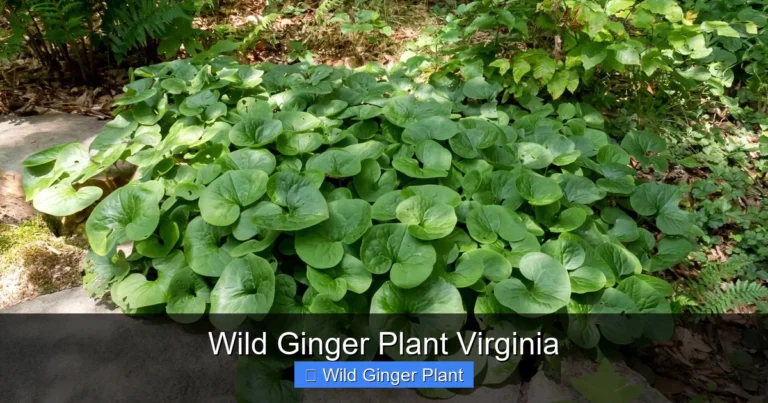
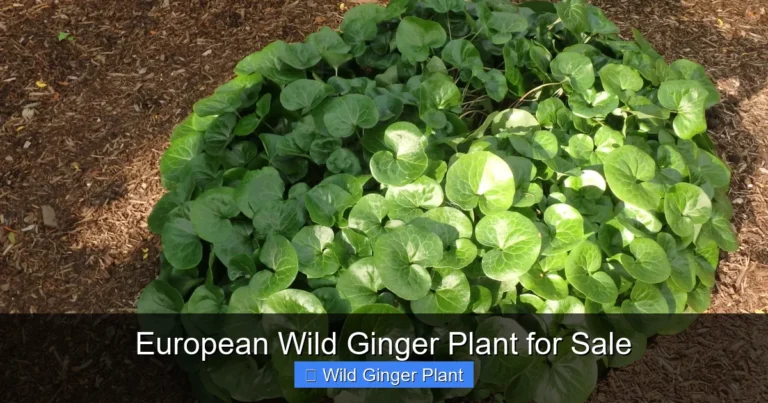
- Great groundcover: It forms a dense mat that suppresses weeds and protects soil.
Quick Answers to Common Questions
What does the native wild ginger plant smell like?
The rhizome releases a warm, peppery ginger aroma when crushed.
Can I eat the leaves of the native wild ginger plant?
The leaves are not commonly eaten; the rhizome is the edible part.
Does the native wild ginger plant spread aggressively?
It spreads slowly by rhizomes and forms a dense, well‑behaved groundcover.
When is the best time to plant the native wild ginger plant?
Early spring or early fall, when the soil is moist and cool.
Is the native wild ginger plant deer resistant?
Yes, deer generally avoid it because of its strong scent and texture.
📑 Table of Contents
What Is the Native Wild Ginger Plant?
Scientific Name and Family
The native wild ginger plant belongs to the family Aristolochiaceae. Its scientific name is Asarum canadense. The genus Asarum includes several species, but the native wild ginger plant is the one most common in eastern North America. It is not related to the tropical ginger you buy in the grocery store.
Common Names
You may hear it called Canadian wild ginger, wood ginger, or simply wild ginger. All of these names refer to the same native wild ginger plant. The name “ginger” comes from the warm, peppery aroma of the rhizome.
Where Does It Grow?
Preferred Habitat
The native wild ginger plant loves deep shade. It thrives under a canopy of mature trees where sunlight barely reaches the forest floor. The soil must stay moist but well‑drained. Rich, humus‑laden loam is ideal. You will often find it near streams, in ravines, and on north‑facing slopes.
Geographic Range
Its range stretches from southern Canada down through the northeastern United States, into the Midwest, and as far south as the Appalachian Mountains. The native wild ginger plant is absent from the dry plains and the deep South. If you live within this range, a walk in the right woods will likely reveal a patch.
How to Identify the Native Wild Ginger Plant
Leaves and Stems
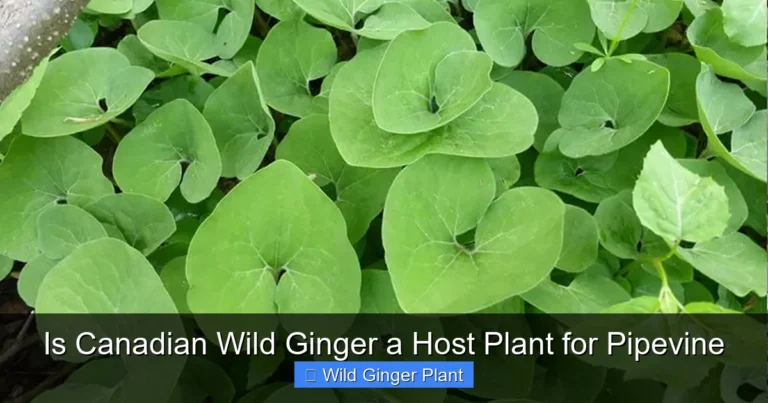
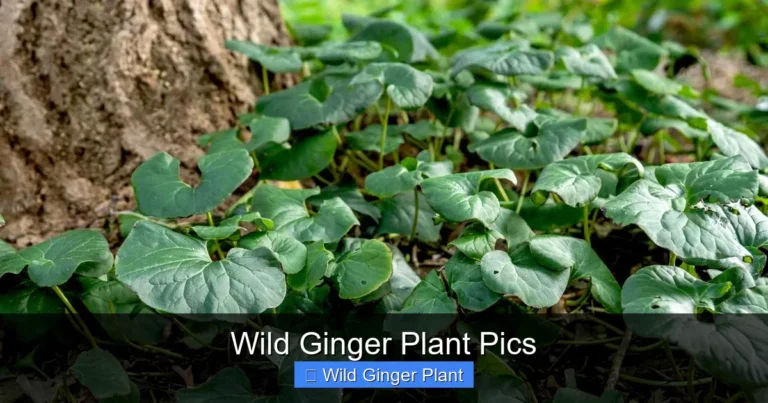
Each plant produces a pair of broad, heart‑shaped leaves. The leaves are dark green, slightly hairy, and can reach six inches across. They emerge directly from the rhizome on short petioles. The leaf margins are smooth, and the veins form a subtle net pattern.
Flowers and Fruit
The flowers are the most secretive part of the native wild ginger plant. They sit at ground level, hidden beneath the leaf litter. Each bloom is bell‑shaped, purplish‑brown, and about half an inch wide. They have three flared sepals and no petals. After pollination, a small, fleshy capsule forms, containing several seeds.
Root Characteristics
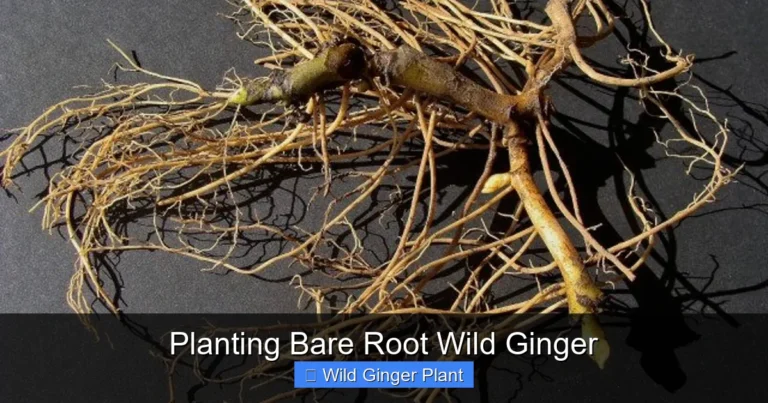
The rhizome is thick, creeping, and aromatic. When you snap a piece, it releases a scent reminiscent of ginger and pepper. The root is tan to light brown on the outside and white inside. It grows horizontally just below the soil surface, sending up new leaf pairs each spring.
Ecological Role and Wildlife Value
Pollinators
Because the flowers sit on the ground, they attract tiny beetles, fungus gnats, and small flies. These insects crawl into the flower, pick up pollen, and move to the next bloom. The native wild ginger plant relies on these humble pollinators for seed set.
Soil Health
The dense leaf mat of the native wild ginger plant protects the soil from erosion. It also adds organic matter as leaves decompose. The rhizome network helps retain moisture and creates microhabitats for beneficial soil organisms.
Traditional and Modern Uses
Culinary Uses
Indigenous peoples used the rhizome of the native wild ginger plant as a flavoring. The root can be dried, ground, and added to soups, stews, or baked goods. Use it sparingly; the flavor is intense and can dominate a dish. Modern foragers sometimes candy the rhizome or infuse it into syrups for cocktails.
Medicinal Uses
Traditional herbalists valued the native wild ginger plant for its warming properties. It was used to ease digestive upset, relieve colds, and stimulate circulation. Contemporary research has identified aromatic compounds that may have antimicrobial effects. Always consult a healthcare professional before using any wild plant medicinally.
Ornamental Landscaping
Gardeners prize the native wild ginger plant for its lush groundcover. It fills shady beds where grass refuses to grow. The foliage stays attractive all season, and the hidden flowers add a touch of mystery. It pairs well with ferns, trilliums, and native woodland phlox.
Growing Native Wild Ginger Plant in Your Garden
Site Selection
Choose a spot that mimics its natural home. Full to deep shade is essential. The soil should be rich, slightly acidic, and consistently moist. If your site is dry, amend with compost and consider a drip irrigation line.
Planting Steps
1. Prepare the bed by loosening the top six inches of soil. 2. Mix in a generous amount of leaf mold or well‑rotted compost. 3. Lay rhizome sections horizontally, about two inches deep, with the buds facing up. 4. Space pieces twelve inches apart to allow for spread. 5. Water thoroughly and mulch with shredded leaves.
Care and Maintenance
Once established, the native wild ginger plant needs little attention. Keep the soil evenly moist during the first year. Remove any invasive weeds that compete for nutrients. In autumn, let the leaves decompose in place; they become natural mulch. Divide clumps every three to four years if they become crowded.
Conservation and Ethical Foraging
Legal Status
In most states the native wild ginger plant is not listed as threatened. However, some local jurisdictions protect it on public lands. Always check the regulations before you harvest. On private property, obtain permission from the landowner.
Sustainable Harvesting Tips
Only take rhizomes from large, healthy colonies. Leave at least two‑thirds of the patch untouched. Harvest in late summer when the plant has stored energy. Replant a small piece of rhizome to encourage regrowth. Never dig up the entire plant; the native wild ginger plant spreads slowly and can take years to recover.
In summary, the native wild ginger plant is a charming, useful, and ecologically valuable addition to any shade garden. Whether you admire its hidden flowers, enjoy its spicy root, or appreciate its role in forest health, this plant rewards careful observation and respectful stewardship. Happy planting and foraging!
Frequently Asked Questions
How do I identify the native wild ginger plant in the wild?
Look for pairs of heart‑shaped, glossy leaves close to the ground in shady, moist woods. The hidden, purplish‑brown flowers sit at soil level.
Can the native wild ginger plant be grown in containers?
Yes, use a deep pot with rich, moisture‑retentive soil and keep it in full shade.
What pests affect the native wild ginger plant?
It has few pests; slugs may nibble young leaves, but damage is usually minor.
Is the native wild ginger plant safe for pets?
The plant contains aristolochic acids; ingestion in large amounts can be toxic to dogs and cats.
How long does it take for the native wild ginger plant to establish?
Expect a full, spreading mat after two to three growing seasons.
Where can I buy native wild ginger plant rhizomes?
Many native plant nurseries and online specialty retailers sell ethically sourced rhizomes.