Ground Cover Wild Ginger Plant
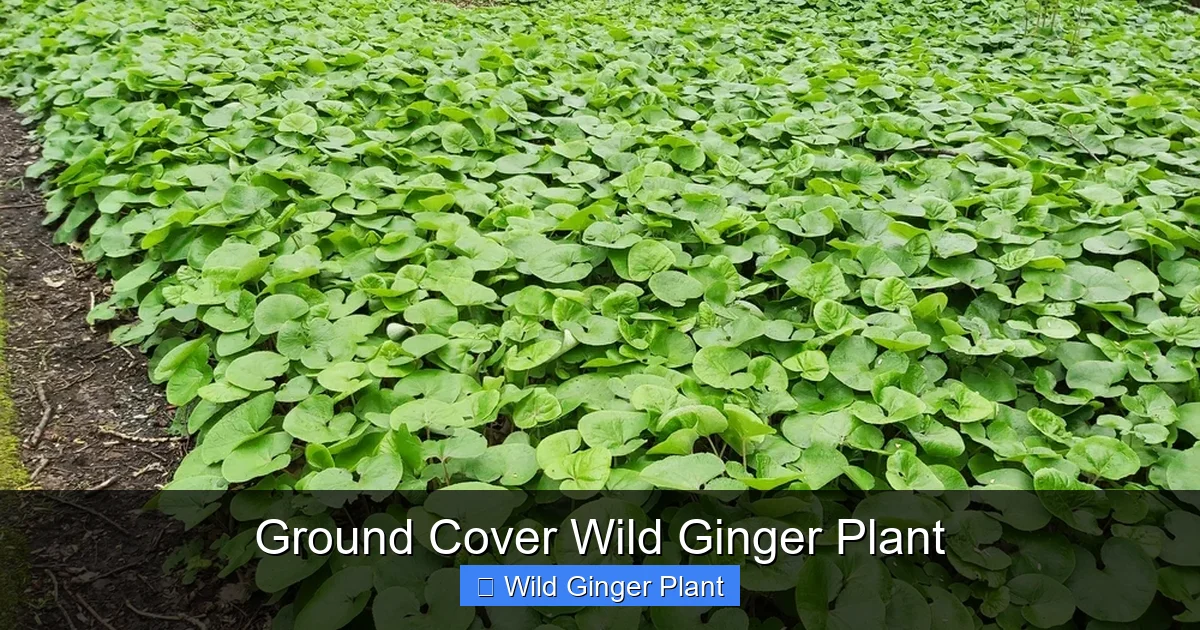
Ground cover wild ginger plant is a stunning native perennial that thrives in shady gardens with minimal care. Its heart-shaped leaves create a lush carpet while unique flowers hide beneath the foliage. Perfect for woodland gardens and erosion control.
Key Takeaways
- Native beauty: Ground cover wild ginger plant is native to North American woodlands and supports local ecosystems
- Shade lover: Thrives in full to partial shade where other plants struggle to grow
- Low maintenance: Once established, requires minimal watering and no fertilizing
- Deer resistant: Naturally unpalatable to deer and rabbits
- Erosion control: Dense root system stabilizes soil on slopes and banks
- Slow spreader: Forms colonies gradually through rhizomes, not invasive
- Unique flowers: Produces unusual jug-shaped flowers at ground level in spring
Quick Answers to Common Questions
How fast does ground cover wild ginger plant spread?
It spreads slowly, about 6-12 inches per year through rhizomes. A single plant forms a colony several feet wide over 3-5 years. It’s not aggressive or invasive.
Can ground cover wild ginger plant grow in full sun?
No, it cannot tolerate direct sun, especially afternoon sun. It requires full to dappled shade. Sun exposure causes leaf scorch and decline.
Is ground cover wild ginger plant edible like culinary ginger?
No. While historically used as a spice substitute, it contains aristolochic acid which can cause kidney damage. Use true ginger (Zingiber officinale) for cooking.
When is the best time to divide ground cover wild ginger plant?
Early spring as new growth emerges or early fall (6+ weeks before frost). Spring divisions establish quickly; fall divisions root before winter.
Does ground cover wild ginger plant attract pollinators?
Yes, its unusual ground-level flowers attract small native bees, flies, and beetles in early spring when few other nectar sources are available.
📑 Table of Contents
- Introduction to Ground Cover Wild Ginger Plant
- Understanding the Plant’s Natural Habit
- Choosing the Right Location
- Planting and Establishment
- Ongoing Care and Maintenance
- Propagation Methods
- Design Ideas and Companion Plants
- Common Problems and Solutions
- Ecological Benefits and Wildlife Value
- Harvesting and Traditional Uses
- Regional Growing Considerations
- Creating a Wild Ginger Garden from Scratch
- Conclusion
Introduction to Ground Cover Wild Ginger Plant
Have you ever walked through a shaded woodland and noticed a beautiful carpet of heart-shaped leaves hugging the forest floor? Chances are you were admiring ground cover wild ginger plant in its natural habitat. This remarkable perennial has been a favorite of shade gardeners for generations, and for good reason. It brings life to those difficult dark corners where grass refuses to grow and hostas struggle.
Unlike its tropical namesake used in cooking, this native plant belongs to the Aristolochiaceae family and goes by the botanical name Asarum canadense. Early settlers learned about its uses from Indigenous peoples, who valued it for both medicinal and culinary purposes. Today, gardeners treasure it primarily for its ornamental qualities and ability to transform bare shade into a lush green tapestry. Let me walk you through everything you need to know about growing this woodland gem.
Understanding the Plant’s Natural Habit
Where It Grows Wild
In nature, ground cover wild ginger plant carpets the floors of deciduous forests across eastern North America. You’ll find it from Manitoba to Nova Scotia, south to Georgia and west to Missouri. It prefers rich, moist woodlands with dappled sunlight filtering through the canopy above. The plant has adapted perfectly to life on the forest floor, where it captures fleeting sunbeams before the trees leaf out fully in spring.
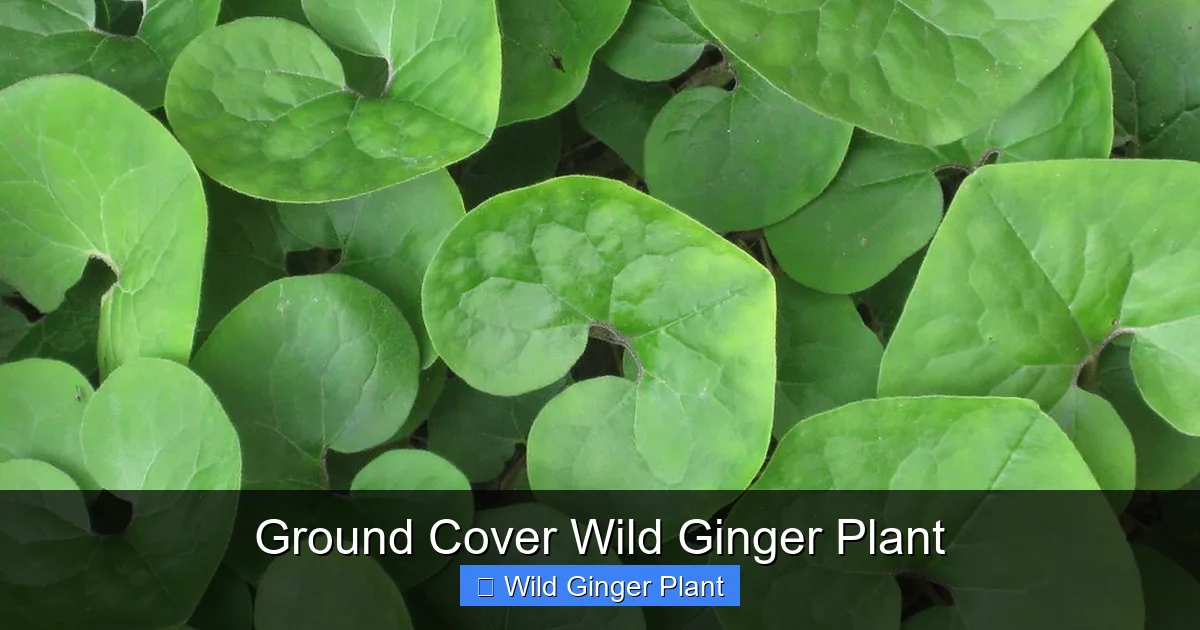
Visual guide about Ground Cover Wild Ginger Plant
Image source: sylvangardenslandscape.com
This native distribution tells us exactly what the plant wants in our gardens. It evolved to thrive in the specific conditions found under mature trees: consistent moisture, rich organic soil, and protection from harsh afternoon sun. When we replicate these conditions, the plant rewards us with vigorous growth and minimal demands.
Growth Pattern and Spread
Understanding how this plant spreads helps you plan its placement wisely. Ground cover wild ginger plant grows from shallow rhizomes that creep just below the soil surface. Each year, the rhizomes extend a few inches, sending up new leaf pairs at intervals. A single plant can form a colony several feet across over time, but it’s not aggressive. You won’t find it popping up across the yard or choking out neighbors.
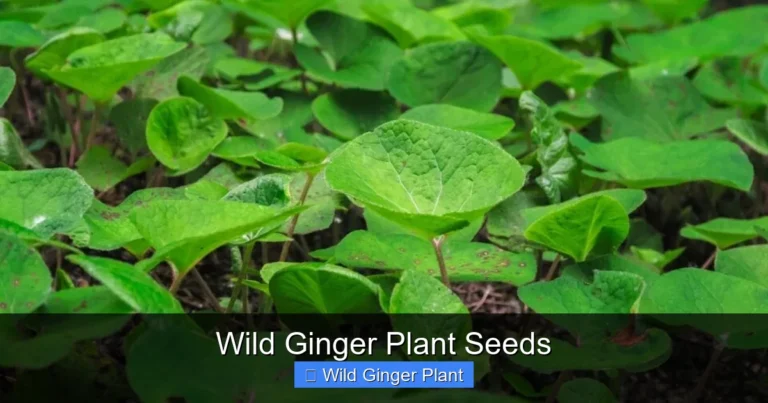
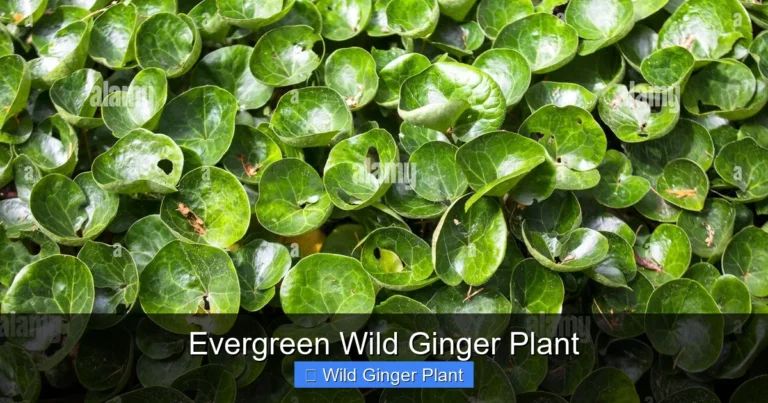
The leaves emerge in early spring, often before the tree canopy fills in. They start as tightly folded pairs that gradually unfurl into the characteristic heart or kidney shapes. Each leaf can reach six to eight inches across, creating substantial coverage. The foliage stays attractive throughout the growing season, turning a lovely yellow in fall before dying back for winter.
The Hidden Flowers
One of the most delightful surprises about ground cover wild ginger plant is its flowers. They bloom in early spring, typically April to May depending on your zone. But you have to look for them! The flowers hide beneath the leaves, right at ground level. They’re shaped like little jugs or urns, usually brownish-purple with three flared tips. While not showy from a distance, they’re fascinating up close.
These unusual flowers are pollinated by small flies and beetles that crawl inside. The flower’s shape and color mimic fungi, attracting these ground-dwelling insects. After pollination, the plant produces seeds with fleshy appendages called elaiosomes. Ants carry the seeds to their nests, eat the elaiosomes, and discard the seeds in their nutrient-rich waste piles. This ant dispersal helps the plant colonize new areas naturally.
Choosing the Right Location
Light Requirements
If there’s one non-negotiable for ground cover wild ginger plant, it’s shade. This plant evolved on the forest floor and simply cannot tolerate direct afternoon sun. Full shade to dappled shade works beautifully. Morning sun with afternoon shade is acceptable in cooler climates, but in hot regions, even morning sun can scorch the leaves.
Observe your planting area throughout the day before committing. The ideal spot receives filtered light through tree branches or sits on the north side of a structure. Under mature deciduous trees is perfect because the plant gets spring sun before leaves emerge, then enjoys cool shade all summer. Avoid the south or west sides of buildings where reflected heat intensifies sun exposure.
Soil Preferences
Rich, humusy soil makes ground cover wild ginger plant happiest. Think forest floor: loose, dark, full of decomposed leaves, and moist but well-drained. The plant tolerates a range of soil types from sandy loam to clay, provided organic matter is abundant. Heavy clay benefits from generous compost amendment to improve drainage and texture.
Soil pH between 5.5 and 7.0 works well. The plant handles slightly acidic to neutral conditions. If your soil is very alkaline, incorporate peat moss or pine needles to lower the pH gradually. A soil test helps you understand your starting point. Remember, you’re trying to recreate woodland conditions, so err on the side of more organic matter rather than less.
Moisture Needs
Consistent moisture is key, especially during establishment. Ground cover wild ginger plant has shallow roots that dry out quickly. In its native habitat, the forest floor stays damp from leaf litter and canopy cover. Mulch heavily with shredded leaves, pine straw, or bark to mimic this natural mulch layer. Two to three inches of organic mulch conserves moisture, suppresses weeds, and slowly feeds the soil as it breaks down.
Once established, the plant handles brief dry spells better, but prolonged drought causes leaf scorch and premature dormancy. In regions with dry summers, supplemental watering keeps the foliage looking fresh. A soaker hose or drip irrigation under the mulch delivers water efficiently without wetting the leaves.
Planting and Establishment
When to Plant
Spring and early fall are the ideal planting windows for ground cover wild ginger plant. Spring planting gives the roots time to establish before summer heat. Fall planting allows root growth in cool, moist conditions before winter dormancy. Avoid summer planting unless you can provide constant attention to watering. Winter planting works only in mild climates where the ground doesn’t freeze solid.
If you’re dividing existing plants, early spring just as new growth emerges is perfect. The plant’s energy is directed toward root growth at this time. Fall division should happen at least six weeks before your average first frost date to allow root establishment.
Spacing and Layout
Space plants twelve to eighteen inches apart for a solid ground cover within two to three years. Closer spacing fills in faster but costs more upfront. Wider spacing saves money but requires patience and more weeding in the interim. For erosion control on slopes, plant closer together, about ten to twelve inches apart in a staggered grid pattern.
Consider the mature spread when planting near paths or bed edges. The leaves will eventually flop over hardscapes, which can look charming or messy depending on your design intent. Plant at least eighteen inches from walkways if you want to avoid constant trimming. Under trees, you can plant right up to the trunk flare, but avoid damaging tree roots during installation.
Planting Technique
Dig holes twice as wide as the root ball but no deeper. Ground cover wild ginger plant has shallow roots that sit near the surface. Planting too deep can cause crown rot. Gently loosen the root ball if it’s pot-bound. Set the plant so the crown sits at soil level or slightly above to allow for settling. Backfill with amended soil, firm gently, and water thoroughly to eliminate air pockets.
Apply a two-inch layer of mulch after planting, keeping it away from the crown. Shredded leaves are ideal because they mimic the natural forest duff. Water deeply two to three times per week for the first month, then weekly unless rain provides an inch. Monitor closely during the first growing season. The plant is establishing its root system and cannot tolerate neglect.
Ongoing Care and Maintenance
Watering Schedule
Established ground cover wild ginger plant colonies are surprisingly drought-tolerant for a shade plant, but they look their best with consistent moisture. In an average year with normal rainfall, supplemental watering may only be needed during extended dry spells. Aim for an inch of water per week from rain or irrigation. Deep, infrequent watering encourages deeper root growth compared to frequent shallow sprinkling.
Watch for signs of water stress: leaves curling, edges browning, or the whole plant looking limp. These indicate the soil has dried too much. Water immediately and consider increasing mulch depth. In hot climates, afternoon wilting that recovers by morning is normal, but persistent wilting means the roots are dry.
Fertilizing Needs
Here’s good news: ground cover wild ginger plant rarely needs fertilizer. In rich woodland soil, the decomposing leaf litter provides all necessary nutrients. If your soil is poor, a light application of balanced organic fertilizer in early spring helps. Use half the recommended rate. Too much nitrogen produces lush leaves but weakens the plant and reduces flower production.
Better than fertilizer, top-dress annually with an inch of compost or leaf mold in fall. This mimics the natural nutrient cycle of the forest floor. The organic matter breaks down slowly, feeding soil microbes that in turn feed the plant. It also improves soil structure and moisture retention. A win-win for everyone.
Mulching Practices
Mulch is not optional for this plant. It’s essential. Maintain a two to three inch layer of organic mulch year-round. Shredded leaves, pine needles, and bark mulch all work well. Avoid stone mulch or rubber mulch, which don’t improve soil and can overheat roots. Replenish mulch annually as it decomposes, typically in fall after leaf drop.
Keep mulch pulled back slightly from the crowns to prevent rot. A doughnut-shaped ring around each plant works well. In spring, gently rake back mulch to allow emerging leaves to unfurl without obstruction, then replace it once leaves are fully open. This small effort prevents fungal issues and encourages strong growth.
Seasonal Cleanup
Ground cover wild ginger plant is herbaceous perennial, meaning the top growth dies back in winter. In late fall or early winter, the leaves turn yellow and collapse. You have two choices: leave them as natural mulch or remove them for a tidier look. Leaving them mimics nature and protects crowns from freeze-thaw cycles. Removing them reduces slug habitat and looks neater in formal gardens.
If you remove the dead foliage, wait until it’s fully brown and pulls away easily. Don’t cut green leaves, as they’re still photosynthesizing and storing energy for next year. In spring, remove any remaining dead material before new growth emerges. This is also the perfect time to apply fresh compost and mulch.
Propagation Methods
Division
Division is the easiest and most reliable way to propagate ground cover wild ginger plant. Do it in early spring as new growth appears or in early fall. Dig up a clump with a garden fork, being careful not to damage the shallow rhizomes. Gently pull or cut the rhizomes into sections, each with at least one growing point (where leaves emerge) and some roots attached.
Replant divisions immediately at the same depth they were growing. Water well and mulch. Spring divisions often show new growth within weeks. Fall divisions focus energy on root establishment before winter. Either way, you’ll have mature-sized plants within a year or two. Division also rejuvenates older colonies that have become sparse in the center.
Seed Propagation
Growing from seed requires patience but allows you to produce many plants inexpensively. Collect seeds in summer when the capsules split open. The seeds have elaiosomes that attract ants, so harvest quickly before ants disperse them. Sow fresh seeds immediately in a prepared seed bed or pots. They need a period of cold stratification (winter) to break dormancy.
If sowing in pots, place them outdoors in a protected spot for winter. Germination occurs in spring. Seedlings grow slowly the first year, producing just a few leaves. Transplant to individual pots when they have two to three true leaves. Grow them in a nursery bed for a year or two before planting in their permanent location. Expect flowers in three to four years from seed.
Rhizome Cuttings
For the adventurous gardener, rhizome cuttings work well. In early spring or fall, cut healthy rhizomes into two to three inch sections, each with at least one node. Lay them horizontally in a tray of moist potting mix, barely covered. Keep humid and in bright shade. Roots and shoots emerge from the nodes in a few weeks. Pot up individually once established.
This method produces many plants from a small piece of rhizome. It’s useful if you want to expand a colony quickly or share with friends. The new plants are genetically identical to the parent, preserving any desirable traits like particularly large leaves or vigorous growth.
Design Ideas and Companion Plants
Woodland Garden Combinations
Ground cover wild ginger plant shines in woodland gardens paired with other shade lovers. Its bold, solid leaves contrast beautifully with ferns’ delicate fronds. Try it with Christmas fern, lady fern, or maidenhair fern. The textural interplay creates visual interest even when nothing is blooming. Add spring ephemerals like Virginia bluebells, trillium, or bloodroot for early color before the ginger leaves fully expand.
Hostas make classic companions, but choose varieties with different leaf shapes and colors. Blue hostas echo the cool tones of ginger foliage. Variegated hostas brighten dark corners. Plant ginger in front of larger hostas as a living mulch. The combination suppresses weeds and looks lush all season. Heuchera (coral bells) adds colorful foliage in purple, caramel, or lime shades that pop against the ginger’s deep green.
Erosion Control Applications
On shady slopes and banks, ground cover wild ginger plant excels at holding soil. Its network of rhizomes binds the topsoil while the dense foliage breaks rainfall impact. Plant in a quincunx pattern (like the five on a die) for fastest coverage. Combine with other erosion-control natives like Pennsylvania sedge, wild stonecrop, or creeping phlox for a diverse, resilient planting.
For steep slopes, use erosion control blankets during establishment. Lay the blanket, cut planting holes, and install plants through. The blanket holds soil while roots develop. Mulch heavily between plants. Water regularly until established. Within two years, you’ll have a living mat that prevents soil loss even during heavy rains.
Edging and Border Uses
Along shaded paths and bed edges, ground cover wild ginger plant creates a soft, inviting border. The leaves spill gracefully over hardscapes, blurring hard lines. Plant in a single row twelve inches apart for a defined edge, or in a double staggered row for a fuller look. The foliage stays attractive from spring through fall, providing long-season structure.
Pair with low-growing companions like foamflower (Tiarella), barrenwort (Epimedium), or wild geranium for a layered border. These plants share similar cultural needs and bloom at different times, extending seasonal interest. Avoid aggressive spreaders that might overwhelm the slower-growing ginger.
Container Gardening
Yes, you can grow ground cover wild ginger plant in containers! Choose a wide, shallow pot at least twelve inches across. Use high-quality potting mix amended with compost and fine bark for drainage. Place in full shade on a covered porch or under dense tree canopy. Water frequently, as containers dry faster than ground soil.
Container-grown plants benefit from annual repotting in spring. Divide if crowded, or move to a larger pot. Fertilize lightly with slow-release organic fertilizer in spring. In cold climates, move pots to an unheated garage or bury them in the ground for winter protection. The roots are more exposed in containers and can freeze solid.
Common Problems and Solutions
Pest Issues
One of the joys of growing ground cover wild ginger plant is its resistance to most pests. Deer and rabbits avoid it due to aromatic compounds in the leaves. Slugs and snails occasionally nibble young leaves in spring, but mature foliage is tough enough to deter them. If slug damage is severe, use beer traps, diatomaceous earth, or copper tape around valuable plants.
Spider mites can appear during hot, dry spells, especially on plants in too much sun. They cause stippled, bronzed leaves. Increase humidity with regular misting or overhead watering. Insecticidal soap controls severe infestations. The best prevention is proper siting in cool, moist shade where spider mites don’t thrive.
Disease Concerns
Fungal diseases are rare but can occur in overly wet, poorly ventilated conditions. Crown rot happens when the crown stays constantly wet, usually from deep planting or excessive mulch against the stem. Leaf spot diseases cause brown or black spots on foliage, typically in humid weather with poor air circulation.
Prevent problems by spacing plants for good air flow, watering at soil level (not overhead), and keeping mulch away from crowns. Remove and destroy affected leaves if leaf spot appears. Improve drainage if crown rot is an issue. Healthy plants in proper conditions rarely succumb to disease.
Environmental Stress
Sun scorch is the most common issue, caused by too much direct light. Leaves develop white or brown patches, then crisp at edges. The solution is simple: move the plant to deeper shade or provide temporary shade cloth while you plan a permanent relocation. Transplant in early spring or fall.
Drought stress shows as wilting, leaf curl, and premature yellowing. Deep watering and increased mulch usually reverse it if caught early. Chronic drought weakens the plant over time, reducing vigor and spread. In dry climates, consider installing drip irrigation for consistent moisture.
Winter damage occurs in harsh climates with little snow cover. The shallow rhizomes can freeze. A thick layer of leaf mulch applied after the ground freezes provides insulation. Don’t apply too early, or you’ll attract rodents. Wait for hard frost, then mulch deeply.
Ecological Benefits and Wildlife Value
Supporting Native Insects
Ground cover wild ginger plant plays a vital role in its native ecosystem. The unusual flowers provide early-season nectar and pollen for small native bees, flies, and beetles when few other sources exist. The foliage hosts several moth and butterfly caterpillars, including the pipevine swallowtail in some regions. By planting it, you’re supporting the base of the food web.
Ants disperse the seeds, creating a fascinating mutualism. The ants get nutritious elaiosomes; the plant gets seed dispersal and planting in nutrient-rich ant nests. This relationship has evolved over millennia. In your garden, you might notice ants carrying seeds in early summer. It’s a sign of a healthy, functioning ecosystem.
Soil Health Contributions
The dense root mat of ground cover wild ginger plant protects soil from erosion and temperature extremes. As leaves decompose, they feed soil organisms and build organic matter. The plant’s presence indicates healthy woodland soil. In degraded areas, establishing ginger can be part of a restoration strategy, helping rebuild soil structure and biology over time.
The shallow roots don’t compete aggressively with tree roots, making it an ideal understory plant. It coexists peacefully with mature trees, unlike some ground covers that stress trees by competing for water and nutrients. This compatibility makes it valuable in established landscapes where tree preservation is a priority.
Conservation Considerations
While ground cover wild ginger plant is not federally endangered, local populations face pressure from habitat loss, invasive species, and over-collection. Never dig plants from the wild. Purchase from reputable native plant nurseries that propagate their own stock. Many nurseries now specialize in ethically sourced native plants.
If you have a large property with existing wild populations, protect them from disturbance. Remove invasive competitors like garlic mustard, Japanese stiltgrass, or English ivy that can overwhelm native ginger. Consider participating in citizen science projects that track native plant populations. Your garden observations contribute to broader conservation knowledge.
Harvesting and Traditional Uses
Historical Uses
Indigenous peoples across eastern North America used ground cover wild ginger plant for centuries. The rhizomes were harvested, dried, and ground as a spice substitute for tropical ginger. They have a similar warm, spicy aroma but different chemical composition. The plant was also used medicinally for digestive issues, colds, and as a poultice for wounds.
Early European settlers adopted these uses, and the plant appeared in early American herbals. However, modern research has identified aristolochic acid in the plant, a compound linked to kidney damage and cancer with long-term use. This doesn’t mean casual historical use was necessarily harmful, but it does mean we should not consume this plant regularly or in quantity.
Modern Perspective
Today, ground cover wild ginger plant is valued primarily as an ornamental and ecological plant. The FDA warns against consuming products containing aristolochic acid. While the concentration in wild ginger is lower than in some related species, it’s present throughout the plant. Enjoy it with your eyes, not your palate. Use true ginger (Zingiber officinale) for cooking.
If you’re interested in ethnobotany, the plant’s history offers fascinating insights into Indigenous knowledge and early American life. Many botanical gardens and native plant societies offer educational programs about traditional plant uses. These programs emphasize respect for Indigenous knowledge and the importance of not appropriating or misusing cultural practices.
Regional Growing Considerations
Northern Gardens (Zones 3-5)
In cold climates, ground cover wild ginger plant is exceptionally hardy, surviving to zone 3. The key is reliable snow cover or mulch for winter protection. Plant in spring after the last frost. The growing season is shorter, so the plant may spread more slowly. Choose a site with good spring moisture from snowmelt. Fall mulching is critical in areas with unreliable snow cover.
Northern gardeners often see the most vigorous growth because cool summers suit the plant perfectly. The foliage stays fresh and green all season without the heat stress seen in southern gardens. Spring flowers may appear later but last longer in cool weather.
Southern Gardens (Zones 6-8)
In warmer zones, ground cover wild ginger plant requires more careful siting. Afternoon shade is absolutely mandatory. Even dappled light can be too intense in July and August. Choose the coolest, moistest microclimate on your property. North-facing slopes, deep shade under evergreens, or areas with consistent groundwater seepage work best.
Southern gardeners may see summer dormancy during extreme heat and drought. The leaves yellow and die back, but the rhizomes survive. Don’t panic or overwater dormant plants. They’ll re-emerge when temperatures cool in fall or the following spring. Mulch deeply to keep roots cool. Consider planting near a water feature or in a rain garden for natural moisture.
Coastal and Mountain Regions
Coastal gardeners benefit from moderated temperatures but may face salt spray issues. Ground cover wild ginger plant has low salt tolerance. Plant well back from direct ocean exposure. Mountain gardeners at high elevations enjoy conditions similar to northern gardens: cool, moist, and ideal for this plant. The main challenge is a short growing season and potential for early/late frosts damaging emerging foliage.
In all regions, observe where the plant grows naturally nearby. Local ecotypes are adapted to your specific conditions. Many native plant nurseries offer regionally sourced plants. These often outperform plants from distant sources because they’re genetically tuned to your climate, soil, and pest pressures.
Creating a Wild Ginger Garden from Scratch
Site Preparation
Starting a new ground cover wild ginger plant bed begins with thorough site preparation. Remove existing vegetation, especially aggressive weeds and grass. Smothering with cardboard and mulch for a season works well and builds soil. Alternatively, use a sod cutter for lawn areas. Avoid tilling, which brings weed seeds to the surface and damages soil structure.
Amend the entire bed with two to three inches of compost or leaf mold, worked into the top six inches. This creates the rich, moisture-retentive soil the plant loves. If soil is compacted, use a broadfork to loosen without inverting layers. Test pH and adjust if needed. The effort you invest now pays dividends for years.
Phased Planting Approach
For large areas, consider phased planting. Start with a core area of closely spaced plants (twelve inches apart). As they spread, divide and expand outward each spring. This approach spreads cost and labor over several years. It also lets you observe how the plant performs in different microclimates before committing to a large installation.
Plant spring ephemerals between the ginger initially. They’ll bloom and fade before the ginger needs the space. As the ginger fills in, the ephemerals naturally decline. This mimics natural woodland succession and gives you flowers the first year while the ginger establishes.
Long-term Management
A mature ground cover wild ginger plant colony largely manages itself. Your role shifts to stewardship: monitoring for invasive weeds, maintaining mulch, and occasionally dividing crowded centers. Every five to ten years, the center of old colonies may thin out. Dig, divide, and replant the vigorous outer portions to rejuvenate.
Enjoy the seasonal rhythms. Spring brings hidden flowers and fresh green leaves. Summer offers cool, textural ground cover. Fall brings golden foliage. Winter reveals the architecture of the rhizomes at soil level. Each season offers its own quiet beauty. This is gardening at its most peaceful and rewarding.
Conclusion
Growing ground cover wild ginger plant connects you to the ancient rhythms of the eastern deciduous forest. This humble plant asks for so little: shade, moisture, rich soil, and patience. In return, it gives you a living carpet that suppresses weeds, prevents erosion, supports wildlife, and looks beautiful twelve months a year. It’s the kind of plant that makes you a better gardener by teaching you to work with nature rather than against it.
Whether you’re filling a difficult shady spot, restoring a woodland edge, or simply adding native diversity to your landscape, this plant belongs in your garden. Start small if you’re unsure. Plant a few divisions, watch them through the seasons, and learn their habits. Before long, you’ll be sharing divisions with neighbors and advocating for native ground covers in your community. The forest floor’s secret is out, and your garden will be richer for it.
Remember, every patch of ground cover wild ginger plant in cultivation is a small sanctuary for the insects, microbes, and ecological relationships that evolved with it. You’re not just planting a ground cover. You’re stitching a piece of the native ecosystem back together, one heart-shaped leaf at a time.
Frequently Asked Questions
How do I plant ground cover wild ginger plant under mature trees without damaging tree roots?
Use a hand trowel to dig small individual holes rather than tilling the entire area. Plant in pockets between large roots. Choose smaller starter plants or divisions that require smaller holes. Water well after planting and mulch with shredded leaves.
Why are the leaves on my ground cover wild ginger plant turning yellow in summer?
Summer yellowing usually indicates drought stress, too much sun, or natural dormancy in hot climates. Check soil moisture, ensure adequate shade, and maintain 2-3 inches of mulch. In zone 7-8, summer dormancy is normal.
Can ground cover wild ginger plant be grown in containers?
Yes, use a wide shallow pot (12+ inches) with rich, well-draining potting mix. Keep in full shade, water frequently, and fertilize lightly in spring. Protect from freezing in winter by moving to unheated garage or burying pot.
What plants make good companions for ground cover wild ginger plant?
Ferns, hostas, foamflower (Tiarella), barrenwort (Epimedium), wild geranium, trillium, and Virginia bluebells all share similar shade and moisture requirements and create beautiful textural contrasts.
How do I control slugs on ground cover wild ginger plant?
Mature foliage is rarely damaged. For spring protection of young leaves, use beer traps, diatomaceous earth, copper tape, or organic slug bait. Remove hiding places like boards and dense mulch near plants.
Is ground cover wild ginger plant deer resistant?
Yes, deer and rabbits typically avoid it due to aromatic compounds in the foliage. It’s one of the most reliable deer-resistant ground covers for shade gardens.