Wild Ginger Companion Plants
Wild ginger companion plants create stunning shade gardens with minimal effort. Pair this native groundcover with ferns, hostas, and foamflower for year-round texture and beauty. Learn expert combinations, design strategies, and care tips for a thriving woodland garden ecosystem.
If you have a shady spot in your garden, you know the struggle. Grass refuses to grow. Sun-loving perennials stretch and fade. But there is a secret weapon for dark corners. Wild ginger is a native groundcover that thrives where nothing else will. It spreads into a lush, green carpet. Its heart-shaped leaves stay fresh all season. Best of all, it plays well with others. Choosing the right wild ginger companion plants transforms a difficult area into a woodland paradise.
This guide walks you through everything you need to know. We will explore the best plant partners. We will cover design principles for shade gardens. You will learn practical care tips. By the end, you will have a clear plan for a thriving, low-maintenance shade garden. Let us dig in.
Key Takeaways
- Wild ginger thrives in deep shade: It forms a dense, weed-suppressing carpet under trees where few plants survive.
- Choose companions with similar needs: Ferns, hostas, and foamflower share wild ginger’s love for moist, rich soil and dappled light.
- Layer for visual interest: Combine different heights, textures, and bloom times to create a dynamic four-season garden.
- Native pairings support wildlife: Native companions attract pollinators, beneficial insects, and birds to your shade garden.
- Establishment takes patience: Wild ginger spreads slowly at first, so plan for temporary gaps with annuals or faster spreaders.
- Mulch is essential: A thick layer of shredded leaves mimics forest floor conditions and feeds the soil naturally.
- Deer resistance is a bonus: Most wild ginger companions are unpalatable to deer, making them ideal for woodland edges.
Quick Answers to Common Questions
What are the best wild ginger companion plants for deep shade?
Christmas fern, foamflower, wild bleeding heart, and Solomon’s seal thrive in the same deep shade conditions as wild ginger.
How far apart should I plant wild ginger companions?
Space hostas and ferns 18-24 inches apart. Plant wild ginger plugs 6-12 inches apart for faster coverage. Foamflower spreads by runners, so 12 inches works well.
Can I grow wild ginger under pine trees?
Pine needles create acidic, dry soil. Wild ginger prefers neutral, moist soil. Amend heavily with compost and irrigate regularly for success under pines.
When is the best time to divide wild ginger and its companions?
Early fall is ideal for dividing most shade perennials. Spring works too, but fall gives roots time to establish before summer heat.
Are wild ginger companion plants deer resistant?
Most are. Wild ginger, ferns, foamflower, and wild bleeding heart are rarely browsed. Hostas and coral bells are deer favorites and need protection.
📑 Table of Contents
Understanding Wild Ginger in Your Garden
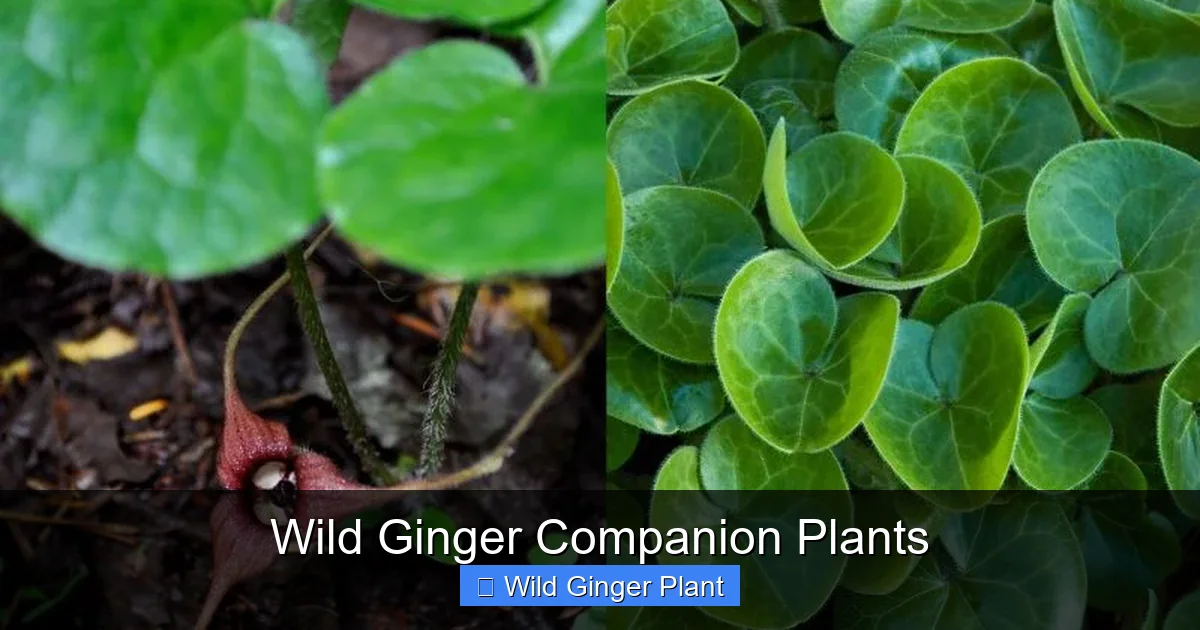
Before picking companions, you must know the star of the show. Wild ginger (Asarum canadense) is not the spicy root from the grocery store. It is a North American native perennial. It grows in deciduous forests from the Midwest to the East Coast. It prefers deep shade and moist, humus-rich soil.
Growth Habit and Spread
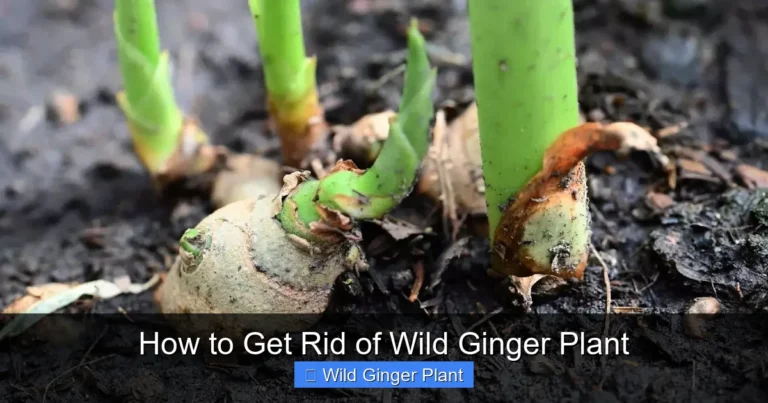
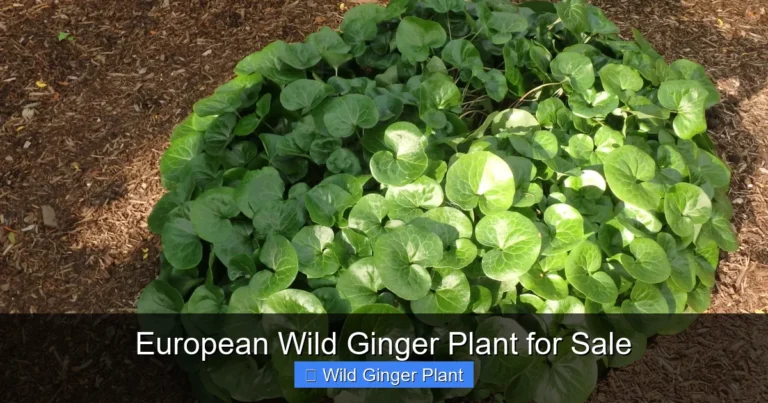
Wild ginger spreads by underground rhizomes. It forms a dense mat over time. It grows about six to twelve inches tall. The leaves are large, kidney-shaped, and soft. They create a living mulch that suppresses weeds. It is slow to establish. The first year, it may barely spread. By year three, it covers ground steadily. Patience pays off.
Unique Flowers and Pollinators
Most people miss the flowers. They bloom in early spring. They sit at ground level, hidden under leaves. They are jug-shaped and purplish-brown. They are pollinated by ants and beetles. This is a fascinating trait called myrmecochory. Ants carry seeds to their nests. They eat the fleshy attachment. The seed germinates in the rich nest debris. It is nature’s perfect planting system.
Soil and Light Requirements
Wild ginger wants what a forest floor provides. Think decaying leaves, consistent moisture, and dappled light. It tolerates heavy clay if amended with compost. It hates dry, sandy soil. It hates full sun. The leaves scorch in afternoon light. Morning sun is okay. Deep shade is best. If you can grow hostas, you can grow wild ginger.
Best Wild Ginger Companion Plants for Shade Gardens
Great companions share the same cultural needs. They also offer contrasting form, texture, or bloom time. The goal is a tapestry, not a monoculture. Here are the top performers.
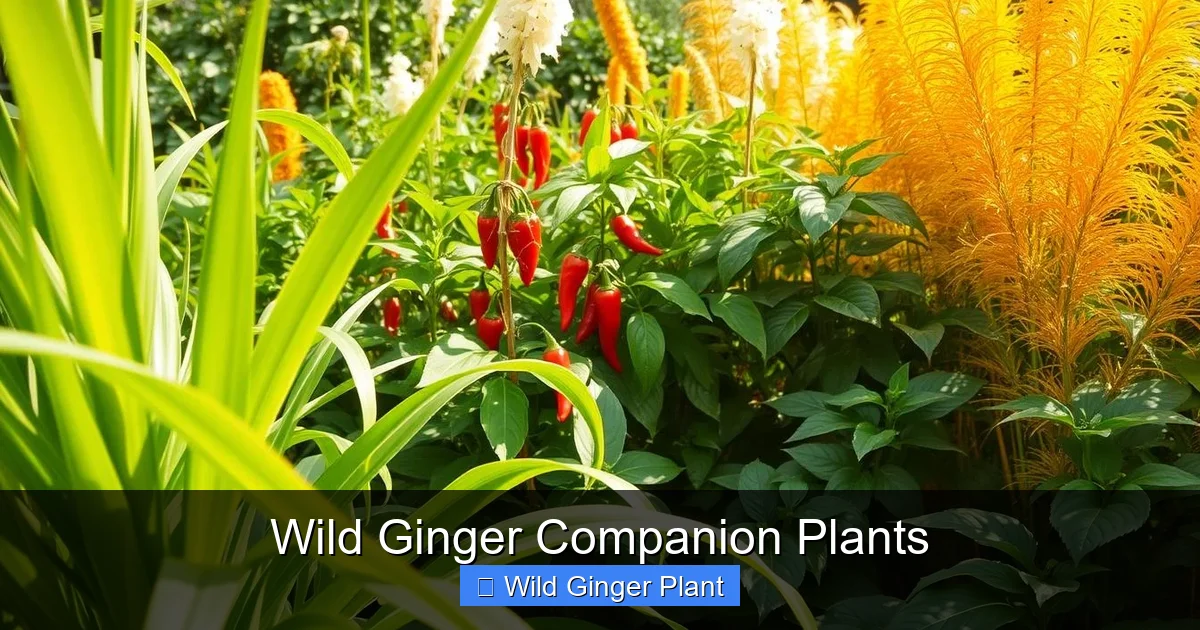
Visual guide about Wild Ginger Companion Plants
Image source: homegardenglow.com
Ferns: The Texture Kings
Ferns are the classic partners. Their feathery fronds contrast beautifully with wild ginger’s bold, smooth leaves. They occupy the vertical space above the groundcover.
Christmas Fern (Polystichum acrostichoides) is evergreen. It provides winter structure. It handles dry shade better than most. Maidenhair Fern (Adiantum pedatum) has delicate, fan-shaped fronds on black stems. It adds elegance. It needs consistent moisture. Lady Fern (Athyrium filix-femina) is vigorous and tolerant. Its lacy fronds glow lime-green in spring. Ostrich Fern (Matteuccia struthiopteris) is tall and dramatic. It spreads aggressively. Give it room or use a root barrier.
Hostas: The Bold Foliage Partners
Hostas and wild ginger are a match made in shade heaven. Hostas provide large, sculptural leaves. Wild ginger fills the gaps at their feet. This eliminates bare soil and weeds.
Choose varieties with different leaf colors. Blue hostas like ‘Halcyon’ cool down the palette. Gold hostas like ‘Sum and Substance’ brighten dark spots. Variegated varieties like ‘Patriot’ add sparkle. Avoid tiny miniature hostas. They get swallowed by the ginger. Mid-size to large varieties work best. Remember, hostas emerge late in spring. Wild ginger covers the ground early. They hand off the show seamlessly.
Foamflower: The Long-Blooming Native
Foamflower (Tiarella cordifolia) is a top-tier wild ginger companion plant. It is a native woodland perennial. It sends up airy spikes of white or pink flowers in spring. The bloom time lasts four to six weeks. The foliage is semi-evergreen. It has lobed leaves with dark center markings. It spreads by runners, similar to ginger. It knits together with the ginger rhizomes. They form a living quilt. The variety ‘Running Tapestry’ is especially vigorous.
Wild Bleeding Heart: The Romantic Bloomer
Wild bleeding heart (Dicentra eximia) is a native gem. Unlike the large, spring-dormant Asian bleeding heart, this one blooms all summer. It has ferny, blue-green foliage. Pink heart-shaped flowers dangle on wiry stems. It grows twelve to eighteen inches tall. It rises above the ginger carpet. It self-sows gently. It attracts hummingbirds. It thrives in the same moist, rich soil.
Solomon’s Seal: The Architectural Stunner
Solomon’s seal (Polygonatum biflorum) adds vertical architecture. Arching stems carry pairs of dangling white bells in spring. The foliage turns golden in fall. It grows two to three feet tall. It creates a middle layer between groundcover and shrubs. The variety ‘Variegatum’ has white-edged leaves. It glows in the shade. It spreads slowly by rhizomes. It is very long-lived.
Mayapple: The Umbrella Effect
Mayapple (Podophyllum peltatum) makes a bold statement. Large, umbrella-like leaves top single stems. It forms colonies over time. A single white flower hides under the leaves in May. A yellow fruit follows. It goes dormant in mid-summer. This is key. Wild ginger takes over the ground when mayapple retreats. They share the real estate perfectly. Note: all parts except ripe fruit are toxic. Plant away from curious kids or pets.
Woodland Phlox: The Spring Carpet
Woodland phlox (Phlox divaricata) blooms in April and May. Fragrant lavender-blue flowers cover low mounds. It attracts butterflies and hummingbirds. It prefers slightly better drainage than ginger. Plant it on a slight slope or raised edge. The variety ‘Blue Moon’ is compact and floriferous. ‘Chattahoochee’ has a darker eye. It is semi-evergreen. It holds presence through winter.
Coral Bells: The Year-Round Color
Coral bells (Heuchera spp.) offer incredible foliage color. Purple, caramel, lime, silver, near-black. The leaves persist all winter. Tiny bell flowers hover on wiry stems in early summer. They attract hummingbirds. They need good drainage. Amend heavy clay with compost and grit. Plant the crown slightly high. Good varieties for shade: ‘Palace Purple’, ‘Caramel’, ‘Autumn Bride’ (a villosa hybrid with huge fuzzy leaves).
Designing Plant Communities with Wild Ginger
Great gardens are not just plant collections. They are communities. Plants interact. They support each other. Designing with ecology in mind reduces work and increases beauty.
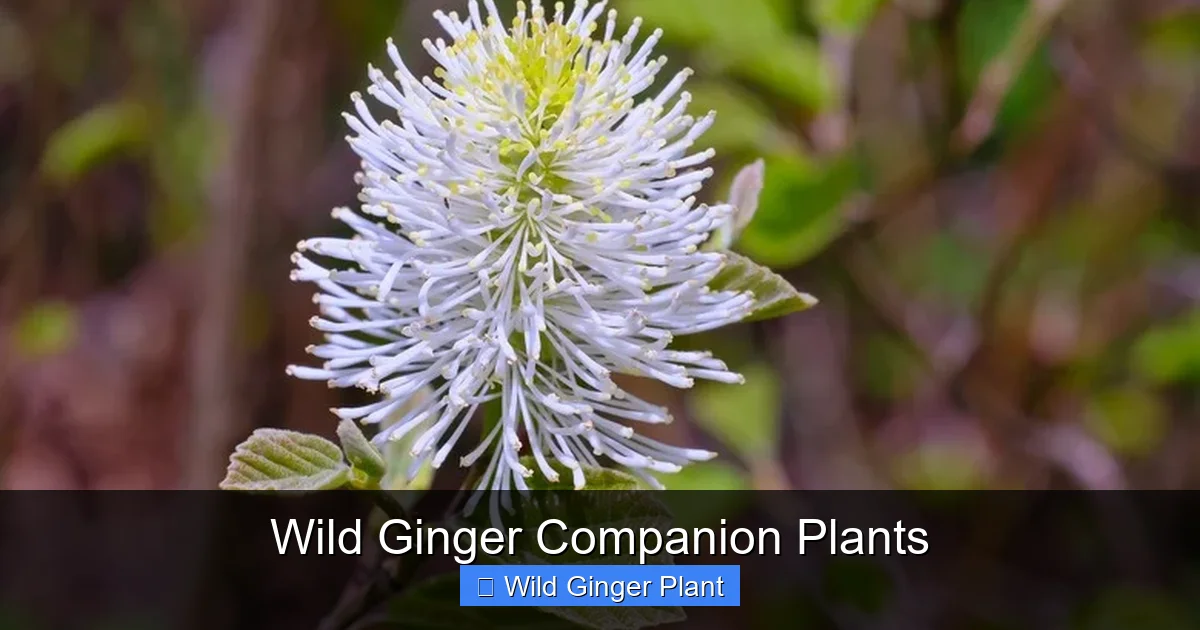
Visual guide about Wild Ginger Companion Plants
Image source: housedigest.com
The Matrix Planting Approach
Matrix planting uses a dominant groundcover as the “matrix.” Wild ginger is perfect for this. It is the base layer. You then dot in “emergent” plants. These are the ferns, hostas, Solomon’s seal. They rise through the matrix. This mimics natural plant communities. It suppresses weeds. It conserves moisture. It looks cohesive, not cluttered.
Layering for Four Seasons
Think in layers. Layer one: groundcover. Wild ginger. Maybe some foamflower mixed in. Layer two: mid-height perennials. Wild bleeding heart, coral bells, woodland phlox. Layer three: tall accents. Solomon’s seal, ostrich fern, tall hostas. Layer four: shrubs and small trees. Spicebush, witch hazel, dogwood. This structure provides habitat. It looks good in January and July.
Color Strategies for Shade
Shade gardens rely on foliage color. Flowers are fleeting. Leaves last months. Use the “thriller, filler, spiller” concept adapted for shade. Thriller: bold hosta or Solomon’s seal. Filler: wild ginger, foamflower. Spiller: not needed on ground, but think of cascading ferns over a rock. Focus on leaf contrast. Blue hosta next to lime coral bells. Dark purple heuchera against green ginger. Variegation adds light. White-edged leaves glow at dusk.
Creating Drifts and Rivers
Avoid dotting single plants. Plant in drifts. Groups of three, five, seven. Let them flow into each other. A river of wild ginger winding between hosta clumps. A drift of foamflower crossing a path. This looks natural. It guides the eye. It reduces maintenance. Large masses outcompete weeds better than isolated plants.
Incorporating Hardscape and Features
Shade gardens benefit from structure. A stone bench. A mossy log. A small water feature. Paths are crucial. Stepping stones through the ginger protect the plants. They invite exploration. Edging defines beds. Stone, metal, or a clean spade edge. Raised beds improve drainage for picky plants like coral bells. Logs and stumps become nursery logs. They host fungi, insects, and seedlings.
Seasonal Care for Wild Ginger and Its Companions
A shade garden is low maintenance, not no maintenance. Timing your tasks makes them easy. Work with the seasons, not against them.
Spring: The Busy Season
Early spring is cleanup time. Remove heavy wet leaves that mat down. Leave a light layer. Cut back any tattered evergreen fern fronds. Cut back coral bells foliage if winter-damaged. Watch for emerging shoots. Do not step on them. Apply a thin top-dressing of compost. One inch is plenty. This feeds the soil food web. Divide summer-blooming perennials now if needed. Wild bleeding heart divides well in early spring. Water new divisions well.
Summer: Monitor Moisture
Summer is about water. Shade gardens dry out fast under trees. Tree roots are thirsty. Check soil weekly. Dig down two inches. If dry, water deeply. Soaker hoses or drip irrigation save time. Mulch helps. Shredded leaves are best. They break down into humus. Wood chips work but break down slower. Pull weeds while small. The ginger matrix helps, but edges are vulnerable. Deadhead foamflower and phlox to tidy up. Leave some seed heads for birds.
Fall: The Best Planting Time
Fall is for planting and dividing. Cool air, warm soil, reliable rain. Roots establish before winter. Divide hostas, ferns, Solomon’s seal now. Plant new companions. Add spring bulbs. Snowdrops, winter aconite, species tulips. They bloom before ginger emerges. They vanish by the time ginger needs the space. Rake heavy leaf fall off evergreen plants. Chop leaves with a mower. Spread them back as mulch. Free fertilizer.
Winter: Rest and Plan
Winter is quiet. Enjoy the structure. Evergreen ferns, coral bells, ginger foliage (in mild zones) persist. Snow insulates. Do not walk on frozen beds. It damages crowns. Use the time to plan. Take photos. Note gaps. Order bare-root plants for early spring. Read. Dream. The garden rests. You rest.
Common Mistakes to Avoid
Even experienced gardeners stumble in the shade. Avoid these pitfalls for a thriving garden.
Planting Too Deep or Too High
Wild ginger rhizomes sit at or just below the soil surface. Planting too deep rots them. Planting too high dries them out. Hostas need the crown at soil level. Ferns need the crown slightly above. Coral bells need the crown high. Research each plant. Match the planting depth to the plant’s preference.
Ignoring Tree Root Competition
Mature trees steal water and nutrients. Their roots are everywhere. You cannot till under a tree. You damage roots. Instead, top-dress with compost annually. Use a planting auger for small holes between roots. Choose tough competitors. Wild ginger, Christmas fern, and Solomon’s seal handle root competition. Delicate plants fail.
Overwatering Heavy Clay
Shade plus clay equals slow drainage. Soggy soil rots roots. Test drainage. Dig a hole. Fill with water. If it takes hours to drain, amend. Add coarse sand, grit, and lots of compost. Build slight mounds for sensitive plants. Wild ginger tolerators like coral bells and phlox. Ginger tolerates heavier soil.
Using Aggressive Spreaders
Some shade plants are thugs. Goutweed (bishop’s weed). Lily of the valley. English ivy. Vinca. Japanese pachysandra. They smother everything. They escape into woods. Do not plant them. They are not companions. They are bullies. Stick to clumpers or slow spreaders. Your future self will thank you.
Neglecting the Establishment Phase
Year one is critical. New plants need consistent moisture. Mulch heavily. Weed diligently. Do not expect instant groundcover. Wild ginger takes three years to knit. Fill gaps with annuals. Impatiens, begonias, coleus. They provide color while perennials bulk up. Remove them when perennials need the space.
Creating a Thriving Woodland Garden Ecosystem
A garden is more than plants. It is a living system. Soil life, insects, birds, fungi. They all connect. Nurturing the system makes gardening easier.
Building Living Soil
Forest soil is alive. Bacteria, fungi, nematodes, earthworms. They cycle nutrients. They create structure. They fight disease. Feed them organic matter. Leave the leaves. Chop and drop plant debris. Avoid synthetic fertilizers. They kill soil life. Use compost tea or liquid kelp if a boost is needed. Mycorrhizal fungi inoculant helps new plantings. It extends root reach.
Supporting Pollinators and Beneficials
Shade gardens buzz with life. Early spring flowers feed queen bumblebees. Wild ginger flowers feed ants and beetles. Foamflower feeds small bees. Wild bleeding heart feeds hummingbirds. Hostas feed… slugs. Okay, not everything is perfect. But birds eat slugs. Ground beetles eat slugs. Toads eat slugs. Provide habitat. A log pile. A rock pile. A shallow water dish. Leave stems standing winter. Bees nest in hollow stems.
Managing Pests Naturally
Slugs and snails are the main shade pests. They love hostas. They love seedlings. Beer traps work. Copper tape works. Diatomaceous earth works (when dry). Iron phosphate baits are safe for pets. Encourage predators. Birds, snakes, toads, firefly larvae. Yes, firefly larvae eat slugs. Do not use broad pesticides. They kill the good guys too.
Deer and Rabbit Strategies
Deer love hostas. They eat Solomon’s seal. They browse coral bells. Wild ginger is deer resistant. Foamflower is resistant. Ferns are mostly resistant. Wild bleeding heart is resistant. Use this knowledge. Plant a “sacrificial” hosta bed far from your prized garden. Spray repellents regularly. Rotate brands. Fence if pressure is high. A four-foot fence stops rabbits. Eight feet stops deer.
Connecting to the Larger Landscape
Your garden is a stepping stone. Pollinators move between yards. Birds nest in your shrubs. Seeds blow in. Invasive seeds blow in. Be a good neighbor. Remove invasives. Garlic mustard. Japanese stiltgrass. Lesser celandine. They destroy woodland ecology. Plant natives. They support local food webs. A native shade garden is a conservation act. It heals the land, one square foot at a time.
Conclusion
Building a shade garden with wild ginger is a journey. It starts with understanding the plant. It grows with thoughtful companions. It matures into a resilient community. The best wild ginger companion plants share its needs and complement its form. Ferns add texture. Hostas add boldness. Foamflower adds bloom. Solomon’s seal adds architecture. Together, they create a tapestry that changes with the seasons.
Remember the principles. Match cultural requirements. Layer for structure. Plant in drifts. Mulch with leaves. Water deeply. Be patient. The first year sleeps. The second year creeps. The third year leaps. Before you know it, you have a woodland sanctuary. It cools the air. It feeds the birds. It soothes the soul. And it all started with a little heart-shaped leaf pushing through the duff in April. Happy planting.
Frequently Asked Questions
What is the difference between wild ginger and culinary ginger?
Wild ginger (Asarum canadense) is a North American native groundcover with heart-shaped leaves. Culinary ginger (Zingiber officinale) is a tropical plant grown for its rhizome. They are unrelated botanically.
How fast does wild ginger spread in the garden?
Wild ginger spreads slowly at first, forming a dense mat over 3-5 years. It expands by underground rhizomes at roughly 6-12 inches per year once established.
Can wild ginger tolerate dry shade once established?
No, wild ginger requires consistent moisture. It will go dormant or die in dry shade. For dry shade, use Christmas fern, Solomon’s seal, or epimedium instead.
Do I need to cut back wild ginger in the fall?
No, leave the foliage. It protects the crown over winter and provides habitat. In spring, gently remove any mushy leaves before new growth emerges.
What spring bulbs pair well with wild ginger companion plants?
Early bulbs like snowdrops, winter aconite, and species tulips bloom before wild ginger emerges. They naturalize well and disappear as the ginger fills in.
Is wild ginger invasive in garden settings?
No, wild ginger is a well-behaved native spreader. It stays where planted and does not seed aggressively. It is an excellent alternative to invasive groundcovers like periwinkle or pachysandra.