How to Encourage Blueberry to Flower
Blueberries need a proper chill period, acidic soil, and careful pruning to set abundant flower buds. Follow these steps to boost flowering and enjoy a larger crop.
If you have ever wondered how to encourage blueberry to flower, you are not alone. Many gardeners see plenty of green leaves but few blossoms. The secret lies in meeting the plant’s specific needs for chill, soil, pruning, and nutrition.
Blueberries are a bit picky, but they reward careful attention with heavy crops. In this guide we walk through each step so you can see more flowers and, later, more berries. Let’s dive in.
We’ll cover chill hours, soil pH, pruning timing, nutrient schedules, watering, and pollination. Each factor plays a role in flower bud formation. By the end you’ll have a clear checklist for a blooming blueberry patch.
Key Takeaways
- Chill Hours: Most varieties require 800–1,000 chill hours below 45°F to initiate flower buds.
- Soil pH: Keep soil between 4.5 and 5.5 for optimal nutrient uptake.
- Pruning Timing: Prune in late winter before buds swell to remove old wood and stimulate new fruiting shoots.
- Balanced Nutrition: Apply nitrogen early, then shift to phosphorus and potassium as buds form.
- Consistent Moisture: Water deeply and mulch to prevent drought stress during bud development.
- Cross‑Pollination: Plant at least two compatible varieties for better fruit set.
- Variety Choice: Select cultivars suited to your climate’s chill hour range.
Quick Answers to Common Questions
How many chill hours do most highbush blueberries need?
Most highbush varieties require 800 to 1,000 chill hours below 45°F to set flower buds.
What is the ideal soil pH for blueberries?
A soil pH between 4.5 and 5.5 is ideal for nutrient uptake and flower bud formation.
When should I prune my blueberry bushes?
Prune in late winter, just before buds swell, typically February to early March.
Which nutrients are most important for flower initiation?
Early nitrogen, followed by phosphorus and potassium, plus micronutrients boron and zinc, drive flower bud development.
Do I need more than one variety for good fruit set?
Yes, planting at least two compatible varieties that bloom together greatly improves pollination and yield.
📑 Table of Contents
Understanding Blueberry Flowering Basics
Knowing how to encourage blueberry to flower starts with the plant’s biology. Blueberries form flower buds in late summer and fall. Those buds stay dormant through winter and open in spring. If the plant does not get enough cold, the buds never develop.
The Role of Chill Hours
Chill hours are the number of hours below 45°F (7°C) that a blueberry bush experiences. Most highbush varieties need 800 to 1,000 chill hours. Low‑chill types may need only 200 to 400. Check your local climate data to see if your area meets the requirement. If chill hours are low, consider planting low‑chill cultivars or using a chill‑hour calculator to plan.
When you understand chill requirements, you can better plan how to encourage blueberry to flower in marginal zones. Some gardeners use refrigeration units for potted plants to accumulate chill hours artificially. This technique works well for container growers in warm climates.
Photoperiod and Temperature
Day length also signals the plant. Short days in fall trigger bud set. A sudden warm spell in late winter can cause premature bud break, which leads to frost damage. Keep an eye on forecasts and protect early buds with row covers if needed.
Temperature swings are a common reason why efforts to encourage blueberry to flower fall short. A stable cool period after bud set helps the plant allocate energy to flower development rather than vegetative growth.
Bud Development Timeline
Bud formation begins in August. By November the buds are fully formed but dormant. In March they swell and show pink tips. This is the critical window for pruning and feeding. Understanding this timeline helps you time every task for maximum flower production.
Mark your calendar for each stage so you never miss the narrow window when how to encourage blueberry to flower is most effective. A simple phenology chart can be a valuable tool for any serious grower.
Soil Preparation and pH Management
Soil is the foundation for how to encourage blueberry to flower. Blueberries thrive in acidic, well‑drained soil rich in organic matter. If the pH drifts above 5.5, nutrient uptake drops and flower buds suffer.

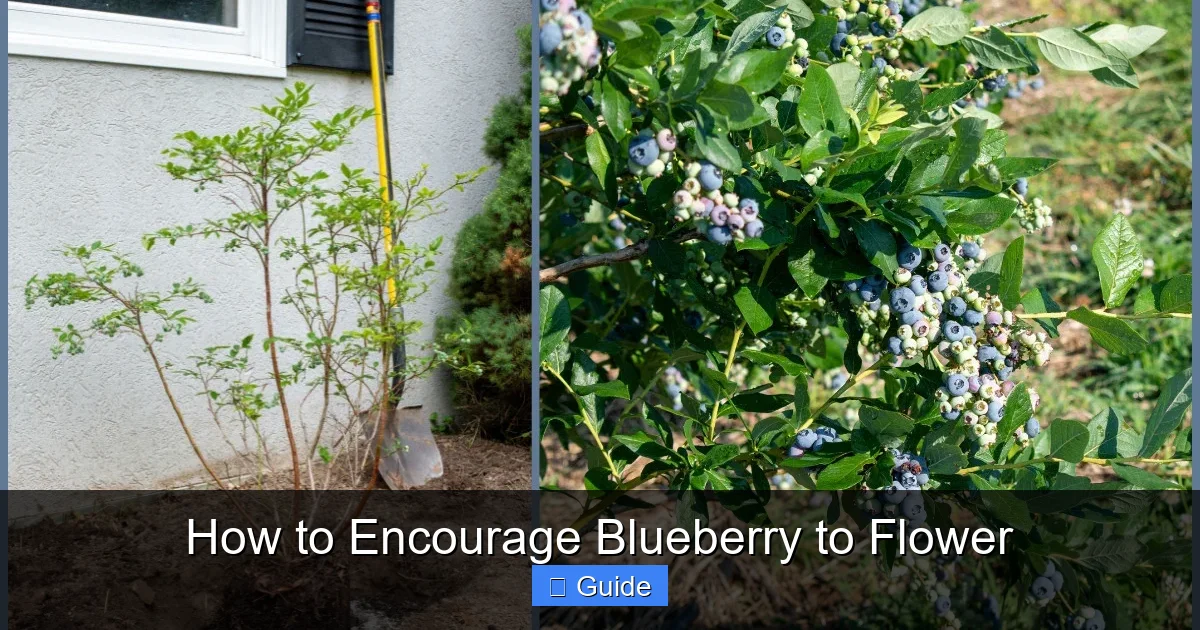
Visual guide about How to Encourage Blueberry to Flower
Image source: embracegardening.com
Testing Soil pH
Use a reliable soil test kit or send a sample to a lab. Test at least once a year, preferably in early spring before new growth. A pH between 4.5 and 5.5 is ideal. If the reading is higher, you’ll need to lower it.
Regular testing is a cornerstone of any strategy for how to encourage blueberry to flower. Many extension services offer free or low‑cost testing, making it easy to stay on top of pH shifts.
Amending Soil for Acidity
Elemental sulfur is the standard amendment. Apply 1 to 2 pounds per 100 square feet for each pH point you need to drop. Work it into the top 6 inches of soil. It can take several months to react, so apply in fall for spring planting. Peat moss and pine bark also help maintain acidity while improving texture.
When you amend correctly, you create a stable environment that supports how to encourage blueberry to flower year after year. Avoid using lime or wood ash, which raise pH and undo your work.
Organic Matter and Drainage
Mix composted pine bark, leaf mold, or well‑rotted sawdust into the planting hole. Aim for a 50‑50 blend of native soil and organic amendment. Good drainage prevents root rot, which can abort flower buds. Raised beds are a great option if your native soil is heavy clay.
Adding organic matter also improves water‑holding capacity, a key factor in how to encourage blueberry to flower during dry spells. A well‑structured soil lets roots breathe and absorb nutrients efficiently.
Pruning Techniques to Encourage Flower Buds
Pruning is a direct lever for how to encourage blueberry to flower. Removing old, unproductive wood forces the plant to grow new fruiting laterals. Those laterals bear the most flower buds.
When to Prune
The best time is late winter, just before buds swell. In most regions this is February to early March. Pruning too early can expose cuts to extreme cold. Pruning too late removes developing buds.
Timing your cuts precisely is essential for how to encourage blueberry to flower. A simple rule: prune when the buds are still tight but the danger of hard freeze has passed.
Types of Cuts
Make three kinds of cuts: thinning cuts remove whole canes at ground level, heading cuts shorten a cane to a strong bud, and renewal cuts take out the oldest canes entirely. Aim to keep 6 to 8 healthy canes per bush, with a mix of ages.
Each cut type serves a purpose in how to encourage blueberry to flower. Thinning opens the canopy for light, heading stimulates lateral growth, and renewal removes wood that no longer produces quality buds.
Rejuvenation Pruning for Older Bushes
If a bush is over 10 years old and productivity has dropped, cut all canes back to 12‑18 inches in late winter. The plant will send up vigorous new shoots. Those shoots will set flower buds the following season. This drastic step can revive a tired planting.
Rejuvenation is a powerful tool for how to encourage blueberry to flower on neglected plants. Expect a temporary drop in yield the first year, followed by a strong comeback.
Nutrient Management for Flower Initiation
Nutrients drive the energy needed for how to encourage blueberry to flower. The right balance at the right time makes a big difference.
Nitrogen Timing
Apply nitrogen early in spring, just as buds break. Use a fertilizer with ammonium sulfate or urea at 1 ounce per year of plant age, split into two applications. Too much nitrogen late in the season promotes leaf growth at the expense of flowers.
Split applications ensure a steady supply without overload, a key principle in how to encourage blueberry to flower. Monitor leaf color; dark green may indicate excess nitrogen.
Phosphorus and Potassium
Phosphorus supports root and bud development. Apply a phosphorus‑rich fertilizer (such as bone meal) in early spring. Potassium improves cold hardiness and fruit quality. A potassium sulfate application in late spring helps the plant store energy for next year’s buds.
Balancing phosphorus and potassium is a subtle but vital part of how to encourage blueberry to flower. Soil tests guide exact rates, preventing waste and environmental runoff.
Micronutrients: Boron and Zinc
Boron is essential for pollen tube growth and flower set. A foliar spray of borax at 0.1 % in early bloom can boost set. Zinc aids hormone production. A chelated zinc spray in early spring prevents deficiency symptoms like small, distorted leaves.
Micronutrient sprays are a quick fix when soil tests reveal shortages, and they directly support how to encourage blueberry to flower during the critical bloom window.
Watering and Mulching Strategies
Consistent moisture is a quiet hero for how to encourage blueberry to flower. Drought stress during bud formation aborts flowers.
Consistent Moisture
Water deeply once or twice a week, delivering 1 to 1.5 inches each time. Use a soaker hose or drip irrigation to keep foliage dry and reduce disease. Check soil moisture 2 inches down; it should feel moist but not soggy.
Deep watering encourages deep roots, which buffer the plant against dry spells and support how to encourage blueberry to flower even in hot summers.
Mulch Types
Apply a 3‑inch layer of pine needles, wood chips, or shredded leaves. Mulch conserves moisture, moderates soil temperature, and slowly adds organic acidity. Refresh mulch annually to maintain depth.
Choosing the right mulch is a simple yet effective step in how to encourage blueberry to flower. Pine needles are especially good because they break down slowly and keep pH low.
Pollination and Variety Selection
Even with perfect buds, you need pollen transfer for fruit. Cross‑pollination dramatically increases berry size and yield.
Cross‑Pollination Benefits
Plant at least two different varieties that bloom at the same time. Bees move pollen between them, resulting in larger, more uniform berries. A single variety can set fruit, but yields are often lower.
Encouraging bee activity is another angle on how to encourage blueberry to flower successfully. Provide a shallow water source and avoid broad‑spectrum insecticides during bloom.
Choosing Compatible Varieties
Match chill‑hour requirements and bloom periods. For example, ‘Bluecrop’ (mid‑season) pairs well with ‘Jersey’ (late‑season). Check local extension recommendations for the best combos in your zone.
Variety selection is a strategic decision that shapes how to encourage blueberry to flower across your whole planting. A well‑planned mix extends the harvest window and buffers against weather extremes.
Putting It All Together: A Seasonal Checklist
Here is a quick seasonal checklist to keep your blueberry patch on track for maximum flowering.
- Fall: Test soil pH, apply sulfur if needed, add organic mulch.
- Late Winter: Prune canes, apply dormant oil for pest control.
- Early Spring: Fertilize with nitrogen, phosphorus, and potassium; water deeply.
- Bloom: Spray boron and zinc, protect flowers from frost with row covers.
- Summer: Maintain moisture, mulch, monitor for pests.
- Post‑Harvest: Light prune to remove dead wood, plan next year’s amendments.
Following this checklist each year reinforces every principle of how to encourage blueberry to flower and builds a resilient, productive planting.
Conclusion
Learning how to encourage blueberry to flower is a journey of observation and small adjustments. By meeting chill requirements, keeping soil acidic, pruning at the right time, feeding wisely, watering consistently, and planting for cross‑pollination, you set the stage for a spectacular bloom. Each season you’ll see more pink buds, more buzzing bees, and finally, more sweet berries in your bowl. Start with one change this year, track the results, and build on your success. Happy growing!
Frequently Asked Questions
What are chill hours and why do they matter?
Chill hours are the total hours a blueberry plant experiences temperatures below 45°F. They are required to break dormancy and initiate flower buds; insufficient chill leads to poor flowering.
Can I grow blueberries in alkaline soil?
Blueberries struggle in alkaline soil because high pH locks up essential nutrients. You must lower the pH to 4.5–5.5 using elemental sulfur or acidic organic matter.
How often should I fertilize blueberries?
Apply nitrogen in early spring split into two doses, phosphorus at bud break, and potassium in late spring. Adjust rates based on annual soil tests.
What type of mulch is best for blueberries?
Pine needles, wood chips, or shredded leaves work well. They conserve moisture, moderate temperature, and slowly acidify the soil.
How can I protect early blooms from frost?
Use row covers, frost blankets, or overhead irrigation during freeze events. Remove covers during the day to allow pollinators access.
Is it necessary to prune every year?
Annual pruning removes old wood, improves light penetration, and stimulates new fruiting laterals, which are essential for consistent flowering.