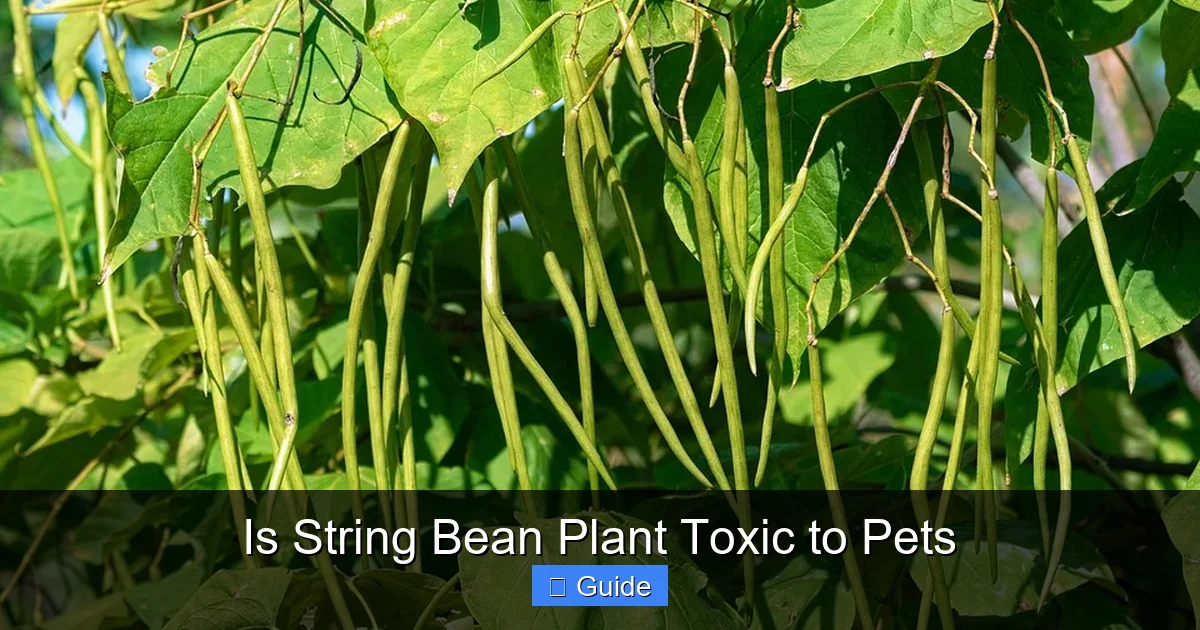
Is String Bean Plant Toxic to Pets
String bean plants are generally non-toxic to dogs and cats, making them a safe occasional treat when prepared properly. However, raw beans can cause digestive upset, and certain preparations with seasonings or oils pose health risks to pets.
If you grow vegetables in your garden or buy fresh produce at the market, you have probably wondered whether those crisp green beans are safe for your four-legged friends. The question comes up often. Dogs love to sniff around garden beds. Cats sometimes nibble on houseplants. Knowing which plants are safe and which ones pose a danger is part of responsible pet ownership.
Many pet owners use green beans as a low-calorie treat. Some even follow the popular green bean diet for overweight dogs. But is the string bean plant toxic to pets? The short answer is no. The plant itself is not poisonous. However, there are important caveats. Preparation matters. Quantity matters. Individual sensitivity matters. This guide covers everything you need to know about feeding string beans to dogs and cats safely.
Key Takeaways
- String bean plants are non-toxic: The ASPCA classifies green beans as safe for dogs and cats, with no poisonous compounds in the plant itself.
- Moderation is essential: Too many green beans can cause gas, bloating, and diarrhea due to high fiber content.
- Avoid seasonings and oils: Butter, salt, garlic, onion, and spices commonly added to cooked beans are harmful to pets.
- Raw beans pose choking risks: Whole raw string beans can be difficult to chew and may cause intestinal blockage in small pets.
- Green bean diet requires vet approval: The popular “green bean diet” for weight loss should only be done under veterinary supervision.
- Watch for pesticide residue: Store-bought or garden beans may carry chemicals that are toxic if not washed thoroughly.
- Introduce slowly: Start with small pieces to test tolerance and prevent sudden digestive upset.
Quick Answers to Common Questions
Are string bean plants poisonous to dogs?
No, string bean plants are not poisonous to dogs. The ASPCA classifies Phaseolus vulgaris as non-toxic to dogs, cats, and horses.
Can cats eat green beans safely?
Yes, cats can eat small amounts of plain cooked green beans. Limit to a teaspoon of mashed beans occasionally, as cats are obligate carnivores and do not need vegetables.
What happens if a dog eats too many green beans?
Eating too many green beans typically causes gas, bloating, and diarrhea due to high fiber content. Severe cases may lead to vomiting or intestinal blockage from undigested fiber.
Can dogs eat raw string beans?
Dogs can eat raw string beans, but they pose a choking hazard and are harder to digest. Cooked or steamed beans cut into small pieces are safer and easier on the digestive system.
Is the green bean diet safe for overweight dogs?
The green bean diet can help with weight loss but should only be done under veterinary supervision. Replacing too much kibble with green beans causes nutrient deficiencies and muscle loss.
📑 Table of Contents
- Understanding String Bean Plants and Pet Safety
- Nutritional Profile of String Beans for Pets
- Benefits of Feeding String Beans to Pets
- Risks and Precautions
- How to Safely Prepare String Beans for Pets
- Special Considerations for Different Pets
- The Green Bean Diet: What You Need to Know
- What to Do If Your Pet Eats Too Many String Beans
- String Beans vs. Other Beans: Know the Difference
- Growing String Beans Safely with Pets
- Frequently Asked Questions About String Beans and Pets
- Conclusion
Understanding String Bean Plants and Pet Safety
What Are String Beans?
String beans go by many names. Green beans. Snap beans. French beans. Haricots verts. They all refer to the same plant species, Phaseolus vulgaris. These are the unripe pods of the common bean plant, harvested before the seeds inside fully mature. The entire pod is edible, which is why they are called snap beans — they snap cleanly when bent.
The plant grows as either a bush or a pole vine. It produces trifoliate leaves, small white or purple flowers, and the familiar long green pods. Some varieties produce yellow, purple, or streaked pods. All belong to the same species and share the same safety profile for pets.
Official Toxicity Classification
The American Society for the Prevention of Cruelty to Animals (ASPCA) maintains a comprehensive database of toxic and non-toxic plants. According to their listings, the common bean plant (Phaseolus vulgaris) is non-toxic to dogs, cats, and horses. This means the leaves, stems, flowers, and pods do not contain compounds that cause systemic poisoning.
However, non-toxic does not mean risk-free. Many non-toxic plants can still cause mechanical irritation, digestive upset, or choking. The classification simply means the plant does not contain deadly toxins like those found in lilies, sago palms, or oleander.
Why Confusion Exists
Some pet owners confuse string beans with other beans. Dried kidney beans contain lectins that are toxic when raw. Castor beans contain ricin, a deadly poison. Coffee beans contain caffeine. But fresh green beans are a different product entirely. They are harvested young, before the problematic compounds in mature beans develop.
Another source of confusion is the term “string bean” itself. Older varieties had a tough fibrous string running along the pod seam. Modern cultivars are mostly stringless. The name persists regardless. Safety is the same for both types.
Nutritional Profile of String Beans for Pets
Vitamins and Minerals
Green beans offer several nutrients that can benefit pets in small amounts. They contain vitamin K, which supports blood clotting and bone health. Vitamin C acts as an antioxidant. Vitamin A promotes eye health and immune function. Folate helps with cell division. Manganese supports metabolism and bone formation.

Visual guide about Is String Bean Plant Toxic to Pets
Image source: rhs.org.uk
These nutrients are present in modest amounts. A half-cup of cooked green beans provides about 10% of a human’s daily vitamin K needs. For a dog or cat, the contribution is even smaller relative to their complete diet. Think of green beans as a supplement, not a staple.
Fiber Content
Fiber is the standout component. Green beans contain both soluble and insoluble fiber. Soluble fiber feeds beneficial gut bacteria. Insoluble fiber adds bulk to stool and promotes regular bowel movements. For pets with constipation or anal gland issues, a small amount of green bean can help.
Too much fiber causes the opposite problem. Gas, bloating, and loose stools are common when pets eat more green beans than their digestive system can handle. Cats are especially sensitive since they are obligate carnivores with shorter digestive tracts.
Low Calorie Density
One cup of raw green beans contains only about 31 calories. This makes them popular for weight management. The green bean diet replaces a portion of kibble with green beans to reduce calories while keeping the dog feeling full. This approach works for some dogs but requires careful balancing to avoid nutrient deficiencies.
Protein and Carbohydrates
Green beans provide about 2 grams of protein per cup. The protein is plant-based and incomplete, lacking some essential amino acids pets need. Carbohydrates come mainly as complex carbs and fiber, with very little natural sugar. This gives green beans a low glycemic index, meaning they do not spike blood sugar rapidly.
Benefits of Feeding String Beans to Pets
Weight Management Support
Overweight pets face higher risks of diabetes, arthritis, heart disease, and shortened lifespan. Green beans can be a useful tool in a vet-supervised weight loss plan. They add volume to meals without adding many calories. The fiber helps pets feel satiated longer.
One common approach is the 50/25 rule. Replace 25% of the kibble with green beans for two weeks. Then assess weight loss. Adjust as needed. Never exceed 50% replacement without veterinary guidance. Commercial diets are formulated to be complete and balanced. Diluting them too much creates nutritional gaps.
Dental Health
Chewing raw or frozen green beans provides mild mechanical cleaning of teeth. The fibrous texture can help scrape plaque. This is not a substitute for brushing or professional cleanings, but it can be a helpful addition. Frozen green beans are especially good for teething puppies. The cold soothes sore gums while the texture satisfies the urge to chew.
Hydration Boost
Green beans are about 90% water. For pets who do not drink enough, adding water-rich vegetables can help maintain hydration. This is particularly useful for cats on dry kibble diets or senior pets with reduced thirst drive. Lightly steamed beans retain most of their water content while being easier to digest.
Training Treats
Small pieces of cooked green bean make excellent low-calorie training rewards. A dog learning new commands may receive dozens of treats in a session. Using green beans instead of commercial treats prevents weight gain. Keep pieces pea-sized for small dogs, grape-sized for large dogs.
Risks and Precautions
Digestive Upset
The most common issue is gastrointestinal distress. Symptoms include gas, bloating, gurgling stomach sounds, loose stools, and occasionally vomiting. This happens when pets eat too much too fast, or when their system is not used to the fiber. Introduce green beans gradually. Start with one or two beans. Monitor for 24 hours. Increase slowly over several days.
Cats are more prone to digestive upset than dogs. Their digestive systems are designed for meat, not plant matter. A cat that eats a large amount of green bean may vomit simply because the fiber forms a bulky mass the stomach cannot process. Limit cats to a teaspoon of mashed beans at most.
Choking Hazard
Whole raw green beans are cylindrical, smooth, and just the right size to lodge in a dog’s throat. This is especially true for small breeds and greedy eaters who swallow without chewing. Always cut beans into appropriate sizes. For tiny dogs, mince or mash them. For medium dogs, cut into half-inch pieces. Large dogs can handle inch-long pieces but should still be supervised.
Intestinal Blockage
In rare cases, large pieces of raw green bean can cause intestinal obstruction. The tough fibers do not break down easily. If a dog swallows a long piece whole, it may pass through the stomach but get stuck in the narrower small intestine. Signs of blockage include persistent vomiting, inability to keep water down, abdominal pain, lethargy, and no bowel movements. This is an emergency requiring immediate veterinary care.
Seasoning Toxicity
This is the biggest hidden danger. Plain green beans are safe. Green beans cooked with garlic, onion, salt, butter, oil, soy sauce, or bouillon are not. Garlic and onion cause hemolytic anemia in dogs and cats. Salt causes sodium ion poisoning. High fat from butter or oil triggers pancreatitis. Even “natural” seasonings like nutmeg or certain essential oils can be toxic.
If you share green beans from your plate, they must be completely plain. No exceptions. Restaurant green beans are almost always seasoned. Holiday green bean casserole contains cream of mushroom soup, fried onions, and often soy sauce — all dangerous for pets.
Pesticide and Contaminant Exposure
Conventionally grown green beans often appear on the Environmental Working Group’s “Dirty Dozen” list for pesticide residues. Organophosphates and other chemicals can accumulate in pets, who are smaller and more sensitive than humans. Always wash store-bought beans thoroughly. Better yet, buy organic or grow your own without chemicals.
Garden beans may also carry soil bacteria, parasites, or fertilizer residues. Rinse well. If you use composted manure in your garden, there is a small risk of E. coli or Salmonella contamination. Cooking eliminates this risk.
Allergic Reactions
Food allergies to green beans are rare but possible. Signs include itching, hives, facial swelling, ear infections, paw licking, and chronic digestive issues. If you notice any of these after introducing green beans, stop feeding them and consult your vet. An elimination diet can confirm the allergy.
How to Safely Prepare String Beans for Pets
Raw vs. Cooked
Both raw and cooked green beans are safe, but they have different pros and cons. Raw beans retain more vitamins and provide dental benefits. However, they are harder to digest, pose a higher choking risk, and may carry bacteria. Cooked beans are softer, easier to digest, and safer from pathogens. Light steaming is the best method — it preserves nutrients while improving digestibility.
Boiling leaches water-soluble vitamins into the water. If you boil, use the cooking water in your pet’s food to reclaim those nutrients. Microwaving with a tablespoon of water works well for small batches. Never microwave in plastic bags not labeled microwave-safe.
Cutting and Portioning
Size matters. Follow these guidelines:
- Toy breeds (under 10 lbs): Mash or mince to a paste
- Small breeds (10-25 lbs): Cut into 1/4 inch pieces
- Medium breeds (25-50 lbs): Cut into 1/2 inch pieces
- Large breeds (50-100 lbs): Cut into 1 inch pieces
- Giant breeds (over 100 lbs): Can handle whole beans but supervise
For cats, always mash cooked beans. A teaspoon mixed into wet food is plenty.
Portion Guidelines
Treats should not exceed 10% of daily caloric intake. For green beans specifically:
- Small dog: 1-2 tablespoons daily
- Medium dog: 2-4 tablespoons daily
- Large dog: 1/4 to 1/2 cup daily
- Cat: 1 teaspoon, 2-3 times per week maximum
These are maximums. Start with less. Adjust based on stool quality and weight trends.
Storage and Freshness
Fresh beans last 5-7 days in the refrigerator crisper drawer. Store unwashed in a perforated bag. Wash just before use. Cooked beans last 3-4 days in an airtight container in the fridge. Frozen beans (blanched first) last 8-12 months. Discard any beans that are slimy, moldy, or have an off smell.
Frozen Green Beans
Frozen green beans are a convenient option. They are usually blanched before freezing, which means they are partially cooked and safer than raw. Thaw in the refrigerator or microwave. Do not thaw at room temperature. Some dogs enjoy frozen green beans as a crunchy summer treat. This is fine for moderate chewers. Aggressive chewers may still choke on large frozen chunks.
Special Considerations for Different Pets
Puppies and Kittens
Young animals have developing digestive systems. Puppies can try small amounts of mashed cooked green bean after they are fully weaned and eating solid food well (usually 8-10 weeks). Introduce one new food at a time. Kittens generally do not need plant matter. Their nutritional needs are met by complete kitten food. If you want to offer a tiny taste, wait until 6 months and keep it minimal.
Senior Pets
Older dogs often benefit from the fiber in green beans for constipation management. Senior cats with kidney disease may benefit from the low phosphorus content compared to meat treats. However, seniors also have more sensitive stomachs. Introduce very slowly. Monitor for any changes in appetite, stool, or behavior.
Pets with Medical Conditions
Diabetes: Green beans have a low glycemic index and can be a good treat for diabetic pets. However, any diet change affects insulin needs. Coordinate with your vet.
Kidney Disease: The low phosphorus and moderate potassium make green beans suitable for many kidney diets. But potassium levels vary. Check with your vet if your pet is on a potassium-restricted diet.
Pancreatitis: Plain steamed green beans are low-fat and generally safe during pancreatitis recovery. But the fiber may be too stimulating for an inflamed pancreas. Follow your vet’s specific dietary instructions.
Food Allergies/IBD: Green beans are a novel carbohydrate source of fiber, but they can trigger flare-ups in pets with inflammatory bowel disease. Use caution and veterinary guidance.
Bladder Stones: Green beans are low in oxalates, making them safe for pets prone to calcium oxalate stones. They are not specifically therapeutic for struvite stones but generally acceptable.
Pregnant and Nursing Pets
Pregnant dogs have increased calorie needs. Green beans add bulk without calories, which is counterproductive. Nursing dogs need maximum nutrition density. Green beans can be offered as a small treat but should not displace nutrient-dense food. Avoid entirely in the last trimester when abdominal space is limited and fiber may cause discomfort.
The Green Bean Diet: What You Need to Know
How It Works
The green bean diet became popular as a home remedy for canine obesity. The concept is simple: replace a portion of the dog’s regular food with green beans to reduce calories while maintaining volume. Proponents claim dogs feel full and lose weight steadily.
Typical protocol: Start by replacing 10% of kibble with green beans. Increase by 10% every few days until reaching 50% replacement. Maintain until target weight is reached. Then slowly transition back to 100% complete diet.
Why Veterinarians Urge Caution
While the green bean diet can produce weight loss, it has significant drawbacks. Commercial dog foods are formulated to provide complete nutrition in every bite. Diluting with green beans reduces protein, essential fatty acids, vitamins, and minerals. A 50% replacement means the dog gets only half their required nutrients.
Weight loss from nutrient restriction is not healthy weight loss. Muscle wasting, poor coat quality, weakened immune function, and metabolic slowdown can result. The weight often returns quickly once normal feeding resumes because the metabolism has adapted to fewer calories.
Safer Alternatives
Veterinary therapeutic weight loss diets are formulated to be calorie-restricted but nutrient-dense. They provide adequate protein to preserve muscle, fiber for satiety, and all essential nutrients. These diets are backed by feeding trials and research.
If you want to use green beans as part of a weight plan, do it under veterinary supervision. Your vet can calculate the correct calorie target, recommend a complete diet, and monitor body condition score monthly. Green beans can be a supplement, not the foundation.
What to Do If Your Pet Eats Too Many String Beans
Assess the Situation
First, determine how much was eaten. A few extra beans are rarely a problem. A whole bowl or a garden raid is different. Note whether the beans were raw or cooked, plain or seasoned. Check the time of ingestion.
Monitor for Symptoms
Watch for these signs over the next 24-48 hours:
- Vomiting (more than once)
- Diarrhea lasting more than 24 hours
- Blood in stool or vomit
- Lethargy or weakness
- Abdominal pain (hunched posture, whining, guarding belly)
- Bloating or distended abdomen
- Straining to defecate with no result
- Loss of appetite for more than one meal
When to Call the Vet
Contact your veterinarian immediately if:
- The beans were seasoned with garlic, onion, or other toxins
- Your pet is a toy breed, puppy, senior, or has pre-existing conditions
- Symptoms are severe or worsening
- You suspect intestinal blockage
- Your pet ate a large quantity (more than 1 cup for a medium dog)
Home Care for Mild Cases
For mild digestive upset from plain beans:
- Withhold food for 12-24 hours (water always available)
- Offer small amounts of water frequently
- After fasting, feed a bland diet (boiled chicken and rice, or veterinary gastrointestinal diet)
- Resume normal food gradually over 2-3 days
- Probiotic supplements may help restore gut balance
Prevention for Next Time
Secure garden areas with fencing. Keep counter-surfing dogs away from cooking areas. Store beans in pet-proof containers. Teach “leave it” and “drop it” commands. Supervise pets around food preparation.
String Beans vs. Other Beans: Know the Difference
Safe Bean Types
These are generally safe for pets in moderation when plain and cooked:
- Green beans (string beans, snap beans)
- Yellow wax beans
- Purple beans (turn green when cooked)
- Haricots verts (French green beans)
- Edamame (soybeans in pods) — shelled, cooked, plain, small amounts only
Dangerous Bean Types
These should never be fed to pets:
- Raw kidney beans: Contain phytohaemagglutinin, a lectin that causes severe vomiting and diarrhea. As few as 4-5 raw beans can poison a dog.
- Raw broad beans (fava beans): Can cause favism in susceptible breeds and digestive upset in all dogs.
- Castor beans: Contain ricin. Extremely toxic. Even one bean can be fatal.
- Coffee beans: Caffeine toxicity. Rapid heart rate, seizures, death.
- Cocoa beans: Theobromine toxicity. Same danger as chocolate.
- Baked beans: High sugar, salt, and often contain onion/garlic powder.
- Refried beans: High fat, spices, often contain lard and onion.
- Chili beans: Spices, onion, garlic, sometimes chocolate or coffee as secret ingredients.
Canned Beans
Canned green beans are convenient but often high in sodium. Look for “no salt added” or “low sodium” varieties. Rinse thoroughly under running water for 30 seconds to remove up to 40% of the sodium. Avoid canned beans with added seasonings, sauces, or preservatives like calcium disodium EDTA.
Growing String Beans Safely with Pets
Garden Planning
If you grow green beans and have pets, consider these safety measures:
- Fence the vegetable garden separately from pet play areas
- Use raised beds to limit access
- Train dogs to stay out of garden beds using boundary training
- Plant beans on trellises against fences — harder for dogs to reach
- Avoid cocoa mulch (toxic to dogs) in bean beds
Pesticide and Fertilizer Safety
Choose pet-safe garden products. Avoid:
- Slug baits containing metaldehyde (deadly to pets)
- Systemic insecticides taken up by plant tissues
- Bone meal or blood meal fertilizers (attract dogs, cause pancreatitis if eaten in quantity)
- Fresh manure (pathogen risk)
Use companion planting for pest control. Marigolds deter bean beetles. Nasturtiums attract aphids away from beans. Diatomaceous earth (food grade) controls crawling insects safely.
Harvest Management
Pick beans regularly. Overripe pods become tough and stringy, increasing choking risk. Fallen beans on the ground may mold. Some molds produce mycotoxins. Clean up dropped produce daily. Compost or discard — do not leave for pets to find.
Frequently Asked Questions About String Beans and Pets
Can dogs eat string bean leaves and stems?
The leaves and stems are non-toxic but very fibrous. They can cause digestive irritation or blockage if eaten in quantity. Most dogs do not find them palatable. If your dog nibbles a few leaves while investigating the garden, no panic needed. Just discourage the habit.
Can cats eat string beans?
Cats can eat small amounts of plain cooked green beans. They are obligate carnivores and do not need vegetables. Some cats enjoy the texture. Limit to a teaspoon of mashed beans occasionally. Raw beans are a choking hazard for cats due to their small throats.
Are string beans good for dogs with diarrhea?
Paradoxically, the soluble fiber in green beans can help firm loose stools. However, too much fiber worsens diarrhea. For acute diarrhea, a bland diet of boiled chicken and white rice is more appropriate. Add a teaspoon of mashed cooked green bean only if your vet recommends it.
Can diabetic dogs eat green beans?
Yes, green beans are a good treat option for diabetic dogs due to low glycemic index. They do not spike blood sugar. But treats must be factored into the total daily calorie and carbohydrate allowance. Consistency is key for diabetic management.
Do green beans cause gas in dogs?
Yes, they can. The oligosaccharides in beans ferment in the colon, producing gas. This is normal. Excessive gas with discomfort warrants reducing the amount. Adding a digestive enzyme supplement or probiotic may help. Cooked beans cause less gas than raw.
Can I feed my dog green beans every day?
Small amounts daily are fine for most healthy adult dogs. Rotate with other safe vegetables (carrots, cucumber, zucchini) for variety. Monitor weight and stool quality. Adjust if you notice changes. Daily feeding is not necessary — a few times a week is plenty.
Conclusion
String bean plants are not toxic to pets. The ASPCA confirms that Phaseolus vulgaris poses no poisoning risk to dogs, cats, or horses. This makes green beans one of the safer human foods to share with your furry companions. They offer fiber, vitamins, and hydration with very few calories.
But safety depends entirely on preparation and portion. Plain, cooked, appropriately sized pieces are the gold standard. Raw beans carry choking and digestive risks. Seasoned beans introduce toxins like garlic, onion, and excess salt. The popular green bean diet for weight loss requires veterinary oversight to prevent malnutrition.
Every pet is an individual. What works for a 70-pound Labrador may not suit a 8-pound Chihuahua or a 12-pound tabby cat. Start small. Observe. Adjust. When in doubt, ask your veterinarian. They know your pet’s health history and can give personalized guidance.
Green beans can be a healthy, enjoyable addition to your pet’s treat rotation. They are affordable, widely available, and most pets like them. Just keep it plain, keep it small, and keep it occasional. Your pet gets a crunchy snack. You get peace of mind. That is a win-win worth sharing.
Frequently Asked Questions
Are string bean plants toxic to pets?
No, string bean plants are not toxic to pets. The ASPCA lists Phaseolus vulgaris (common bean) as non-toxic to dogs, cats, and horses. However, preparation and quantity matter for safety.
Can dogs eat green beans every day?
Yes, most healthy dogs can eat small amounts of plain green beans daily as a treat. Keep portions under 10% of daily calories and monitor for digestive upset or weight changes.
What is the best way to cook green beans for dogs?
Lightly steam or boil green beans without any seasonings, salt, oil, or butter. Cut into appropriate sizes for your dog’s breed. Avoid canned beans with added sodium.
Why does my dog get gas from green beans?
Green beans contain oligosaccharides that ferment in the colon, producing gas. This is normal. Cooked beans cause less gas than raw. Reduce portion size if gas is excessive.
Can puppies eat green beans?
Puppies can eat small amounts of mashed cooked green beans after they are fully weaned (around 8-10 weeks). Introduce slowly and watch for digestive upset. Consult your vet first.
Are canned green beans safe for dogs?
Canned green beans are safe if they are labeled “no salt added” or “low sodium.” Rinse thoroughly to remove excess sodium. Avoid varieties with seasonings, sauces, or preservatives.