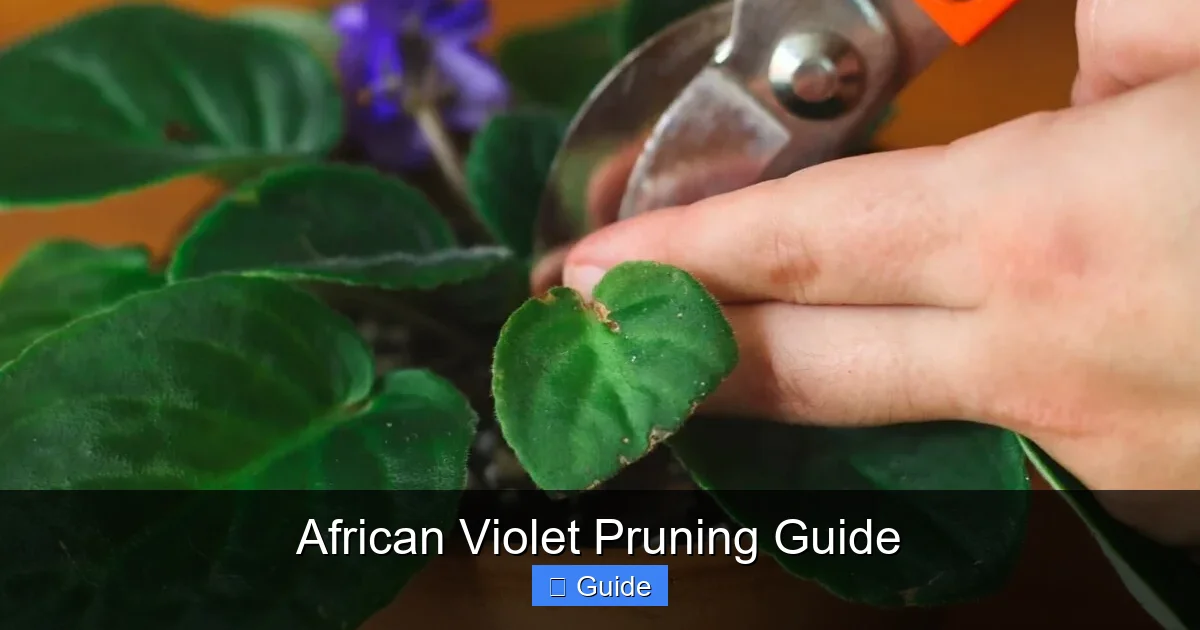
African Violet Pruning Guide
Pruning African violets keeps plants compact, encourages fresh blooms, and prevents disease. This guide shows you when and how to cut leaves and spent flowers with confidence.
Key Takeaways
- Prune regularly: Regular cuts keep the plant tidy and promote new growth.
- Use clean tools: Sterile scissors stop the spread of pests and disease.
- Cut above a leaf node: Cutting just above a node helps the plant branch out.
- Remove spent blooms: Dead flowers drain energy; removing them redirects energy to new buds.
- Watch for yellow leaves: Yellow leaves signal stress; trim them early to keep the plant healthy.
- Water after pruning: Light watering helps the plant recover quickly.
- Follow a schedule: A simple calendar reminds you when to prune each season.
Quick Answers to Common Questions
When should I prune my African violet?
Prune after the last flower fades, usually in spring or early summer.
What tools do I need?
Sharp, clean scissors or small bypass pruning shears work best.
How much can I cut at once?
Remove no more than one third of the foliage in a single session.
Can I prune wet leaves?
Wait until leaves are dry to avoid tearing and disease.
Do I need to fertilize after pruning?
Light feeding with half‑strength fertilizer helps recovery.
📑 Table of Contents
Why Prune African Violets
African violets grow fast. They produce many leaves and flowers. Without pruning they become leggy. Leggy plants have long stems and few blooms. Pruning keeps the plant compact. A compact plant shows more flowers. Pruning also improves air flow. Good air flow reduces fungal problems. This African violet pruning guide explains the benefits in simple steps.
Healthier Growth
Cutting old leaves forces the plant to grow new leaves. New leaves are strong and green. Strong leaves capture more light. More light means more energy for blooms. The plant stays vigorous.
More Blooms
Removing spent flowers stops seed formation. The plant then puts energy into new buds. New buds open into fresh flowers. You enjoy a longer blooming period.
Disease Prevention
Dead leaves can harbor mold. Mold spreads quickly in humid conditions. Removing dead tissue cuts the disease cycle. Clean plants stay healthy.
Better Shape
Regular cuts shape the plant into a neat mound. A neat mound looks attractive on a windowsill. Balanced shape allows light to reach all leaves. Even light produces even growth.
Longer Plant Life
Pruning removes old woody stems. Woody stems are weak and break easily. Fresh stems are flexible and strong. A plant with fresh stems lives longer.
Extra Advice
Prune a little each month instead of a big cut once a year. Small cuts cause less shock.
Use a soft brush to remove dust from leaves before you cut. Clean leaves absorb light better.
When to Prune African Violets
Timing matters. The best time is after a bloom cycle. The plant rests after flowering. Prune during this rest period. Avoid pruning in extreme heat. Avoid pruning in cold drafts. A stable environment helps recovery. This African violet pruning guide suggests a simple calendar.
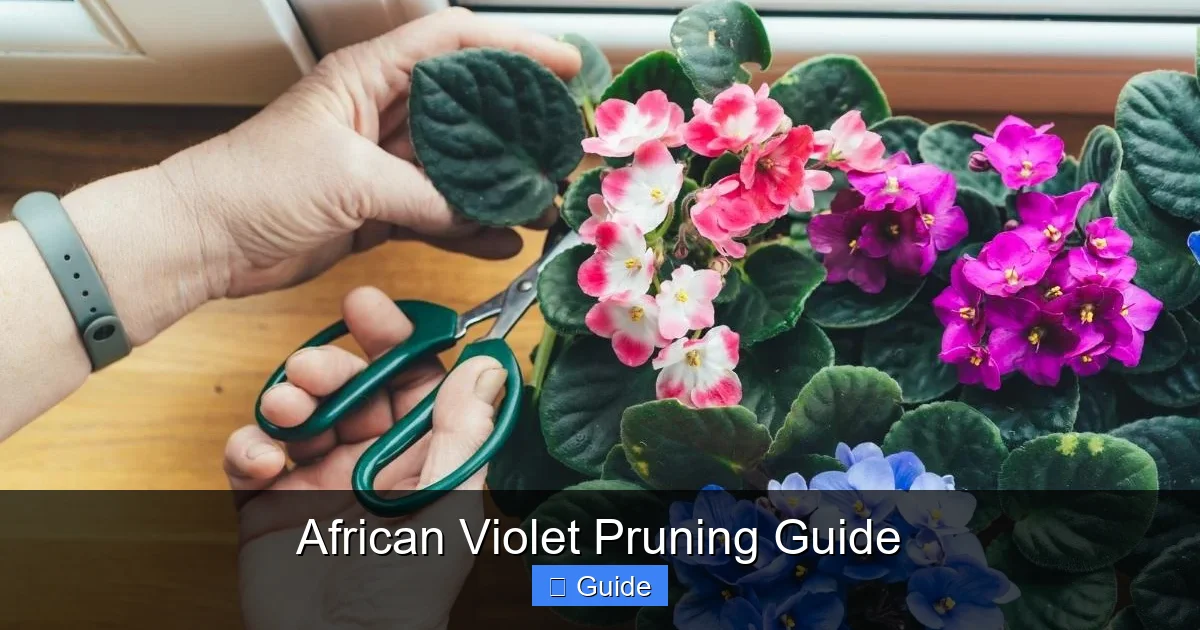
Visual guide about African Violet Pruning Guide
Image source: epicgardening.com
After Flowering
Wait until the last flower fades. Then cut back the flower stalk. This signals the plant to start a new cycle.
Seasonal Schedule
Spring and early summer are ideal. Light is strong. The plant grows fast. Fall pruning is light. Winter pruning is minimal.
Signs It Is Time
Look for yellow leaves. Look for crowded centers. Look for long bare stems. These signs tell you to prune.
Monthly Check
Do a quick visual check each month. Spot problems early. Early action keeps the plant thriving.
Rest Period Length
Allow two to three weeks of rest after heavy pruning. The plant uses this time to heal. New growth appears after the rest.
Extra Advice
Mark the calendar with a bright sticker for pruning days. Visual cues keep you on track.
Observe the plant after each cut. Adjust the schedule if growth slows.
Tools You Need for Pruning
Simple tools work best. You need sharp scissors or small pruning shears. Clean tools prevent infection. A soft cloth wipes blades. A small container holds cut material. Gloves protect your hands. This African violet pruning guide lists the essential kit.
Choosing Scissors
Pick scissors with a fine tip. Fine tips reach tight spaces. Bypass blades give a clean cut. Avoid anvil blades; they crush tissue.
Sanitizing Tools
Wipe blades with rubbing alcohol. Let them dry. Clean tools each session. This stops bacteria transfer.
Optional Extras
A magnifying glass helps see nodes. A spray bottle with water keeps leaves moist. A label marker tracks pruning dates.
Tool Maintenance
Sharpen blades once a month. Oil the pivot point lightly. Store tools dry to avoid rust.
Budget Friendly Options
Household nail scissors can work in a pinch. Ensure they are clean and sharp. Upgrade to dedicated shears when possible.
Extra Advice
Keep a spare pair of scissors in your kit. A backup prevents delays.
Label each tool with a colored tape. Quick identification saves time.
Step by Step Pruning Process
Follow these steps each time you prune. The process is easy. Repeat it for best results. This African violet pruning guide breaks each step down.
Step 1 Inspect the Plant
Look at the whole plant. Find dead leaves. Find spent flowers. Find crowded stems. Mark the areas to cut.
Step 2 Remove Dead Leaves
Cut each dead leaf at the base. Cut close to the stem. Do not tear. A clean cut heals fast.
Step 3 Trim Spent Flowers
Snip the flower stalk just above the first leaf node. This encourages a new stalk. Do not cut into the crown.
Step 4 Shape the Plant
Cut long stems back to a node. Keep the plant round. Remove any crossing stems. This improves light penetration.
Step 5 Clean Up
Collect all cut pieces. Dispose of them away from the plant. Wipe tools again. Water lightly.
Step 6 Record the Date
Write the pruning date on a tag. This helps you follow a schedule. Consistent timing yields better blooms.
Step 7 Observe Recovery
Watch the plant for one week. New growth should appear. If leaves wilt, check water and light.
Step 8 Adjust Future Cuts
Note which cuts worked best. Use notes to refine technique. Over time you become an expert.
Extra Advice
Take a photo before and after each session. Photos show progress over months.
Share your log with a fellow grower. Feedback improves technique.
Common Pruning Mistakes to Avoid
Mistakes can harm the plant. Learn them to keep your violets thriving. This African violet pruning guide highlights the top errors.
Cutting Too Much
Removing more than one third of foliage stresses the plant. The plant may stop blooming. Trim gradually.
Using Dull Tools
Dull blades crush tissue. Crushed tissue invites disease. Sharpen tools regularly.
Pruning Wet Leaves
Wet leaves tear easily. Wait until leaves are dry. Dry cuts heal cleaner.
Ignoring the Crown
The crown is the center growing point. Never cut into the crown. Damage to the crown can kill the plant.
Skipping Sanitation
Dirty tools spread pathogens. Always clean before and after use. This simple habit saves plants.
Pruning at Wrong Time
Pruning during a bloom flush removes future flowers. Wait for the rest period. Timing protects the show.
Leaving Stubs
Long stubs die back and attract pests. Cut flush to the node. Clean cuts prevent rot.
Extra Advice
Read the plant label for specific cultivar needs. Some varieties prefer less pruning.
Join an online forum for real‑time advice. Community tips prevent common errors.
Aftercare and Ongoing Maintenance
Care after pruning ensures quick recovery. Follow these tips for lasting health. This African violet pruning guide includes a care checklist.
Water Wisely
Water the soil, not the leaves. Keep soil evenly moist. Avoid soggy conditions.
Provide Bright Indirect Light
Place the plant near a bright window. Direct sun can scorch leaves. Indirect light fuels growth.
Feed Lightly
Use a balanced fertilizer at half strength. Feed every two weeks during active growth. Stop feeding in winter.
Monitor for Pests
Check leaves weekly. Look for aphids, mealybugs, or spider mites. Treat early with insecticidal soap.
Repot When Needed
Repot every 12 to 18 months. Fresh soil gives new nutrients. Choose a pot only slightly larger.
Keep a Pruning Log
Write dates, cuts made, and plant response. A log helps you refine technique. Over time you become an expert.
Adjust Humidity
African violets like moderate humidity. Use a pebble tray or humidifier. Avoid dry air from heaters.
Rotate the Pot
Turn the pot a quarter turn each week. Even light prevents lopsided growth. Balanced growth yields more flowers.
Extra Advice
Use a weak tea solution as a natural fertilizer once a month. Tea adds gentle nutrients.
Keep a small notebook by the plant. Quick notes capture observations instantly.
Frequently Asked Questions
What is the best time of year to prune African violets?
The best time is after a bloom cycle in spring or early summer when the plant is actively growing.
How do I know which leaves to remove?
Remove yellow, brown, or damaged leaves and any that crowd the center of the plant.
Can I use regular household scissors?
Household scissors can work if they are sharp and clean, but fine‑tipped pruning scissors give cleaner cuts.
Will pruning make my African violet bloom more?
Yes, removing spent flowers and excess foliage redirects energy to new buds, increasing bloom count.
How often should I prune?
Prune lightly after each flowering cycle and do a more thorough shaping once or twice a year.
What should I do if I accidentally cut the crown?
If the crown is damaged, keep the plant warm, humid, and avoid further stress; it may recover but growth could be set back.