Fern Care for Office
Fern care for office is simple when you match the plant to your workspace conditions. Choose a low‑light fern, water consistently, and raise humidity with a tray or mister. With these basics your fern will stay lush and improve air quality.
Welcome to the complete guide on fern care for office spaces. This guide covers everything you need to know. You will learn how to pick a fern, how to give it light, water, humidity, and nutrients. Each tip is easy to follow.
Office environments can be tough for plants. Low light, dry air, and irregular watering are common. Ferns are a great choice because they tolerate low light. With proper fern care for office they thrive and improve air quality.
Key Takeaways
- Pick the right fern: Choose low‑light, compact varieties like Boston fern or bird’s nest fern.
- Provide consistent moisture: Keep soil evenly damp but never soggy.
- Raise humidity: Use a pebble tray, humidifier, or regular misting.
- Use proper light: Bright indirect light or a full‑spectrum LED works best.
- Fertilize lightly: Feed monthly during the growing season with a diluted balanced fertilizer.
- Watch for pests: Inspect leaves weekly and treat spider mites or scale early.
- Repot when needed: Move to a slightly larger pot every 1‑2 years to refresh soil.
Quick Answers to Common Questions
What is the best fern for a low‑light office?
Boston fern and bird’s nest fern thrive in low light and stay compact.
How often should I water my office fern?
Water when the top inch of soil feels dry, usually once a week.
Do office ferns need fertilizer?
Yes, feed monthly with a half‑strength balanced fertilizer during spring and summer.
How can I raise humidity around my fern?
Use a pebble tray, a desktop humidifier, or mist the fronds daily.
When should I repot my fern?
Repot every one to two years or when roots circle the pot.
📑 Table of Contents
Fern Care for Office: Choosing the Right Fern
Best Low‑Light Varieties for Fern Care for Office
When you start fern care for office you must pick a fern that likes shade. Boston fern, bird’s nest fern, and maidenhair fern are top picks. They grow well in indirect light. They also stay compact, which fits desks and shelves. These varieties need little direct sun and tolerate fluorescent lighting.
Boston fern has arching fronds that add a soft look. Bird’s nest fern forms a neat rosette. Maidenhair fern has delicate, fan‑shaped leaves. All three tolerate the typical office light levels. They also respond well to regular misting.
Size and Growth Habit for Fern Care for Office
Consider the mature size of the fern. A small desk fern stays under twelve inches. A larger floor fern can reach three feet. Choose a size that matches your space. Compact varieties need less pruning and fit tight corners.
If you have a shelf, pick a trailing type like the rabbit’s foot fern. It drapes nicely over the edge. If you have floor space, a larger sword fern makes a statement. Matching size to space reduces stress on the plant.
Pet‑Safe Options for Fern Care for Office
Some ferns are toxic to cats and dogs. Boston fern and bird’s nest fern are non‑toxic. Always check the ASPCA list before buying. Safe ferns give peace of mind in a shared office. Non‑toxic varieties also reduce liability concerns.
If you have curious pets, place the fern on a high shelf. Use a hanging basket to keep foliage out of reach. This simple step protects both the plant and the animal.
Container and Placement Tips for Fern Care for Office
Choose a pot with drainage holes. A saucer catches excess water. Use a lightweight plastic pot for easy moving. Place the pot near a north‑facing window or under a grow light. Avoid spots near air‑conditioning vents.
Group several small ferns together for a mini‑garden effect. This raises local humidity. Rotate the pot weekly so all sides receive light. Consistent placement prevents lopsided growth.
Seasonal Selection Guide for Fern Care for Office
In spring, many nurseries stock fresh fern varieties. Summer offers larger specimens. Fall discounts can save money. Winter may limit selection but hardy types are still available. Plan purchases to match your office calendar.
Buy a fern when you can give it a week of acclimation. Keep it in a shaded spot for a few days. Then move it to its final location. This reduces transplant shock.
Fern Care for Office: Light Requirements
Ideal Light Levels for Fern Care for Office
Fern care for office succeeds with bright indirect light. Place the plant near a north‑facing window. East‑facing windows work if the sun is filtered. Direct sun scorches fronds and causes brown tips.
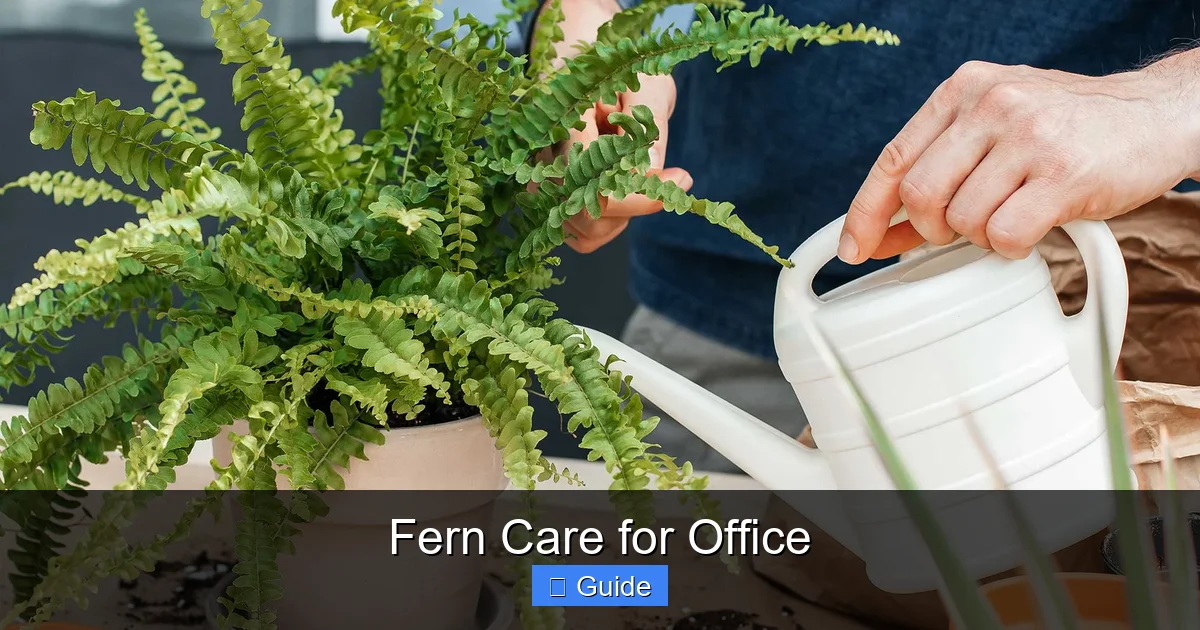
Visual guide about Fern Care for Office
Image source: cdn.mos.cms.futurecdn.net
If natural light is scarce, the fern will survive but grow slower. You may see pale fronds. Adjust placement as seasons change. A light meter can confirm adequate foot‑candles.
Measuring Light with a Meter for Fern Care for Office
A simple light meter reads foot‑candles or lux. Aim for 100 to 200 foot‑candles for most office ferns. Take readings at midday. Record values for different spots. Choose the spot with the highest consistent reading.
If you lack a meter, use the hand test. Hold your hand a foot above the plant. If you see a faint shadow, light is likely sufficient. This low‑tech method works in a pinch.
Artificial Light Solutions for Fern Care for Office
Full‑spectrum LED grow lights are a reliable backup. Position the light twelve to eighteen inches above the fern. Run the light for ten to twelve hours a day. This mimics daylight and supports photosynthesis.
Desk lamps with a daylight bulb also help. Keep the light on a timer for consistency. Consistent light prevents leggy growth. Choose LEDs with a color temperature of 5000K to 6500K.
Rotating for Even Growth in Fern Care for Office
Rotate the pot a quarter turn each week. This ensures all fronds receive equal light. Even exposure keeps the plant symmetrical. It also reduces the chance of one side becoming weak.
Mark the pot with a small sticker to track rotation. Set a calendar reminder. The habit takes only a few seconds. Consistency yields a fuller, healthier fern.
Signs of Too Much or Too Little Light for Fern Care for Office
Too much light causes brown, crispy tips. Too little light leads to long, weak stems and pale color. Watch the fronds daily. Move the plant a few inches to find the sweet spot.
If tips turn brown, increase shade or raise the light. If stems stretch, add a grow light or move closer to the window. Quick adjustments keep the fern balanced.
Fern Care for Office: Watering Basics
How Often to Water for Fern Care for Office
Water when the top inch of soil feels dry. In most offices this is once a week. In dry winter air you may water twice a week. Always check the soil before adding water. Consistent moisture prevents stress.
Use room‑temperature water. Cold water shocks roots. Pour slowly until water drains from the bottom. Empty the saucer after ten minutes. This avoids standing water.
Water Quality Matters for Fern Care for Office
Tap water with high chlorine can harm ferns. Let water sit overnight to dissipate chlorine. Filtered or rain water is ideal. Soft water is better than hard water. Good water quality supports healthy fronds.
If you notice white crust on the soil surface, flush the pot with distilled water. This removes mineral buildup. Repeat monthly for best results.
Self‑Watering Pot Options for Fern Care for Office
Self‑watering pots have a reservoir that feeds the soil. They reduce the risk of under‑watering. Choose a model with a visible water level indicator. Refill the reservoir weekly.
These pots are great for busy professionals. They maintain even moisture during long meetings. However, still check soil moisture occasionally. Over‑reliance can hide drainage issues.
Avoiding Root Rot for Fern Care for Office
Never let the pot sit in standing water. Root rot shows as black, mushy roots and a foul smell. If you see rot, remove the plant, trim bad roots, and repot in fresh soil. Early action saves the fern.
Use a well‑draining mix and a pot with holes. Add a layer of gravel at the bottom for extra drainage. Monitor the saucer and empty it promptly.
Seasonal Watering Adjustments for Fern Care for Office
In summer, higher temperatures increase evaporation. Water more frequently. In winter, growth slows and water needs drop. Reduce watering to once every ten days. Adjust based on soil feel.
Keep a simple log of watering dates. Note any changes in leaf color. This record helps you fine‑tune the schedule. Consistency across seasons keeps the fern stable.
Fern Care for Office: Humidity and Temperature
Boosting Humidity for Fern Care for Office
Office air is often below thirty percent humidity. Ferns love fifty percent or higher. Place a shallow tray of pebbles and water under the pot. The evaporation raises local humidity. This low‑cost method works well.
A small desktop humidifier works well. Run it for a few hours each day. Grouping plants together also creates a micro‑climate. Higher humidity reduces brown tip incidence.
Using a Hygrometer for Fern Care for Office
A hygrometer measures relative humidity. Place it near the fern. Aim for a reading of fifty to sixty percent. If the reading falls low, add a humidifier or mist more often. Accurate data guides your actions.
Digital hygrometers are inexpensive and easy to read. Some models also show temperature. Dual readings help you manage both factors simultaneously.
Simple Humidity Hacks for Fern Care for Office
Mist the fronds with a spray bottle each morning. Use a pebble tray as described. Place a bowl of water near the plant. These low‑effort tricks make a big difference. Consistency is key.
Another hack: set the pot on a tray of wet moss. The moss releases moisture slowly. Replace moss weekly to avoid mold. This method works well in dry climates.
Temperature Range for Fern Care for Office
Keep the temperature between sixty‑five and seventy‑five degrees Fahrenheit. Avoid drafts from air‑conditioning vents or heaters. Sudden temperature swings stress the fern. Stable temps promote steady growth.
If the office gets cold at night, move the fern away from windows. Use a small space heater set on low, but keep it far from the plant. Consistent warmth prevents leaf drop.
Dealing with Drafts for Fern Care for Office
Identify draft sources like doorways, vents, and windows. Position the fern at least three feet away. Use a decorative screen to block airflow. Reducing drafts keeps humidity stable.
If drafts are unavoidable, increase misting frequency. A small fan on low can circulate air gently without chilling the plant. Balance airflow and humidity for best results.
Fern Care for Office: Soil, Fertilizer, and Repotting
Best Soil Mix for Fern Care for Office
Use a well‑draining, peat‑based mix. Add perlite or coarse sand for extra aeration. A typical recipe is two parts peat, one part perlite, one part pine bark. This holds moisture but prevents soggy roots.
You can buy a ready‑made fern mix at garden centers. Check the label for peat and perlite content. Avoid heavy garden soil which compacts quickly. Light mix encourages healthy root development.
DIY Soil Amendments for Fern Care for Office
Add a handful of coconut coir for moisture retention. Mix in a teaspoon of worm castings for gentle nutrition. A pinch of activated charcoal helps keep the soil fresh. These amendments are optional but beneficial.
Test the mix by squeezing a handful. It should hold together then crumble easily. Adjust with more perlite if it stays too wet. Proper texture supports optimal water uptake.
Fertilizing Schedule for Fern Care for Office
Feed with a balanced liquid fertilizer diluted to half strength. Apply once a month from spring to early fall. Stop fertilizing in winter when growth slows. Over‑fertilizing causes salt buildup and brown tips.
Flush the soil with plain water every few months to remove excess salts. Use a weak solution of fish emulsion for an organic option. Light feeding keeps the fern green without burning roots.
When to Repot for Fern Care for Office
Repot when roots circle the pot or emerge from drainage holes. Usually every one to two years. Choose a pot one size larger. Fresh soil gives new nutrients and better drainage.
Spring is the best time to repot. The plant enters active growth and recovers quickly. Water thoroughly after repotting and keep the fern in shade for a few days.
Post‑Repot Care for Fern Care for Office
After repotting, keep the soil evenly moist but not soggy. Avoid fertilizer for two weeks. Place the fern in bright indirect light. Monitor for signs of stress like wilting or yellowing.
If the fern shows shock, mist daily and maintain high humidity. Most ferns bounce back within a week. Patience and consistent care ensure a smooth transition.
Fern Care for Office: Common Problems and Solutions
Brown Tips for Fern Care for Office
Brown tips usually mean low humidity or inconsistent watering. Increase humidity with a tray or humidifier. Water on a regular schedule. Trim brown edges with clean scissors. This improves appearance and stops spread.
Check the water quality if tips persist. High mineral content can also cause browning. Switch to filtered water and observe improvement. Consistent care resolves most tip issues.
Yellow Leaves for Fern Care for Office
Yellow leaves can signal overwatering, poor drainage, or nutrient deficiency. Check soil moisture. Ensure the pot drains well. Add a light fertilizer if it has been months since the last feed. Adjust one factor at a time.
If yellowing continues, inspect roots for rot. Repot in fresh mix if needed. A balanced approach restores green color. Patience yields results.
Pest Identification for Fern Care for Office
Spider mites, scale, and mealybugs are common. Inspect the undersides of fronds weekly. Wipe leaves with a damp cloth. Treat infestations with insecticidal soap or neem oil. Early detection limits damage.
Use a magnifying glass for tiny mites. Look for fine webbing or sticky residue. Isolate the affected plant to protect others. Consistent monitoring keeps the office garden healthy.
Fungal Leaf Spot for Fern Care for Office
Fungal leaf spot appears as dark, water‑soaked lesions. It thrives in overly wet conditions. Reduce watering frequency and improve air circulation. Remove affected fronds promptly. Apply a copper‑based fungicide if needed.
Avoid overhead watering. Water at the base to keep foliage dry. Space plants to allow airflow. Good hygiene prevents recurrence.
Preventative Care Routine for Fern Care for Office
Set a weekly checklist: check soil moisture, inspect leaves, mist, rotate pot. Monthly: fertilize, flush soil, clean saucer. Quarterly: repot if needed, refresh soil mix. Annual: evaluate light and humidity levels.
Write the checklist on a sticky note near the plant. Consistency turns care into habit. A proactive routine prevents most problems. Your fern will reward you with lush growth.
Fern care for office is rewarding and simple. Choose the right fern, give it bright indirect light, keep the soil evenly moist, and raise humidity. Feed lightly during the growing season and repot when needed. Watch for pests and act quickly. With these habits your fern will stay green, lush, and a natural air purifier for your workspace.
Start today by picking a low‑light fern that fits your desk. Set up a pebble tray and a timer for your grow light. Water on a schedule and enjoy the calm that a living plant brings. Your office will feel fresher and more inviting.
Frequently Asked Questions
Can I keep a fern under fluorescent office lights?
Yes, many ferns tolerate fluorescent light if it is bright and runs 10‑12 hours a day.
Is tap water safe for ferns?
Tap water can contain chlorine; let it sit overnight or use filtered water for best results.
What temperature range is ideal for office ferns?
Keep the temperature between 65°F and 75°F and avoid cold drafts.
How do I treat spider mites on my fern?
Wipe leaves with a damp cloth and spray insecticidal soap or neem oil weekly until gone.
Why are the tips of my fern turning brown?
Brown tips usually mean low humidity or irregular watering; increase humidity and water consistently.
When is the best time to repot a fern?
Spring is ideal because the plant enters active growth and recovers quickly.