Wild Ginger Plant Edible
Wild ginger plant edible species (Asarum canadense) offer a flavorful native alternative to tropical ginger, but require careful identification and preparation. The rhizomes provide a spicy, aromatic flavor similar to commercial ginger when properly cooked, though they contain aristolochic acid compounds that demand moderation. This guide covers everything foragers need to know about safe harvesting, culinary uses, and important safety considerations.
Have you ever wandered through a shaded woodland in eastern North America and caught a whiff of something spicy and familiar rising from the forest floor? That scent might be wild ginger, a charming native plant that has fed and healed indigenous peoples for centuries. But here is the thing: just because something grows wild and smells like a kitchen staple does not mean you should toss it straight into your stir fry. The question of whether wild ginger plant edible varieties are truly safe for the table is more nuanced than a simple yes or no.
I remember my first encounter with this plant vividly. I was hiking through a maple-beech forest in early spring, the ground still damp from snowmelt. Those distinctive heart-shaped leaves caught my eye, and when I gently brushed aside the leaf litter to reveal the strange, jug-shaped flower hugging the ground, the unmistakable ginger aroma hit me. It was exciting. It felt like discovering a secret pantry. But excitement in foraging must always be tempered with knowledge. Let us walk through everything you need to know about this fascinating plant, from positive identification to the kitchen, with a heavy emphasis on safety.
Key Takeaways
- Not true ginger: Wild ginger belongs to the Aristolochiaceae family, completely unrelated to culinary ginger (Zingiber officinale) despite similar flavor profiles.
- Rhizomes are the edible part: The underground stems provide the characteristic spicy, aromatic flavor when cooked or candied.
- Contains aristolochic acid: This naturally occurring compound can be harmful in large quantities, making moderation essential for safe consumption.
- Proper identification is critical: Heart-shaped leaves, distinctive jug-shaped flowers at ground level, and aromatic rhizomes distinguish it from toxic lookalikes.
- Cooking reduces risk: Thorough cooking helps break down some volatile compounds, though it does not eliminate all safety concerns.
- Sustainable harvesting matters: Only take what you need from abundant populations, leaving plenty for plant regeneration and ecosystem health.
- Consult experts before regular use: Herbalists and healthcare providers can offer personalized guidance based on individual health conditions.
Quick Answers to Common Questions
Is wild ginger related to store-bought ginger?
No, wild ginger (Asarum canadense) belongs to the Aristolochiaceae family, while culinary ginger (Zingiber officinale) is in the Zingiberaceae family. They are botanically unrelated but share a similar spicy aroma due to convergent evolution of certain volatile oils.
What part of the wild ginger plant is edible?
The rhizomes (underground stems) are the traditionally used edible part. They are slender, creeping, and aromatic. The leaves and flowers are not recommended for consumption due to higher concentrations of potentially harmful compounds.
Is it safe to eat wild ginger regularly?
No. Wild ginger contains aristolochic acids, which are linked to kidney damage and cancer with cumulative exposure. It should only be used occasionally as a flavoring in very small amounts, not as a regular dietary staple.
How do I identify wild ginger in the woods?
Look for colonies of large, soft, heart-shaped leaves in rich, shady woods. The unique flower is jug-shaped, brownish-purple, and sits at ground level often hidden by leaf litter. Scratch the rhizome—it smells strongly of ginger.
Can I grow wild ginger in my garden?
Yes, it makes an excellent native groundcover for shady, moist, rich soil. Purchase nursery-propagated plants. Once established (3+ years), you can sustainably harvest small amounts from the edges of your own patch.
📑 Table of Contents
- Getting to Know Wild Ginger: Botany and Identification
- The Edibility Question: Chemistry and Safety
- Culinary Uses: From Forest Floor to Kitchen
- Traditional and Medicinal Context
- Cultivating Your Own Patch
- Ecological Role and Conservation Ethics
- Frequently Asked Practical Questions
- Conclusion: Respect the Root
Getting to Know Wild Ginger: Botany and Identification
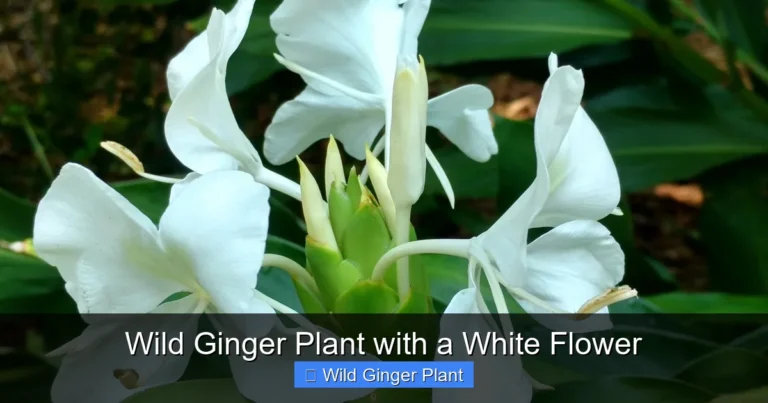
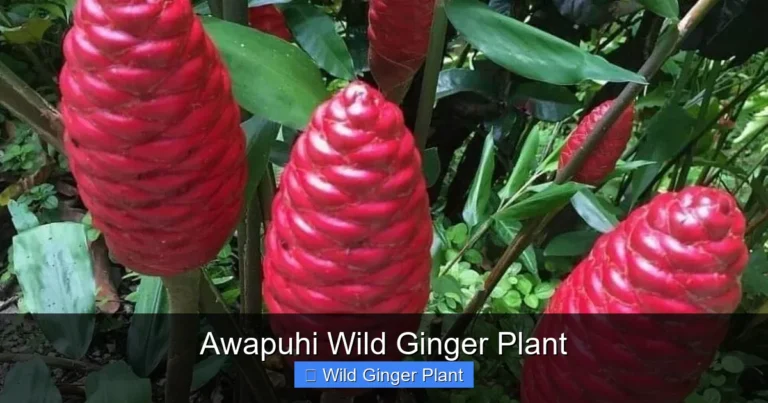
Before we even think about eating, we must be absolutely certain about what we are looking at. Wild ginger (Asarum canadense) is a low-growing, colony-forming perennial native to the deciduous forests of eastern North America. It thrives in rich, moist soils under deep shade. It is not a relative of the tropical ginger root you buy at the grocery store. That is Zingiber officinale, a member of the Zingiberaceae family. Our wild ginger belongs to the Aristolochiaceae family, the birthwort family. This distinction is crucial because family traits often dictate chemical composition.
Key Identification Features
Let us break down the visual checklist. You want to see all of these traits together to make a positive ID.
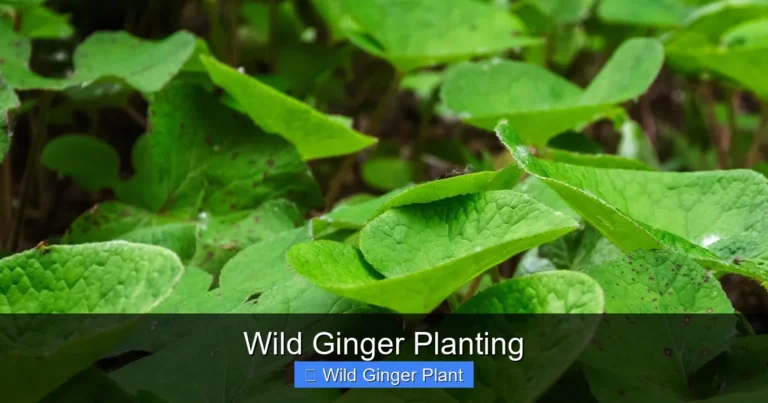
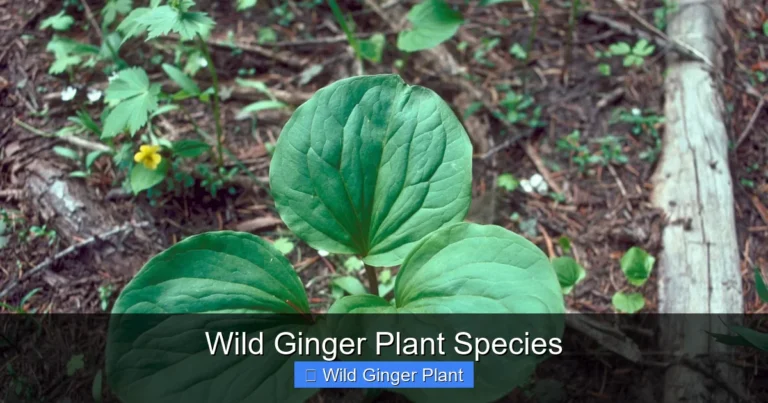
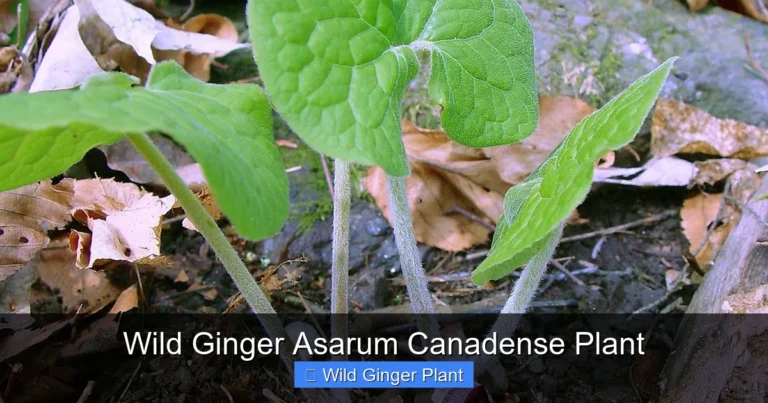
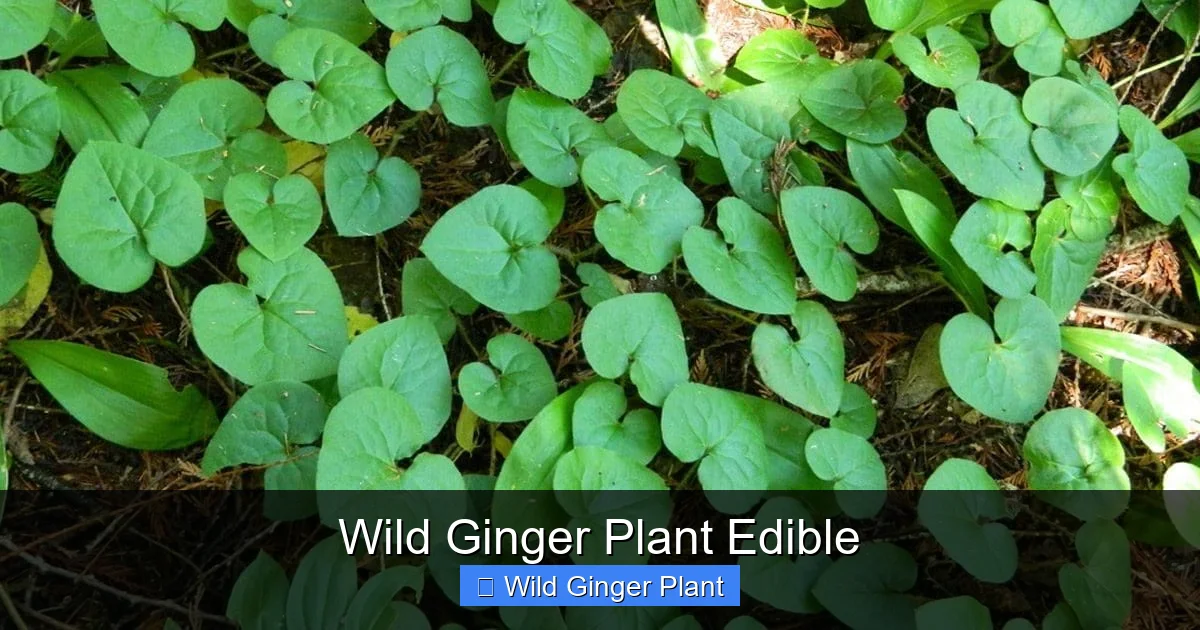
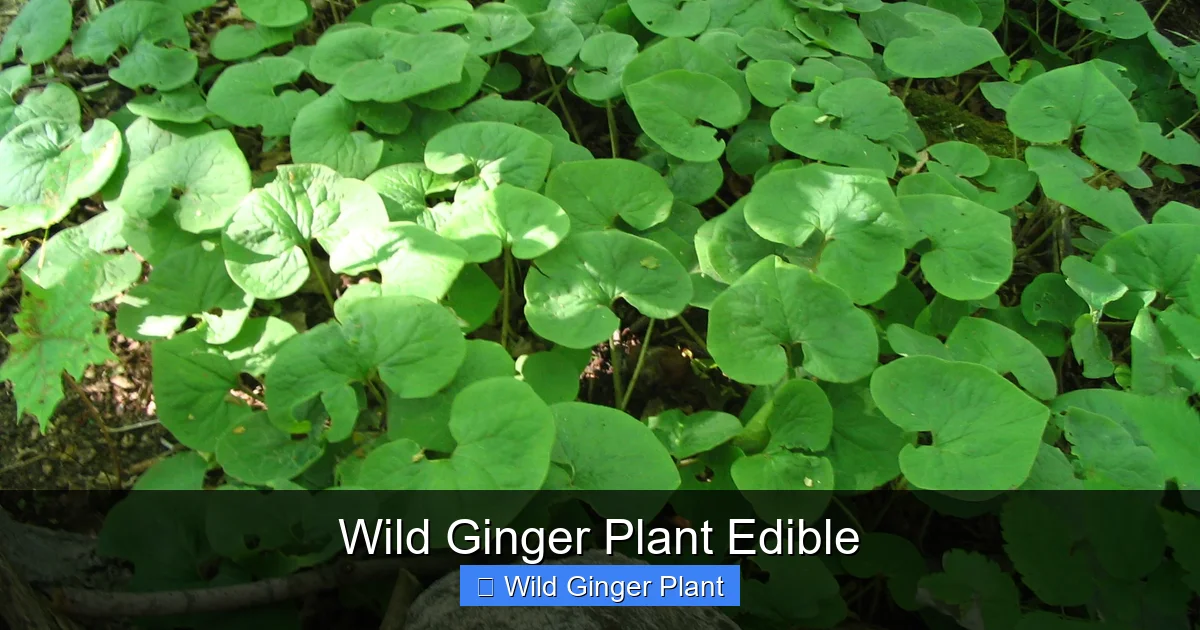
- Leaves: Typically two per stem, large, heart-shaped to kidney-shaped (cordate to reniform), with a deep cleft at the base where the stem attaches. They are soft, slightly hairy, and can reach six to eight inches wide. The texture is matte, not glossy.
- Flowers: This is the most unique feature. The flower sits right at ground level, often hidden beneath the leaf litter. It is solitary, bell-shaped or jug-shaped (urceolate), with three pointed, triangular lobes that curve backward. The color is a striking brownish-purple to maroon. It looks almost fungal. It blooms in early spring, usually April to May.
- Rhizomes: The plant spreads via shallow, creeping rhizomes just below the soil surface. They are slender, about a quarter to half an inch thick, segmented, and covered in fine rootlets. When scratched or broken, they release a strong, spicy ginger fragrance. This scent is your best field confirmation, but never rely on smell alone.
- Growth Habit: It forms dense, low mats or colonies. The stems are very short, making the leaves appear to arise directly from the ground.
Common Lookalikes and How to Tell Them Apart
Foraging safety rule number one: know the dangerous mimics. In the same habitat, you might find:
- Canada Violet (Viola canadensis): Also has heart-shaped leaves, but the leaf margins are toothed (serrated), whereas wild ginger leaf margins are smooth (entire). Violet flowers are the classic five-petaled violet shape, held above the leaves on distinct stalks, not jug-shaped on the ground.
- Hexastylis species (Little Brown Jugs / Heartleaf): These are close relatives in the same family. They have evergreen, leathery, often mottled leaves and similar ground-level flowers. They are generally considered inedible or of unknown toxicity. The leathery, evergreen leaves are the giveaway; wild ginger is deciduous and soft.
- Garlic Mustard (Alliaria petiolata): An invasive biennial. First-year rosettes have kidney-shaped leaves with scalloped edges and a distinct garlic smell when crushed. Wild ginger smells like ginger, not garlic. Second-year garlic mustard bolts up a tall flower stalk with white four-petaled flowers.
If you have any doubt, do not eat it. Take photos. Consult a local field guide or an experienced forager. Better to miss a meal than risk your health.
The Edibility Question: Chemistry and Safety
This is the heart of the matter. Why the hesitation? Why isn’t wild ginger sold in grocery stores next to its tropical namesake? The answer lies in phytochemistry.
Visual guide about Wild Ginger Plant Edible
Image source: ontarioflora.ca
Aristolochic Acid: The Elephant in the Room
Plants in the Aristolochiaceae family are known to contain aristolochic acids (AAs). These are nitrophenanthrene carboxylic acid derivatives. Scientific research has established a clear link between aristolochic acid exposure and aristolochic acid nephropathy (AAN), a severe kidney disease, and an increased risk of urothelial cancer (cancers of the urinary tract). This is not theoretical. It is documented in medical literature, notably from cases involving herbal remedies containing Aristolochia species in Europe and Asia.
Does Asarum canadense contain these compounds? Yes. Studies have detected aristolochic acid I and II in the rhizomes and leaves, though concentrations vary by population, season, and plant part. The rhizomes generally contain lower levels than the leaves or roots of some tropical Aristolochia species, but they are present.
What Does This Mean for the Forager?
It means wild ginger is not an everyday vegetable. It is a flavoring agent, a spice, a treat. Indigenous peoples used it medicinally and as a seasoning, but typically in small quantities. They also possessed deep traditional knowledge about preparation methods that may mitigate risk, such as prolonged boiling or specific harvesting times.
Modern toxicology suggests that the dose makes the poison. Occasional culinary use of the rhizome—say, a few grams to flavor a batch of cookies or a pot of tea—poses a theoretical risk that is likely very low for a healthy adult. However, regular consumption, large doses, or use by individuals with pre-existing kidney conditions, pregnant or nursing women, or children is strongly discouraged. The carcinogenic and nephrotoxic effects are cumulative and irreversible.
Other Compounds
The rhizomes also contain essential oils (including asarone, pinene, camphor, and eugenol) which contribute to the flavor and have antimicrobial properties. They contain resins, starch, and tannins. Asarone (specifically beta-asarone) is another compound of concern found in some Asarum species, known to be carcinogenic in animal studies at high doses. Levels in A. canadense are generally reported as low, but it underscores the “moderation” mantra.
Culinary Uses: From Forest Floor to Kitchen
Assuming you have positively identified the plant, understand the risks, and decide to proceed with extreme moderation, how do you use it? The rhizome is the prize.
Harvesting the Rhizomes
Timing matters. The best flavor is often in the fall after the first frost or very early spring before the leaves fully unfurl, when the plant’s energy is stored below ground. However, spring harvest is easier because the leaves mark the spot.
To harvest sustainably:
- Find a large, healthy colony. Do not harvest from a small patch.
- Use a small trowel or hori-hori knife. Gently lift the leaf litter.
- Trace the rhizome from the base of a stem. It runs horizontally just under the duff.
- Snip a section, leaving the growing tip and plenty of rhizome attached to the parent plant.
- Take only what you need for immediate use. A few inches per person is plenty.
- Re-cover the area with leaf litter carefully.
Cleaning and Prep
The rhizomes are covered in soil and fine rootlets. Rinse them thoroughly under cool running water. Use a soft vegetable brush to clean the crevices between segments. You do not need to peel them; the skin holds flavor and is tender when cooked. Trim away any mushy or damaged sections.
Candied Wild Ginger (A Classic Preparation)
This is perhaps the most traditional and delicious way to enjoy the rhizome. The sugar syrup preserves the ginger and the cooking process helps volatilize some compounds.
Method: Cut cleaned rhizomes into 1/4 inch coins. Simmer in water for 30-45 minutes until tender. Drain (reserve the water for tea if you like). Combine equal parts sugar and water (e.g., 1 cup each) in a saucepan. Add the ginger coins. Simmer gently for 40-60 minutes until the pieces are translucent and the syrup is thick. Remove ginger with a slotted spoon. Toss in coarse sugar to coat. Dry on a rack. Store in an airtight jar. Eat sparingly—a piece or two as a digestive after a meal.
Wild Ginger Syrup
Simmer a handful of chopped rhizomes in two cups of water with one cup of sugar for 30 minutes. Strain. This syrup is divine over pancakes, waffles, or vanilla ice cream. It adds a unique woodsy-spicy note to cocktails (try it in a whiskey sour). Again, use as a condiment, not a beverage base.
Tea and Infusions
Steep a few fresh or dried rhizome coins in boiling water for 10-15 minutes. The resulting tea is warming and aromatic. It was traditionally used for colds, indigestion, and fevers. Limit to one small cup occasionally.
Savory Applications
Finely mince a tiny amount of fresh rhizome (less than a teaspoon per dish) and add it to marinades for pork or chicken, stir into a carrot-ginger soup at the very end of cooking, or blend into a compound butter for grilled corn or fish. The flavor is brighter, more floral, and less hot than commercial ginger.
Traditional and Medicinal Context
Understanding how Native American tribes used this plant provides context for its modern edible status. It was a staple in the pharmacopeia of many nations, including the Cherokee, Iroquois, Ojibwe, and Menominee.
Historical Uses
- Digestive Aid: Root tea for stomach aches, gas, indigestion, and lack of appetite.
- Respiratory Relief: Used for colds, coughs, sore throats, and fevers. Often combined with other herbs.
- Women’s Health: Used to promote menstruation (emmenagogue) and ease childbirth. This is a critical contraindication for pregnancy.
- External Use: Poultices of mashed fresh root applied to wounds, sores, and inflammation. The antimicrobial essential oils support this use.
- Flavoring: Dried, powdered rhizomes used to season meats, stews, and vegetables, especially by the Iroquois and Cherokee.
The Preparation Factor
Traditional preparations almost always involved heat—boiling, steaming, or roasting. Raw consumption was rare. Heat degrades some volatile oils and may alter the structure of aristolochic acids, though research on the specific thermal stability of AAs in Asarum preparations is limited. The traditional preference for cooked preparations aligns with a precautionary approach.
Modern Herbalism Perspective
Today, most clinical herbalists treat wild ginger as a restricted herb. It is used in very small doses in formulas, not as a simple tea drunk daily. The American Herbal Products Association (AHPA) assigns it a class rating that reflects the need for expertise. If you are exploring herbal medicine, work with a qualified practitioner. Do not self-prescribe based on internet articles.
Cultivating Your Own Patch
If you love this plant—and many do, for its beauty as much as its utility—consider growing it. It is a superb native groundcover for shade gardens. Cultivating it removes pressure on wild populations and gives you a clean, known source.
Site Selection
Mimic its native habitat: full to part shade (dappled light under deciduous trees is ideal), rich, humusy, consistently moist but well-drained soil. A pH of slightly acidic to neutral (5.5-7.0). It hates drought and heavy clay that bakes hard.
Planting
Buy nursery-propagated plants (never dig from the wild for gardens). Plant in spring or early fall. Space 12-18 inches apart; they will knit together over a few years. Water well after planting and mulch heavily with shredded leaves. Keep moist during the first season.
Maintenance
Once established, it is remarkably low maintenance. No fertilizer needed if the soil is rich in organic matter. Just leave the leaves in autumn; they are the perfect mulch. Divide clumps every 4-5 years in early spring if they get too dense or to share with friends.
Harvesting from the Garden
Wait until the patch is at least 3 years old and spreading well. Then you can gently lift the edges of the colony for a small harvest, just as you would in the wild. The advantage? You know the soil history, there are no pollutants, and you are stewarding the population.
Ecological Role and Conservation Ethics
Foraging is not just taking; it is participating in an ecosystem. Wild ginger plays specific roles.
Pollination Strategy
Those weird ground flowers? They are pollinated by small flies and gnats (fungus gnats, primarily) attracted by the fungal smell and color. The flower traps them temporarily to ensure pollen transfer. It is a fascinating, ancient syndrome.
Seed Dispersal
Seeds have an elaiosome—a fleshy, oil-rich appendage. Ants carry the seeds to their nests, eat the elaiosome, and discard the intact seed in their nutrient-rich midden heaps. This is myrmecochory. It means the plant spreads slowly, locally. Colonies can be decades old.
Wildlife Value
Deer generally avoid it (the aromatic compounds deter browsing), making it a good garden choice. The dense mats provide cover for salamanders, toads, and invertebrates. It stabilizes soil on slopes.
The Forager’s Ethic
- 1 in 20 rule: Only harvest from a colony if you can see at least 20 healthy plants. Take from only one.
- Leave the grandmothers: Don’t take the oldest, largest central portions of the clone.
- Replant the tip: If you detach a segment with a growing bud, tuck it back into the soil.
- Know the land status: Foraging is prohibited in many national parks, state parks, and nature preserves. Always check regulations. Private land requires permission.
- Consider the cumulative impact: You might be the tenth forager this week. If a plant is uncommon in your area, admire it, photograph it, and leave it be.
Frequently Asked Practical Questions
Can I eat the leaves?
Generally, no. The leaves contain higher concentrations of aristolochic acids and essential oils that can be irritating. They are tough and unpalatable. Stick to the rhizomes, and even then, sparingly.
Is European Wild Ginger (Asarum europaeum) the same?
Similar genus, similar chemistry, similar cautions. It has evergreen, leathery leaves. It has a longer history of medicinal use in Europe but is also recognized as toxic in quantity. Treat with the same extreme caution.
Can I dry and powder it for later use?
Yes. Clean, slice, and dry thoroughly in a dehydrator at 95-115°F (35-46°C) until brittle. Grind to a powder. Store in a dark jar. The flavor fades faster than commercial ginger. Use within 6 months. The concentration of compounds remains, so the same moderation rules apply.
What if I ate a lot by mistake?
Stop consuming it. Hydrate well. Monitor for unusual symptoms (blood in urine, flank pain, unusual fatigue) over the following weeks. Consult a healthcare provider and mention the specific plant (Asarum canadense) and the concern for aristolochic acid exposure. Honesty enables proper monitoring.
Are there any drug interactions?
Theoretical. Due to potential kidney stress, avoid combining with nephrotoxic drugs (NSAIDs, certain antibiotics, lithium, etc.). Due to emmenagogue effects, avoid with hormonal therapies or blood thinners without medical supervision. The essential oil content could theoretically increase sedation if combined with CNS depressants.
Conclusion: Respect the Root
Wild ginger is a plant that commands respect. It connects us to deep time—to the ancient forests of the Cretaceous, to the sophisticated pharmacopeias of the First Nations, to the quiet, fly-pollinated dramas playing out under the leaf litter every spring. It offers a flavor that is startlingly familiar yet distinctly wild, floral, and earthy.
But the question “is wild ginger plant edible” cannot be answered with a simple green light. It is a qualified “yes, but.” Yes, the rhizome is edible and delicious in small amounts. But it carries a chemical legacy that demands knowledge, moderation, and humility. It is not a staple crop. It is a spice, a medicine, a rare treat.
If you choose to forage it, do so with full awareness. Identify it with certainty. Harvest with gratitude and restraint. Cook it thoroughly. Eat it rarely. And always, always leave the patch healthier than you found it. That is the forager’s promise. The woods are generous, but they are not infinite. Treat wild ginger—and every wild food—with the care it deserves, and it will reward you with flavors and connections no grocery store can provide.
Frequently Asked Questions
Does cooking wild ginger remove the toxins?
Cooking, especially prolonged boiling, may reduce levels of some volatile compounds and potentially degrade a portion of aristolochic acids, but it does not eliminate them entirely. Safety relies primarily on strict dose limitation and infrequent use, not solely on preparation method.
Can pregnant women consume wild ginger?
Absolutely not. Wild ginger has documented emmenagogue effects (stimulates menstrual flow) and was traditionally used to induce labor. Combined with the potential teratogenicity of aristolochic acids, it is strictly contraindicated during pregnancy and breastfeeding.
What does wild ginger taste like compared to regular ginger?
Wild ginger has a similar spicy, warming character but is generally described as more floral, earthy, and woodsy, with less sharp heat than commercial ginger. The flavor is delicate and shines best in simple preparations like syrups or candied rhizomes.
Are there any poisonous lookalikes I should worry about?
The main confusion risks are with Canada Violet (toothed leaves, different flower), Hexastylis species (evergreen, leathery leaves), and Garlic Mustard (garlic smell, scalloped leaves). None are deadly poisonous in small touches, but positive ID using all features is essential before ingestion.
How much wild ginger rhizome is considered a safe amount?
There is no officially established safe dosage. Traditional culinary use suggests a few grams (a piece the size of a nickel to a quarter) per serving, used occasionally. Daily or medicinal use requires guidance from a qualified clinical herbalist or physician aware of the aristolochic acid risk.
Is wild ginger endangered or protected?
Globally, Asarum canadense is ranked G5 (Secure). However, it may be locally rare or listed as threatened/endangered in certain states at the edge of its range (e.g., parts of the Great Plains). Always check your state’s Natural Heritage Program status and local regulations before harvesting.