Wild Ginger Plant Invasive
The wild ginger plant invasive can quickly dominate shaded woodlands and garden beds. Early identification and consistent removal are key to protecting native flora.
Key Takeaways
- Fast spread: The wild ginger plant invasive sends out rhizomes that travel underground.
- Shade lover: It thrives in low light where many natives struggle.
- Hard to pull: Broken roots can regrow into new plants.
- Early action matters: Removing young shoots stops a larger infestation.
- Combine methods: Mechanical, chemical, and cultural controls work best together.
- Monitor regularly: Check sites each season for new growth.
- Prevent seed spread: Clean tools and shoes after working in infested areas.
Quick Answers to Common Questions
What is the wild ginger plant invasive?
The wild ginger plant invasive is a shade loving perennial that spreads by underground rhizomes and can dominate garden beds and forest floors.
How does the wild ginger plant invasive spread?
It spreads mainly through rhizome fragments moved by tools, water, or animals, and occasionally by seeds dispersed by ants.
What are the best mechanical control methods?
Hand pulling young shoots, digging with a fork, and removing all rhizome pieces are the most effective mechanical tactics.
Can herbicides control the wild ginger plant invasive?
Yes, spot treatment with glyphosate during active growth can suppress the plant, but follow label directions and protect nearby natives.
How can I prevent future invasions?
Use clean soil and compost, mulch heavily, install edging, and monitor shaded areas regularly for new growth.
📑 Table of Contents
Introduction
The wild ginger plant invasive is a common problem in many gardens. It spreads quickly through underground stems. It can choke out native flowers. Homeowners often notice dense mats of green leaves. The plant thrives in shade and moist soil. Early detection helps stop large infestations. This guide explains how to identify the wild ginger plant invasive. It also shows safe removal methods. You will learn simple steps to protect your yard. Read on for practical tips. The wild ginger plant invasive grows from rhizomes that travel far. Each piece can start a new colony. Gardeners may see it in forest edges. It can also appear in shaded beds. Removing it by hand works for small patches. For larger areas a spade or fork helps. Always wear gloves to protect skin. Dispose of roots in sealed bags. Do not compost the material. Follow local guidelines for disposal. Regular monitoring keeps the problem low. You can also use a mulch barrier to slow spread. Mulch blocks light and reduces new shoots. Check the barrier each season. Replace it as needed. Share these steps with neighbors for community control.
The wild ginger plant invasive can change local ecosystems. It forms thick mats that block sunlight. Native seedlings cannot grow under the shade. Insects that rely on native plants lose habitat. Birds may find fewer food sources. Soil moisture stays high under the dense cover. This can encourage fungal diseases. The wild ginger plant invasive also releases chemicals that inhibit other roots. Gardeners may notice a decline in flower diversity. Early action protects biodiversity. You can start by mapping the infested area. Mark each patch with a flag or tape. Record the size and date. This data helps track progress. Share the map with local extension services. They can offer advice tailored to your region. Community efforts increase success rates. Together you can reduce the wild ginger plant invasive footprint. Stay persistent and patient. Results appear over several seasons. Use a notebook or phone app to log observations. Take photos each visit for visual reference. Compare photos year to year. Celebrate small victories to stay motivated. Keep tools clean to avoid spreading rhizomes. A clean spade prevents new outbreaks. Teach children to recognize the plant. Education builds long term stewardship.
What Is Wild Ginger?
Botanical Background
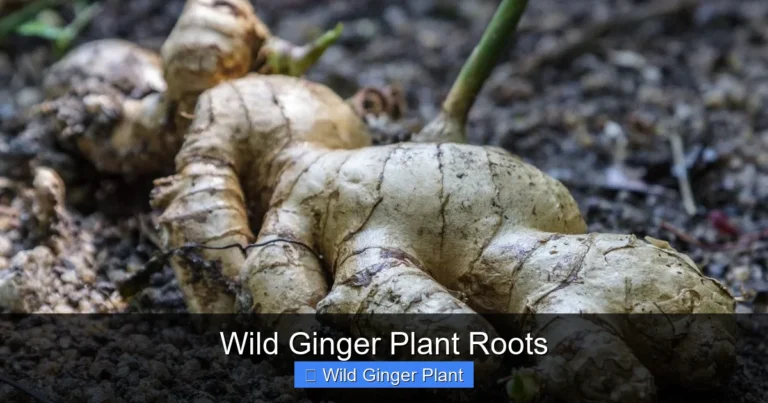
The wild ginger plant invasive belongs to the birthwort family. Its scientific name is Asarum canadense. It is a low growing perennial herb. The plant spreads by thick underground stems called rhizomes. Each rhizome can produce many shoots. Leaves are heart shaped and glossy. They grow in pairs along the stem. Flowers hide beneath the foliage. They are small and brownish purple. The wild ginger plant invasive prefers rich, moist soil. It thrives in deciduous forests and shaded gardens. The root has a spicy scent similar to culinary ginger. However it is not the same species used in cooking. The plant forms dense colonies over time. These colonies can cover large ground areas. Understanding the biology helps you plan control. The wild ginger plant invasive reproduces both by seed and by rhizome fragments. Seed dispersal is limited but possible. Rhizome fragments are the main spread method. A small piece can start a new patch. This makes mechanical removal challenging. The plant can live for many years. It stores energy in the rhizome network. This storage fuels rapid regrowth after disturbance. Cold winters do not kill the underground parts. In spring new shoots emerge quickly. The wild ginger plant invasive can tolerate a range of pH levels. It grows in both acidic and neutral soils. Gardeners should note the depth of rhizomes. Deep roots require thorough digging. A shallow pull leaves fragments behind.
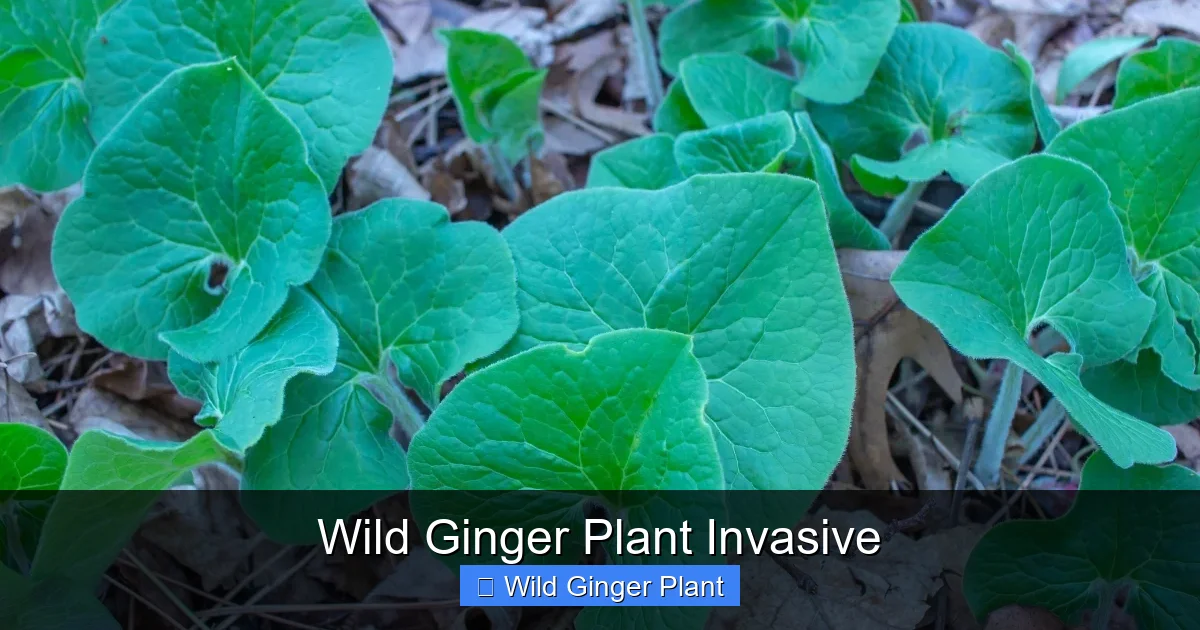
Visual guide about Wild Ginger Plant Invasive
Image source: epicgardening.com
Common Species
Several Asarum species behave like the wild ginger plant invasive. Asarum europaeum is known as European wild ginger. It also forms dense mats in shaded woods. Asarum caudatum grows in western North America. It has similar heart shaped leaves. All these species spread by rhizomes. They can become problematic in garden settings. The wild ginger plant invasive label applies to any that escape cultivation. In the Midwest Asarum canadense is the main concern. In the Pacific Northwest Asarum caudatum can invade. In Europe Asarum europaeum may spread beyond gardens. Identification keys focus on leaf size and flower shape. However the control methods are similar for all. If you see a low herb with paired leaves, suspect a wild ginger plant invasive. Check local guides for the exact species. Knowing the species helps predict spread rate. Some species produce more seed than others. Seed production can increase long distance dispersal. Management plans should address the species present. Gardeners can use a field guide app for quick ID. Photograph the flower and leaf arrangement. Upload the image to a citizen science platform. Experts can confirm the species. This step avoids misidentification. Accurate ID leads to better control choices. The wild ginger plant invasive group shares many traits. Treat all similar species with the same caution.
Why Is the Wild Ginger Plant Invasive?
Rapid Spread Mechanisms
The wild ginger plant invasive spreads fast because of its rhizome network. Each rhizome can break into many pieces. A single fragment can root and grow. Garden tools often carry fragments to new beds. Soil movement during construction spreads the plant. Flood water can transport rhizome sections downstream. Animals digging in the soil may move pieces. The wild ginger plant invasive also produces seeds in hidden flowers. Seeds are few but can travel on wind. Seedlings establish in moist shade. Once established the plant expands outward. The colony can double in size each year. This rapid growth outcompetes native groundcovers. Early detection limits the spread. Removing rhizomes before they fragment is key. A thorough dig reduces future outbreaks. The wild ginger plant invasive thrives on disturbance. Disturbed soil gives it a foothold. Minimizing soil disturbance slows its advance. Mulching can suppress new shoots. A thick layer blocks light. It also keeps soil moist for native plants. Reapply mulch each season. Monitor edges of mulched beds. Pull any shoots that appear. Consistent effort reduces the wild ginger plant invasive pressure. Share techniques with neighbors for larger impact.
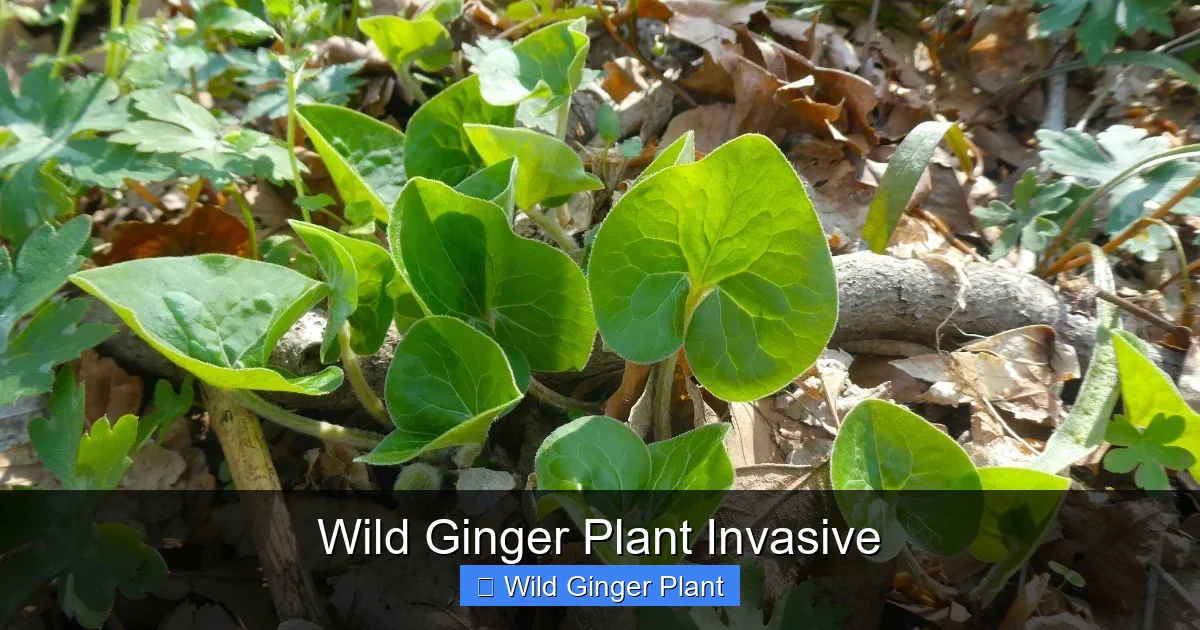
Visual guide about Wild Ginger Plant Invasive
Image source: epicgardening.com
Habitat Preference
The wild ginger plant invasive loves shade and moisture. It grows best under dense canopy. Forest floors provide ideal conditions. Garden beds with north facing walls mimic this. The plant tolerates a range of soil textures. It prefers loamy soil rich in organic matter. Acidic to neutral pH suits it well. Wet springs boost its growth. Dry summers slow but do not stop it. The wild ginger plant invasive can survive brief drought. It stores water in rhizomes. This resilience makes it hard to eradicate. Invasive patches often start at forest edges. They then move into adjacent lawns. Shade from buildings creates new habitats. Even a small shaded corner can host a colony. Removing canopy cover reduces its advantage. Increasing light exposure weakens the plant. Consider pruning overhead branches. This simple step helps native competitors. Soil testing can guide amendment choices. Add lime if pH is too low. Add compost to improve structure. Healthy native plants outcompete the invader. Plant shade tolerant natives like ferns. They fill the niche left by the wild ginger plant invasive. Regular watering of natives supports their growth. A diverse ground layer resists invasion.
Identifying Invasive Wild Ginger
Leaf and Stem Features
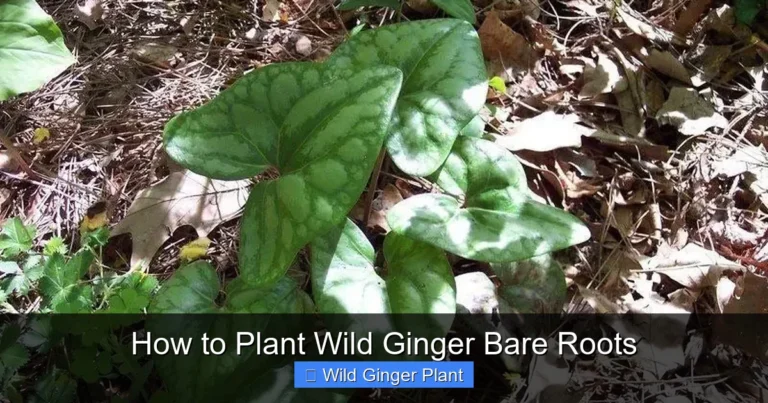
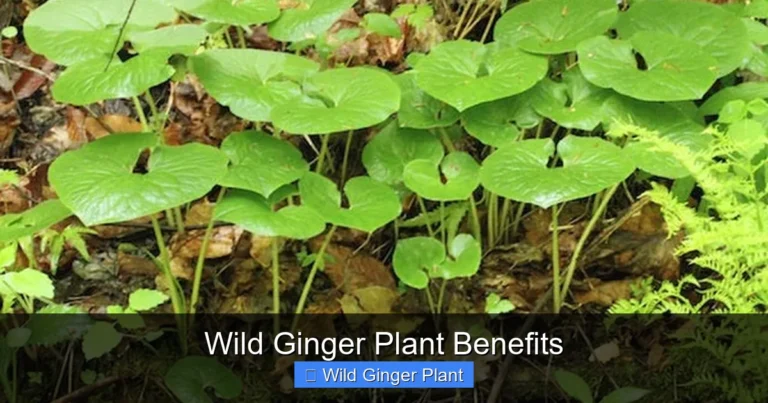
The wild ginger plant invasive has distinctive heart shaped leaves. Leaves grow in opposite pairs on short stems. Each leaf is glossy and dark green. The leaf margin is smooth, not toothed. Stems are thin and arise from a central rhizome. The rhizome is thick, brown, and aromatic. When crushed it smells like spice. The plant stays low, rarely exceeding twelve inches. In spring new leaves unfurl in a tight rosette. The leaf veins are prominent and run parallel. Look for a single flower hidden at the base. The wild ginger plant invasive can be confused with wild violet. Violet leaves are more rounded and have a notch. Violet stems are often hairy. Ginger stems are smooth and hairless. Checking the rhizome scent confirms identity. A quick sniff reveals the characteristic ginger aroma. This trait separates it from similar groundcovers. Use a hand lens to see fine hairs on violet stems. Note the leaf arrangement on the stem. Wild ginger leaves are opposite, violet leaves are alternate. The wild ginger plant invasive forms a dense mat. The mat feels firm underfoot. This texture differs from loose leaf litter. When in doubt, dig a small section. Examine the rhizome color and smell. Confirm before applying any control.
Flower and Fruit Traits
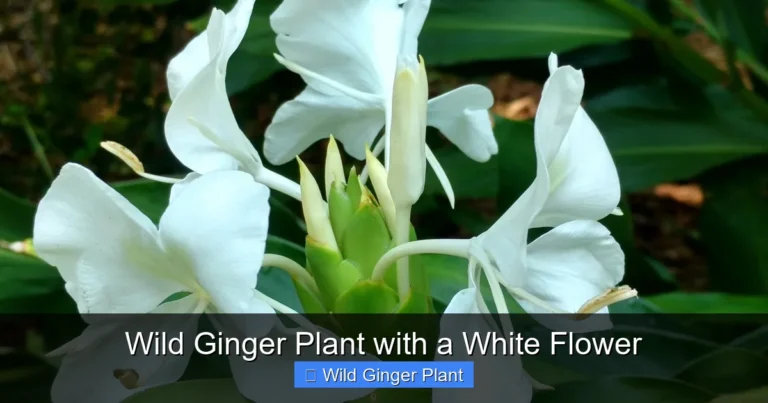
The wild ginger plant invasive produces a single flower per plant. The flower sits at ground level, hidden by leaves. It is bell shaped and dark maroon. The flower has three lobes and no petals. Pollination occurs by small flies attracted to the scent. After pollination a fleshy capsule forms. The capsule splits open to release seeds. Seeds are tiny, brown, and have an elaiosome. Ants carry the seeds to their nests. This ant dispersal moves seeds short distances. The wild ginger plant invasive relies mainly on rhizome spread. Seed production is low but adds genetic diversity. Flowering occurs in early spring before canopy leaf out. Timing makes the flower hard to spot. Look for a tiny dark bud at the base of leaves. Mark the location for later monitoring. Removing flowering stems reduces seed set. This simple step limits future spread. Collect capsules before they open to stop seed rain. Wear gloves when handling capsules. Dispose of them in sealed bags. Do not compost the material. The wild ginger plant invasive can also spread via root fragments in compost. Clean tools after each use. A bleach solution works well. This hygiene practice protects other beds.
Management and Control Strategies
Mechanical Removal
Mechanical removal is the first line against the wild ginger plant invasive. Hand pulling works for small, young patches. Grasp the base and pull slowly to extract the rhizome. Use a garden fork for larger clumps. Insert the fork beside the clump and lever upward. Shake off excess soil to see root fragments. Remove every piece you can find. Even a tiny fragment can regrow. Perform removal in early spring when soil is moist. Moist soil eases rhizome extraction. Repeat the process every few weeks. Persistence reduces the wild ginger plant invasive reserve. Dispose of all material in heavy duty bags. Do not leave roots on the ground. Clean tools after each session. A wire brush removes stuck rhizome bits. Consider a follow up mulch layer. Mulch suppresses any missed shoots. Monitor the site for at least two years. For very dense mats, a spade can cut a trench around the patch. Lift the entire block and shake out soil. This method removes most rhizomes at once. Replant the area with native groundcovers. Native plants compete for light and nutrients. They also improve soil health. Keep a log of removal dates and effort. This record helps assess progress. Share results with local garden groups.
Chemical Options
Chemical control can supplement mechanical work for the wild ginger plant invasive. Glyphosate based products are common. Apply when the plant is actively growing. Late spring to early summer gives best uptake. Use a shielded sprayer to protect nearby natives. Spot treat each clump rather than broadcast. Follow label rates exactly. Over application harms non target plants. Wear protective gloves, goggles, and long sleeves. Avoid application before rain. Rain can wash herbicide off target foliage. A second application may be needed after regrowth. Monitor treated spots for two weeks. The wild ginger plant invasive shows yellowing then death. Remove dead material to prevent reseeding. Always store chemicals out of reach of children. Check local regulations before use. Some areas restrict glyphosate near waterways. Consider a targeted foam formulation for precise application. Foam clings to leaves and reduces drift. Test a small area first to gauge sensitivity. Record the date, product, and rate used. This log aids future decisions. Combine chemical and mechanical methods for best results. The wild ginger plant invasive rarely develops resistance. Rotate modes of action if repeated treatments are needed. Consult an extension agent for tailored advice. Always read the safety data sheet before mixing. Keep a spill kit nearby. Dispose of empty containers per local rules. Proper handling protects you and the environment. The wild ginger plant invasive can be managed with care.
Biological Controls
Biological control research for the wild ginger plant invasive is ongoing. Scientists test insects that feed on Asarum foliage. Some beetles show promise in laboratory trials. These beetles lay eggs on leaves. Larvae consume leaf tissue reducing plant vigor. No approved release exists yet in most regions. Introducing a new agent requires strict risk assessment. The agent must not harm native Asarum species. It must also avoid crops and ornamentals. Current guidelines favor integrated management. Combine biological hope with mechanical and chemical tools. The wild ginger plant invasive may eventually have a natural enemy. Until then, rely on proven methods. Support local research by reporting infestations. Citizen scientists help map spread patterns. Data guides future biocontrol decisions. Universities often run field trials in cooperation with agencies. Volunteers can assist with monitoring plots. Funding for biocontrol comes from state and federal grants. Public awareness speeds up approval processes. The wild ginger plant invasive is a good candidate for classical biocontrol. Its limited native range reduces non target risk. Keep an eye on scientific publications for updates. Early adoption of a safe agent could change management. Gardeners can participate by hosting test plots. Simple observation notes are valuable. Report any unusual insect activity on the plant. Collaboration accelerates solution development. The wild ginger plant invasive may soon have a biological ally.
Preventing Future Invasions
Garden Best Practices
Preventing the wild ginger plant invasive starts with good garden habits. Choose native groundcovers for shaded beds. Native plants fill space and suppress invaders. Apply a thick mulch layer each spring. Mulch blocks light and reduces seed germination. Use clean, weed free compost and soil. Avoid importing soil from known infested sites. Inspect new plants for hidden rhizomes before planting. Quarantine new arrivals for a few weeks. Clean tools, boots, and gloves after working in infested areas. A simple brush and water rinse removes fragments. The wild ginger plant invasive can hitchhike on equipment. Educate family members about the risk. Share prevention tips with neighbors. Community vigilance creates a barrier against spread. Rotate garden beds to disrupt any establishing colonies. Keep a garden journal noting any suspicious growth. Install edging to limit rhizome creep into lawns. Edging made of metal or plastic works well. Check edging each season for gaps. Repair gaps promptly. Use landscape fabric under mulch for extra barrier. Fabric should be permeable to water. The wild ginger plant invasive struggles to penetrate fabric. Combine fabric with mulch for best results. Regularly inspect the fabric for tears. Teach children to recognize the plant early. Early detection by kids can be fun and effective. Reward them for reporting new patches. The wild ginger plant invasive becomes less of a threat when everyone watches.
Monitoring and Early Detection
Regular monitoring catches the wild ginger plant invasive before it expands. Walk shaded paths each month during growing season. Look for new heart shaped leaves emerging. Use a smartphone app to record GPS points. Photos with timestamps create a visual timeline. Compare images year over year to spot trends. Early detection allows quick hand removal. Small patches are easy to eradicate. Mark each find with a bright flag. Return within a week to verify removal. The wild ginger plant invasive can reappear from missed fragments. Persistence pays off over multiple seasons. Share your map with local land managers. Coordinated efforts protect larger natural areas. Keep a simple spreadsheet of dates, locations, and actions. This record guides future work and funding requests. Set calendar reminders for monthly checks. Use a handheld GPS unit if a phone is unavailable. Train volunteers to identify the plant quickly. A short workshop can boost confidence. The wild ginger plant invasive spreads faster when unnoticed. Early action saves time and money later. Celebrate each cleared patch as a win. Community pride fuels ongoing stewardship. Document any herbicide applications with dates and rates. Note weather conditions at time of treatment. This data helps evaluate effectiveness. Adjust tactics based on observed results. The wild ginger plant invasive responds differently in varied microclimates. Flexibility improves long term control. Keep learning from each season.
The wild ginger plant invasive is a tough opponent but it can be managed. Knowledge of its biology gives you an edge. Combine mechanical, chemical, and cultural tools for best results. Prevent new introductions by cleaning gear and buying clean stock. Monitor your property regularly and act fast on new shoots. Involve neighbors and local groups for a united front. Support research on biological controls for future options. With patience and persistence you can restore native diversity. Your garden and nearby woods will thank you. Stay observant, stay proactive, and enjoy a healthier landscape.
Frequently Asked Questions
Is the wild ginger plant invasive harmful to pets?
The plant is not known to be toxic to dogs or cats, but ingestion of large amounts may cause mild stomach upset. Keep pets away from dense patches as a precaution.
Does the wild ginger plant invasive have any edible uses?
The rhizome smells like culinary ginger but is not the same species used in cooking. It is generally not recommended for consumption due to possible irritants.
How long does it take to eradicate an established colony?
Eradication usually requires two to three years of consistent removal and monitoring. Persistence is key because small rhizome fragments can regrow.
Can mulching alone stop the wild ginger plant invasive?
Mulch suppresses new shoots but does not kill existing rhizomes. Combine mulching with mechanical removal for effective control.
Are there any native look‑alikes I should know?
Wild violet and some native Asarum species resemble the invader. Check leaf arrangement, stem hairiness, and rhizome scent to tell them apart.
Where can I report a wild ginger plant invasive sighting?
Contact your local cooperative extension office or use an invasive species reporting app. Early reporting helps managers track and respond to new infestations.