Chinese Wild Ginger Plant
The Chinese Wild Ginger Plant is a stunning shade-loving perennial that forms dense, heart-shaped leaf mats perfect for woodland gardens. This low-maintenance ground cover produces unique jug-shaped flowers hidden beneath its foliage and has a rich history in traditional medicine.
Have you ever walked through a woodland garden and noticed a carpet of glossy, heart-shaped leaves hugging the ground? Chances are you were looking at the Chinese Wild Ginger Plant. This remarkable perennial has been winning over gardeners for generations, and it is easy to see why. It brings texture, depth, and a touch of mystery to those shady spots where grass simply refuses to grow.
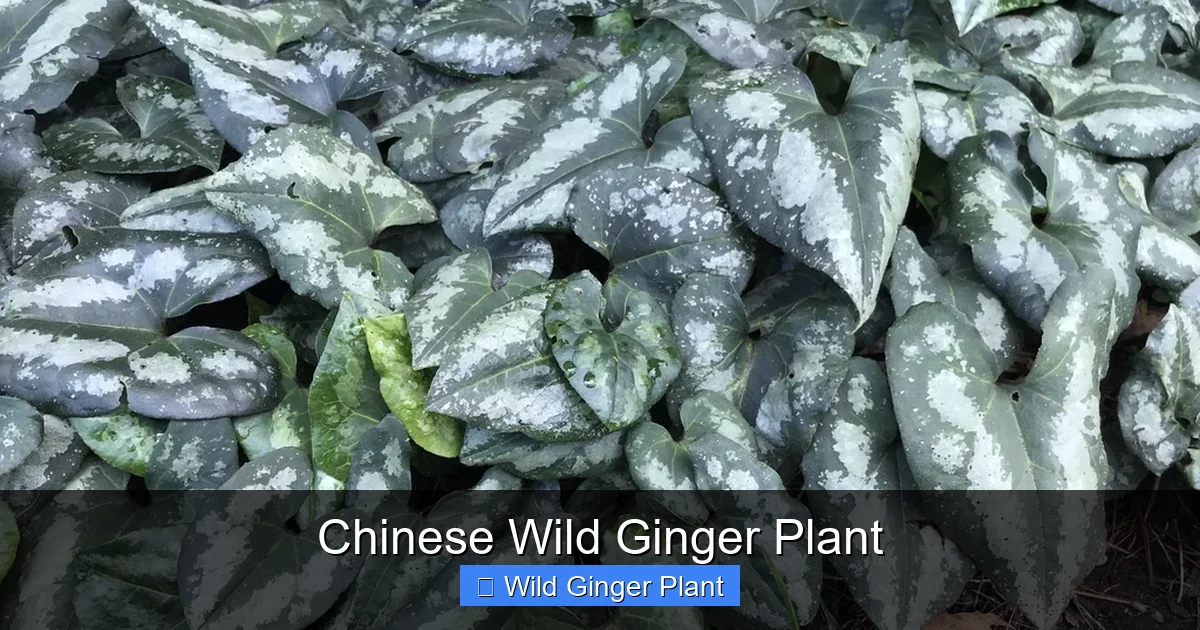
Native to the forests of China and Japan, this plant has adapted beautifully to gardens around the world. It is not the culinary ginger you find in the grocery store. That is a different species entirely. The Chinese Wild Ginger Plant belongs to the Aristolochiaceae family and goes by the botanical name Asarum splendens. Gardeners love it for its foliage first and foremost. The leaves are large, leathery, and often decorated with silver mottling that catches the light in a dark corner.
Key Takeaways
- Shade specialist: Thrives in full to partial shade where other plants struggle
- Ground cover champion: Forms dense mats that suppress weeds naturally
- Unique flowers: Produces unusual jug-shaped blooms at ground level in spring
- Low maintenance: Requires minimal care once established in proper conditions
- Medicinal history: Used in traditional Chinese medicine for centuries
- Deer resistant: Aromatic foliage deters browsing animals
- Slow spreader: Expands gradually via rhizomes without becoming invasive
Quick Answers to Common Questions
Is Chinese Wild Ginger Plant edible like culinary ginger?
No, the Chinese Wild Ginger Plant is not the same as culinary ginger (Zingiber officinale). While its rhizomes smell like ginger, they contain aristolochic acid which can cause kidney damage and cancer. It should not be eaten.
How fast does Chinese Wild Ginger Plant spread?
The Chinese Wild Ginger Plant spreads slowly via underground rhizomes, typically expanding 2 to 4 inches per year. It forms a dense colony over several years but is not considered invasive.
Can Chinese Wild Ginger Plant grow in full sun?
No, the Chinese Wild Ginger Plant cannot tolerate full sun. Hot afternoon sun will scorch its leaves. It requires full to partial shade, thriving best in dappled woodland conditions or morning sun only.
When should I divide my Chinese Wild Ginger Plant?
Divide the Chinese Wild Ginger Plant in early spring just as new growth emerges, typically every 4 to 5 years or when the center of the clump begins to die out.
Why are the flowers of Chinese Wild Ginger Plant hidden under the leaves?
The flowers bloom at ground level because they are pollinated by ground-dwelling insects like beetles, ants, and flies. Their hidden position protects them and attracts these specific pollinators.
📑 Table of Contents
- Getting to Know the Chinese Wild Ginger Plant
- Ideal Growing Conditions
- Planting and Establishment
- Ongoing Care and Maintenance
- Pests, Diseases, and Problems
- Design Ideas and Companion Plants
- Medicinal Uses and Cautions
- Propagation Methods
- Popular Cultivars
- Seasonal Interest Through the Year
- Troubleshooting Common Issues
- Conclusion
Getting to Know the Chinese Wild Ginger Plant
Botanical Background and Classification
The Chinese Wild Ginger Plant sits in the genus Asarum. This genus contains around 60 to 70 species spread across the Northern Hemisphere. Most are native to East Asia, with a few in North America and Europe. Our star, Asarum splendens, hails from central and southern China. It grows in mixed forests, often on limestone slopes, at elevations between 500 and 1500 meters.
The name “splendens” means shining or brilliant. This refers to the glossy sheen on the leaves. The common name “wild ginger” comes from the scent of the rhizomes. When crushed, they release a spicy, ginger-like aroma. However, this plant is not a true ginger. True ginger is Zingiber officinale. They are not related. The similarity is purely aromatic.
Physical Characteristics
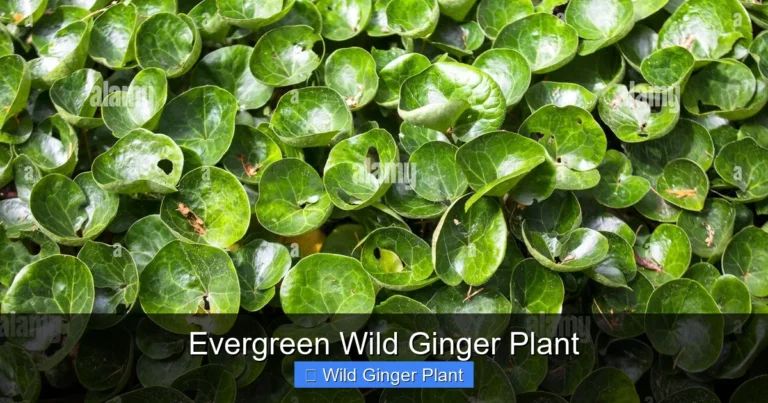
Let us talk about what this plant looks like. The Chinese Wild Ginger Plant is a low-growing evergreen perennial. It typically reaches 6 to 8 inches in height. It spreads slowly by underground rhizomes to form a colony. Over time, a single plant can create a patch 12 to 18 inches wide.
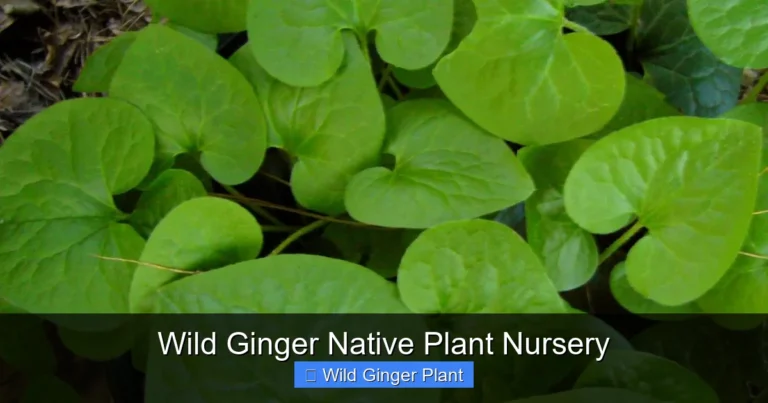
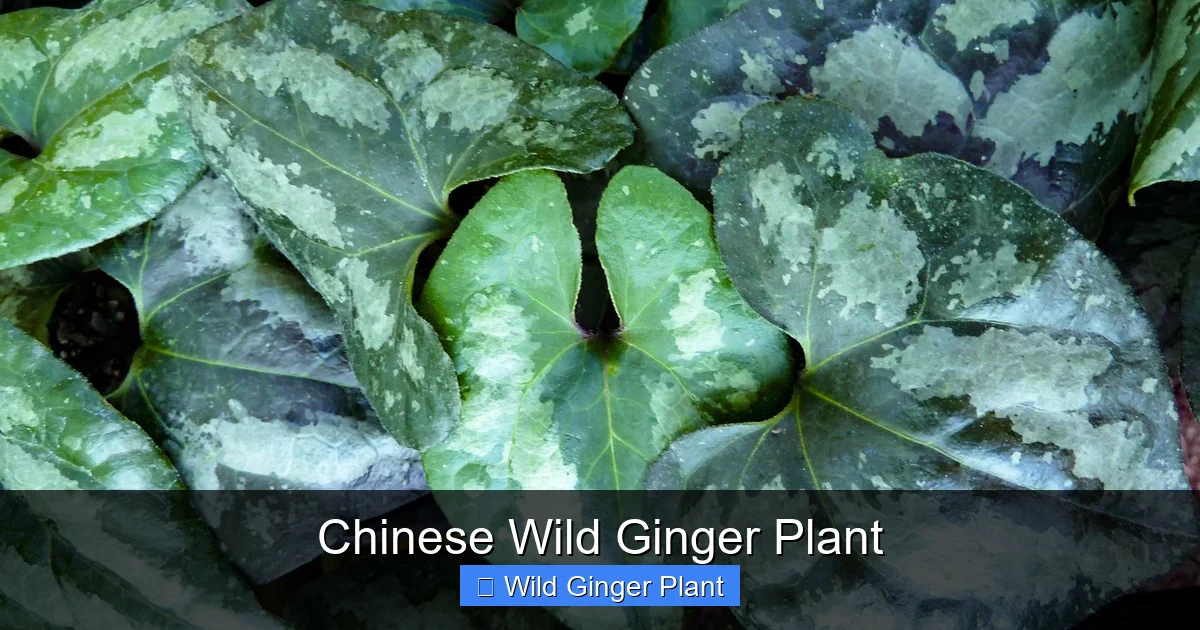
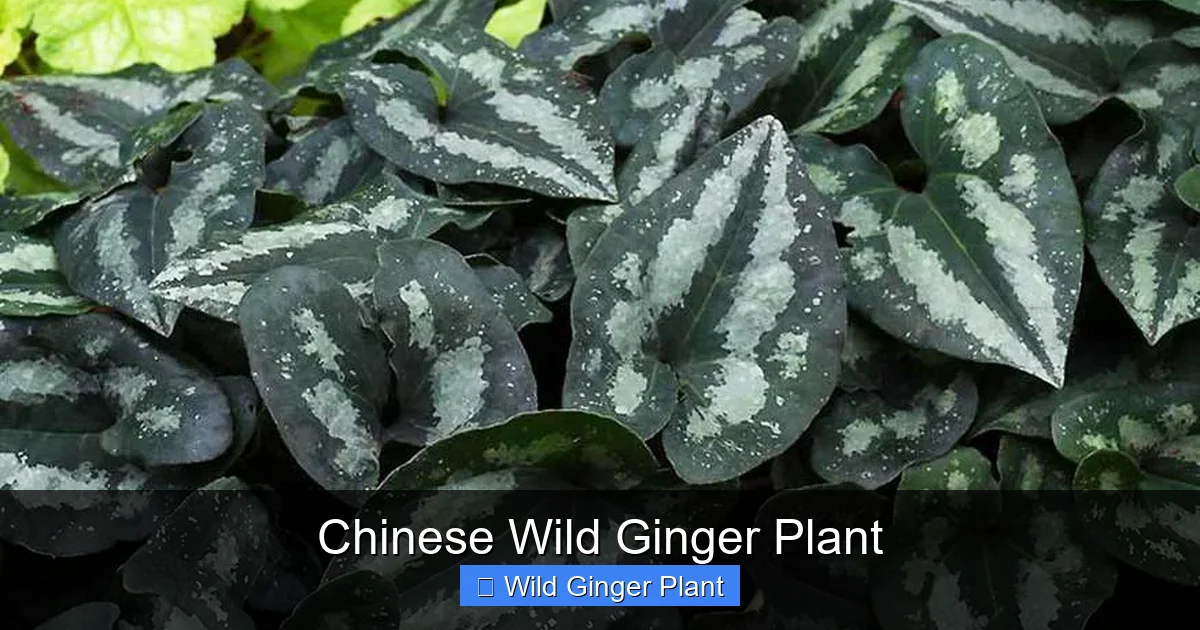
The leaves are the main event. They are heart-shaped or kidney-shaped. They measure 3 to 5 inches long and wide. The texture is thick and leathery. The color is a deep, rich green. Many cultivars show off stunning silver or white marbling. This variegation follows the leaf veins. It looks almost painted on. The undersides of the leaves are often a pale purple.
The Hidden Flowers
Here is a fun fact. The flowers of the Chinese Wild Ginger Plant are easy to miss. They bloom in early to mid-spring. They sit right at ground level, tucked under the leaf litter. You have to get down on your knees and move the leaves aside to see them.
Why are they hiding? They are pollinated by ground-dwelling insects. Think beetles, ants, and flies. The flowers are shaped like little jugs or urns. They are usually a deep purple-brown or maroon. They have three pointed lobes. They are not showy, but they are fascinating up close. They have a faint, musty scent that attracts their specific pollinators.
Ideal Growing Conditions
Light Requirements
If you have deep shade, this plant is your new best friend. The Chinese Wild Ginger Plant thrives in full shade to part shade. It can handle morning sun. But hot afternoon sun will scorch those beautiful leaves. The variegated forms need a bit more light to keep their color bright. But even they prefer dappled light under a tree canopy.
Visual guide about Chinese Wild Ginger Plant
Image source: bhg.com
Think about its native home. It grows on the forest floor. It gets filtered light through the trees. Replicate that in your garden. Plant it under deciduous trees. It will get spring sun before the leaves emerge. Then it enjoys cool shade all summer. It also does well on the north side of a building or fence.
Soil Preferences
This plant wants rich, humusy soil. It loves the kind of soil found in a mature forest. Lots of organic matter. Leaf mold is perfect. The soil should be moist but well-drained. It does not like standing water. Heavy clay is a problem unless amended heavily. Sandy soil dries out too fast.
Aim for a slightly acidic to neutral pH. Somewhere between 6.0 and 7.0 is ideal. Before planting, work in compost or well-rotted manure. A 2 to 3 inch layer mixed into the top 6 inches of soil works wonders. This mimics the natural duff layer of a forest floor.
Water Needs
Consistent moisture is key. The Chinese Wild Ginger Plant does not tolerate drought well. Those large, thin leaves lose water quickly. In the heat of summer, you may need to water deeply once or twice a week. A soaker hose or drip irrigation is best. It keeps water off the foliage.
Mulch is your ally here. Apply a 2 inch layer of shredded leaves, pine needles, or bark mulch. This keeps the soil cool and moist. It also suppresses weeds. As the mulch breaks down, it feeds the soil. It is a win-win. Just keep the mulch pulled back slightly from the crowns to prevent rot.
Temperature and Hardiness
The Chinese Wild Ginger Plant is surprisingly tough. It is hardy in USDA zones 5 through 9. In zone 5, it appreciates a heavy winter mulch of leaves. In zones 8 and 9, it stays evergreen all winter. In colder zones, the foliage may look ragged by late winter. Do not worry. Fresh growth emerges quickly in spring.
It handles humidity well. This makes it a great choice for southeastern gardens. Good air circulation helps prevent fungal issues in humid climates. Space plants about 12 inches apart. This allows air to move between them.
Planting and Establishment
When to Plant
Spring and fall are the best times. Spring planting gives the roots a full season to establish before winter. Fall planting works well in zones 6 and warmer. The soil is still warm, encouraging root growth. The cooler air reduces stress on the foliage. Avoid planting in the heat of summer. The stress is too high.
Visual guide about Chinese Wild Ginger Plant
Image source: thetreecenter.com
How to Plant
Dig a hole twice as wide as the root ball. The depth should match the pot level. Gently loosen the roots if they are circling. Place the plant in the hole. Backfill with your amended soil. Firm it gently with your hands. Water thoroughly to settle the soil. Apply your mulch layer.
Space plants 10 to 12 inches apart for a ground cover effect. They will fill in over 2 to 3 years. If you are patient, you can space them 18 inches apart. They will just take longer to knit together. Water regularly for the first growing season. This is critical. Do not let them dry out.
Container Growing
Yes, you can grow the Chinese Wild Ginger Plant in pots. This is great for shaded patios or balconies. Choose a wide, shallow pot. The roots spread horizontally. Use a high-quality potting mix with added compost. Ensure the pot has drainage holes.
Container plants need more frequent watering. Check the soil daily in summer. Fertilize lightly in spring with a slow-release organic fertilizer. Repot every 2 to 3 years in early spring. Divide the plant at the same time if it is crowded.
Ongoing Care and Maintenance
Fertilizing
This is not a heavy feeder. In rich soil, it needs little extra food. A top dressing of compost in spring is usually enough. Spread an inch of compost around the plants. Do not bury the crowns. Rain will wash the nutrients down.
If your soil is poor, use a balanced organic fertilizer. Something like a 5-5-5. Apply in early spring as growth starts. Follow package rates. Less is more. Too much nitrogen produces lush, soft growth. This is more prone to slug damage and disease.
Pruning and Cleanup
Very little pruning is needed. In late winter or early spring, remove any tattered leaves. This makes room for the fresh growth. Use clean scissors or snips. Cut the leaf stems at the base. Be careful not to damage the emerging flower buds or new leaves.
In fall, you can leave the leaves in place. They act as a natural mulch. If you prefer a tidy look, remove them after they die back. But in nature, they stay. They protect the rhizomes and feed the soil.
Dividing
The Chinese Wild Ginger Plant spreads slowly. You do not need to divide it often. Every 4 to 5 years is plenty. Or when the center of a clump starts to die out. Spring is the best time. Just as new growth appears.
Dig up the whole clump. Use a sharp knife or spade to cut it into sections. Each section needs roots and at least one growing point. Replant immediately. Water well. Keep shaded and moist for a few weeks until established.
Pests, Diseases, and Problems
Slugs and Snails
These are the number one pest. They love the tender new leaves in spring. They hide under the foliage during the day. They feast at night. You will see irregular holes with smooth edges. Silvery slime trails are a telltale sign.
Control them early. Handpick at night with a flashlight. Drop them in soapy water. Use beer traps. Bury a shallow dish level with the soil. Fill with beer. They crawl in and drown. Diatomaceous earth around plants helps. Copper tape on pot rims works for containers. Iron phosphate baits are safe for pets and wildlife.
Fungal Issues
Crown rot and root rot happen in wet, poorly drained soil. The plant wilts even when wet. The crown turns black and mushy. Prevention is the cure. Plant in well-drained soil. Do not overwater. Ensure good air circulation.
Leaf spot can occur in humid, crowded conditions. Brown or black spots on leaves. Remove affected leaves. Improve air flow. Avoid overhead watering. A copper fungicide can help if severe. But cultural fixes work best.
Deer and Rabbits
Good news. The Chinese Wild Ginger Plant is highly deer resistant. The aromatic compounds in the leaves deter browsing. Rabbits usually leave it alone too. This makes it a star in rural and suburban gardens. No fencing needed.
Design Ideas and Companion Plants
Woodland Garden Star
This is its natural home. Plant the Chinese Wild Ginger Plant in drifts under trees. Mix it with native spring ephemerals. Think trilliums, bloodroot, and Virginia bluebells. The ginger stays after the ephemerals go dormant. It covers the bare ground beautifully.
Add ferns for texture contrast. Christmas fern, lady fern, and Japanese painted fern are lovely. The vertical fronds play off the horizontal ginger leaves. Hostas are classic partners. Choose blue or gold hostas to contrast with the green or silver ginger foliage.
Shade Border Edging
Use it to line a shady path. The low height keeps sightlines open. The evergreen foliage provides winter structure. Plant it in a gentle curve. It softens hard edges. It hides the bare legs of taller shrubs behind it.
Rock Gardens and Slopes
On a shady slope, the rhizomes help hold soil. It prevents erosion. In a rock garden, tuck it between stones. It spills over edges softly. It likes the cool, moist conditions rocks create. The silver-mottled forms glow in the shadows between rocks.
Container Combinations
In a pot, pair it with upright shade plants. A dwarf Japanese maple or a fern in the center. The ginger fills the base. Add some wintergreen for berries. Or heuchera for colorful leaves. The pot becomes a miniature woodland scene.
Medicinal Uses and Cautions
Traditional Chinese Medicine
The Chinese Wild Ginger Plant has a long history in Traditional Chinese Medicine (TCM). It is known as Xi Xin. The rhizomes and roots are harvested. They are dried and used in formulas. TCM practitioners use it to “release the exterior” and “warm the lungs.” It treats colds, headaches, nasal congestion, and toothaches.
It is considered pungent and warm. It enters the Lung, Kidney, and Bladder meridians. It is rarely used alone. It is almost always combined with other herbs. This balances its potency. A trained practitioner determines the dose.
Modern Research and Concerns
Here is where caution is vital. The genus Asarum contains aristolochic acid. This compound is nephrotoxic. It damages kidneys. It is also carcinogenic. Many countries ban or restrict herbs containing it. The FDA warns against using Aristolochia species.
Asarum splendens contains lower levels than some relatives. But it still contains it. Do not self-medicate with this plant. Do not make teas or tinctures at home. The risk of kidney failure and cancer is real. Leave medicinal use to qualified professionals who can source tested, safe products.
Ornamental Value Only
For the home gardener, enjoy the Chinese Wild Ginger Plant for its beauty. Its value is ornamental. It creates habitat for beneficial insects. It stabilizes soil. It brings peace to a shady corner. That is medicine enough for the soul.
Propagation Methods
Division
We covered this in maintenance. It is the easiest, fastest way. You get mature plants quickly. They bloom the same year. Do it in early spring. Water the mother plant the day before. It reduces stress.
Seed
Growing from seed is possible but slow. The seeds have a double dormancy. They need warm stratification, then cold stratification. In nature, they ripen in summer. They sit in warm soil. Winter chills them. They germinate the second spring.
To mimic this, sow fresh seeds in pots in summer. Leave them outside. Protect from rodents. They may germinate in 18 months. Seedlings take 3 to 4 years to reach flowering size. This is for the patient gardener.
Rhizome Cuttings
In late winter, you can cut rhizome sections. Each piece needs a node. Lay them horizontally on moist potting mix. Cover lightly. Keep humid and cool. New shoots emerge in spring. Pot them up individually. This yields many plants from one clump.
Popular Cultivars
‘Quick Silver’
This is the most famous cultivar. The leaves are heavily splashed with silver. It looks like someone flicked paint across them. The silver is most intense in spring. It fades a bit in summer heat. It is a showstopper in a dark corner.
‘Silver Panda’
Similar to ‘Quick Silver’ but the silver forms a distinct central stripe. It follows the midrib. The edges stay green. It looks very neat and tidy. A great choice for formal shade gardens.
‘Green Form’
This is the species type. No silver variegation. Just deep, glossy green leaves. It is often more vigorous. It tolerates deeper shade. The flowers can be slightly larger. A solid, reliable workhorse.
New Introductions
Breeders are working on new forms. Look for ‘Cyclops’ with a large central silver eye. ‘Panda Face’ has a white center patch. ‘Moonlit’ has almost entirely silver leaves. These can be pricey and hard to find. But they are stunning.
Seasonal Interest Through the Year
Spring
This is the season of flowers. Get down low to spot them. New leaves unfurl like folded umbrellas. They are soft and bright. The variegation is crisp. Spring bulbs poke through the ginger carpet. It is a magical time.
Summer
The foliage matures. It becomes leathery and tough. It handles heat if moisture is steady. The patch expands slowly. It suppresses weeds. It is a cool green oasis. Water during dry spells.
Fall
In cooler climates, the leaves may take on purple tints. The silver stands out more. Fall is a good planting time. The plant focuses on roots. Mulch new plantings well.
Winter
In zones 7 to 9, it stays green all winter. Snow flattens it, but it springs back. In zone 5 to 6, leaves may brown. Do not cut them until spring. They protect the crown. The structure remains visible.
Troubleshooting Common Issues
Leaves Turning Yellow
Usually a water issue. Too much or too little. Check soil moisture. Stick your finger in 2 inches. It should be damp, not soggy. Poor drainage causes yellowing. Amend soil or move the plant. Nutrient deficiency is rare but possible. A soil test tells you.
Brown, Crispy Leaf Edges
Sunburn or drought stress. Move to more shade. Increase watering. Mulch heavily. Wind can also dry leaves. A windbreak helps. This is common on plants in too much afternoon sun.
Plant Not Spreading
It is naturally slow. But if it is not moving at all, check conditions. Too dry? Too sunny? Soil too compacted? Poor fertility? Fix the environment. It will respond. Patience is part of the deal.
Center of Clump Dying
This means it needs division. The center gets woody and exhausted. The energy is at the edges. Dig and divide in spring. Replant the vigorous outer pieces. Discard the woody center.
Conclusion
The Chinese Wild Ginger Plant is a gift for shade gardeners. It asks for little. It gives so much. Lush foliage. Unique flowers. Weed suppression. Deer resistance. Year-round interest. It connects us to the forest floor. It brings that wild, peaceful feeling home.
Whether you choose a flashy silver cultivar or the classic green form, you will not regret adding it. Plant it where you can see it up close. By a path. Near a bench. At the base of a tree you pass daily. Get down on your knees in spring. Find those hidden jug flowers. Share the discovery with a child or a friend.
Gardening in shade can feel limiting. The plant palette seems smaller. But the Chinese Wild Ginger Plant proves that shade has its own stars. It turns a problem area into a feature. It makes the dark corners the most interesting part of the garden. Give it a try. Your shady spots will thank you.
Frequently Asked Questions
What is the difference between Chinese Wild Ginger and European Wild Ginger?
Chinese Wild Ginger (Asarum splendens) has larger, often silver-mottled evergreen leaves and is hardy in zones 5-9. European Wild Ginger (Asarum europaeum) has smaller, solid green leaves that are semi-evergreen and is hardier in zones 4-8. Chinese Wild Ginger is generally more ornamental.
Does Chinese Wild Ginger Plant need fertilizer?
The Chinese Wild Ginger Plant is a light feeder. In rich, humusy soil, a spring top-dressing of compost is sufficient. If soil is poor, apply a balanced organic fertilizer (5-5-5) sparingly in early spring. Avoid high nitrogen fertilizers.
Is Chinese Wild Ginger Plant deer resistant?
Yes, the Chinese Wild Ginger Plant is highly deer resistant. Its aromatic foliage contains compounds that deter browsing. Rabbits also typically avoid it, making it an excellent choice for gardens with wildlife pressure.
Can I grow Chinese Wild Ginger Plant indoors as a houseplant?
While possible, the Chinese Wild Ginger Plant is not ideal as a long-term houseplant. It requires a cool dormancy period, high humidity, and excellent air circulation. It performs much better outdoors in a shaded garden bed or container.
What causes brown spots on Chinese Wild Ginger leaves?
Brown spots are usually caused by fungal leaf spot diseases, which thrive in humid conditions with poor air circulation. Remove affected leaves, improve spacing between plants, avoid overhead watering, and apply a copper fungicide if severe.
How do I propagate Chinese Wild Ginger Plant from seed?
Propagation from seed requires double stratification: sow fresh seeds in summer for warm stratification, then expose to winter cold for cold stratification. Germination occurs the second spring. Seedlings take 3-4 years to mature, so division is preferred for most gardeners.