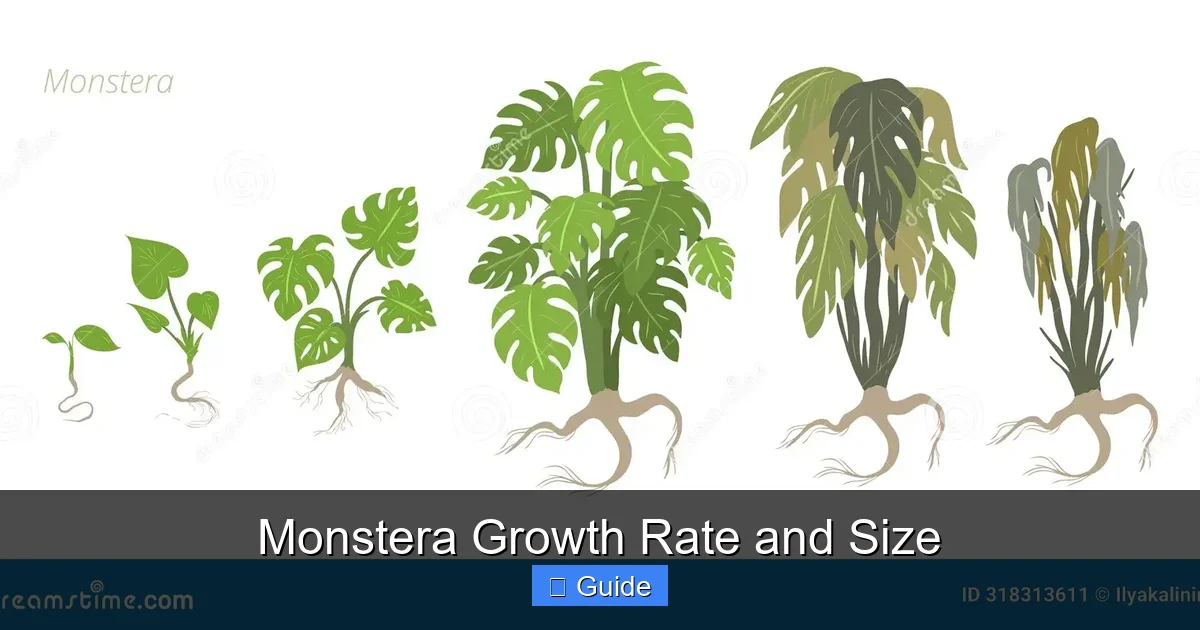
Monstera Growth Rate and Size
Monsteras grow 1-2 feet per year indoors and can reach 10-15 feet tall with proper support. Light, humidity, and support structures are the three biggest factors controlling growth rate and ultimate size.
Key Takeaways
- Average growth rate: Expect 1-2 feet of vertical growth per year indoors under good conditions
- Maximum indoor size: 10-15 feet tall with proper support; leaves can reach 2-3 feet wide
- Light is the primary driver: Bright indirect light produces the fastest growth and largest leaves
- Support structures matter: Moss poles or trellises encourage larger leaves and fenestrations
- Humidity boosts size: 60%+ humidity leads to significantly larger leaves and faster growth
- Seasonal slowdown is normal: Growth nearly stops in winter; resume fertilizing in spring
- Variety affects size: Monstera deliciosa grows largest; adansonii and peru stay more compact
Quick Answers to Common Questions
How fast does a Monstera grow indoors?
A healthy Monstera grows 1-2 feet vertically per year indoors with proper light, humidity, and support.
What is the maximum size of a Monstera indoors?
Indoors, Monstera deliciosa reaches 10-15 feet tall with leaves 2-3 feet wide when given a moss pole and good care.
Why is my Monstera growing so slowly?
Slow growth usually means insufficient light, low humidity, lack of climbing support, or seasonal dormancy in winter.
Do variegated Monsteras grow slower?
Yes, variegated varieties like Thai Constellation grow 30-50% slower due to reduced chlorophyll in white leaf sections.
When should I repot my Monstera for best growth?
Repot in early spring when roots circle the pot bottom, moving up only 2 inches in pot diameter.
📑 Table of Contents
Introduction
You brought home a tiny Monstera. Now you watch it. You wait. You wonder when those iconic split leaves will appear. You wonder how big it will actually get in your living room. I get it. I have been there. Watching a Monstera grow feels slow at first. Then suddenly it takes off. One day you have a modest plant. The next you are hunting for a taller moss pole.
This guide covers everything about Monstera growth rate and size. Real numbers. Real timelines. The factors that speed things up or slow them down. You will learn what to expect each season. You will learn how to push growth without harming your plant. Let us dig in.
How Fast Does a Monstera Grow
Let us start with the numbers everyone wants. A healthy Monstera deliciosa grows 1 to 2 feet per year indoors. That is vertical growth. Horizontal spread adds another foot or so. In perfect greenhouse conditions you might see 3 feet. In low light you might see 6 inches. The range is wide because conditions vary wildly.
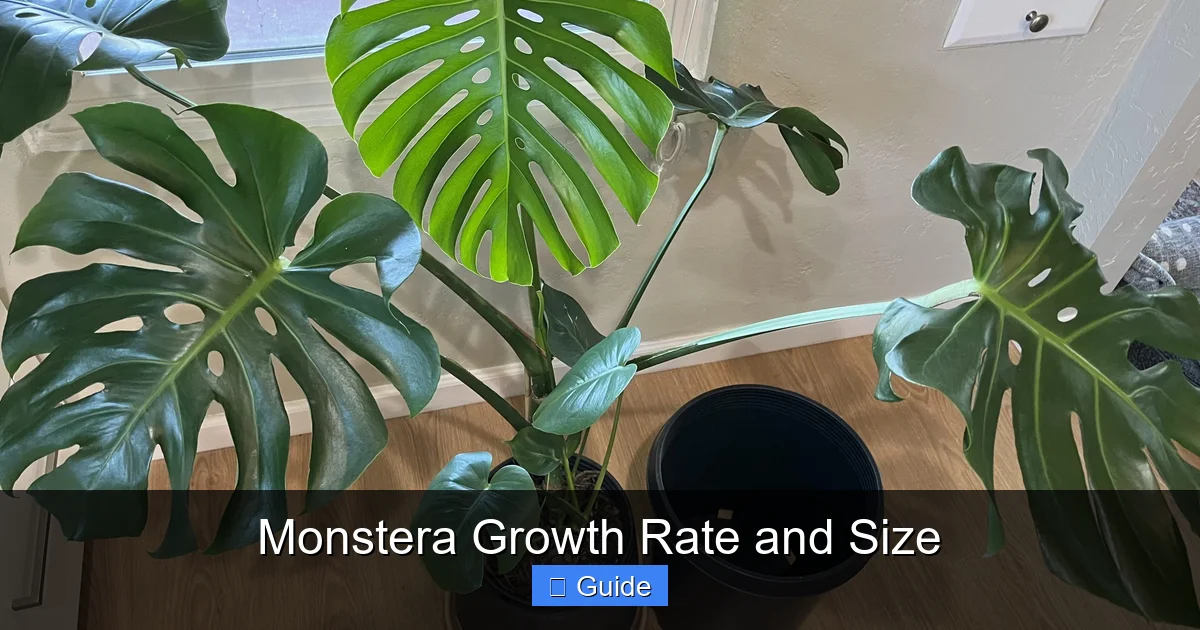
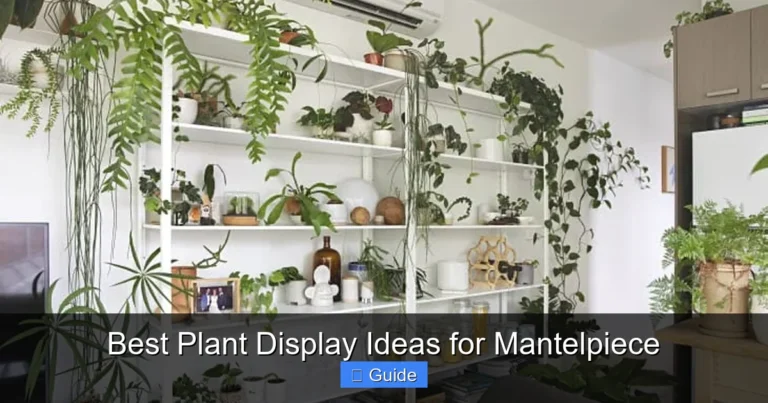
Visual guide about Monstera Growth Rate and Size
Image source: indorplants.com
New leaves emerge every 4 to 6 weeks during active season. Each new leaf is larger than the last. That is the sign of a happy plant. If new leaves stay the same size or shrink something is off. We will troubleshoot that later.
Year by Year Timeline
Year one is establishment. Your plant focuses on roots. You might get 3 to 5 new leaves. Total height gain maybe 6 to 12 inches. Do not panic. This is normal. Year two brings noticeable vertical growth. Expect 12 to 18 inches. Leaves start showing splits. Year three and beyond. Now you see the 1 to 2 feet per year pace. Fenestrations become dramatic. The plant looks like the Instagram photos.
Outdoor growth in tropical zones is a different beast. Monsteras can grow 10 to 20 feet in a single season when planted in ground with tree support. But you are likely growing indoors. So we focus on indoor reality.
Growth Rate by Variety
Not all Monsteras grow at the same pace. Monstera deliciosa is the speed demon. Monstera adansonii grows fast too but stays vine-like. Monstera peru grows slower and stays compact. Monstera obliqua is painfully slow. Variegated varieties like Thai Constellation and Albo grow slower than all-green versions. The white sections lack chlorophyll. Less photosynthesis means less energy for growth. Plan for 30 to 50 percent slower growth with variegated plants.
Maximum Size Potential
Indoors a Monstera deliciosa tops out around 10 to 15 feet tall. That assumes a strong support and years of care. Leaves max out at 2 to 3 feet wide. The petioles (leaf stems) get thick and woody. The stem becomes trunk-like. It is a dramatic presence.
Width depends on training. A single stem on a pole stays 2 to 3 feet wide. Multiple stems or a wide trellis can spread 6 to 8 feet. In nature these plants climb 60 feet up trees. Leaves reach 3 feet across. Indoors we hit ceiling limits. Literally.
When Does It Stop Growing
Monsteras do not really stop growing. They slow down when pot-bound. They slow when light maxes out. They slow when nutrients deplete. But given fresh soil bigger pot more light they keep going. The practical limit is your ceiling. Or your patience for repotting a 100 pound plant.
Leaf Size Progression
Juvenile leaves are small. Heart shaped. No splits. No holes. They look like a different plant. Around leaf 5 to 7 you might see a tiny split. By leaf 10 to 15 fenestrations appear. Mature leaves 20 plus are the iconic Swiss cheese look. Each leaf lasts 2 to 3 years. Old leaves yellow and drop. This is normal. Do not panic when the bottom leaves go.
The Big Three Growth Drivers
Three factors control 90 percent of your Monstera growth rate and size. Light. Humidity. Support. Nail these and your plant will thrive. Miss one and growth crawls.
Light The Engine
Bright indirect light is non-negotiable for fast growth. East window. West window with sheer curtain. South window pulled back a few feet. North window works but growth slows to a crawl. Direct sun burns leaves. Low light produces small leaves long gaps between nodes. That leggy look. You want short internodes. Compact growth. Big leaves.
Measure light with a meter if unsure. Aim for 400 to 800 foot-candles for good growth. 1000 plus for maximum speed. Under 200 and the plant survives but barely grows. Grow lights work great. 12 to 14 hours daily. Full spectrum LED. Keep 12 to 18 inches above canopy.
Humidity The Secret Weapon
Monsteras are tropical. They want 60 to 80 percent humidity. Average homes sit at 30 to 40 percent. That gap matters. Low humidity causes crispy edges. Slow unfurling. Smaller leaves. High humidity lets leaves expand fully. Fenestrations form cleanly. New leaves slide out smooth.
Humidifier is best. Pebble trays help marginally. Grouping plants creates microclimate. Misting does almost nothing. Do not rely on misting. If you do one thing for growth buy a humidifier. Run it near the plant. Watch the difference in two weeks.
Support The Structure
Monsteras are climbers. They need vertical support to trigger mature growth. No pole means crawling horizontal growth. Small leaves. No fenestrations. A moss pole or coir pole or wooden stake changes everything. The plant attaches aerial roots. It senses stability. It pushes larger leaves. It creates splits and holes.
Install support early. Before the plant needs it. Train stems gently. Use soft ties. Extend the pole as the plant grows. A 6 foot pole becomes an 8 foot pole. Keep it moist. Mist the pole. Aerial roots drink from it. This mimics tree bark in nature.
Seasonal Growth Patterns
Monsteras have a rhythm. Spring through fall is go time. Winter is rest time. Fighting this rhythm frustrates you and stresses the plant.
Spring Awakening
March brings longer days. The plant wakes up. New growth points swell. This is repotting season. Fresh soil. Slightly larger pot. Resume fertilizing. Half strength weekly or full strength biweekly. Water more frequently. The plant drinks heavily now.
Summer Sprint
June July August. Peak growth. New leaf every 3 to 4 weeks. Leaves unfurl large. Fenestrations dramatic. Water when top 2 inches dry. Fertilize regularly. Watch for pests. Spider mites love hot dry air. Check undersides weekly.
Fall Transition
September October. Growth slows. Days shorten. Reduce fertilizing. Stop by November. Water less. Let soil dry deeper. The plant prepares for rest. Do not repot now. Wait for spring.
Winter Rest
November through February. Growth nearly stops. Maybe one small leaf. Or none. This is normal. Do not force it. Extra fertilizer burns roots. Extra water causes rot. Keep humidity up. Keep light bright. Wait. Spring comes.
Optimizing for Maximum Growth
You want the biggest fastest Monstera possible. Here is the playbook. Follow it and you will outpace average growth.
Pot Size and Soil Mix
Monsteras like snug pots. Too big holds water too long. Roots rot. Repot only when roots circle the bottom. Go up 2 inches in diameter max. Soil must drain fast. Mix 2 parts potting soil 1 part orchid bark 1 part perlite. Add charcoal if you have it. This mimics forest floor. Air reaches roots. Water flows through.
Fertilizer Strategy
Use balanced liquid fertilizer. 20-20-20 or 10-10-10. Half strength every week during growing season. Or full strength every two weeks. Flush soil monthly. Run water through for 2 minutes. Prevents salt buildup. Organic options work too. Fish emulsion. Worm castings tea. Slow release granules in spring.
Pruning for Bushiness
Single stem gets tall fast. Multiple stems create fullness. Prune the growing tip in spring. The plant branches below the cut. Two new stems emerge. Now you have double the leaf production. Do this annually for a specimen plant. Root the cutting. Gift it. Or pot it back for density.
Aerial Root Management
Do not cut aerial roots. They absorb moisture and nutrients. They anchor the plant. Guide them into the moss pole. Into the soil. If they dangle wildly tuck them in. If they get unruly you can trim the very tip. But leave the root. It serves a purpose.
Troubleshooting Slow Growth
Your Monstera sits unchanged for months. Leaves small. No new growth. Let us diagnose.
Check Light First
Move the plant. Brighter spot. Add grow light. Give it 2 weeks. Watch for new growth point swelling. That is the first sign. If nothing changes light was not the only issue.
Check Roots
Slide the plant out. Roots circling? Brown mushy? White firm tips? Circling means repot. Mushy means rot. Cut rot. Repot in fresh mix. Firm white tips mean roots are healthy. Look elsewhere.
Check Watering
Stick finger 2 inches deep. Wet? Wait. Dry? Water. Bone dry for weeks? Underwatering. Soggy for weeks? Overwatering. Both stop growth. Consistency wins. Water thoroughly. Let drain. Repeat when top third dries.
Check Nutrients
Yellowing older leaves? Nitrogen deficiency. Pale new leaves? Iron or magnesium. Brown crispy edges? Potassium or humidity. Fertilize if you have not. Flush if you overdid it. Balance matters.
Check Pests
Thrips leave silvery patches. Spider mites leave tiny dots and webbing. Mealybugs look like cotton. Scale looks like brown bumps. Check weekly. Treat immediately. Neem oil. Insecticidal soap. Systemic granules for tough cases. Pests drain energy. Growth stops.
Common Myths About Monstera Growth
Let us clear up some internet advice that wastes your time.
Myth Coffee Grounds Boost Growth
Used coffee grounds are fine in compost. Direct on soil they compact. They mold. They attract fungus gnats. They acidify soil unpredictably. Just use proper fertilizer. It is measured. It works.
Myth Misting Replaces Humidity
Misting wets leaves for 10 minutes. Humidity is ambient moisture. They are not the same. Misting can spread fungal spores. Use a humidifier. It works 24/7.
Myth Bigger Pot Equals Bigger Plant
Overpotting kills Monsteras. Wet soil rots roots. No roots no water uptake. No water no growth. The plant sulks. Stay snug. Repot incrementally.
Myth Cutting Aerial Roots Helps
People think aerial roots look messy. They cut them. The plant loses moisture absorption. Loses stability. Loses climbing signal. Leave them. Tuck them. Love them.
Measuring and Tracking Growth
Data helps you see progress. Memory lies. Photos tell truth.
Monthly Photo Log
Same spot. Same angle. Same time of day. First of every month. Create an album. In a year you see the journey. You notice patterns. You catch problems early.
Height and Leaf Count
Measure from soil to highest leaf tip. Count total leaves. Count new leaves since last month. Note leaf size of newest leaf. Spreadsheet or notebook. Simple. Effective.
When to Celebrate
First fenestrated leaf. First leaf over 12 inches. First time reaching pole top. Hitting 5 feet tall. These milestones deserve a photo. Share with plant friends. They understand.
Conclusion
Monstera growth rate and size depend on your conditions. 1 to 2 feet per year. 10 to 15 feet max indoors. Leaves 2 to 3 feet wide. Light humidity support drive everything. Respect seasons. Feed in spring summer. Rest in winter. Track progress. Troubleshoot calmly. Enjoy the journey. That tiny plant becomes a room-defining statement. One leaf at a time.
Your Monstera wants to grow. Give it what it needs. Step back. Watch. The splits will come. The height will come. The wow factor will come. Happy growing.
Frequently Asked Questions
How often does a Monstera grow a new leaf?
During active growing season (spring through fall), a healthy Monstera produces a new leaf every 4-6 weeks. Growth pauses in winter.
Can I make my Monstera grow faster?
Yes. Provide bright indirect light (400+ foot-candles), 60%+ humidity, a moist moss pole, and weekly half-strength fertilizer during growing season.
Why are my Monstera leaves small with no splits?
Small unsplit leaves indicate juvenile growth. The plant needs brighter light, higher humidity, and a climbing support to trigger mature fenestrated leaves.
Should I cut off aerial roots on my Monstera?
No. Aerial roots absorb moisture, provide stability, and signal the plant to produce larger leaves. Guide them into the moss pole or soil instead.
How big of a pot does a Monstera need?
Monsteras prefer snug pots. Repot only when roots circle the bottom, increasing pot diameter by just 2 inches to prevent overwatering and root rot.
Do Monsteras stop growing in winter?
Growth nearly stops in winter due to shorter days and lower light. This is normal dormancy. Reduce watering, stop fertilizing, and resume care in spring.