How to Care for Succulents in Winter Ultimate Guide
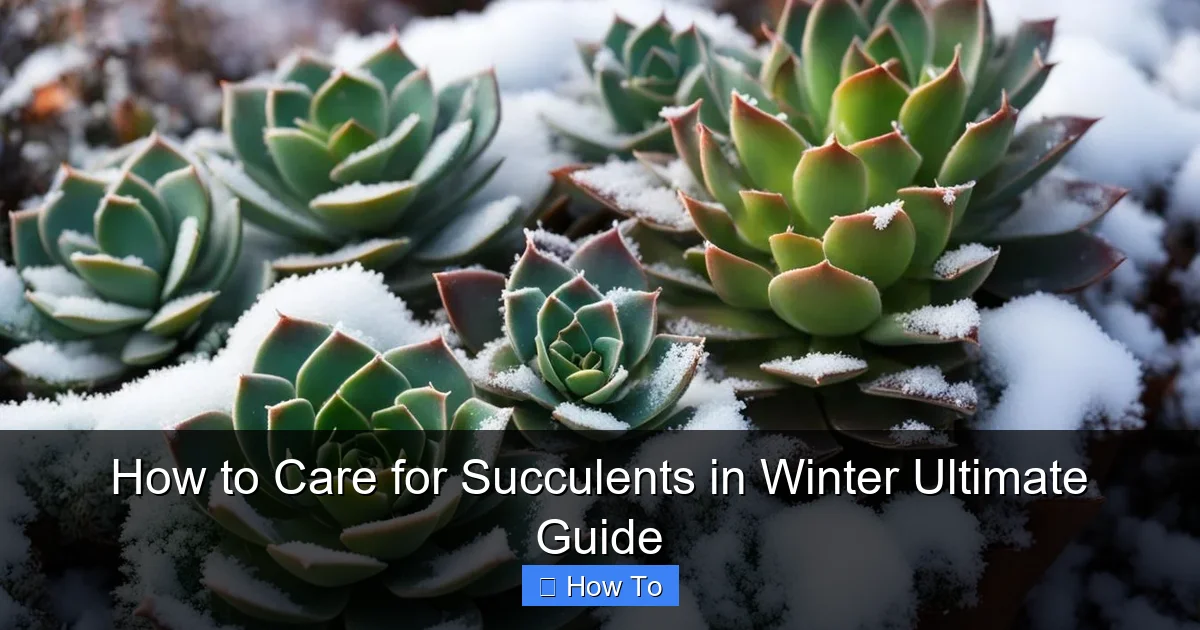
Succulents in winter need less water, bright light, and stable temperatures to thrive. Follow these steps to keep your plants healthy through the cold months.
Quick Answers to Common Questions
How often should I water succulents in winter?
Water only when the soil is completely dry, typically every three to four weeks.
Can I leave succulents outside in mild frost?
Only cold‑hardy types tolerate light frost; tender varieties must be moved indoors or covered.
Do succulents need fertilizer in winter?
Most do not; skip feeding or apply a very diluted dose once early in the season.
What is the best light source for indoor succulents in winter?
South‑facing windows or full‑spectrum LED grow lights run 12–14 hours daily.
How do I raise humidity without overwatering?
Use a pebble tray with water beneath the pot; the pot should not sit in water.
Introduction
Winter can be a challenging season for succulents. Shorter days, cooler temperatures, and dry indoor air all affect how these plants grow. This guide explains everything you need to know about caring for succulents in winter. You will learn how to adjust watering, provide enough light, manage temperature, protect from frost, and spot problems early. Follow the step‑by‑step instructions and your succulents will stay vibrant all season long.
Step 1: Assess Your Succulents
Before you change any routine, look at each plant. Some succulents are cold‑hardy, while others are tropical and need more warmth. Identify the species you own. Write down the name, current pot size, and location. This information helps you decide which care adjustments are necessary.
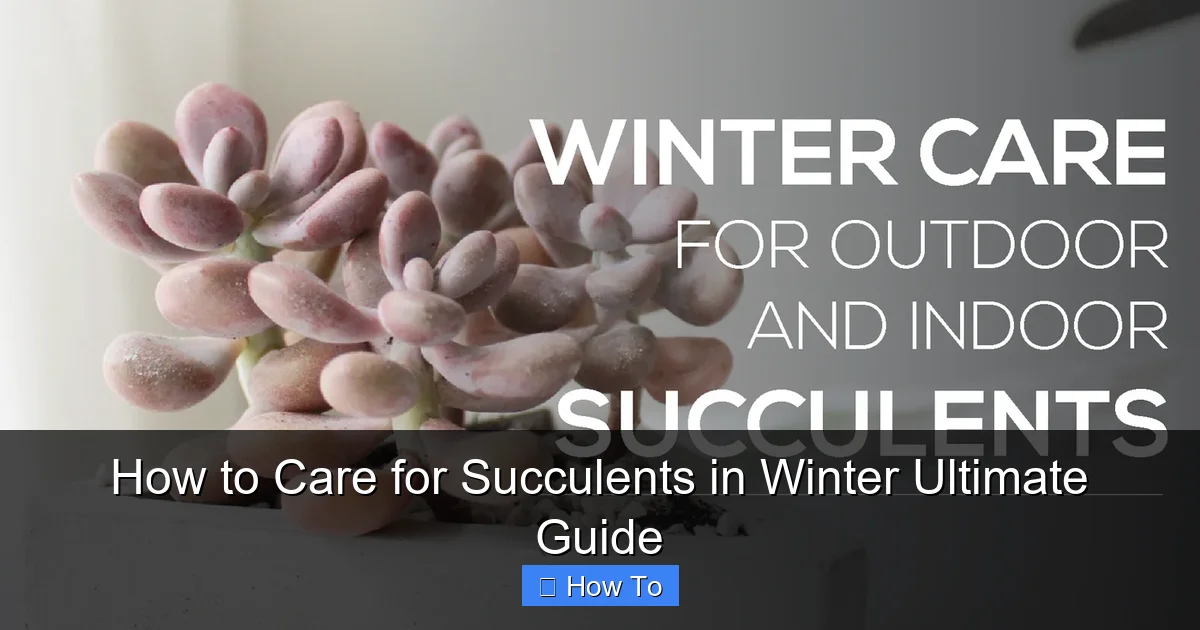
Visual guide about How to Care for Succulents in Winter Ultimate Guide
Image source: i.pinimg.com
Identify cold‑hardy vs. tender types
Cold‑hardy succulents like Sempervivum and Sedum can survive light frost. Tender varieties such as Echeveria, Haworthia, and Aloe need protection when temperatures drop below 50 °F (10 °C). Knowing the difference prevents accidental damage.
Check root health
Gently remove a plant from its pot. Healthy roots are white or light tan and firm. Dark, mushy roots indicate rot, often caused by overwatering in winter. Trim any bad roots before repotting.
Step 2: Adjust Watering Schedule
Watering is the most common mistake with succulents in winter. Growth slows, so plants use far less moisture. Overwatering leads to root rot quickly.
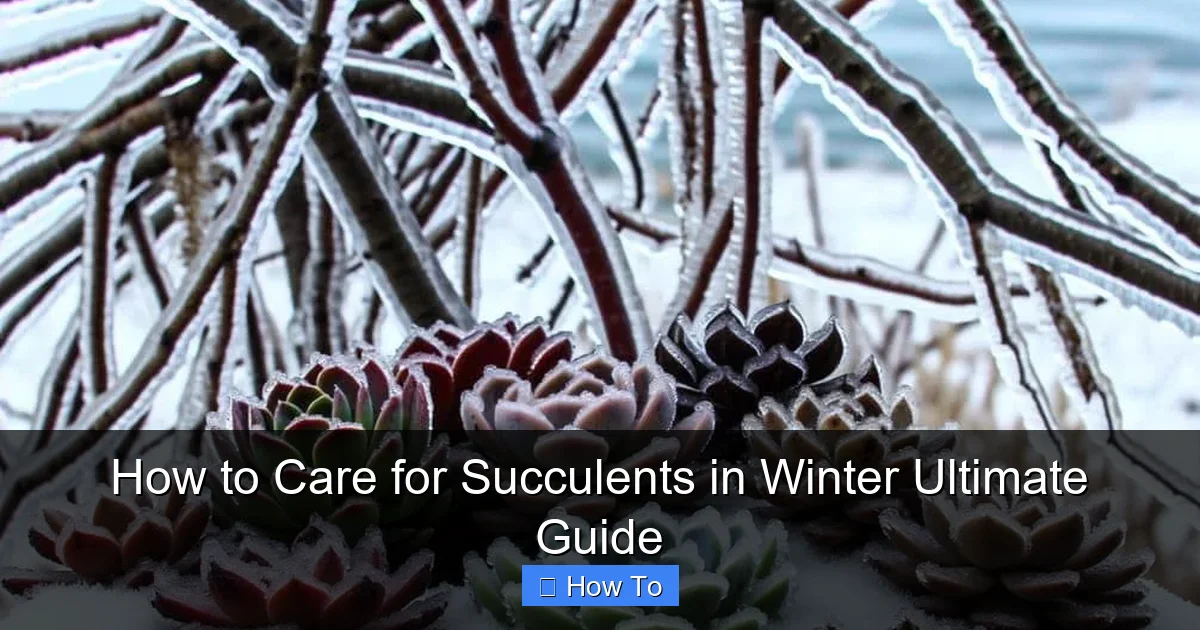
Visual guide about How to Care for Succulents in Winter Ultimate Guide
Image source: asucculent.com
Water only when soil is bone dry
Stick your finger about an inch into the soil. If it feels dry, water thoroughly until it drains out the bottom. If it feels moist, wait a few more days. In most homes, this means watering once every three to four weeks.
Use the soak‑and‑dry method
Place the pot in a sink or tray. Pour water until it runs out the drainage holes. Let the pot sit for 10 minutes, then discard excess water. This ensures even moisture without soggy soil.
Reduce frequency for indoor heating
Central heating dries the air, but it also warms the soil faster. Check soil moisture more often if your home is very warm. Still, keep the “dry before watering” rule.
Step 3: Provide Adequate Light
Light levels drop dramatically in winter. Succulents need bright, indirect light for at least six hours a day. Without enough light, they become leggy and lose color.
Move plants to the brightest window
South‑facing windows give the most sun. East or west windows work if south is unavailable. Rotate pots weekly so all sides receive light evenly.
Supplement with grow lights
If natural light is insufficient, use full‑spectrum LED grow lights. Position lights 12–18 inches above the plants. Run them 12–14 hours daily. This mimics summer day length and keeps succulents compact.
Clean leaves regularly
Dust blocks light. Wipe leaves with a soft, damp cloth every two weeks. Clean leaves absorb more light and stay healthier.
Step 4: Manage Temperature and Humidity
Stable temperatures protect succulents from stress. Sudden swings cause leaf drop and slow recovery.
Keep indoor temps above 50 °F (10 °C)
Most succulents prefer 60–75 °F (15–24 °C) during the day and no lower than 50 °F at night. Avoid placing pots near cold drafts, exterior doors, or unheated garages.
Use a humidity tray if air is very dry
Fill a shallow tray with pebbles and water. Set the pot on top, ensuring the bottom does not touch water. This raises local humidity without wetting the soil.
Monitor with a thermometer/hygrometer
A cheap digital gauge lets you track day/night temps and humidity. Adjust placement or heating as needed.
Step 5: Protect From Frost
Outdoor succulents are at risk when frost arrives. Even a single freeze can kill tender varieties.
Move containers indoors
Before the first hard freeze, bring pots inside. Place them in the brightest spot you have. If space is limited, group pots together to share warmth.
Use frost cloth for in‑ground plants
Cover garden succulents with breathable frost cloth or burlap. Secure edges with stones or stakes. Remove cloth during sunny days to prevent overheating.
Apply a mulch layer
A 2‑inch layer of straw, pine needles, or shredded leaves insulates roots. Keep mulch away from the crown to avoid rot.
Step 6: Fertilize Sparingly
Succulents enter a semi‑dormant state in winter. They do not need heavy feeding.
Skip fertilizer for most species
If you fertilize, use a diluted, balanced liquid fertilizer at one‑quarter strength once in early winter. Over‑fertilizing causes weak, leggy growth.
Resume feeding in spring
When new growth appears, return to a regular feeding schedule (monthly at half strength). This supports the upcoming growing season.
Step 7: Monitor Pests and Diseases
Indoor conditions can encourage pests like mealybugs, spider mites, and fungus gnats.
Inspect weekly
Check undersides of leaves, stem joints, and soil surface. Early detection makes treatment easy.
Treat mealybugs with alcohol swabs
Dip a cotton swab in 70 % isopropyl alcohol. Dab each bug. Repeat every few days until gone.
Control spider mites with neem oil
Mix neem oil per label instructions. Spray early morning or late evening. Repeat weekly for two weeks.
Reduce fungus gnats by drying soil
Allow the top inch of soil to dry completely between waterings. Add a layer of sand or diatomaceous earth on top to deter larvae.
Step 8: Repot If Needed
Winter is not the ideal time for major repotting, but sometimes it is necessary.
Repot only if roots are bound or soil is degraded
If roots circle the pot or soil stays soggy, move the plant to a slightly larger container with fresh, well‑draining mix. Use a cactus/succulent blend or make your own with 50 % potting soil, 25 % perlite, 25 % coarse sand.
Handle gently and water lightly after repotting
Wait a week before the first watering to let any damaged roots heal.
Step 9: Create a Winter Care Calendar
A simple schedule keeps you consistent.
Weekly tasks
- Check soil moisture.
- Inspect for pests.
- Rotate pots for even light.
Bi‑weekly tasks
- Wipe leaves.
- Verify temperature/humidity readings.
Monthly tasks
- Assess growth; note any stretching.
- Adjust grow‑light timer if day length changes.
Write the calendar on paper or set phone reminders. Consistency prevents most winter problems.
Troubleshooting Common Winter Issues
Leaves turning yellow and mushy
Usually a sign of overwatering. Let soil dry completely, remove affected leaves, and improve drainage.
Stretched, pale growth (etiolated growth
Insufficient light. Move plant closer to a window or add a grow light.
Brown, crispy leaf tips
Low humidity or cold drafts. Increase humidity with a tray and move away from drafts.
White cottony spots
Mealybugs. Treat with alcohol swabs as described.
Fine webbing on leaves
Spider mites. Apply neem oil spray.
Conclusion
Caring for succulents in winter is about balance: less water, more light, stable temps, and vigilant pest checks. By following the nine steps in this guide, you give your plants the best chance to survive the cold months and burst into vigorous growth come spring. Keep the care calendar handy, observe your plants weekly, and adjust as needed. Your succulents will reward you with compact rosettes, vivid colors, and healthy roots all year round.