Complete Guide to Manual for Silver Pothos
Silver Pothos (Scindapsus pictus) is a stunning, low-maintenance houseplant known for its velvety, silver-splashed leaves. This complete guide covers everything from ideal light and watering to troubleshooting common problems like yellowing leaves, root rot, and pest infestations. Follow these expert tips to keep your Silver Pothos thriving year-round.
Key Takeaways
- Light Needs: Bright, indirect light is best; avoid direct sun which scorches the silver variegation.
- Watering Rule: Water when the top 2 inches of soil feel dry; overwatering is the #1 killer of Silver Pothos.
- Humidity Preference: Thrives in 40-60% humidity; use a pebble tray or humidifier in dry homes.
- Soil Mix: Well-draining aroid mix with perlite, orchid bark, and peat prevents root rot.
- Common Pests: Watch for spider mites, mealybugs, and scale; treat early with neem oil or insecticidal soap.
- Propagation: Easy to root in water or sphagnum moss; cut below a node with 2-3 leaves.
- Toxicity: Toxic to pets and humans if ingested; keep out of reach of cats, dogs, and children.
Quick Answers to Common Questions
How often should I water my Silver Pothos?
Water when the top 2 inches of soil feel dry. This typically means every 5-7 days in summer and every 10-14 days in winter, but always check the soil first rather than following a strict schedule.
Why are my Silver Pothos leaves turning yellow?
Yellow leaves usually indicate overwatering (especially if lower leaves yellow first), but can also signal underwatering, nutrient deficiency, root rot, or natural aging. Check the soil moisture and roots to diagnose.
Can Silver Pothos grow in low light?
It survives in low light but becomes leggy, produces smaller leaves, and loses its silver variegation. Bright indirect light is needed for compact growth and vibrant coloration.
Is Silver Pothos toxic to pets?
Yes, Silver Pothos contains calcium oxalate crystals that are toxic to cats, dogs, and humans if ingested. Keep it out of reach of pets and children.
How do I make my Silver Pothos fuller?
Prune vines just above a node to encourage branching, plant multiple cuttings in one pot, provide a moss pole for climbing, and ensure bright indirect light with regular fertilizing during the growing season.
📑 Table of Contents
Introduction to Silver Pothos Care
If you’ve recently brought home a Silver Pothos, congratulations! You’ve chosen one of the most rewarding houseplants around. Known botanically as Scindapsus pictus, this beauty goes by several common names: Silver Pothos, Satin Pothos, Silk Pothos, or Silver Vine. Despite the “Pothos” name, it’s not a true Epipremnum (like Golden Pothos). It belongs to its own genus, Scindapsus. But don’t let the taxonomy confuse you. The care is similar, and the results are spectacular.
This complete guide to manual for silver pothos will walk you through everything you need to know. We’ll cover the ideal growing conditions, a step-by-step care routine, and deep-dive troubleshooting for every common issue. Whether you’re a first-time plant parent or a seasoned collector, you’ll find practical, actionable advice here. Let’s help your Silver Pothos thrive.
Understanding Your Silver Pothos
Botanical Background and Varieties
Silver Pothos hails from the tropical forests of Southeast Asia, including Bangladesh, Borneo, Java, Malaysia, the Philippines, and Sumatra. In the wild, it’s a climbing vine that shimmies up tree trunks using aerial roots. The leaves lie flat against the bark, showing off their signature silver splashes. This shingling habit is why mature leaves look different from juvenile ones.
Visual guide about Complete Guide to Manual for Silver Pothos
Image source: badkhallake.com
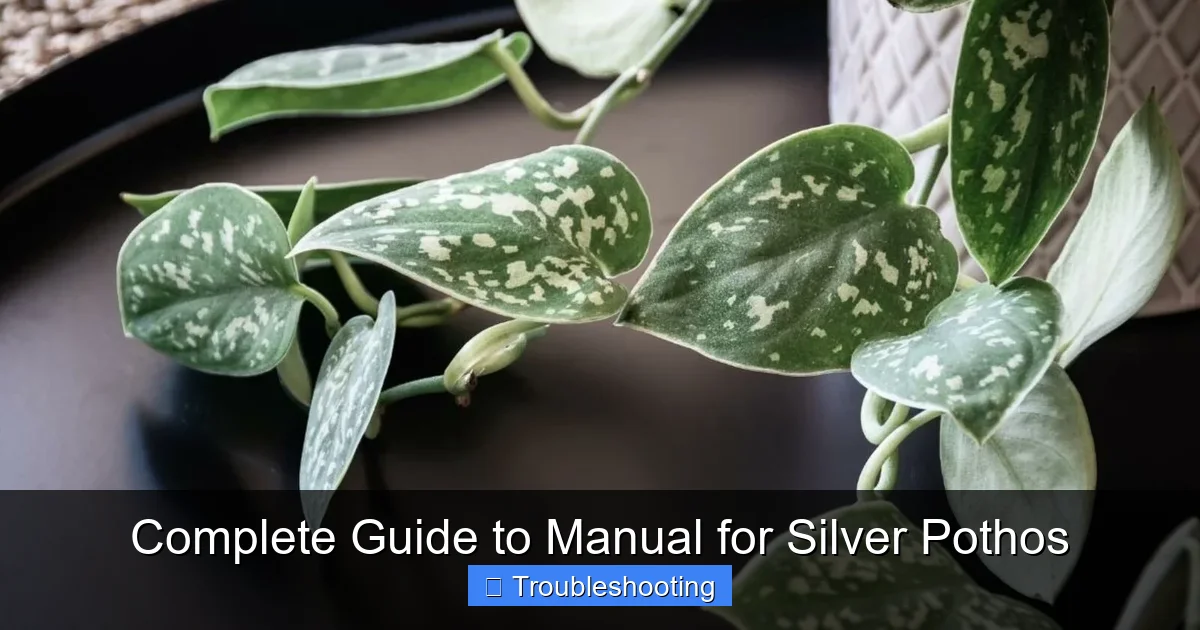
You’ll encounter a few popular cultivars. ‘Argyraeus’ is the most common, with small, heart-shaped leaves and delicate silver speckles. ‘Exotica’ boasts larger leaves with heavier silver coverage, almost looking painted. ‘Silvery Ann’ sits in between, with generous variegation on medium-sized leaves. ‘Jade Satin’ is a newer cultivar with thicker, jade-green leaves and a subtle silver sheen. All share the same core care needs.
Growth Habits and What to Expect
Indoors, Silver Pothos typically grows as a trailing or climbing plant. Vines can reach 3-10 feet long with proper support. Given a moss pole or trellis, the leaves grow larger and the plant matures faster. As a trailer, it creates a lush curtain from a hanging basket. Growth is moderate. Expect several inches of new vine per month during the active growing season (spring through early fall). Growth slows or pauses in winter.
The silver variegation is actually air pockets between the leaf layers. This structural color reflects light, helping the plant in its native dappled shade. It’s not pigment-based, so it won’t “revert” to green like some variegated plants. However, low light reduces the contrast, making leaves appear greener. Bright indirect light maximizes that stunning silver sparkle.
Creating the Perfect Environment
Light Requirements Decoded
Light is the single most important factor for a happy Silver Pothos. Think “bright indirect.” An east-facing window is ideal. Morning sun is gentle and welcome. A few feet back from a south or west window works too, provided a sheer curtain diffuses the harsh afternoon rays. North windows can work but may slow growth and dull the variegation.
Visual guide about Complete Guide to Manual for Silver Pothos
Image source: epicgardening.com
Direct sun scorches the leaves. You’ll see crispy brown patches, often on the silver areas first. Too little light leads to leggy growth, long gaps between leaves (long internodes), and smaller, greener foliage. If your plant looks sparse and stretched, move it closer to the light source. Rotate the pot weekly for even growth. A light meter helps. Aim for 200-500 foot-candles (2,000-5,000 lux) for optimal growth.
Temperature and Humidity Sweet Spots
Silver Pothos loves warmth. The ideal range is 65-85°F (18-29°C). It tolerates brief dips to 60°F (15°C) but suffers below 50°F (10°C). Cold drafts from windows, AC vents, or exterior doors cause yellowing and leaf drop. Keep it away from heating vents too. Dry, hot air crisps leaf edges.
Humidity is where many plant parents struggle. Average home humidity (30-40%) is “okay” but not ideal. Your Silver Pothos will truly flourish at 50-60% humidity. Higher humidity means larger leaves, faster growth, and fewer crispy tips. Easy ways to boost humidity: group plants together, run a humidifier nearby, use a pebble tray with water (pot sits above water line), or place it in a naturally humid room like a bathroom with good light. Misting helps briefly but doesn’t raise ambient humidity significantly.
The Right Soil Mix for Healthy Roots
Root rot is the silent killer of Silver Pothos. The solution starts with soil. You need a chunky, airy, well-draining mix that holds moisture but never stays soggy. A standard “potting soil” straight from the bag is usually too dense. Make your own aroid mix: 2 parts high-quality potting soil, 1 part perlite, 1 part orchid bark, and 1/2 part horticultural charcoal. Or buy a pre-made aroid or “chunky” mix.
The perlite and bark create air pockets. Roots need oxygen as much as water. The charcoal absorbs impurities and prevents fungal issues. When you water, the mix should drain freely within seconds. If water pools on top or the pot feels heavy days later, your mix is too dense. Repot into something airier. Your plant will thank you with vigorous new growth.
Choosing and Preparing the Pot
Always use a pot with drainage holes. No exceptions. Terracotta is excellent because it wicks moisture, reducing overwatering risk. Plastic and ceramic work fine too, just be more careful with watering. The pot size matters. Only go up 1-2 inches in diameter when repotting. A huge pot holds too much soil, which stays wet too long, leading to root rot.
Repot every 1-2 years in spring, or when roots circle the bottom or poke out drainage holes. Fresh mix replenishes nutrients and improves aeration. Gently loosen the root ball. Trim any black, mushy roots with sterile scissors. Plant at the same depth. Water thoroughly after repotting, then let the top few inches dry before watering again.
Mastering the Watering Routine
The “Finger Test” and Other Reliable Methods
Forget the calendar. Watering on a schedule kills more Silver Pothos than anything else. Instead, check the soil. Stick your finger in up to the second knuckle (about 2 inches). If it feels dry at your fingertip, water. If it’s cool and damp, wait. Check every 2-3 days in summer, weekly in winter.
Other reliable methods: lift the pot. A dry pot feels significantly lighter. Use a wooden chopstick or moisture meter. Insert it deep, pull it out. If the stick comes out clean (no soil clinging), it’s dry. If soil sticks, it’s moist. The meter should read “dry” or 1-2 on a 1-10 scale. These tools take the guesswork out, especially for beginners.
How to Water Properly
When it’s time, water thoroughly. Pour slowly around the base until water runs freely from the drainage holes. This ensures the entire root ball is moistened and flushes out accumulated salts from fertilizer. Discard the runoff. Never let the pot sit in a saucer of water. That’s a root rot invitation.
Use room-temperature water. Cold water shocks tropical roots. If your tap water is heavily chlorinated or softened, let it sit overnight or use filtered/rain water. Silver Pothos is sensitive to fluoride and salts, which cause brown leaf tips. Bottom watering (setting the pot in a tray of water for 15-20 minutes) works well too, especially for very dry soil that repels water from the top. Just don’t forget it!
Seasonal Watering Adjustments
Your watering frequency changes with the seasons. Spring and summer: active growth, higher light, warmer temps. You might water every 5-7 days. Fall: growth slows, light decreases. Stretch to every 7-10 days. Winter: dormancy or semi-dormancy, low light, cooler temps. Water every 10-14 days, sometimes longer. Always verify with the finger test. The plant tells you what it needs.
Feeding for Lush Growth
Fertilizer Types and Schedule
Silver Pothos isn’t a heavy feeder, but regular fertilizing during the growing season rewards you with bigger leaves and longer vines. Use a balanced, water-soluble fertilizer (like 10-10-10 or 20-20-20) diluted to half strength. Apply once a month from March through September. Alternatively, use a slow-release granular fertilizer in spring, following package rates.
Many enthusiasts prefer a “weakly, weekly” approach: 1/4 strength fertilizer every watering during active growth. This provides steady nutrition without burn risk. Stop fertilizing entirely in late fall and winter. The plant isn’t using nutrients, and salts accumulate, damaging roots. If you see a white crust on the soil surface, that’s salt buildup. Flush the pot with plenty of plain water.
Signs of Over and Under-Fertilizing
Too much fertilizer: brown, crispy leaf edges and tips (fertilizer burn), white crust on soil, stunted growth, blackened roots. Fix: flush soil thoroughly with water (3-4x pot volume), pause fertilizing for 2-3 months. Too little fertilizer: pale green or yellowing older leaves, small new leaves, slow growth, weak stems. Fix: resume half-strength monthly feeding. The sweet spot is consistent, moderate feeding.
Pruning, Training, and Propagation
Why and How to Prune
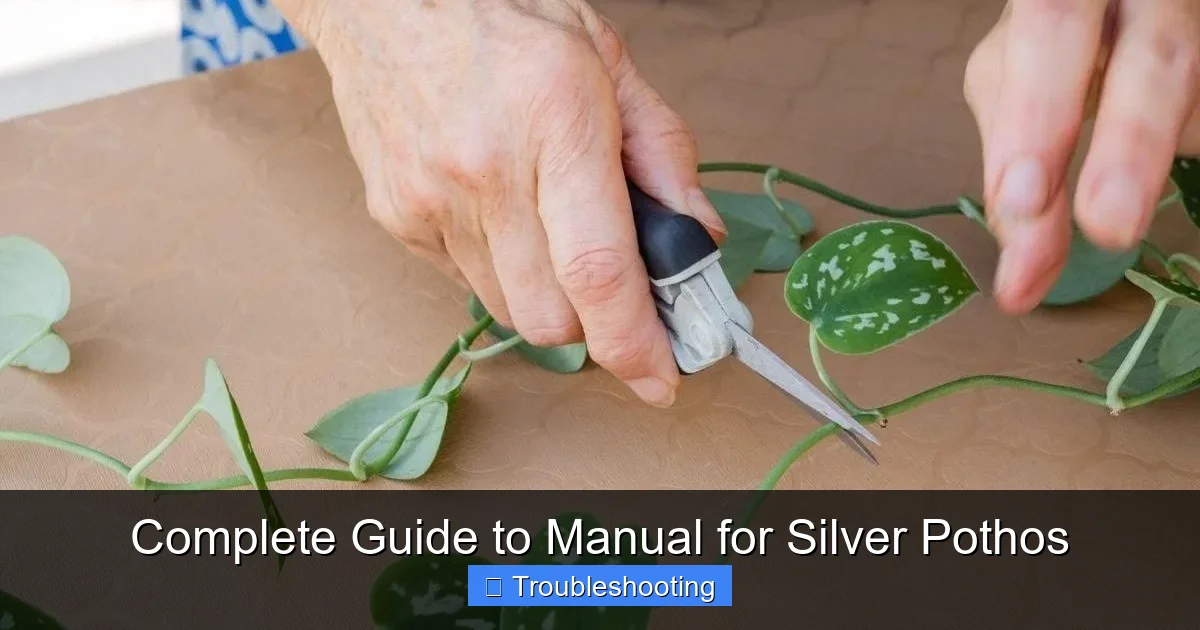
Pruning keeps your Silver Pothos full, bushy, and manageable. Without it, vines get long and leggy with bare stems. The best time is spring or early summer. Use clean, sharp scissors or pruning shears. Cut just above a node (the bump where leaves emerge). The plant will branch from that node, creating two vines where there was one. Remove any yellow, damaged, or dead leaves anytime.
You can prune aggressively. Taking vines back by half or more rejuvenates an overgrown plant. It looks drastic but bounces back beautifully with multiple new growth points. Save the cuttings for propagation! Pruning also improves air circulation, reducing fungal and pest issues. A dense, unpruned plant is a pest magnet.
Training to Climb or Trail
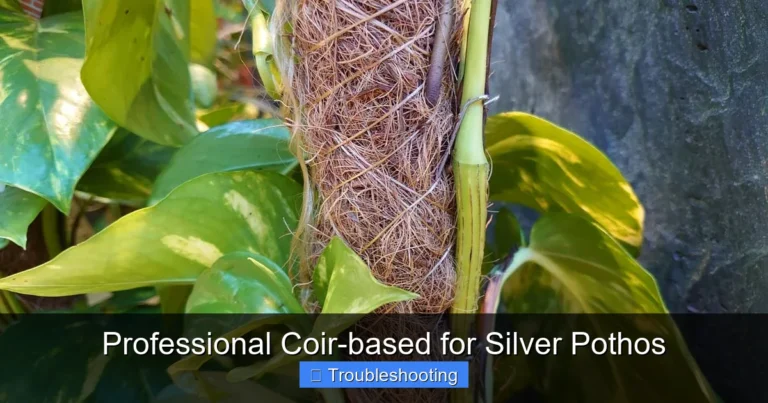
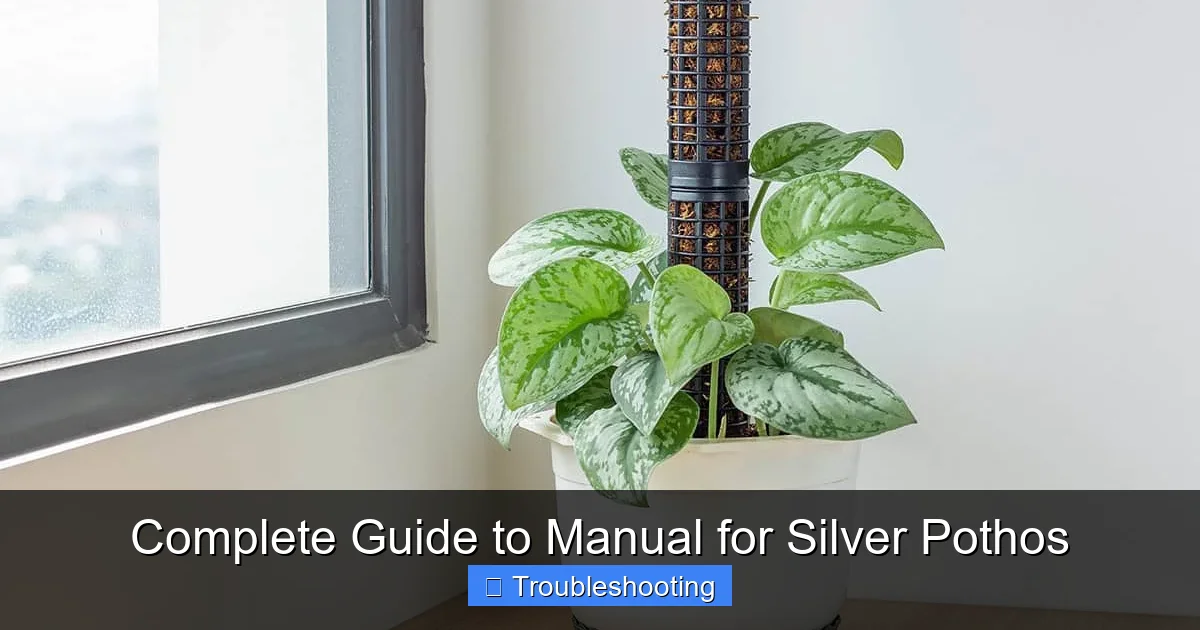
Silver Pothos is versatile. For a trailing look, let it cascade from a hanging basket or high shelf. For larger leaves and a dramatic vertical display, give it support. A moss pole, coco coir pole, or wooden plank mimics its natural climbing habit. Secure vines loosely with plant ties, velcro strips, or twine. Mist the pole regularly to encourage aerial roots to attach.
As the plant climbs, leaves mature. They grow larger, the silver variegation intensifies, and the leaf shape may change (becoming more elongated). This is the “shingling” phase. It’s stunning. If you prefer the juvenile heart-shaped leaves, keep it trailing. Both are beautiful. You can even do both: let some vines trail, train others up a pole.
Easy Propagation Methods
Propagation is one of the joys of Silver Pothos. It roots readily in water or moss. Take a 4-6 inch cutting with at least 2-3 nodes and 2-3 leaves. Remove the bottom leaf to expose a node. For water propagation: place in a clear glass with the node submerged, leaves above water. Bright indirect light. Change water weekly. Roots appear in 2-4 weeks. Pot up when roots are 2-3 inches long.
For sphagnum moss (often faster, stronger roots): soak moss, squeeze excess water. Wrap damp moss around the node. Place in a clear container or baggie to maintain humidity. Keep moss moist, not soggy. Open daily for air exchange. Roots in 2-3 weeks. Transition to soil mix gradually. Soil propagation works too: plant cutting directly in moist aroid mix, keep humid with a dome or bag. All methods work. Water lets you watch the roots grow.
Complete Troubleshooting Guide
Yellow Leaves: The Most Common Complaint
Yellow leaves have many causes. The pattern tells the story. Bottom leaves yellowing, one by one: Usually natural aging. The plant sheds old leaves to support new growth. If it’s just 1-2 leaves every few months, don’t worry. Many leaves yellowing at once, starting from bottom: Classic overwatering. Check roots. Mushy, black roots = root rot. Repot immediately in fresh, dry mix. Trim rot. Yellow leaves with brown crispy edges: Underwatering or low humidity. Increase watering frequency or humidity.
Yellow patches or halos between veins: Nutrient deficiency (usually nitrogen or magnesium). Fertilize with a balanced feed. Yellowing new growth: Could be root bound, severe root rot, or pest infestation. Check roots and inspect for pests. Yellowing after repotting: Transplant shock. Keep conditions stable, don’t fertilize, wait it out. Yellowing from cold: Move away from drafts. The key: diagnose before you act. Random fixes often make it worse.
Brown Tips, Edges, and Spots
Crispy brown tips are the #1 cosmetic issue. Causes, in order of likelihood: Low humidity (most common). Fix: humidifier, pebble tray, group plants. Underwatering (soil bone dry too long). Fix: water more consistently. Tap water chemicals (fluoride, chlorine, salts). Fix: use filtered, distilled, or rain water. Fertilizer burn (too strong or too frequent). Fix: flush soil, dilute fertilizer. Direct sun scorch. Fix: move to indirect light.
Brown spots in the middle of leaves suggest different issues. Soft, mushy brown spots with yellow halos: Bacterial or fungal leaf spot. Often from water sitting on leaves. Fix: remove affected leaves, improve air flow, avoid overhead watering, treat with copper fungicide if severe. Small brown dots with webbing: Spider mites. See pest section. Brown, corky scabs: Edema. Caused by roots taking up water faster than leaves transpire (cool, damp, low light). Fix: improve light, reduce watering, increase air flow.
Curling, Drooping, and Wilting Leaves
Leaves curling inward (like a taco) usually mean thirst. The plant reduces surface area to conserve moisture. Water thoroughly. They should perk up in hours. Leaves curling under or downward with yellowing suggest overwatering/root rot. Check soil and roots immediately. Sudden drooping of the whole plant: could be severe underwatering (water!) or severe overwatering (check roots!). Feel the soil to know which.
Leaves folding lengthwise (like a hot dog bun) often indicates heat stress or very low humidity. Move away from heat source, add humidity. New leaves emerging curled and staying that way: Could be pest damage (thrips, spider mites) on the tender new growth. Inspect closely with a flashlight. Nighttime drooping that recovers by day: normal nyctinasty (sleep movement). Some Scindapsus do this slightly. No action needed.
Leggy Growth and Small Leaves
“Leggy” means long stems with wide gaps between leaves (long internodes) and small, often greener leaves. The cause is almost always insufficient light. The plant stretches toward the light source. Fix: move to brighter spot. You can’t fix existing leggy growth, but new growth will be compact. Prune leggy vines back to a node to encourage bushier growth. Propagate the cuttings to fill the pot.
If light is good but leaves stay small, check: Root bound? Repot. Nutrient deficient? Fertilize. Pests? Inspect. Pot too large? Downsize. Mature plant needing support? Add a moss pole. Climbing triggers larger leaf development. A trailing plant in good light will have medium leaves. A climbing plant in good light produces the impressive large, heavily silvered foliage.
Root Rot: Diagnosis and Rescue
Root rot is the most serious threat. It’s caused by fungi (Pythium, Phytophthora, Rhizoctonia) thriving in anaerobic, soggy soil. Symptoms: yellowing lower leaves, wilting despite wet soil, mushy black/brown roots, foul smell (like swamp), soil staying wet for weeks, fungus gnats. If you suspect it, act fast.
Rescue steps: 1) Unpot. Rinse all soil off roots gently. 2) Inspect. Healthy roots are firm, white/cream/tan. Rotted roots are black/brown, mushy, hollow, slip off easily. 3) Trim all rot with sterile scissors. Cut back to healthy tissue. 4) Optional: dip remaining roots in 3% hydrogen peroxide (1 part peroxide to 4 water) for 5 minutes, or dust with cinnamon (natural antifungal). 5) Repot in fresh, sterile, chunky aroid mix. Clean pot or new pot. 6) Water lightly. Place in bright indirect light, high humidity (bag or dome helps). 7) Wait. New roots in 2-4 weeks. No fertilizer until established.
If all roots are gone, you can still save it! Treat the stem as a cutting. Cut above the highest node with healthy tissue. Root in water or moss. Many Silver Pothos come back from just a stem section. It’s resilient.
Pest Identification and Treatment
Spider Mites: Tiny (barely visible), red/brown dots on leaf undersides. Fine webbing at leaf joints. Leaves get stippled (tiny yellow dots), then bronze/silver, then drop. Love hot, dry conditions. Treatment: Shower plant thoroughly (knocks them off). Spray neem oil or insecticidal soap weekly for 3-4 weeks, covering undersides. Increase humidity. They hate moisture.
Mealybugs: White, cottony clumps in leaf axils, stem joints, undersides. Slow-moving. Suck sap, leave sticky honeydew. Treatment: Dab visible bugs with alcohol-soaked Q-tip. Spray neem oil or insecticidal soap weekly for 3-4 weeks. Systemic granules in soil work for heavy infestations.
Scale: Small, round/oval bumps on stems and leaf veins. Brown, tan, or white. Hard shell. Don’t move much. Sticky honeydew. Treatment: Scrape off gently with fingernail or soft brush. Spray horticultural oil or neem oil weekly for 4 weeks. Oil smothers them.
Thrips: Tiny, slender, yellow/black insects. Silvery, scratched patches on leaves. Black fecal dots. New growth distorted. Treatment: Blue sticky traps. Spray spinosad (Captain Jack’s) or neem oil weekly. Systemic helps. They’re persistent.
Fungus Gnats: Tiny black flies around soil. Larvae eat roots/root hairs. Annoying, rarely fatal to mature plants. Treatment: Yellow sticky traps. Let top 2 inches dry completely. Mosquito bits (Bti) in water. Top dress with sand or gravel.
Prevention: Quarantine new plants 2-3 weeks. Inspect weekly with flashlight. Keep leaves clean (wipe with damp cloth). Healthy plants resist pests better.
Leaf Pattern and Variegation Issues
Loss of silver variegation (leaves turning solid green): Almost always low light. The plant produces more chlorophyll to compensate. Move to brighter spot. New leaves will regain variegation. Reverted growth (all-green vine on variegated plant): Rare in Scindapsus (unlike Pothos), but can happen. Prune the all-green vine at the base. It grows faster and will take over.
Uneven variegation: Normal. Each leaf is unique. Viral infection: Mosaic patterns, ring spots, distortion. No cure. Destroy plant to protect others. Fortunately rare. Genetic mutation (sport): A single vine with different variegation (more silver, less silver, sectoral). Can be propagated to stabilize. Exciting for collectors!
Advanced Care Tips for Collectors
Encouraging Mature “Shingling” Foliage
The holy grail for Silver Pothos enthusiasts is mature, shingling foliage. In nature, the plant climbs trees, leaves pressing flat, overlapping like shingles. These leaves are huge (6-12 inches), deeply silvered, and stunning. To trigger this indoors: Provide a porous vertical support (moss pole, coir pole, wood board). Keep the pole consistently moist (mist daily or use a wicking system). High humidity (60%+). Bright indirect light. Patience. It takes months to a year.
As aerial roots attach, the plant “knows” it’s climbing. Hormones shift. Internodes shorten. Leaves enlarge dramatically. The silver patterning becomes bold, almost metallic. Once shingling starts, don’t disturb the attachment. If you must move it, keep the pole with the plant. A mature shingling Silver Pothos is a showstopper.
Hydroponic and Semi-Hydro Options
Silver Pothos adapts beautifully to semi-hydroponics (LECA/pon) and full hydroponics. Benefits: no soil pests, precise nutrient control, visible root health, less frequent watering. Transition: remove all soil (crucial – rotting soil kills roots in LECA). Rinse roots until water runs clear. Place in LECA/pon reservoir system. Use hydroponic fertilizer at 1/4 strength. Maintain water level at 1/3 reservoir. Roots grow into the moist zone above water.
Semi-hydro is forgiving. Full hydro (roots in nutrient solution with air stone) grows explosive roots but needs pH/EC monitoring. Both eliminate fungus gnats and soil-borne diseases. Many collectors switch prized specimens to semi-hydro for peace of mind. It’s not for everyone, but it’s a fantastic option.
Creating a Full, Lush Specimen
A single vine looks sparse. A full pot looks like a jungle. Secrets: Plant multiple cuttings together (5-7 in a 6-inch pot). Prune regularly to force branching. Pinch growing tips (remove the newest leaf pair) to activate lateral buds. Rotate the pot weekly for even light. Fertilize consistently during growth. Provide a moss pole and train vines up, then let them cascade down. The “up and over” technique creates a living fountain.
Layering works too: pin a vine down onto soil (or another pot) at a node. It roots. Sever once established. Instant new vine. Do this around the mother plant. In a year, you’ll have a spectacular, multi-stemmed specimen that stops visitors in their tracks.
Seasonal Care Calendar
Spring: The Wake-Up Season
March-April: Days lengthen. Growth resumes. Resume fertilizing (half strength monthly). Check for repotting needs. Increase watering frequency as soil dries faster. Inspect for pests that may have appeared in winter. Prune leggy winter growth. Take cuttings to fill out the pot. Start moss pole training if desired. This is the best time for major changes.
Summer: Peak Growth
May-August: Maximum light, heat, growth. Water most frequently (check every 3-4 days). Fertilize monthly. Monitor for spider mites (love heat). Provide shade from intense afternoon sun if near south/west windows. Mist pole daily if climbing. Propagate freely – cuttings root fastest now. Enjoy the rapid growth!
Fall: The Wind-Down
September-October: Light decreases. Growth slows. Reduce fertilizing (stop by November). Water less often (check weekly). Bring outdoor plants in before nights hit 55°F. Inspect thoroughly for hitchhiking pests. Quarantine 2 weeks. Clean leaves. Prepare for lower light – consider supplemental grow lights if windows are dim.
Winter: Rest and Maintenance
November-February: Dormancy or slow growth. Water sparingly (every 10-14+ days). No fertilizer. Keep away from cold drafts and heating vents. Humidity drops with heating – run humidifier. Provide maximum light (move closer to windows, add grow lights). Don’t repot unless emergency. Don’t prune heavily. Remove only dead leaves. Expect little to no growth. This is normal. Spring comes fast.
Conclusion
You now have a complete guide to manual for silver pothos that covers every aspect of care, from the basics of light and water to advanced troubleshooting and collector techniques. Silver Pothos is remarkably forgiving and communicative. It tells you what it needs through its leaves. Yellow? Check water. Crispy tips? Check humidity. Leggy? Check light. Sticky? Check pests. Listen to your plant, and you’ll develop an intuition that no guide can replace.
Remember the core principles: bright indirect light, chunky well-draining soil, water when dry, moderate humidity, gentle feeding. Master these, and your Silver Pothos will reward you with cascading silver-splashed vines or majestic shingling foliage for years to come. Whether it’s your first plant or your fiftieth, Scindapsus pictus earns its place in every collection. Happy growing!
Frequently Asked Questions
What is the difference between Silver Pothos and regular Pothos?
Silver Pothos (Scindapsus pictus) is a different genus than true Pothos (Epipremnum aureum). Silver Pothos has thicker, velvety leaves with structural silver variegation, while true Pothos has thinner, glossy leaves with pigment-based variegation. Care is similar but Silver Pothos prefers slightly higher humidity.
Why are the new leaves on my Silver Pothos small and green?
Small, green new leaves usually indicate insufficient light. The plant produces more chlorophyll (green) to maximize photosynthesis in low light, and reduces leaf size to conserve resources. Move to a brighter location with indirect light.
Can I grow Silver Pothos in water permanently?
Yes, Silver Pothos can live indefinitely in water with proper care. Change water weekly, add hydroponic fertilizer at 1/4 strength monthly, and ensure roots have oxygen (don’t submerge the stem). Growth is slower than in soil but maintenance is minimal.
How do I fix root rot on my Silver Pothos?
Unpot the plant, rinse all soil off roots, trim away all black/mushy roots with sterile scissors, dip remaining roots in diluted hydrogen peroxide (1:4), and repot in fresh, chunky, well-draining aroid mix. Water lightly and increase humidity while it recovers.
What’s the best way to increase humidity for Silver Pothos?
A humidifier is the most effective method for raising ambient humidity consistently. Grouping plants together, using a pebble tray with water (pot elevated above water line), or placing in a naturally humid bathroom with good light also work well. Misting provides only temporary relief.
When should I repot my Silver Pothos?
Repot in spring every 1-2 years, or when roots circle the pot bottom, grow out of drainage holes, or the soil breaks down and stays wet too long. Only increase pot size by 1-2 inches. Use fresh, well-draining aroid mix.