Best Value Wooden for Staghorn Fern
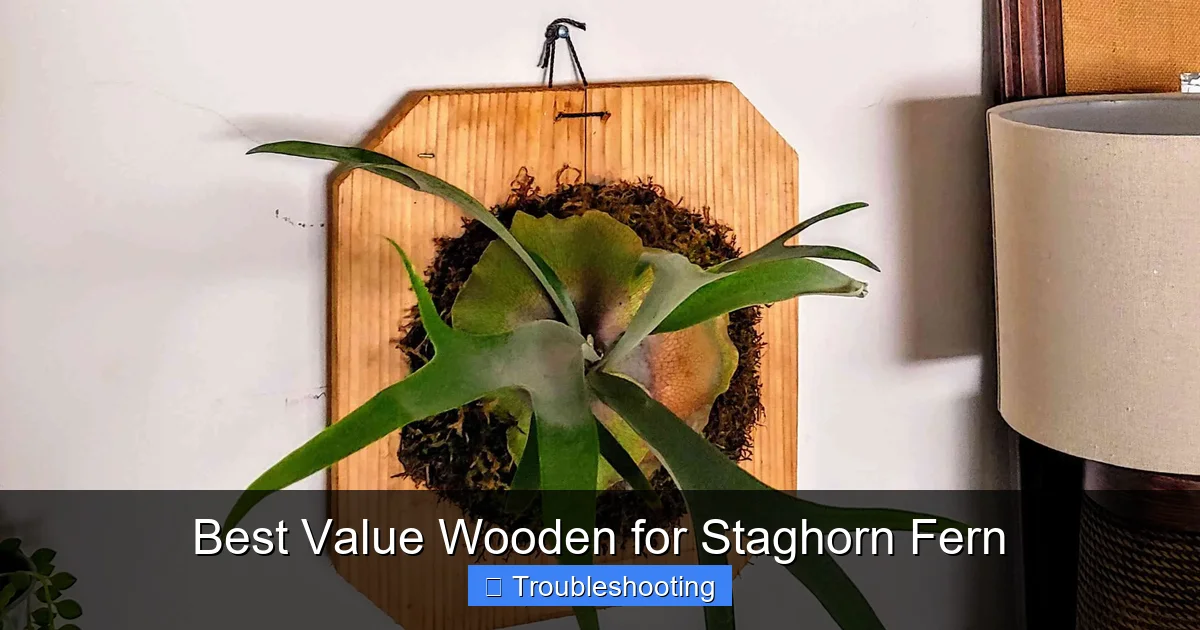
Choosing the best value wooden for staghorn fern mounts means balancing rot resistance, weight, and cost. Cedar and cypress top the list for longevity, while pine works if sealed properly. Avoid pressure-treated wood to keep your fern safe.
Staghorn ferns are stunning epiphytes that bring a touch of the tropics to any space. But mounting them? That is where many plant parents get stuck. You need a board that holds moisture without rotting, supports weight without bowing, and does not leach toxins into the root zone. Finding the best value wooden for staghorn fern projects means understanding wood biology as much as fern biology. I have mounted dozens of these beauties over the years. Some boards lasted a decade. Others turned to mush in two seasons. The difference almost always came down to the wood choice and prep work.
This guide walks you through every viable wood option. We will compare cost per year of service. We will cover preparation steps that double mount lifespan. We will troubleshoot common failures like black rot, warping, and hardware pull-out. Whether you are mounting a single pup or building a living wall for a mature specimen, the right wood makes all the difference. Let us dig in.
Key Takeaways
- Cedar offers the best overall value: Natural rot resistance, lightweight, and widely available at a fair price.
- Cypress is a close runner-up: Excellent decay resistance, often cheaper than cedar in southern regions.
- Redwood lasts longest but costs more: Premium durability for permanent installations.
- Pine requires sealing: Budget-friendly upfront but needs non-toxic sealant to prevent rot.
- Never use pressure-treated lumber: Chemicals leach into moss and harm the fern.
- Proper preparation extends wood life: Sand, drill drainage holes, and apply food-safe sealant.
- Match wood size to fern weight: Large shields need thick boards; pups do fine on plaques.
Quick Answers to Common Questions
What is the single best wood for staghorn fern mounts?
Western red cedar offers the best balance of rot resistance, weight, cost, and availability for most growers.
Can I use pressure-treated lumber if I seal it well?
No. Chemicals leach through sealants over time and harm the fern’s sensitive rhizomes.
How thick should the mounting board be?
At least 3/4 inch for mounts up to 12 inches wide; 1.5 inches or laminated for larger shields.
Do I need to seal cedar or cypress?
Not required, but one coat of pure tung oil extends life and enhances appearance.
How often should I replace the sphagnum moss?
Every 2 to 3 years, ideally in early spring before the active growing season.
📑 Table of Contents
Why Wood Choice Matters for Staghorn Ferns
Natural Habitat Clues
Staghorn ferns grow on tree trunks and branches in rainforests. They anchor to bark that stays damp but aerated. Bark resists decay for years because it contains natural fungicides and has high lignin content. Your mount should mimic this. It must stay structurally sound while constantly wet. It must not compress under the weight of wet sphagnum moss and a growing root ball. And it must be safe for the sensitive rhizomes that press directly against the surface.
Moisture Retention vs Rot Resistance
This is the central tension. You want wood that holds some moisture to buffer the moss between waterings. But if the wood itself stays saturated, fungi colonize it. Rot spreads from the board into the moss. Then the fern declines. The best value wooden for staghorn fern mounts strikes a balance: dense enough to resist fungal enzymes, porous enough to breathe. Heartwood from durable species does this naturally. Sapwood and non-durable species need help.
Weight and Mounting Considerations
A mature staghorn fern with a thick moss pad can weigh 30 to 50 pounds. The board must be rigid. Thin pine warps. Thin cedar bows. You need at least 3/4 inch thickness for anything over 12 inches wide. For large shields, 1.5 inch or double-layered boards work better. Also consider the wall anchor. A heavy board plus a heavy fern needs solid studs or heavy-duty drywall anchors. Light wood like cedar reduces total load. That matters for rental walls or fence mounts.
Top Wood Types for Best Value
Cedar – The Gold Standard
Western red cedar is the top pick for most growers. It contains thujaplicins, natural oils that kill rot fungi. It is lightweight, about 23 lbs per cubic foot. It is stable, meaning low shrinkage and warping. It takes screws well without splitting. You can find rough-sawn fence boards at any lumber yard for $2 to $4 per linear foot. A 1x12x8 foot board yields four 12-inch mounts for under $10 each. That is incredible best value wooden for staghorn fern material. Eastern white cedar works too but is softer. Avoid Spanish cedar; it is a different genus, less rot-resistant, and often imported.
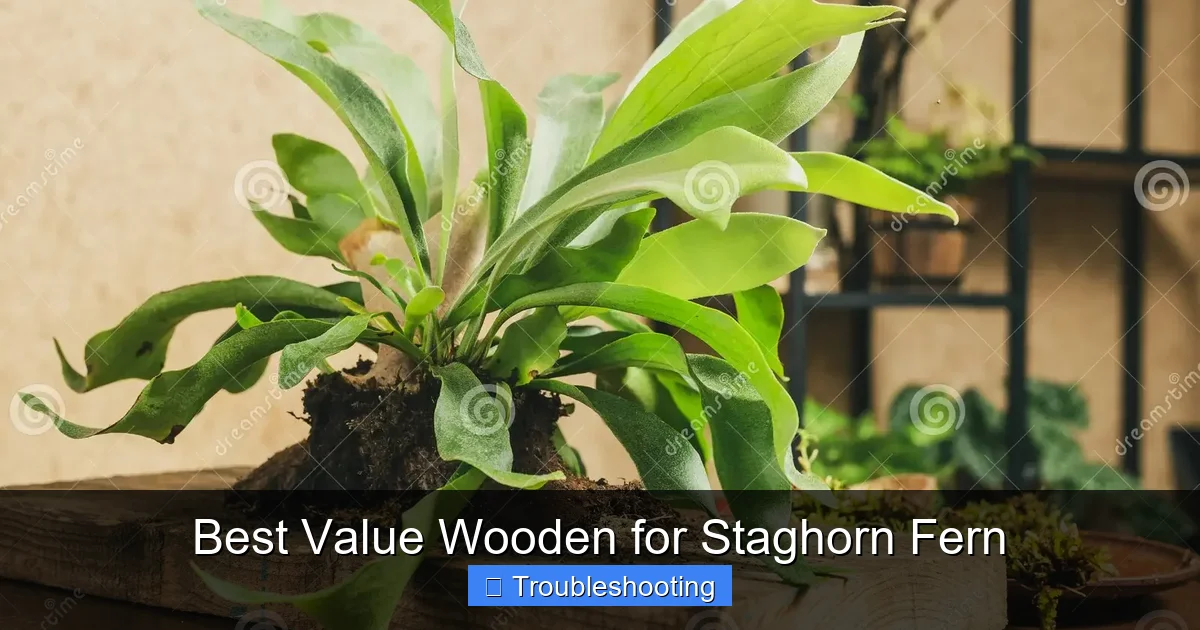
Visual guide about Best Value Wooden for Staghorn Fern
Image source: thumbs.dreamstime.com
Redwood – Durable and Beautiful
Redwood heartwood is legendary for decay resistance. It is denser than cedar, about 28 lbs per cubic foot. It holds screws exceptionally well. The color is gorgeous, aging to a silver-gray patina. The downside? Cost. Clear heart redwood runs $8 to $12 per board foot. Construction common has knots and sapwood. For a few mounts, the splurge is worth it. For a nursery operation, it blows the budget. If you have access to reclaimed redwood decking or siding, grab it. That is true value.
Cypress – Affordable and Rot-Resistant
Bald cypress and pond cypress grow in swamps. Their heartwood produces cypressene, a natural preservative. It is harder than cedar, machines cleanly, and costs 20 to 30 percent less in the Southeast and Gulf Coast. Up north, shipping adds cost. Look for “sinker cypress” reclaimed from river bottoms. It is dense, stable, and stunning. Standard #2 common cypress boards work fine. Select pieces with tight grain and minimal sapwood. Cypress is a strong contender for best value wooden for staghorn fern in its native range.
Pine – Budget Option with Treatment
Southern yellow pine is cheap, strong, and everywhere. A 1x12x8 costs $6 to $8. But raw pine rots in a year when wet. You must seal it. Use a non-toxic, water-based penetrating oil like pure tung oil or a beeswax-mineral oil blend. Apply three coats, sanding between. Drill drainage holes every 4 inches. Even then, expect 3 to 5 years max. For temporary mounts, pups you plan to remount, or indoor use with careful watering, pine works. For permanent outdoor mounts, the labor of resealing every year erases the savings.
Hardwoods – Oak, Maple, etc.
White oak has tyloses that block water movement, making it naturally water-resistant. It is heavy, 45 lbs per cubic foot. It is hard to drill. It costs $6 to $10 per board foot. Maple, walnut, cherry – all beautiful, all dense, all expensive. They work for decorative plaques where the wood is the showpiece. But for pure fern function, they are overkill. The weight makes mounting harder. The cost per year of service is high. I only use hardwood for show mounts or gifts.
Comparing Cost vs Longevity
Initial Investment vs Replacement Frequency
Let us run numbers. A cedar mount costs $8 in wood, $3 in hardware, $2 in sealant. Total $13. Lasts 10 years outdoors. Cost per year: $1.30. A pine mount costs $3 in wood, $3 hardware, $5 in quality sealant (you need more coats). Total $11. Lasts 3 years. Cost per year: $3.67. Redwood mount: $25 wood, $3 hardware, $2 sealant. Total $30. Lasts 20 years. Cost per year: $1.50. Cypress mount: $6 wood, $3 hardware, $2 sealant. Total $11. Lasts 12 years. Cost per year: $0.92. The best value wooden for staghorn fern over a decade is cypress where available, cedar everywhere else. Pine only wins if you value today’s dollars over tomorrow’s labor.
Hidden Costs: Hardware and Sealants
Stainless steel screws cost 4x coated deck screws. But coated screws rust in 2 years, staining wood and weakening hold. Stainless lasts the life of the board. Buy 316 grade for coastal areas, 304 inland. A 1-lb box of 2-inch stainless trim screws is $12. Enough for 20 mounts. That is $0.60 per mount. Worth it. Sealant: pure tung oil is $25 per quart. Covers 100 sq ft. Three coats on a 12×12 board uses 0.1 quart. Cost $2.50. Beeswax-mineral oil blend: $15 per pint, covers similar. Skip film-forming finishes like polyurethane. They peel, trap moisture, and create a slippery surface the moss cannot grip.
Preparing Wood for Staghorn Fern Mounting
Cleaning and Sanding
Start with rough-sawn lumber. It has splinters and sawdust. Wear a mask. Brush off loose fibers with a stiff nylon brush. Sand with 80-grit to knock down high spots. Then 120-grit for a smooth-but-grippy surface. Do not go finer than 150. The moss needs texture to anchor. Wipe with a damp cloth. Let dry fully. If using reclaimed wood, check for nails, staples, old finish. Remove all metal. Strip old paint or stain completely. Chemical strippers leave residue. Heat gun and scraping is safer.
Sealing Options (Non-Toxic)
This step is critical for pine, optional but helpful for cedar and cypress. My go-to: 100% pure tung oil. Not “tung oil finish” which has solvents. Pure tung oil polymerizes inside wood cells. It is food-safe when cured. Apply with a rag. Flood the surface. Wait 20 minutes. Wipe excess. Repeat twice more at 24-hour intervals. Cure 7 days before mounting fern. Alternative: melt 1 part beeswax with 4 parts food-grade mineral oil. Brush on warm. Wipe excess. Reapply annually. Both let wood breathe. Both are safe for rhizomes.
Drilling Mounting Holes
Drill two keyhole slots at the top for hanging. Use a 3/8 inch Forstner bit for the round part, then a 1/4 inch bit for the slot. Space them 1/3 and 2/3 across the width. Drill 1/4 inch drainage holes every 4 inches across the bottom third of the board. Stagger them. This lets excess water escape so the bottom moss does not sour. Countersink all holes on the back side so the board sits flat against the wall. For large boards over 18 inches, add a third hanger in the center.
Common Mistakes and Troubleshooting
Using Pressure-Treated Lumber
This is the number one killer. Modern treatments use copper azole or ACQ. Copper is toxic to ferns. The rhizomes turn black at contact points. The fern slowly declines. Even “ground contact” rated wood leaches. Do not use it. Do not use railroad ties. Do not use pallet wood unless heat-treated (marked HT) and you know the source. Pallets often carry methyl bromide or fungicides. If you must use cheap wood, buy construction-grade pine and seal it yourself. You control the chemicals.
Ignoring Weight Limits
A 24-inch wide cedar board spans 24 inches with a 40 lb fern. It will bow. The moss pulls away from the wood. Air gaps form. Roots dry out. Fix: use 1.5 inch thick stock. Or laminate two 3/4 boards with waterproof glue (Titebond III). Or add a French cleat that transfers load to the wall. For fence mounts, run a 2×4 horizontal behind the board, screwed to posts. The board screws to the 2×4. The fence takes the weight.
Poor Drainage Design
Flat board against wall = trapped water. Rot starts at the wall interface. Always use standoffs. Two 1/2 inch thick strips of the same wood, glued and screwed to the back, top and bottom. Or rubber bumpers at four corners. This creates an air gap. The wall stays dry. The board back stays dry. The mount lasts twice as long. Also, slope the bottom edge slightly. Cut a 5-degree bevel so water runs off the face, not along the bottom edge.
Wrong Sphagnum Moss Technique
Packing moss too tight against bare wood suffocates roots and holds water against wood. Create a “nest.” Mound moss in the center. Taper to thin at edges. Leave the outer 2 inches of board exposed. This lets the board breathe. The fern’s shield fronds will grow over the edge naturally. Use long-fiber New Zealand sphagnum. It holds structure years longer than Chilean or domestic. Wet it, wring it out until barely damp, then pack. Dry moss repels water. Soggy moss rots.
Maintenance Tips for Long-Lasting Mounts
Inspecting for Rot
Twice a year, remove the fern gently. Check the board. Probe with an awl. Soft spots mean rot. If caught early, cut out the bad section with a chisel. Treat surrounding wood with borate solution (Tim-bor). Let dry. Re-seal. Remount. If rot is widespread, replace the board. Do not ignore it. Rot spreads fast in warm weather. A $15 board replacement saves a $100 specimen fern.
Re-mossing Schedule
Sphagnum breaks down. It compacts. It loses water-holding capacity. Every 2 to 3 years, replace the moss. Best time: early spring before active growth. Soak new moss. Remove old. Inspect roots. Trim dead. Re-pack. This refresh also lets you check the board condition. I schedule it with repotting my other epiphytes. Makes it a habit.
Hardware Checks
Screws loosen with wood swelling and shrinking. Check hanger screws annually. Tighten if needed. If a screw spins, remove it. Fill hole with epoxy thickened with sawdust. Re-drive. Or move hanger 1 inch over. Standoff screws too. If the board pulls away from the wall, the gap closes, trapping moisture. Keep that air gap open.
Choosing the best value wooden for staghorn fern mounts is not about the cheapest board. It is about the lowest cost per healthy year. Cedar and cypress deliver that. Redwood does if you can afford the upfront. Pine works only with diligent sealing and acceptance of shorter life. Prepare the wood right. Hang it with an air gap. Use stainless hardware. Pack moss correctly. Inspect annually. Your fern will reward you with massive shield fronds and abundant pups. That is the real value: a thriving plant that becomes a legacy piece. Happy mounting.
Frequently Asked Questions
What makes cedar the best value wooden for staghorn fern projects?
Cedar contains natural oils that resist rot without chemicals. It is lightweight, widely available, affordable, and lasts 10+ years outdoors with minimal maintenance.
Is reclaimed wood safe for mounting staghorn ferns?
Only if you know its history. Avoid wood treated with preservatives, paint, or unknown chemicals. Heat-treated pallets (marked HT) are generally safe after thorough cleaning.
Can I mount a staghorn fern directly on a tree trunk instead?
Yes, that is their natural habitat. Choose a rough-barked tree in dappled shade. Attach with pantyhose or natural twine that will rot away after the fern attaches.
Why is my staghorn fern declining even on a good wood mount?
Check for overwatering, poor drainage, insufficient light, or fertilizer burn. The wood is only one factor; culture matters equally.
What hardware should I use to hang a heavy staghorn fern mount?
Use 316 stainless steel keyhole hangers or D-rings with 3-inch stainless screws into wall studs. For masonry, use stainless wedge anchors rated for the total weight.
How do I prevent the mounting board from staining my wall?
Install 1/2-inch wood standoffs or rubber bumpers on the back of the board to create an air gap. This allows airflow and prevents moisture transfer to the wall surface.