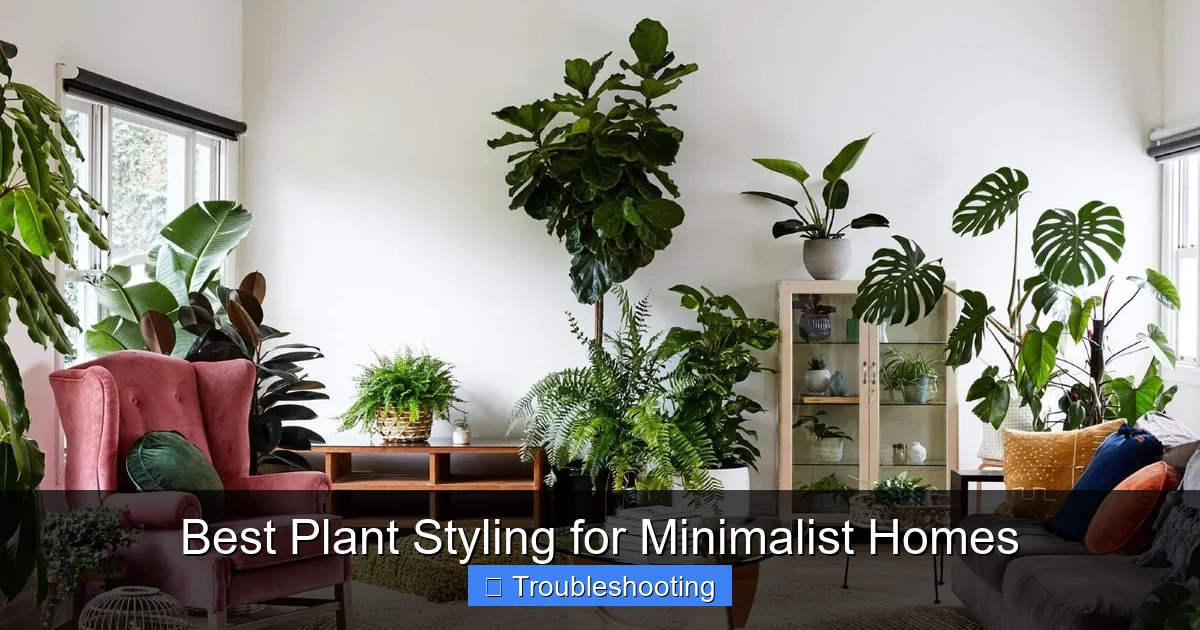
Best Plant Styling for Minimalist Homes
Transform your minimalist space with the best plant styling for minimalist homes. Learn how to choose low-maintenance plants, create clean visual balance, and arrange greenery that enhances — not clutters — your calm aesthetic.
You walk into a minimalist home and feel the calm. Clean lines. Neutral tones. Breathing room. Then you spot it — a single fiddle leaf fig in a matte white pot, standing tall in the corner. It doesn’t shout. It doesn’t clutter. It just belongs. That’s the magic of the best plant styling for minimalist homes. It’s not about filling every surface with green. It’s about choosing with purpose. Placing with care. Letting each plant earn its spot.
If you love the idea of greenery but fear the mess, the maintenance, or the visual chaos — you’re in the right place. This guide walks you through everything you need to know. From plant selection to pot pairing. From placement strategy to long-term care. All tailored for spaces that value simplicity. Let’s grow something beautiful together.
Key Takeaways
- Choose sculptural plants: Select varieties with clean lines and architectural forms that complement minimalist design.
- Limit your palette: Stick to one or two plant types and neutral pots for visual cohesion.
- Embrace negative space: Let each plant breathe by giving it room to stand alone as a focal point.
- Prioritize low maintenance: Pick drought-tolerant species that thrive on neglect and fit busy lifestyles.
- Use height variation: Mix floor, table, and hanging plants to add depth without visual noise.
- Match pots to your palette: Choose matte ceramic, concrete, or stone planters in whites, grays, or earth tones.
- Group with intention: Cluster odd numbers of plants at varying heights for a curated, gallery-like look.
Quick Answers to Common Questions
What are the best low-maintenance plants for minimalist homes?
Snake plants, ZZ plants, succulents like haworthia and echeveria, and cast iron plants thrive on neglect and keep clean lines.
How many plants should I have in a minimalist room?
One floor plant, one table plant, and one shelf grouping per room — max. Less is more.
What pot colors work best for minimalist plant styling?
Matte white, warm gray, charcoal, sand, and taupe. Stick to one color family throughout your home.
Can I use hanging plants in a minimalist space?
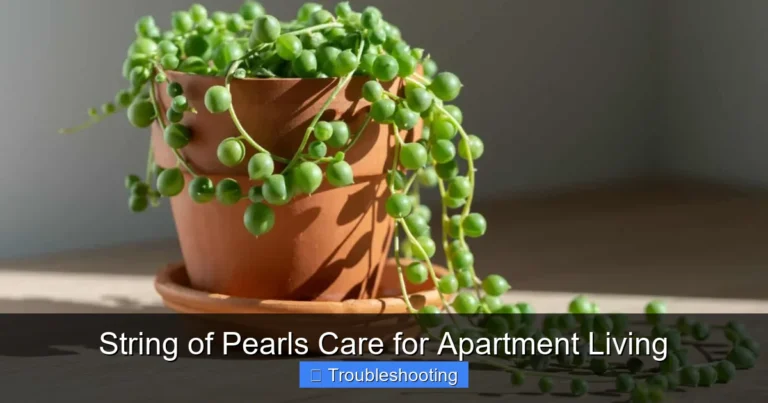
Yes — but only one per room. Choose structured varieties like string of pearls or mounted staghorn ferns in simple vessels.
How do I keep plants from looking messy over time?
Dust monthly, rotate weekly, prune dead growth immediately, and repot only every 2–3 years. Consistency keeps the calm.
📑 Table of Contents
- Why Plants Belong in Minimalist Spaces
- Choosing the Right Plants for Minimalist Aesthetics
- Pot Selection: The Silent Partner in Plant Styling
- Placement Strategy: Where Less Becomes More
- Creating Visual Rhythm Through Repetition
- Maintenance Made Minimal
- Seasonal Adjustments Without Disruption
- Common Mistakes That Break the Aesthetic
- Styling by Room: A Quick Reference
- Budget-Friendly Approaches to Minimalist Plant Styling
- Advanced Styling: Taking It to the Next Level
- Conclusion
Why Plants Belong in Minimalist Spaces
Minimalism isn’t about emptiness. It’s about intentionality. Every object has a reason. Plants fit perfectly — when chosen well. They bring life to stillness. Softness to hard edges. Color to neutrals. But not all plants work. A sprawling pothos draping over a shelf can feel messy. A dying fern adds stress, not serenity. The best plant styling for minimalist homes starts with understanding the role of each green element.
Plants as Living Sculpture
Think of plants as art. Not decor. A snake plant with its upright swords. A ZZ plant with its glossy, symmetrical leaves. A euphorbia cactus with its geometric arms. These aren’t just plants. They’re forms. Shapes. Shadows. They interact with light. They change slowly. They reward patience. In a minimalist room, a single well-placed plant can anchor the entire space. It draws the eye. It creates a focal point without a frame.
Biophilic Benefits Without the Clutter
Research shows plants reduce stress. Improve air quality. Boost focus. But you don’t need a jungle. One large plant or three small ones deliver the same calm. The key is restraint. Choose quality over quantity. Health over volume. A thriving plant radiates vitality. A struggling one radiates guilt. In minimalist design, guilt has no place. So pick plants that want to live in your conditions. Not ones you hope will adapt.
Choosing the Right Plants for Minimalist Aesthetics
Not every plant suits a clean, quiet space. You want structure. Simplicity. Low drama. High impact. The best plant styling for minimalist homes relies on a curated plant palette. Here are the top categories that deliver.
Architectural Succulents and Cacti
These are the gold standard. Agave. Euphorbia. Sansevieria. Haworthia. They hold their shape. They don’t shed. They don’t vine. They sit like sculptures. Place a large agave in a concrete floor pot. Put three haworthias in a row on a floating shelf. The repetition creates rhythm. The symmetry satisfies the eye. Water once a month. Done.
Upright Foliage Plants
Snake plants. ZZ plants. Cast iron plants. These grow vertical. They don’t sprawl. Their leaves are thick, waxy, uniform. They tolerate low light. They survive travel. They forgive forgetfulness. A tall snake plant in a corner adds height without width. Two flanking a sofa create symmetry. Three in a line define a hallway. Their form is their function.
Single-Statement Trees
Fiddle leaf fig. Olive tree. Rubber tree. Bird of paradise. One tree. One pot. One spot. That’s it. These work best in rooms with ceiling height and natural light. Keep the canopy pruned clean. Remove lower leaves for a tree-like silhouette. Choose a pot that disappears — matte white, warm gray, raw concrete. Let the trunk and leaves do the talking.
Compact Rosette Forms
Echeveria. Sempervivum. Aloe polyphylla. These grow in perfect spirals. They look like geometry made alive. Group three to five in a shallow ceramic tray. Vary sizes slightly. Keep colors in the same family — blue-green, gray-green, dusty rose. They read as a collection. Not a clutter. Perfect for coffee tables, sideboards, or bathroom vanities.
Pot Selection: The Silent Partner in Plant Styling
The pot is not an afterthought. In minimalist design, it’s half the visual equation. The best plant styling for minimalist homes treats pots as carefully as the plants themselves. Wrong pot. Right plant. Still wrong look.
Material Matters
Stick to matte finishes. Unglazed ceramic. Concrete. Stone. Terracotta (only if sealed and in muted tones). Avoid glossy glazes. Avoid plastic. Avoid metallic shine. The pot should feel grounded. Earthy. Quiet. It should look like it was dug up, not manufactured. Texture adds depth without color. A slight rim. A subtle curve. A weight that says “permanent.”
Color Palette Discipline
White. Warm gray. Charcoal. Sand. Taupe. Black (use sparingly). That’s your range. No brights. No patterns. No ombré. If you use white pots, use only white. If gray, only gray. Mix materials — ceramic, concrete, stone — but keep the tone consistent. This creates cohesion across rooms. A plant in the bedroom echoes the one in the hall. The eye moves smoothly. The mind rests.
Scale and Proportion
The pot should match the plant’s visual weight. A tall snake plant needs a tall, narrow pot. A wide agave needs a broad, low bowl. A tiny haworthia needs a thimble-sized vessel. Oversized pots dwarf small plants. Undersized pots tip tall ones. When in doubt, go slightly larger. It looks intentional. It holds more soil. It waters less often. Win. Win. Win.
Drainage Without Compromise
Minimalist pots often lack holes. Don’t use them as planters. Use them as cachepots. Keep the plant in a nursery pot. Drop it inside. Add a layer of pebbles at the bottom. Water in the sink. Drain fully. Return. No saucers visible. No water stains. No root rot. Clean. Simple. Functional.
Placement Strategy: Where Less Becomes More
Placement makes or breaks the look. A perfect plant in the wrong spot feels off. The best plant styling for minimalist homes uses placement to enhance architecture. To guide flow. To create pause points.
Corner Anchors
Empty corners feel dead. A single floor plant brings them alive. Choose one corner per room. Not two. Not three. One. Place a tall plant — snake plant, fiddle leaf, bird of paradise. Let it touch neither wall. Give it six inches of breathing room. The shadow it casts at sunset becomes part of the design. The negative space around it? That’s the frame.
Surface Soloists
Coffee table. Sideboard. Nightstand. Desk. One plant per surface. Max. A single rosette succulent. A small ZZ plant. A potted air plant on a stone slab. Center it. Or offset it slightly for tension. Pair with one object — a ceramic bowl. A book. A candle. Three items total. Plant. Object. Space. That’s a vignette. Not a clutter.
Shelf Integration
Floating shelves. Built-ins. Bookcases. Plants break up horizontal lines. But don’t dot them randomly. Use repetition. Three identical pots. Three identical plants. Even spacing. Or — one large plant on the bottom shelf. Two medium on the middle. Three small on top. A visual pyramid. Keep books and objects minimal. Let the green breathe.
Window Framing
Plants love windows. But don’t line the sill. Pick one side. Place a plant that enjoys the light. A jade. A ponytail palm. A citrus tree. Let it frame the view. Not block it. Rotate weekly for even growth. Clean the leaves monthly. Dust kills photosynthesis. And it shows.
Hanging with Purpose
Hanging plants can feel boho. Not minimalist. Unless — you choose right. Pick one. A string of pearls in a matte white ceramic hanger. A staghorn fern mounted on a wood board. A single tillandsia in a glass orb. Hang at eye level. Not high. Not low. Where you can see the form. Where it casts a clean shadow. One per room. Maybe two in a double-height space.
Creating Visual Rhythm Through Repetition
Minimalism loves rhythm. Repetition calms the brain. The best plant styling for minimalist homes uses this principle. Same plant. Same pot. Same height. Repeated. It turns plants into a design language.
The Rule of Three
Three is the magic number. Three snake plants in a row. Three succulent bowls on a shelf. Three hanging orbs at descending heights. Odd numbers feel natural. Even numbers feel staged. Three creates a beginning, middle, end. The eye travels. The mind settles.
Consistent Pot, Varied Plant
Use one pot style throughout. White cylinders. Gray cubes. Concrete rounds. Then vary the plant inside. Snake plant. ZZ plant. Cast iron. The pot unifies. The plant differentiates. It’s a collection. Not a coincidence. Visitors notice. They feel the intention. They don’t know why it works. It just does.
Consistent Plant, Varied Pot
Flip it. All snake plants. Different pots. Same color family. Different textures. Ceramic. Stone. Concrete. Different heights. Different widths. The plant unifies. The pot adds nuance. This works well in long hallways. Stair landings. Open shelving runs. It says “curated over time.” Not “bought in a set.”
Height Graduation
Arrange by height. Tall. Medium. Short. Floor. Table. Shelf. This creates vertical rhythm. It draws the eye up. It makes ceilings feel higher. It uses the full volume of the room. Not just the perimeter. A tall plant in the corner. A medium on the credenza. A small on the desk. Connected by an invisible line.
Maintenance Made Minimal
A dying plant ruins the vibe. The best plant styling for minimalist homes includes a care routine so simple it never fails. You don’t need a green thumb. You need a system.
Water on a Schedule, Not a Whim
Pick a day. Sunday morning. First Saturday. Set a reminder. Check soil first. Finger test. Two inches down. Dry? Water. Wet? Wait. Use a narrow-spout can. Water at the base. Not the leaves. Until it drains. Done. No guesswork. No overwatering. The number one killer.
Dust Monthly
Dust blocks light. It looks neglected. Wipe leaves with a damp microfiber cloth. Support the leaf from underneath. Top to bottom. Both sides. For fuzzy leaves — use a soft brush. For cacti — compressed air. Clean pots too. Rim. Base. Exterior. It takes ten minutes. It changes everything.
Rotate for Even Growth
Plants lean toward light. Rotate a quarter turn each watering. Keeps them upright. Symmetrical. Architectural. Prevents the “reaching” look. Which looks messy. Which breaks the calm.
Prune with Purpose
Remove yellow leaves. Brown tips. Dead stems. Cut at the base. Clean cuts. Sharp scissors. Disinfect between plants. Don’t shape. Don’t top. Let the natural form lead. Only remove what’s failed. A pruned plant looks cared for. Not controlled.
Repot Rarely
Most minimalist plants like being root-bound. Snake plants. ZZ plants. Succulents. Repot every two to three years. Spring only. One size up. Fresh succulent mix. Same pot style. Same color. The plant barely notices. You barely work.
Seasonal Adjustments Without Disruption
Seasons change. Light shifts. Air dries. Plants notice. You adjust. Quietly.
Winter Light Strategy
Days shorten. Sun lowers. Move plants closer to windows. Not touching glass. Cold damages. Rotate more often. Water less. Growth slows. That’s normal. Don’t fertilize. Let them rest. A dormant plant is not a sad plant. It’s a smart plant.
Summer Heat Care
AC dries air. Sun intensifies. Move sensitive plants back from west windows. Increase humidity — pebble tray. Group plants slightly. They create microclimates. Water more often. Check soil every five days. Morning water only. Never midday. Never night.
Transition Periods
Spring and fall. Gradual changes. Move plants in stages. One foot per week. Watch for stress. Yellowing. Dropping. Adjust. The best plant styling for minimalist homes respects the plant’s pace. Not your calendar.
Common Mistakes That Break the Aesthetic
Good intentions. Poor execution. Here’s what to avoid.
Too Many Plants
One per zone. That’s the rule. Living room — one floor, one table, one shelf. Bedroom — one nightstand, one floor. Bathroom — one vanity, one shelf. Kitchen — one counter, one window. More creates noise. Noise creates stress. Stress defeats the purpose.
Mixed Pot Styles
White ceramic. Terracotta. Black plastic. Woven basket. Glass terrarium. All in one room. It reads as chaos. Pick one language. Speak it fluently. Consistency is not boring. It’s discipline. It’s design.
High-Maintenance Divas
Maidenhair fern. Calathea. Alocasia. They demand humidity. Filtered water. Constant attention. They crisp. They curl. They die dramatically. In a minimalist home, drama is unwelcome. Choose stoic plants. They match the mood.
Ignoring Scale
Tiny plant. Huge pot. Huge plant. Tiny pot. Both look wrong. The pot should feel like the plant’s home. Not its hat. Not its shoe. Proportion is silent. But you feel it when it’s off.
Neglecting the Base
Exposed nursery pot. Soil spilling. Roots circling. Water stains on the floor. The base is visible. Style it. Top-dress with pebbles. Sand. Moss (preserved). Keep it clean. The details matter most when there are few.
Styling by Room: A Quick Reference
Each room has a rhythm. Match the plant to the moment.
Living Room
One large floor plant in a corner. One medium on the media console. One small grouping on a shelf. All same pot color. Snake plant. ZZ plant. Haworthia trio. Done.
Bedroom
Low light? Snake plant. ZZ plant. Cast iron. One on each nightstand. Matching pots. Or one floor plant near the dresser. No hanging. No vines. Sleep needs stillness.
Bathroom
Humidity helps. But light often lacks. ZZ plant. Snake plant. Pothos (if you must trail — keep it trimmed). One on vanity. One on shelf. White pots. Clean lines. Wipe condensation weekly.
Home Office
Desk plant. Small. Rosette succulent. Air plant on stone. One only. Eye level. Not blocking screen. Not needing daily care. It’s a pause point. A breath between emails.
Entryway
First impression. One statement plant. Olive tree. Fiddle leaf. Bird of paradise. Large pot. Clean floor. Good light. It says “calm lives here.”
Kitchen
Herbs? Only if you use them daily. Otherwise — one succulent bowl. Away from stove. Away from sink splash. Matte white bowl. Three echeverias. Practical. Pretty. Zero guilt.
Budget-Friendly Approaches to Minimalist Plant Styling
You don’t need thousands. You need patience. Strategy. Eyes open.
Start Small, Grow Big
Buy juvenile plants. They cost less. They adapt better. You watch them mature. A baby snake plant becomes a giant in three years. A fiddle leaf fig from a cutting becomes a tree in five. The journey is the reward.
Propagate and Repeat
Snake plants divide. ZZ plants split. Succulents leaf-propagate. One purchase becomes three. Five. Ten. All identical. All free. Repot in matching vessels. Build your rhythm over time. The collection tells a story.
Shop Secondhand Pots
Thrift stores. Estate sales. Facebook Marketplace. Concrete planters. Ceramic cylinders. Stone bowls. Often $5–$15. Clean them. Seal them. Unify with paint if needed — matte chalk paint in your palette. The patina adds soul. The price adds smile.
Trade with Friends
Plant swaps. Cuttings for cuttings. You get variety. They get variety. No money moves. Community grows. Minimalism isn’t isolation. It’s intentional connection.
Advanced Styling: Taking It to the Next Level
Ready to refine? These subtle moves separate good from exceptional.
Shadow Play
Place plants where light hits at golden hour. The shadow on the wall becomes art. A snake plant casts clean lines. A bird of paradise casts feathers. A haworthia casts stars. Move the plant. Watch the shadow. Photograph it. That’s your new wall art.
Monochrome Groupings
All green. All gray-green. All blue-green. Group by leaf color. Not plant type. A blue echeveria. A blue senecio. A blue agave. Different forms. Same hue. It reads as a color study. Sophisticated. Subtle. Stunning.
Negative Space as Design Element
Leave the shelf half empty. Leave the corner half full. The emptiness frames the plant. It says “this matters.” It lets the eye rest. It lets the plant breathe. In minimalism, what you leave out matters as much as what you put in.
Seasonal Solo Swaps
One spot. One plant at a time. Spring — flowering kalanchoe. Summer — citrus. Fall — ornamental pepper. Winter — amaryllis. Same pot. Same spot. Rotating color. Rotating life. The rest of the room stays constant. The change feels like a gift.
Conclusion
The best plant styling for minimalist homes isn’t about plants. It’s about peace. It’s about choosing one thing over ten. Caring for it well. Placing it thoughtfully. Letting it live. Letting it change. Letting it be enough.
You don’t need a green thumb. You need a clear eye. A steady hand. A willingness to wait. Start with one plant. One pot. One spot. Watch how it changes the room. How it changes you. Then add another. Only when ready. Only when right.
Your home doesn’t need more. It needs meaning. A living sculpture in a matte white pot. A shadow at sunset. A leaf you dust on Sunday. That’s not decor. That’s daily practice. That’s minimalism — alive.
Frequently Asked Questions
What is the best plant styling for minimalist homes?
The best plant styling for minimalist homes focuses on sculptural, low-maintenance plants in matching matte pots, placed with intention to create visual rhythm without clutter.
Which plants look best in a minimalist interior?
Snake plants, ZZ plants, fiddle leaf figs, euphorbias, and rosette succulents like echeveria offer clean lines and architectural forms that complement minimalist aesthetics.
How do I choose pots for minimalist plant styling?
Select matte-finish pots in a single neutral color — white, gray, or earth tones — made of ceramic, concrete, or stone. Keep shapes simple: cylinders, cubes, or bowls.
Can I have many plants in a minimalist home?
Yes, but limit each room to three zones: one floor, one surface, one shelf. Use repetition of plant and pot to maintain cohesion rather than variety.
How often should I water minimalist-style plants?
Most minimalist-friendly plants need water every 2–4 weeks. Check soil depth first. Water on a fixed schedule, not by guesswork, to prevent overwatering.
What common mistakes ruin minimalist plant styling?
Too many plants, mixed pot styles, high-maintenance species, ignored scale, and neglected bases. Each breaks the visual calm that defines the aesthetic.