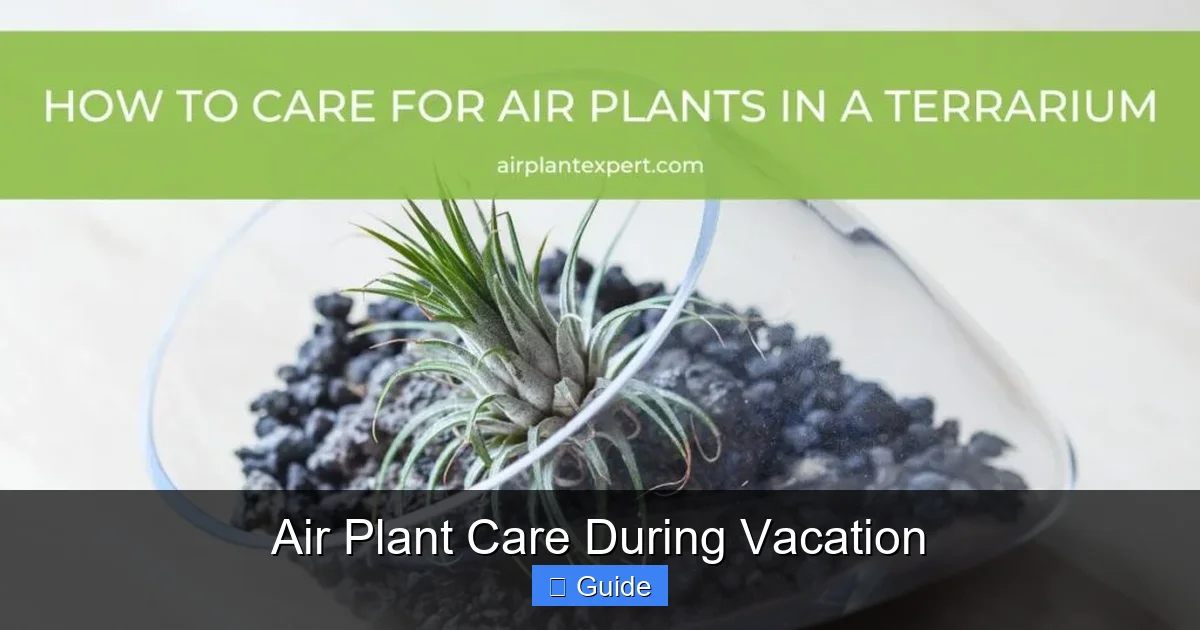
Air Plant Care During Vacation
Going on vacation doesn’t mean your air plants have to suffer. With proper preparation like deep soaking, humidity trays, and smart placement, your tillandsias can thrive for weeks without daily attention. This guide covers everything from pre-trip prep to post-vacation recovery.
You have booked the flight. The hotel is confirmed. The dog sitter is scheduled. But what about your air plants? Those quirky little tillandsias sitting on your shelf, in your terrarium, or mounted on driftwood need a plan too. Unlike traditional houseplants, air plants don’t live in soil. They absorb water and nutrients through their leaves. This makes them uniquely vulnerable when you skip town. But here is the good news. With a little preparation, your air plants can survive and even thrive while you are away. This guide walks you through everything you need to know about air plant care during vacation.
I have learned this the hard way. My first vacation as a plant parent ended with crispy, brown tips on my favorite Ionantha. I thought a quick mist before leaving would be enough. It wasn’t. Air plants are tough, but they are not cacti. They need consistent moisture. The key is understanding how long you will be gone and matching your prep to that timeline. A weekend trip needs a different strategy than a three week adventure. Let’s break it down so you can travel with total peace of mind.
Key Takeaways
- Deep soak before leaving: Give air plants a 2-3 hour soak 24 hours before departure to fully hydrate them.
- Create humidity microclimates: Group plants together on pebble trays with water to maintain ambient moisture.
- Avoid direct sunlight: Move plants to bright indirect light to slow dehydration while you’re gone.
- Use the bag method for short trips: Seal hydrated plants in clear bags with a damp paper towel for up to 10 days.
- Automate with timers: Set up misters or humidifiers on timers for hands-free care during extended absences.
- Know your species: Xeric varieties like Xerographica tolerate drought better than mesic types like Ionantha.
- Inspect upon return: Check for rot, dehydration, or pests immediately and resume normal care routine.
Quick Answers to Common Questions
How long can air plants survive without water while I’m on vacation?
Mesic air plants like Ionantha survive 7-10 days without water. Xeric varieties like Xerographica can last 3-4 weeks. Humidity, temperature, and light affect exact timing.
What is the best way to water air plants before a 1-week trip?
Soak plants for 2-3 hours 24 hours before departure. Shake excess water out completely. Let dry 4+ hours in bright indirect light. Then place on pebble trays or use the bag method with a damp paper towel.
Can I leave air plants in a closed bag for two weeks?
No. The bag method works up to 10 days maximum. Beyond that, stagnant air causes rot and fungal issues. For two weeks, use a humidifier on a timer or arrange a plant sitter.
Should I fertilize air plants before leaving for vacation?
Only fertilize if it aligns with your normal monthly schedule. Use quarter-strength bromeliad fertilizer during a pre-trip soak. Do not fertilize dehydrated plants or right before bagging.
What should I do immediately when I return from vacation?
Open any bags. Inspect each plant for rot (mushy base, foul smell) or dehydration (curled leaves, crispy tips). Deep soak dehydrated plants for 2-4 hours. Dry thoroughly before returning to displays.
📑 Table of Contents
- Understanding Your Air Plant’s Water Needs
- Pre-Vacation Preparation Timeline
- Vacation Care Strategies by Trip Length
- Special Considerations for Mounted and Displayed Plants
- Environmental Controls While You Are Away
- Post-Vacation Recovery Routine
- Common Vacation Care Mistakes to Avoid
- DIY Vacation Care Hacks
- Technology Solutions for the Frequent Traveler
- Species Specific Vacation Tolerance Guide
- Creating a Vacation Care Checklist
- Conclusion
Understanding Your Air Plant’s Water Needs
Before you pack a single suitcase, you need to know what kind of air plants you own. Not all tillandsias are created equal. They generally fall into two categories. Mesic air plants come from humid, tropical environments. Think rainforests and cloud forests. They have greener, softer leaves and fewer trichomes. Trichomes are those tiny silver hairs on the leaves that absorb water. Mesic types like Ionantha, Brachycaulos, and Andreana need frequent hydration. They dry out fast.
Xeric air plants come from arid, desert-like climates. They have silvery, stiff leaves covered in dense trichomes. These trichomes reflect sunlight and capture every drop of moisture from the air. Xeric varieties like Xerographica, Harrisii, and Tectorum are built for drought. They can go weeks without a soak. Knowing which type you have changes everything about your vacation prep. If you are not sure, look at the leaves. Silver and fuzzy means xeric. Green and smooth means mesic. Most collections have a mix. Plan for the thirstiest plant in the group.
How Long Can Air Plants Survive Without Water?
This is the number one question. The answer depends on the species, the humidity in your home, the temperature, and the light exposure. As a general rule, mesic air plants start to struggle after 7 to 10 days without water in average home conditions. Xeric air plants can often last 3 to 4 weeks. But survival is not the same as thriving. Dehydration stress shows up as curled leaves, brown tips, and a dull appearance. The plant goes into survival mode. It stops growing. It becomes susceptible to pests. Your goal is not just survival. Your goal is to return to healthy, happy plants.
Signs of Dehydration vs. Overwatering
You need to recognize the signals. A dehydrated air plant has leaves that curl inward dramatically. The tips turn brown and crispy. The plant feels light and brittle. The color looks faded. An overwatered or rotting air plant feels mushy at the base. The leaves fall off with a gentle tug. The center turns brown or black. It smells swampy. Rot is a death sentence. Dehydration is usually reversible. When prepping for vacation, it is always safer to err on the side of slightly dry than soaking wet. Wet plants in stagnant air rot fast. Dry plants in a bag hold up surprisingly well.
Pre-Vacation Preparation Timeline
Preparation starts days before you leave. Do not wait until the morning of your flight. A rushed job leads to mistakes. Follow this timeline for the best results. Two weeks before vacation, assess your collection. Remove any dead leaves. Check for pests. Treat any issues now. You do not want to come home to an infestation. One week before, give every plant a thorough soak. Use room temperature water. Rainwater or filtered water is best. Tap water works if you let it sit out overnight to dissipate chlorine. Submerge the plants for 30 to 60 minutes. Shake them gently upside down to remove excess water from the crown. Place them on a towel in bright indirect light to dry completely. This deep hydration fills their reserves.
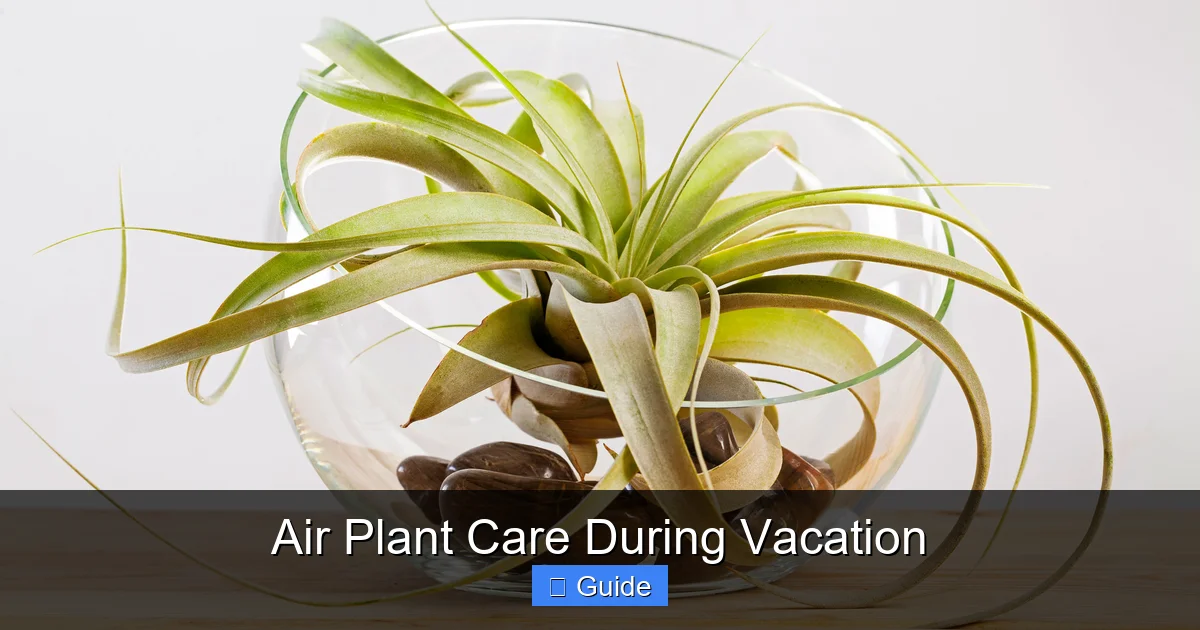
Visual guide about Air Plant Care During Vacation
Image source: cdn.mos.cms.futurecdn.net
Three days before departure, do a second soak for mesic varieties. Xeric types can skip this. Two days before, apply a diluted fertilizer soak if it fits your normal schedule. Use a bromeliad or tillandsia fertilizer at quarter strength. This gives them a nutrient boost before the fast. One day before, do a final check. Make sure every plant is bone dry. Water trapped in the base causes rot. This is critical. Wet plants in enclosed spaces rot within days. The morning you leave, execute your chosen vacation strategy. We will cover those strategies next. Do not water right before you walk out the door unless you are using the bag method.
Gather Your Supplies Early
Having the right tools on hand makes the process smooth. You will need a large bowl or bucket for soaking. A drying rack or clean towels. A spray bottle for misting. Clear plastic bags for the bag method. Rubber bands or twist ties. Pebble trays or shallow dishes. Decorative rocks or LECA clay pebbles. A humidifier if you have one. A timer for the humidifier. A plant sitter instruction sheet if someone is checking in. Buy or gather these a week ahead. The night before you leave is not the time to hunt for a bucket.
Create a Plant Inventory Map
If you have more than a handful of plants, make a quick map. Sketch your shelves or write a list. Note which plants are mesic and which are xeric. Note their locations. Note any special needs. The mounted Xerographica on the wall needs different care than the Ionantha cluster in the glass globe. If you have a plant sitter, this map is gold. It prevents the “I didn’t see that one” problem. Even if you are solo, it helps you double check that every plant got prepped.
Vacation Care Strategies by Trip Length
Your strategy depends entirely on how long you will be gone. There is no one size fits all. Match the method to the timeline.
Weekend Trips (1 to 3 Days)
For a quick weekend getaway, your plants barely notice you are gone. Give them a good 60 minute soak the morning you leave. Shake them well. Let them dry completely. Move them away from direct sun and heating vents. Group them together. That is it. They will be fine. Mesic types might appreciate a light misting before you walk out, but only if they will dry before nightfall. Do not bag them. Do not set up complex systems. Keep it simple.
Short Trips (4 to 10 Days)
This is the sweet spot for the bag method. It works beautifully for up to 10 days. Here is how to do it right. Soak plants for 2 to 3 hours the day before. Let them dry 100 percent. This is non negotiable. Wet plants rot in bags. Get clear plastic bags. Produce bags work. Ziplocks work. One bag per plant or small group. Place a damp paper towel in the bottom of the bag. Not soaking. Damp. Place the plant inside. Blow a little air into the bag to inflate it slightly. This prevents the plastic from pressing on the leaves. Seal the bag with a twist tie. Place in bright indirect light. Not direct sun. The bag creates a mini greenhouse. The plant recycles its own transpiration. Check one bag after 3 days to make sure no condensation is pooling. If it looks good, leave them be.
Alternative for short trips: the pebble tray method. Fill a shallow tray with pebbles or LECA. Add water to just below the top of the pebbles. Place plants on top. Not in the water. On the pebbles. Group them close. The evaporating water raises humidity around them. This works best in a bathroom or kitchen where humidity is already higher. Add a loose plastic drape over the group for extra humidity retention. Use chopsticks or skewers to tent the plastic so it doesn’t touch the plants.
Extended Trips (11 to 21 Days)
Two to three weeks requires serious strategy. The bag method pushes its limit here. Risk of rot increases. The pebble tray method dries out. You need active humidity or a plant sitter. Option one: automated humidifier. Place a cool mist humidifier near your plants. Plug it into a timer. Set it to run 15 minutes every 6 hours. Adjust based on your home’s dryness. Aim for 50 to 60 percent humidity. Group plants around the humidifier output. Use a hygrometer to monitor. This keeps mesic plants happy. Xeric plants might find it too damp. Keep them slightly farther away.
Option two: the plant sitter. This is the gold standard. A friend, neighbor, or hired sitter comes once a week. Give them a written cheat sheet. Show them how to soak. How to shake. How to dry. Mark the mesic plants with a colored twist tie. Tell them “soak these every 7 days.” Mark xeric plants with a different color. “Soak these every 14 days.” Pre-fill buckets with water so they just submerge and walk away. Leave towels out. Leave a spray bottle for quick misting between soaks. Pay them or bake them cookies. Good sitters are priceless.
Option three: the bathroom relocation. If you have a bathroom with a window, move all plants there. Bathrooms hold humidity from showers. Place them on the vanity, the toilet tank, shelves. Use the pebble tray method. The ambient humidity from daily showers (if a sitter visits) or just the room’s natural moisture buys you time. This works surprisingly well for 2 weeks.
Long Trips (3 Weeks or More)
For a month or longer, you absolutely need a plant sitter. No passive method is reliable this long. The risk of rot, pests, or total desiccation is too high. If you cannot find a sitter, consider a plant boarding service. Some nurseries and plant shops offer vacation care. They have greenhouses. They know the routine. It costs money but saves your collection. If you must DIY, combine methods. Humidifier on timer. Pebble trays. Bag the most vulnerable mesic plants for the first 10 days, then have a sitter check once. But honestly, just find a sitter. Your plants are an investment. Protect it.
Special Considerations for Mounted and Displayed Plants
Many air plants live glued to wood, tucked in shells, wired to frames, or nested in glass globes. These cannot be easily soaked. They need tailored solutions.
Glued or Mounted Plants
If your plant is glued to driftwood, cork bark, or a frame, you cannot submerge the mount. Wood rots. Glue fails. Instead, use a targeted approach. For short trips, mist the plant heavily the morning you leave. Focus on the leaf bases. Let it dry. Bag the entire mount if it fits. Use a large clear bag. Damp paper towel at the bottom. Seal it. The mount stays dry. The plant gets humidity. For longer trips, a sitter must mist the mounted plant every 4 to 5 days for mesic types. Every 10 days for xeric. They should mist until water drips off the leaves. Place a towel under the mount to catch runoff. If the mount is small enough, the sitter can dunk just the plant portion in a bowl, keeping the wood dry. This takes practice. Demonstrate before you leave.
Glass Globes and Terrariums
Closed or semi closed glass containers create their own microclimate. They hold humidity. For a week or two, a sealed globe might need zero prep. The plant recycles moisture. But heat builds up fast in glass. Direct sun cooks the plant. Move globes to bright indirect light. If the globe has an opening, mist well before leaving. If it is sealed, do not open it. The established balance works. For trips over 2 weeks, have a sitter open the globe, mist, and reseal. Or remove the plant temporarily. Many globes have removable plants. Take it out. Soak it. Bag it. Put it back when you return. This is safer than guessing.
Vertical Displays and Living Walls
Large mounted displays are the hardest. You cannot move them. You cannot bag them easily. You need a sitter with a sprayer. A pump sprayer works best. They can stand back and mist the whole wall. Set up a tarp or towels at the base to protect floors. Give the sitter a schedule. “Mist the whole wall every 5 days. Focus on the green leafy ones. The silvery ones get misted every 10 days.” Install a humidifier nearby on a timer as backup. This is the only reliable way.
Environmental Controls While You Are Away
Water is not the only factor. Light, temperature, and air flow matter too. Control these to reduce stress.
Light Management
Light drives photosynthesis. Photosynthesis drives water loss. More light equals more thirst. While you are away, reduce light exposure. Move plants back from south facing windows. Pull sheer curtains. Use shade cloth. Aim for bright indirect light. Not dark. Not direct sun. This slows their metabolism. They use less water. They stay hydrated longer. If you use grow lights, put them on a timer. Reduce the daily run time by 2 to 3 hours. Or raise the lights higher. Less intensity equals less transpiration.
Temperature Control
Heat speeds up drying. Cold slows growth but risks damage below 50°F (10°C). Ideal range is 65 to 85°F (18 to 29°C). In summer, close blinds to block heat. Keep AC on if you have it. Set it to 78°F. It costs a little but saves plants. In winter, keep heat on at 65°F minimum. Avoid placing plants near radiators, fireplaces, or drafty windows. Temperature swings stress plants. Stable is best.
Air Circulation
Air plants need air flow. Stagnant air causes rot. But strong drafts dry them out. Find the middle ground. Do not point fans directly at plants. Do not seal them in an airtight room. A gentle ceiling fan on low is perfect. Or a cracked window if weather permits. If using the bag method, the bag is sealed. That is fine for 10 days. For longer, the humidifier method needs some air exchange. Crack a door. The timer on the humidifier creates pulses of moisture. The room breathes between cycles.
Post-Vacation Recovery Routine
You are home. The suitcases are unpacked. Now check your plants. Do not just glance. Inspect each one.
Immediate Triage
Look for crispy tips. Curled leaves. Mushy bases. Fallen leaves. Color changes. Separate plants into three piles. Healthy: perky, open leaves, good color. Dehydrated: curled, crispy tips, dull. Suspicious: mushy, dark base, foul smell, leaves falling off. Deal with the suspicious pile first. If the base is rotten, the plant is likely gone. Pull it. Check if any pups (babies) are attached and healthy. Save the pups. Toss the mother. Do not risk spreading fungus.
Rehydration Protocol
For dehydrated plants, do not just mist. They need a deep soak. Use room temperature water. Add a pinch of fertilizer if it has been a month since last feeding. Submerge for 2 to 4 hours. Yes, hours. They are empty. They need to refill every cell. After soaking, shake vigorously. Upside down. Get water out of the crown. Place on towels in bright indirect light with good air flow. Let them dry 4 hours minimum. Do not put them back in displays until bone dry. Resume normal care schedule. They may look rough for a week. New growth will be healthy.
Gradual Light Reintroduction
If you moved plants to lower light, do not blast them with full sun immediately. They acclimated to dimmer conditions. Sudden intense light burns leaves. Move them back to their usual spots over 3 to 4 days. Day one: current spot. Day two: halfway to normal. Day three: normal spot. Watch for bleaching or reddening (stress colors). Adjust if needed.
Common Vacation Care Mistakes to Avoid
Learn from others’ errors. These are the top ways vacation care goes wrong.
Watering Right Before You Leave
This seems logical. Water them so they are full. But if they do not dry completely, they rot. Especially in bags or terrariums. The crown holds water. That water becomes a petri dish for bacteria. Always soak 24 hours before departure. Dry fully. Then pack or bag.
Using the Bag Method on Xeric Plants
Xeric plants hate constant high humidity. Their trichomes are designed for dry air. In a bag, they often rot or develop fungal spots. Xeric plants like Tectorum, Xerographica, and Harrisii prefer the pebble tray method or just a good soak before a short trip. Save bags for mesic types.
Leaving Plants in Direct Sun
“They like light” is true. But direct sun through glass creates a magnifying effect. Temperatures spike. Transpiration skyrockets. Plants dehydrate in days. Always move to indirect light for vacation.
Assuming a Sitter Knows What to Do
Most people think air plants are fake or need soil. They will overwater. They will pour water into the crown and leave it. They will soak the mount. Write instructions. Use pictures. Do a demo. Text them a photo of a properly shaken plant. Make it foolproof.
Ignoring the Season
Winter air is dry. Heating systems strip moisture. Summer AC does the same. A 5 day trip in January needs more prep than a 5 day trip in humid July. Adjust for your indoor climate, not just the calendar.
DIY Vacation Care Hacks
You do not need fancy gear. Household items work great.
The Wine Bottle Humidifier
Take an empty wine bottle. Fill with water. Invert it into the soil of a potted plant (or into a pot of pebbles). Water slowly seeps out, evaporating and raising humidity. Group air plants around it. Refill holds about a liter. Lasts 1 to 2 weeks depending on air dryness. Free. Effective.
The Bathtub Method
For large collections, use your bathtub. Lay towels on the bottom. Place plants on towels. Run the shower on cool mist for 5 minutes. Close the curtain. Close the door. The bathroom becomes a humidity chamber. Do this the morning you leave. Works for 1 to 2 weeks if the bathroom stays closed. Not great if someone needs that bathroom.
The Capillary Mat Trick
Buy a capillary mat (felt watering mat) or use an old wool blanket. Cut to fit a tray. Soak the mat. Lay plants on top. The mat wicks moisture up. Plants absorb from the air and leaf contact. Cover loosely with plastic tented on stakes. Holds moisture 2 weeks. Cheap. Scalable.
Grouping by Thirst Level
This is not a hack. It is smart organization. Put all mesic plants together. All xeric together. Treat each group appropriately. Mesic get bags or humidifier. Xeric get pebble tray or nothing. Mixed displays force compromise. Someone suffers. Separate them for vacation. Put them back after.
Technology Solutions for the Frequent Traveler
If you travel often, invest in automation. It pays off in plant survival.
Smart Humidifiers
WiFi enabled humidifiers let you monitor and adjust humidity from your phone. Brands like Levoit, Govee, and MistAire have app control. Set target humidity. Get alerts if tank runs dry. Run on schedules. Place near plants. Check hygrometer reading remotely. Peace of mind from the beach.
Automated Misting Systems
Reptile and greenhouse misting systems work for air plants. A reservoir, pump, timer, and nozzles. Mount nozzles above plants. Set timer for 30 seconds every 12 hours. Adjust nozzles to mist air around plants, not drench mounts. Requires setup but runs indefinitely. Good for walls and large collections.
Soil Moisture Sensors (Adapted)
Air plants do not have soil. But you can hack a sensor. Wrap the probe in sphagnum moss. Nestle it among the plants. The moss mimics plant moisture. When moss reads dry, you know plants are dry. Some smart sensors alert your phone. Useful for sitters too. They check the app, not the plants.
Video Check Ins
A simple Wyze or Blink camera pointed at your plants. Check live. See if leaves are curled. See if humidifier is running. See if sitter actually came. Two way audio lets you talk to the sitter. “Hey, the Xerographica looks dry, can you soak it tomorrow?” Costs $30. Worth it.
Species Specific Vacation Tolerance Guide
Quick reference for popular varieties.
High Tolerance (3 to 4 Weeks Dry)
- Tillandsia xerographica – King of air plants. Thick silver leaves. Stores water like a camel.
- Tillandsia tectorum – Fuzzy snowball. Massive trichomes. Hates wet. Loves dry air.
- Tillandsia harrisii – Silvery rosette. Very drought hardy.
- Tillandsia streptophylla – Shirley Temple. Curly leaves curl tighter when dry. Bounces back.
- Tillandsia duratii – Long arms. Holds water in thick leaves.
Medium Tolerance (10 to 14 Days)
- Tillandsia capitata – Thick leaves. Peach blush. Handles neglect well.
- Tillandsia fasciculata – Stiff green leaves. Tank type. Holds water in base.
- Tillandsia bulbosa – Bulbous base stores water. Curly tentacles.
- Tillandsia butzii – Speckled. Pseudobulb holds moisture.
- Tillandsia seleriana – Large bulb. Ant plant. Very resilient.
Low Tolerance (5 to 7 Days Max)
- Tillandsia ionantha – Popular. Small. Green. Dries fast. Many cultivars (Fuego, Rubra, Guatemala). All thirsty.
- Tillandsia brachycaulos – Soft green. Turns red in bloom. Needs constant moisture.
- Tillandsia andreana – Fine needles. Wispy. Desiccates quickly.
- Tillandsia funckiana – Pine needle leaves. Very thin. High surface area. Loses water fast.
- Tillandsia recurvata – Ball moss. Tiny. Grows in clumps. Inner plants rot if wet, dry if dry. Tricky.
Creating a Vacation Care Checklist
Print this. Laminate it. Use it every trip.
Two Weeks Before
- Inspect all plants for pests and rot
- Remove dead leaves
- Identify mesic vs xeric
- Buy supplies (bags, pebbles, towels, timer)
- Contact plant sitter if needed
One Week Before
- Deep soak all plants 60 minutes
- Dry completely 4+ hours
- Apply fertilizer if scheduled
- Set up humidifier and test timer
- Prepare pebble trays
Three Days Before
- Second soak for mesic plants
- Dry completely
- Confirm sitter schedule
- Print sitter instructions with photos
One Day Before
- Final inspection – all plants bone dry
- Move plants to vacation positions
- Set up bags, trays, humidifier
- Adjust thermostat
- Close blinds/curtains
- Set grow light timers
Morning of Departure
- Mist mesic plants lightly (if not bagging)
- Seal bags with damp towel
- Start humidifier timer
- Text sitter reminder
- Take photo of setup for reference
Upon Return
- Open bags immediately
- Inspect every plant
- Triage: healthy, dehydrated, rotting
- Deep soak dehydrated plants 2 to 4 hours
- Dry thoroughly
- Gradually reintroduce light
- Resume normal schedule
Conclusion
Air plant care during vacation is not rocket science. It is preparation. The plants you love can handle your absence if you speak their language. Hydrate them deep. Slow their metabolism with lower light. Raise humidity to match their needs. Match the method to the timeline. And never, ever seal a wet plant in a bag. That is the golden rule. Whether you are gone for a weekend or a month, there is a strategy that works. The bag method for short trips. The humidifier timer for medium trips. The trusted sitter for long trips. Know your species. Xeric plants are the easy friends. Mesic plants are the high maintenance ones. Plan for the neediest. Automate if you travel often. Keep a checklist. Take a photo of your setup so you can replicate it next time. Your air plants give you so much weird beauty for so little ask. Give them a solid vacation plan. They will be waiting, perky and silver-green, when you walk through the door. And that first post trip soak? It feels like a reunion. Happy travels. Happy plants.
Frequently Asked Questions
Can air plants survive 3 weeks without water?
Xeric air plants like Xerographica, Tectorum, and Harrisii can survive 3 weeks without water due to their thick trichomes and water storage. Mesic varieties will likely die or suffer severe dehydration. Know your species before attempting this.
Is it okay to put air plants in the bathroom while on vacation?
Yes, bathrooms are excellent for vacation care. The higher humidity from showers helps mesic plants. Place them on the vanity or shelves in bright indirect light. Use pebble trays for extra humidity. Ensure the bathroom stays above 55°F.
How do I care for glued air plants while on vacation?
For mounted plants, mist heavily before leaving and bag the entire mount with a damp paper towel for short trips. For longer trips, a plant sitter must mist the plant directly every 4-5 days (mesic) or 10 days (xeric), avoiding soaking the wood mount.
Will my air plants die if I forget to water them for a week?
Most air plants will not die after one week without water. Mesic types will show dehydration (curled leaves, brown tips) but recover with a long soak. Xeric types barely notice. The danger zone starts at 10-14 days for mesic varieties.
Can I use a humidifier for air plants while away?
Yes, a cool-mist humidifier on a timer is ideal for trips over 10 days. Set it to run 15 minutes every 6 hours. Aim for 50-60% humidity. Group plants near the output but not directly in the mist stream. Use a hygrometer to verify levels.
What temperature should I keep my house for air plants during vacation?
Keep your home between 65-85°F (18-29°C). In summer, set AC to 78°F to prevent heat stress. In winter, maintain at least 65°F. Avoid placing plants near heating vents, radiators, or drafty windows where temperature fluctuates wildly.