Agave Soil Mix Recipe
Creating the ideal agave soil mix recipe is essential for preventing root rot and ensuring your succulents thrive. This comprehensive guide covers the exact ingredients, ratios, and techniques needed to craft a fast-draining, nutrient-balanced medium that mimics the agave’s natural arid habitat.
Key Takeaways
- Drainage is everything: Agave roots rot quickly in wet soil, so your mix must drain within seconds
- Use mineral-heavy ingredients: Pumice, perlite, and coarse sand should make up 60 to 70 percent of your blend
- Limit organic matter: Keep compost or peat moss to 20 to 30 percent maximum to avoid water retention
- Test before planting: Pour water through your mix to confirm it drains freely without pooling
- Adjust for your climate: Humid regions need more grit while arid zones can use slightly more organic material
- Repot every two to three years: Fresh soil prevents compaction and replenishes depleted minerals
- Top dress with gravel: A layer of decorative stone keeps the crown dry and discourages pests
Quick Answers to Common Questions
What is the best agave soil mix recipe for beginners?
The best starter recipe uses 40 percent pumice, 20 percent perlite, 20 percent coarse sand, 15 percent composted pine bark fines, and 5 percent worm castings. This balances drainage with enough nutrients for healthy growth.
Can I use regular potting soil for agave if I add extra perlite?
No, regular potting soil contains too much peat moss and fine organic matter that retains water. Even with added perlite, the base structure holds moisture too long. Always start with a mineral-heavy base for agave.
How often should I replace the soil in my agave pots?
Repot agave with fresh soil mix every two to three years. The mineral components last indefinitely but organic matter breaks down, and roots eventually fill the container, reducing drainage efficiency.
What type of sand is safe for agave soil mix?
Use only sharp, washed construction sand or poultry grit (crushed granite). Avoid play sand, beach sand, and masonry sand. These have rounded grains or contaminants that compact or burn roots.
Do I need to fertilize agave planted in this soil mix?
The worm castings provide a year of nutrients. After that, apply a light top dressing of slow-release succulent fertilizer in spring, or use quarter-strength liquid fertilizer monthly during active growth only.
📑 Table of Contents
- Why Getting Your Agave Soil Mix Recipe Right Changes Everything
- Understanding What Agave Roots Actually Need
- The Core Agave Soil Mix Recipe
- Customizing Your Agave Soil Mix Recipe for Specific Situations
- Common Mistakes That Kill Agave
- Advanced Techniques for Thriving Agave
- Maintaining Your Agave Soil Mix Long Term
- Troubleshooting Your Agave Soil Mix Recipe
- Conclusion: Your Agave Soil Mix Recipe Journey Starts Now
Why Getting Your Agave Soil Mix Recipe Right Changes Everything
I learned this lesson the hard way. My first agave americana looked stunning in its nursery pot. Three months later it was a mushy mess. The problem wasn’t my watering schedule. It was the soil. That experience sent me down a rabbit hole of research, trial, and error that I’m now sharing with you.
Agave plants evolved in some of the harshest environments on Earth. Their roots expect sharp drainage, minimal organic matter, and plenty of air pockets. Standard potting soil holds water like a sponge. That spells death for these desert dwellers. A proper agave soil mix recipe mimics their native habitat while providing just enough nutrients for healthy growth.
This guide walks you through everything I’ve learned. You’ll get exact measurements, ingredient explanations, climate adjustments, and troubleshooting tips. Whether you’re growing a tiny agave victoriae-reginae or a massive agave americana, the principles stay the same. Let’s dig in.
Understanding What Agave Roots Actually Need
The Desert Root Architecture
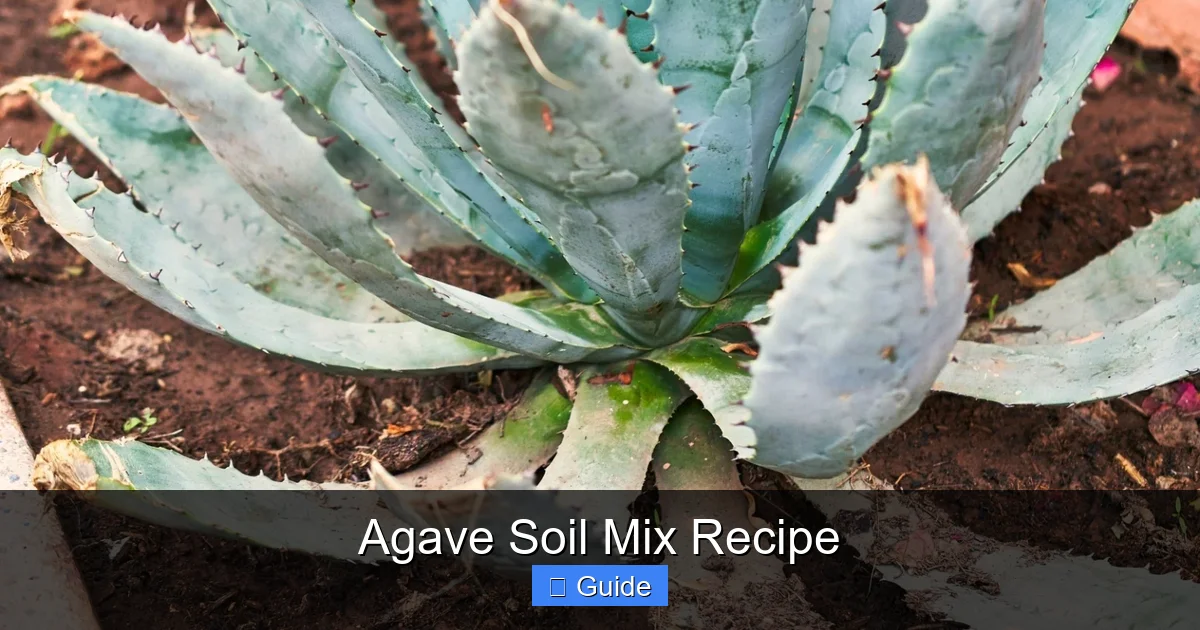
Agave roots are fundamentally different from tropical plant roots. They’re thick, fleshy, and designed to store water. In nature, these roots spread wide and shallow, capturing brief rainfall before it evaporates. They don’t dive deep searching for moisture. This means your soil mix needs to support horizontal root expansion while staying aerated.
Visual guide about Agave Soil Mix Recipe
Image source: epicgardening.com
When roots sit in moisture, they suffocate. Oxygen can’t reach the root tissues. Anaerobic bacteria take over. Rot begins within days. The crown where leaves meet roots is especially vulnerable. Water pooling there creates the perfect storm for fungal infections.
Why Standard Potting Soil Fails
Commercial potting mixes are designed for moisture-loving plants. They contain peat moss, coconut coir, and fine compost. These ingredients hold water beautifully for ferns and philodendrons. For agave, they’re a death sentence. Even “cactus mix” bags often contain too much organic matter and not enough coarse mineral content.
I’ve tested over a dozen commercial mixes. Most stay wet for five to seven days after watering. Agave soil should dry completely in two to three days max. The difference comes down to particle size and pore space. Large particles create large air gaps. Small particles pack tight and trap water.
The Science of Fast Drainage
Drainage isn’t just about water leaving the pot. It’s about air entering the soil. When water drains, it pulls fresh oxygen into the pore spaces. This gas exchange is critical for root respiration. A good agave soil mix recipe creates a cycle of wet-dry-wet that mimics desert rainfall patterns.
Think of your soil like a sponge versus a colander. The sponge holds water. The colander lets it pass while catching solids. You want the colander effect. Water enters, hydrates roots, then exits completely. Air follows. Roots breathe. Plant thrives.
The Core Agave Soil Mix Recipe
My Go-To Formula After Years of Testing
After dozens of batches and hundreds of plants, this ratio works for 90 percent of agave species in most climates:
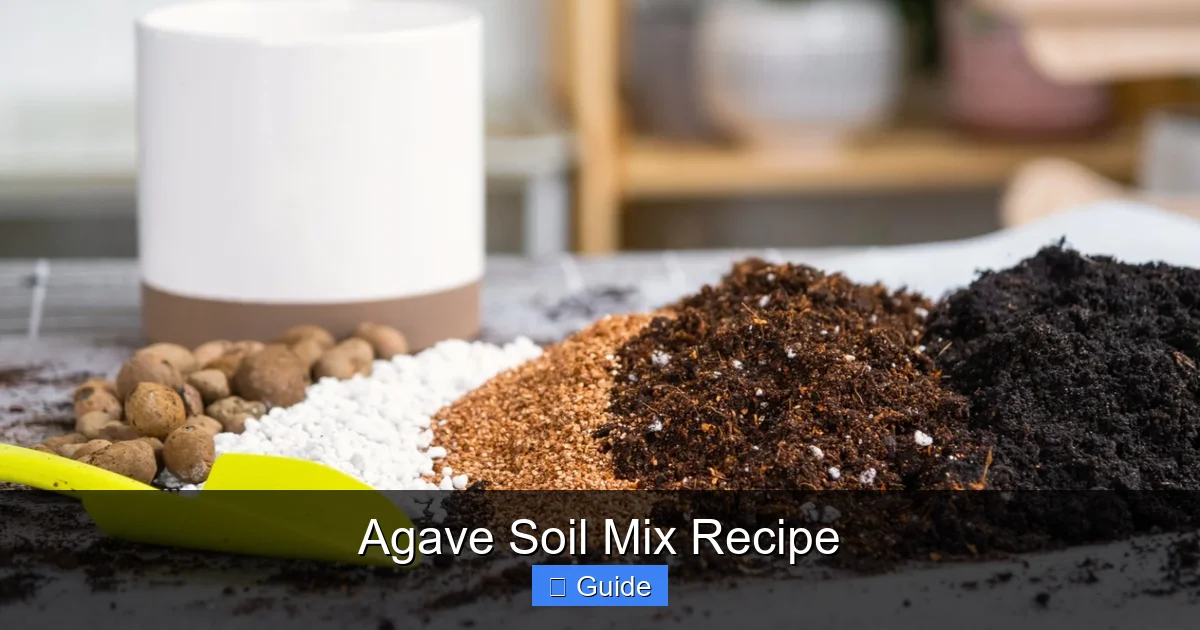
- 40 percent pumice (quarter-inch to half-inch particles)
- 20 percent perlite (horticultural grade, not construction grade)
- 20 percent coarse sand (builder’s sand or poultry grit, not play sand)
- 15 percent composted pine bark fines (quarter-inch or smaller)
- 5 percent worm castings or well-aged compost
This agave soil mix recipe drains in seconds. It holds just enough moisture for roots to absorb what they need. The mineral components create permanent structure that never breaks down. The small organic fraction feeds beneficial microbes without creating soggy conditions.
Why Each Ingredient Matters
Pumice is the star player. This volcanic rock is lightweight, porous, and incredibly durable. Each particle holds microscopic air pockets. Roots can actually grow into these pores. Pumice doesn’t decompose, float, or compact. It’s pH neutral and adds trace minerals over time. If you can only find one specialty ingredient, make it pumice.
Perlite adds additional aeration and keeps the mix light. Those white volcanic glass beads create large pore spaces between pumice particles. Use horticultural perlite only. Construction perlite often contains dust and additives. Rinse it before mixing to remove fine particles that can clog drainage.
Coarse sand provides weight and stability. It prevents the mix from becoming too fluffy. Sharp, angular grains lock together better than rounded beach sand. Poultry grit (crushed granite) works beautifully and is cheap at feed stores. Avoid play sand, beach sand, or any sand with salt contamination.
Composted pine bark fines supply the organic component. Unlike peat moss, bark fines decompose slowly. They maintain structure for years. They’re naturally acidic, which agave prefers. The fines size (quarter-inch max) prevents large chunks that create wet pockets. Coconut coir works as a substitute but breaks down faster.
Worm castings provide gentle, slow-release nutrition. Five percent is plenty. More invites fungus gnats and retains excess moisture. Fresh manure or uncomposted material burns roots and introduces pathogens. Only use fully processed castings or hot-composted material.
Mixing Instructions Step by Step
Start with a clean tarp or large tub. Measure ingredients by volume using a bucket or pot. Consistency matters more than precision. Dump pumice first. Add perlite and sand. Mix thoroughly with your hands or a trowel. The mineral base should look uniform.
Sprinkle bark fines over the mineral mix. Blend again until evenly distributed. Finally, add worm castings. Give one final thorough mix. The finished blend should feel gritty, cool, and slightly damp but never wet. Squeeze a handful. It should crumble immediately when you open your hand.
Store unused mix in a breathable container. A burlap sack or plastic bin with holes works. Keep it dry. Moisture invites mold growth in the organic fraction. Mix stays good indefinitely if kept dry.
Customizing Your Agave Soil Mix Recipe for Specific Situations
Adjusting for Humid Climates
If you live in Florida, the Gulf Coast, or the Pacific Northwest, increase mineral content to 75 percent. Reduce bark fines to 10 percent. Skip worm castings entirely. Add 5 percent charcoal chips to absorb excess moisture and prevent fungal issues. Your mix should dry in 24 hours after watering.
Humidity slows evaporation dramatically. Even fast-draining soil stays damp longer when the air is saturated. The extra grit creates more air space. Charcoal acts like a moisture buffer. I’ve seen agave survive hurricane season in this adjusted mix while standard mixes failed completely.
Modifications for Arid Climates
Arizona, Nevada, and inland California growers can use more organic matter. Try 60 percent mineral, 30 percent bark fines, 10 percent worm castings. The intense heat and low humidity evaporate moisture fast. Extra organics extend the hydration window slightly. This reduces watering frequency without risking rot.
In extreme heat, consider adding 5 percent coconut coir. It holds water longer than bark but still drains well. Monitor closely the first season. Adjust based on how fast your specific microclimate dries the mix.
Special Blends for Container vs Ground Planting
Containers need the fastest drainage possible. Use the standard recipe above. Ground planting allows slightly more organic matter since excess water drains away laterally. For in-ground agave, amend native soil with 50 percent pumice and 10 percent compost. Skip perlite and sand. The native soil provides structure.
Raised beds sit between containers and ground. Use 70 percent mineral mix, 30 percent amended native soil. This balances drainage with moisture retention for larger root zones.
Species-Specific Tweaks
Agave victoriae-reginae and other small species prefer slightly more organic matter. They have finer roots. Increase bark fines to 25 percent. Reduce pumice to 35 percent.
Agave americana and large species need maximum stability. Increase coarse sand to 30 percent. Reduce perlite to 10 percent. The weight prevents toppling.
Variegated cultivars are more rot-sensitive. Boost mineral content to 75 percent. Use only 5 percent organic matter. These plants have less chlorophyll and slower growth, making them less resilient to wet feet.
Common Mistakes That Kill Agave
Using the Wrong Sand
Play sand is the number one killer I see. Those rounded grains pack like cement. Beach sand contains salt that burns roots. Masonry sand varies wildly in particle size. Only use sharp, washed construction sand or poultry grit. Test by rubbing between fingers. It should feel gritty, not powdery.
Overloading Organic Matter
More compost seems like it would help. It doesn’t. Agave evolved in nutrient-poor soils. Rich mixes cause weak, leggy growth. The plant puts energy into leaves instead of roots. Then a dry spell hits and the big leaves have no root support. Stick to the ratios. Less is more.
Skipping the Drainage Test
Never plant without testing. Fill a pot with your mix. Water thoroughly. Time how long until water runs freely from the bottom. It should be immediate. If water pools on top for more than five seconds, add more pumice. Test every batch. Ingredients vary by source.
Ignoring Pot Selection
The best agave soil mix recipe fails in the wrong pot. No drainage holes? Dead plant. One tiny hole? Dead plant. Use pots with multiple large holes. Terra cotta breathes better than plastic. Elevate pots on feet or gravel. Never use saucers that hold water.
Top Dressing Mistakes
Decorative rocks look great. But fine gravel or sand on top traps moisture against the crown. Use quarter-inch or larger gravel. Keep it pulled back half an inch from the plant base. The crown needs air circulation. Wet crown equals rot.
Repotting at the Wrong Time
Spring is ideal. The plant enters active growth and recovers fast. Fall works in mild climates. Never repot in winter dormancy or summer heat stress. Damaged roots can’t absorb water in extreme temperatures. Wait for mild, stable weather.
Advanced Techniques for Thriving Agave
Incorporating Mycorrhizal Fungi
Beneficial fungi form partnerships with agave roots. They extend the root system’s reach dramatically. Add a teaspoon of mycorrhizal inoculant per gallon of soil mix. Sprinkle directly on roots during planting. The fungi colonize within weeks. You’ll see faster establishment and better drought tolerance.
Choose endomycorrhizal blends labeled for succulents. Ectomycorrhizal fungi partner with trees, not agave. Store inoculant in the fridge. Heat kills the spores. Don’t mix into soil ahead of time. Apply fresh at planting.
Creating a Mineral Mulch Layer
Top dress with half-inch crushed lava rock, pumice, or decorative gravel. This layer reduces evaporation, prevents soil splash on leaves, and deters fungus gnats. It also looks fantastic. Replenish annually as it settles. Don’t use organic mulch like wood chips. They hold moisture and breed pests.
Fertilizing Within the Mix
Agave needs minimal fertilizer. The worm castings provide a year of nutrition. After that, top dress with a tablespoon of slow-release succulent fertilizer in spring. Or use liquid fertilizer at quarter strength monthly during growth. Never fertilize in winter. Excess nitrogen causes weak tissue prone to rot.
Watering Practices That Complement Your Mix
Even perfect soil fails with bad watering. Water deeply until it flows from drainage holes. Then wait. Don’t water again until the mix is bone dry two inches down. Use a chopstick or moisture meter. In summer this might be weekly. In winter, monthly or never. Adjust for your climate.
Morning watering lets excess evaporate. Evening watering leaves moisture overnight. Avoid wetting leaves. Water at soil level. Wet leaves in sun can scorch. Wet leaves in cool weather invite fungus.
Maintaining Your Agave Soil Mix Long Term
When to Refresh the Mix
Container agave needs fresh soil every two to three years. Signs it’s time: water runs straight through without wetting the center, the plant looks stunted despite care, or roots circle the pot bottom. Spring repotting gives the whole growing season to recover.
Gently remove old mix from roots. Trim any dead or mushy roots. Replant in fresh batch of your agave soil mix recipe. Water lightly. Wait a week before normal watering. This lets root wounds callous.
Dealing with Soil Compaction
Over time, even mineral mixes settle. The top inch compacts from watering. Once a year, gently scratch the surface with a fork. Don’t disturb shallow roots. Top off with fresh mix. This restores pore space without full repotting.
Monitoring pH Levels
Agave prefers slightly acidic to neutral pH (6.0 to 7.0). Pine bark fines naturally acidify. Test annually with a soil meter. If pH drops below 6.0, add a tablespoon of dolomite lime per gallon of mix at next repotting. If above 7.0, increase bark fines slightly.
Preventing Pest Issues in the Soil
Fungus gnats love damp organic matter. Your fast-draining mix naturally discourages them. If they appear, let soil dry completely. Apply mosquito bits (BTi) to kill larvae. Top dress with half-inch sand to block egg-laying. Mealybugs hide in soil crevices. Check roots during repotting. Treat with systemic insecticide if found.
Troubleshooting Your Agave Soil Mix Recipe
Mix Stays Wet Too Long
Increase pumice by 10 percent. Decrease bark fines by 10 percent. Check your perlite. Old perlite crushes into dust that clogs pores. Replace annually. Ensure pot has adequate holes. Elevate pot for better airflow underneath.
Mix Dries Too Fast
In hot, windy conditions, even good mix dries in hours. Increase bark fines to 25 percent. Add 5 percent coconut coir. Mulch heavily with large gravel. Group pots to create humidity microclimate. Water more frequently but don’t change the mix drastically.
Plant Shows Nutrient Deficiency
Yellowing lower leaves often mean nitrogen shortage. Apply diluted fish emulsion monthly during growth. Purple leaf edges suggest phosphorus. Add bone meal at repotting. Brown leaf tips usually indicate water issues, not nutrients. Fix watering first.
Salt Buildup on Soil Surface
White crust means mineral salts from water and fertilizer. Flush the pot monthly. Run water through for five minutes. Let drain completely. This prevents root burn. Use rainwater or distilled water if your tap water is very hard.
Root Rot Despite Good Mix
Check the crown. Is soil or mulch touching the base? Pull it back. Check the pot bottom. Are roots growing out holes into a saucer? Elevate the pot. Check watering frequency. Are you watering on a schedule instead of checking soil? Switch to moisture-based watering.
Conclusion: Your Agave Soil Mix Recipe Journey Starts Now
You now have everything needed to create the perfect agave soil mix recipe. The formula is simple. The principles are clear. The adjustments are logical. But knowledge only helps when applied. Mix a batch this weekend. Test it. Plant something. Watch what happens.
Remember that every grower’s conditions differ. Your humidity, light, temperature, and water quality all interact with the mix. Keep notes. Take photos. Adjust one variable at a time. The best gardeners are observant experimenters.
Agave plants reward patience with architectural beauty that lasts decades. Some species outlive their caretakers. Giving them the right foundation from day one sets the stage for a lifetime of dramatic form and minimal maintenance. That first batch of gritty, perfect soil is an investment in years of satisfaction.
Start small if you’re nervous. One pot. One plant. Perfect mix. See the difference. Then scale up. Your agave collection will thank you with vigorous growth, stunning symmetry, and the quiet confidence of plants that finally feel at home.
Frequently Asked Questions
Can I make agave soil mix without pumice?
Yes, substitute with extra perlite and coarse sand, but pumice is ideal because its porous structure holds air and trace minerals. Without pumice, increase perlite to 30 percent and sand to 30 percent, keeping bark fines at 15 percent.
Is coconut coir better than peat moss for agave soil?
Coconut coir is better than peat moss because it rewets easily and decomposes slower. However, composted pine bark fines are superior to both for agave. They maintain structure longest and provide natural acidity that agave prefers.
How do I know if my agave soil mix is draining fast enough?
Water should flow through the pot immediately and exit drainage holes within seconds. If water pools on the surface for more than five seconds, the mix is too dense. Add more pumice or coarse sand until drainage is instant.
Can I use this agave soil mix recipe for other succulents?
Absolutely. This mix works excellently for cacti, euphorbia, sedum, echeveria, and most xeric plants. For tropical succulents like holiday cactus, increase organic matter to 40 percent and reduce mineral content accordingly.
Should I sterilize my agave soil mix ingredients?
No sterilization needed for mineral ingredients. Pumice, perlite, and sand are naturally sterile. Only ensure organic components (bark fines, worm castings) are fully composted. Properly hot-composted materials are pathogen-free and beneficial.
What size pot works best with this soil mix?
Choose a pot only one to two inches wider than the root ball. Agave prefers tight quarters. Large pots hold excess soil that stays wet. Ensure multiple drainage holes. Terra cotta is ideal because it wicks moisture from the mix sides.